-
-
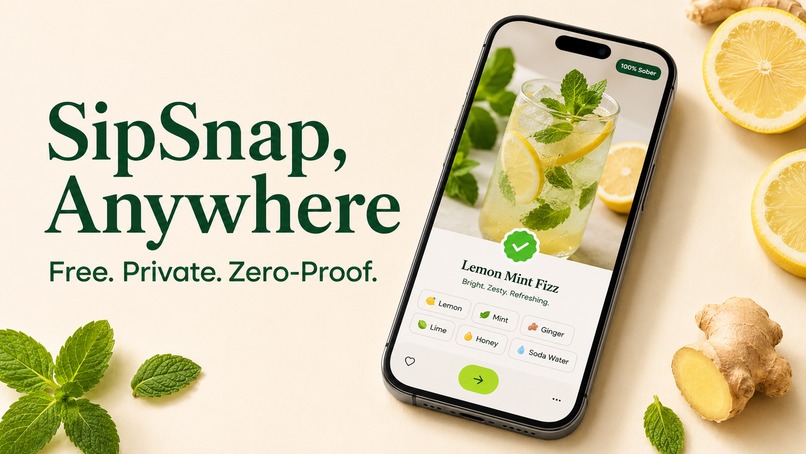
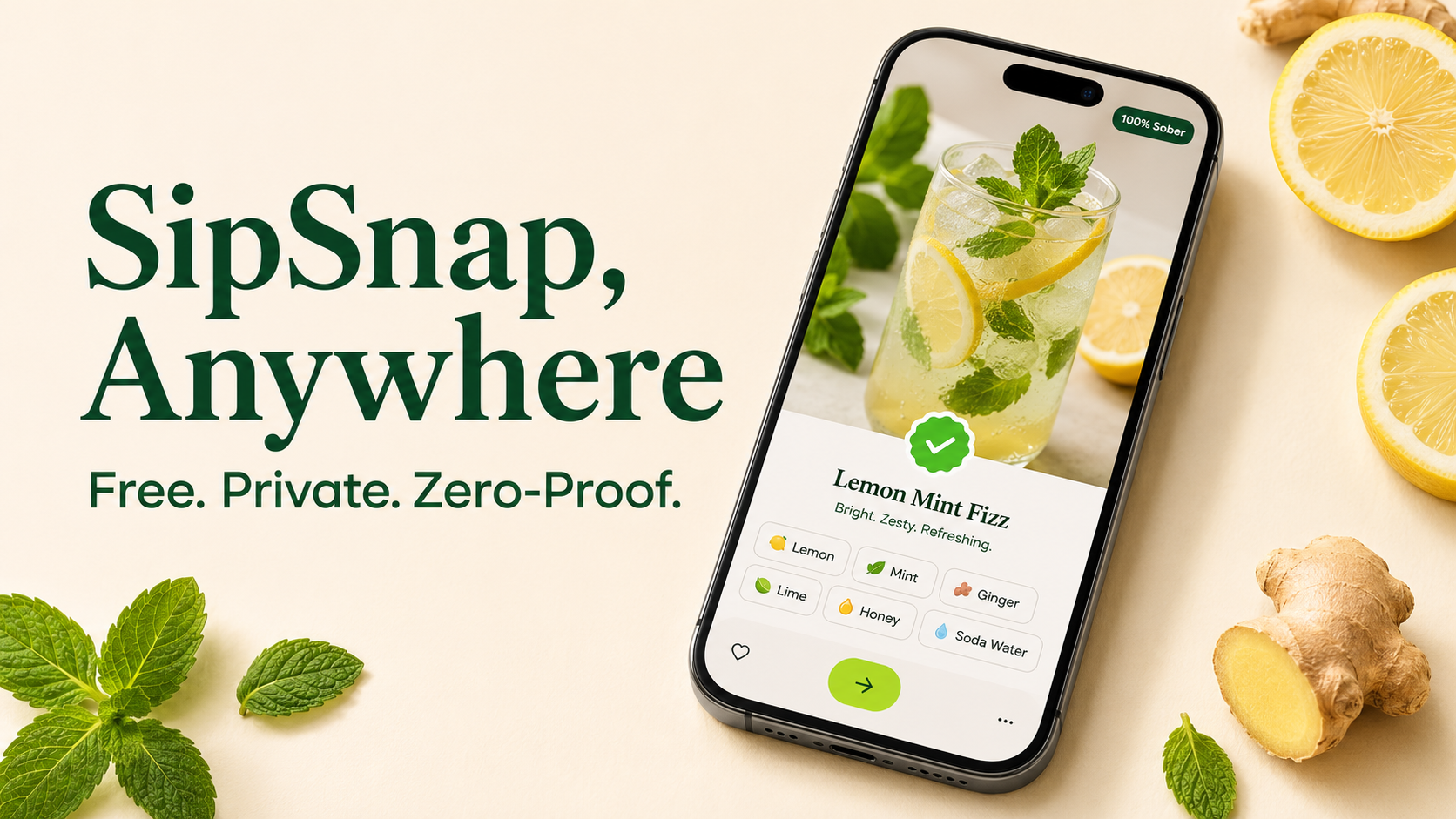
A responsive experience that works across desktop and mobile devices.
-
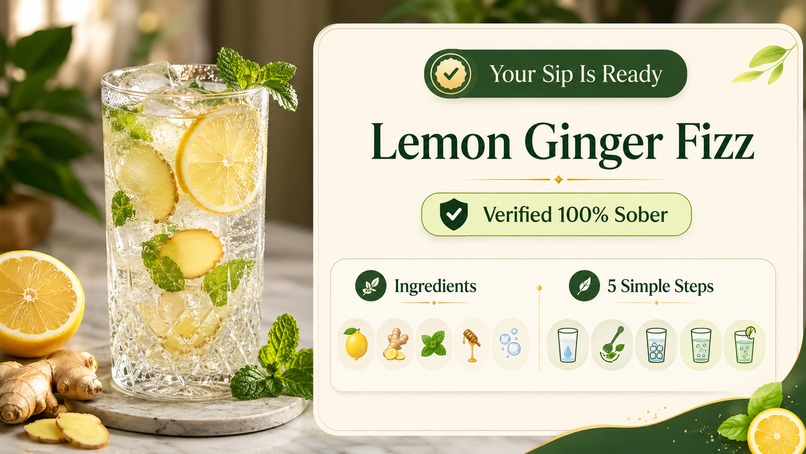
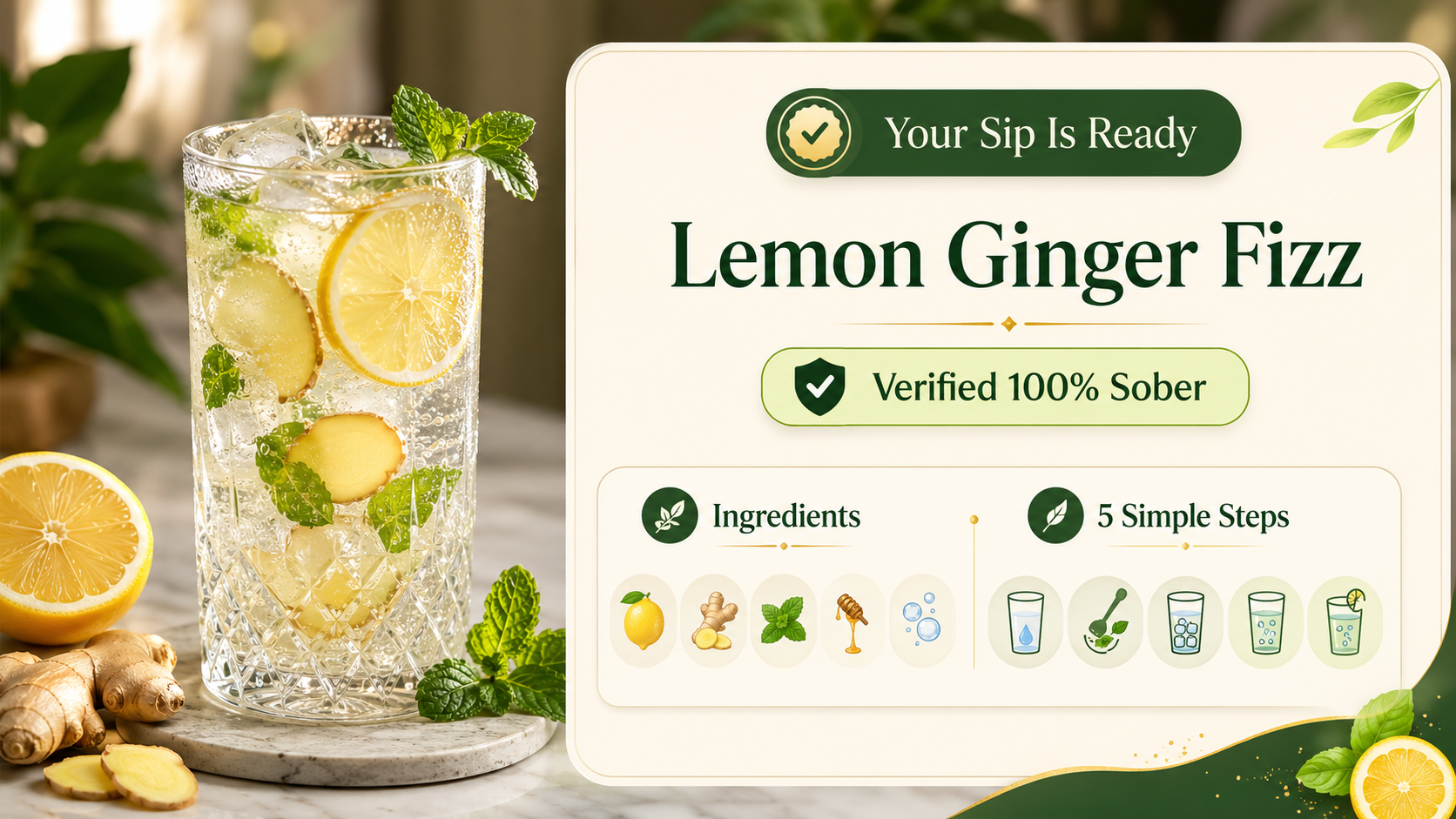
SipSnap creates a structured recipe with quantities, preparation steps, flavor profile, and garnish.
-
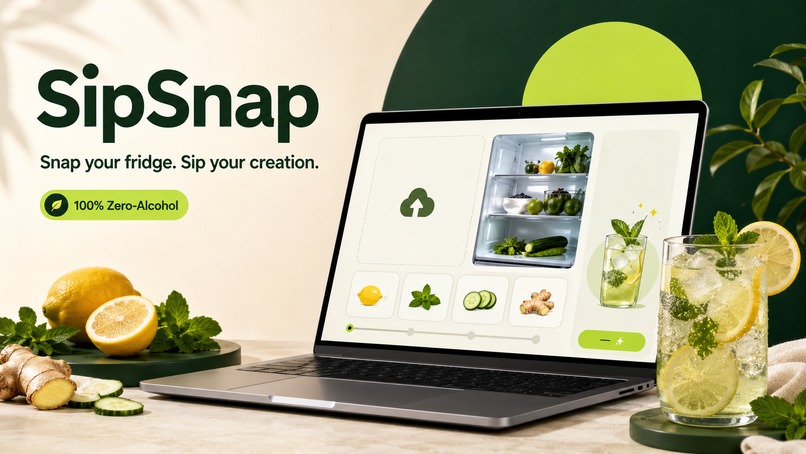
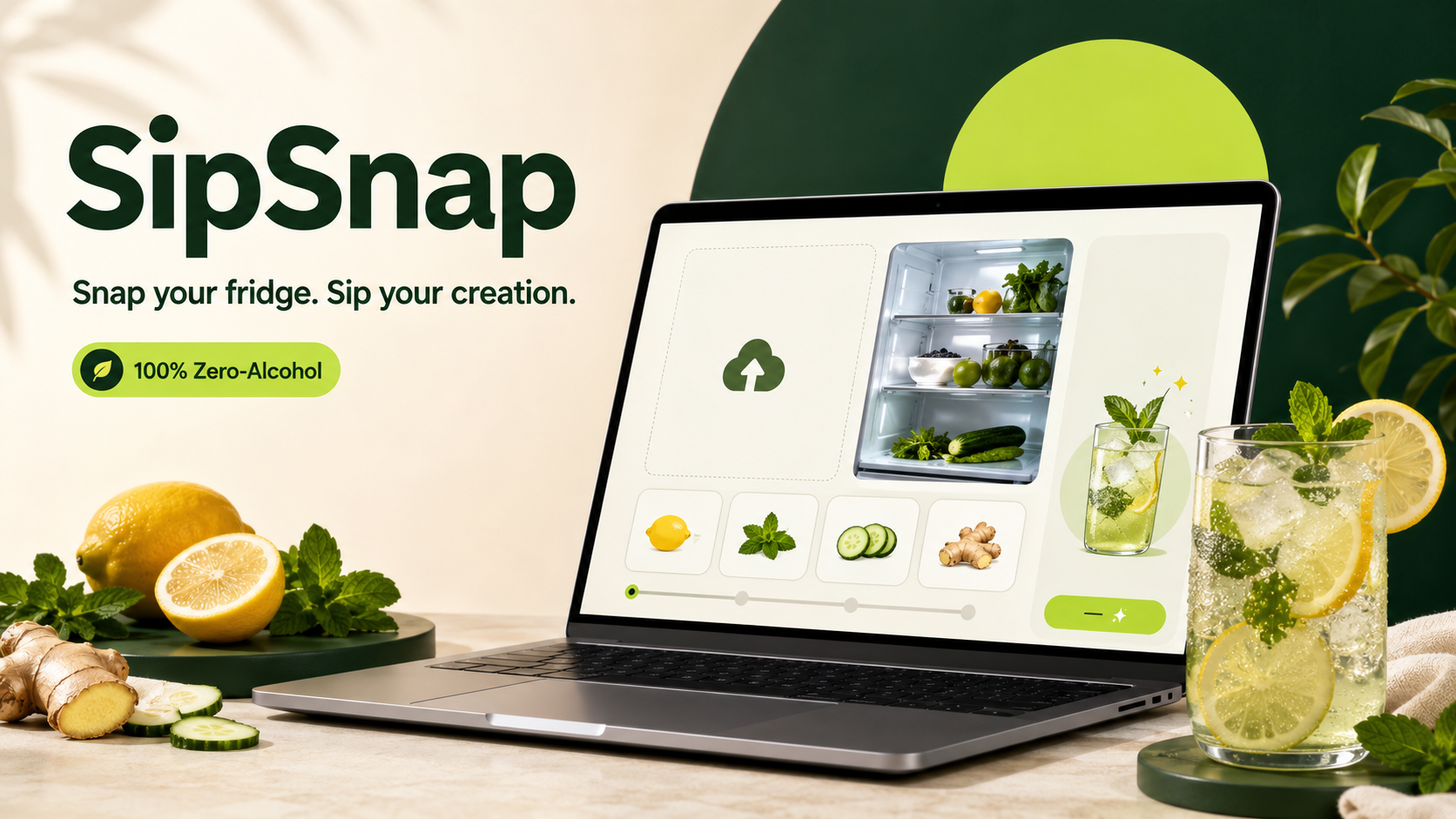
Meet SipSnap—the free, private, zero-proof drink creator.
-
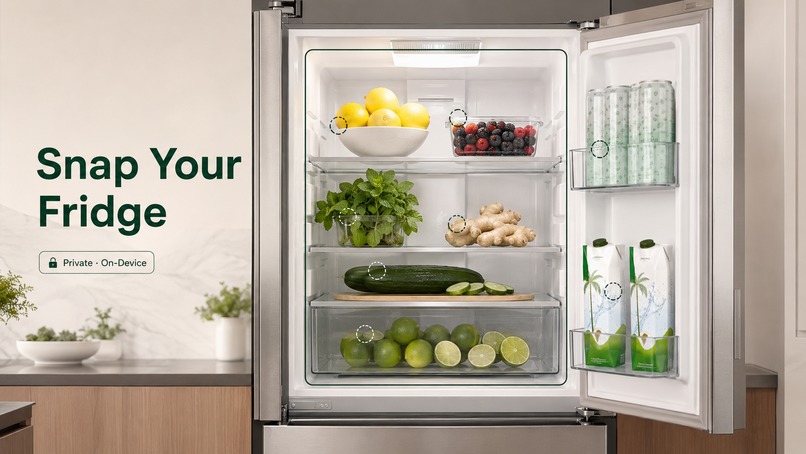
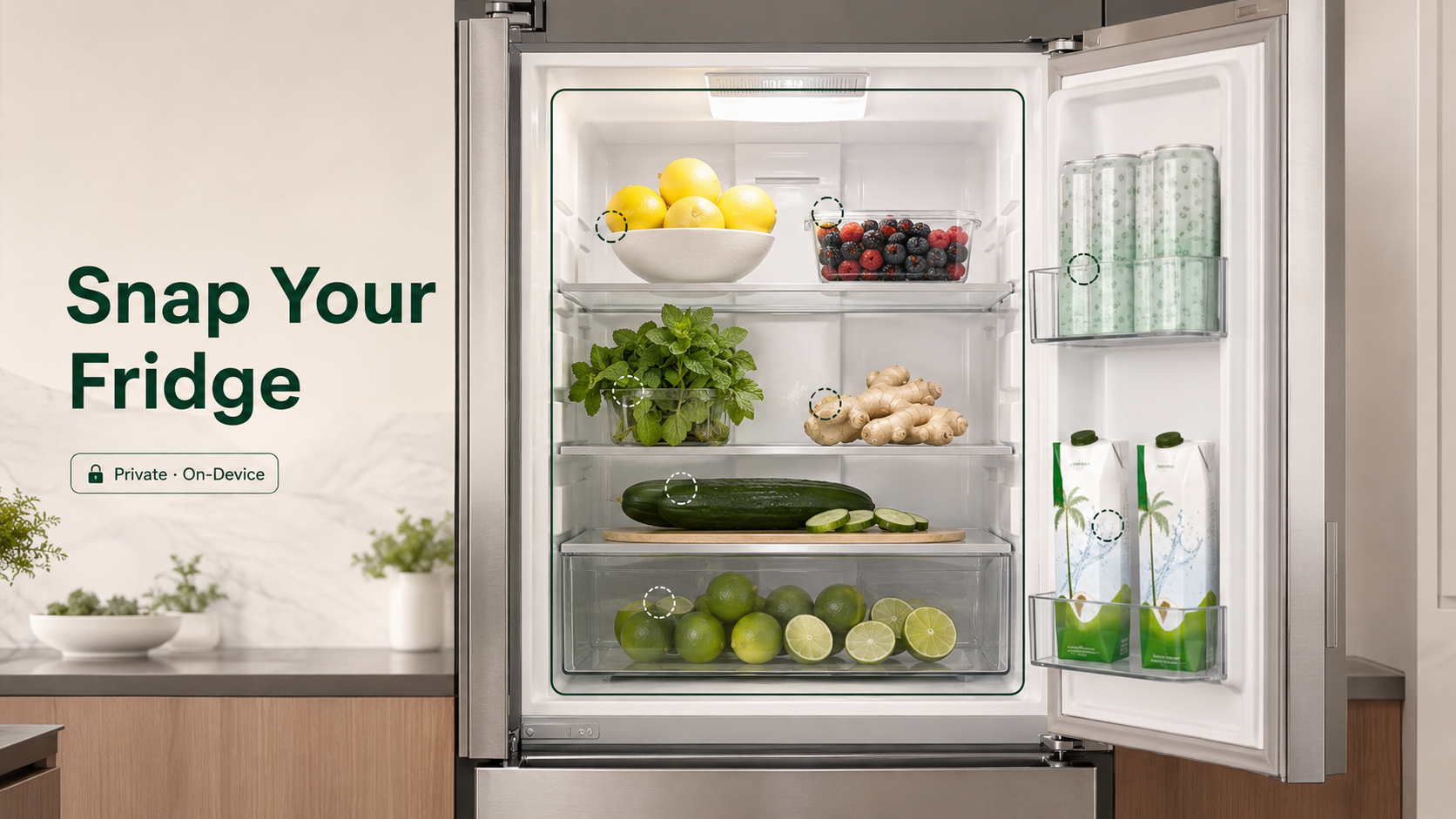
On-device vision scans fresh ingredients without uploading the photo to our server.
-
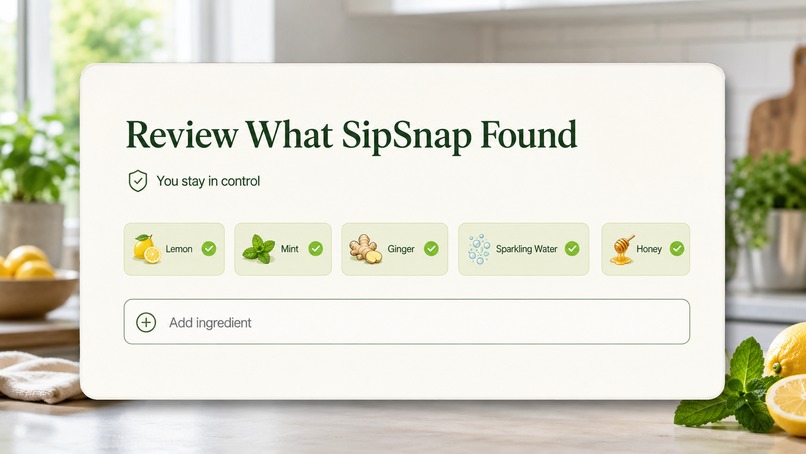
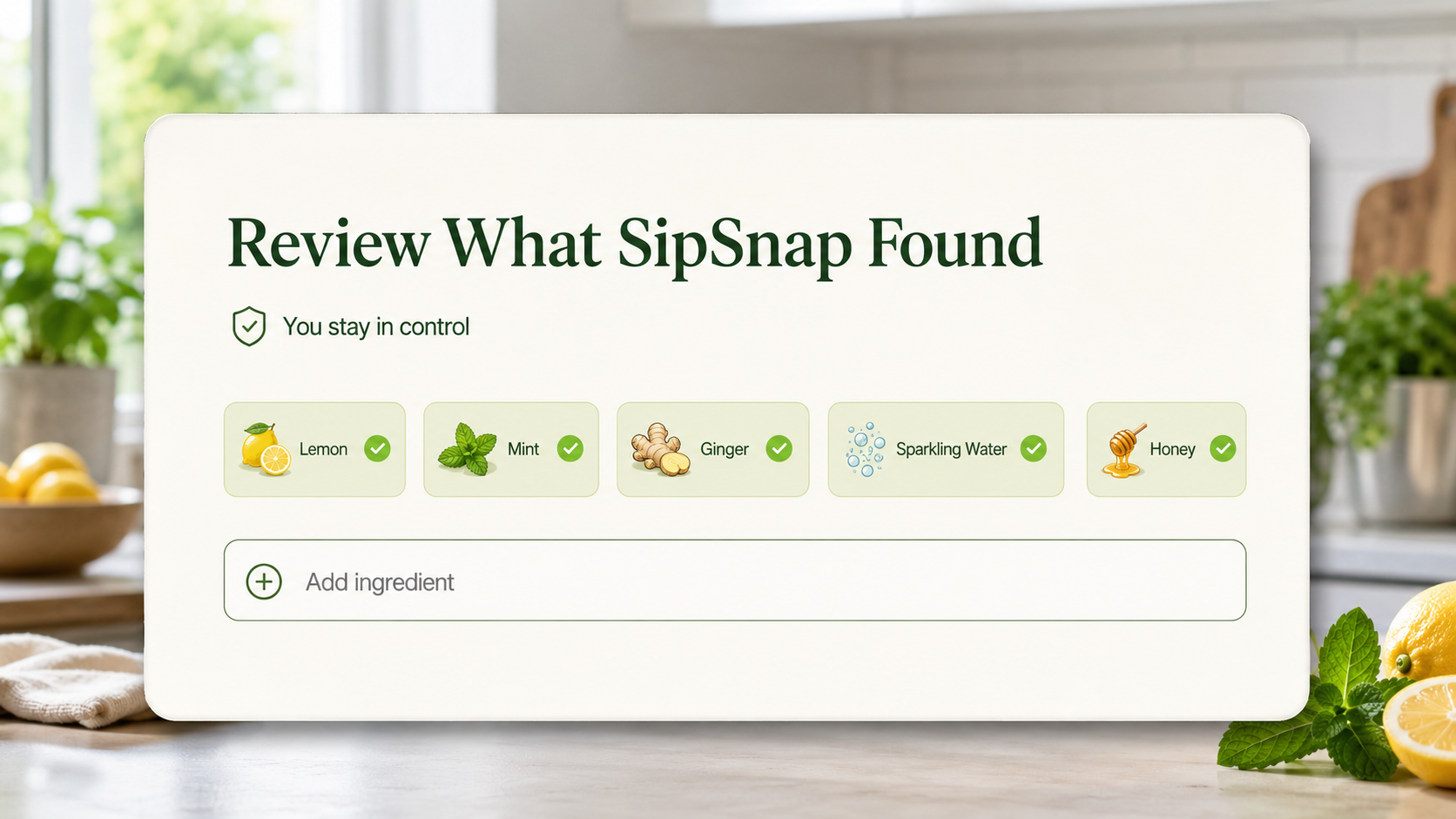
Users can review, remove, or add ingredients before generating a recipe.
-
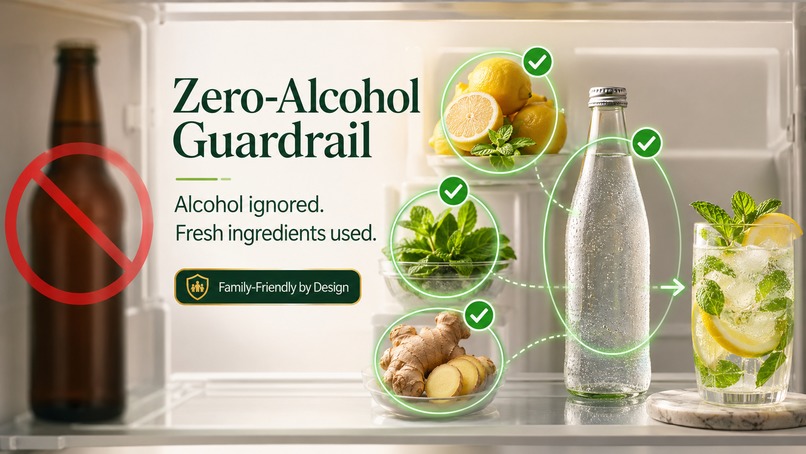
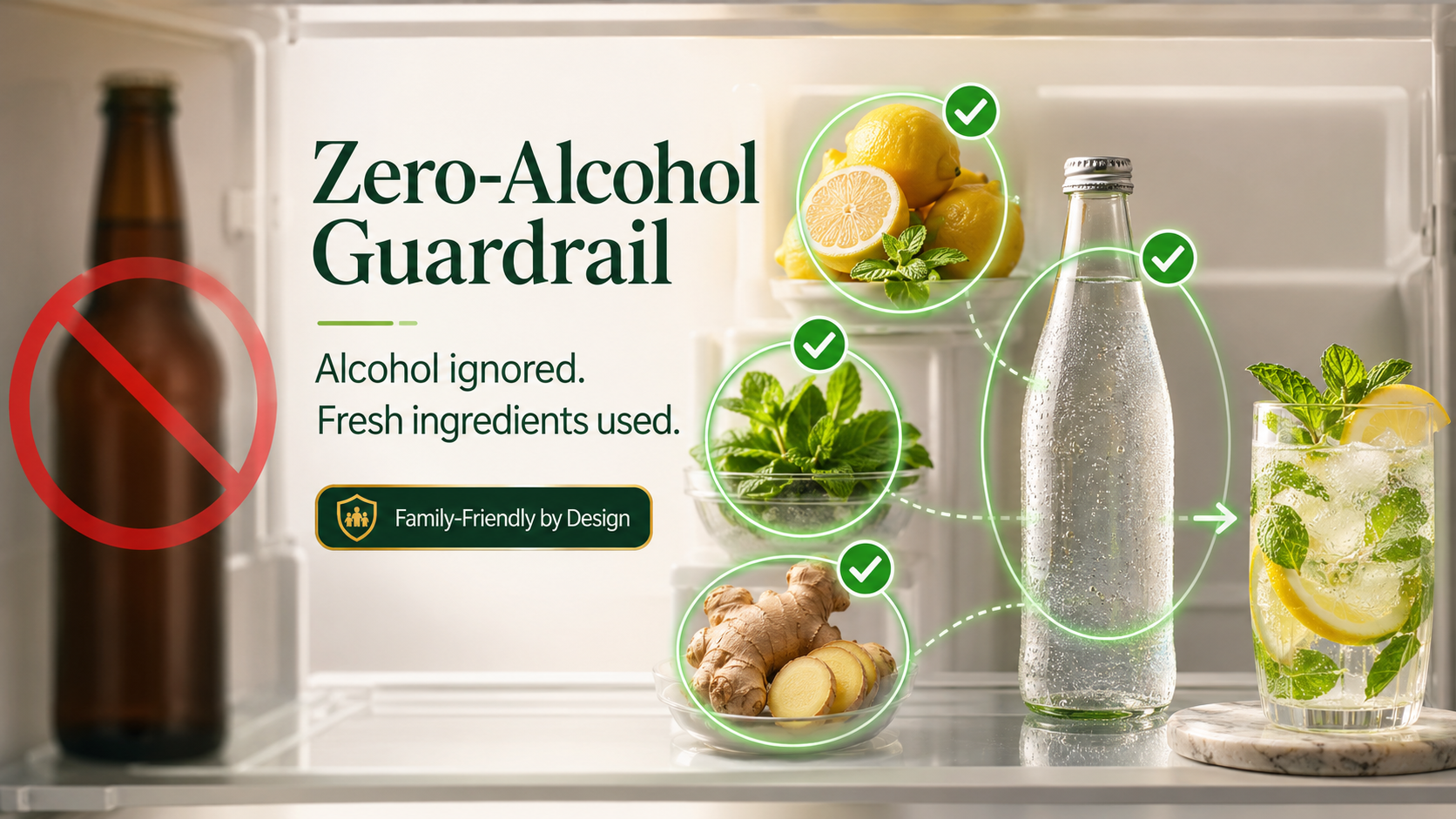
Alcohol is excluded while fresh, family-friendly ingredients are used.
Inspiration
What it does
Inspiration
Many people have fruits, herbs, juices, and mixers sitting in their refrigerator but do not know how to combine them into something exciting.
Most drink-recipe tools also focus heavily on alcoholic cocktails. We wanted to create a family-friendly alternative designed specifically for people who prefer completely non-alcoholic beverages.
This inspired SipSnap: a private, accessible, and zero-proof drink assistant that turns everyday fridge ingredients into premium café-style drinks—without requiring a paid API, account, or subscription.
What It Does
SipSnap transforms a fridge or pantry photo into a personalized non-alcoholic drink recipe.
The user can:
Upload or capture a refrigerator photo. Let the on-device vision model suggest visible ingredients. Review, remove, or manually add ingredients. Generate a structured zero-proof recipe. View exact quantities, flavor profile, preparation steps, and garnish ideas. Download the recipe as structured JSON or print the recipe card.
SipSnap includes a strict Zero-Alcohol Guardrail.
Alcoholic products are excluded from the vision model’s ingredient list. If a user manually enters an alcoholic ingredient, the app blocks it before recipe generation.
Every final recipe includes:
"zero_alcohol_verified": true How We Built It
SipSnap was built as a modern, responsive web application using:
Next.js React TypeScript Tailwind CSS Transformers.js Open-source CLIP vision model Lucide React icons Cloudflare-compatible deployment
Instead of using a paid vision API, SipSnap runs ingredient recognition directly inside the user’s browser with:
Xenova/clip-vit-base-patch32
The uploaded photo is compared against a carefully selected list of fruits, herbs, spices, juices, plant milks, dairy ingredients, and non-alcoholic mixers.
The user then reviews the detected ingredients before the local recipe engine creates a structured recipe object.
The recipe engine determines:
Primary fruit Supporting fruit or herb Spice Sweetener Liquid base Drink style Ingredient quantities Preparation method Garnish recommendation
No API key, paid inference service, or server-side image processing is required.
Privacy-First Architecture
SipSnap was designed with user privacy in mind.
Photos are processed inside the browser. Images are not uploaded to our server. No account is required. No personal information is collected. No paid API credentials are needed. The downloaded vision model can be cached by the browser.
This makes SipSnap suitable for families, students, health-conscious users, and privacy-conscious users.
Zero-Alcohol Guardrail
SipSnap’s safety system works at multiple levels:
- Detection Guardrail
Alcoholic labels are never included in the vision model’s candidate ingredient list.
- Manual Entry Validation
Alcohol-related terms such as beer, wine, vodka, rum, gin, whiskey, tequila, and liqueur are blocked.
- Final Ingredient Sanitization
The ingredient list is checked again immediately before recipe generation.
- Verified Output
Every recipe returns:
{ "zero_alcohol_verified": true }
SipSnap is sober by design—not simply because of a prompt.
Challenges We Ran Into Browser-Based AI Performance
Running a vision model inside the browser avoids API costs, but the model must be downloaded on the first scan. We solved this with a clear loading state and an instant demo mode.
Ingredient Recognition Accuracy
A single fridge image can contain partially hidden items, packaging, shadows, and multiple similar ingredients. We designed the vision result as a suggestion rather than an unquestionable answer.
Users can review, remove, and add ingredients before generating a recipe.
Preventing False Alcohol Matches
Simple text matching initially created a problem because a word such as “ginger” contains the letters “gin.”
We fixed this by using word-boundary validation, allowing ginger while still correctly blocking gin.
Creating Reliable Structured Recipes
We needed every recipe to have predictable fields. We created a strict TypeScript recipe structure containing the drink name, flavor profile, description, ingredients, instructions, garnish, and verification status.
Accomplishments We’re Proud Of Built a working browser-based vision experience without a paid API. Created a polished and responsive consumer-friendly interface. Added multiple layers of zero-alcohol protection. Prevented alcoholic ingredients from entering the recipe engine. Created structured and downloadable recipe JSON. Added manual ingredient correction for better reliability. Built a complete demo flow that works without uploading a photo. Kept the user’s photo private and on-device. Created a print-friendly premium recipe card. What We Learned Local AI Can Create Useful Consumer Experiences
Not every AI application requires an expensive cloud API. Browser-based models can provide meaningful functionality while reducing cost and improving privacy.
Human Review Improves AI Reliability
The ingredient-review step makes the app more dependable. Instead of hiding uncertainty, SipSnap lets the user correct the AI before generating the final result.
Guardrails Work Best in Layers
A single instruction is not enough for safety-critical constraints. Combining detection restrictions, manual-entry validation, final sanitization, and structured verification creates a much stronger system.
Structured Data Makes AI Features More Practical
A predictable recipe structure makes it easier to display, download, print, validate, and eventually save recipes.
What’s Next for SipSnap Better Ingredient Detection
Test smaller and faster open-source vision models designed specifically for food and grocery recognition.
Dietary Profiles
Allow users to select preferences such as:
Vegan Dairy-free Sugar-free High-protein Keto-friendly Caffeine-free Allergy-aware Multiple Recipe Suggestions
Generate three different options from the same ingredient list:
Quick cooler Premium mocktail Healthy smoothie Recipe Saving
Let users save favorite drinks locally on their device.
Shareable Recipe Cards
Generate downloadable Pinterest, Instagram, and mobile recipe cards.
Nutrition Estimates
Provide optional approximate nutrition information with an appropriate accuracy disclaimer.
Seasonal Modes
Add recipe modes for:
Summer hydration Back-to-school drinks Holiday mocktails Breakfast smoothies After-school refreshments Party drink stations
How we built it
Challenges we ran into
Accomplishments that we're proud of
What we learned
What's next for SipSnap
Built With
- ai
- clip
- cloudflare
- computer
- css
- json
- next.js
- on-device
- privacy
- react
- responsible
- structured
- tailwind
- transformers.js
- typescript
- vision


Log in or sign up for Devpost to join the conversation.