-
-
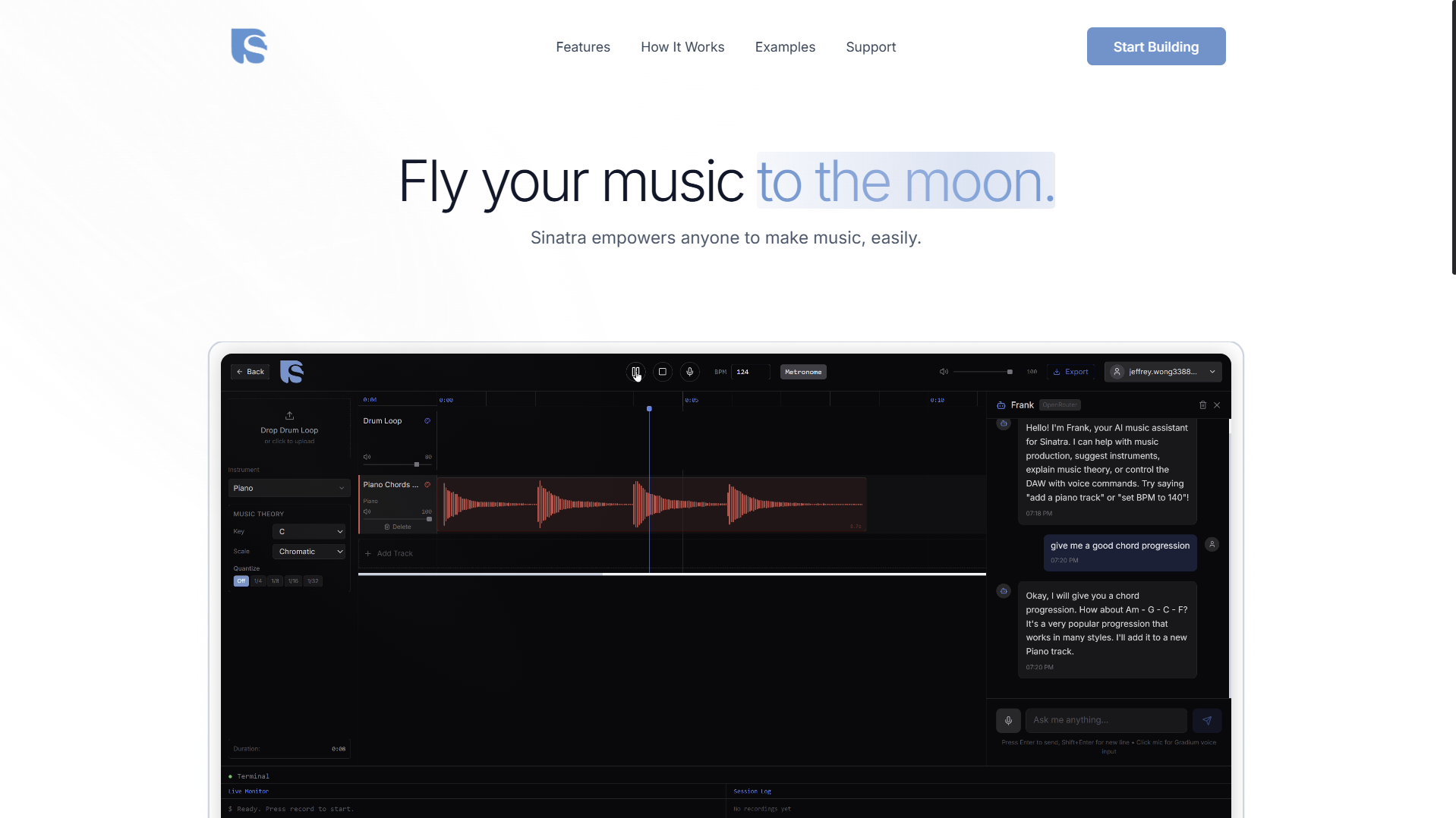
hero
-
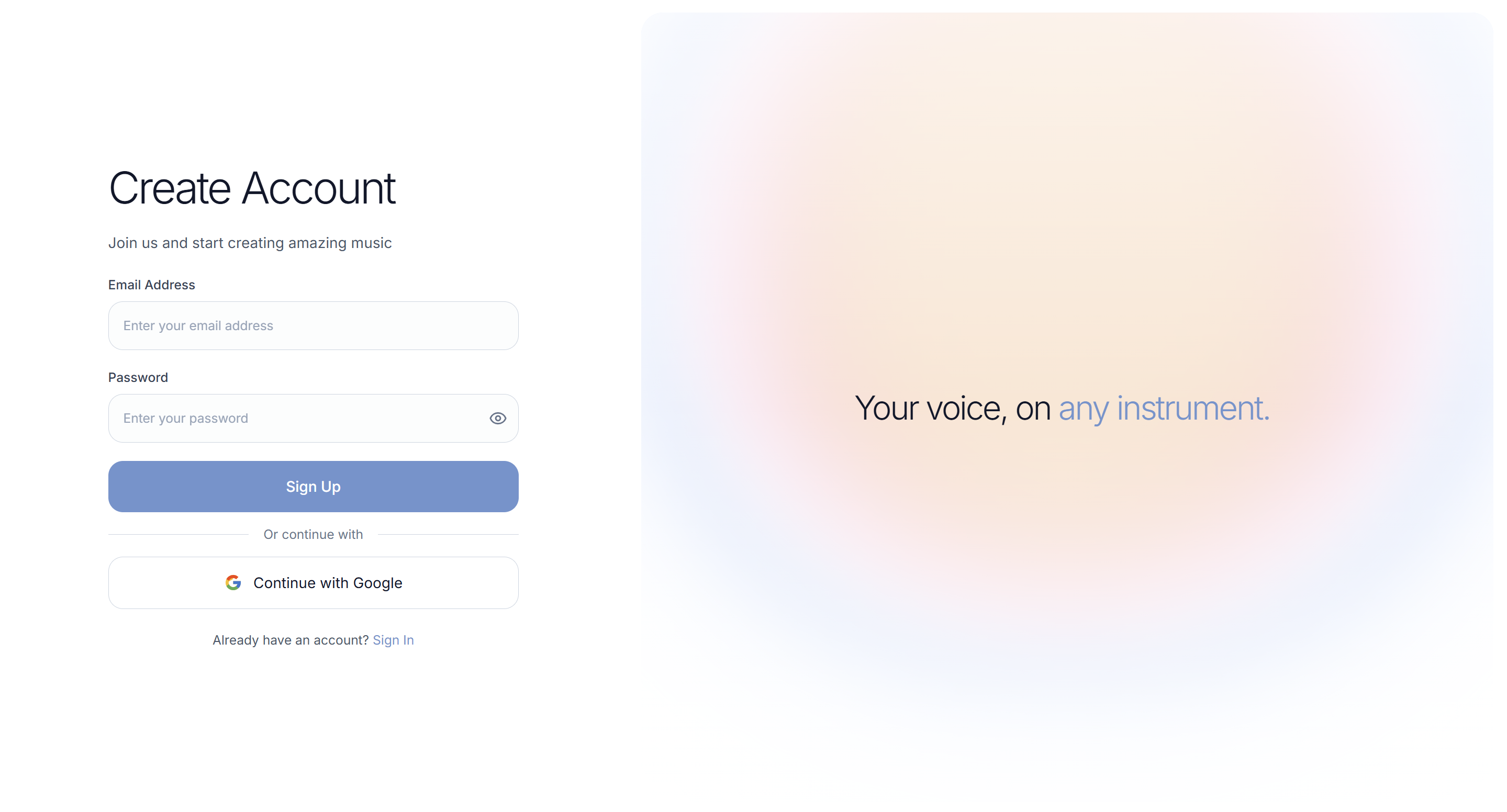
sign up
-
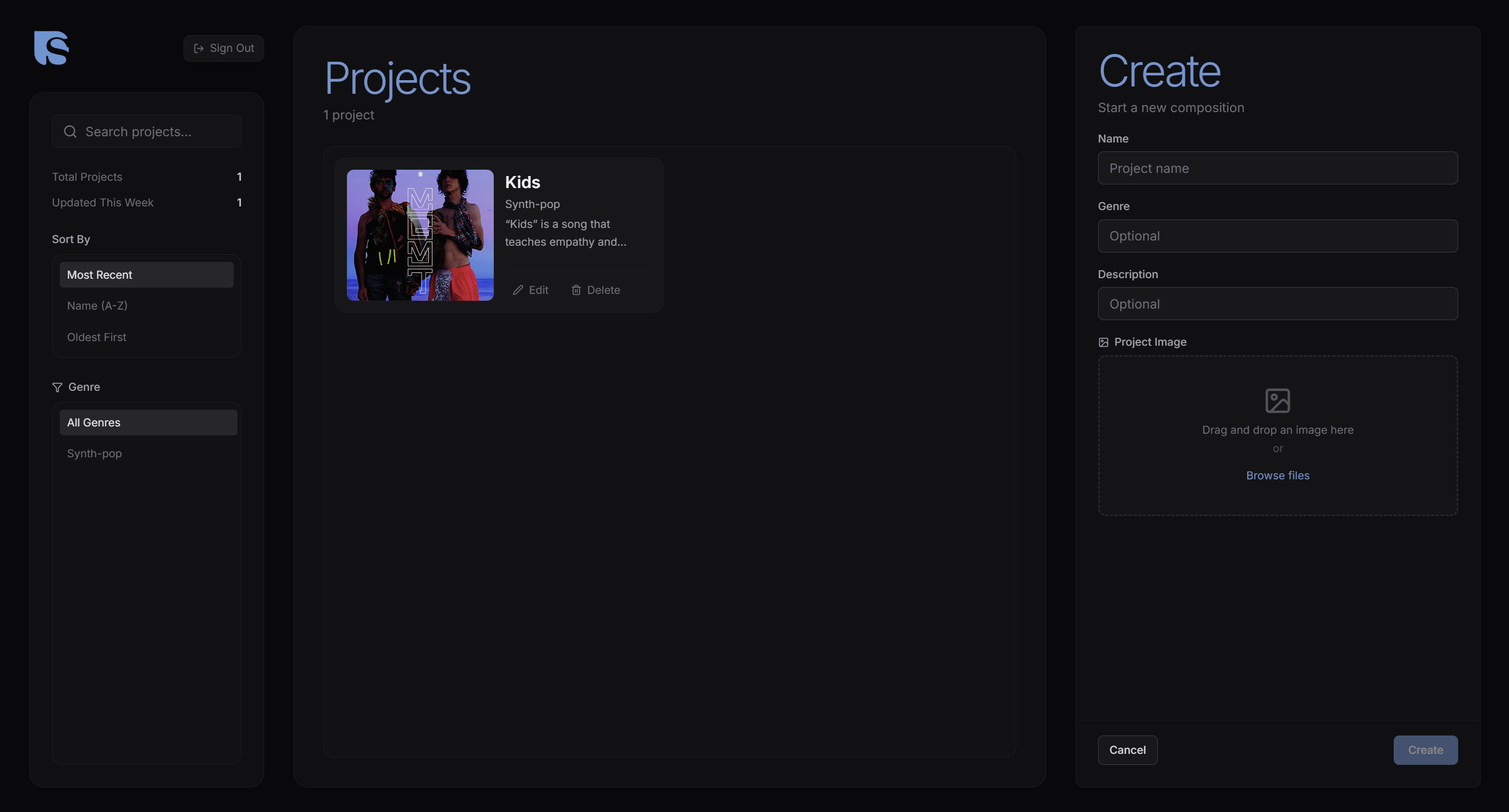
dashboard
-
DAW
-
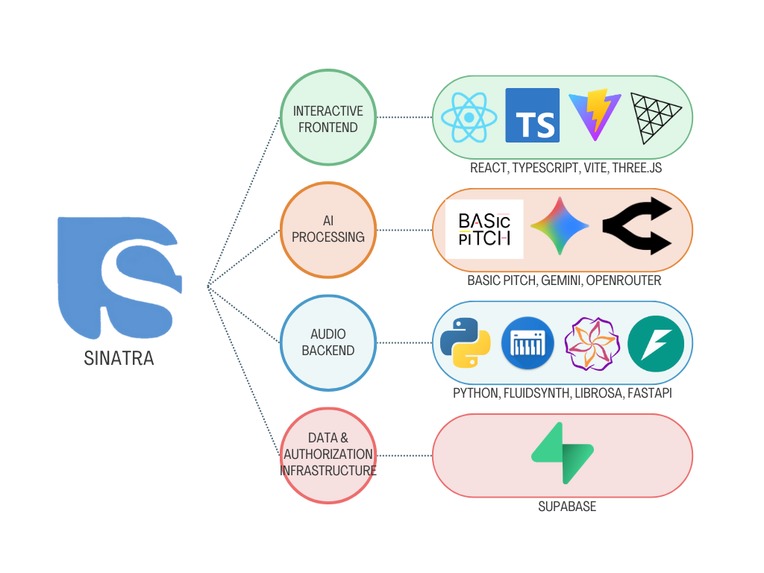
techstack
🌑 Inspiration
Music production tools are often expensive, complex, and designed around precise mouse and keyboard input. This can make them difficult to use for people with limited dexterity, motor disabilities, or anyone without access to professional equipment. We wanted to build a platform that removes both physical and financial barriers so more people can create music. Our goal is to support long-term creative access by making music production something anyone can try, learn, and grow with.
🌓 What it does
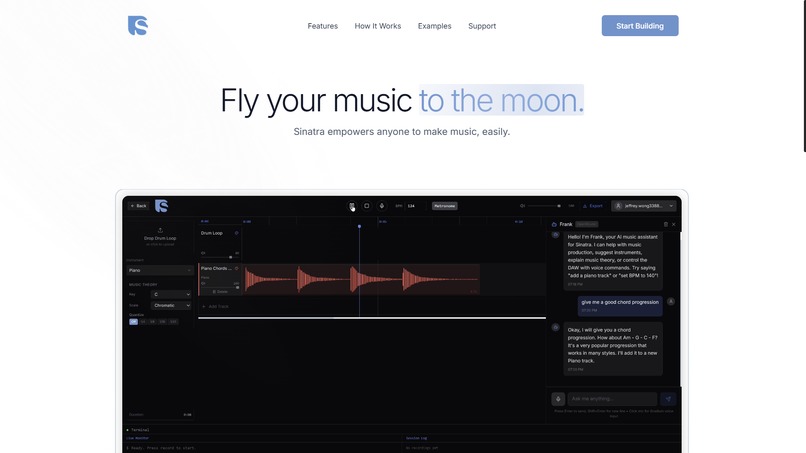
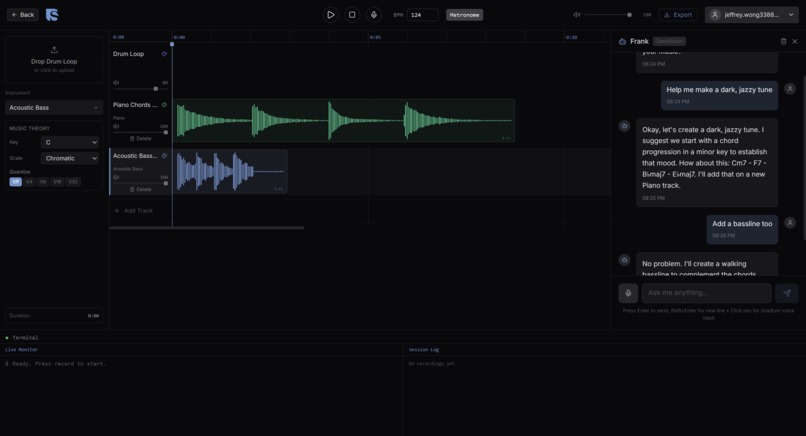
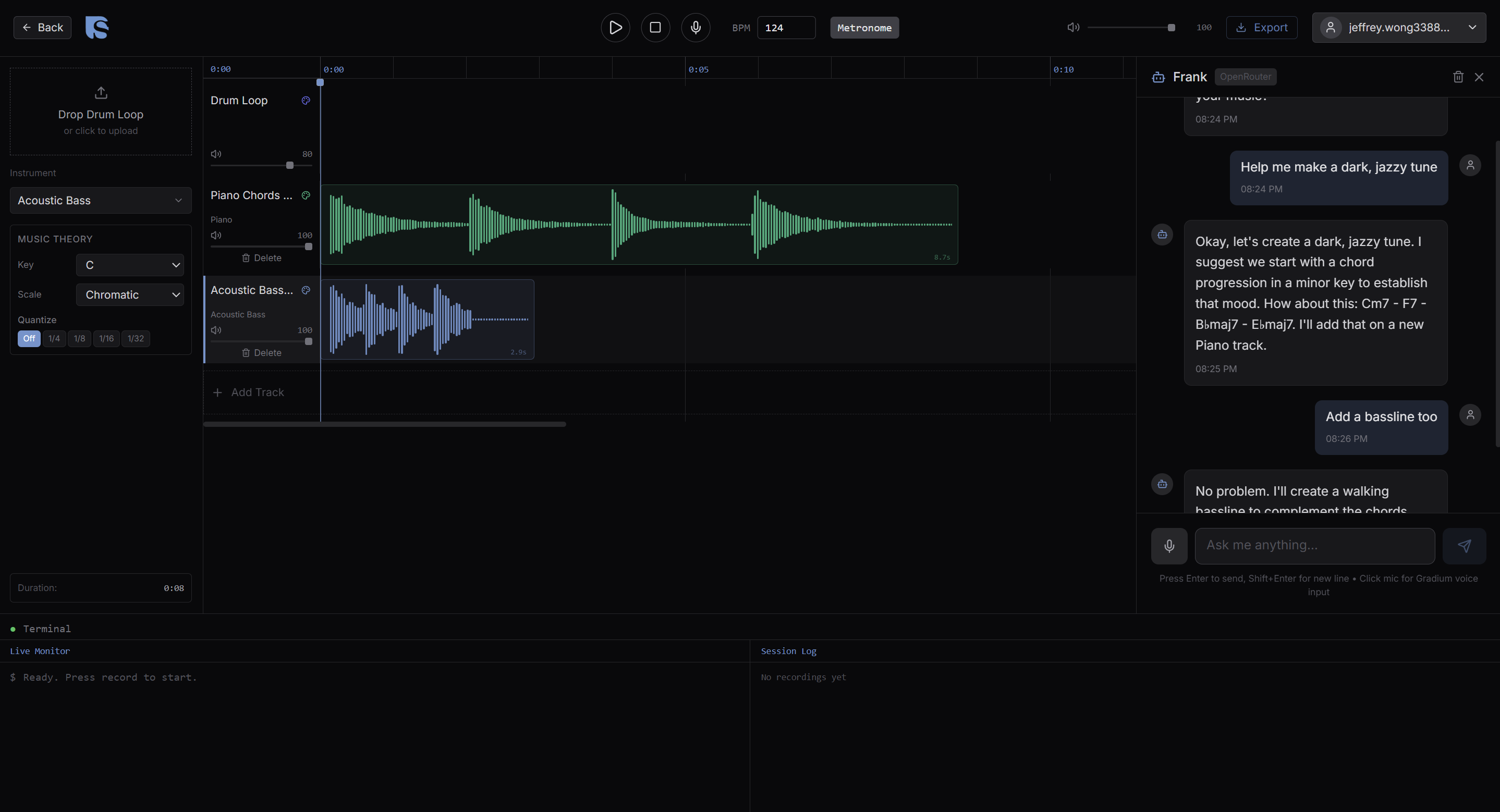
Sinatra is a browser-based digital audio workstation that makes music creation more accessible. Users can sing into their microphone and have their voice converted into instruments in real time, generate chord progressions using plain language, and control parts of the workspace with voice commands. These voice-driven interactions reduce the need for fine motor control, helping users who may struggle with traditional interfaces. Because Sinatra runs entirely in the browser, it works on lower-cost devices and requires no installation. It supports multi-track recording, editing, and export so creators can produce complete songs from start to finish.
🌕 How we built it
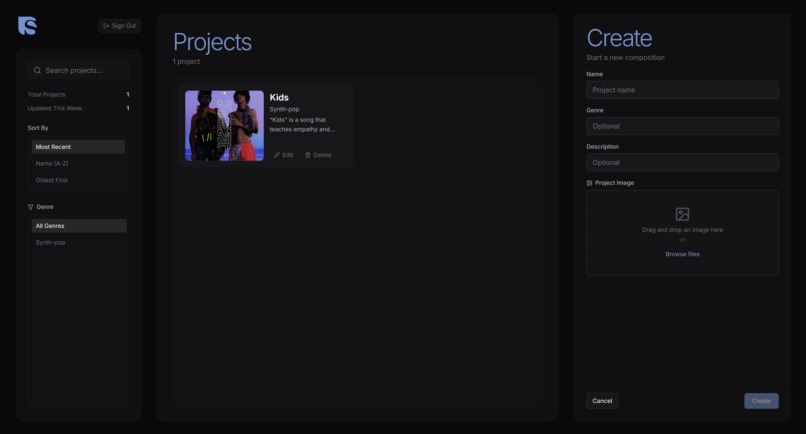
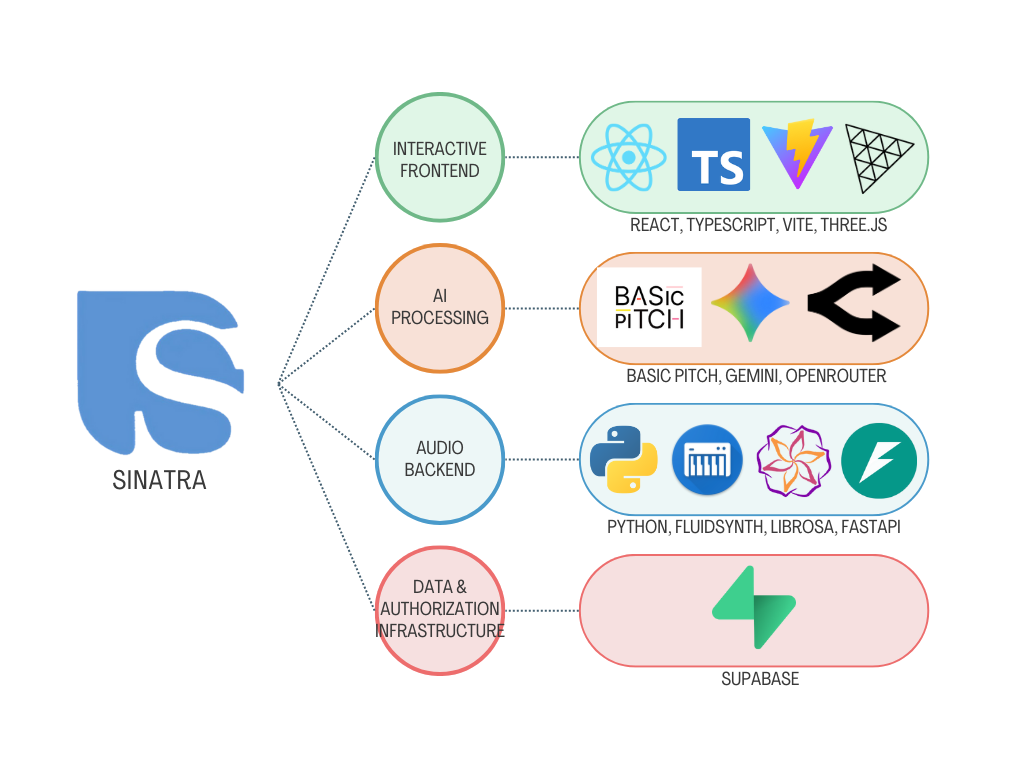
We built Sinatra with React and TypeScript on the frontend and FastAPI with Python on the backend. Spotify’s Basic Pitch handles vocal-to-MIDI transcription, FluidSynth renders instrument audio, and Librosa supports custom samples. Voice commands are powered by speech-to-text through Gradium and interpreted using OpenRouter with Gemini. Supabase manages authentication and project storage, allowing users to access their work from anywhere.
🌗 Challenges we ran into
Balancing real-time performance with accessibility was our biggest challenge. We optimized the audio pipeline to reduce latency while keeping transcription accurate. Designing reliable voice controls also required careful tuning so they would genuinely improve usability.
🌑 Accomplishments that we're proud of
We created a full DAW that runs entirely in the browser while lowering both technical and physical barriers to music production. Voice-enabled controls and a simplified workflow make the platform approachable for beginners and more usable for people with limited dexterity.
🌚 What we learned
Accessibility is not just about cost. Flexible interaction methods and simple design can open creative opportunities to far more people. We also learned that tools built to be inclusive often improve the experience for everyone.
🚀 What's next for Sinatra
Next, we plan to expand voice capabilities, explore alternative input methods, and bring Sinatra to mobile devices. We also want to add collaboration features and classroom-friendly tools to support students, educators, and community programs. Our long-term vision is a sustainable, low-cost music platform where physical limitations or financial constraints do not prevent someone from creating.
Built With
- basicpitch
- fastapi
- fluidsynth
- gemini
- librosa
- openrouter
- python
- react
- supabase
- tailwind
- three.js
- typescript
- vite


Log in or sign up for Devpost to join the conversation.