-
-
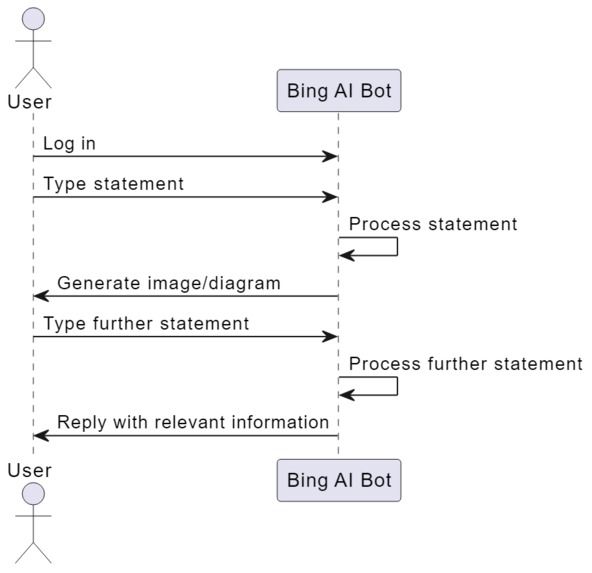
use case
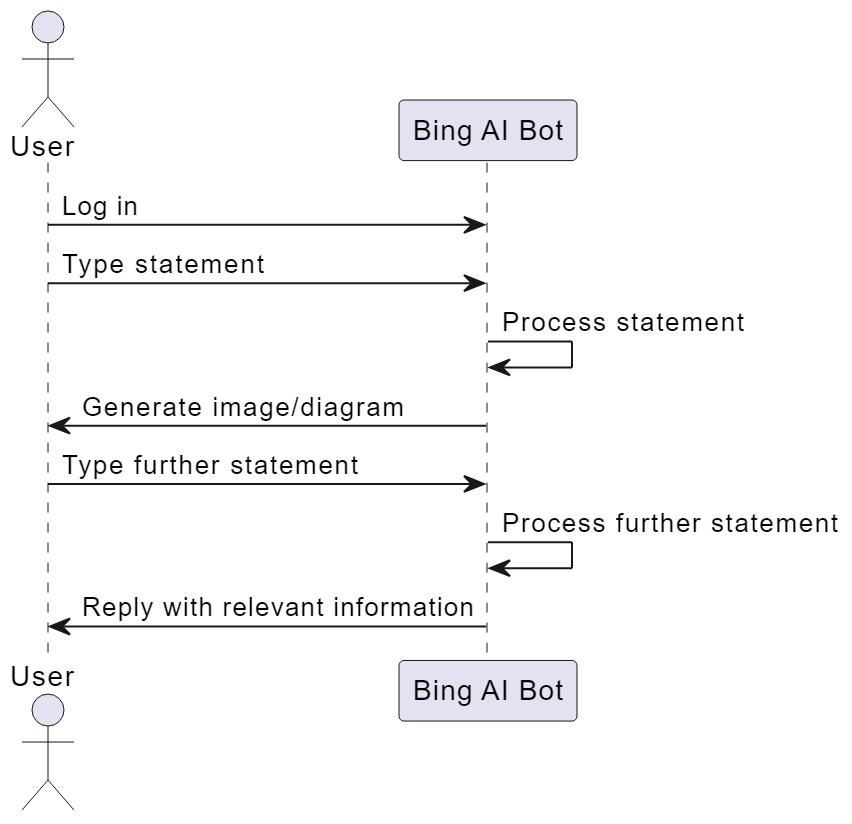
Use Case Title:
implifying Research and Validate Sources: Empowering Students with Bing AI
Description:
This use case demonstrates how Bing AI benefits students and learners by simplifying the research process and helping them validate sources. The target audience includes students, pupils, and academic research. It addresses the common problem of finding reliable information and streamlining the research process for academic assignments and projects.
Tutorial for Use and Best Practices:
- Start a Conversation: Begin by initiating a conversation with Bing AI. You can do this by simply typing in your query or request.
- Ask a Question or Make a Request: Bing AI is designed to handle a wide range of queries. You can ask for information, request Bing AI to generate content, or ask for help with your work.
- Wait for the Response: Bing AI will process your request and provide a response. This could be an answer to your question, generated content, or a list of search results.
- Review the Response: Take some time to review the response provided by Bing AI. Make sure the information is relevant and accurate.
- Ask Follow-up Questions: If you need more information or if something is not clear, feel free to ask follow-up questions. Best Practices:
- Be specific with your queries to get the most accurate results.
- Always cross-verify the information provided by Bing AI with other sources.
- Use Bing AI as a tool to aid your work, but do not solely rely on it.
Impacts on Learning:
The use of Bing AI primarily affects the research and information gathering aspect of the learning experience. It streamlines the process of finding and verifying information, which can often be time-consuming and complex. Bing AI provides quick and reliable access to a vast amount of information, which can enhance understanding and facilitate deeper learning. It improves students' ability to conduct research, validate sources, and use data effectively in their assignments. This use case greatly influences students' learning by simplifying research and fostering critical thinking. It assists in source validation and data analysis, leading to more informed academic work. Without this Use Case, the learning process would likely be more manual and time-consuming. You would need to search for information from various sources independently, verify its reliability, and then compile it in a useful way. This could lead to less time for analysis and understanding. Without Bing AI, students may struggle more with source validation and data analysis, potentially leading to lower-quality assignments. The specific advantages of this Use Case compared to others are its speed, reliability, and ease of use. Bing AI can quickly provide information from reliable sources, which can then be used for learning, research, or content creation. It’s a versatile tool that can be used in various learning scenarios. Bing AI's unique advantage lies in its combination of source validation and data analysis within a single tool, simplifying the research process for students.
Limitations and Ethical Considerations:
The use case might hinder learning when it is used as the sole source of information. Relying solely on Bing AI for information could limit exposure to other viewpoints and sources of information, potentially leading to a narrow perspective. Overreliance on Bing AI without independent verification can hinder students' development of critical research skills. It should be used as a supplementary tool. In terms of biases, Bing AI uses a variety of sources to provide information. However, these sources themselves may have inherent biases that could be reflected in the information provided. For example, some sources may have a commercial bias, while others may have a cultural or geographical bias. Bing AI may have biases in source selection, so students should always verify the relevance and quality of sources. To ensure the validity of the AI-generated results, it’s important to cross-verify the information with other reliable sources. Always consider the source of the information and its potential biases. It’s also beneficial to use multiple AI tools or databases to gather information, as this can provide a more balanced and comprehensive view. Remember, critical thinking and judgement are key in any learning process. Bing AI may return non-academic sources, necessitating manual source validation. It may also have limitations in specialized topics with limited publicly available data.
Link to Video Tutorial (Optional):
https://medium.com/version-1/analysis-of-bing-ai-93abdda1bb8
I used bing ai initially because I really needed a bot ai that could provide complete references and results that fit my needs as well as complete depictions, the data accessed is also broader not only in a certain year.
When I used other bots I found that they couldn't give me a proper explanation of my answer and couldn't help me create an image of something I was using. Bing ai uses several modes that can be customized according to needs such as creative and others. bing ai is also more flexible if you use it.
I think the usage challenge is a bit difficult if you are not using a desktop or you are using bing ai with android because it is a bit complicated.
since using bing ai I can more freely describe my work, realize journals, get references to the work that I ask the bot for, if I am going to do a thesis at my university, I will find it easier to explain what the contents of the paper are because before giving an answer sometimes AI provides steps to make a thesis.
Built With
- ai
- api
- usecase


Log in or sign up for Devpost to join the conversation.