-
-
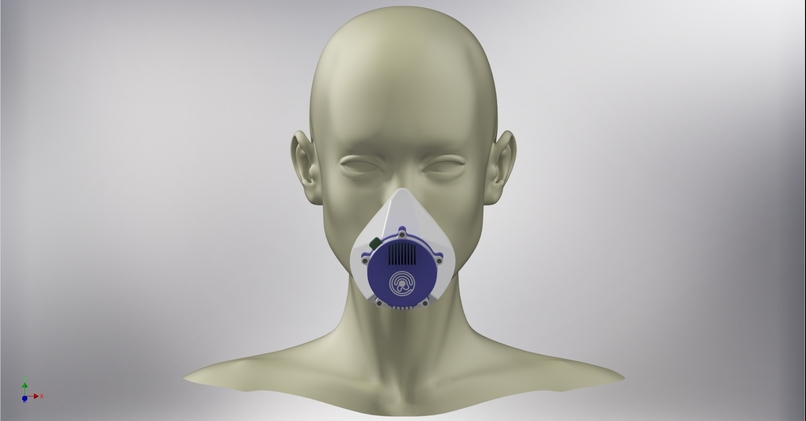
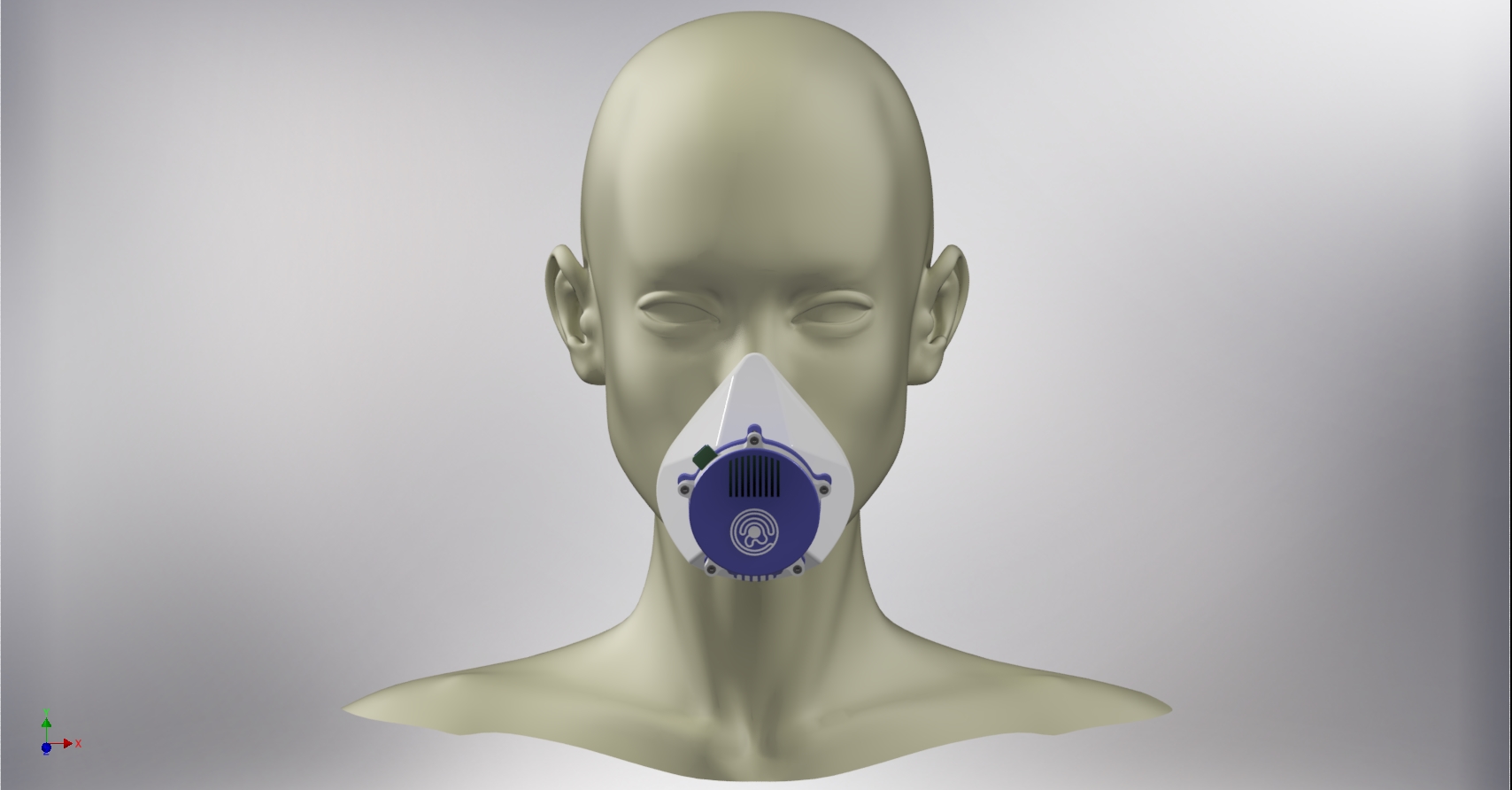
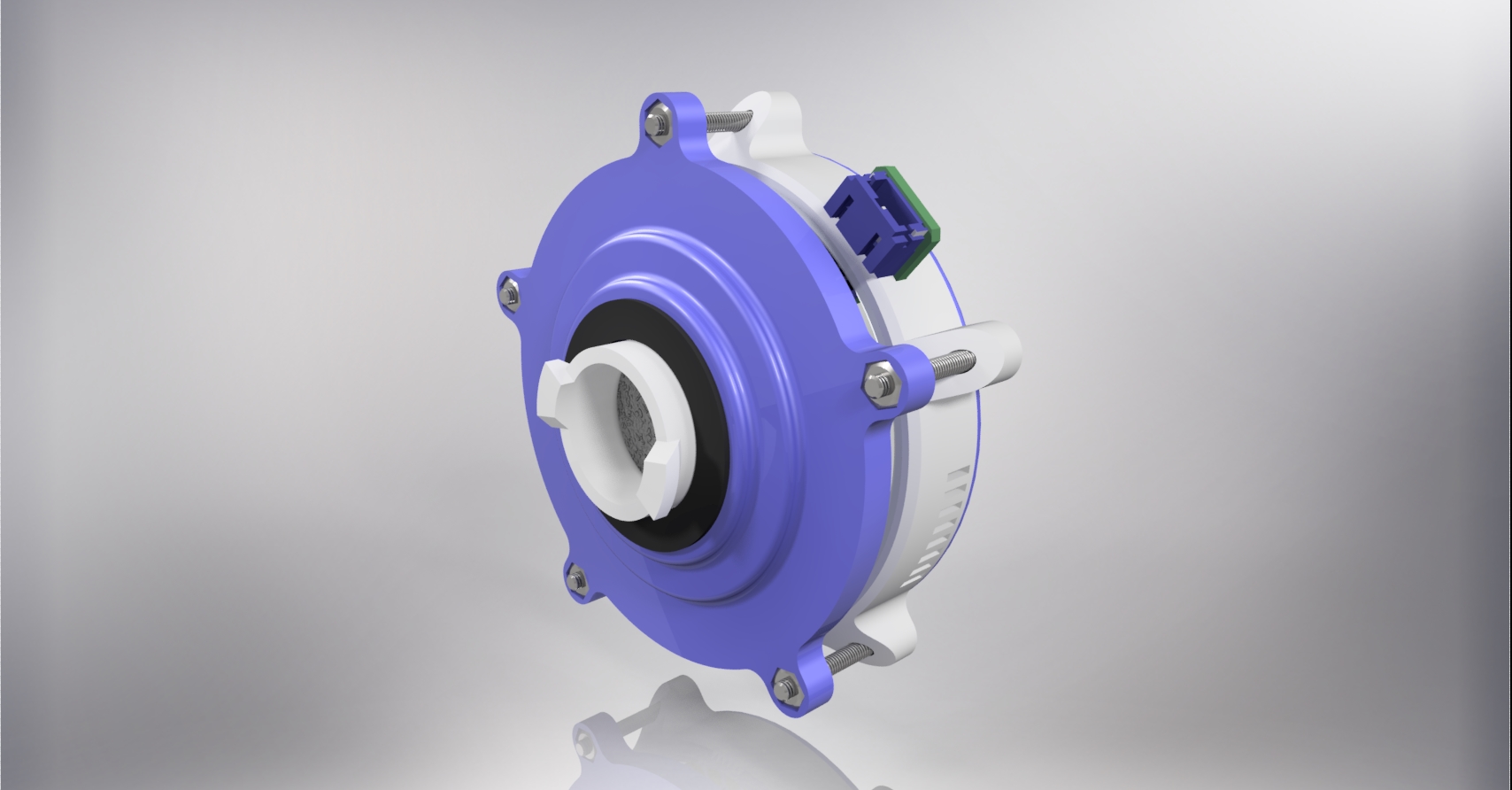
MazeMask UV - Front
-
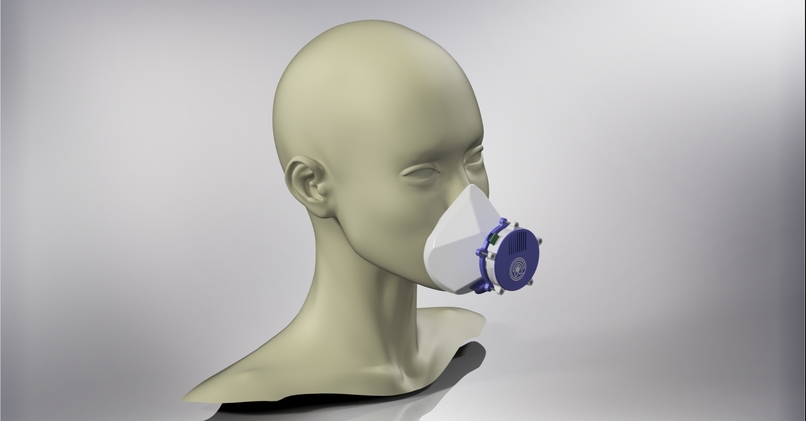
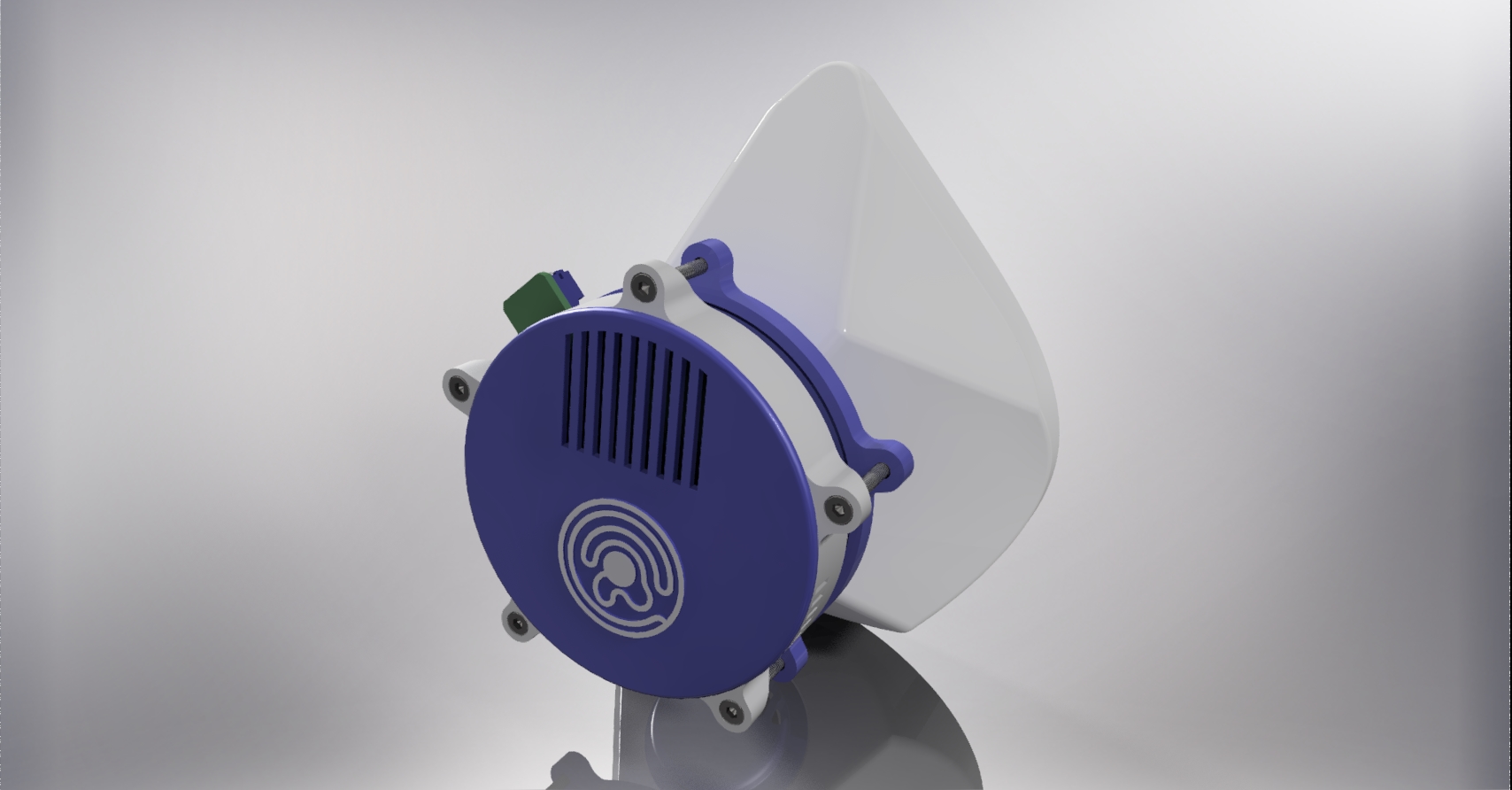
MazeMask UV - Quarter
-
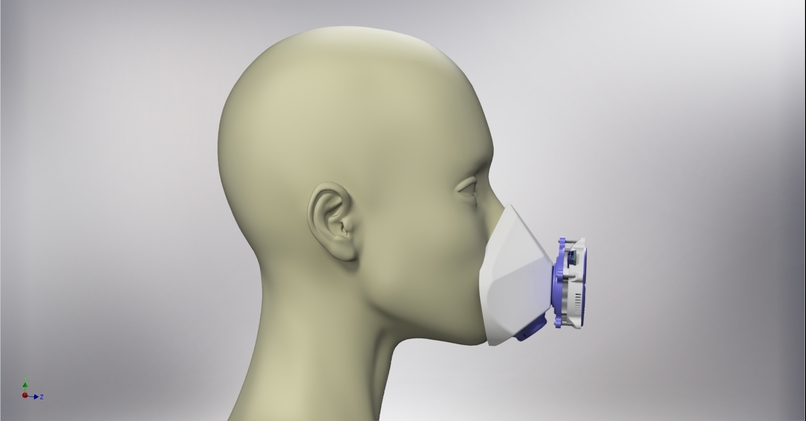
MazeMask UV - Side
-
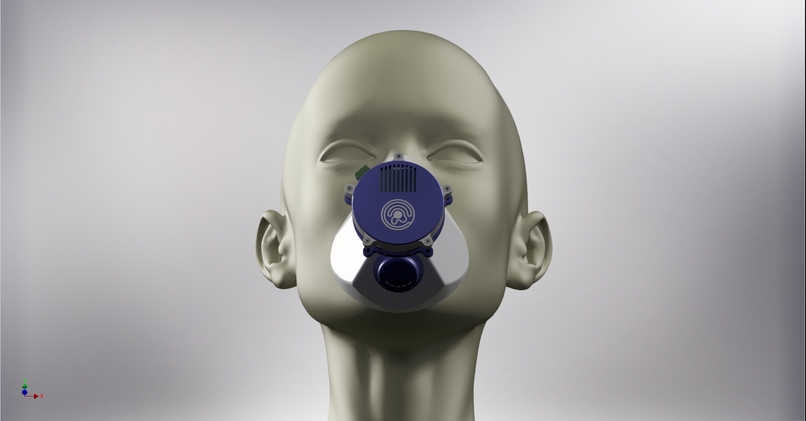
MazeMask UV - Bottom
-
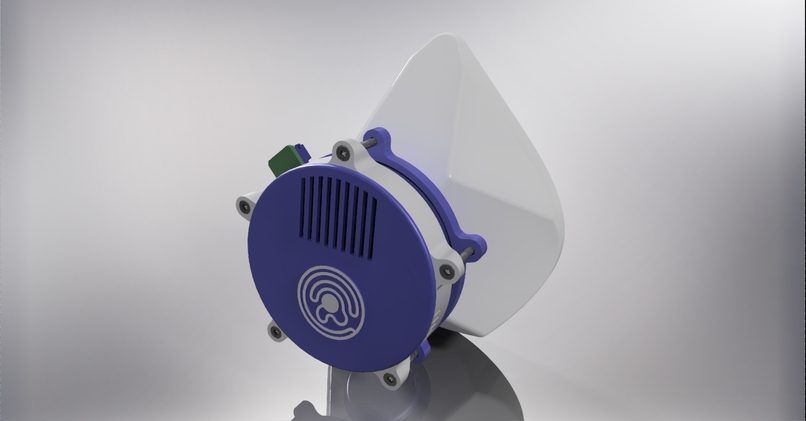
MazeMask UV
-
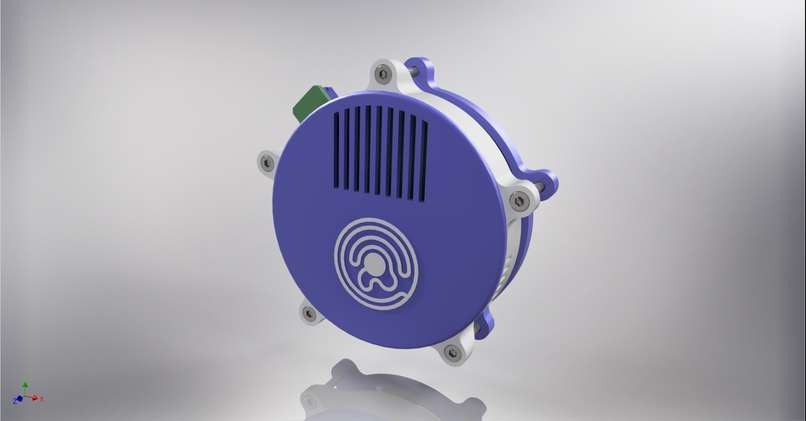
Add-On MazeMask UV- Front
-
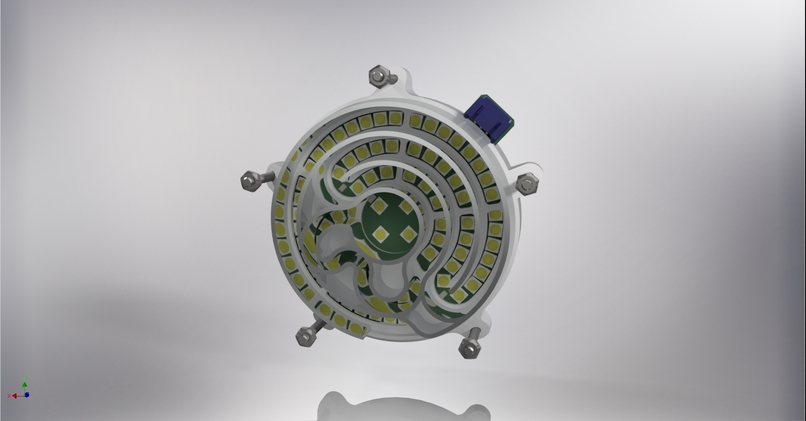
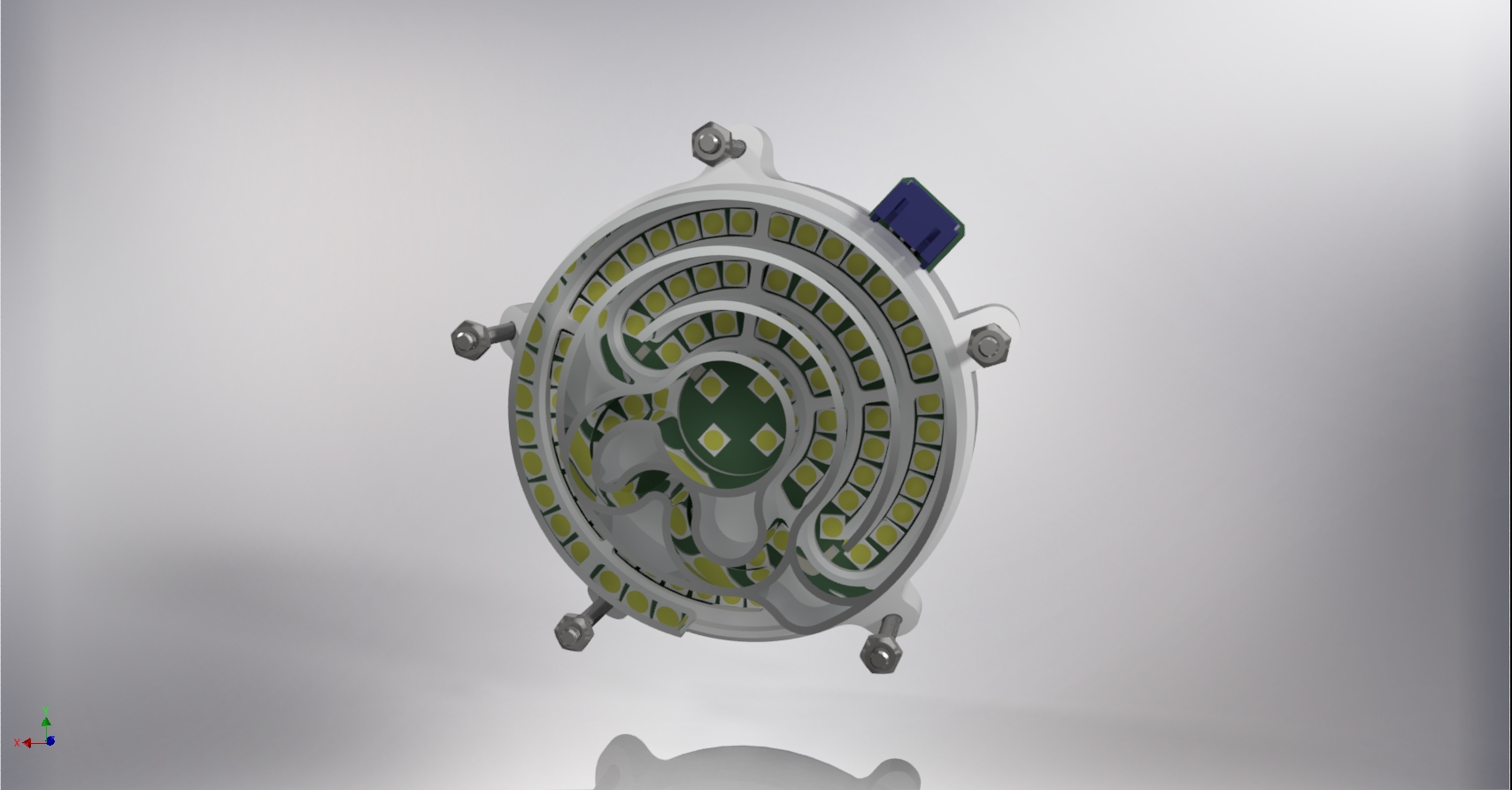
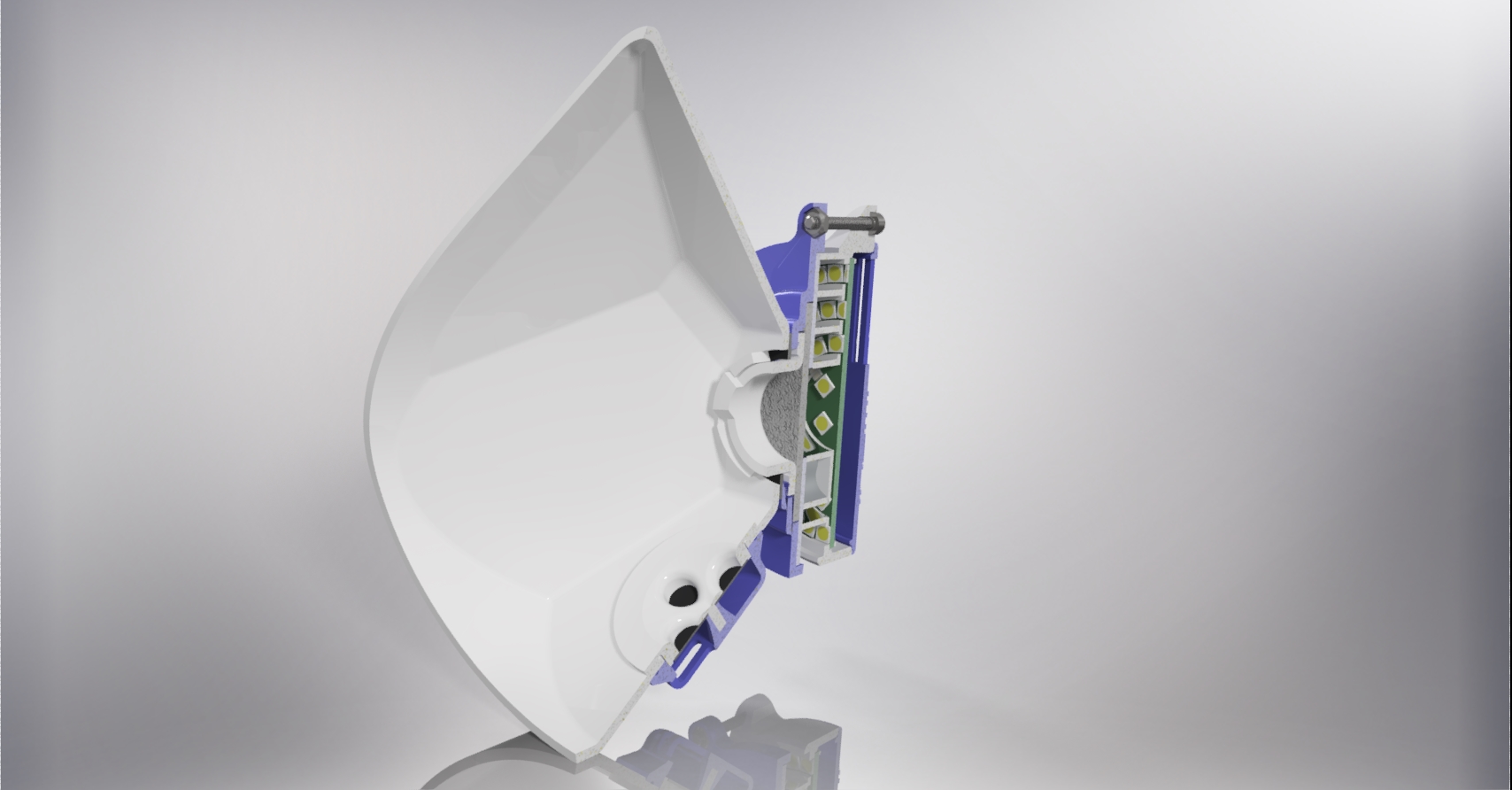
UV-C Leds sterilizing
-
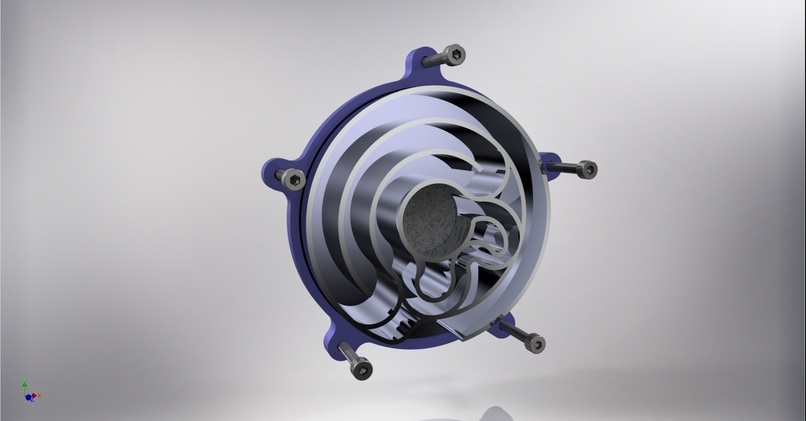
Maze trapping system
-
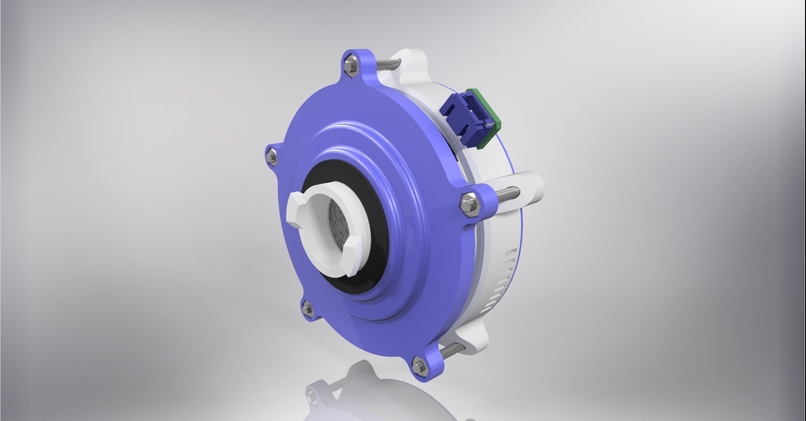
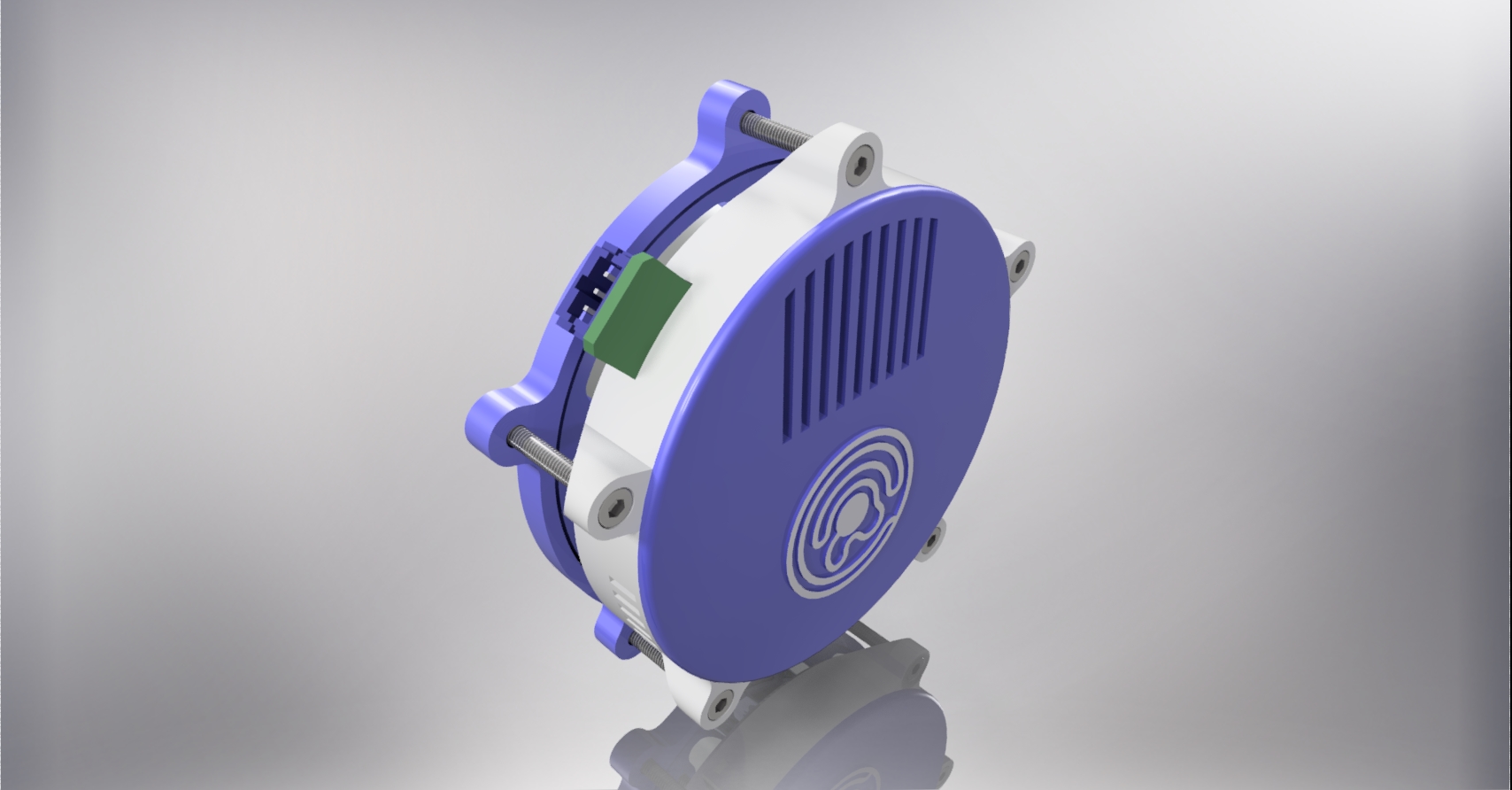
Add-On MazeMask UV - Rear
-
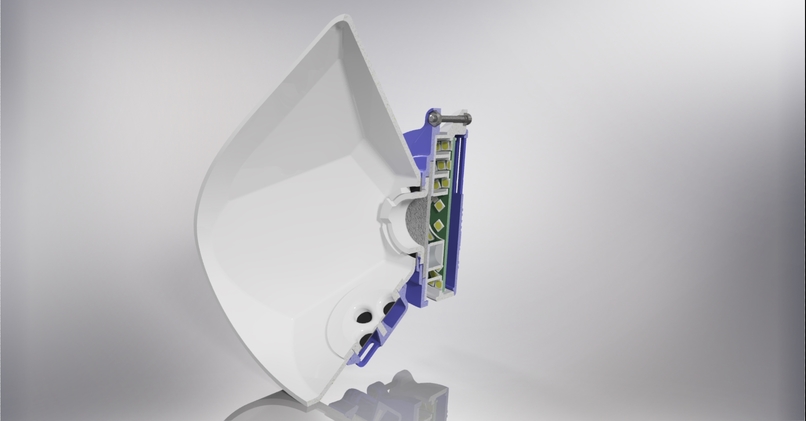
MazeMask UV - Cut
-
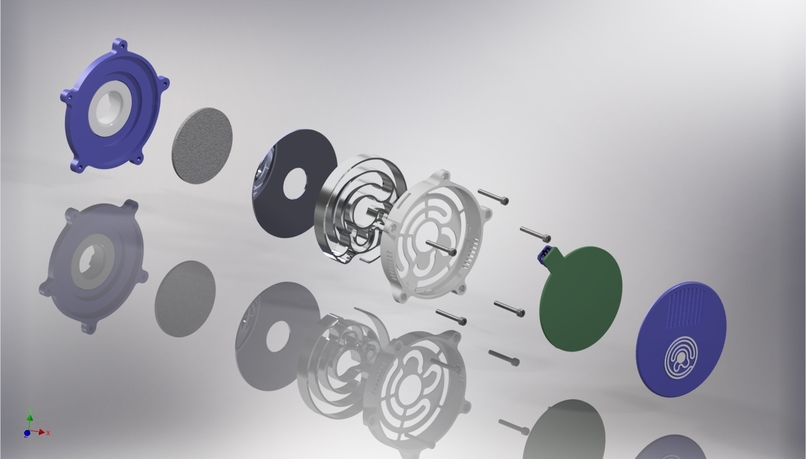
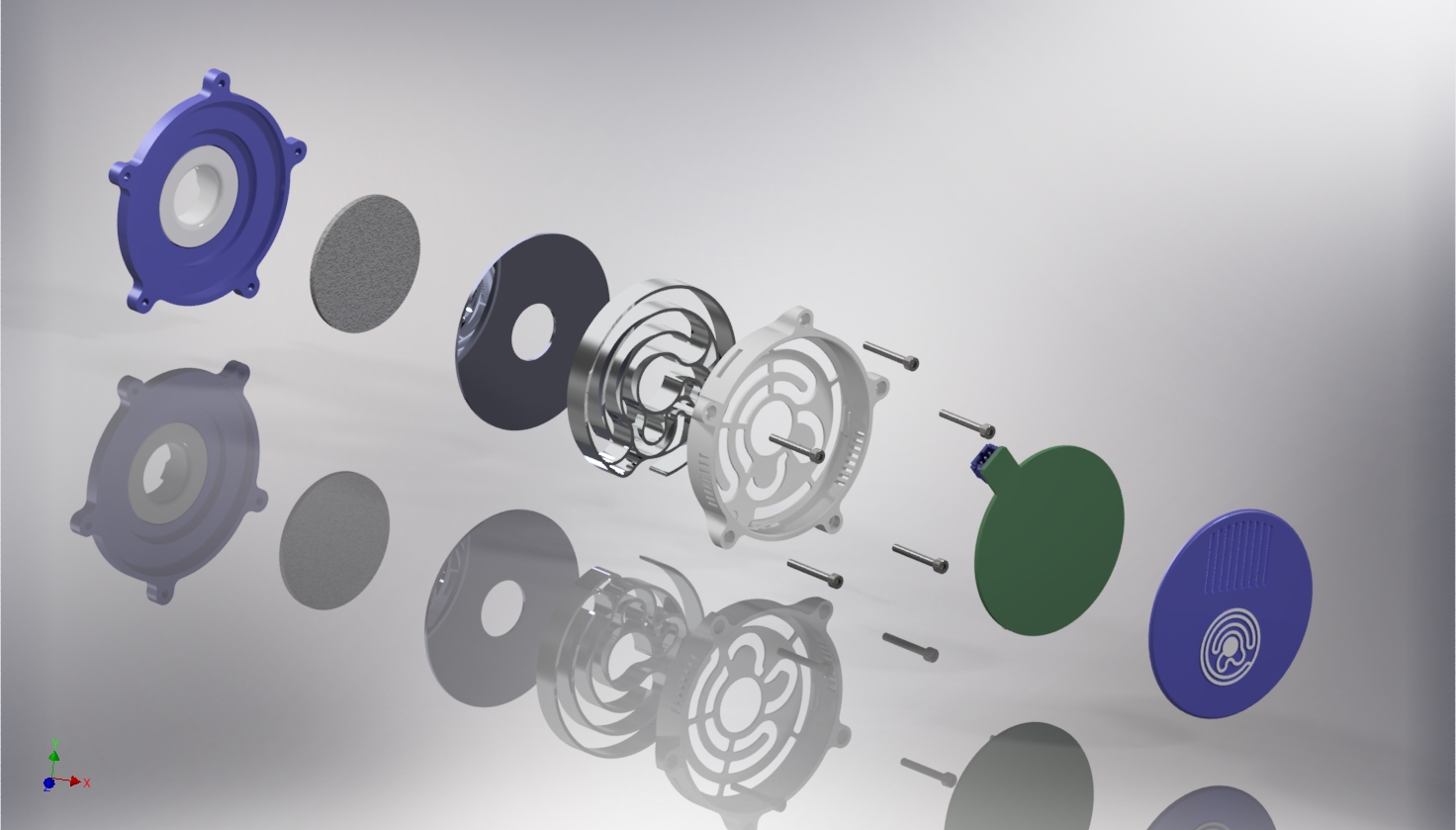
MazeMask UV - Exploded
-
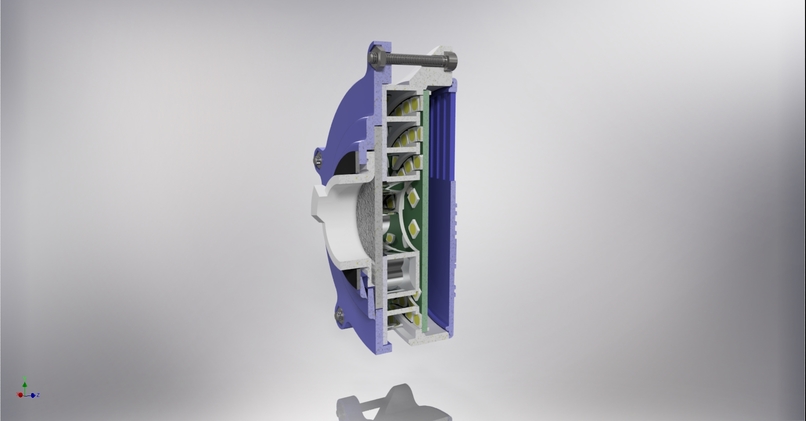
MazeMask UV Add-On - Cut
-
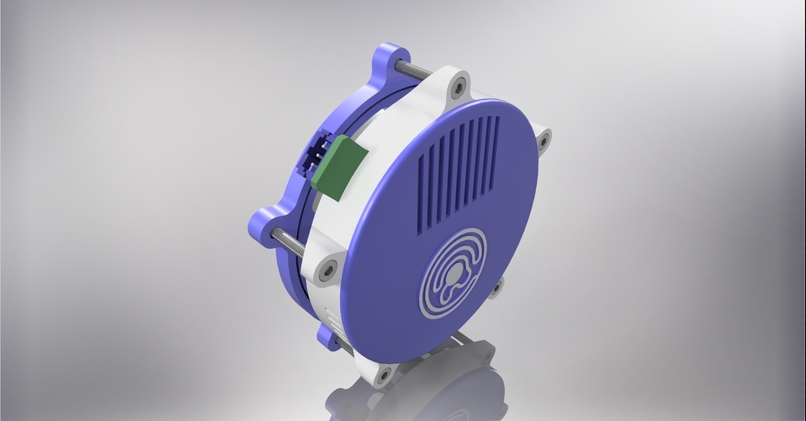
MazeMask UV Add-On - Side





The problem
Due to the latest coronavirus, our near future will be masked. Actual masks need to be changed every few hours to stay protective. If we assume 12 hours/day of work and personal life in a possibly virus-contaminated environment, by actual masks standards it means 3 masks / day / person. Production and material are already on shortage in some parts of the world, so we should have reusable, auto-cleaning solution.
What if we could combine the following points in a single cartridge for any mask : - Simple physics - Filtering - Sterilizing - Versatility
The solution we bring to the table
A cartridge that fits any mask, it will contain :
- A maze after the intake to trap "big" residues
- A filter media to trap "small" residues
- LEDs emitting UV-C light to sterilize both at the same time and thus increase usage time
This cartridge can be mounted by interchangeable coupling it to a consumer or DIY mask. All electronics will be embedded in the cartridge, battery can be deported. Everything can be opened to be cleaned
This solution means that the user will not need to change mask or cartridge during the full day, meaning lower chance to get any infected air and contaminate ourselves.
Maze/spiral principle : Use gravity and centrifugal force to trap "heavy" particles on its wall. The rapid change of geometry and cross section will force particles to collapse against walls. This mix of spiral and maze can be 3D printed. In order to improve UV sterilization, walls of the maze/spiral can be equipped with reflective aluminum coating.
UV-C matrix : UV-C LEDs are placed on a printed circuit board (PCB) which follows the shape of the maze/spiral path. It will also focus a greater amount of power per surface unit to the filtering media.
Filter : Existing filter like N95 or alternative
The Plan
Initially we plan to complete the first prototype by designing enclosure, electronics and choosing right materials and components. After the initial design is complete, we will make the first prototype to test with actual aerosol to test the efficiency of germicidal activity. Depending on the results, further adjustments and optimization will be required.
What we have done so far
Have a look on Slack channel #team-c01-maskstorming. But here is a short summary:
- We have decided on the overall design.
- We have calculated the required mask dimensions and UV light intensities
- We have design files for the front mask.
- We have chosen LEDs, μC, battery, connectors, PCB and indicators (buzzer and LED) for the prototype.
- We have initial PCB designs.
- We have price quotes for the components and an overall cost estimate
Who & What we need
We need people & resources in particular for these areas :
- funding for protyping, lab tests and validation
- mentors for business development
- contacts to mask manufacturers
What's next for this solution
- In the next days, we could 3D print the maze and get the PCB and the LEDs.
- We plan to test our prototype in a biosafety lab to assess effectiveness
- evaluate demand (health workers, ...)
- connect to mask manufacturers to discuss integration into existing models
- search for ways to reduce cost of UV LEDs (responsible for around 80% of the cost)
- consider alternative ways of capturing particles to reduce the number of LEDs (e.g. quartz beads to increase surface area or air ionization and electric field mediated particle capture.


Log in or sign up for Devpost to join the conversation.