-
-
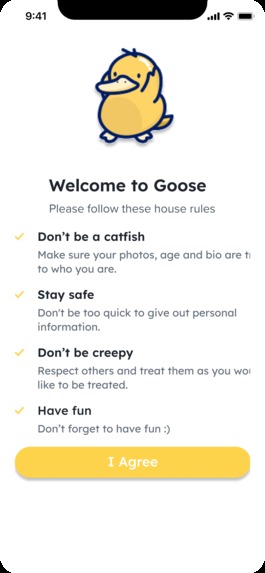
landing page, other media is available in the figma link
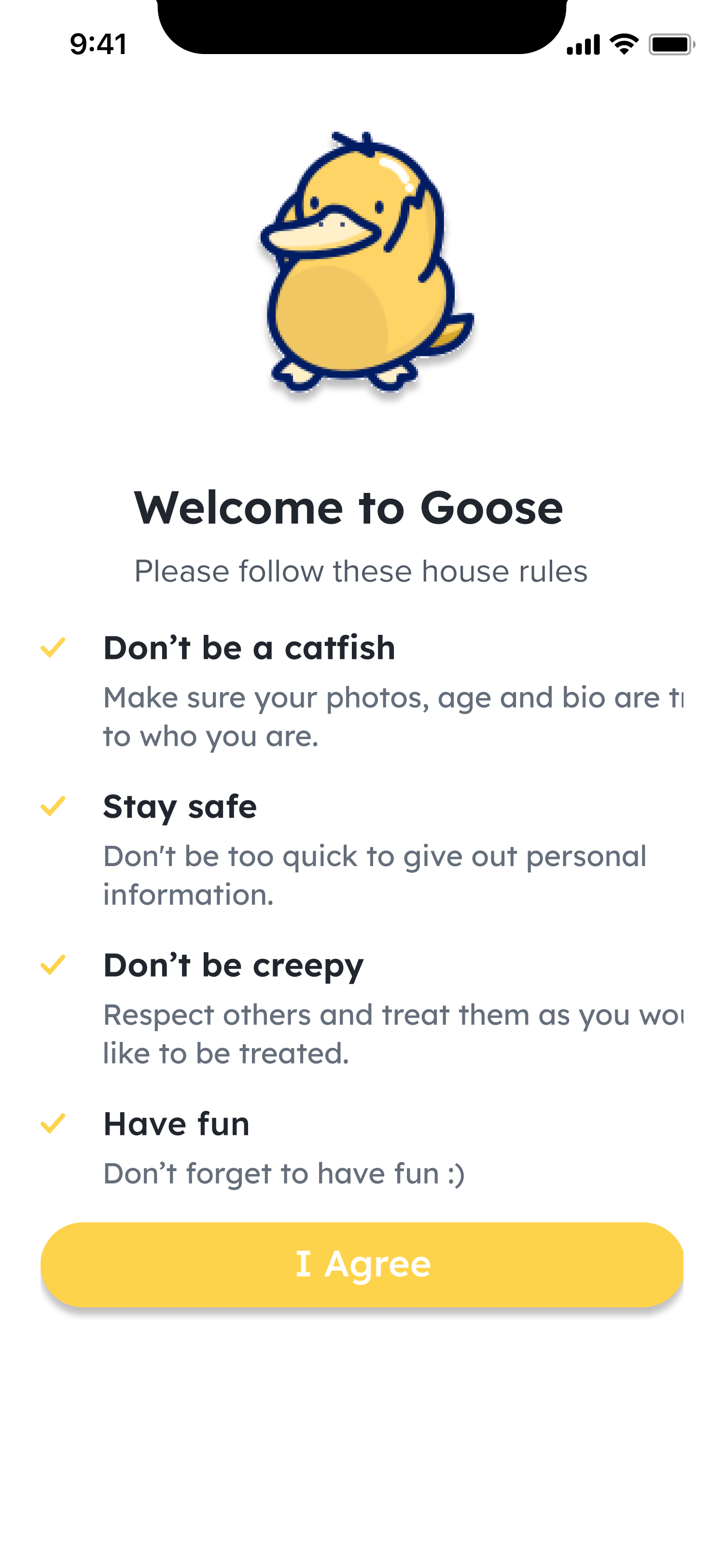
Inspiration
The inspiration for the app came from our own team. Since most of the team will be going to Waterloo in the Fall, a school which is infamous for a socially struggling population, we wanted to make something addressing the problem. So we decided to create a dating app that is customizable and caters to the university student demographic.
What it does
So what we made was a mobile dating app that allows for students to customize their preferences and personality to better connect with others in their university community that share interests with you. We've also added messaging and explore functionalities to allow for the best matches possible.
How we built it
Unfortunately due to the team's inexperience we weren't able to create a full-fledged mobile app using traditional technologies. However we still wanted to submit something that shows what the group was working on. So we made a fully featured figma prototype that allows for users to experience just the basics of the app. With figma's prototyping feature, we were able to emulate a user experience that mimics what we were looking to create with the app
Challenges We Ran Into
Designing a dating app during the hackathon presented several challenges: Technical Hurdles: We faced difficulties in integrating real-time chat features and ensuring data privacy for users. These technical challenges required us to quickly learn and implement new technologies. Time Constraints: The limited time frame of the hackathon meant that we had to prioritize features and make quick decisions on what to include in the initial version of the app. Team Coordination: Coordinating tasks among team members with different skill sets and ensuring effective communication was challenging, especially under the pressure of a tight deadline. User Experience Design: Crafting an intuitive and engaging user interface that would appeal to our target audience required interactive design and testing, which was difficult to accomplish in a short period.
Accomplishments That We're Proud Of
Despite these challenges, we achieved several accomplishments: Functional Prototype: We successfully developed a functional prototype of "Silly Goose," our dating app, which included core features like user profiles, matching algorithms, and basic chat functionality. Team Collaboration: Our team worked cohesively, leveraging each member's strengths, which was instrumental in overcoming obstacles and delivering a working product.
What We Learned
The hackathon was a valuable learning experience: Importance of Planning: We learned the significance of having a clear plan and prioritizing tasks to efficiently manage time and resources during the hackathon and we utilized Miro as a planning tool. Adaptability: The experience taught us to be adaptable and open to changing our approach and product features when faced with unexpected challenges. User-Centric Design: We gained insights into the importance of user-centric design and the need to continuously test and refine the user experience to make it inclusive to all users.
What's Next for Silly Goose
Moving forward, we plan to: Refine the App: We aim to refine the app's features and user interface to enhance user engagement and satisfaction for all users. Expand Features: We plan to incorporate additional features such as advanced matching algorithms and enhanced privacy settings to differentiate Silly Goose in the competitive dating app market. Launch and Scale: Our goal is to launch the app to a broader audience and explore opportunities for scaling and monetization, ensuring that Silly Goose becomes a go-to platform for meaningful connections.
Built With
- figma


Log in or sign up for Devpost to join the conversation.