-
-
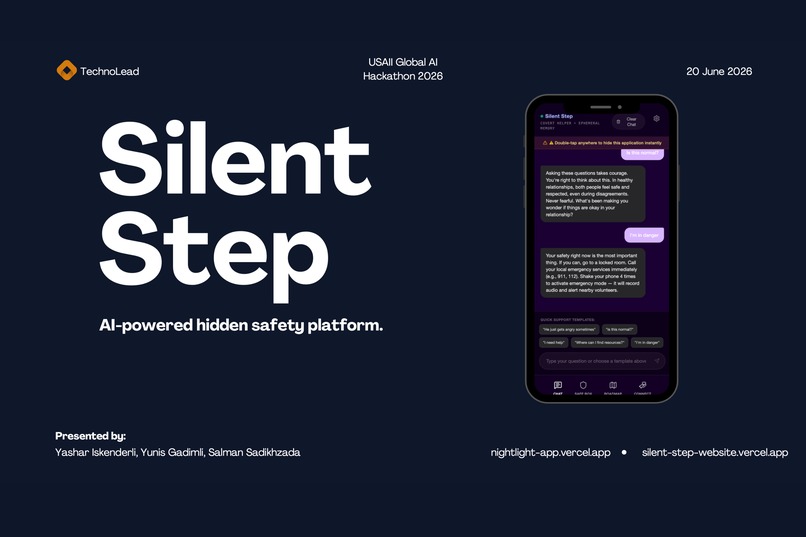
Silent Step
-
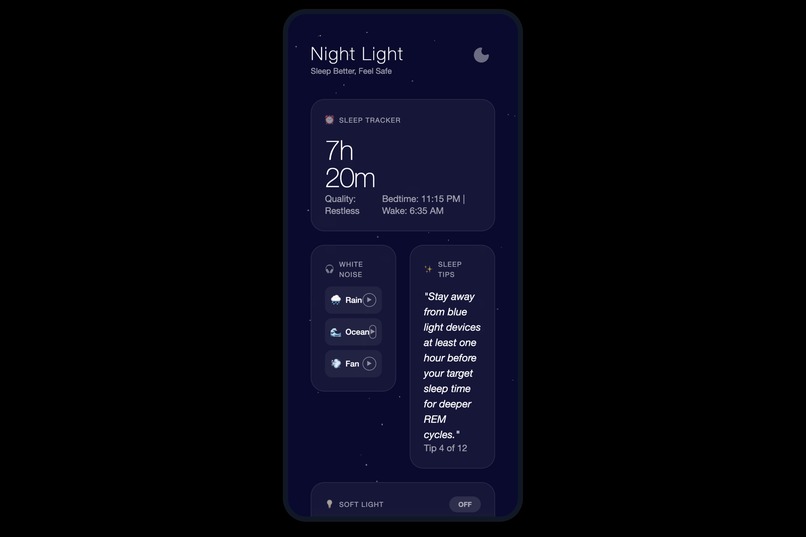
Night Light - Home
-
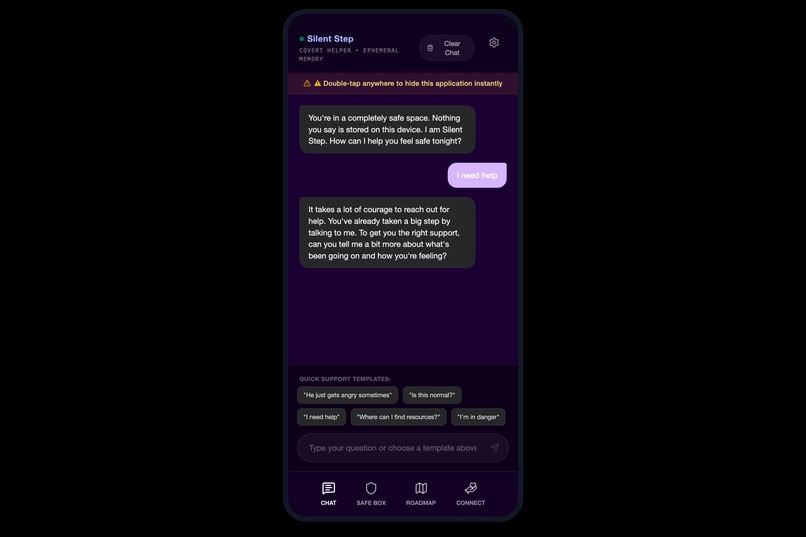
Silent Step - AI Chat
-
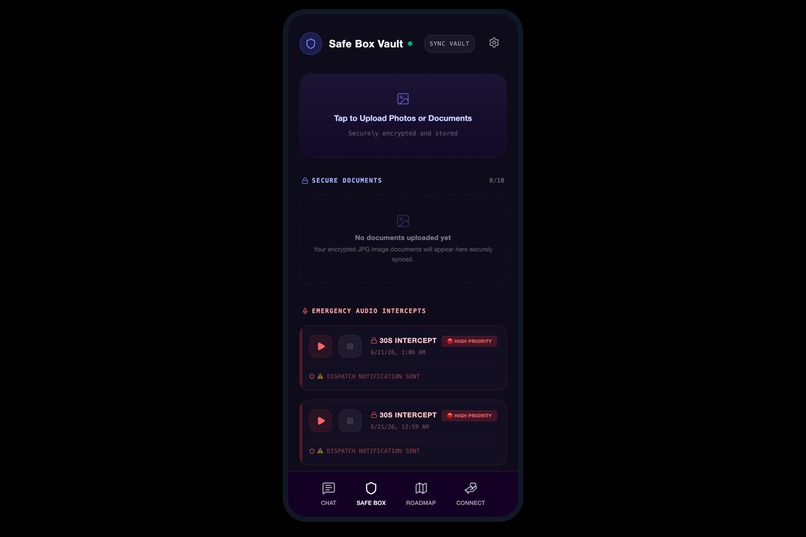
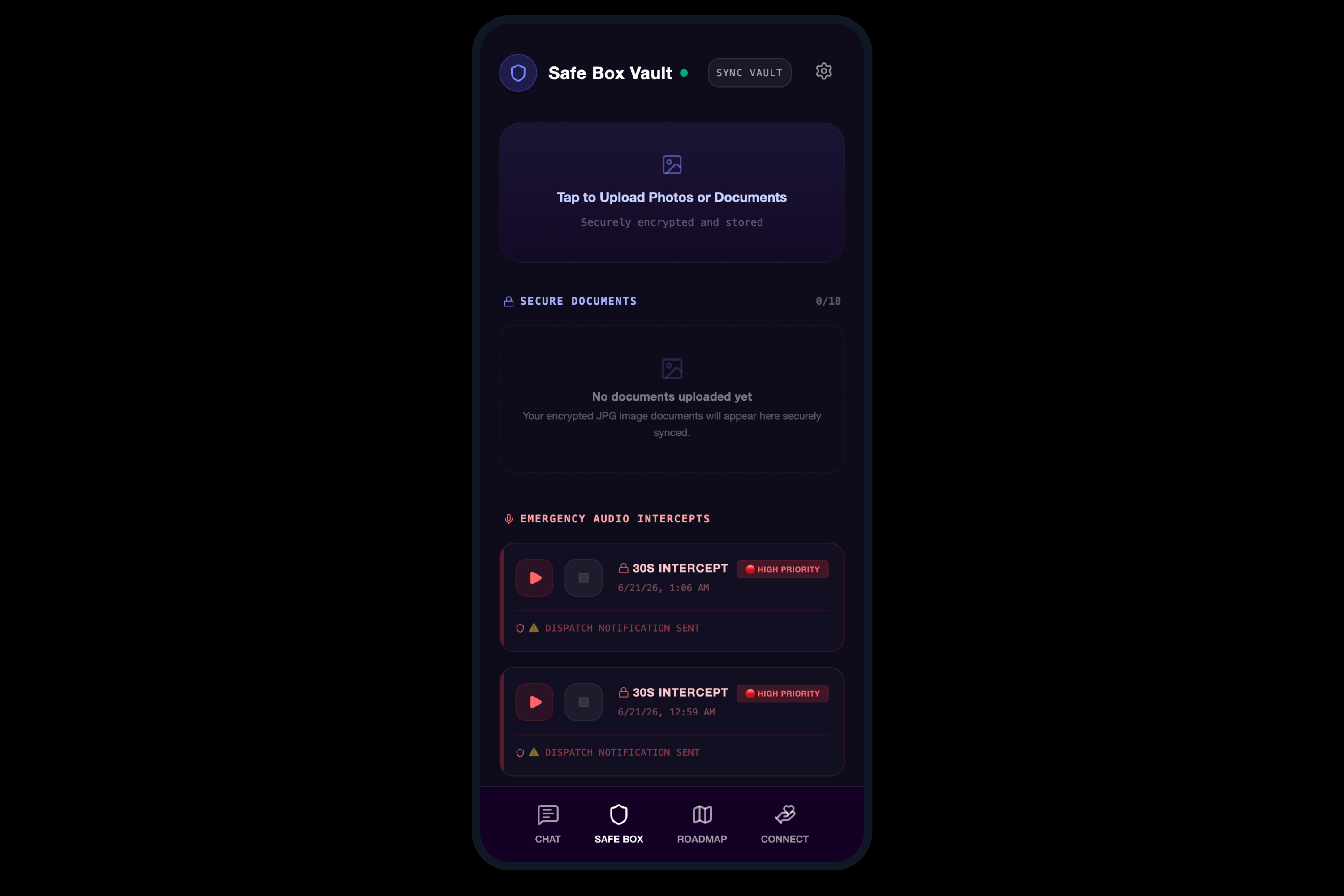
Silent Step - Safe Box
-
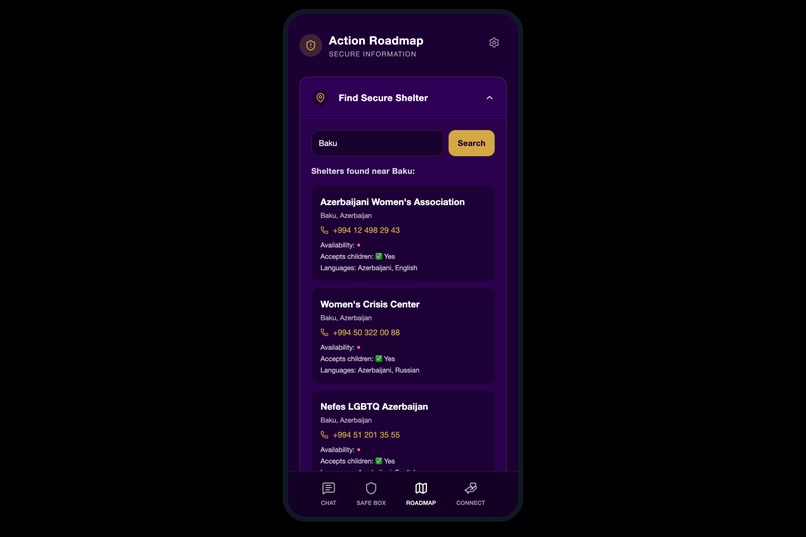
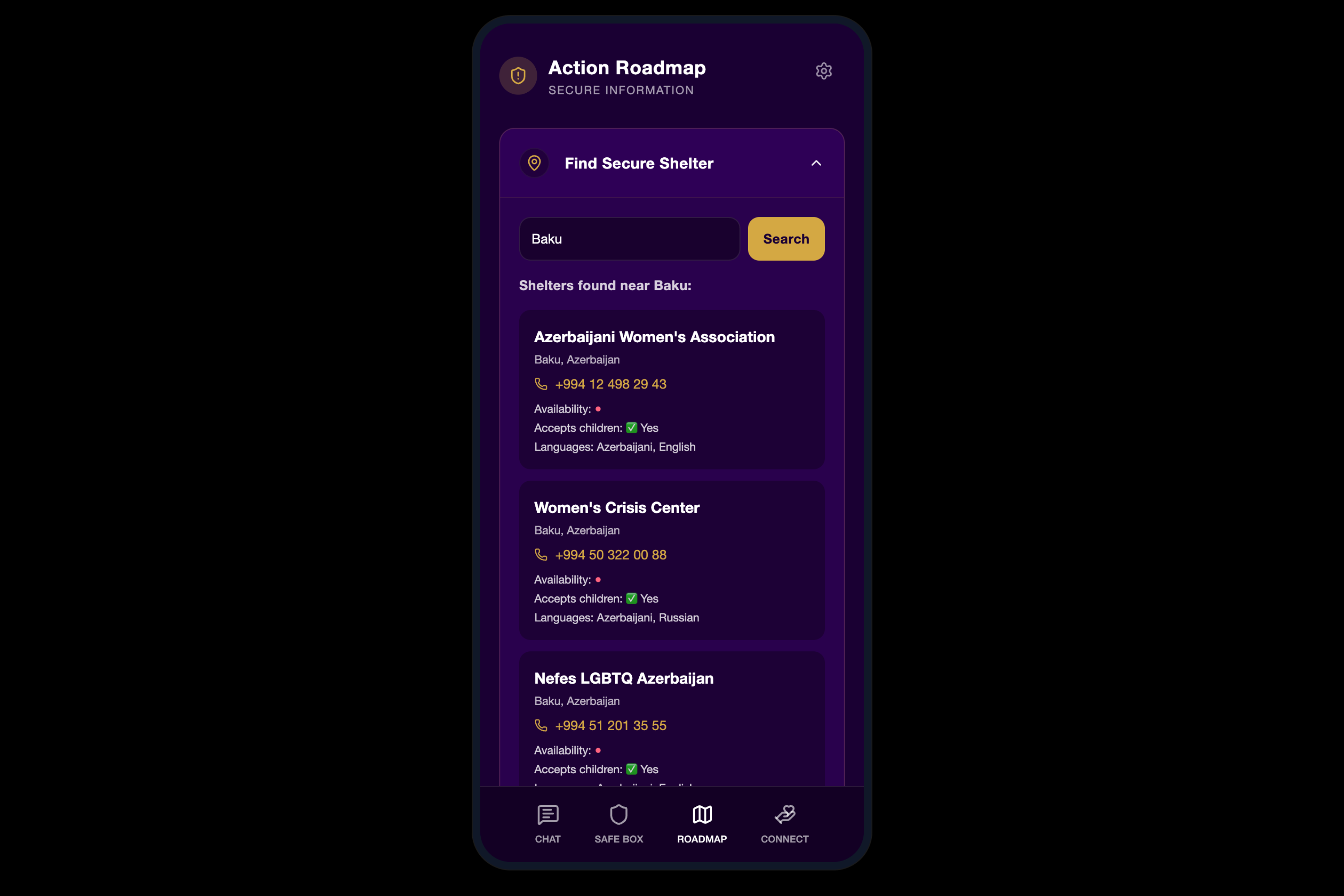
Silent Step - Shelter Finder
-
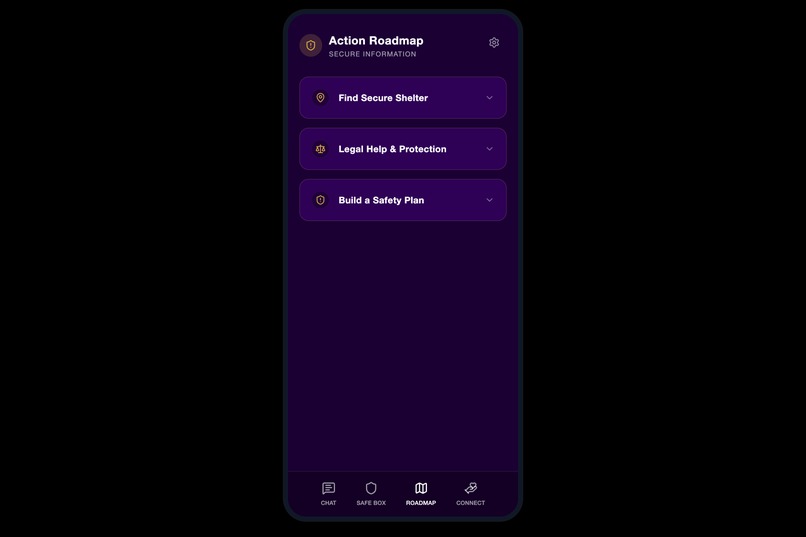
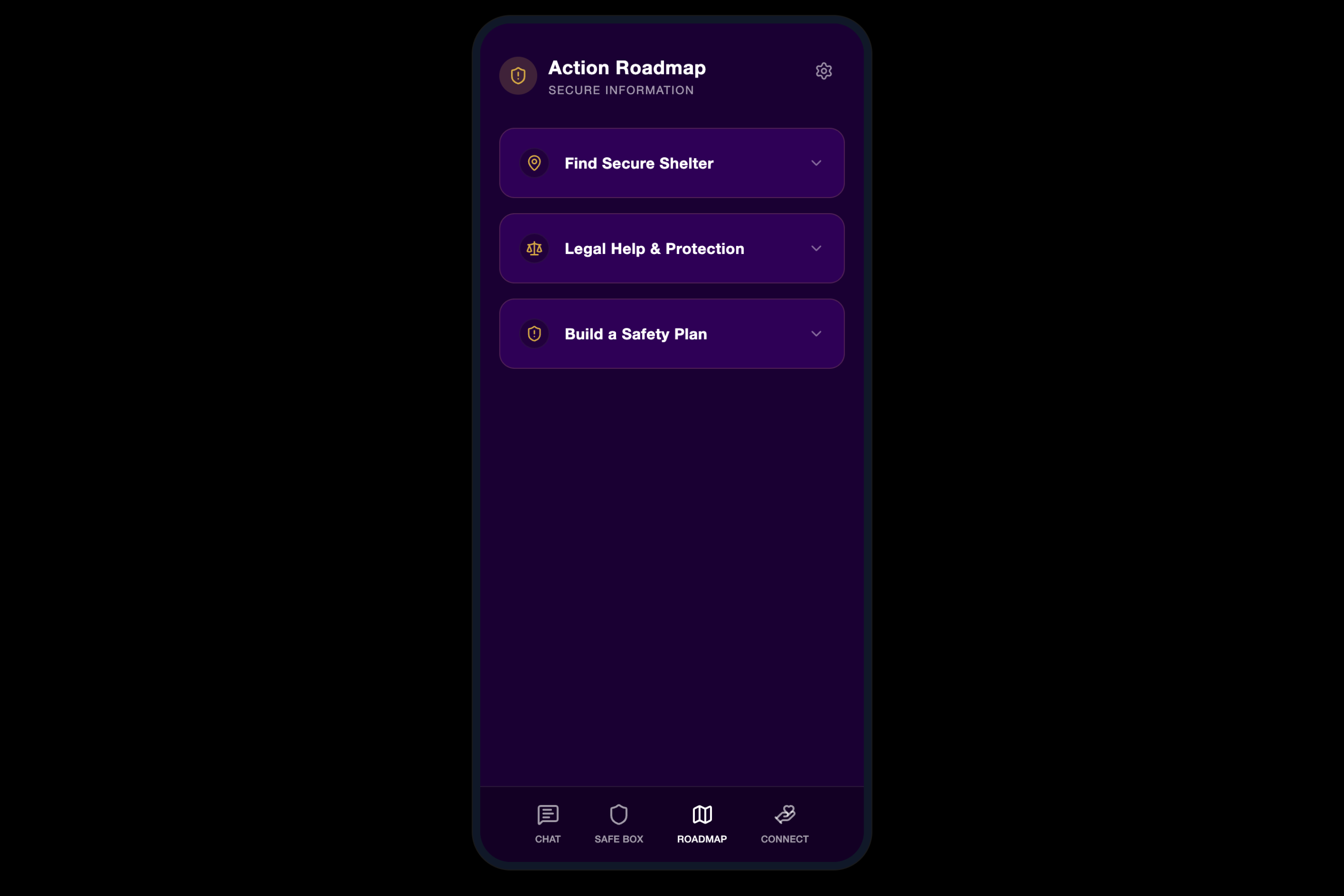
Silent Step - Roadmap
-
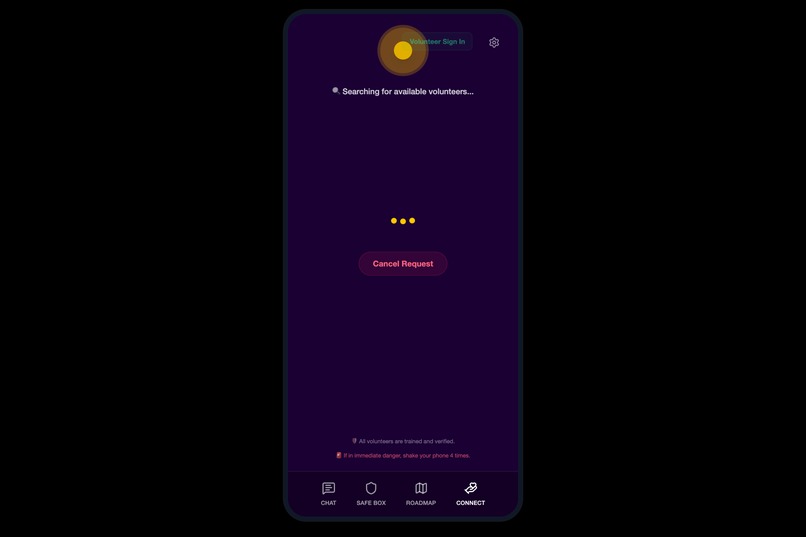
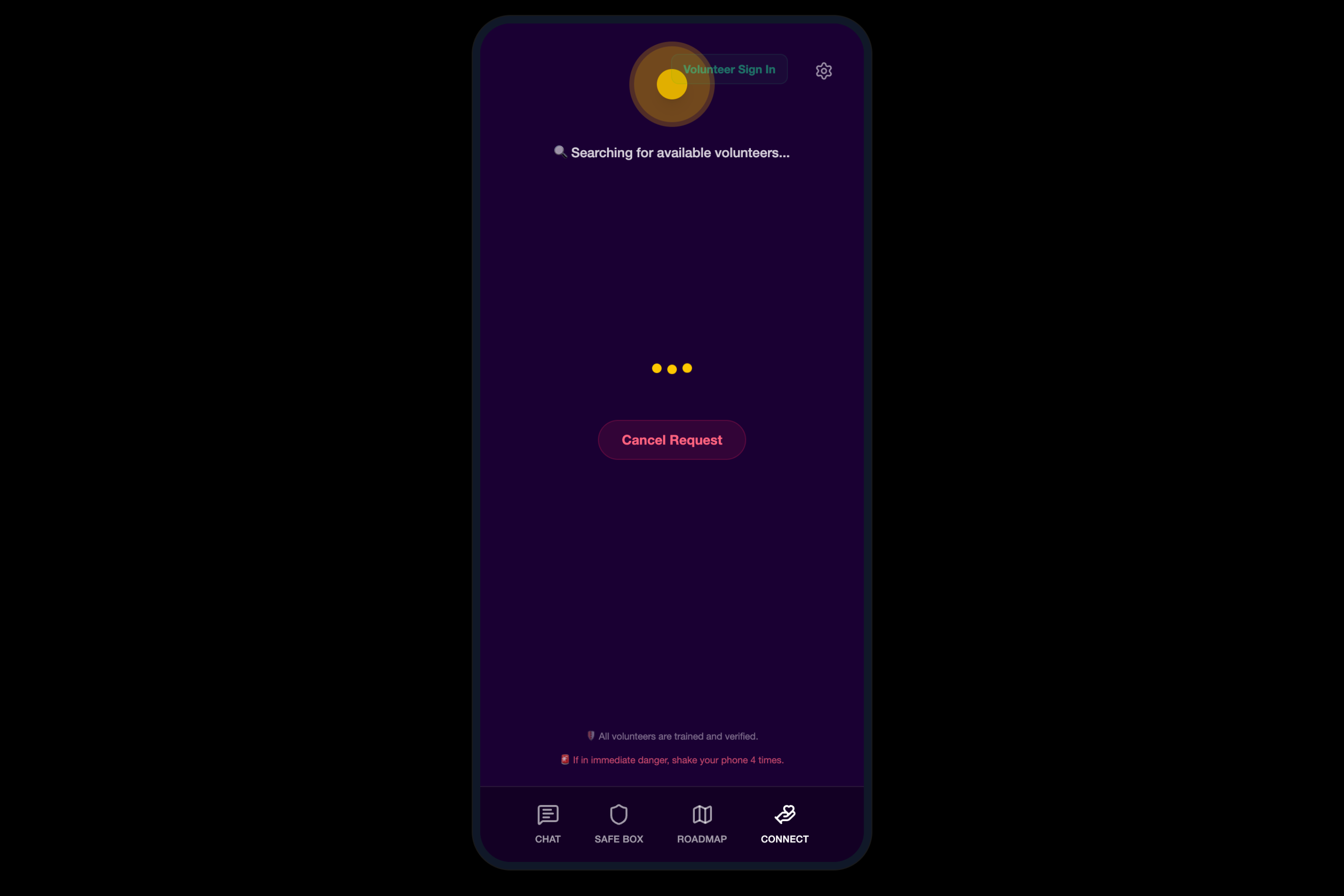
Silent Step - Connect with Volunteers
-
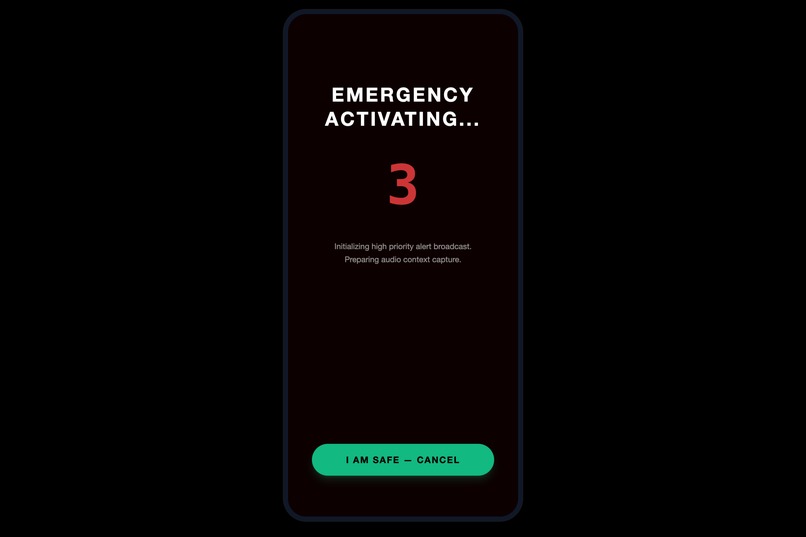
Silent Step - Emergency Activation
-
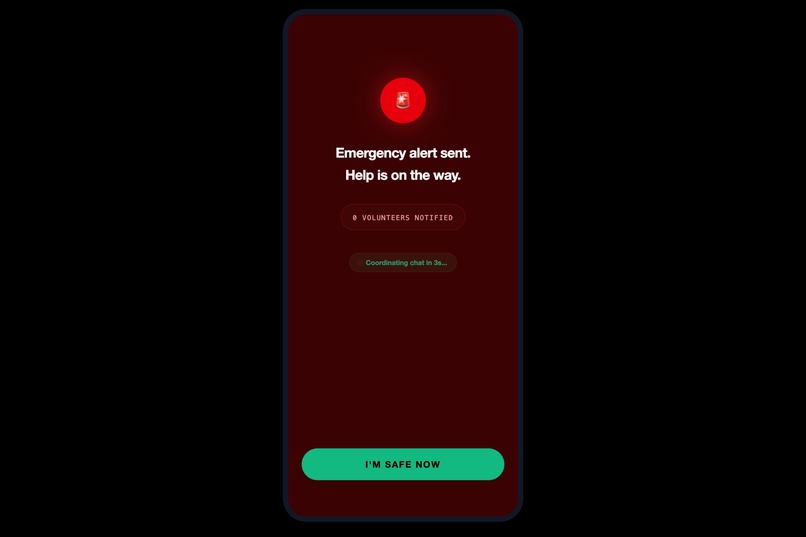
Silent Step - Emergency Coming
-

Team Photo

Inspiration
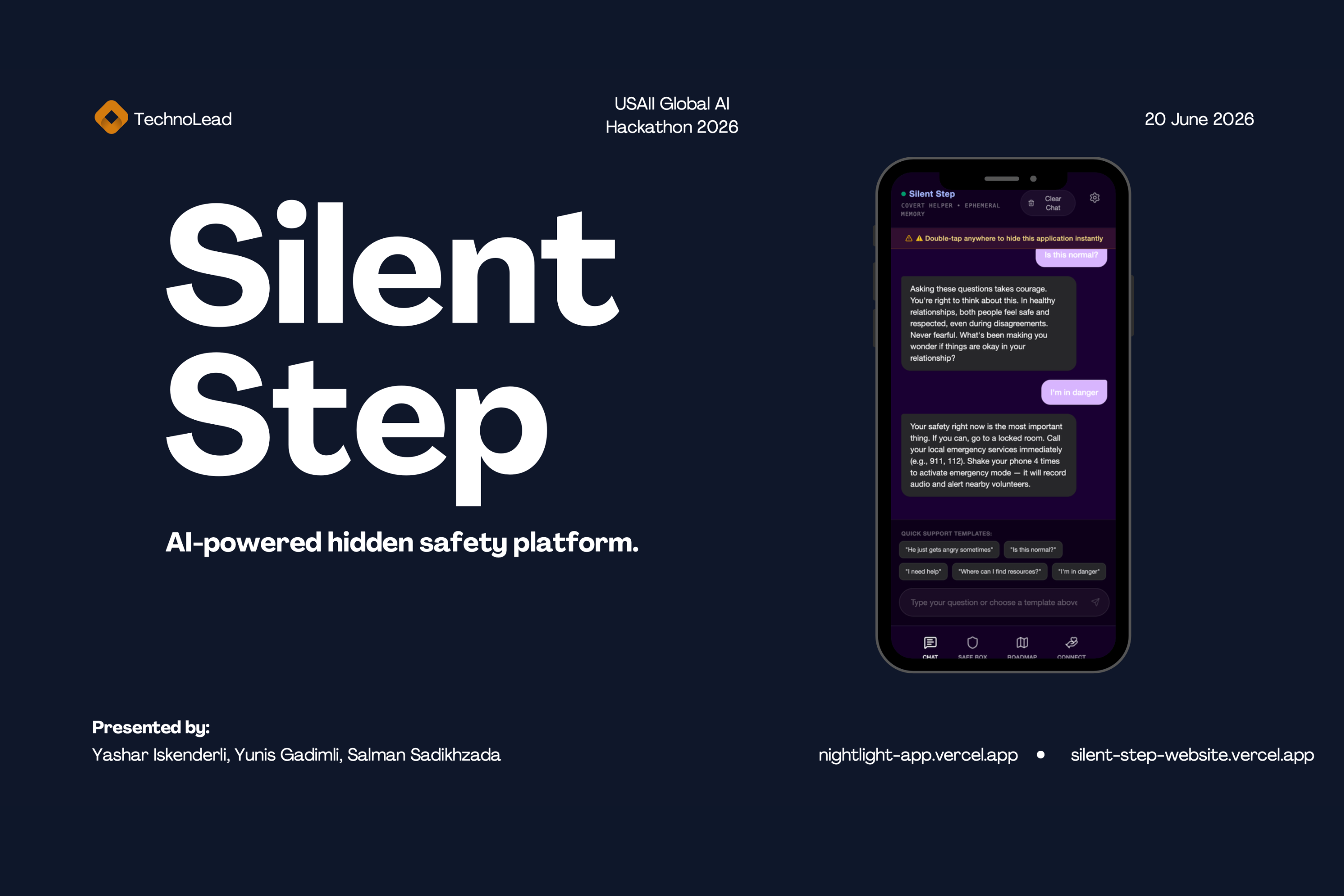
The inspiration for Silent Step stems from a chilling reality: for many women facing domestic abuse, the home is a battlefield, and the smartphone—their only connection to the outside world—is heavily compromised. Traditional solutions, such as emergency hotlines or public safety websites, are passive. They require an immense amount of courage to access and leave a digital paper trail (browser history, dialed numbers, downloaded apps) that can trigger immediate retaliation if discovered by an abuser.
We realized that the most critical window of danger is the exact moment a woman is forced into silence. We wanted to build something that doesn't wait for a victim to take a massive, risky leap forward, but instead meets her exactly where she is, disguised completely under the radar.
What It Does
Silent Step is an invisible, three-layer AI-powered web platform designed to provide a completely discreet digital lifeline for women facing domestic violence. Because it is a web application, it leaves no download footprint or installation trail on a device.
The architecture operates across three distinct security layers:
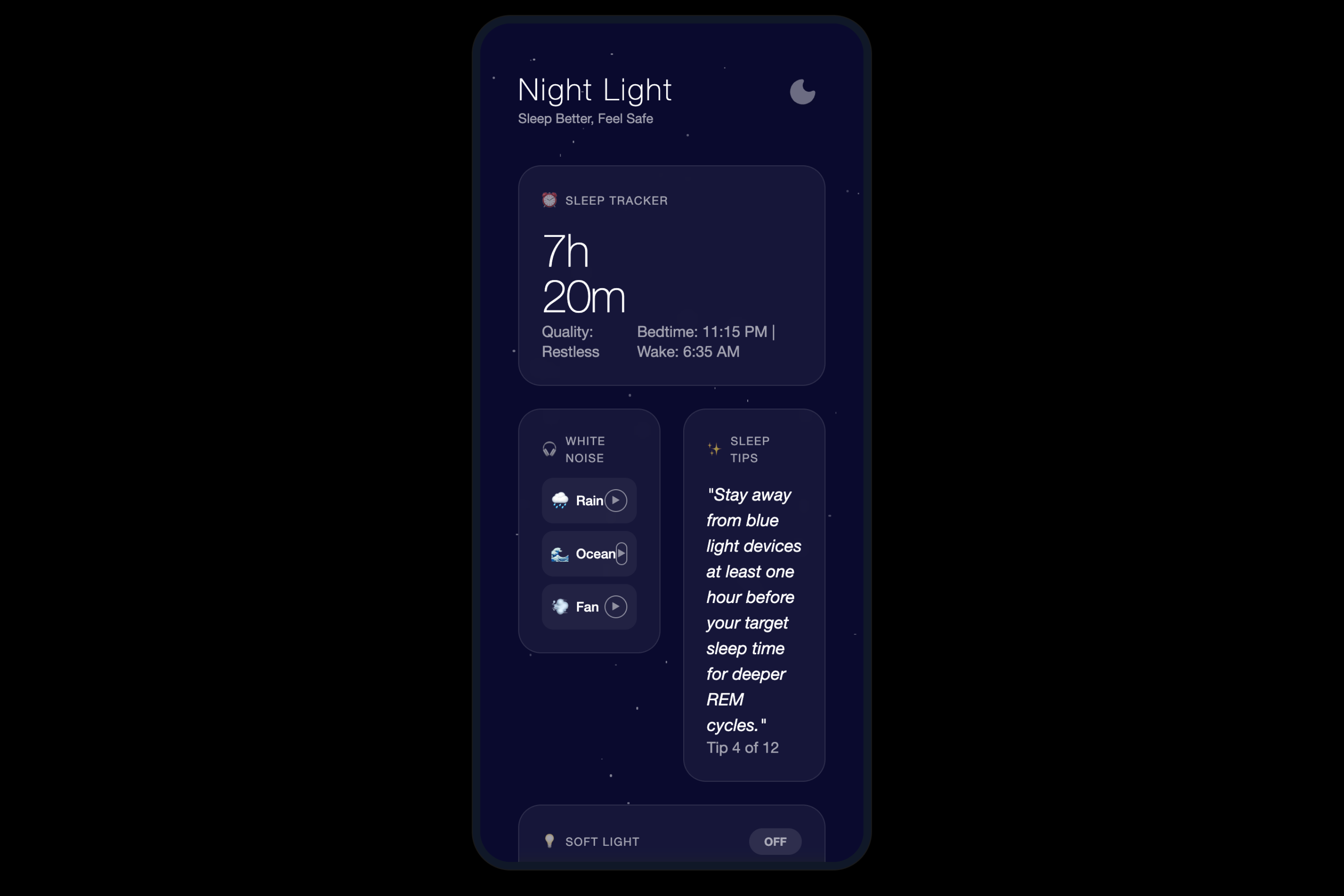
1. Surface Layer ("Sleep Tracker")
To any casual observer or abusive partner checking the phone, the site appears to be a completely harmless, functional sleep-tracking application.
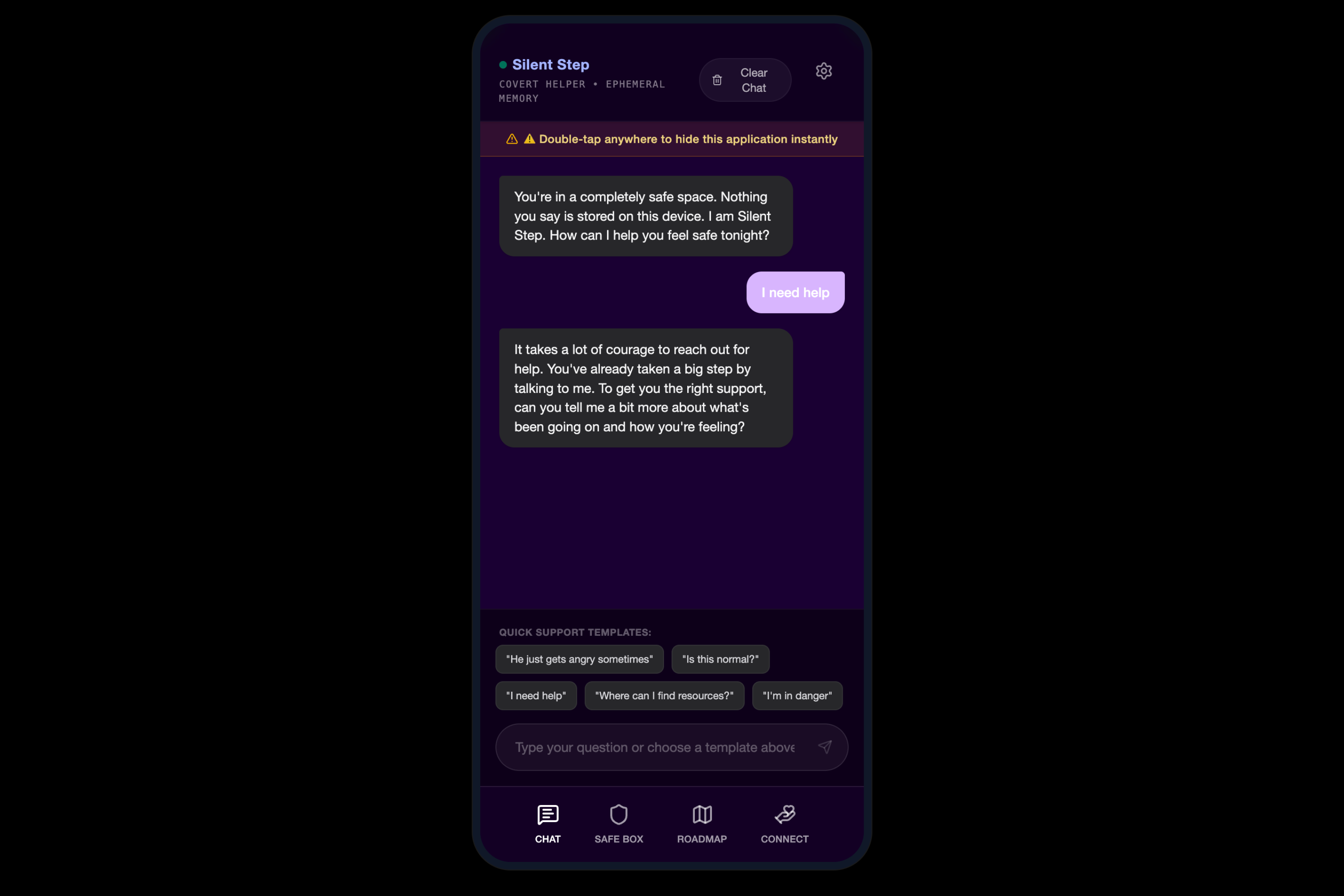
2. Hidden Layer ("Silent Step")
Activated only via a highly specific, covert gesture (holding the Moon icon for 2 seconds), this layer unlocks an AI-driven ecosystem. It features:
- An anonymous AI chatbot that evaluates user responses based on psychological behavioral models.
- Safe encrypted document storage ("Evidence Box").
- Legal roadmaps masked as harmless recipes. ### 3. Emergency Layer ("S.O.S")
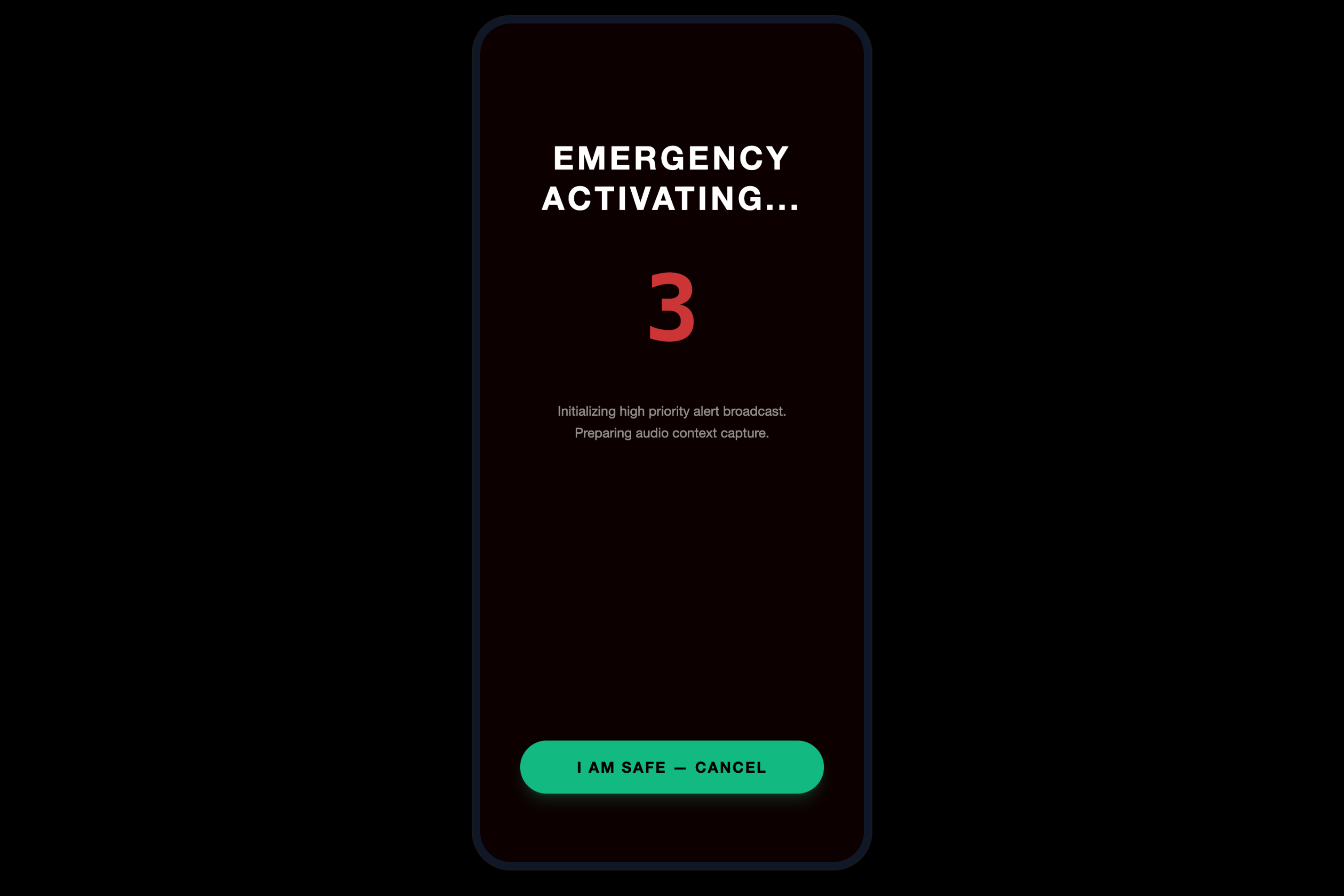
Shaking the phone 4 times rapidly instantly triggers an emergency protocol. It:
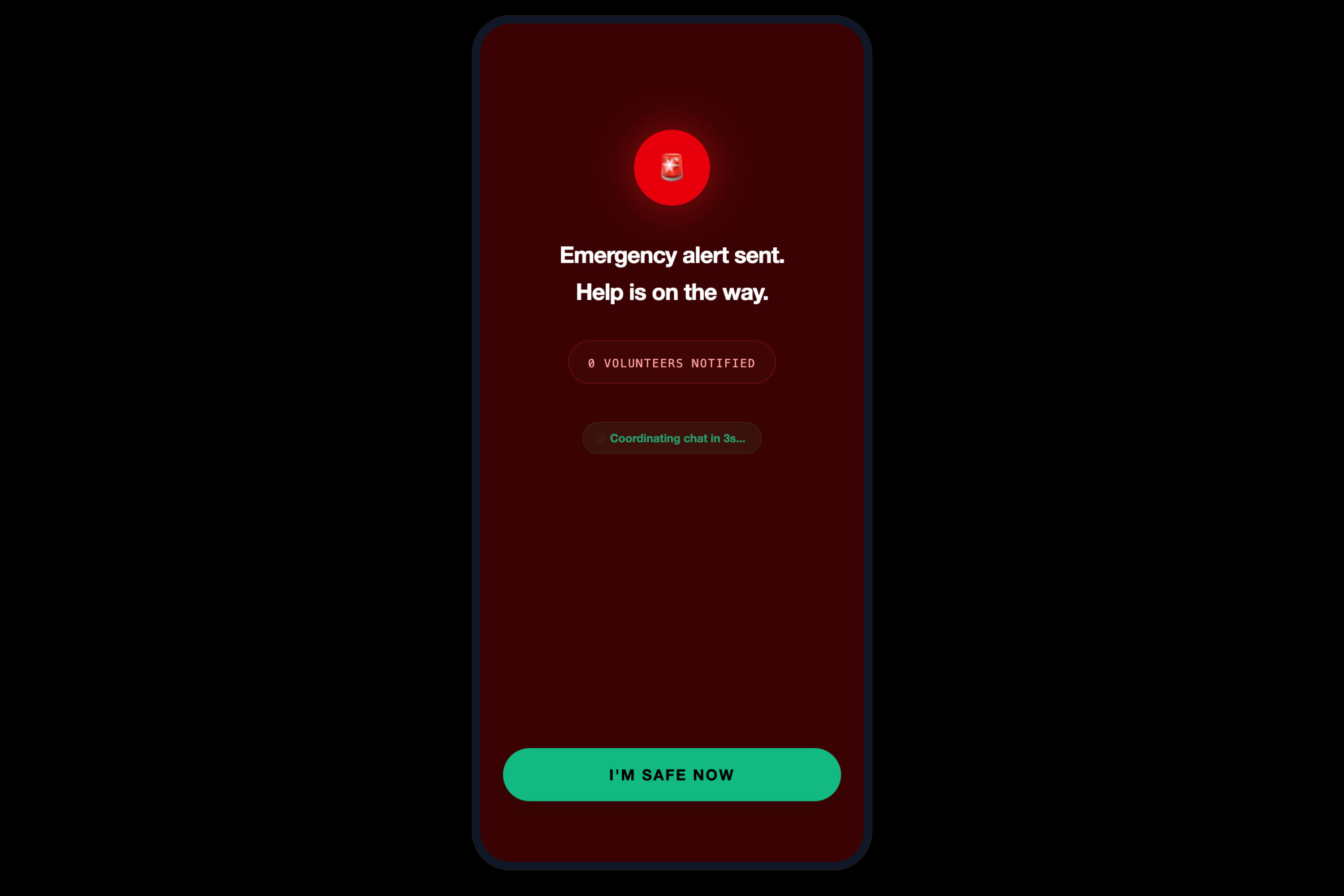
- Silently dispatches a distress signal to trusted contacts/volunteers.
- Records ambient audio for legal evidence.
- Maps out the nearest safe shelters.
- Immediately redirects the browser back to the harmless sleep tracker interface. Additionally, the platform bridges the digital world with physical safety through the "Məhəllə Mələyi" (Neighborhood Angel) Network, safely connecting vulnerable users with trained local volunteers for anonymous, real-world community support.
How We Built It
We built Silent Step utilizing React, Node.js, Express.js, and Supabase (PostgreSQL), deployed securely on Vercel for a seamless, responsive, and resilient web application.
+-----------------------+
|     Surface Layer     |
|    (Sleep Tracker)    |
+-----------+-----------+
            |
  [2-Second Moon Hold]
            |
            v
+-----------------------+
|      Hidden Layer     |
|    (Silent Step AI)   |
+-----------+-----------+
            |
  [4-Shake SOS Trigger]
            |
            v
+-----------------------+
|    Emergency Layer    |
|  (Cloud Vault/Alerts) |
+-----------------------+
Frontend
Built with React, engineered carefully to handle complex gesture tracking and ensure that the transitions between the sleep tracker wrapper and the core hidden application are completely imperceptible and instantaneous.
Backend & Security
Powered by Node.js and Express.js, integrating highly secure Supabase database architecture. When a user uploads photographic or audio evidence of abuse to the Evidence Box, the data bypasses the local device caches entirely and is uploaded directly as an encrypted payload into a remote cloud vault.
Artificial Intelligence
We implemented natural language processing algorithms modeled around the psychological Transtheoretical Model of Change. Rather than pushing aggressive, frightening next steps onto a user who may still be in denial or fear, the AI analyzes user sentiment to gently tailor its responses. We leveraged Deepgram for powerful real-time phonetic emotion analysis during SOS triggers, and Groq to drive rapid classification tasks.
- If a user is anxious, it asks soft, reflective questions.
- If the user explicitly seeks escape, it dynamically generates an actionable safety plan. # Challenges We Ran Into
The primary hurdle was executing absolute stealth on a purely web-based application. Unlike native mobile apps, web browsers have specific technical constraints regarding continuous background processing, persistent audio streams, and custom sensor intercepts.
Perfecting the Camouflage
Creating a responsive web interface that reliably differentiates between erratic daily scrolling and the exact, intentional inputs needed to switch layers (like the 2-second hold or the deliberate 4-shake accelerometer SOS mechanism) required meticulous event-handling optimizations.
Device State Control
We had to ensure that the Evidence Box left absolutely zero cache, cookie data, or temporary media remnants on the host device. Engineering direct uploads to cloud servers without utilizing local device storage buffers was a highly technical security constraint.
Behavioral Modeling
Training an AI engine to sensitively and accurately categorize the delicate psychological stages of an abuse victim required strict guardrails. We had to ensure the model would never misinterpret a high-risk situation, which is why we hardcoded 246 specific distress keywords directly into the code as an absolute fallback system.
Accomplishments That We're Proud Of
Zero-Footprint Safety Architecture
We successfully engineered a fully capable emergency tool that masquerades entirely as a regular utility website, leaving absolutely no trace in local storage or visual UI markers.
Context-Aware AI Interaction
Creating an automated counseling system that can successfully identify whether a user is in the Precontemplation Stage versus the Action Stage ensures that we protect the mental and physical safety of users without pressuring them dangerously.
The Evidence Box
Building a reliable pipeline that secures crucial physical and verbal evidence directly to a secure remote server, providing victims with an untamperable legal foundation for protection orders later on.
What We Learned
This project pushed our technical horizons, particularly regarding rapid sensor data integration (accelerometer/shaking logic) and highly defensive UX design. We learned that when designing software for vulnerable populations, user experience isn't just about aesthetics or conversions—it is directly tied to user safety.
We gained a deep appreciation for adaptive software logic. We realized that standard linear user flows do not work in high-stakes environments. Using behavioral psychology models allowed us to see how technical algorithms can be sensitively calibrated to mirror unpredictable human emotional states.
What's Next for Silent Step – AI-Powered Hidden Safety Platform
Advanced Threat Prototyping
Integrating lightweight predictive AI models to subtly assess escalating patterns of danger based on the frequency and tone of user interactions over time.
Decentralized Neighborhood Networks
Broadening the volunteer training infrastructure to securely vet and onboard more local Neighborhood Angels, while keeping their communications strictly anonymous and encrypted.
Offline Fail-Safes
Exploring Progressive Web App (PWA) caching techniques that allow the emergency SOS layer to process 4-shake metrics locally and broadcast low-bandwidth encrypted alerts even in areas with highly unstable internet connectivity.
Built With
- css
- edgefunctions
- express.js
- html5
- node.js
- postgresql
- react
- supabase
- tailwind
- typescript
- vercel
- vite


Log in or sign up for Devpost to join the conversation.