-
-
1
-
2
-
3
-
4
-
5

What it does
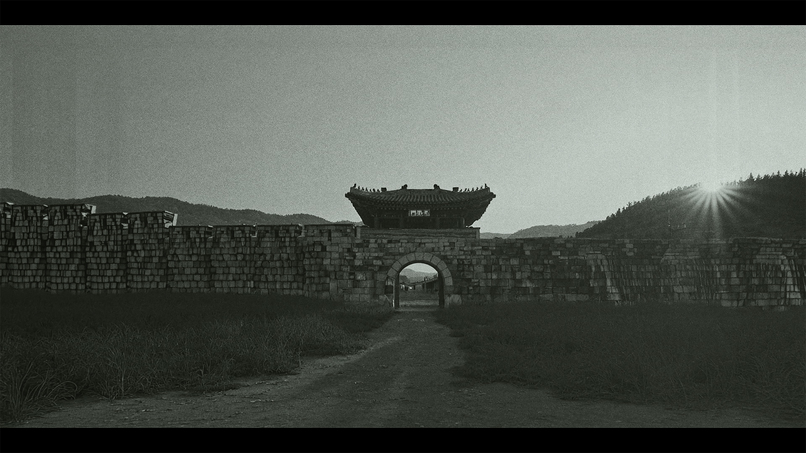
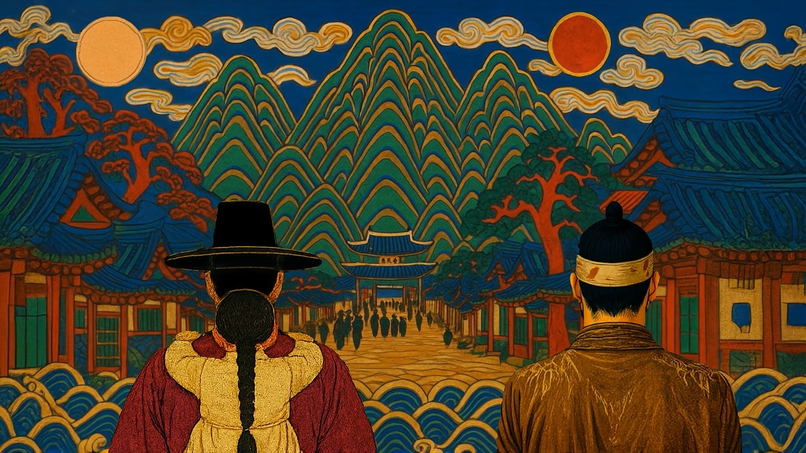
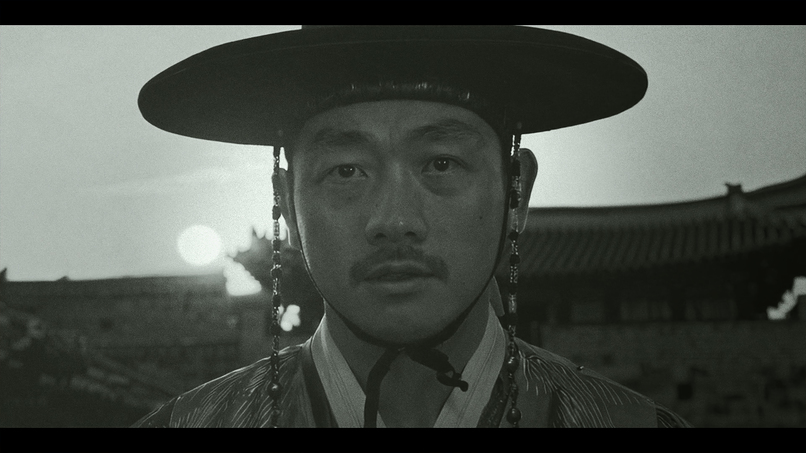
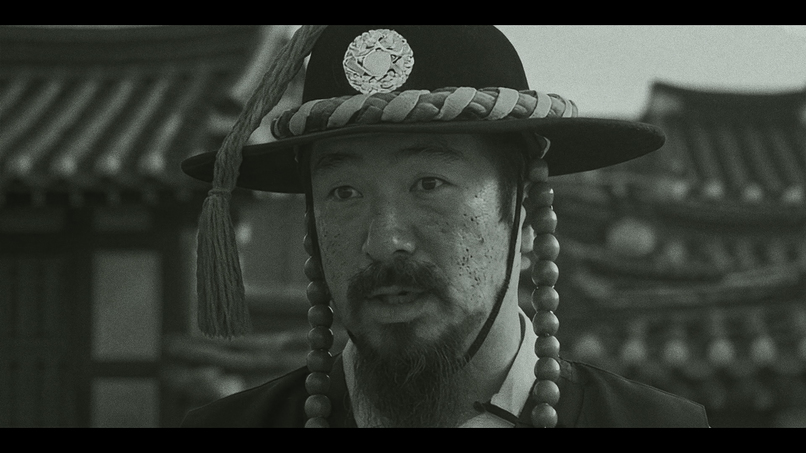
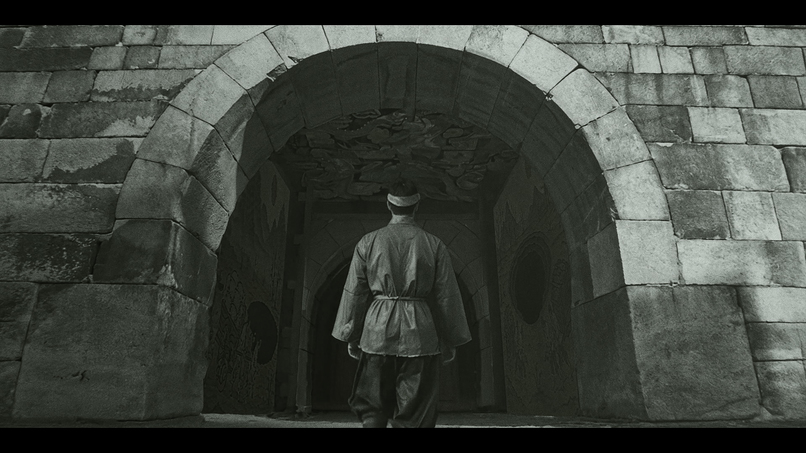
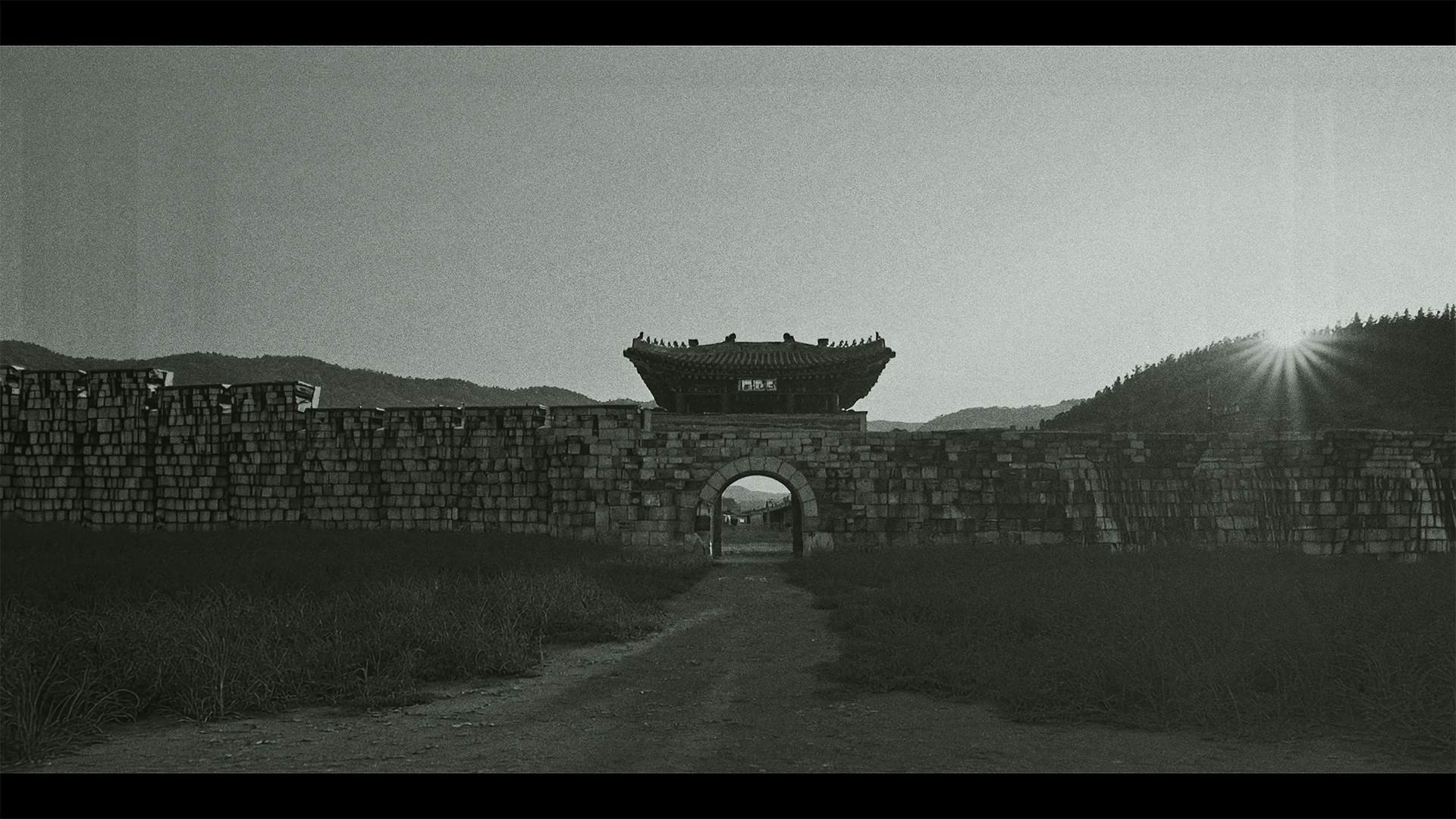
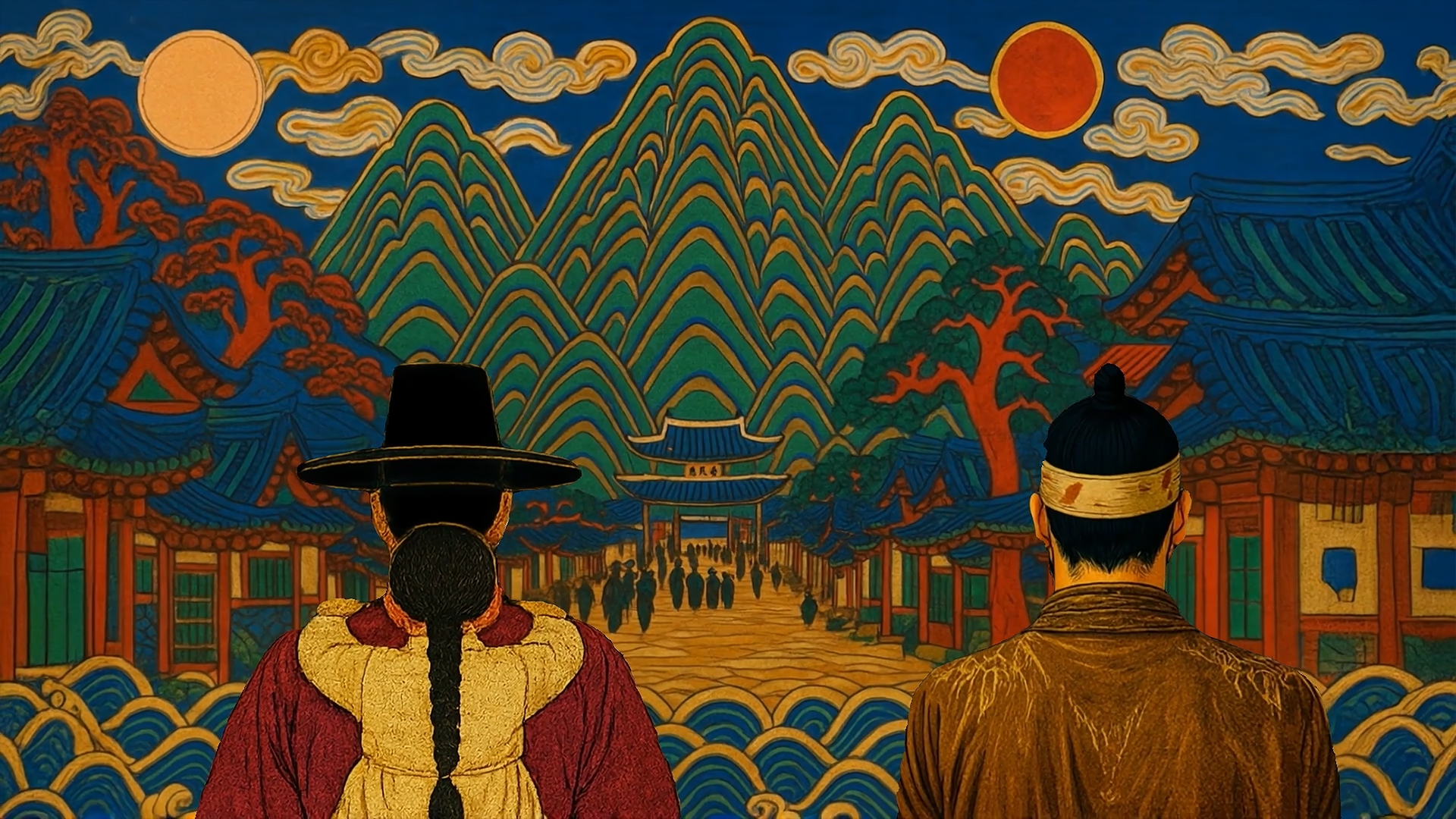
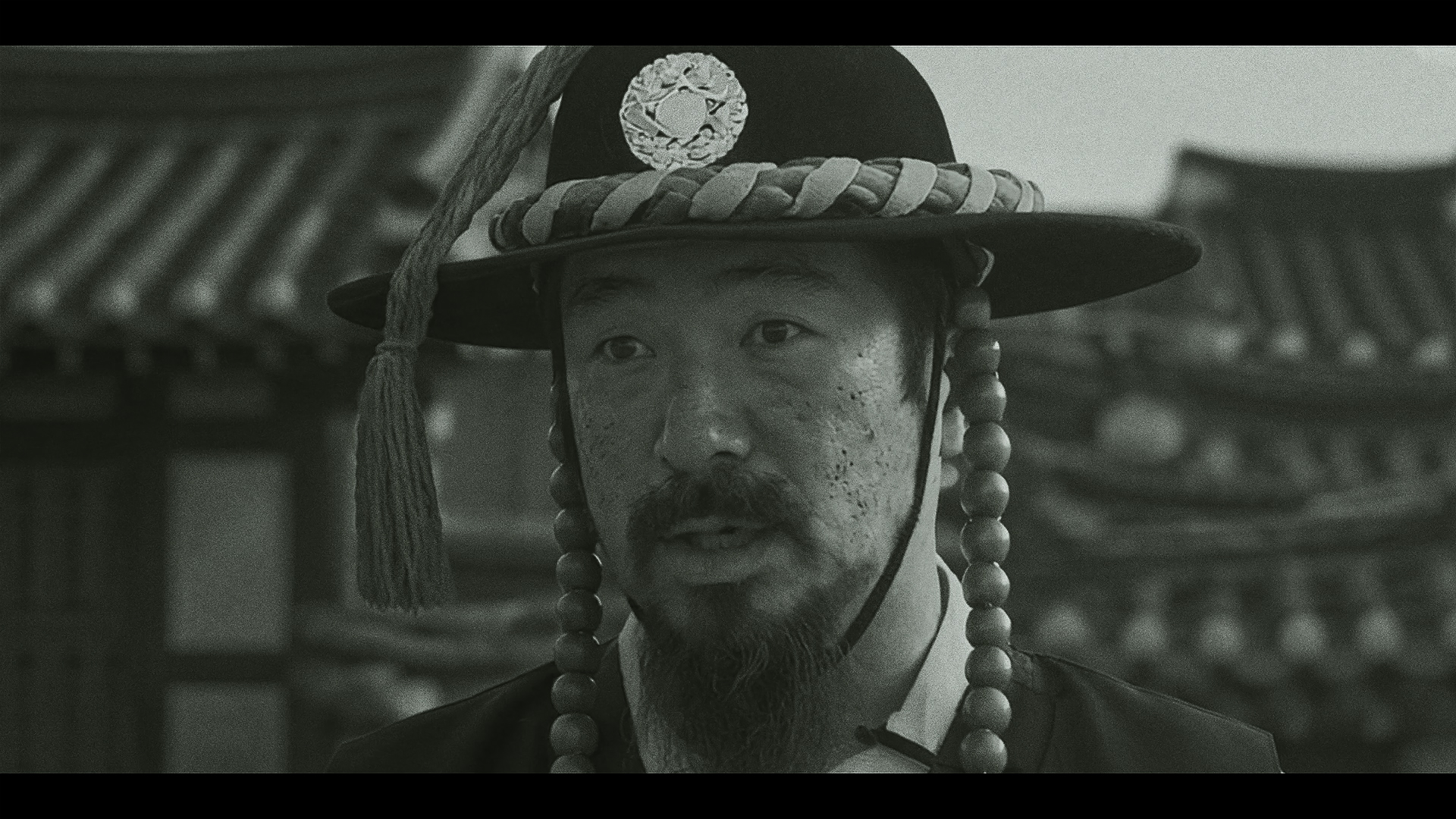
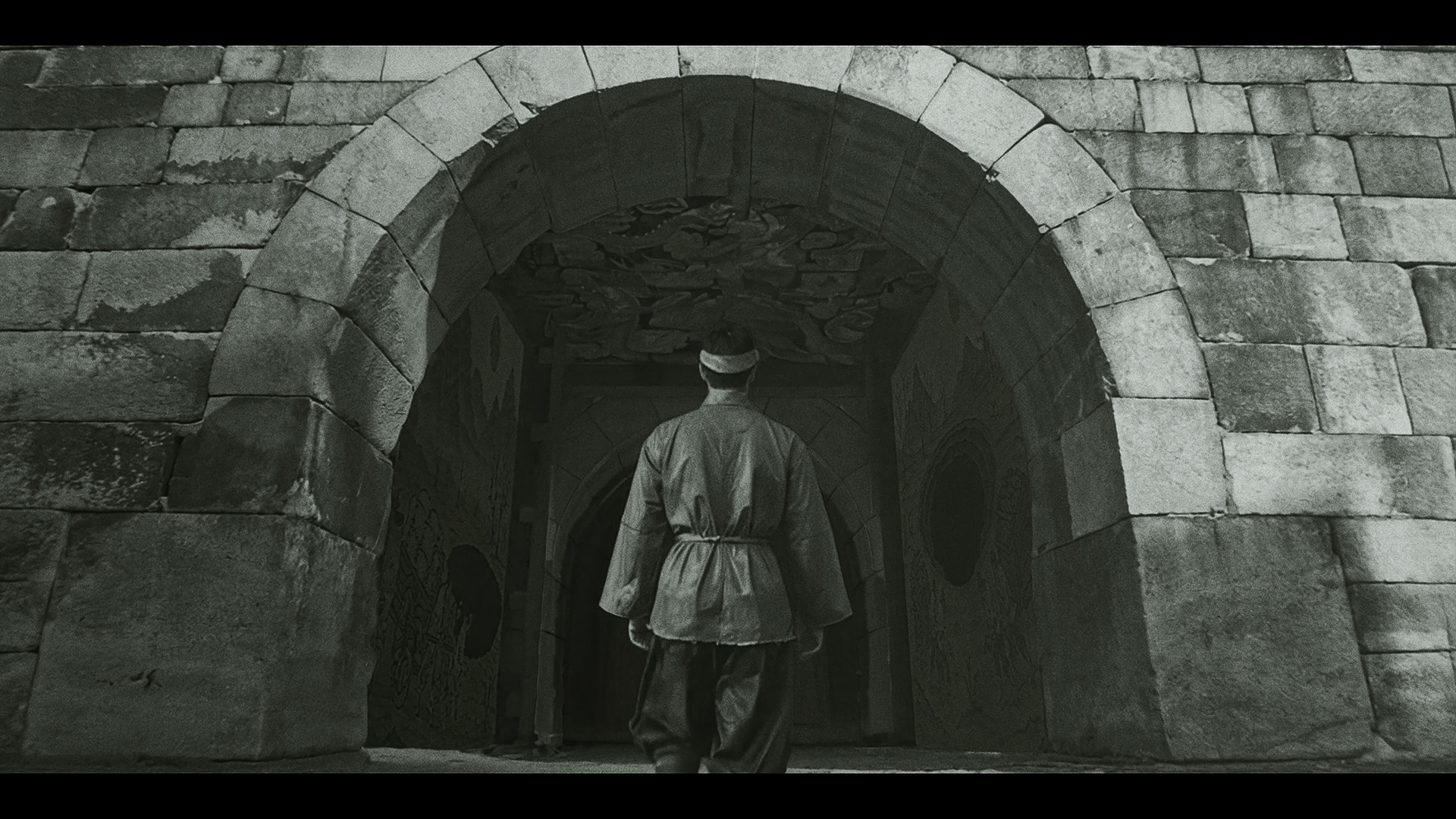
The scars of the Second Manchu Invasion run deep across the Joseon dynasty. The king has fled through Sigumun—the Gate of Death—and Crown Prince Sohyeon, the kingdom's hope for a new era, is dead under mysterious circumstances. In this age of shattered pride, principled aristocrat Heontaek believes the only path to recovery is to rigidly uphold established principles and traditions. For him, an individual's life is a worthy sacrifice for the greater good of the nation. But this conviction shatters when his only son is stricken by a mysterious plague. Desperate, Heontaek is visited by his former servant, Mandeuk, now a fugitive implicated in the Crown Prince's death. Mandeuk reveals that the only cure lies beyond Sigumun, the very symbol of their nation's disgrace. Herein lies the film's central paradox, echoing the gate's own history: originally named Gwanghuimun, the 'Gate of Light,' it is now known only as a passage for the dead. Yet, Heontaek must journey through the heart of death to save his son. Facing his son's fading life, Heontaek is forced to confront a devastating truth: the ideology he so blindly followed is of death, not life. In a final act of defiance against his own world, he casts aside the principles that were once his pride and crosses the threshold for the sake of the next generation.
How we built it
This film employs AI as a lens to look into the past. By digitally restoring the remains of the past, we aim to open a dialogue about how change and choice in the past shape the tomorrows that follow.
Built With
- 10


Log in or sign up for Devpost to join the conversation.