-
-
Logo
-
-
-
-
-
-
-
-
Inspiration
The inspiration for this Autonomous QA Agent stems from the growing complexity of modern web applications and the limitations of traditional QA testing approaches. With the rise of Single Page Applications (SPAs), cryptocurrency platforms, dynamic user interfaces, and intricate workflows, manual testing becomes increasingly time-consuming and error-prone.
The project was born from the question: "What if QA testing could be truly autonomous?" Rather than relying solely on brittle, pre-programmed test cases, why not combine the precision of heuristic scanning with the intelligence of modern Vision Language Models (LLMs)? By leveraging Google's Gemini 2.5 Flash multimodal AI, we created an agent that can visually "see" web applications the way humans do, while executing tests with machine precision.
What it does
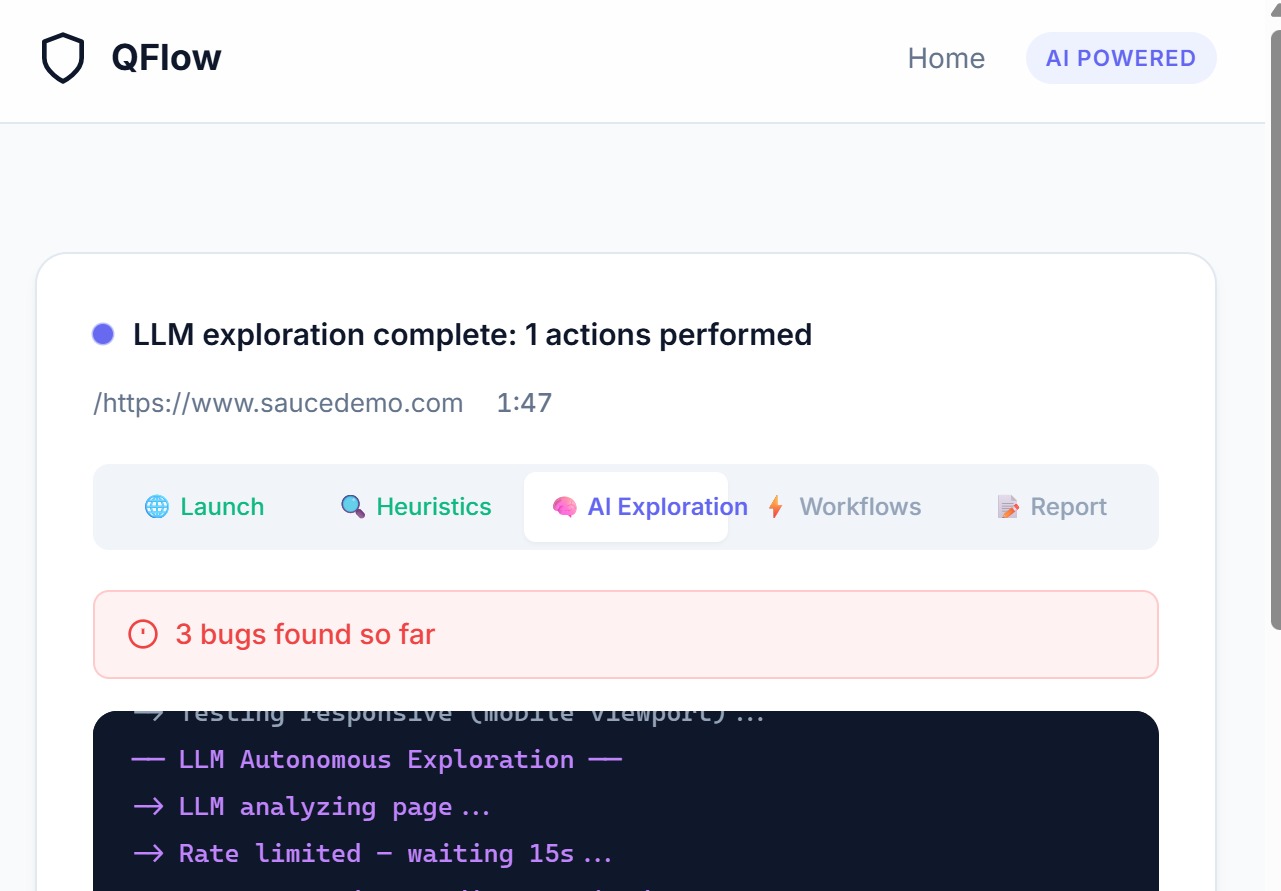
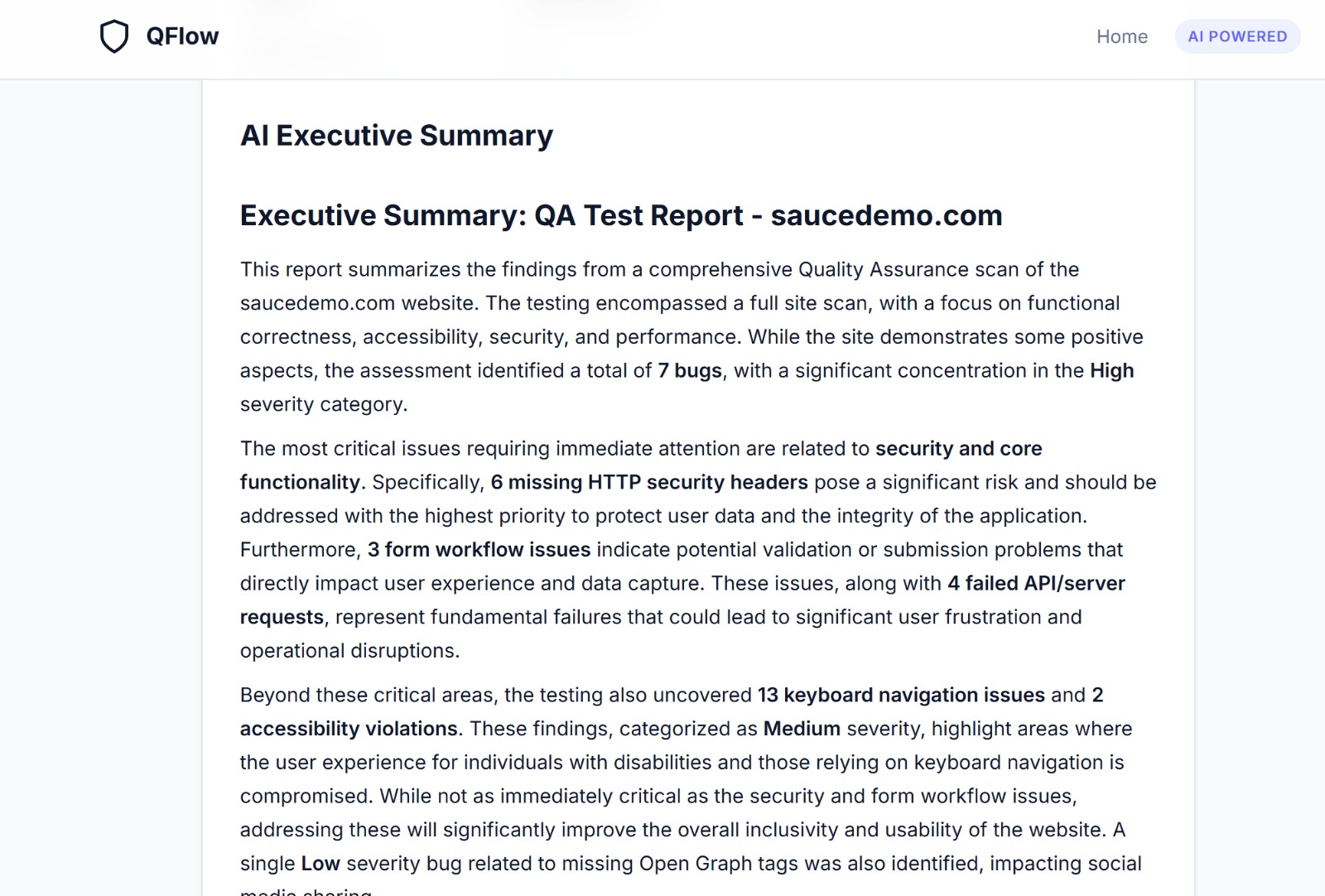
The Autonomous QA Testing Agent is an intelligent, AI-powered testing system that combines rigorous heuristic scanning with Google Gemini Multimodal AI to automatically explore, interact with, and perform comprehensive quality assurance on web applications. Unlike traditional automated testing tools that rely on pre-programmed test cases, this agent autonomously navigates and analyzes websites with human-like understanding and machine precision.
How we built it
The Autonomous QA Agent is built on a Hybrid Architecture with two complementary engines:
- Heuristic Engine
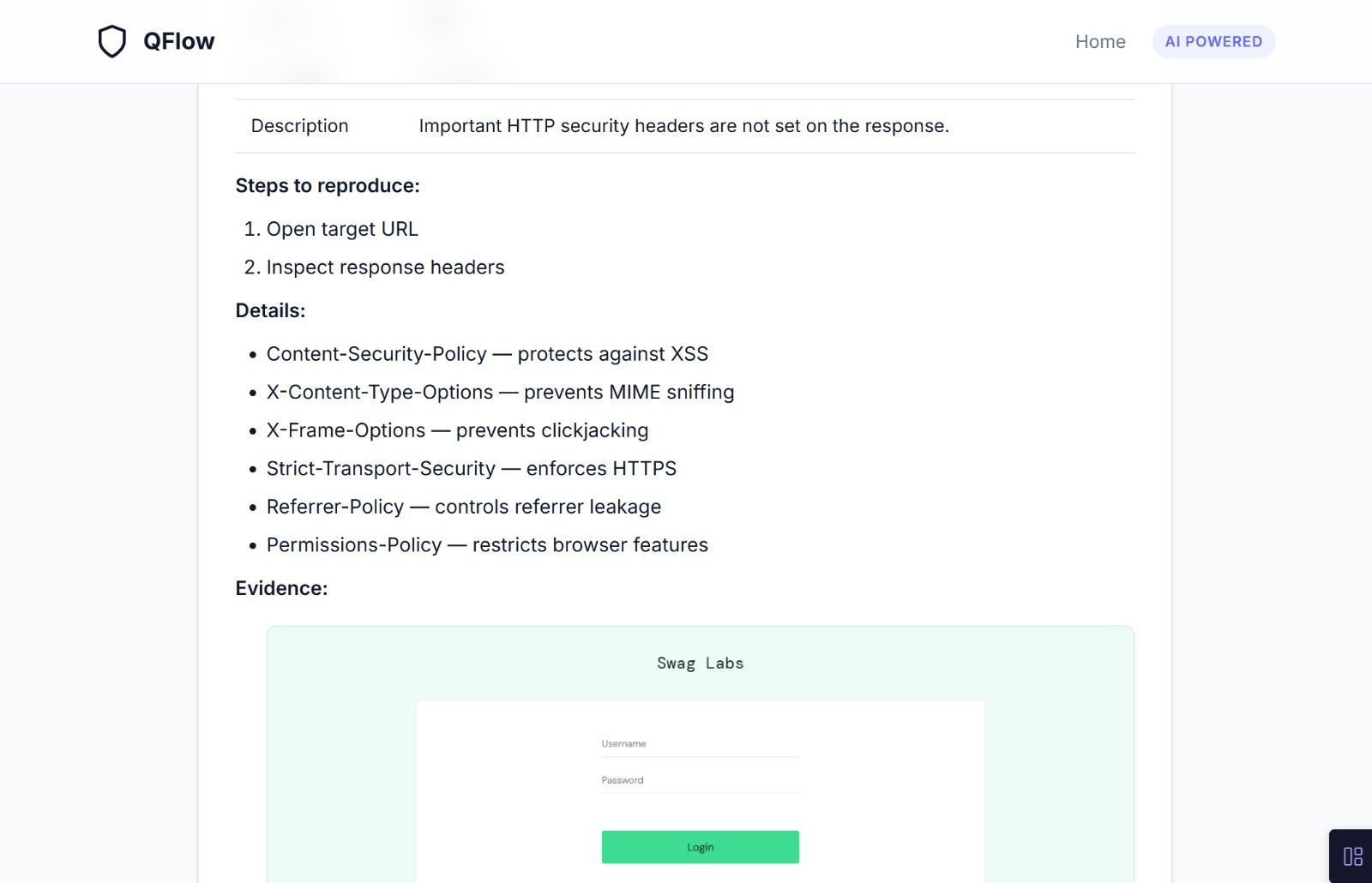
- Performs instantaneous, objective failure detection
- Validates HTTP status codes (catches 404/500 errors)
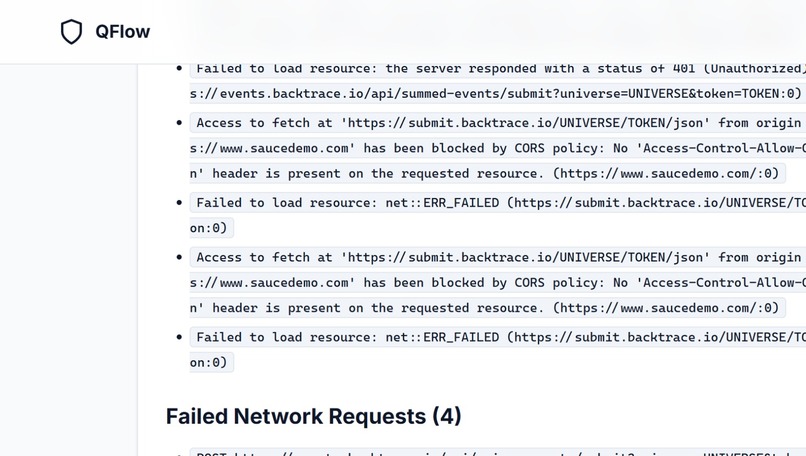
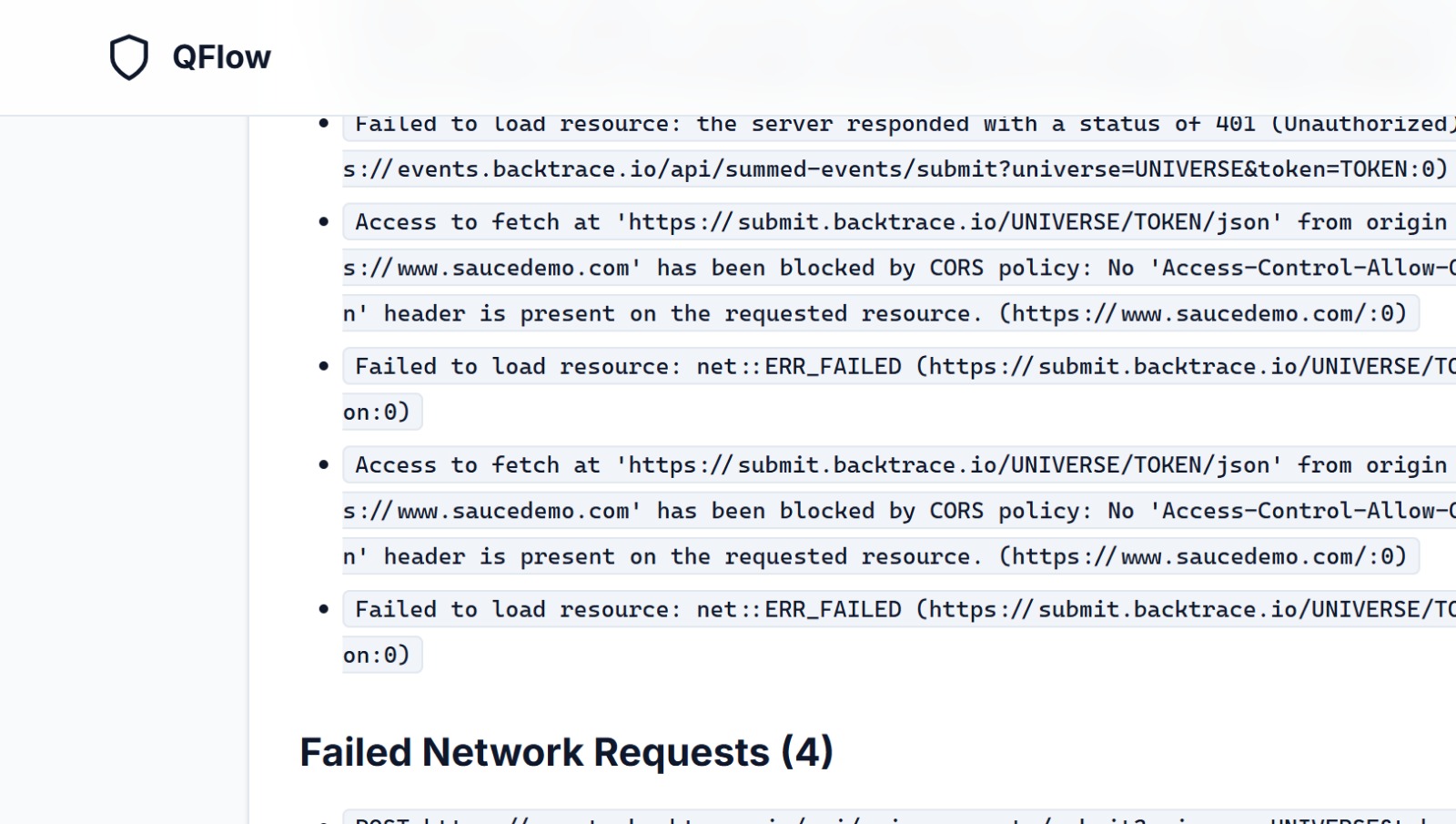
- Monitors console errors in real-time
- Checks for broken images and missing resources
- Validates SEO metadata and best practices
- Cognitive AI Engine
- Uses Gemini 2.5 Flash for multimodal vision understanding
- Takes UI snapshots and analyzes them for visual anomalies
- Plans autonomous workflows based on page context
- Executes 23 distinct testing protocols per run:
- Deep Crawl: Maps site topology and validates internal links
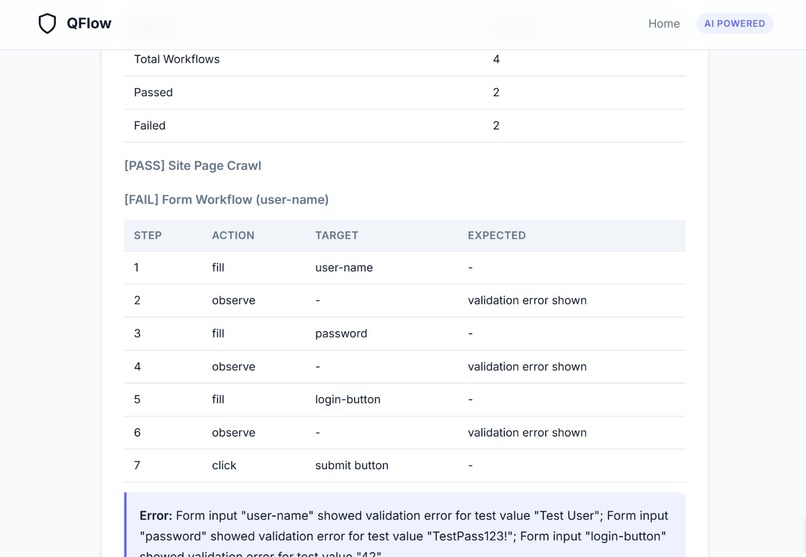
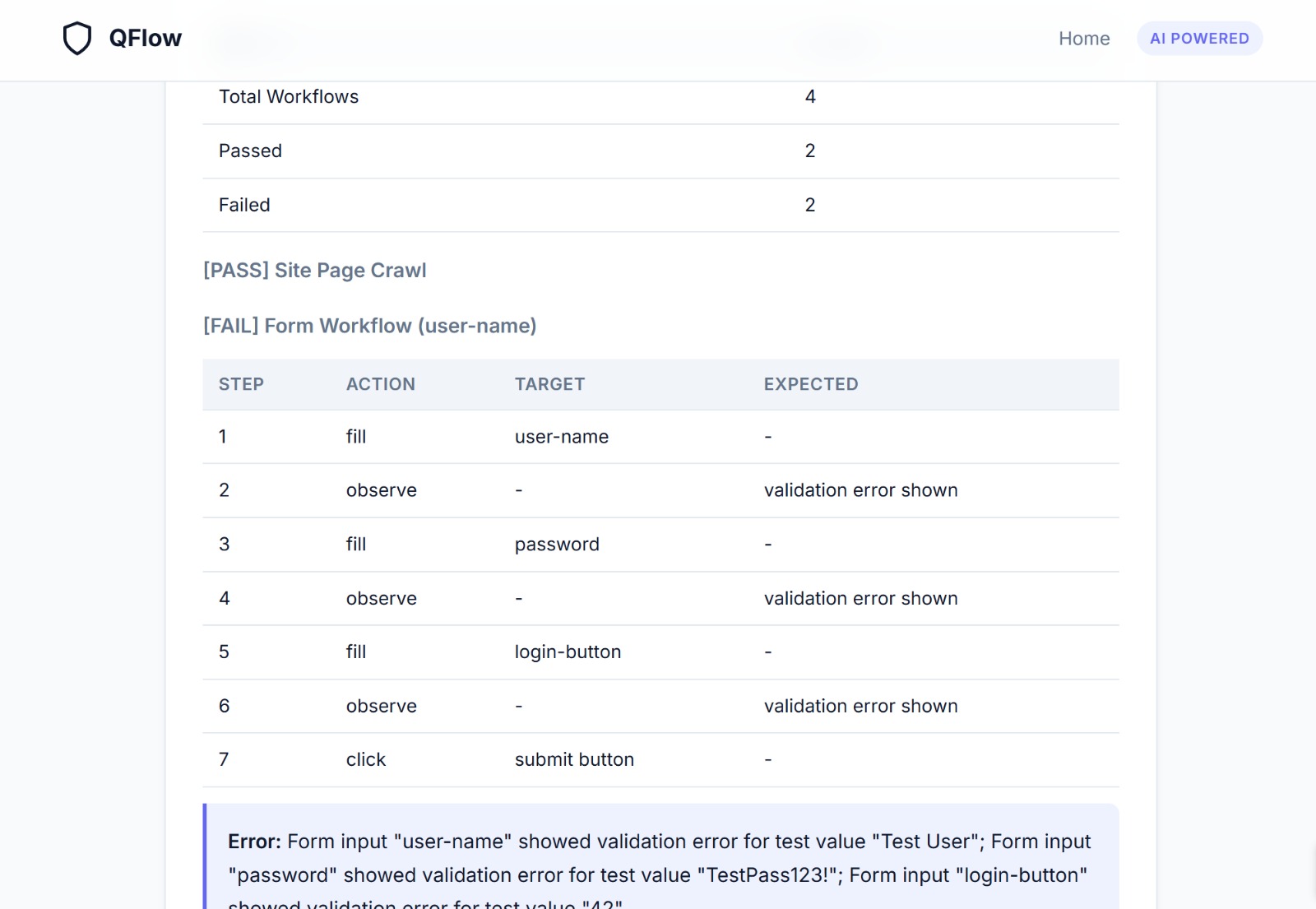
- Workflow Tests: Automated form filling, modal/dialog handling, wallet connection flows
- Resiliency Tests: Fuzz-testing inputs and crash detection
- Navigation Verification: Checks history and back-button behavior
- Technology Stack
- Language: TypeScript
- Browser Automation: Playwright
- AI Vision Model: Google Gemini 2.5 Flash
- Reporting: Markdown-based reports with evidence artifacts
- Workflow
- Navigation & Crawling: The agent systematically explores the web application
- Heuristic Scanning: Real-time detection of errors, broken resources, and console issues
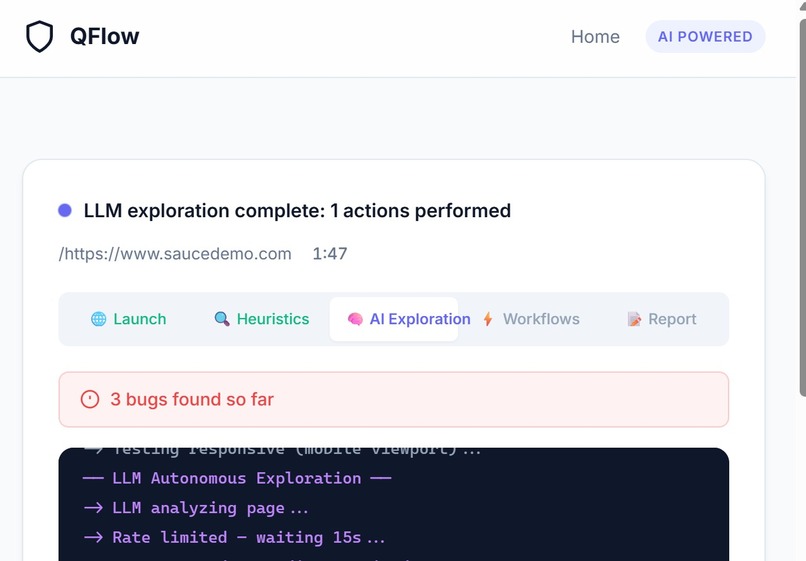
- Visual Analysis: AI takes screenshots and analyzes UI for visual bugs
- Autonomous Interaction: Based on understanding the page, the agent interacts with forms, modals, and workflows
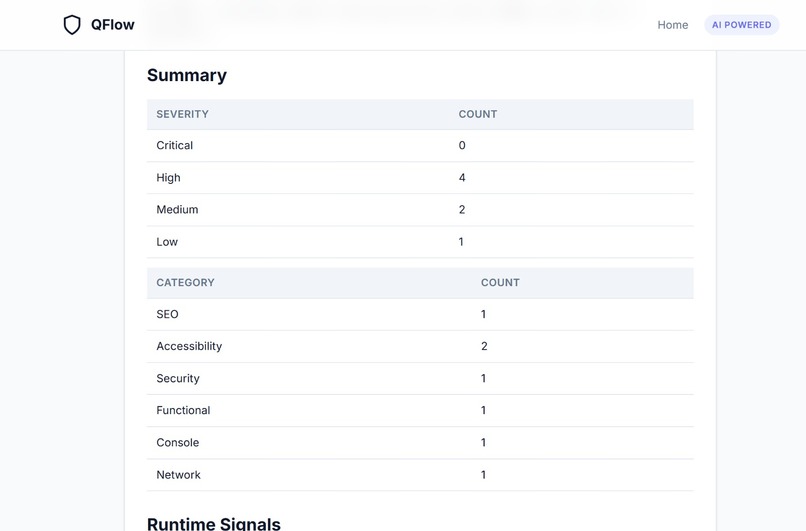
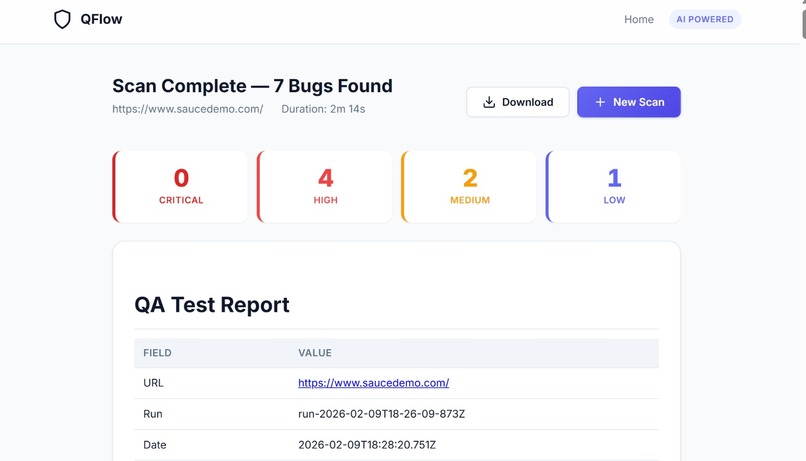
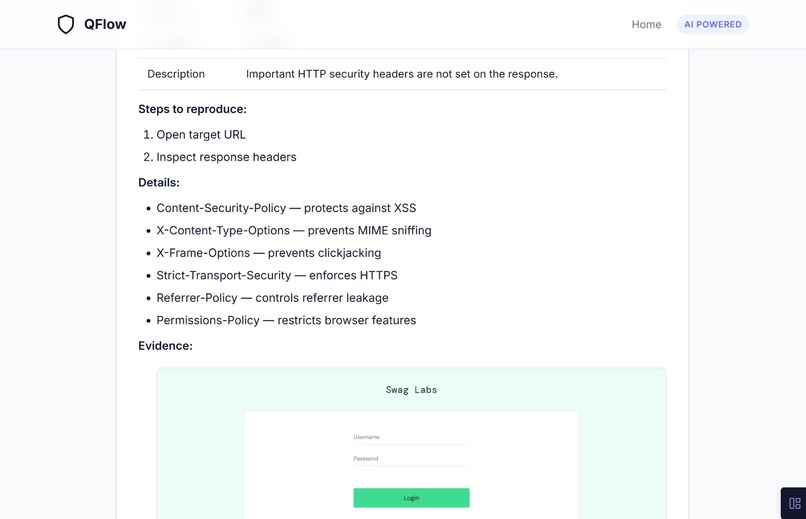
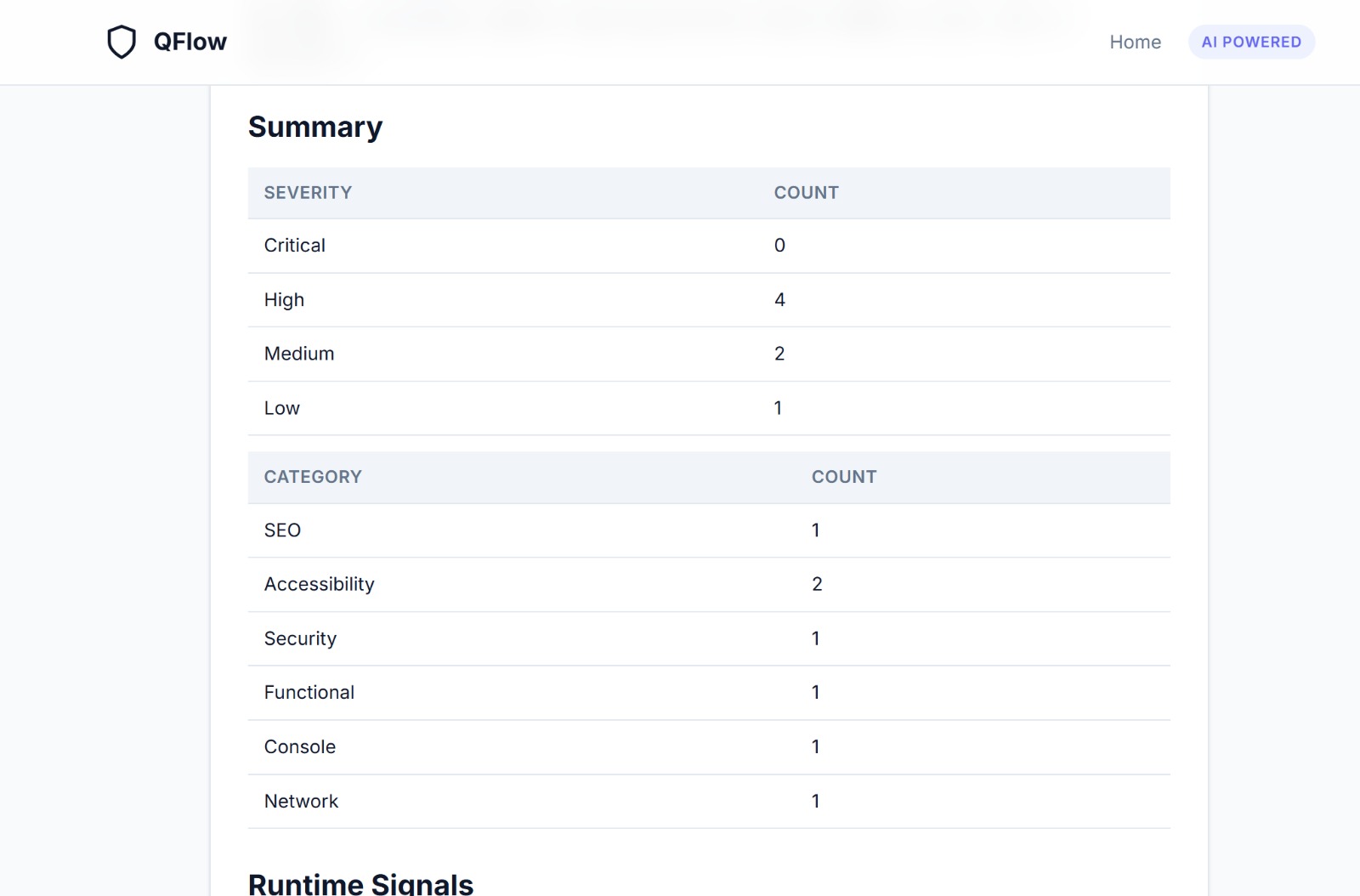
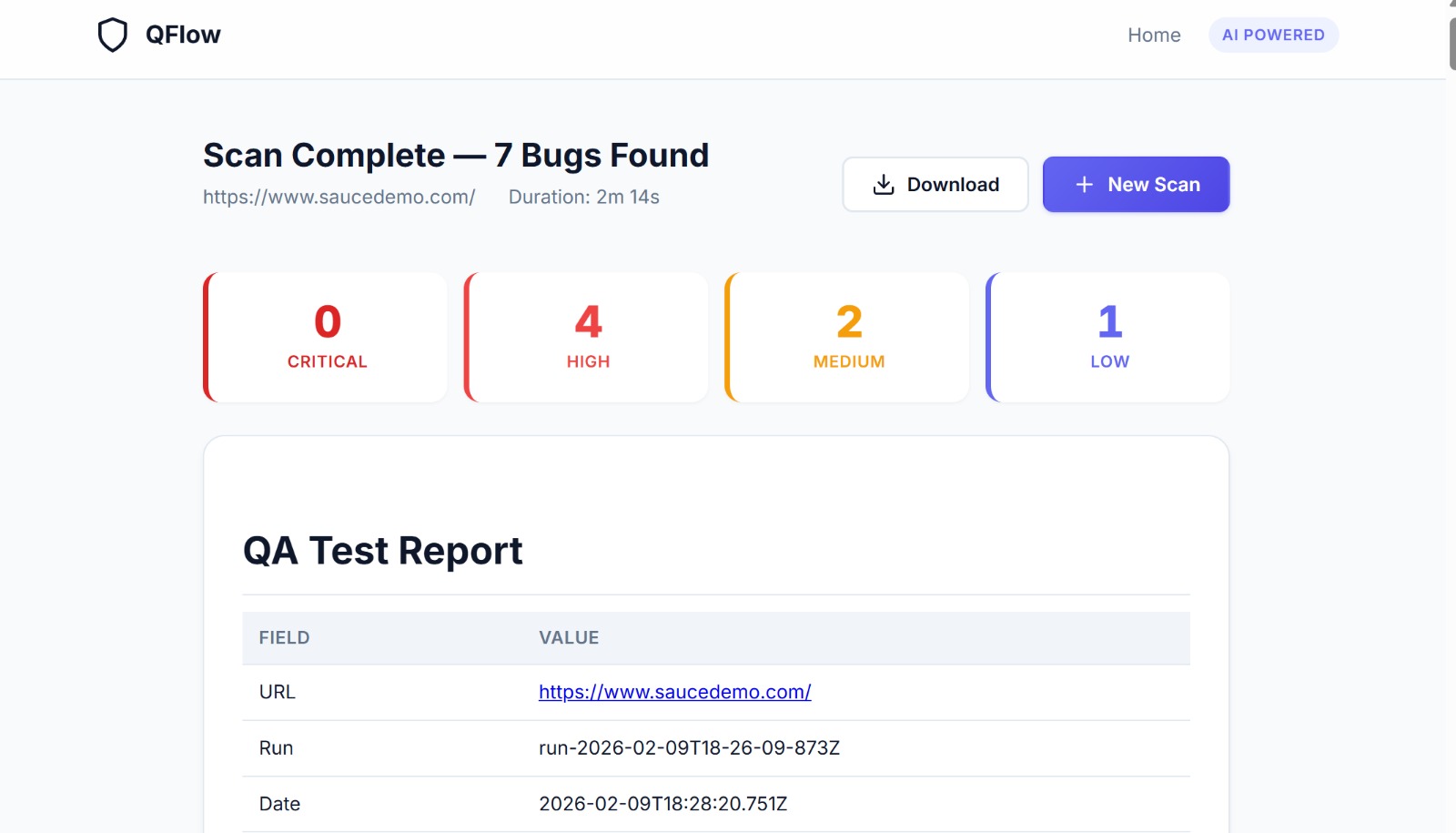
- Evidence Collection: Every finding is logged with screenshots, timestamps, and reproduction traces
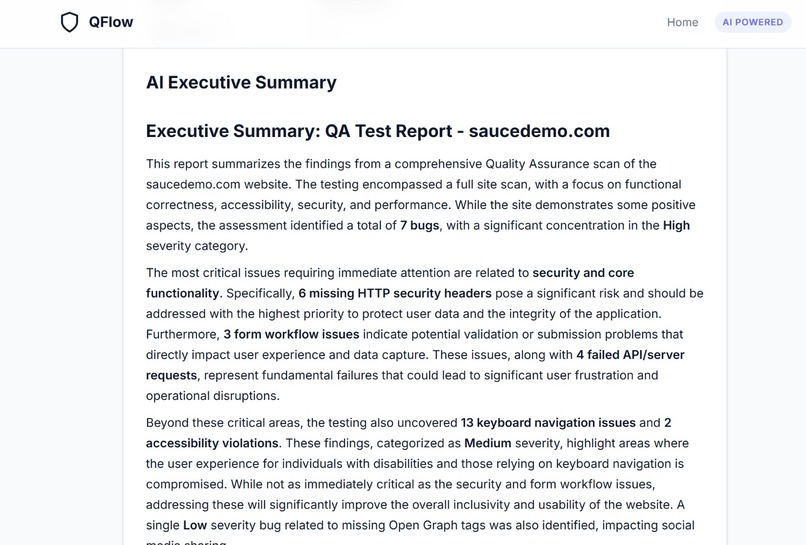
- Report Generation: Produces clean Markdown reports suitable for GitHub Issues or Jira
Challenges we ran into
- AI Hallucination & False Positives
- Challenge: Vision LLMs can sometimes misidentify UI elements or report non-existent bugs
- Solution: Implemented validation layers and cross-referenced AI findings with heuristic checks before reporting
- Dynamic DOM & Timing Issues
- Challenge: Single Page Applications constantly update the DOM; taking screenshots at the right moment is critical
- Solution: Added smart wait strategies and retry logic to handle dynamic content loading
- Cost & Latency Management
- Challenge: Running AI vision analysis on every page element would be prohibitively expensive and slow
- Solution: Designed an intelligent sampling strategy—prioritize critical elements and use heuristics to skip obvious non-issues
- API Rate Limiting
- Challenge: Gemini API rate limits could throttle testing
- Solution: Implemented batching, caching, and intelligent request queuing
- Complex Workflow Automation
- Challenge: Modern web apps have complex workflows (wallet connections, multi-step forms, dynamic routing)
- Solution: Trained the AI to understand page context and autonomously decide what actions to take next
- Evidence Retention & Artifact Management
- Challenge: Generating evidence for every test requires storing thousands of screenshots
- Solution: Built intelligent artifact compression and per-run archiving
- Cross-Browser & Responsive Testing
- Challenge: Different browsers and screen sizes can produce different results
- Solution: Engineered multi-viewport testing capabilities into the core agent
Accomplishments that we're proud of
- Executes 23 testing protocols in every autonomous run
- Evidence-based reporting with screenshots and reproduction traces
- Near-zero false negatives on deterministic checks (heuristic engine)
- Self-correcting workflows that adapt to dynamic content
- Markdown-native reporting for seamless GitHub/Jira integration
- Autonomous after entry configuration
What we learned
This project taught us several critical lessons:
Hybrid Architecture Wins: Neither pure heuristic scanning nor pure AI is sufficient. The combination of deterministic heuristic checks (HTTP errors, console logs, broken images) with cognitive AI vision analysis creates a robust, comprehensive testing framework.
Visual AI Changes QA: Vision LLMs don't just read HTML—they understand UI context, detect layout shifts, spot overlapping text, and identify rendering issues that traditional tools miss.
Self-Correcting Systems are Essential: Web applications are dynamic. Smart retry logic and the ability to adapt to DOM changes mid-test are crucial for real-world reliability.
Evidence-Based Reporting Matters: QA teams don't just need bug reports; they need reproductions. Screenshots, timestamps, and traced execution paths transform debugging from hours of investigation to minutes.
Coverage Through Cognitive Planning: Rather than pre-defining every test case, the AI can autonomously plan workflows (form filling, modal interactions, wallet connections) based on understanding the page context.
What's next for Autonomous QA Agent (GenAI Powered)
Future Roadmap:
- Multi-language support for international applications
- Performance profiling and Core Web Vitals monitoring
- Advanced accessibility (a11y) testing using AI vision
- Custom test scenario scripting language
- Distributed testing across multiple regions
Built With
- chromium
- gemini
- javascript
- node.js
- playwright
- typescript


Log in or sign up for Devpost to join the conversation.