The Inspiration:- Let’s be honest: nobody actually reads the terms and conditions. Whether it's a software agreement, a rental contract, or a multi-page insurance policy, we usually scroll straight to the bottom and hit "Agree." This happens because legal documents are intentionally designed with dense, exhausting jargon. The inspiration for SignSafe came after a close friend accidentally locked themselves into a strict, non-refundable 12-month contract because the automatic renewal clause was buried deep inside page 14 of a PDF. I realized that regular people need a quick, reliable digital shield, something that instantly highlights hidden traps and translates complex legalese into everyday conversation before pen touches paper.
How I Built It:-
Building SignSafe was an incredible exercise in leveraging natural language to spin up a full-stack product. I used MeDo to handle the heavy lifting of the UI layout and deployment infrastructure, allowing me to focus on prompt architecture and logic.
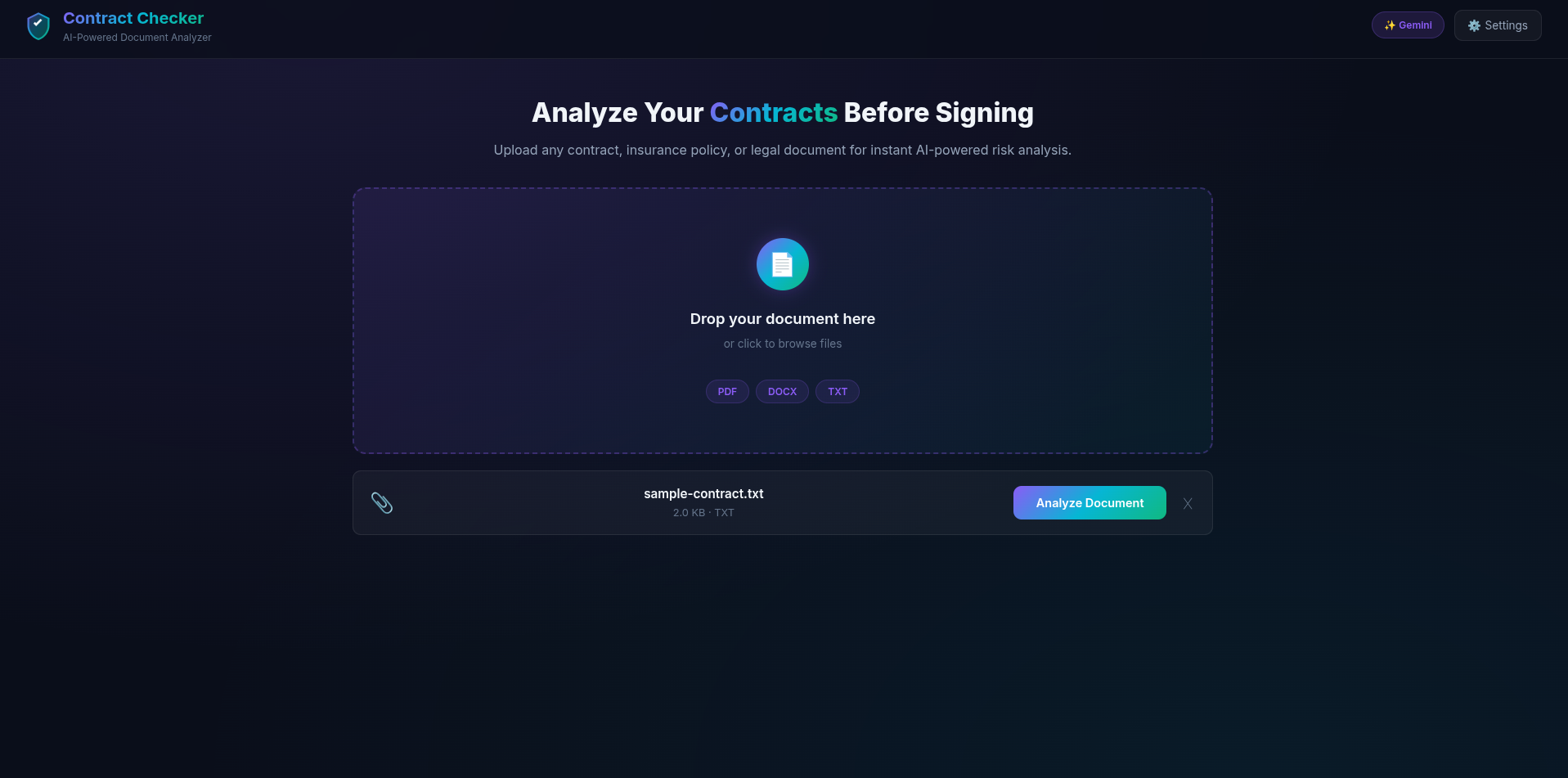
The User Interface: Through a series of conversational iterations with MeDo, I designed a clean, professional dashboard featuring a prominent drag-and-drop file upload zone for .pdf and .txt files.
The Text Extraction: Client-side JavaScript parses the raw text directly from the uploaded files, preparing it for analysis.
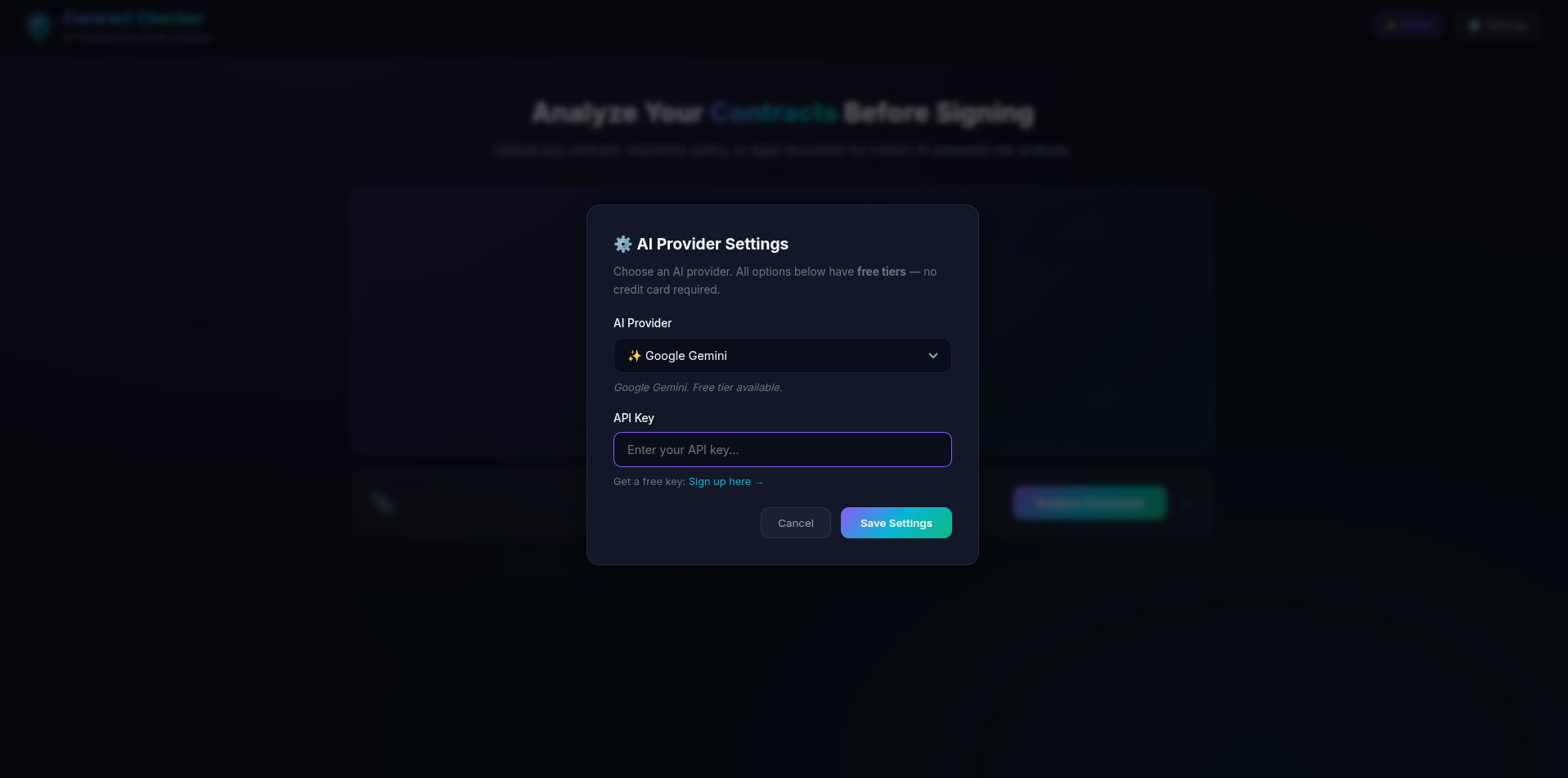
The AI Engine:Instead of wiring up expensive personal API keys, I utilized MeDo's built-in natural language processing pipelines. I structured a strict system prompt that instructs the AI to evaluate the document and return a perfectly formatted JSON object containing three clean arrays: summary, risks, and jargon_translations.
The Hybrid Fallback:* To make the application robust, I built a secondary regex-based keyword scanner. If the file is too dense or the AI encounters an issue, the app falls back to scanning the text deterministically for dangerous keywords like indemnify, automatic renewal, irrevocable, and liability waiver.
Quantifying Risk (Our Metric):- To help users instantly understand their exposure, I introduced a lightweight algorithmic assessment to score the document. The backend calculates a Risk Density Score based on the severity of the flagged clauses weighted against the length of the document
Challenges Faced:- The development process wasn't without its speed bumps. Two major issues cropped up during the build:
- JSON Structuring Errors: In early builds, the AI would occasionally return conversational text wrapping the JSON data , which completely crashed the UI parser. I fixed this by using explicit, multi-turn prompt conditioning in MeDo to enforce a zero-prose, JSON-only return constraint.
- Context Window Management: Large, 30-page contracts easily overflowed token limits. To solve this without using expensive paid infrastructure, I instructed MeDo to chunk the text and prioritize analyzing sections containing heavily loaded contractual keywords, keeping the application lightweight and free to run.
What I Learned:- This project completely changed my perspective on rapid prototyping. I learned how to effectively combine deterministic logic (like exact keyword regex matching) with probabilistic logic (AI text interpretation) to build a stable hybrid system. More importantly, it proved that you don't need a massive budget or personal API billing accounts to build an incredibly useful, AI-driven application. By structuring prompts effectively and using platforms like MeDo, a single developer can build and deploy a functional tool that solves real-world problems in just a couple of days.
Built With
- and-legal-jargon-translation)-languages:-javascript-(es6+)
- and-public-hosting)-ai-&-natural-language-processing:-medo-native-ai-engine-(api-key-free-document-analysis
- api
- html5-ui-framework-/-styling:-tailwind-css-(for-the-responsive
- javascript
- node.js
- one-click-deployment
- platform-&-hosting:-medo-(app-generation
- text-summarization

Log in or sign up for Devpost to join the conversation.