-
-
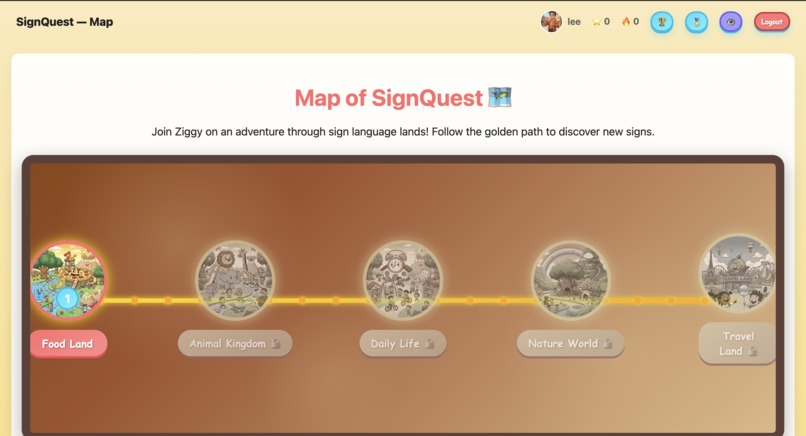
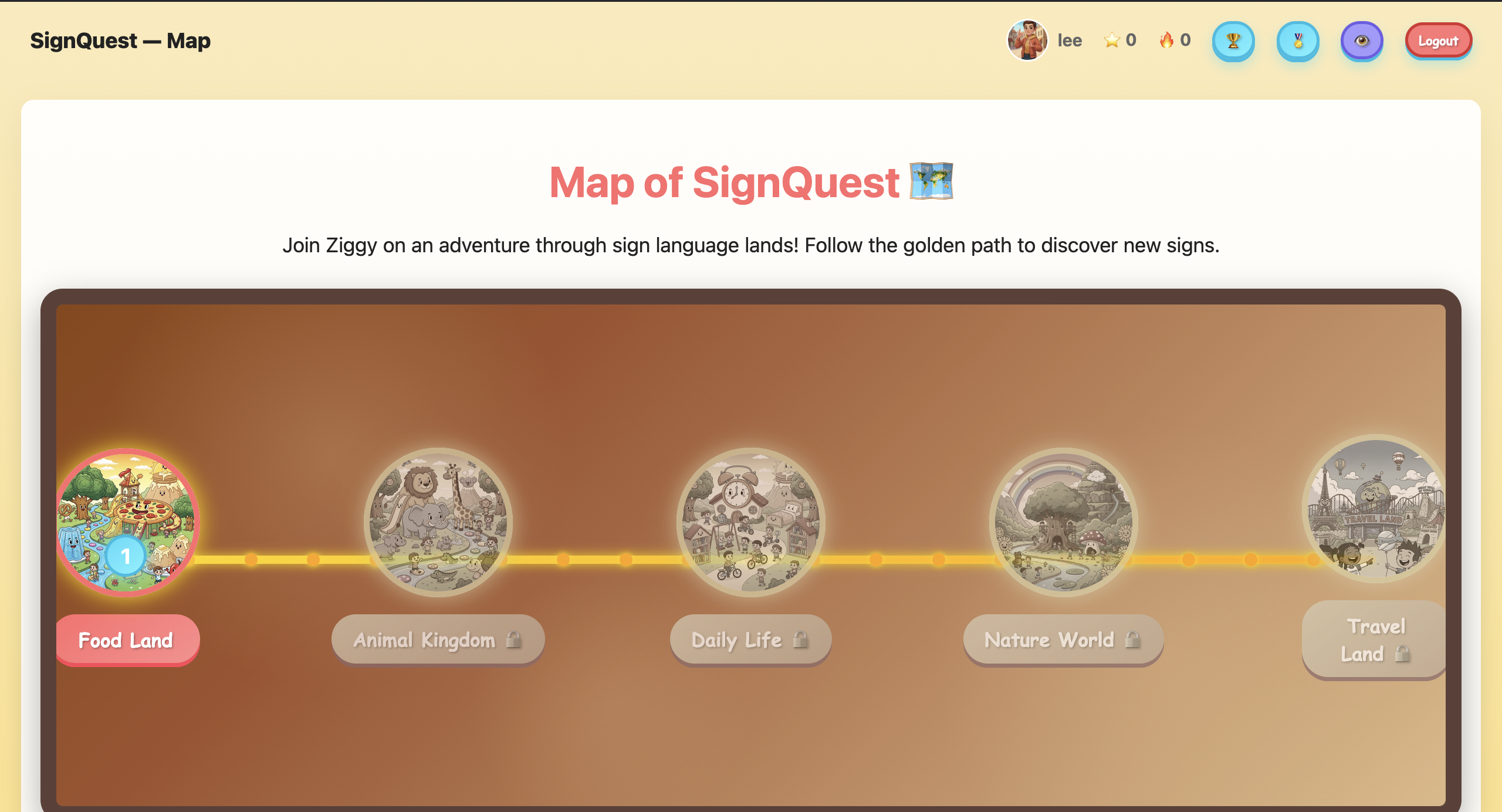
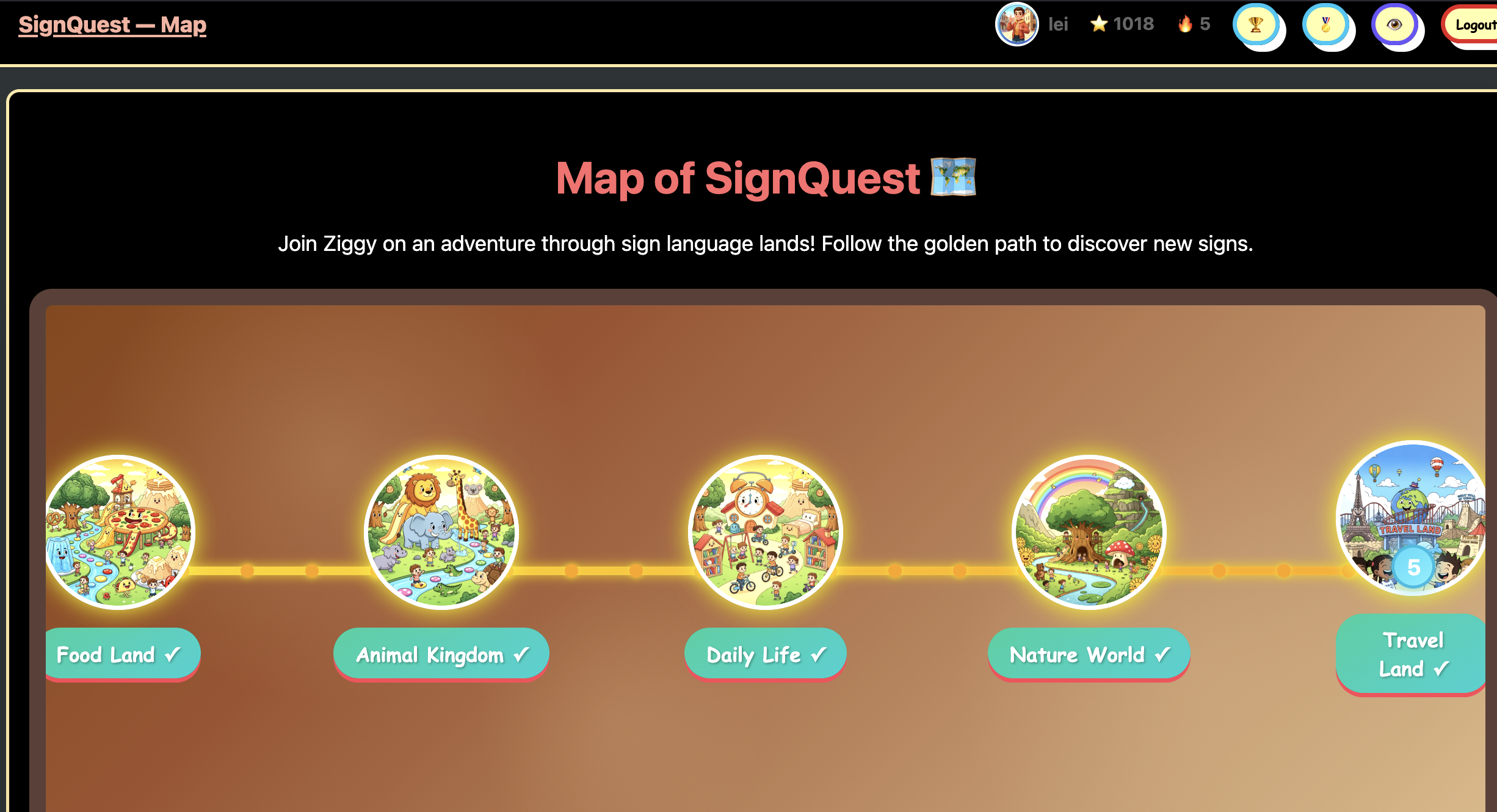
Explore sign language lands, unlock levels, and track progress through a gamified world designed to keep learners engaged.
-
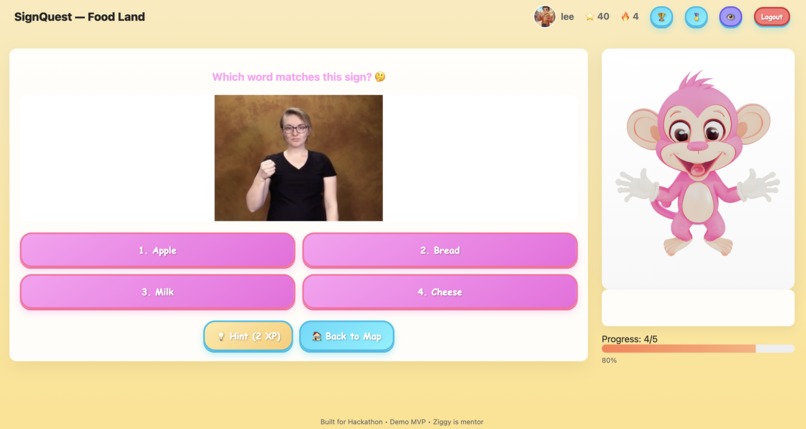
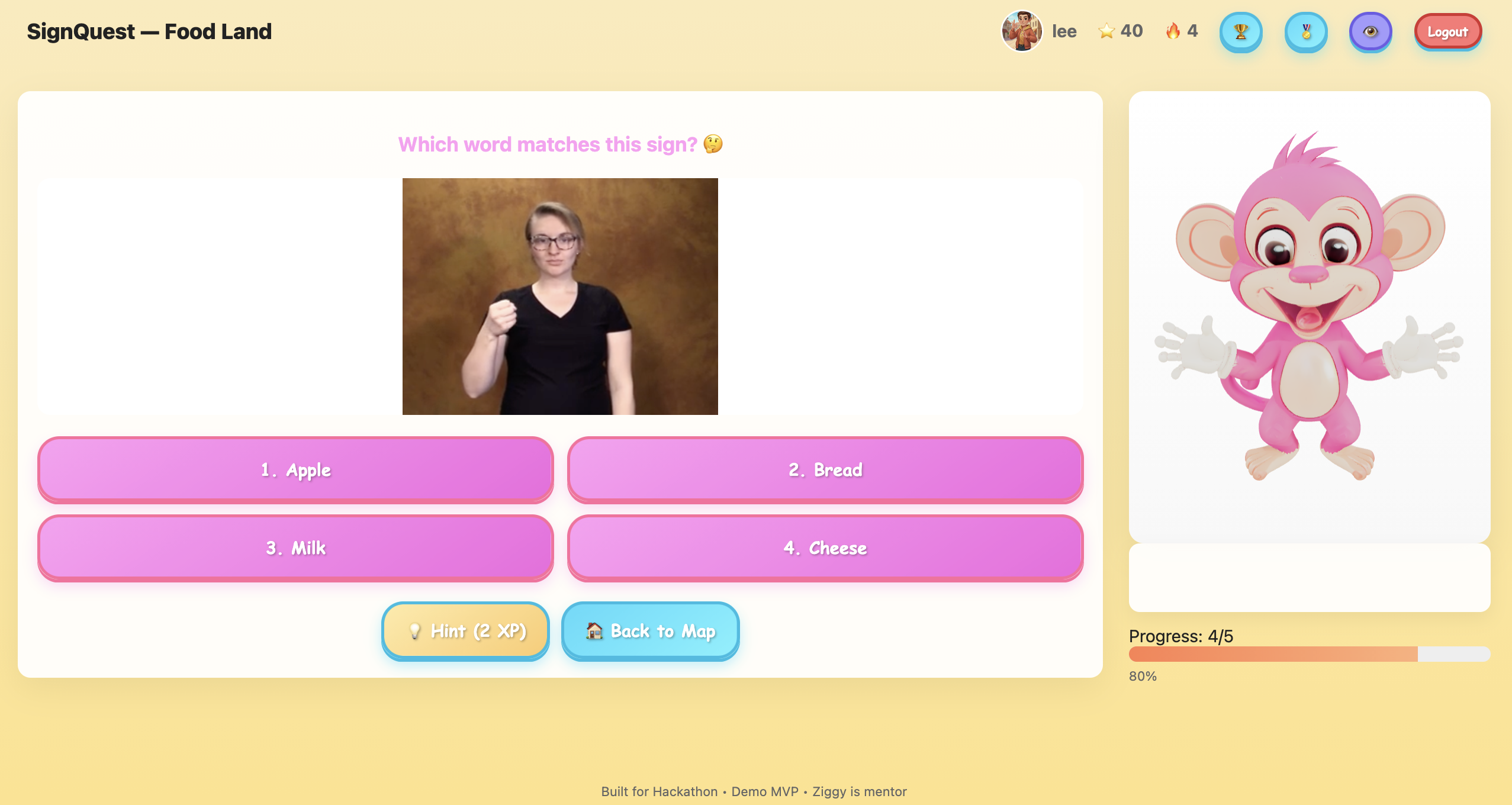
Interactive sign quiz with video prompts, hints, and instant feedback to reinforce recognition and build learning streaks.
-
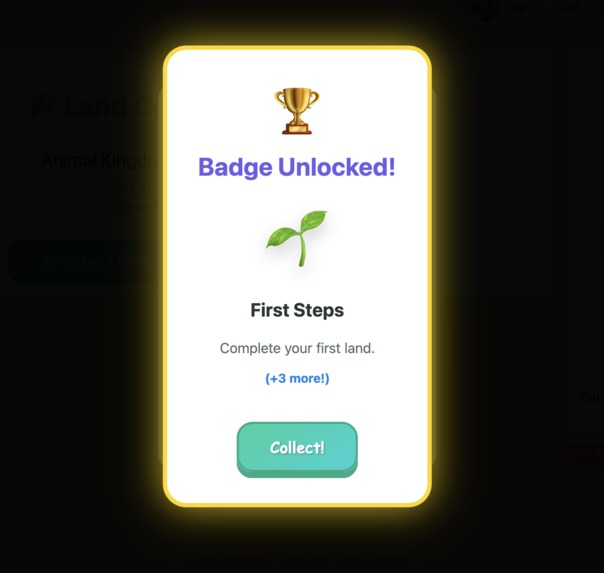
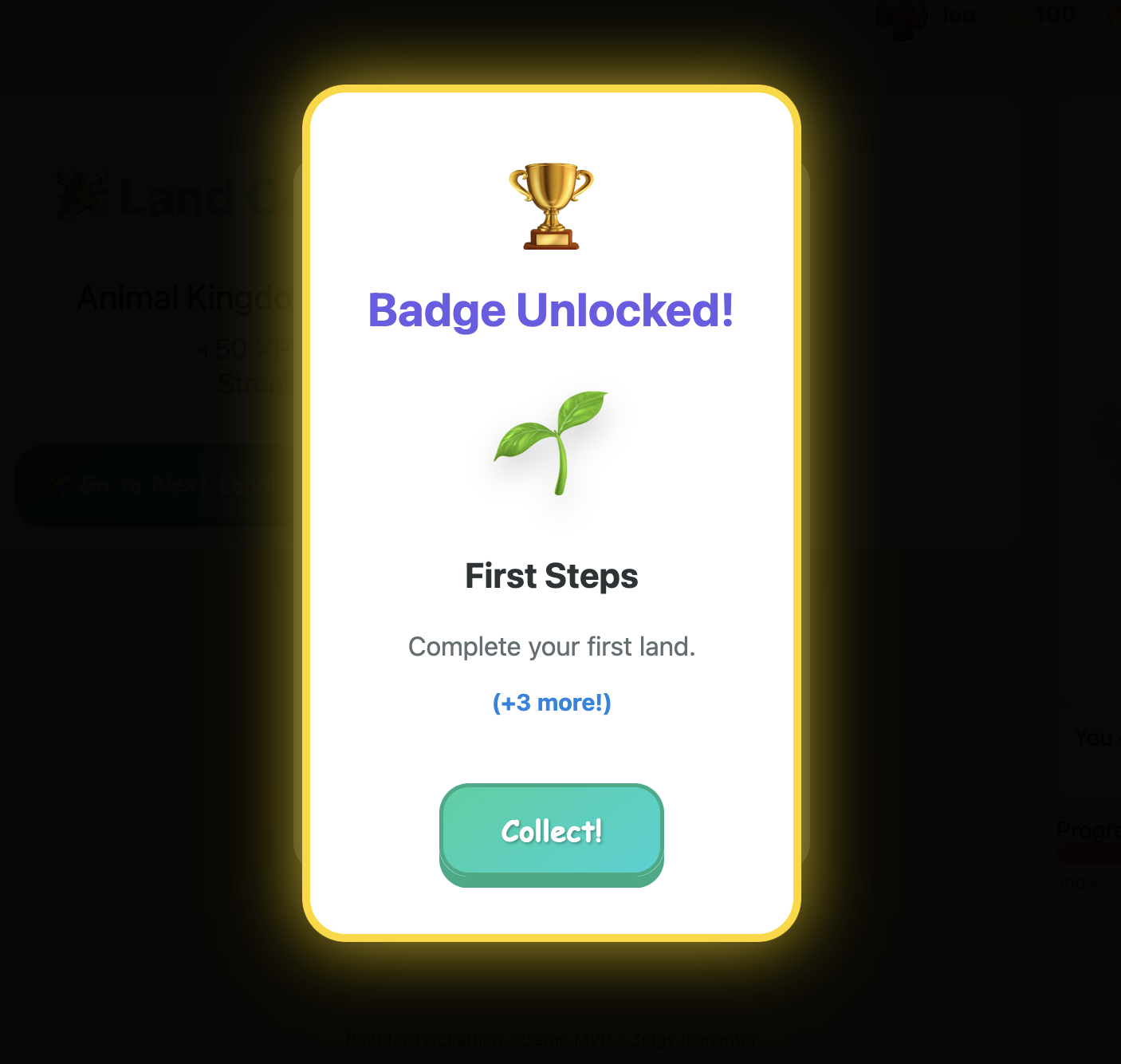
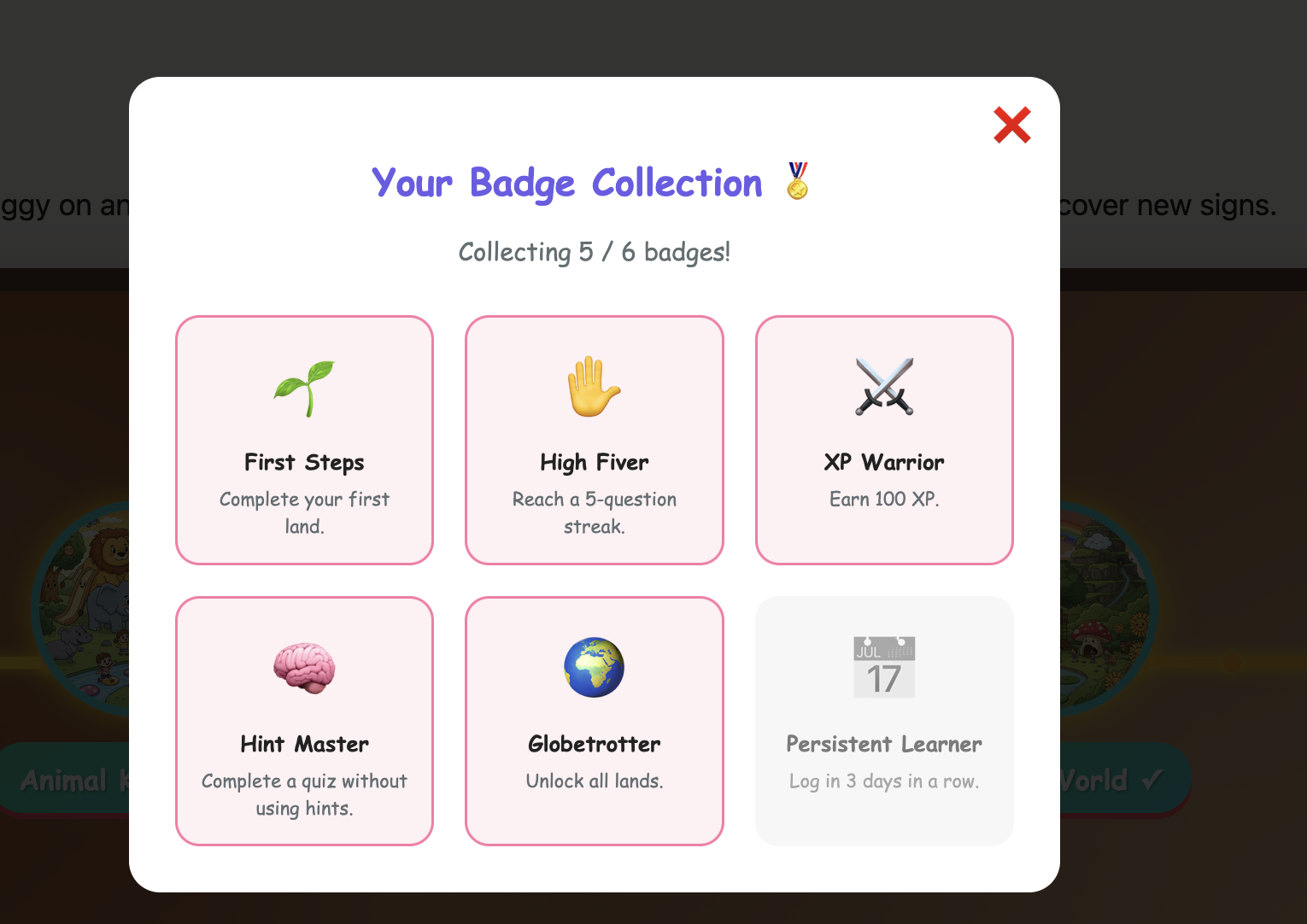
Milestone system rewards progress with badges, reinforcing motivation and encouraging consistent learning.
-
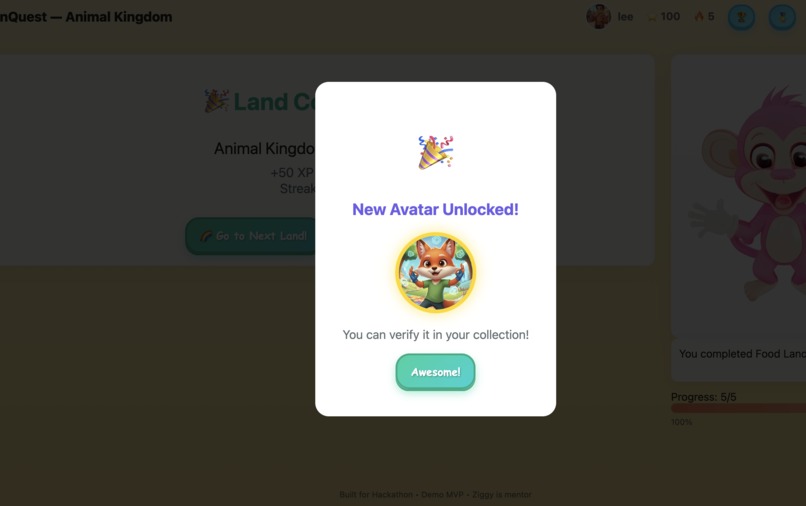
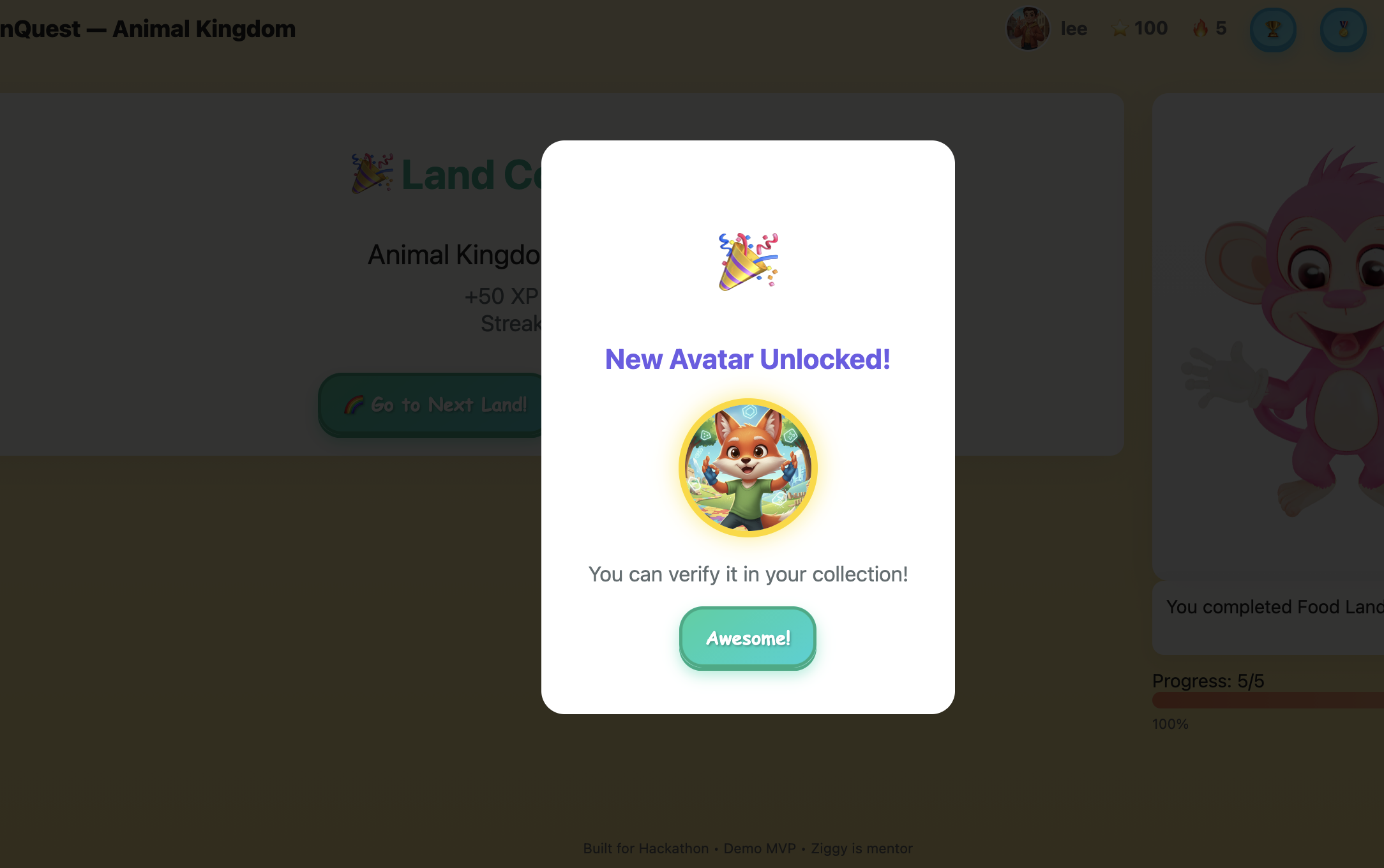
Learners unlock avatars as they progress, turning accessibility education into a rewarding, game-like journey.
-
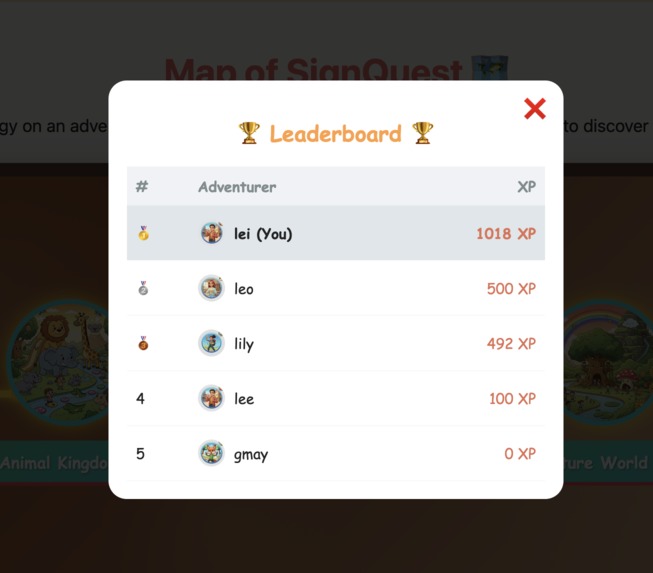
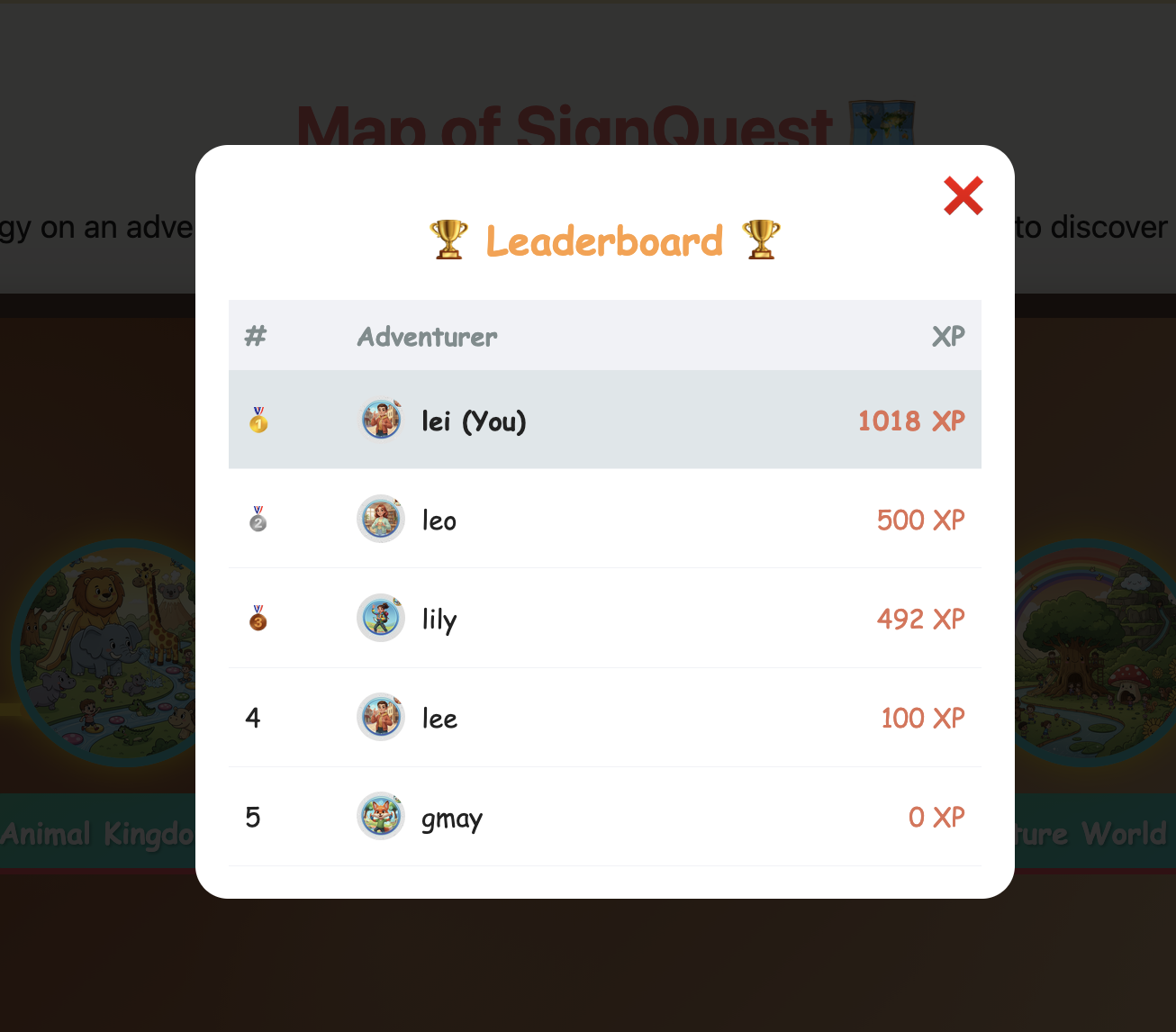
Global leaderboard tracks XP and ranks learners, adding friendly competition and long-term engagement.
-
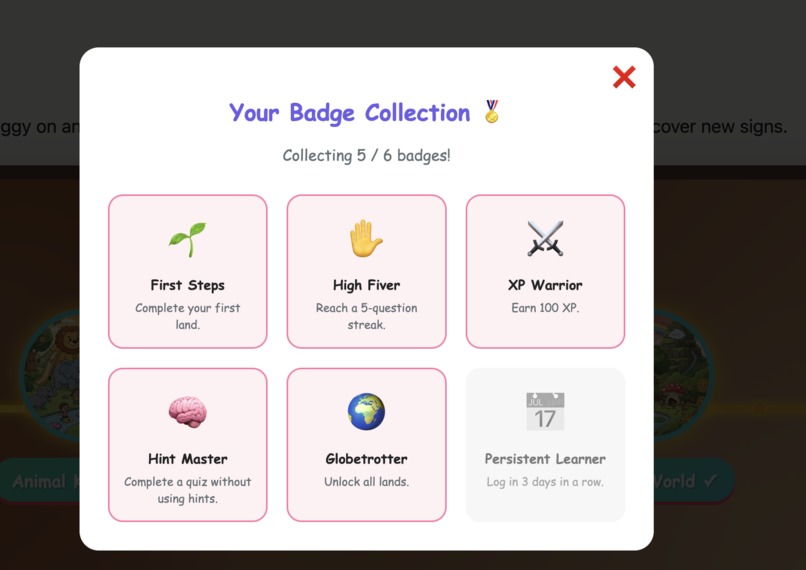
Persistent achievement system stores badges and milestones, showing learner growth across sessions.
-
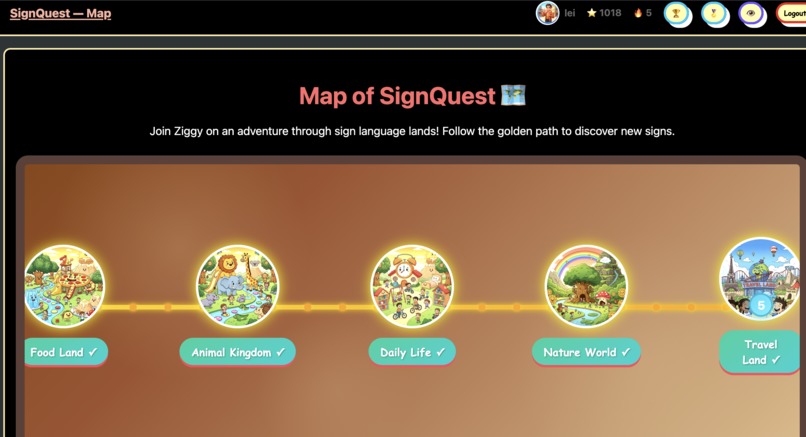
Dynamic UI theme adapts to user settings, demonstrating customizable visuals alongside progression through sign language learning lands.
-
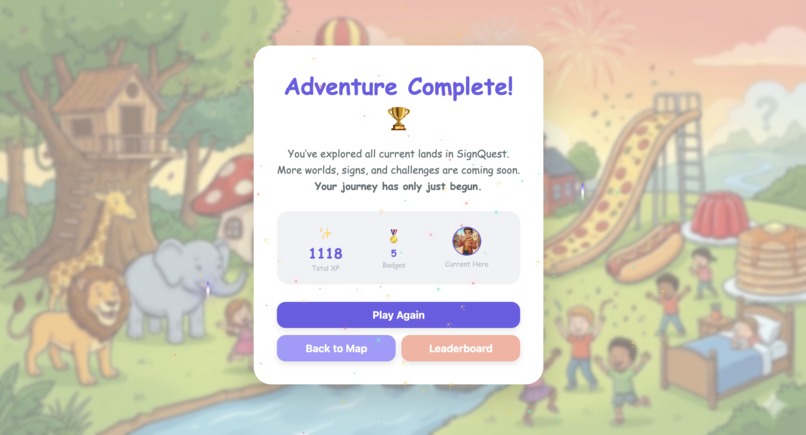
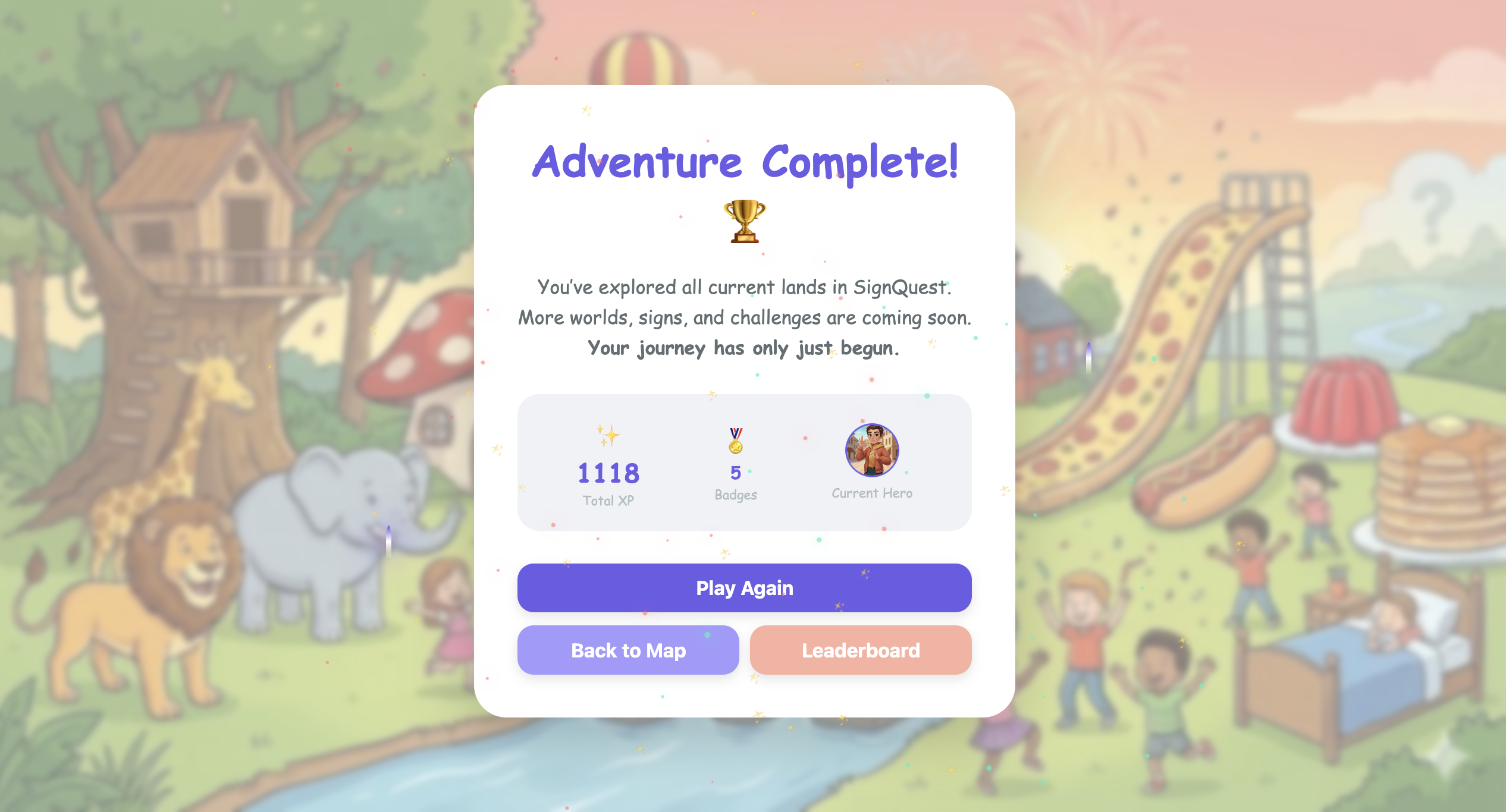
End-of-journey summary shows XP, badges, and progress, proving a full learning loop from start to completion.
Inspiration
SignQuest turns learning sign language into an interactive game world where accessibility education feels like exploration instead of memorization.
Sign language learning tools are often either too academic, too static, or not engaging enough for beginners and younger learners. Many people want to learn basic sign language to communicate more inclusively, but traditional methods feel like memorization instead of interaction.
We wanted to make learning sign language feel like an adventure instead of a chore.
SignQuest was created to turn accessibility education into something playful, motivating, and persistent. By combining gamification with real learning mechanics and an animated mentor named Ziggy, we aimed to make inclusive communication approachable and encouraging for everyone.
What it does
⚠️ Note: The live demo is hosted on a free tier and may take ~30–60 seconds to wake up. For the best experience, please watch the demo video below.
SignQuest is a gamified web platform where users learn sign language through an interactive world guided by Ziggy, an animated mentor who reacts to every answer.
Players explore lands, complete sign-based quizzes, earn XP, maintain streaks, and unlock new areas and avatars as they progress. When answers are correct, Ziggy celebrates and encourages the learner. When answers are incorrect, Ziggy gently signals to try again, creating a feedback loop that feels supportive instead of discouraging.
The platform includes:
- Interactive sign quizzes
- Ziggy mentor feedback animations
- XP, streak, and level progression
- Unlockable learning worlds
- Avatar reward system
- Persistent user data
- Leaderboard for motivation
The goal is to make accessibility learning engaging enough that users want to keep practicing.
How we built it
Frontend
- React + Vite
- Interactive UI with gamified progression
- Ziggy animation feedback system
- Avatar and world unlock system
- Persistent user state
Backend
- Node.js + Express
- MongoDB database for user progress
- REST API for login, XP, badges, and progression
Deployment
- Render (frontend + backend)
- GitHub for version control
The system is modular so new signs, lands, animations, and features can be added easily by extending structured data files.
What we learned
This project pushed us to think beyond just building features and instead focus on engagement, accessibility, and emotional feedback.
We learned how to:
- Design gamification systems that actually motivate users
- Use character-based feedback (Ziggy) to make learning feel supportive
- Manage persistent user progression with MongoDB
- Handle real deployment issues (CORS, environment variables, API routing)
- Connect frontend state with backend logic cleanly
- Build for accessibility and beginner-friendly UX
We also learned that deploying full-stack apps during a hackathon is… character building.
Challenges we ran into
- Deploying a full-stack app with separate frontend and backend
- Handling environment variables across local + production
- MongoDB connection timeouts during deployment
- CORS and API routing issues
- Syncing user progress without breaking game logic
- Designing animated feedback that feels encouraging, not distracting
Each challenge forced us to improve architecture and debugging skills quickly.
What’s next for SignQuest
- More sign language categories and difficulty levels
- Additional quiz types (drag-and-drop, matching, video recognition)
- Mobile optimization
- Classroom mode for teachers
- AI-assisted sign recognition practice
- Expanded accessibility features
- More interactive Ziggy mentor behaviors
Our long-term vision is a platform that helps more people communicate inclusively through fun, consistent practice.

Log in or sign up for Devpost to join the conversation.