-
-
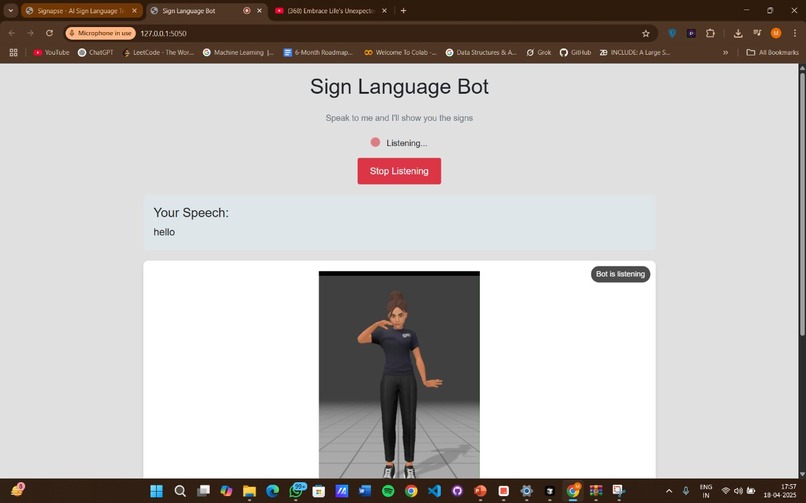
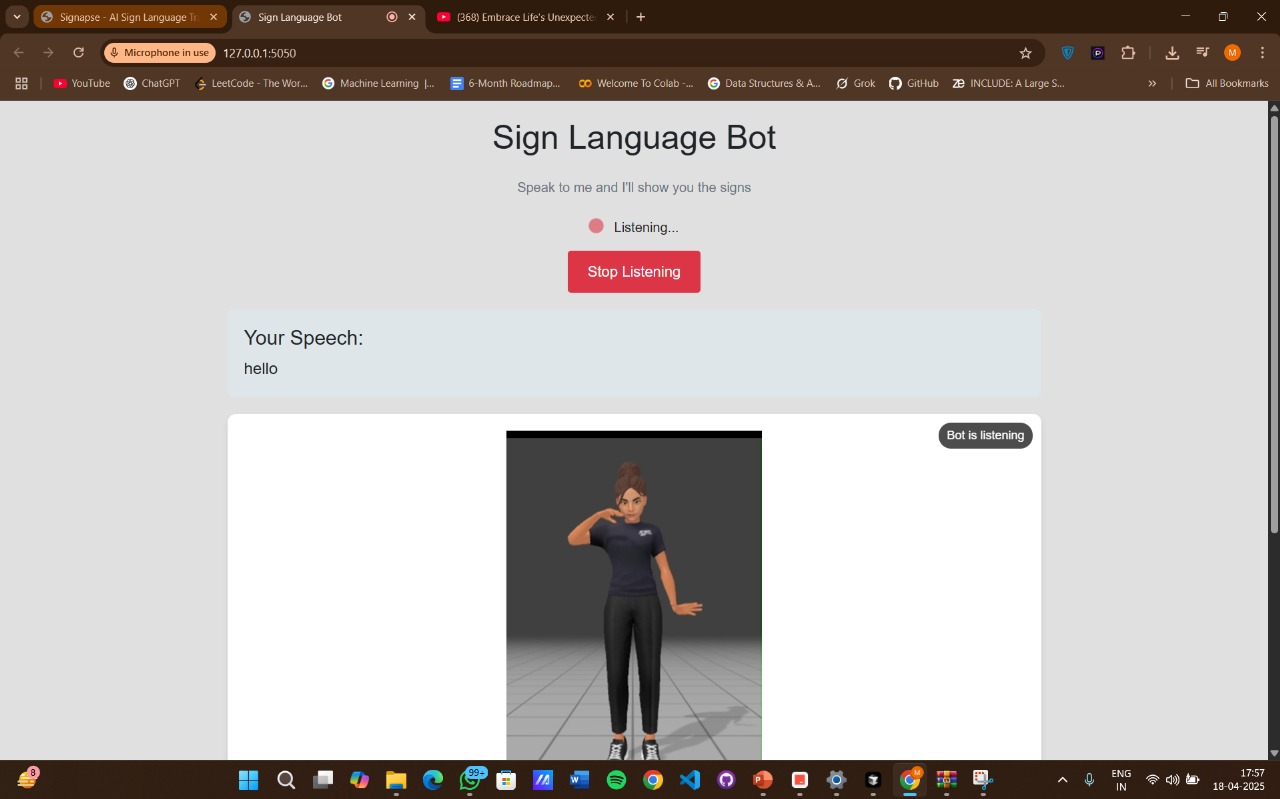
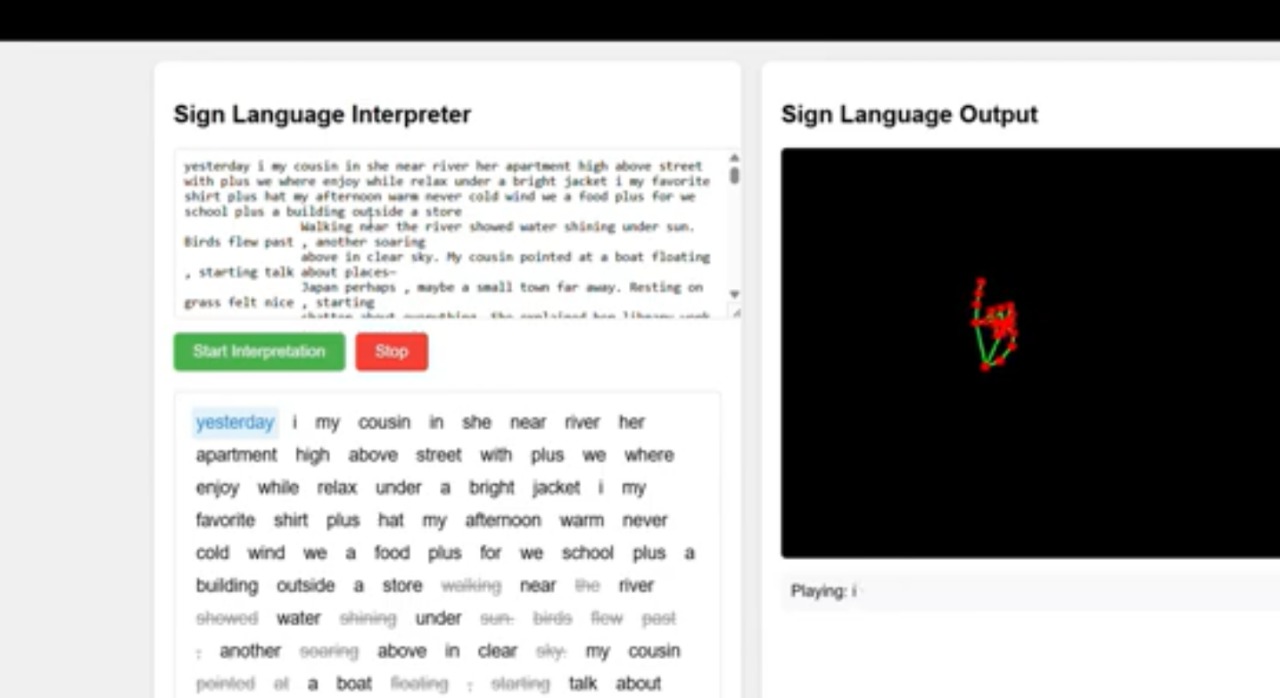
Main Audio To Sign Language
-
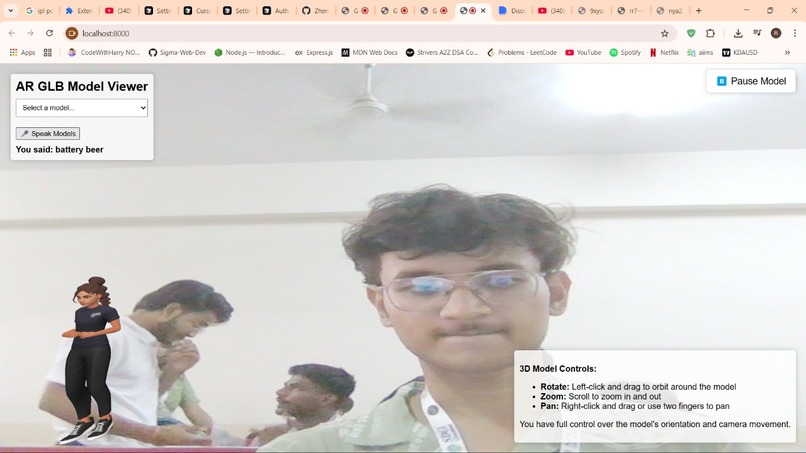
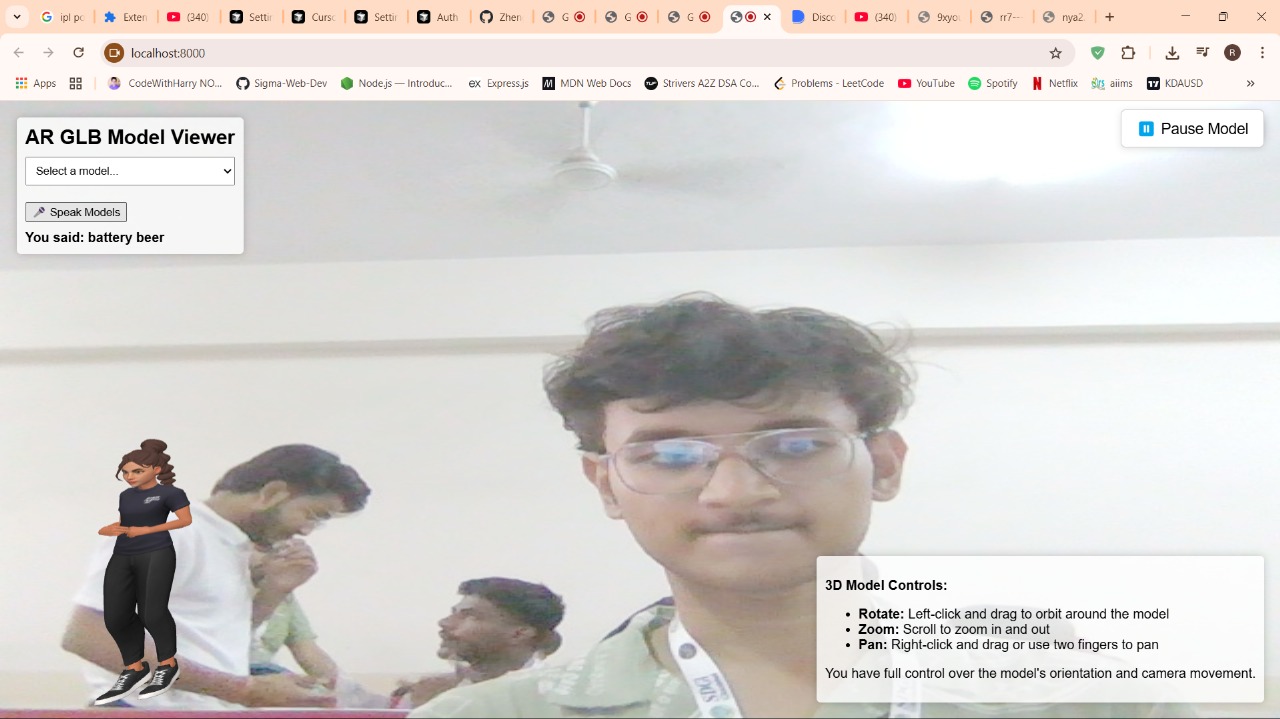
Augmennted Reality Demo for Ease of use
-
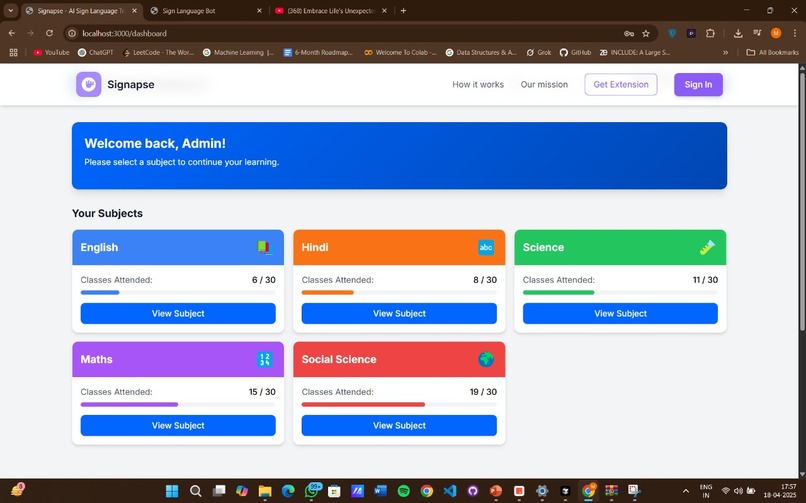
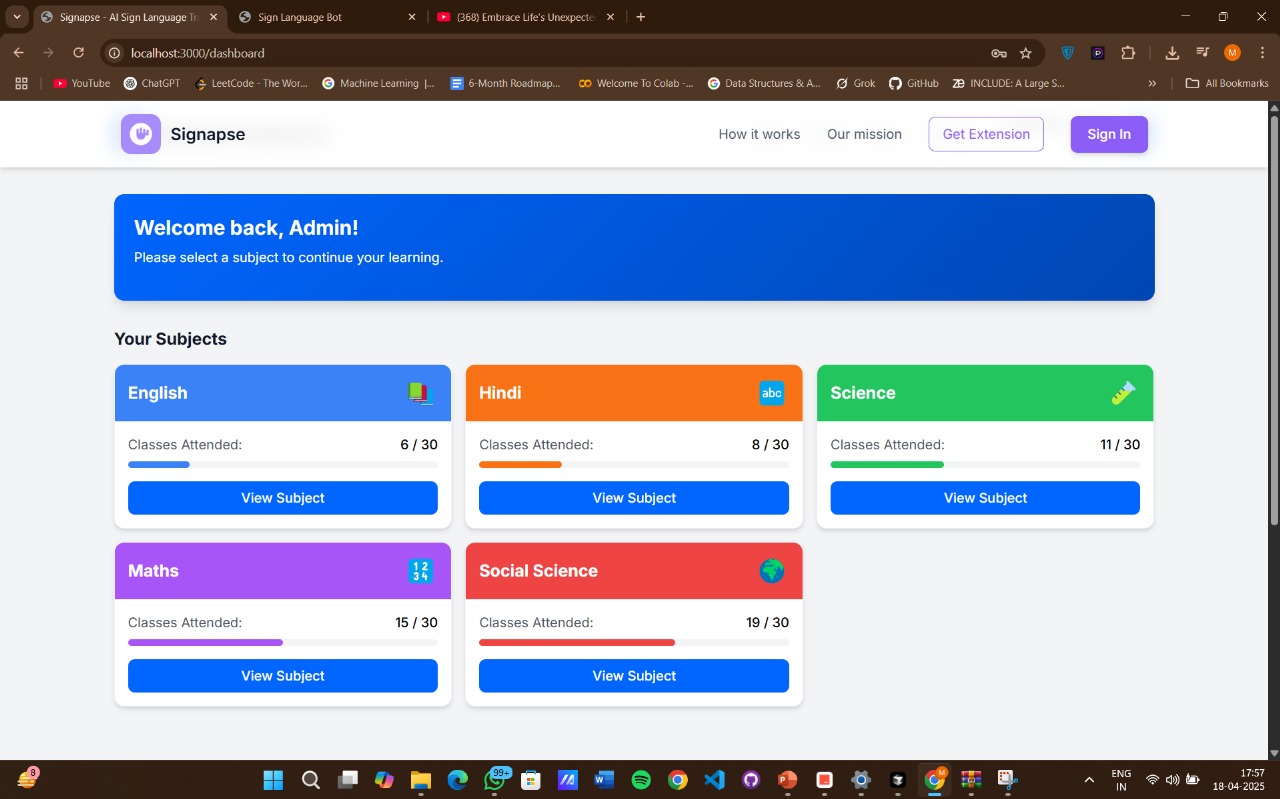
Classroom Dashboard
-
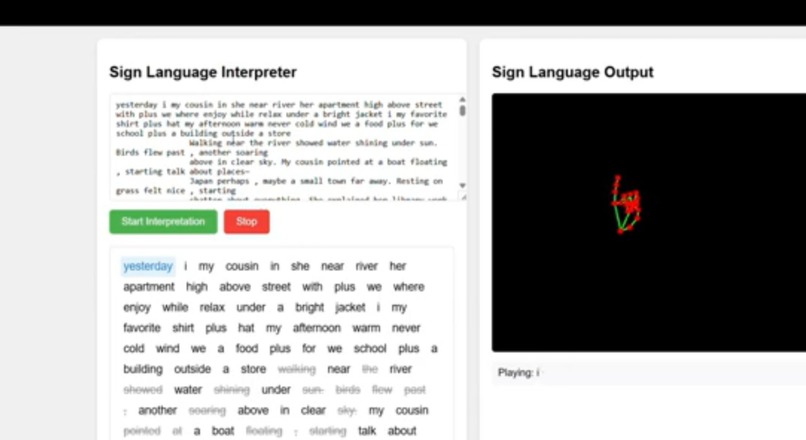
PDF to Sign Language
-
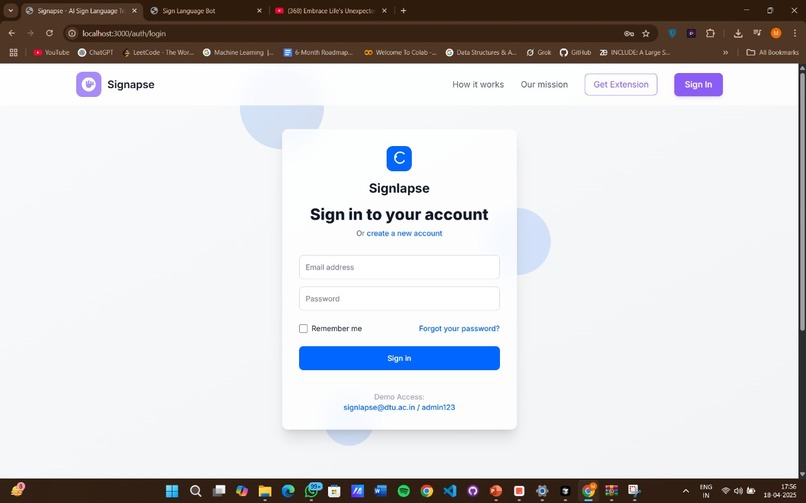
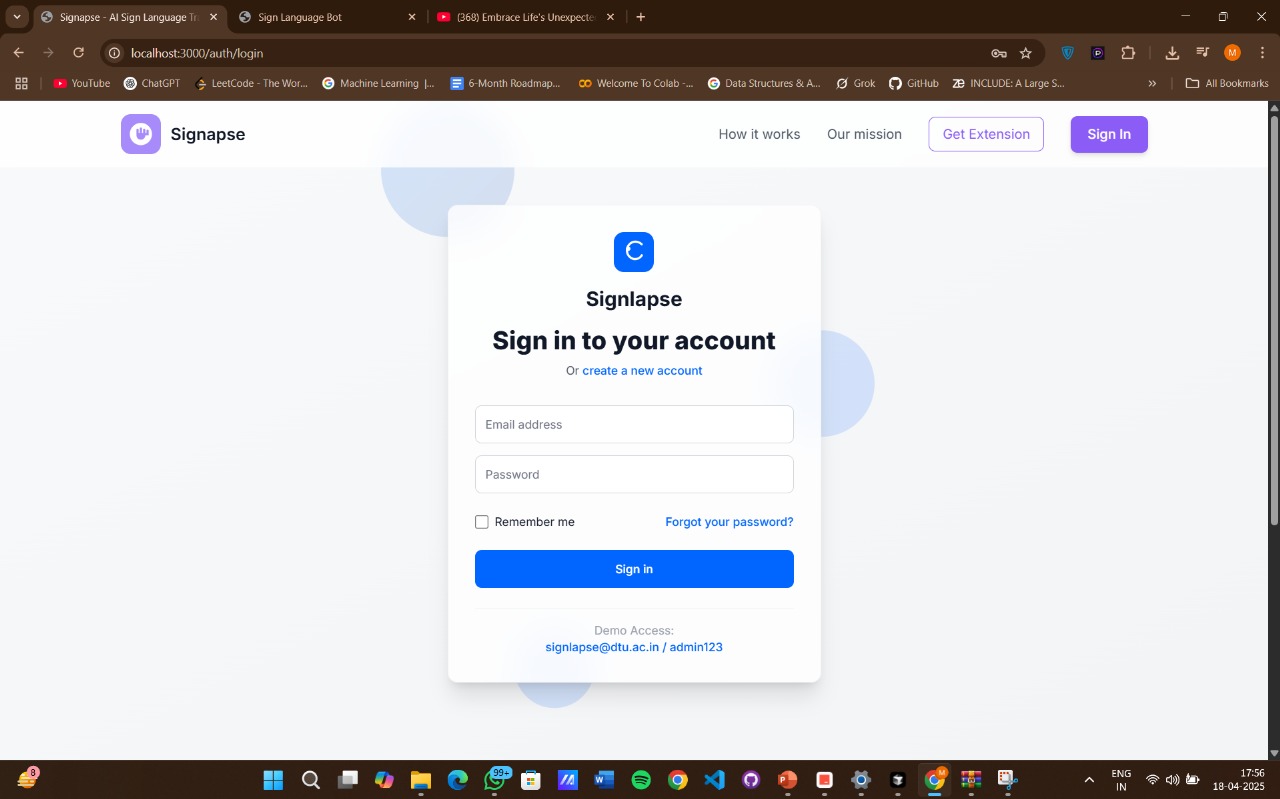
Login Page
-
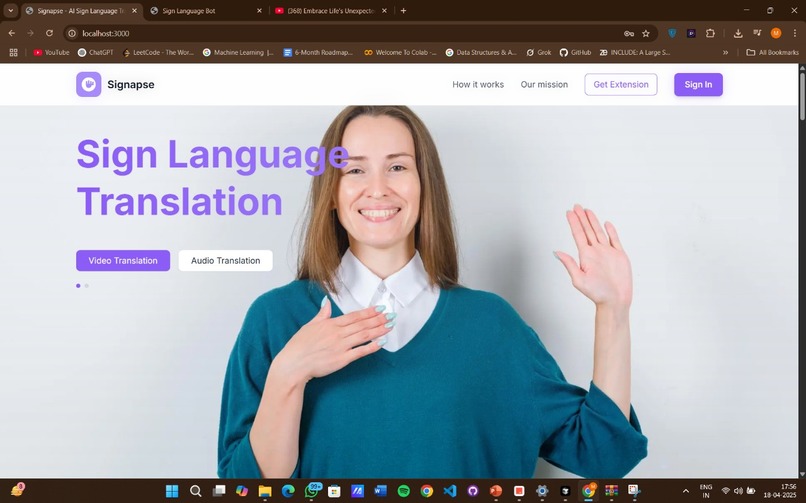
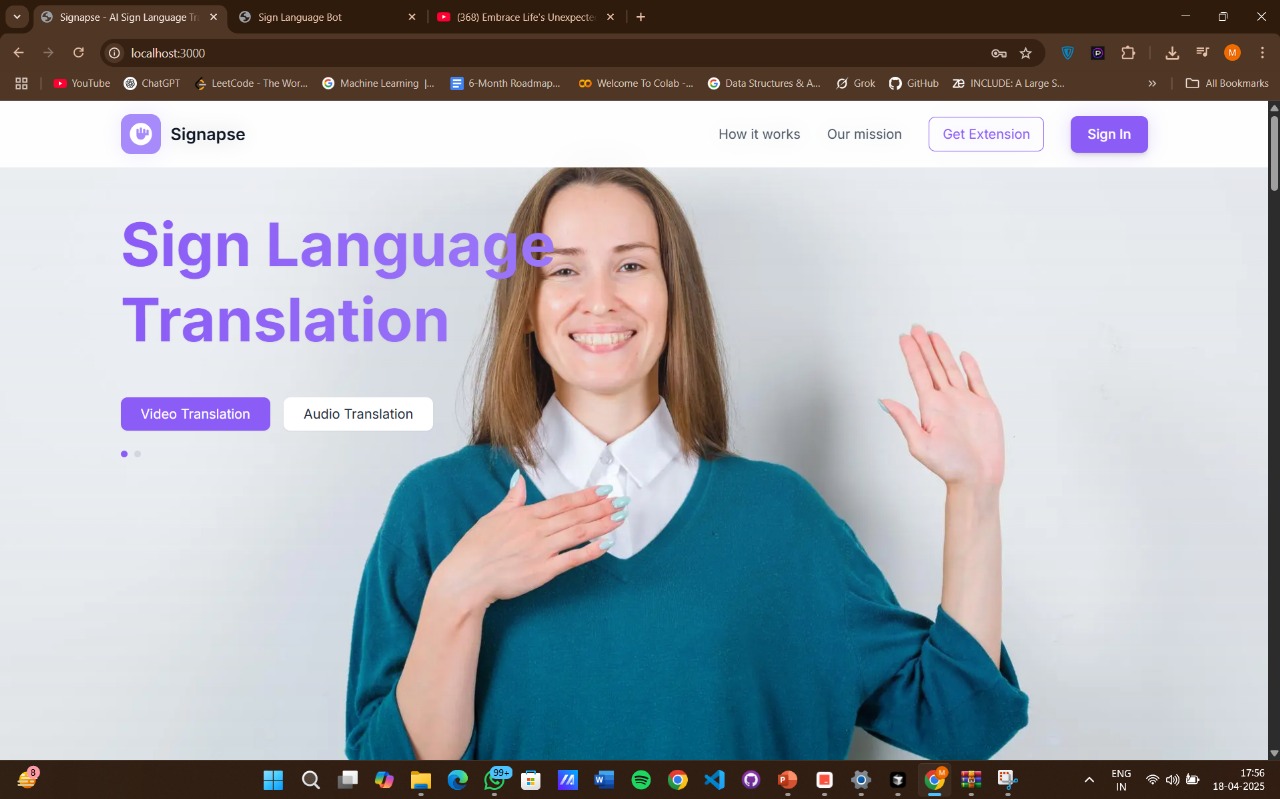
Landing Page
-
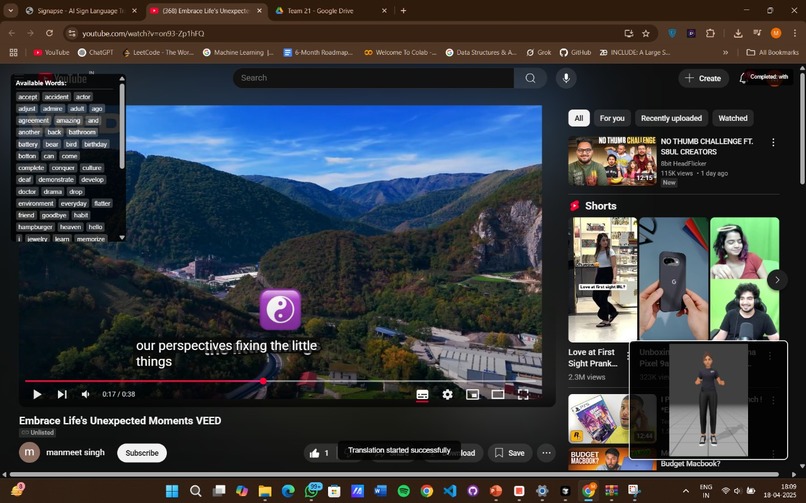
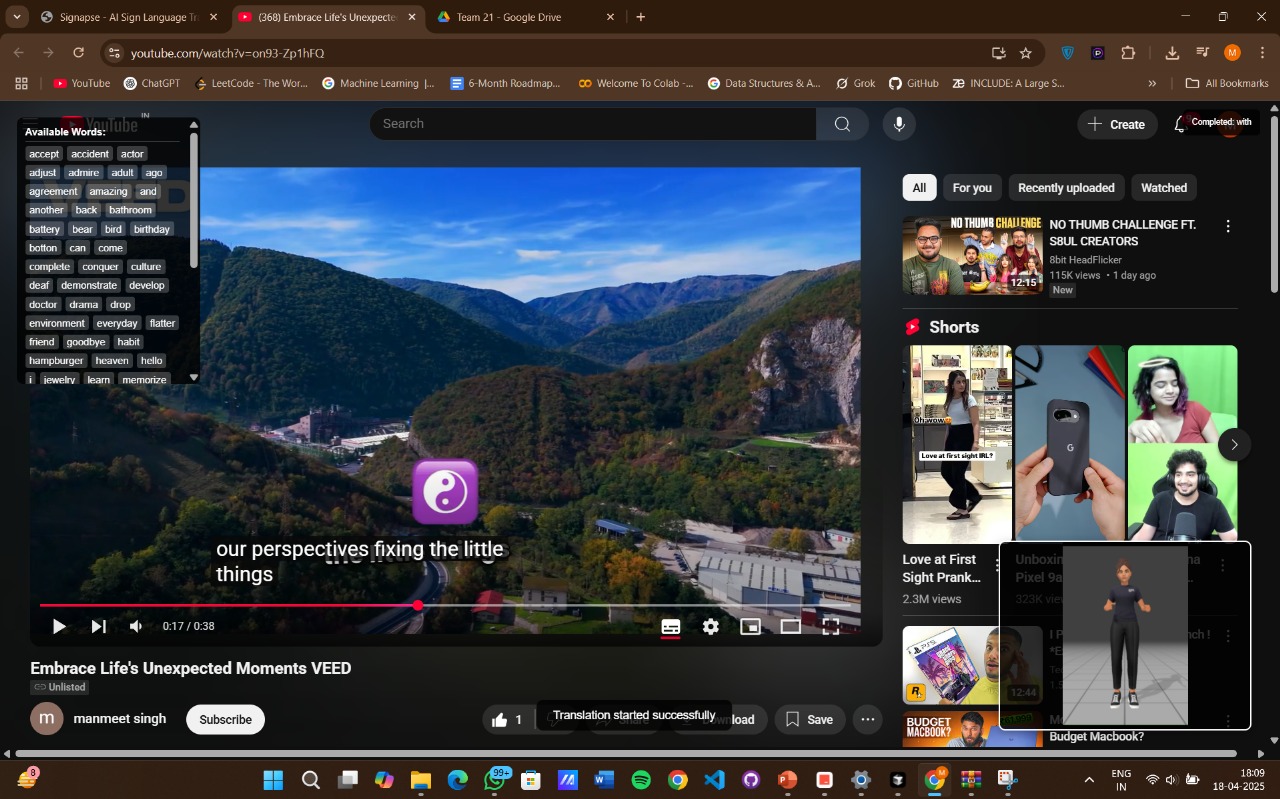
Google Extension for Youtube and Google Meet audio to sign language
Inspiration
We wanted to make peer learning and mentorship truly inclusive. Millions who use Indian Sign Language are left out of everyday conversations, lectures, and mentor sessions. We saw this gap—and knew tech could bridge it.
What it does
✅ Real-time Voice to Sign Conversion Converts spoken input into Indian Sign Language instantly using expressive animated avatars. ✅ Lifelike Avatar Animations Our avatars don’t just sign—they move naturally, making communication feel more human and engaging. ✅ Supports Both Live & Pre-recorded Input Whether it's a live class, a recorded lecture, or a video message—SignLapse can translate it all. ✅ Built for Inclusivity Designed with a focus on accessibility, this tool helps deaf and hard-of-hearing users fully engage in peer learning and mentorship. ✅ Modular & Scalable Can be integrated into platforms like Google Meet, Zoom, or educational portals with ease. ✅ Optimized for Indian Sign Language (ISL) Specifically tailored for ISL, respecting its unique grammar and flow, unlike generic ASL-based tools.
How we built it
Building SignLapse was a mix of creativity, empathy, and deep tech. We started with one goal: make communication easier and more human for the deaf and hard-of-hearing community, especially in India. We first trained two separate AI models: A Speech-to-Text engine that captures and transcribes spoken words in real-time. A Sign Language Animation system powered by expressive 3D avatars, which translate text into Indian Sign Language (ISL), keeping ISL’s unique grammar and sentence structure intact. To make the signing more natural, we used motion-capture data and refined our avatars’ gestures to reflect human-like movements—head tilts, facial expressions, and hand transitions. This brought life to the signing, not just accuracy. Our backend is modular and scalable, which means we can plug SignLapse into platforms like Google Meet, Zoom, or any educational tool, making it accessible in real-world classrooms and meetings
Challenges we ran into
Getting avatars to sign in real-time wasn't easy. ISL has unique grammar, and syncing voice to smooth, human-like gestures took a lot of trial and error. We also had limited datasets to work with, which made training and mapping signs a real challenge.
Accomplishments that we're proud of
Midway, we switched from basic video stitching to Unity-based animated avatars—and it changed everything. The output felt alive, expressive, and finally something we were proud to demo.
What we learned
This journey taught us more than just coding: ISL is not just a visual form of English—it has its own flow, grammar, and rhythm. Respecting that was key. Deaf users value naturalness as much as accuracy. Robotic signs were a big no. Expressive avatars made all the difference. Latency matters: We had to fine-tune our real-time processing so the signing keeps pace with live speech—even if there's a slight lag. Modularity wins: Designing in a way that supports both live and recorded content helped us reach wider use cases—like classrooms, video lectures, or announcements.
What's next for SignLapse
We’re just getting started. Here’s what’s coming next: Bidirectional Communication: Enabling the system to recognize ISL (via webcam) and convert it back into speech/text—for two-way interaction. Emotion-aware Sign Output: Making avatars respond not just to words, but to tone and emotion, like excitement or concern. Multiple Indian Languages: Supporting voice input in Hindi, Tamil, Bengali, etc., and translating directly to ISL. Offline and Lightweight Version: So it works smoothly even in low-internet or rural areas. Integration with Government & Educational Platforms: We’re aiming to collaborate with public services to make digital India truly inclusive.


Log in or sign up for Devpost to join the conversation.