-
-
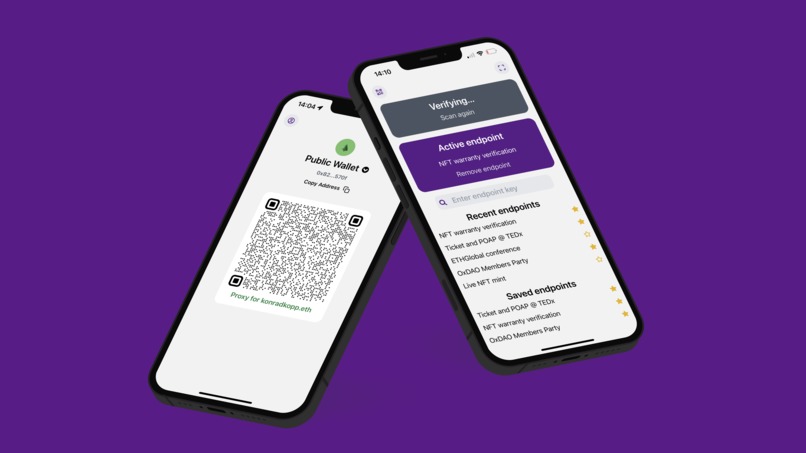
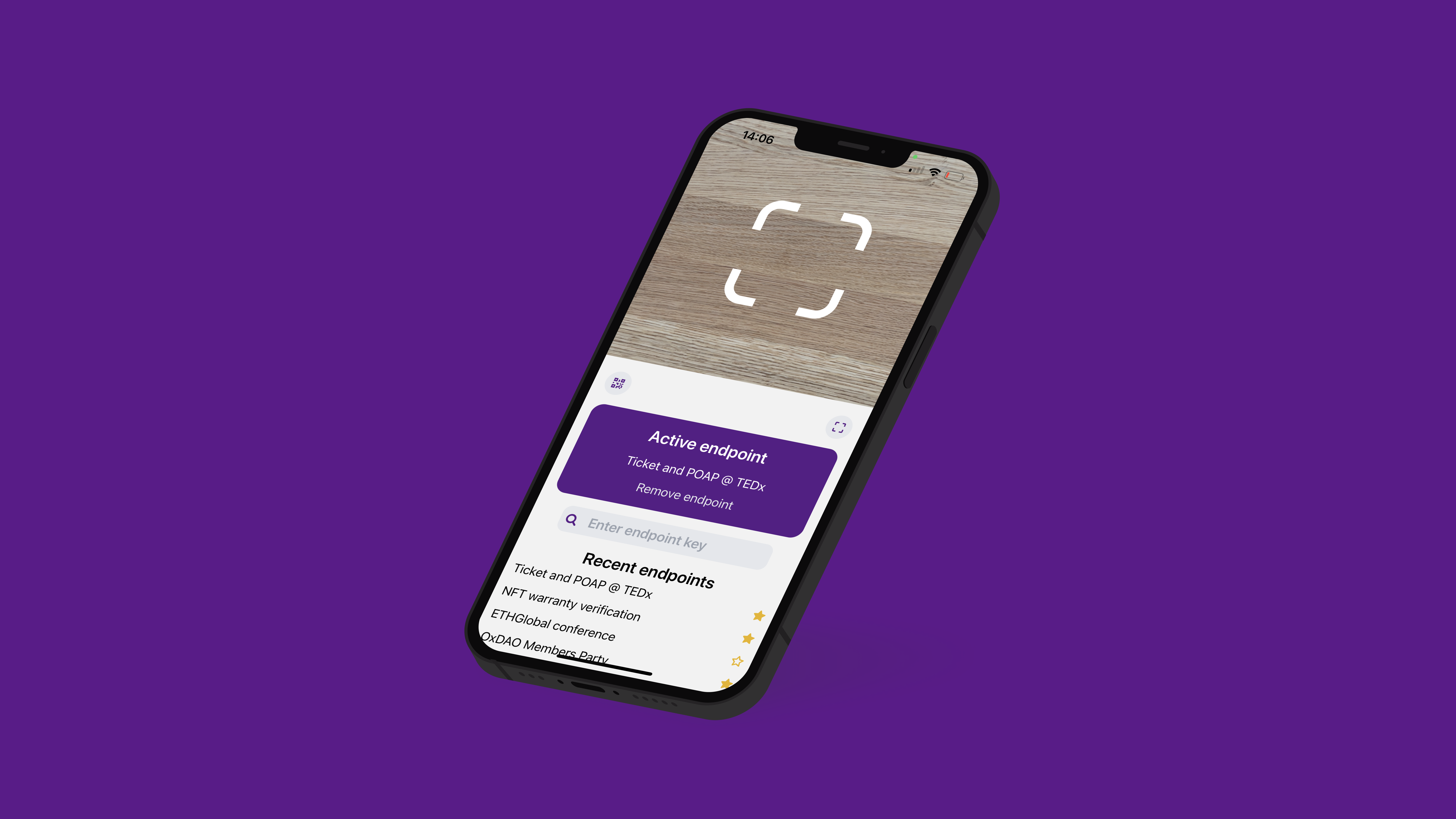
Signet mobile app
-
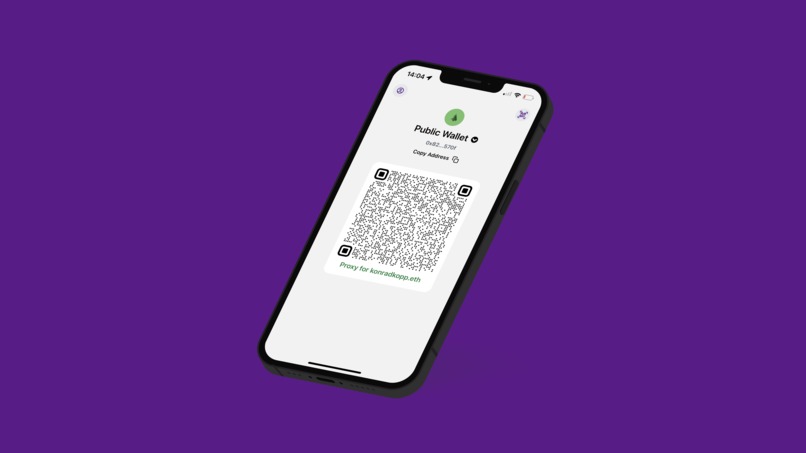
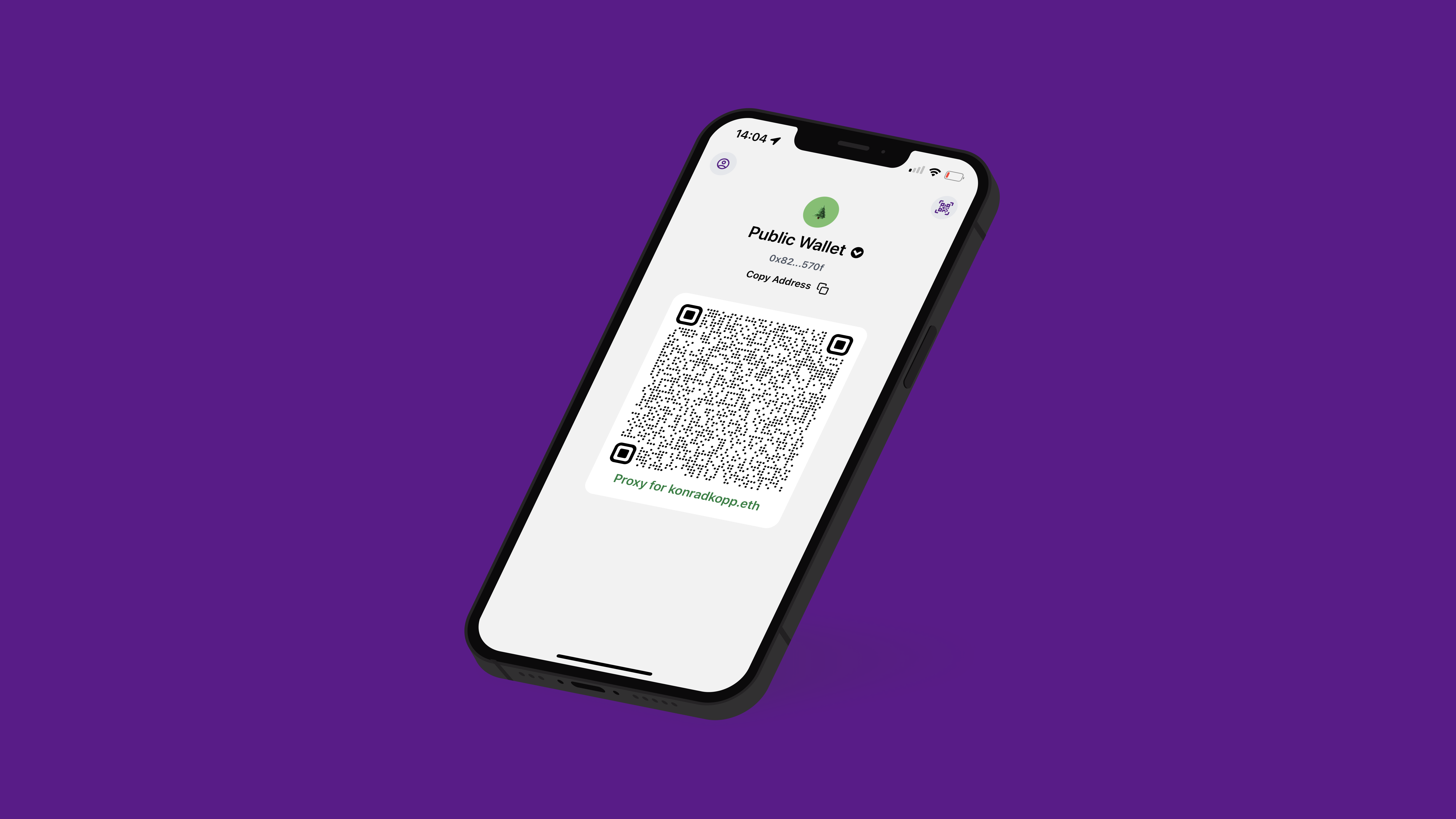
Signet proof
-
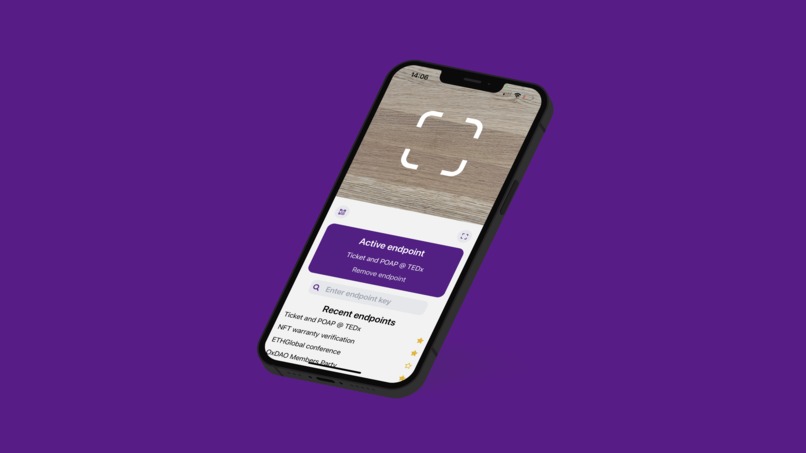
Scanner
-
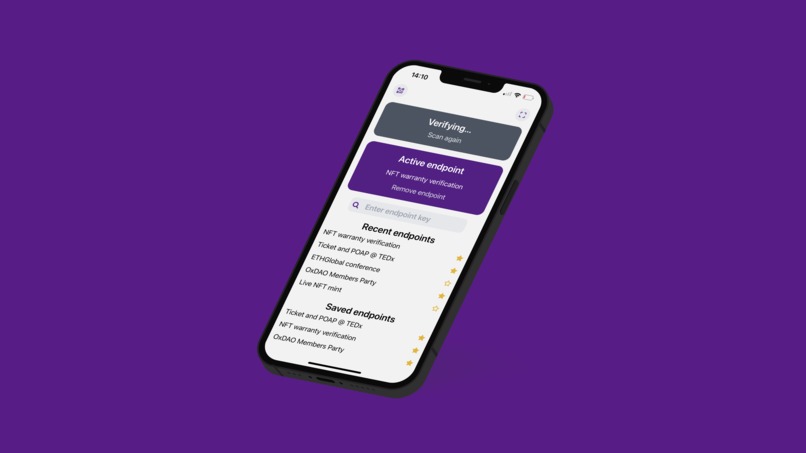
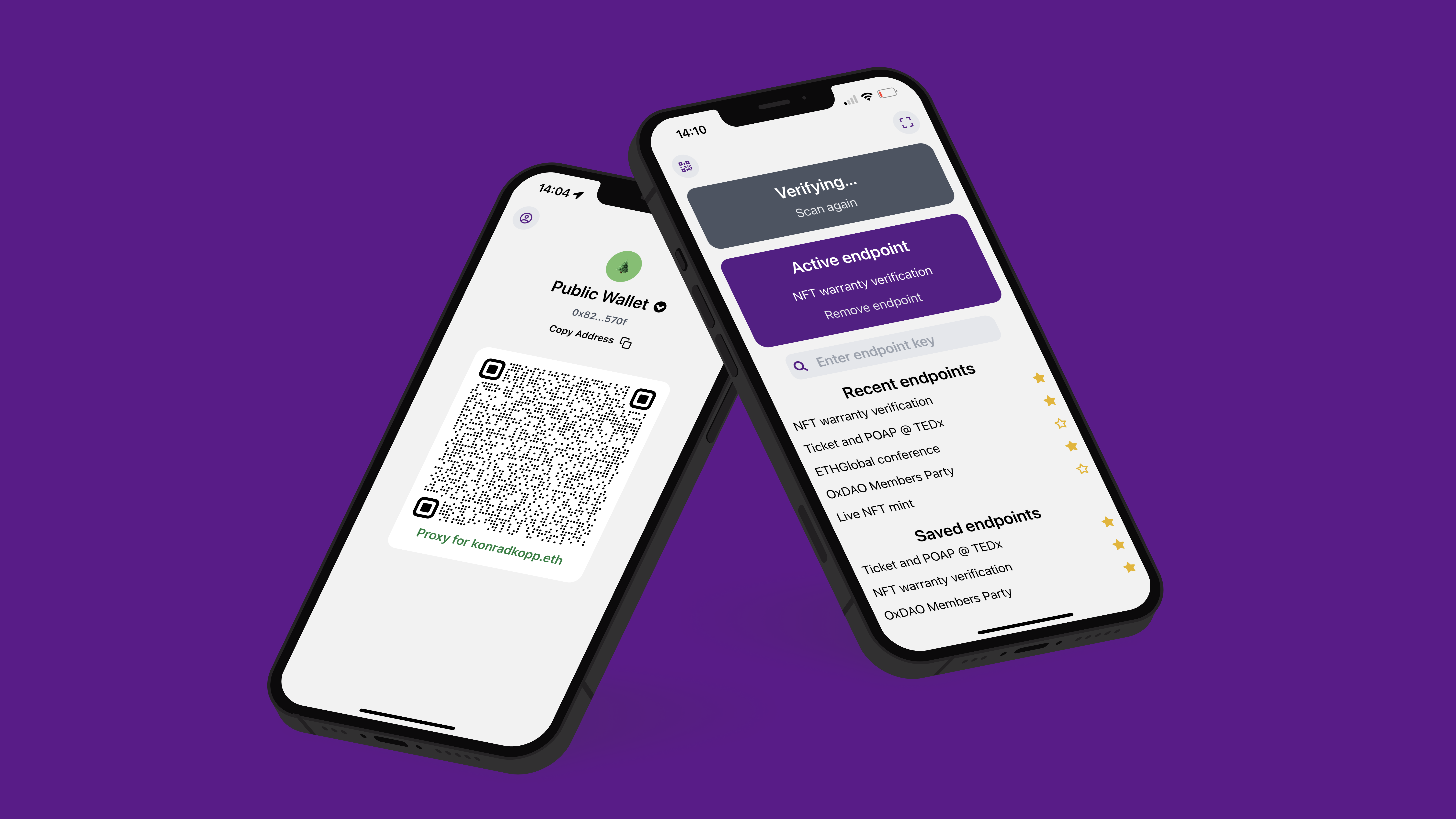
Scanner verifying
-
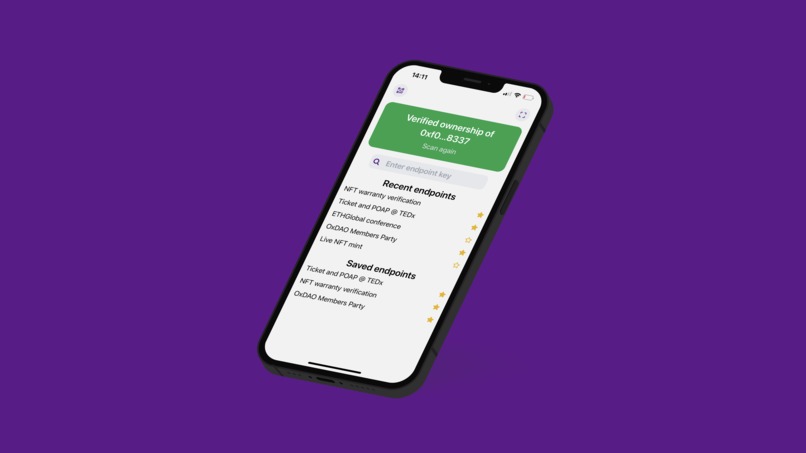
Scanner verified
-
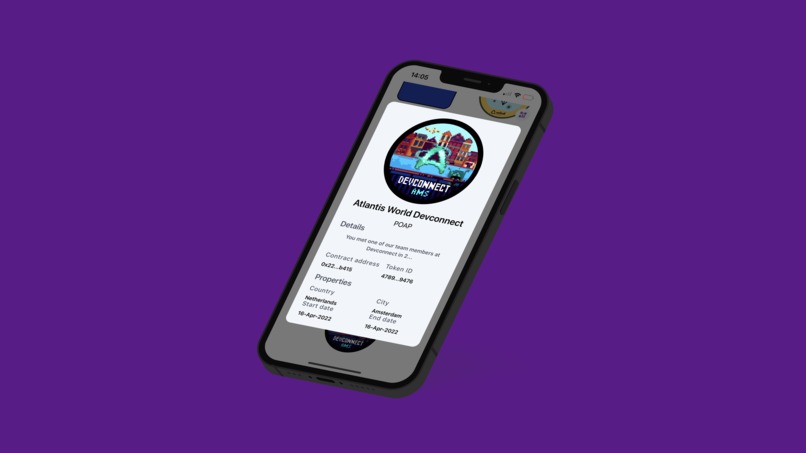
NFT detail


Inspiration
Having been in the space for a while and noticing the changes in NFTs and their increasing utilisation for community benefits, as tickets and to open tokengates, I could not understand that the security to prove ownership of NFTs was still so poor. I started thinking and researching about this problem at the end of 2021 and built a quick proof of concept. However, I was not satisfied with the architecture, usability and security so I kept talking to people in the space, trying to figure out a better approach. After much experimentation, I came up with the current design for Signet.
Along the way I also met Kurt, my co-founder who has been thinking about the problem set for a while, running an investment DAO where security is one of the utmost priorities. Together, we have talked to numerous potential users, thought more about the architecture and simplified our explanation of Signet a lot.
What it does
Signet is creating the trust minimising interaction layer for web3. We enable the verification of NFT ownership in a secure and trustless way, without requiring users to connect their wallet or relying on a centralised intermediary.
Individuals can download our app or browser extension (soon) to prove ownership of their assets securely, without connecting their wallet or even carrying it with them. Verifiers can use our mobile app or developer sdks (soon) to easily verify proofs and create tokengates.
How we built it
The centre piece of Signet is a smart contract registry that maps Signets to wallets. The registry is written in Solidity and deployed on Polygon testnet (and mainnet after beta testing has finished). Our web interface is written in javascript (using NextJS) as well as our mobile app (using React Native). We have also deployed a subgraph and built a proof of concept for a browser extension, written in javascript.
Challenges we ran into
There have been numerous challenges along the way, such as integrating EIP-712 to make our registry more user friendly or building the app (my first ever mobile app). Apart from technical challenges, there have also been many conceptual ones, ranging from the security architecture of the protocol to what to call individual components to make it easier to understand how it works (we're still working on that).
Accomplishments that we're proud of
Even though, or perhaps because, we ran into a lot of challenges, there are also numerous accomplishments that we are proud of. These including: teaching myself React Native, building and deploying our first app and our first smart contract and having users and small scale events testing the app, as well as many more.
What we learned
Apart from the new technical skills that we have learned, there were also numerous intriguing things to be learnt about the NFT and web3 space and the people in it. Most excitingly to us, we have met many individuals building on really exciting frontiers of token utility, such as customer loyalty, hospitality, soulbound real world goods, eventing and much more!
What's next for Signet
Right now, we are finishing our beta testing by having some small scale irl events test out Signet. Once we are satisfied with the product, we plan to release it to a broader audience of web3 communities, NFT projects and conferences. After that we will integrate zk proofs to make Signet more private and release open-source developer toolkits so that brands can easily incorporate the entire functionality of Signet into their own apps. Then, we will release the first version of the browser extension so that we can also help make proving ownership of your assets online more secure and user-friendly. We are super excited for what's to come in the next few months!
Built With
- basement
- hardhat
- javascript
- nextjs
- react
- react-native
- solidity
- the-graph
- vercel


Log in or sign up for Devpost to join the conversation.