-
-
image
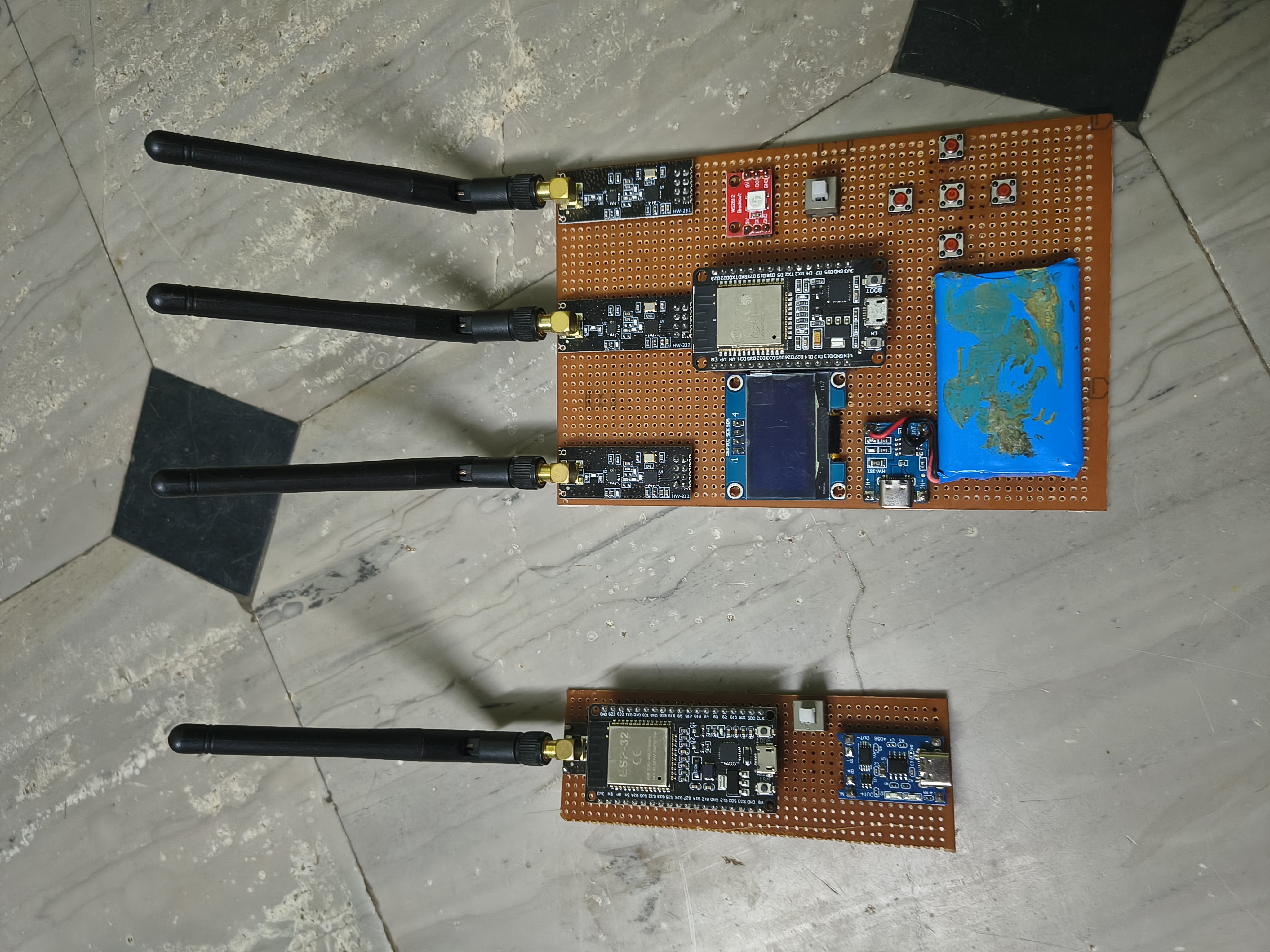
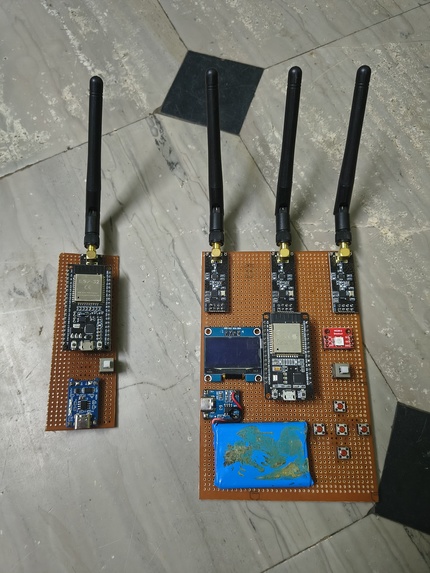
An electronic system for tracking and disrupting wireless communication signals connected to unmanned aerial vehicles (UAVs), commonly referred to as drones, is the subject of the current invention. There is a growing need for a small, affordable, and energy-efficient drone detection and analysis system due to the increasing misuse of drones in sensitive and restricted areas. The ESP32 microcontroller is used in the system that is suggested here. Drones frequently use wireless frequency bands, such as Wi-Fi and other Industrial, Scientific, and Medical (ISM) bands, which the system continuously scans. To find potential drone activity within a designated surveillance zone, it examines signal characteristics such as frequency behaviour, communication activity patterns, and strength variation. When the system detects drones, it prevents unintended or wide-area interference and permits controlled and localised signal disturbance to support defensive evaluation and monitoring. Compact and modular, the architecture is intended for use in airports, border surveillance zones, defence installations, and other restricted areas with little infrastructure. To help authorised personnel with situational awareness and post-event analysis, real-time status indication and event logging are offered. The system is appropriate for defence research and surveillance applications because it is low-power, portable, and flexible to changing drone communication technologies. spiration
Built With
- embeddad


Log in or sign up for Devpost to join the conversation.