-
-
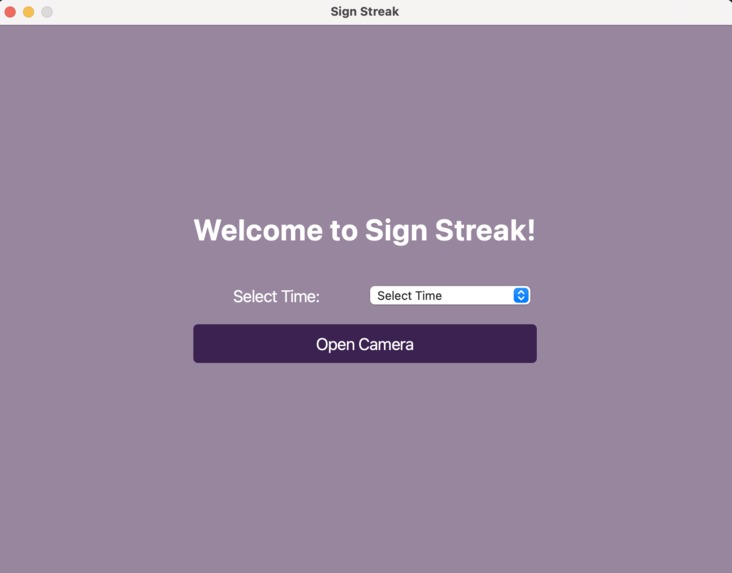
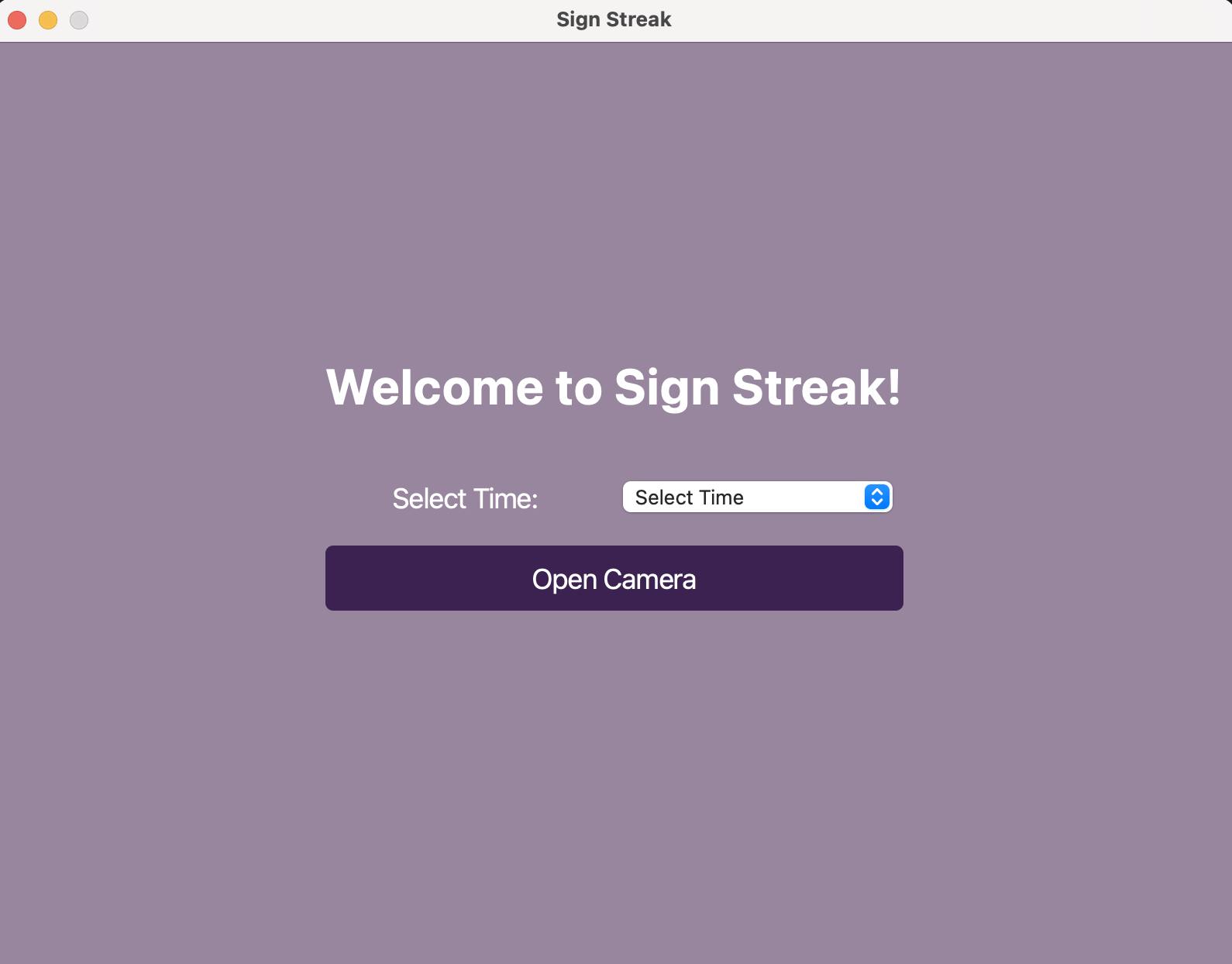
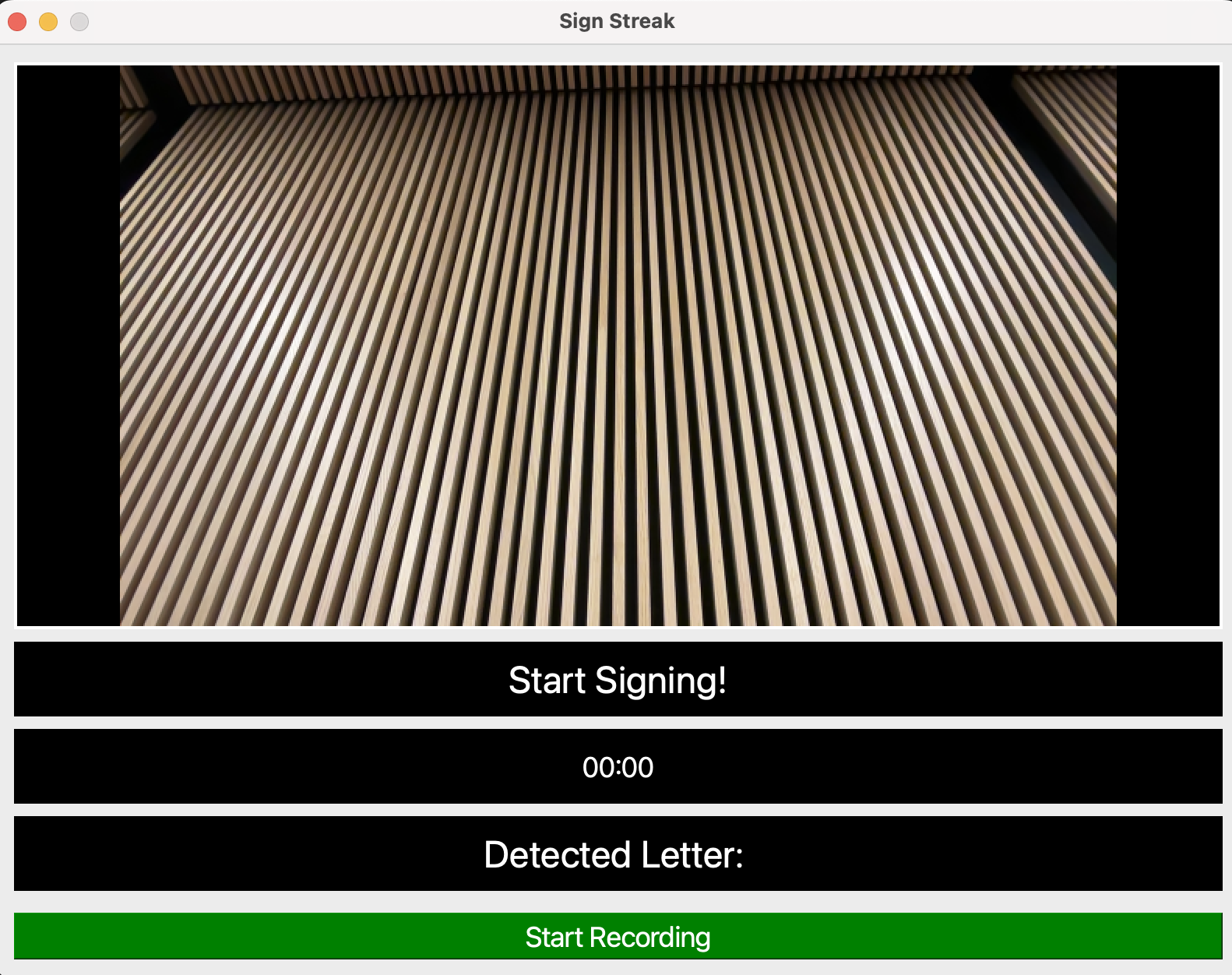
Homepage
-
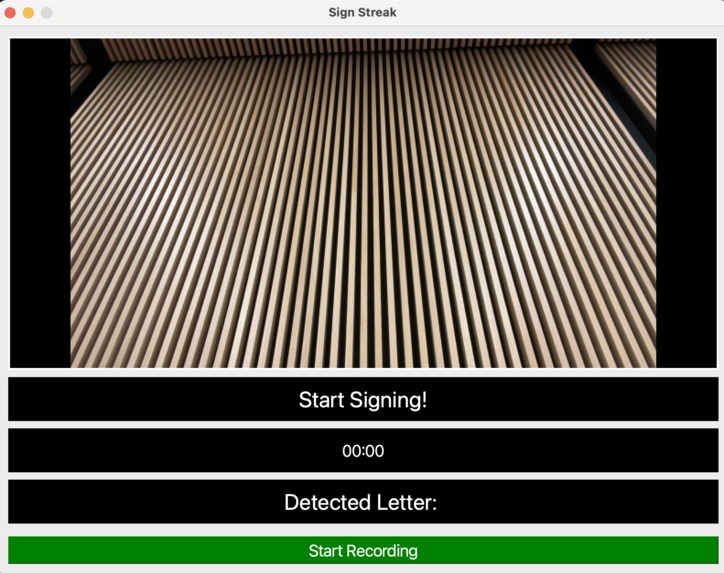
Gamepage
-
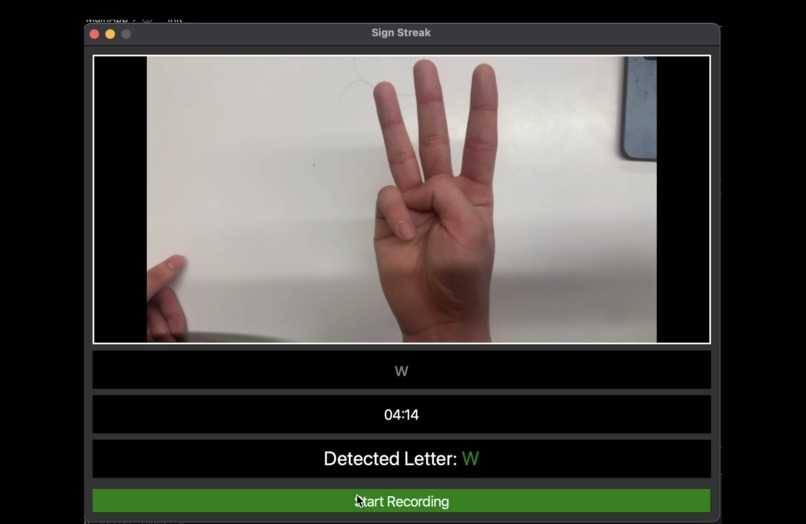
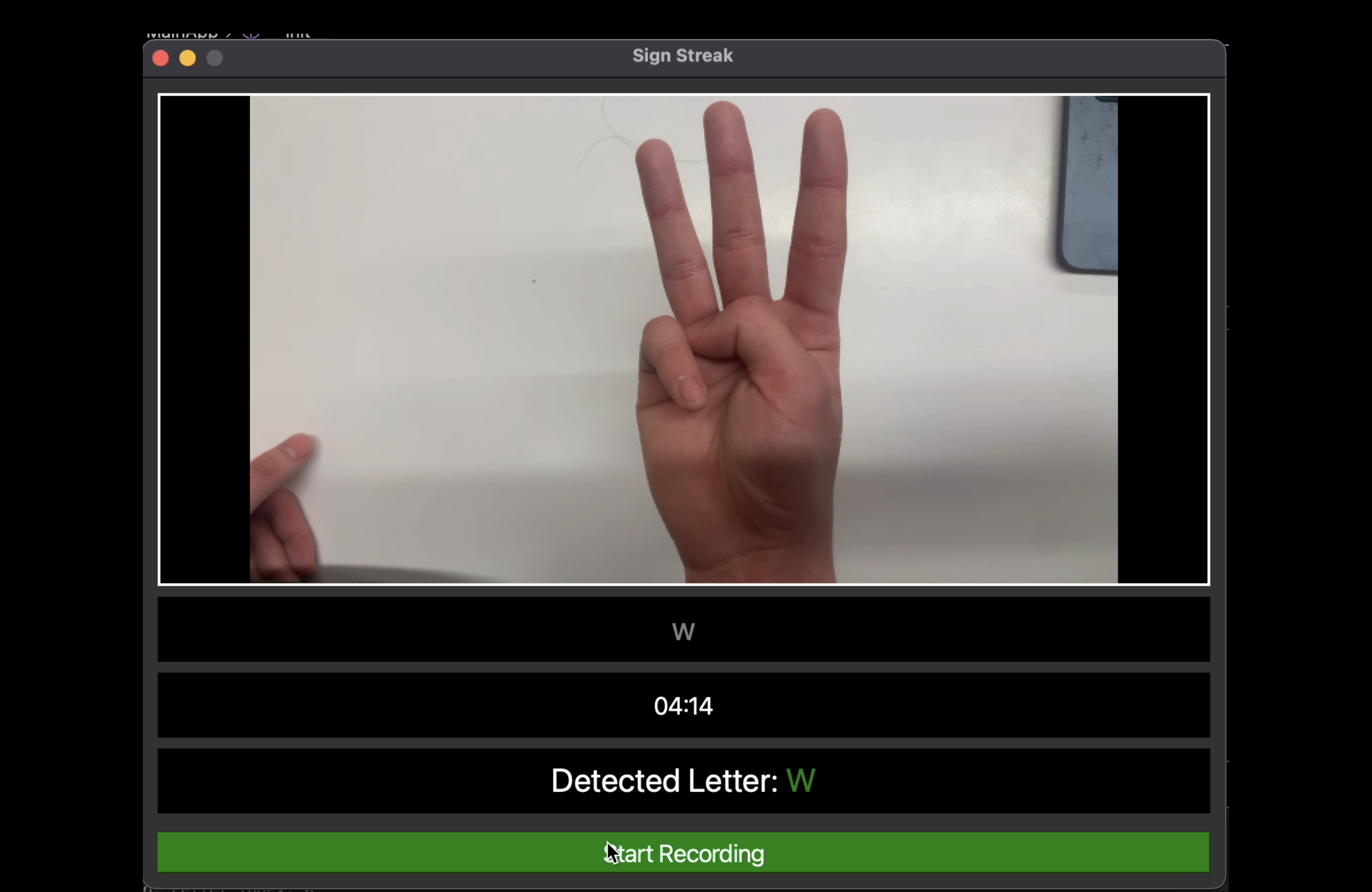
W Letter Detected Correctly
-
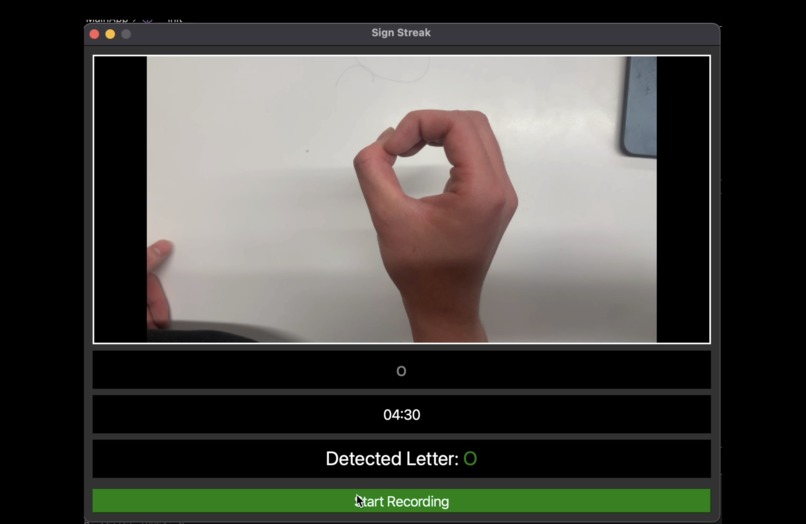
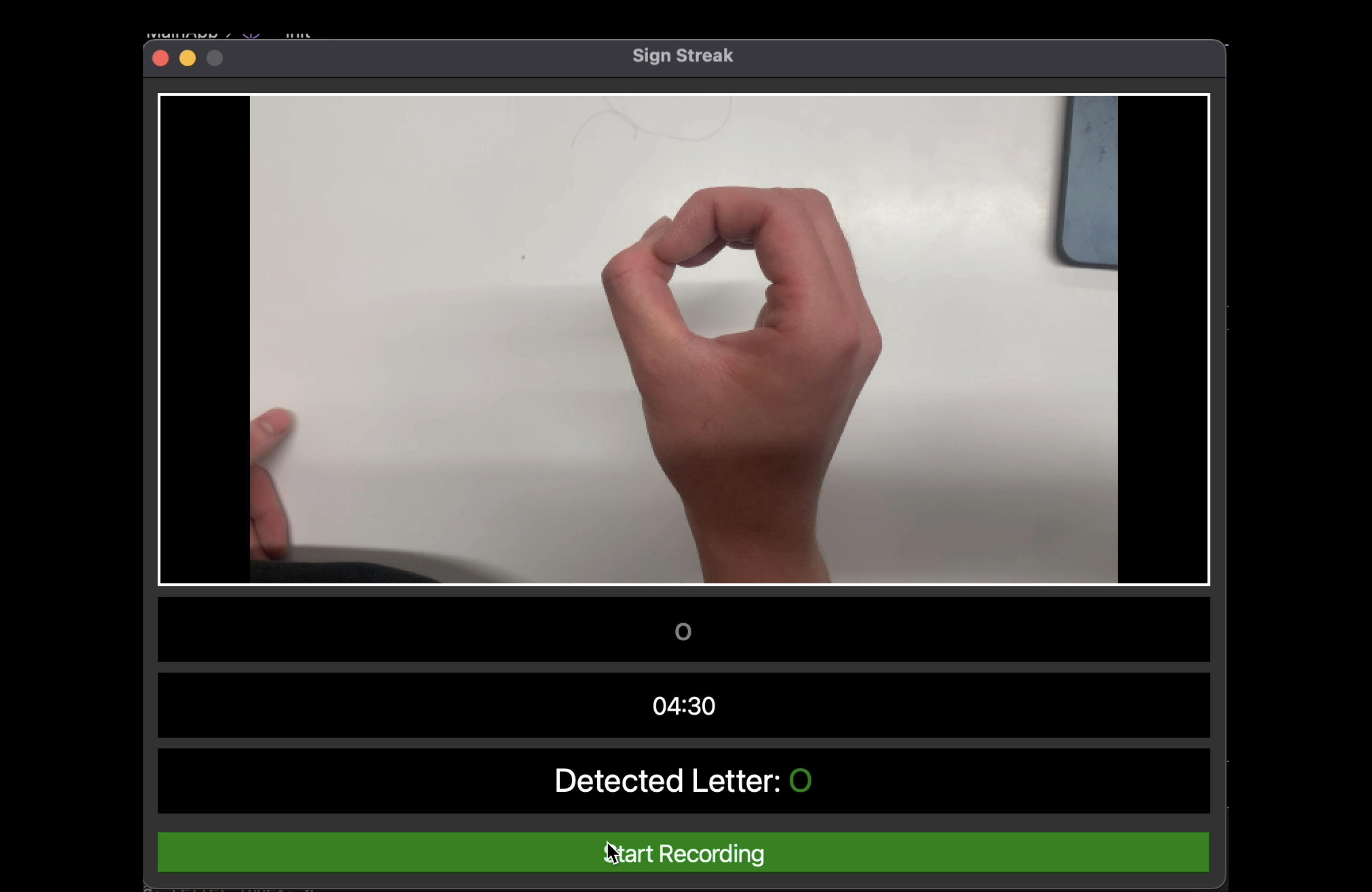
O Letter Detected Correctly
-
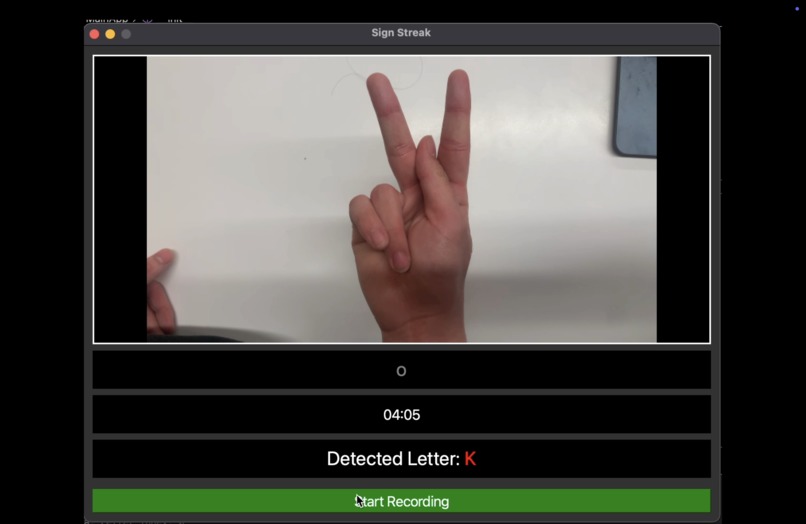
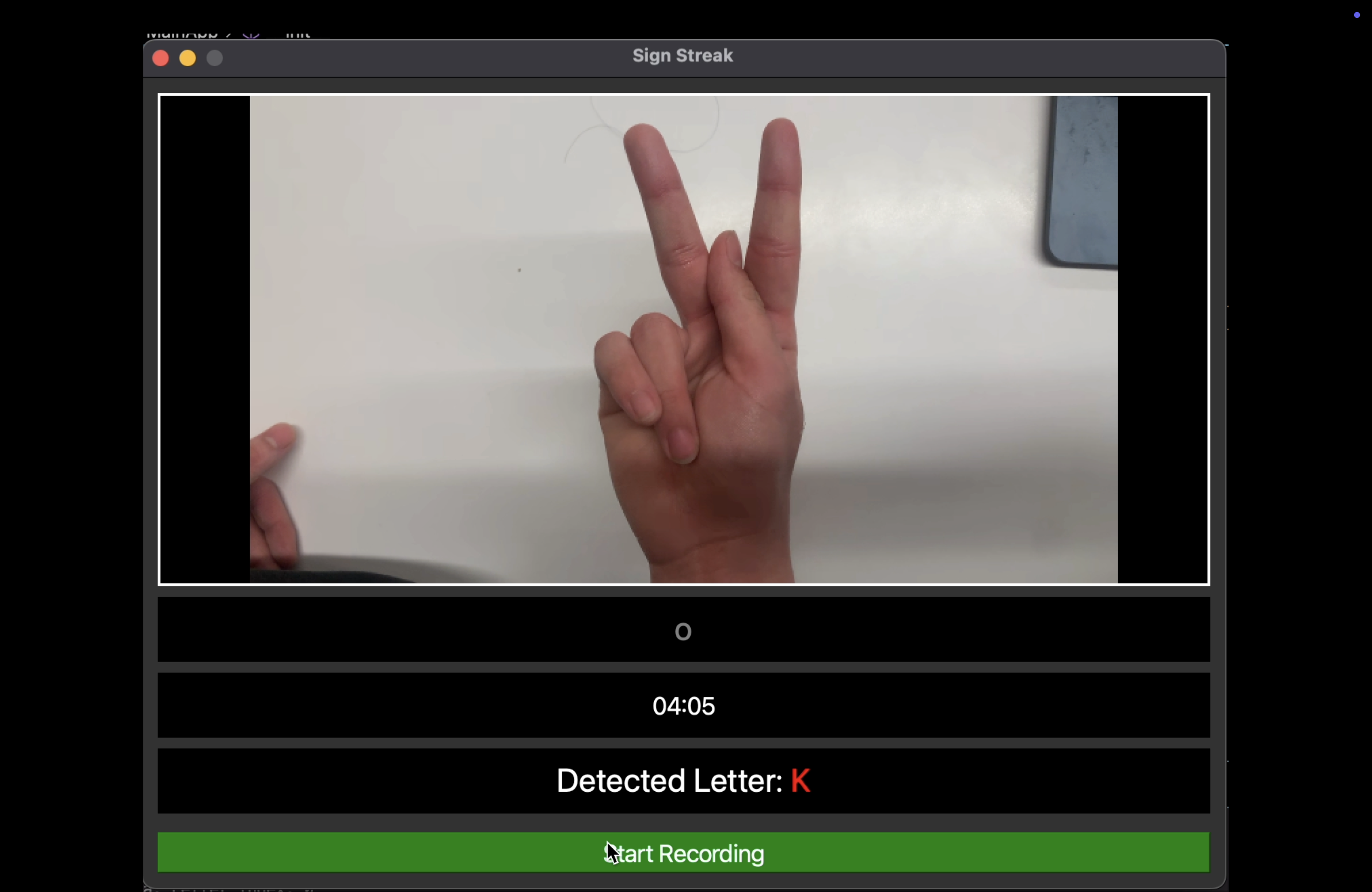
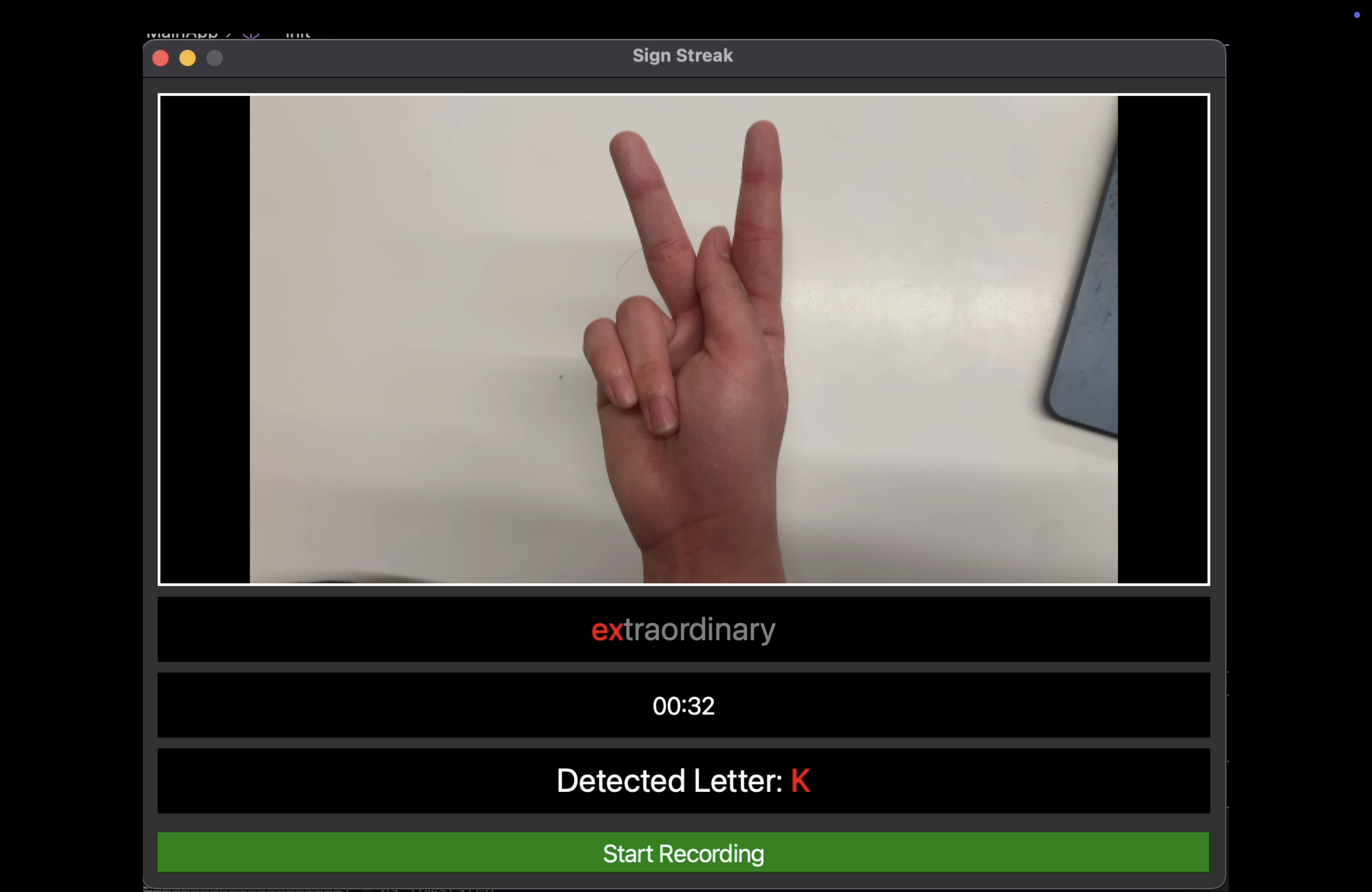
K Letter Detected Wrong
-
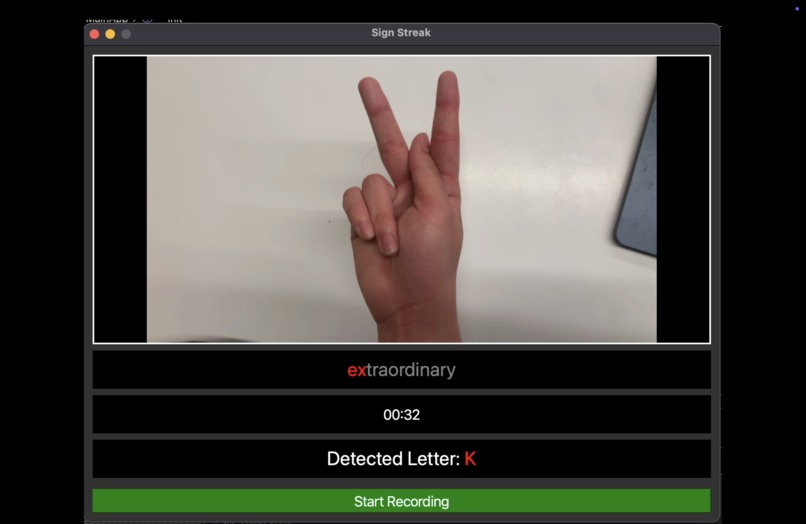
Word Detected Incorrectly
-
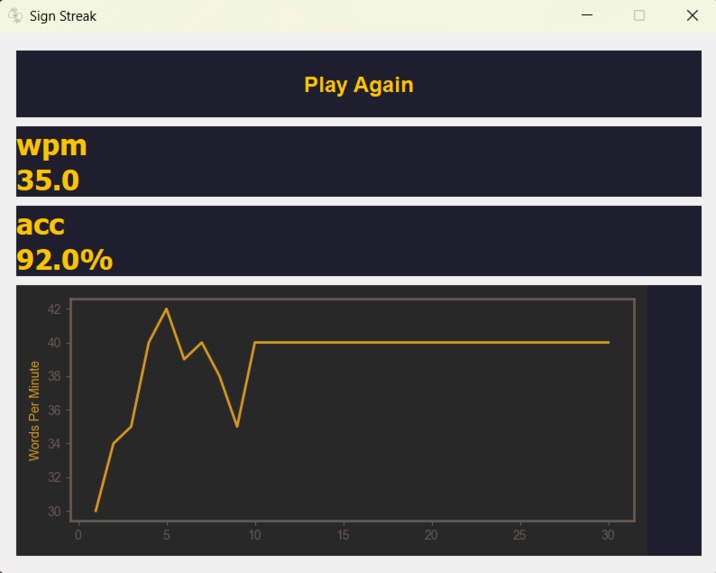
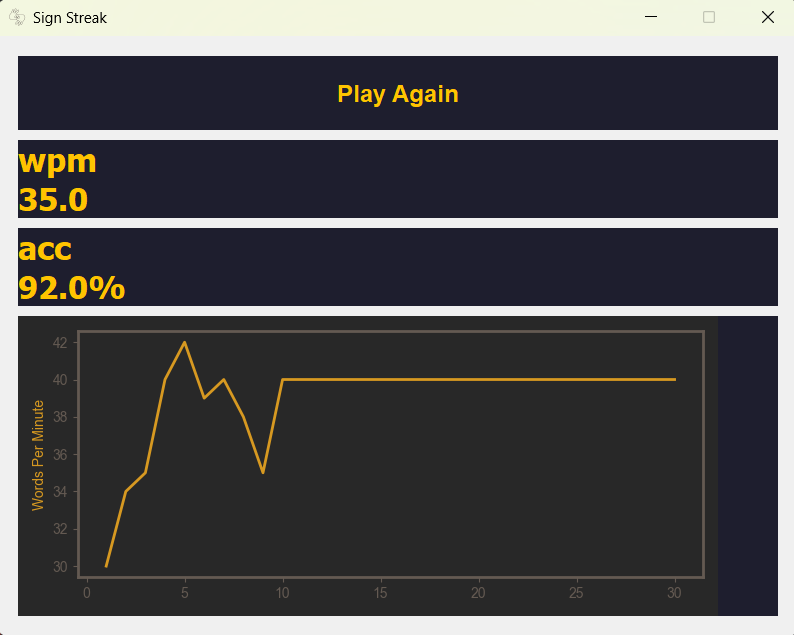
Final Statistics
Inspiration
The idea for a sign language typing game app is inspired by the desire to make learning sign language engaging, accessible, and fun while promoting inclusivity. By gamifying the learning process, we aim to empower users to connect with Deaf and Hard-of-Hearing communities, bridging communication gaps and fostering empathy. This app transforms what can be an intimidating skill into an enjoyable challenge, encouraging more people to learn and appreciate the richness of sign languages.
What it does
Our project is a game that challenges users to sign words in sign language within a set time limit. It tracks their speed and accuracy, helping them improve their sign language skills in a fun and interactive way.
How we built it
The application leverages PyQt5 for the graphical interface, integrating Convolutional Neural Networks (CNNs) for real-time gesture recognition. Using computer vision techniques, the CNN model processes input from a webcam, classifies sign language gestures, and provides performance feedback. The backend is powered by a deep learning framework, optimizing accuracy and efficiency in gesture detection and evaluation.
Challenges we ran into
The journey of creating a hackathon project is a whirlwind of planning and making, where every second counts. The initial hours are spent brainstorming ideas, analyzing the problem, and sketching out a plan—an intense tug-of-war between creativity and feasibility. Once the vision is clear, the real work begins: writing code, building prototypes, troubleshooting errors, and piecing together a functional product. Time feels both fleeting and stretched as you move from one task to another, with plans evolving on the fly to adapt to challenges. Every feature implemented, every bug fixed, and every design refined comes at the cost of time, energy, and often sleep, but the relentless momentum is fueled by the drive to create something meaningful before the final buzzer.
Accomplishments that we're proud of
We’re proud of creating an intuitive and user-friendly app that makes learning sign language interactive and engaging. By combining real-time feedback with machine learning, we’ve been able to help users improve their skills in a fun and effective way. Additionally, we’re excited about how we’ve made sign language learning more accessible through technology.
What we learned
Building the sign language typing game app taught us valuable lessons in both technical and user experience design. We gained hands-on experience with PyQt5 for creating an intuitive interface and improved our skills in implementing Convolutional Neural Networks (CNNs) for real-time gesture recognition. We learned how to optimize machine learning models for accuracy and efficiency while balancing performance with user experience. Additionally, the project highlighted the importance of user feedback in refining the app, ensuring it was both engaging and accessible for learners. Overall, the experience deepened our understanding of deep learning, computer vision, and interactive app development.
What's next for Sign Streak
Next, the app could expand its functionality by incorporating support for multiple sign languages, enabling a broader reach and inclusivity. Integrating a progress-tracking system and personalized learning paths could enhance user engagement and skill development. Future updates might also include multiplayer modes for collaborative learning and cloud integration to save user profiles and training data. Additionally, deploying the app on mobile platforms with AR capabilities could provide users with a portable and immersive learning experience.

Log in or sign up for Devpost to join the conversation.