-
-
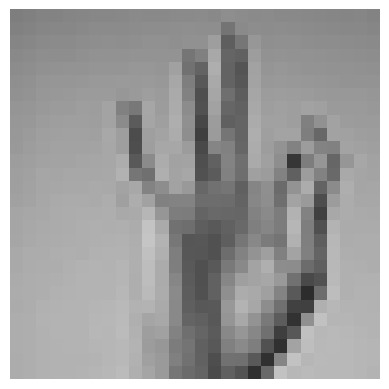
Images used for testing
-
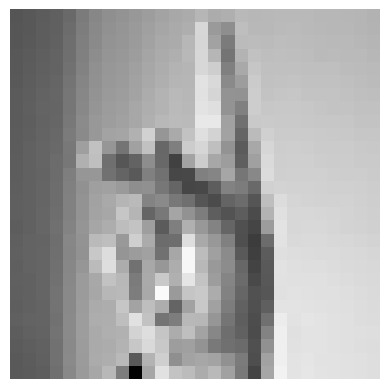
Images used for testing
Inspiration
Communication is a basic human right, yet millions of people who are deaf or hard of hearing face barriers due to the lack of widespread sign language understanding. We were inspired to create a tool that helps bridge this communication gap using machine learning, making technology more inclusive and accessible for all.
What it does
This project is a sign language detection system that identifies hand gestures from images. It can recognize American Sign Language (ASL) alphabets, making it a helpful tool for both education and communication assistance.
How we built it
Data: We used a labeled dataset of ASL images, resized and normalized for consistency.
Model: A convolutional neural network (CNN) built using TensorFlow/Keras was trained to classify images into 26 alphabet classes.
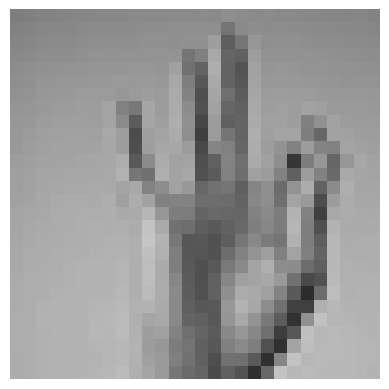
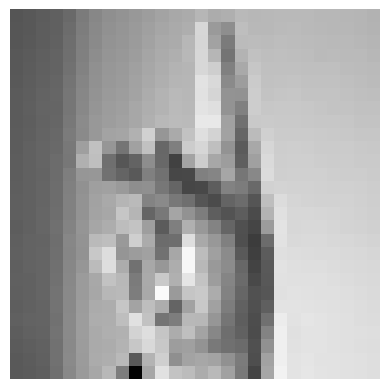
Preprocessing: Images were converted to grayscale and resized to 28x28 pixels for input into the model.
Interface: We used Python for backend processing, and integrated visualization using matplotlib to display predictions and images.
Testing: We verified predictions by inputting custom images and checking model accuracy.
Challenges we ran into
Balancing model accuracy and size was a challenge, especially when working with limited training data.
Cleaning and standardizing diverse image sources required extra preprocessing effort.
Accomplishments that we're proud of
Built a working prototype that can accurately recognize most ASL alphabets.
Successfully integrated end-to-end prediction from image input to letter output.
Gained deeper understanding of image classification and real-world accessibility use cases.
What we learned
How to build and train a CNN for image classification from scratch.
The importance of image normalization and augmentation in improving model performance.
User-centric design thinking, especially when building assistive technologies.
What's next for sign language detection
Add real-time webcam support to allow dynamic gesture recognition.
Extend the model to detect full words or phrases using video sequences (possibly with LSTM or transformers).
Expand to other sign languages (like Indian Sign Language or British Sign Language).
Deploy as a web or mobile app for greater accessibility and practical use in schools or public spaces.
Built With
- cnn
- matplotlib
- python
- scikit-learn
- tensorflow

Log in or sign up for Devpost to join the conversation.