-
-
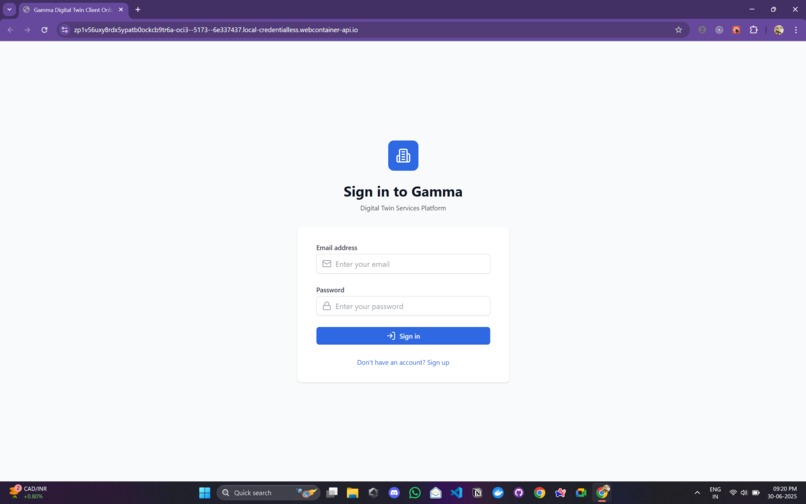
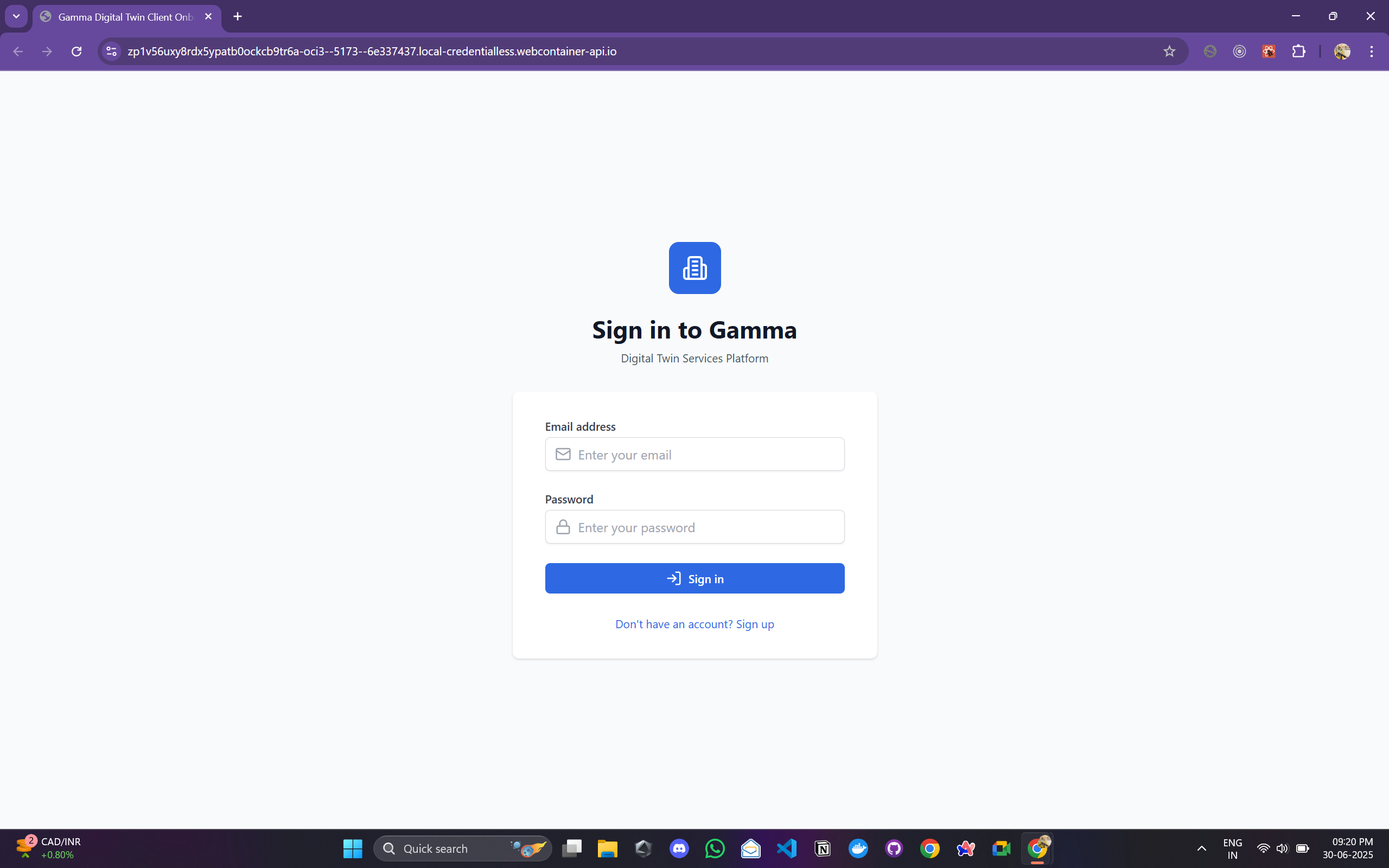
authentication page
-
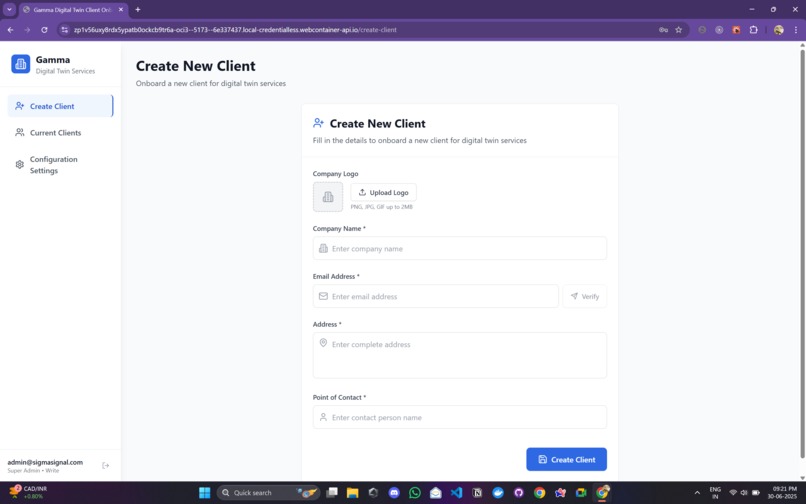
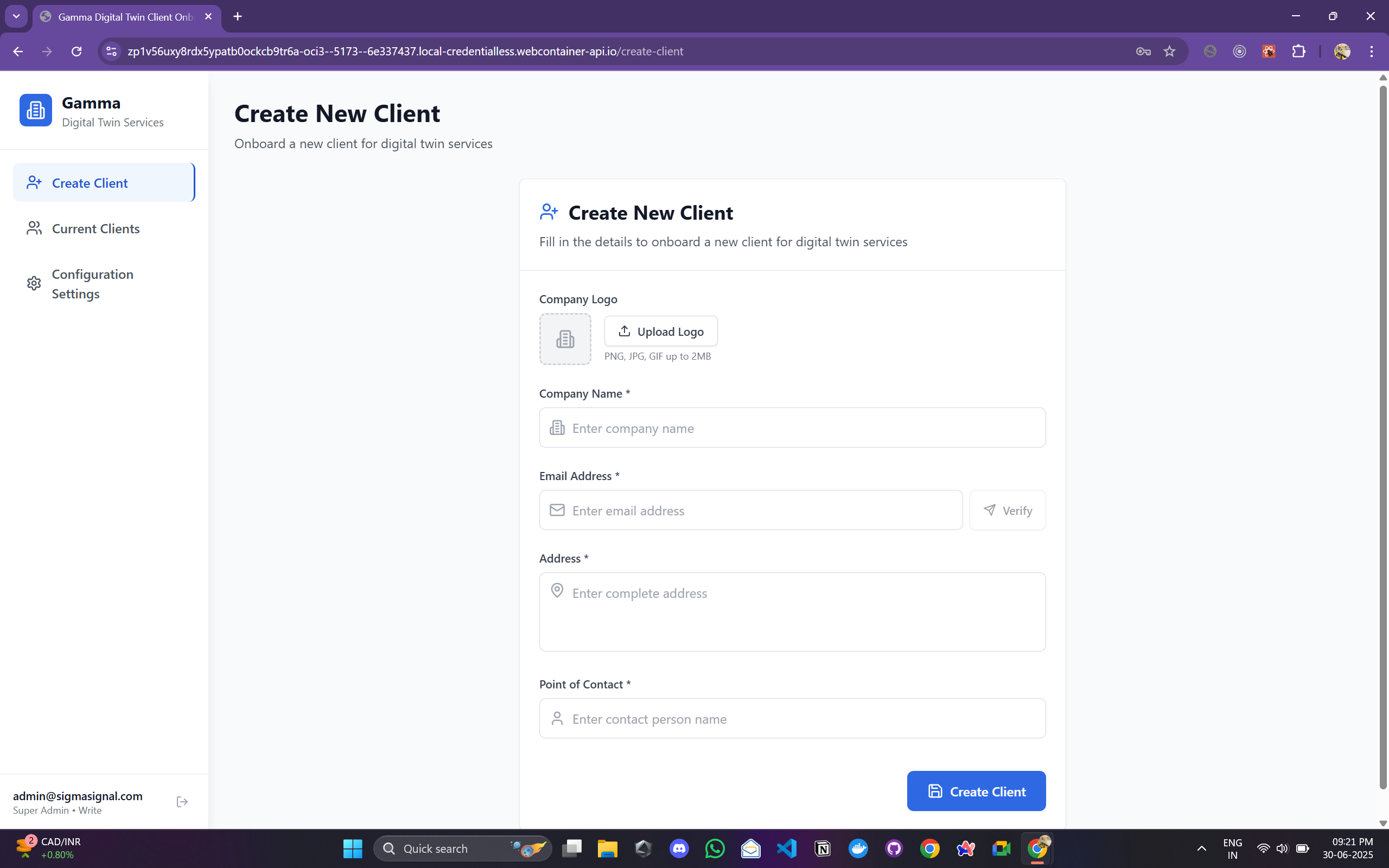
client onboarding page
-
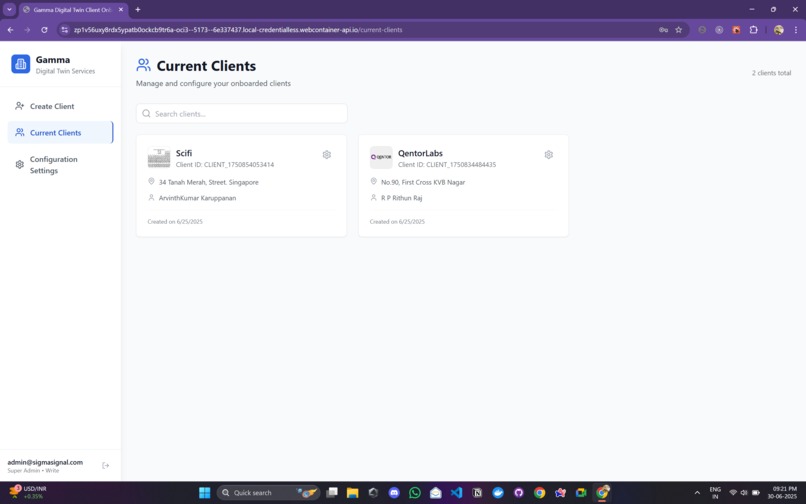
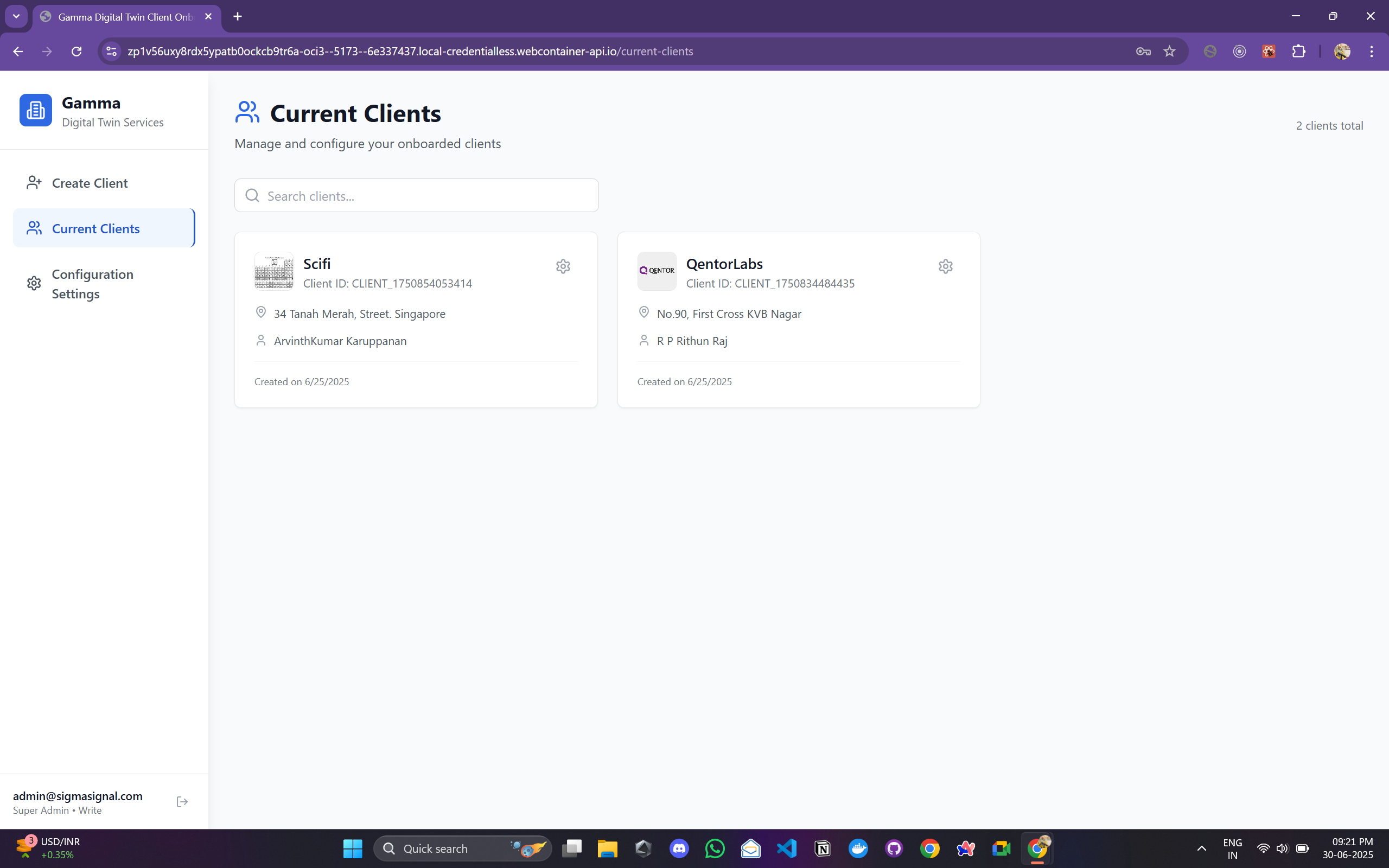
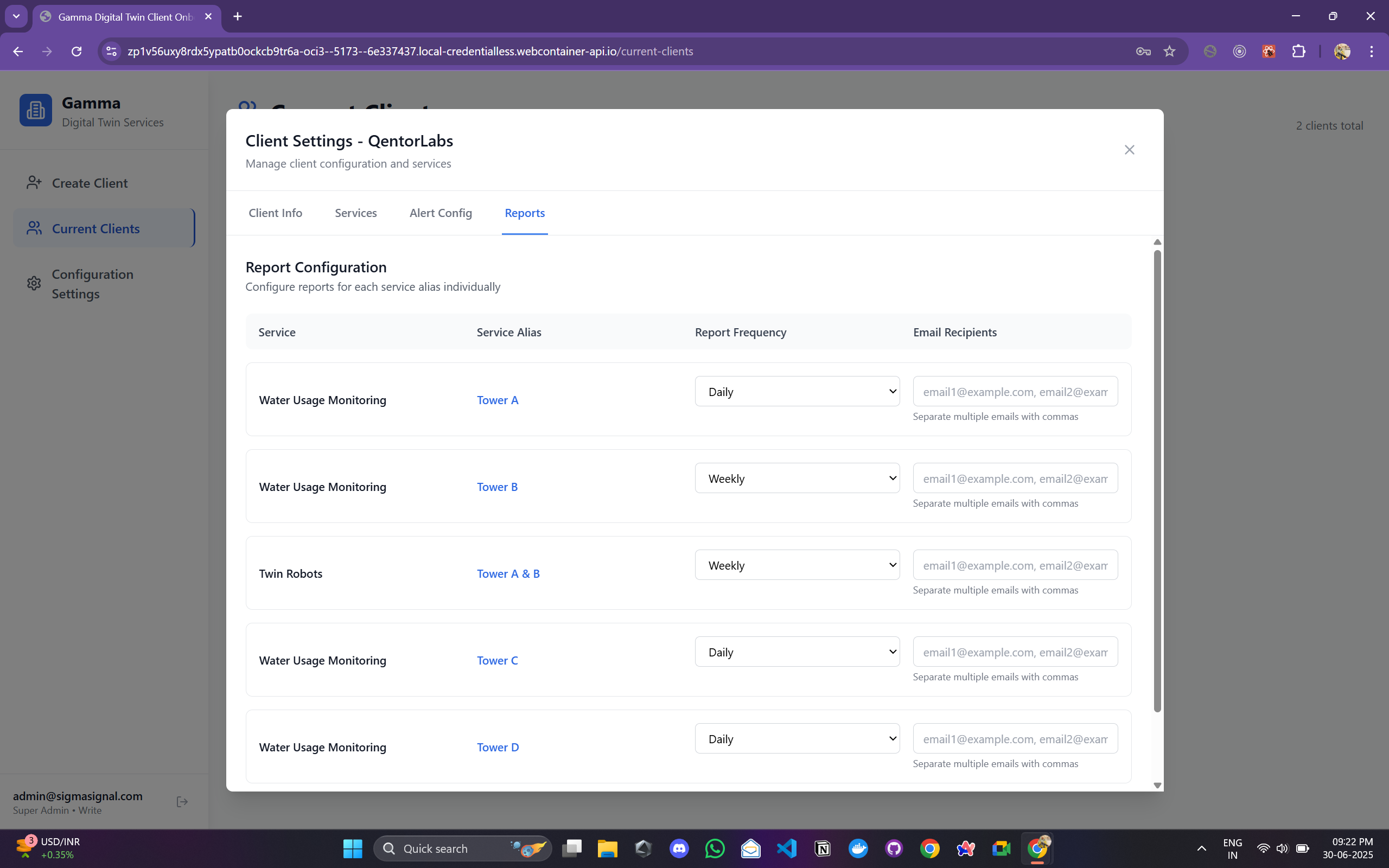
current cliental page
-
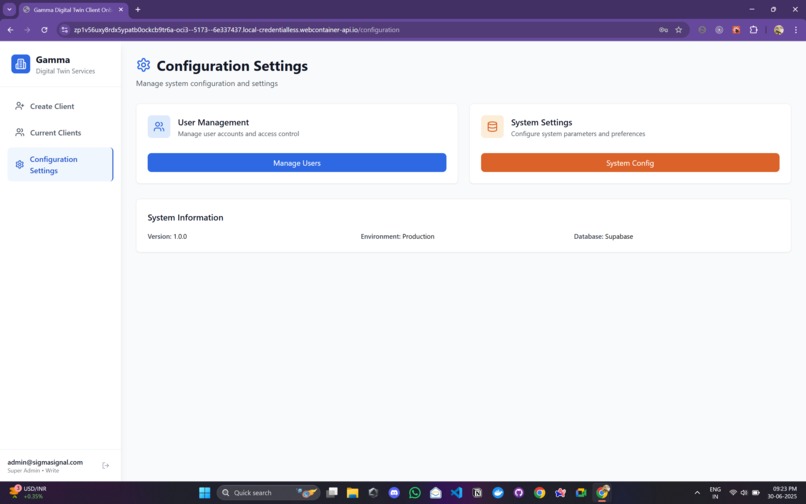
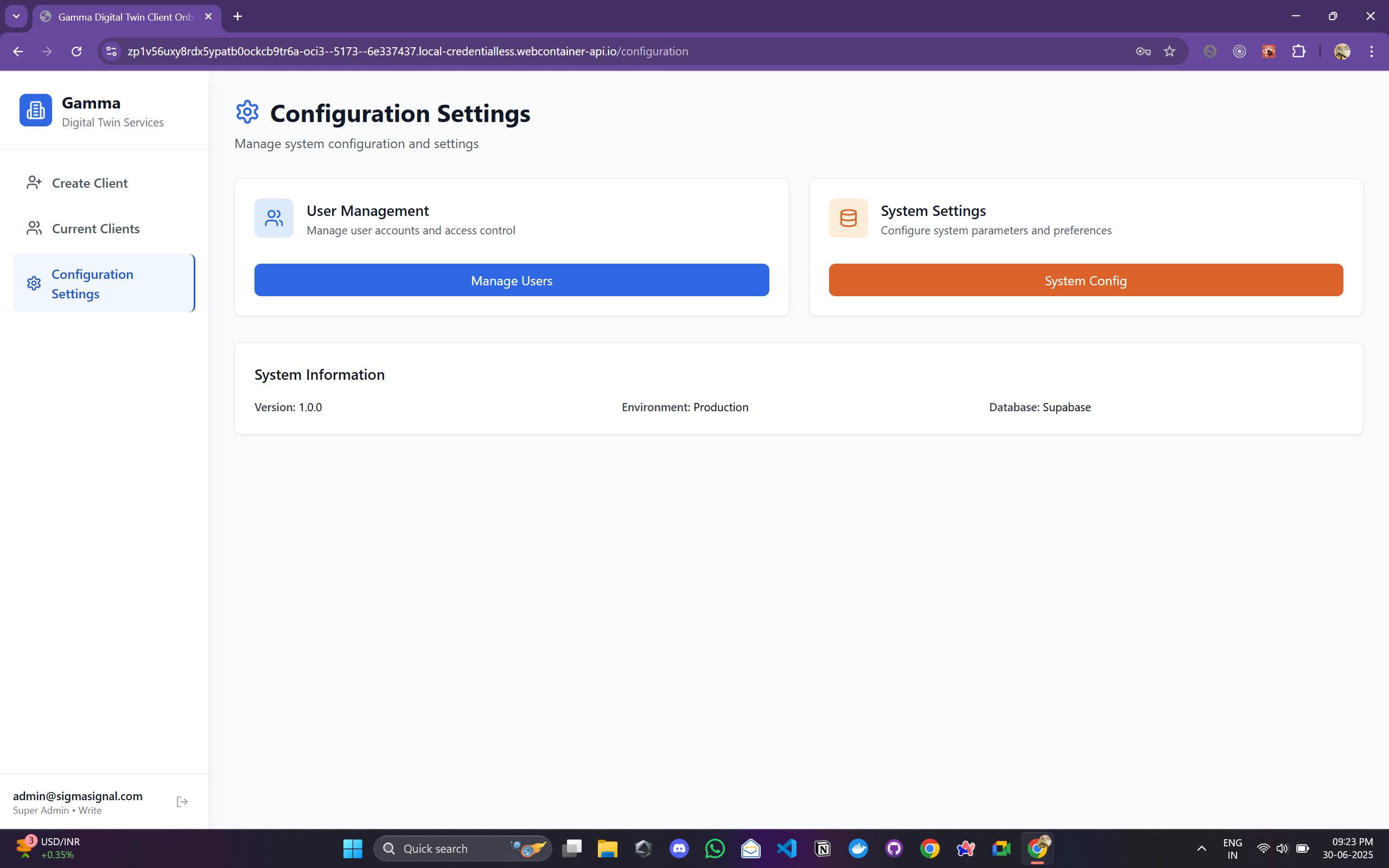
configuration settings
-
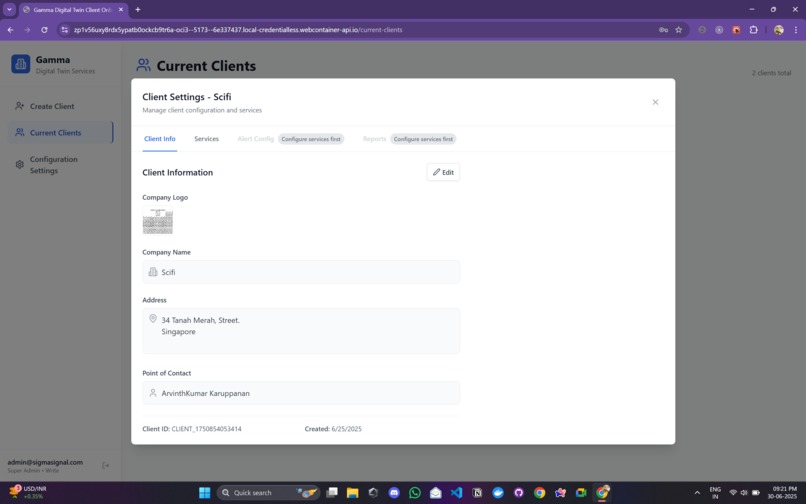
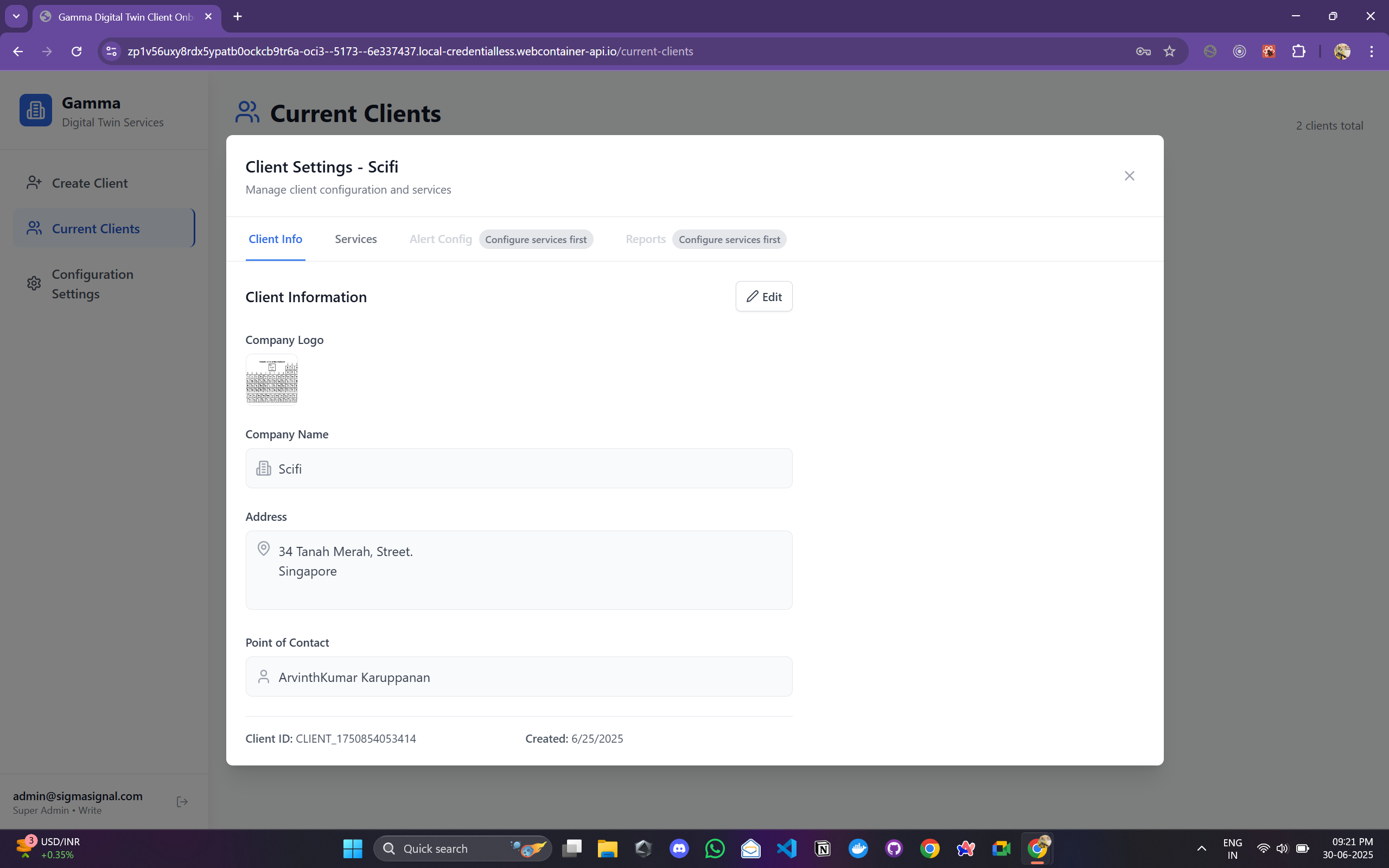
editing cilent details
-
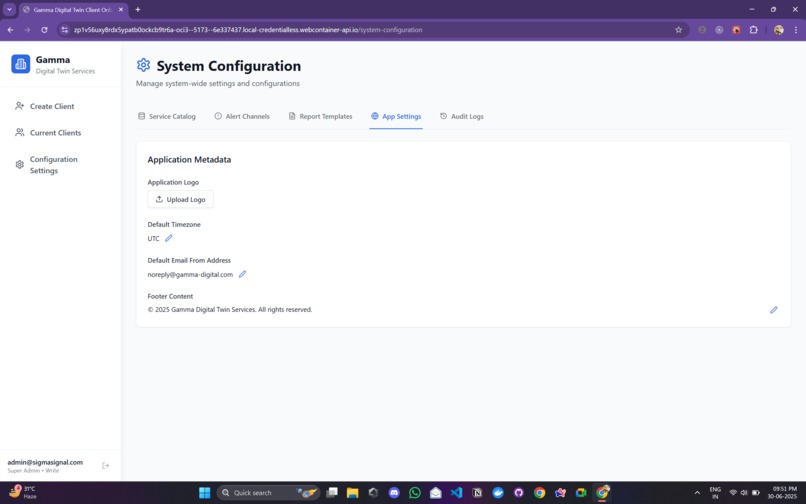
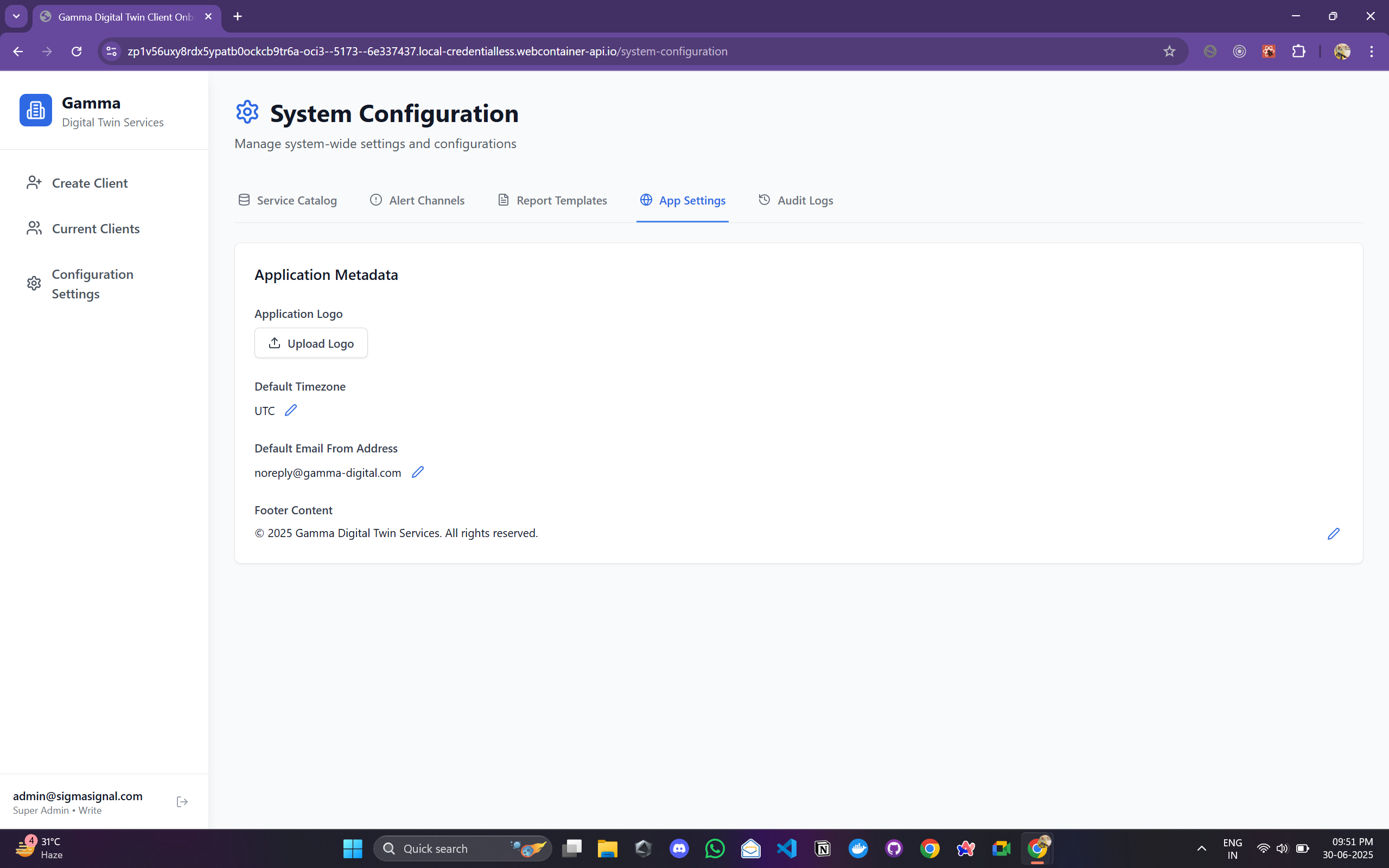
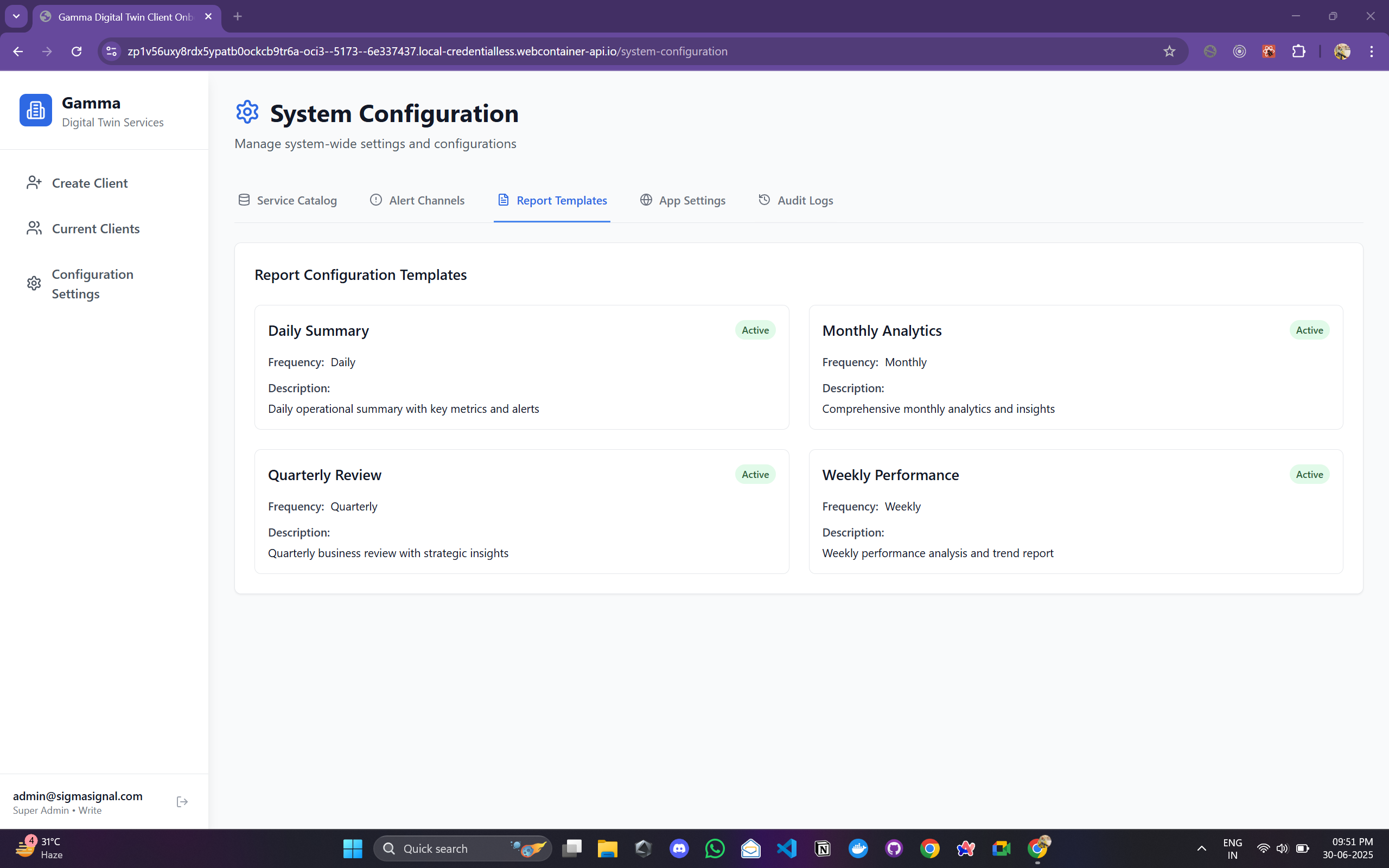
system configuration (app settings)
-
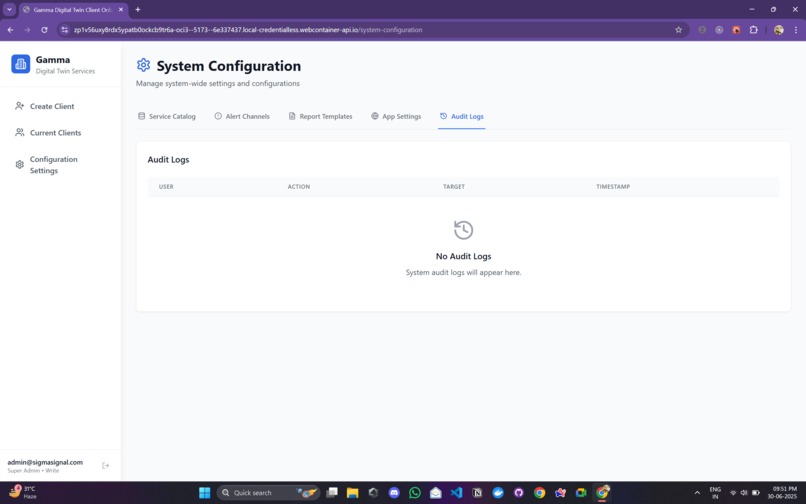
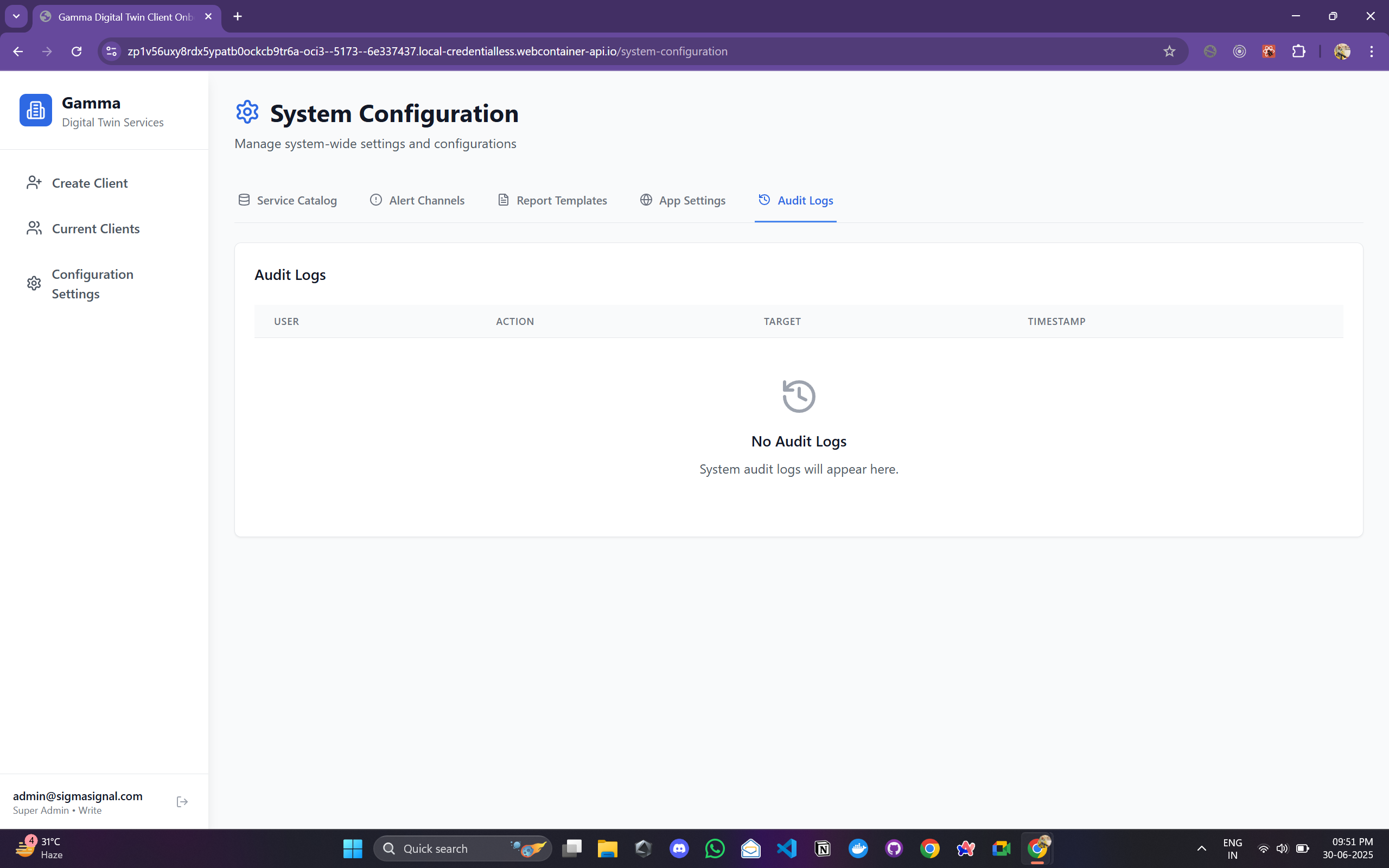
system configuration (audit logs)
-
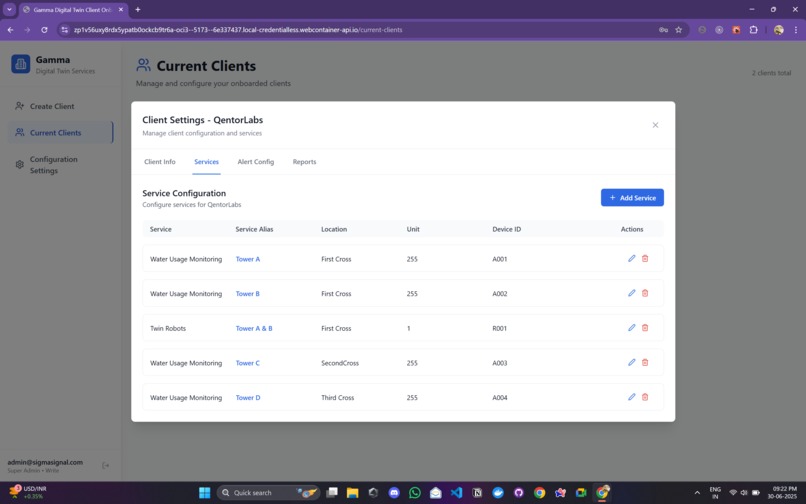
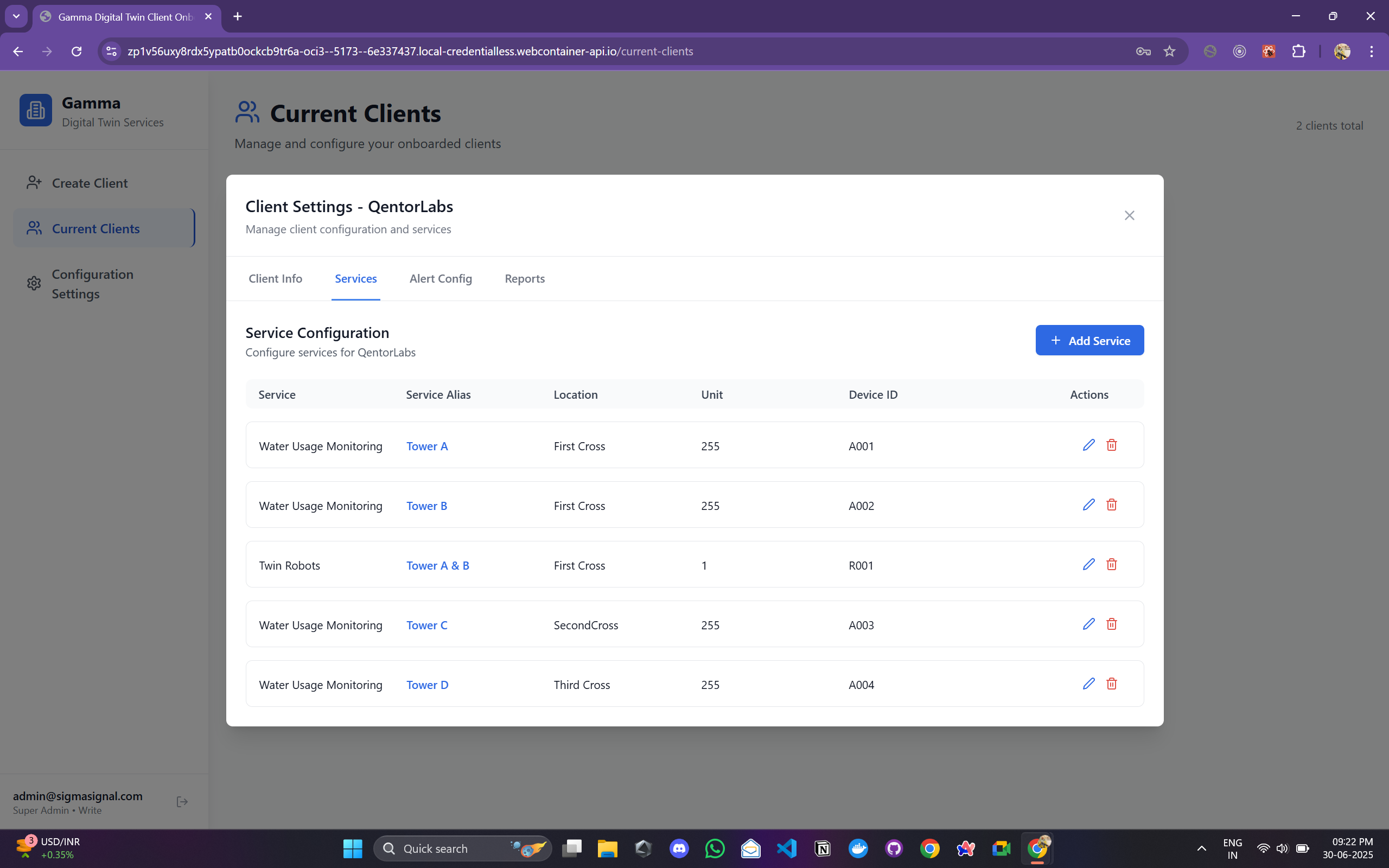
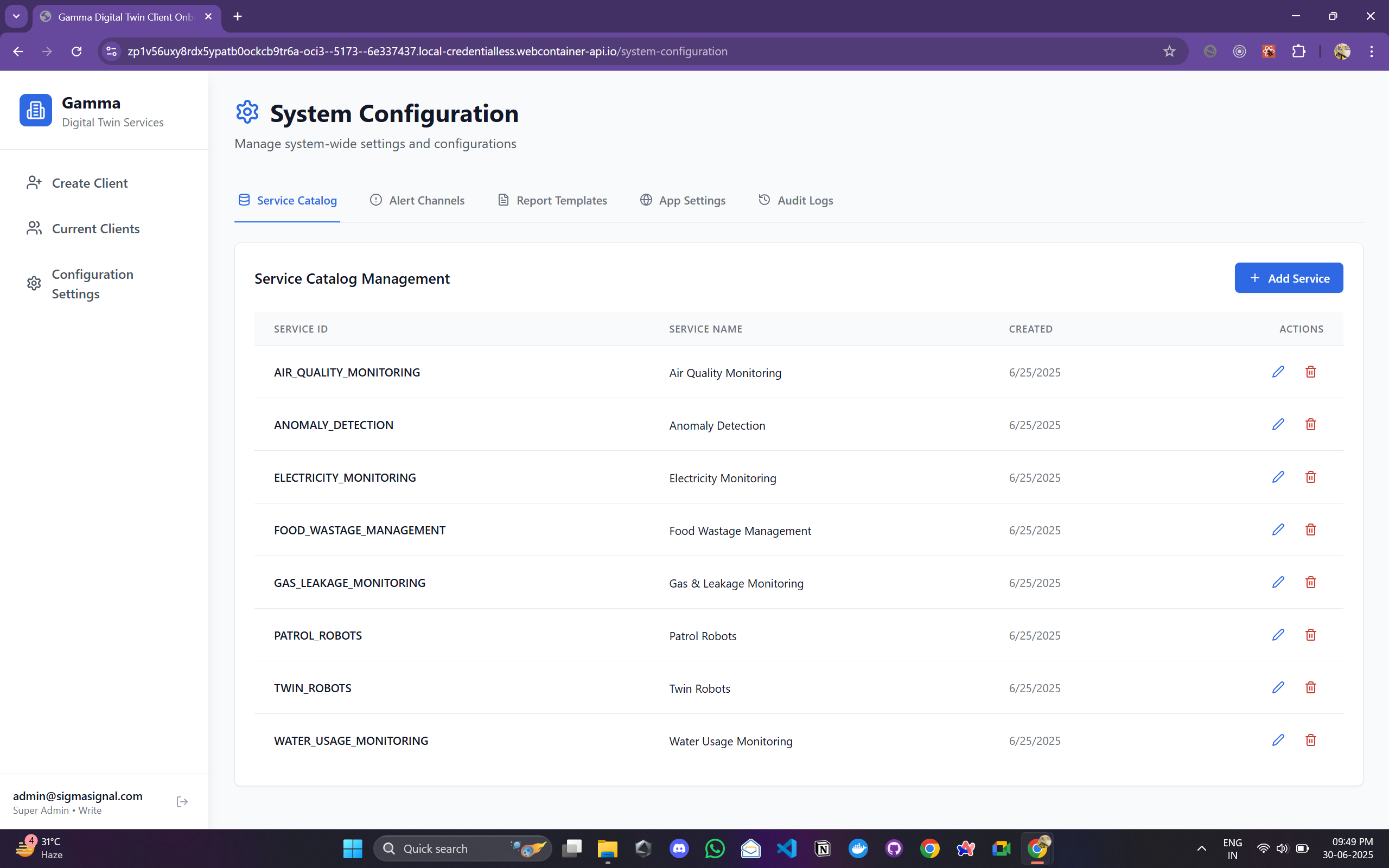
adding services as per client needs for their building
-
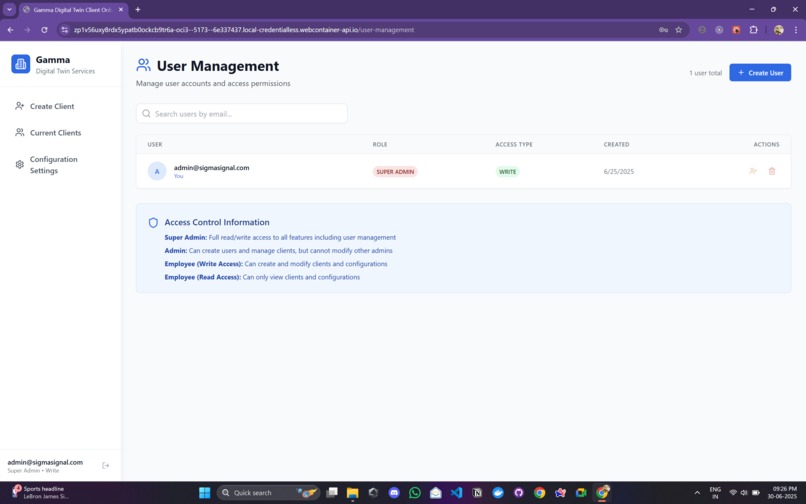
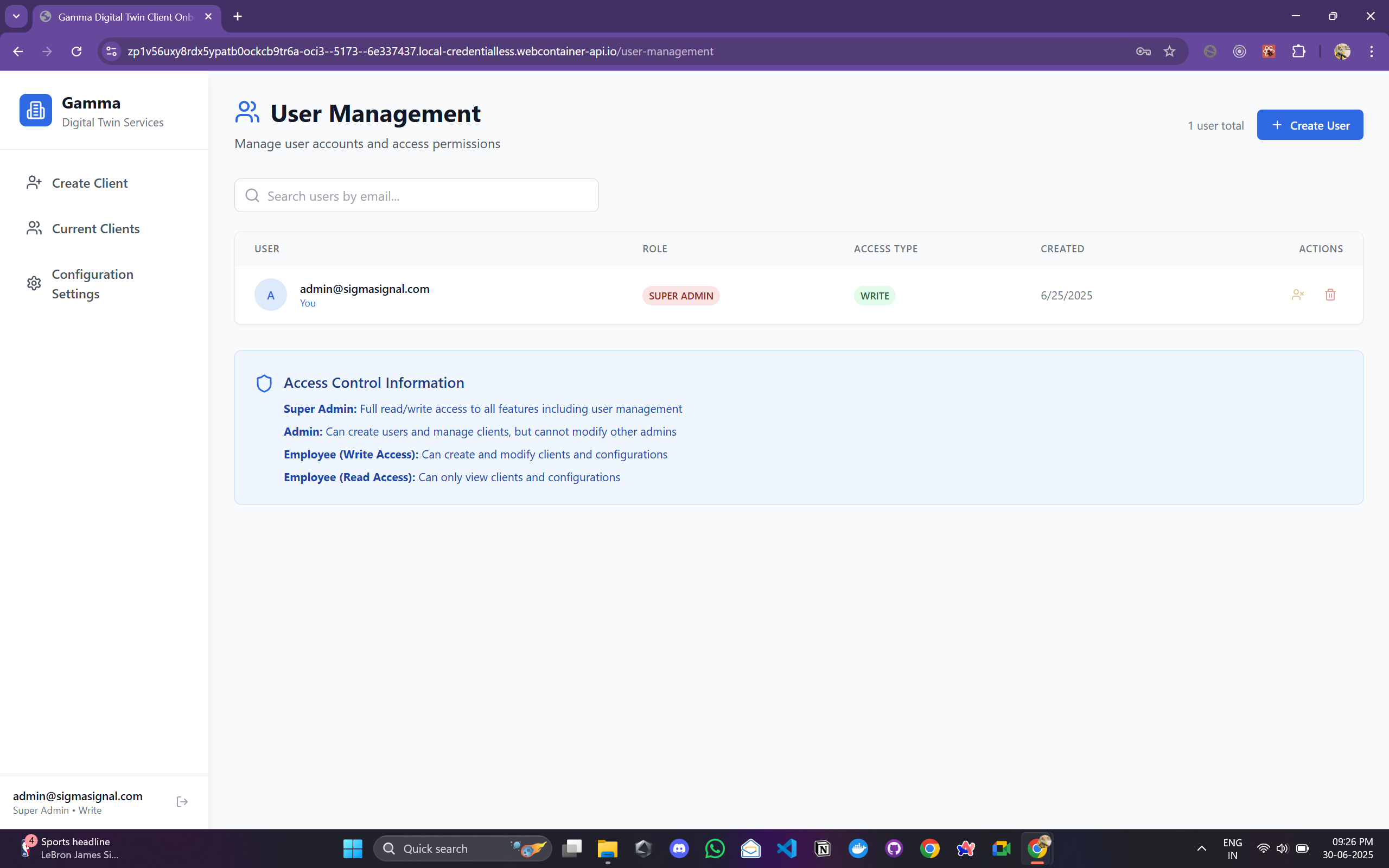
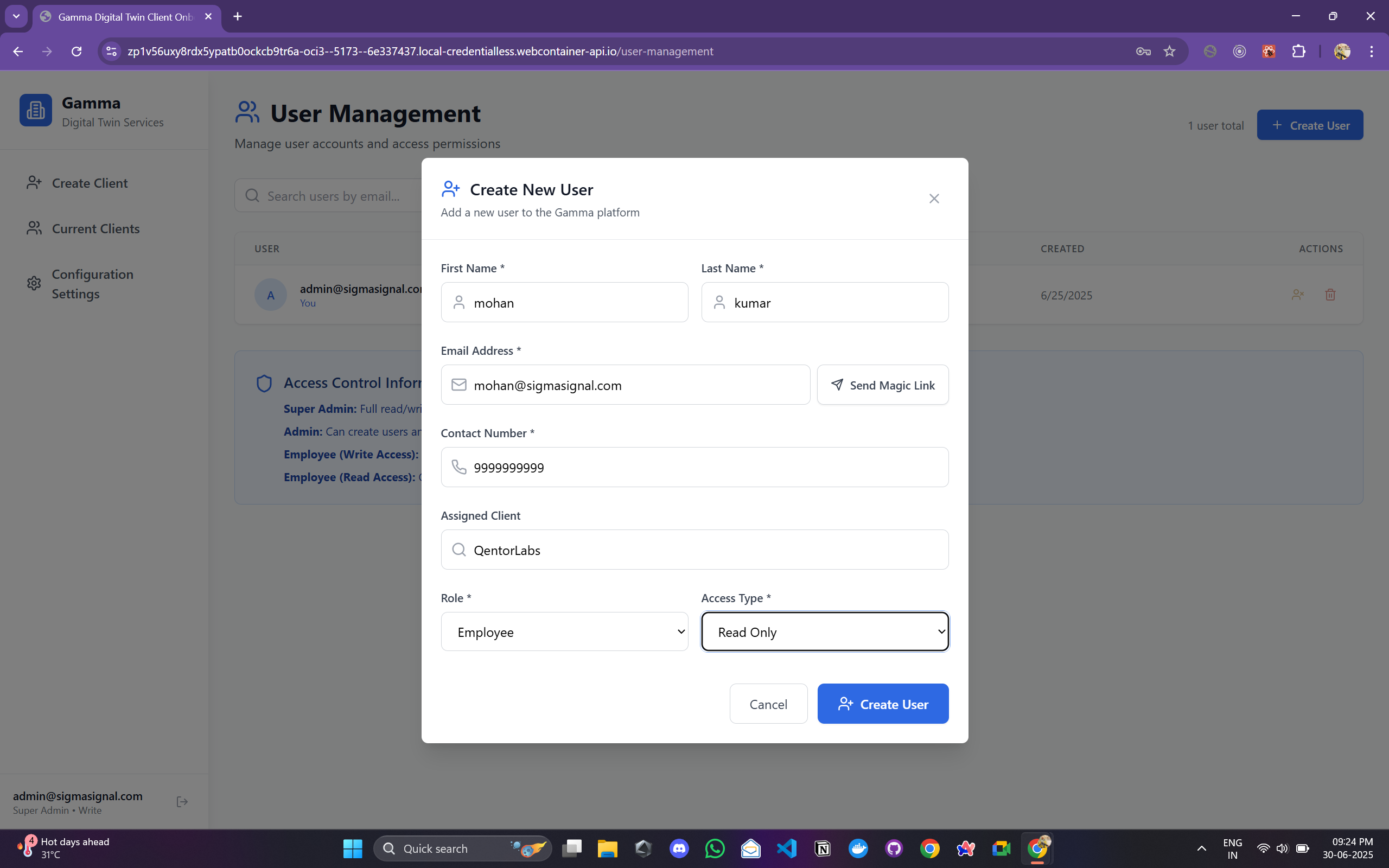
user management, access control panel
-
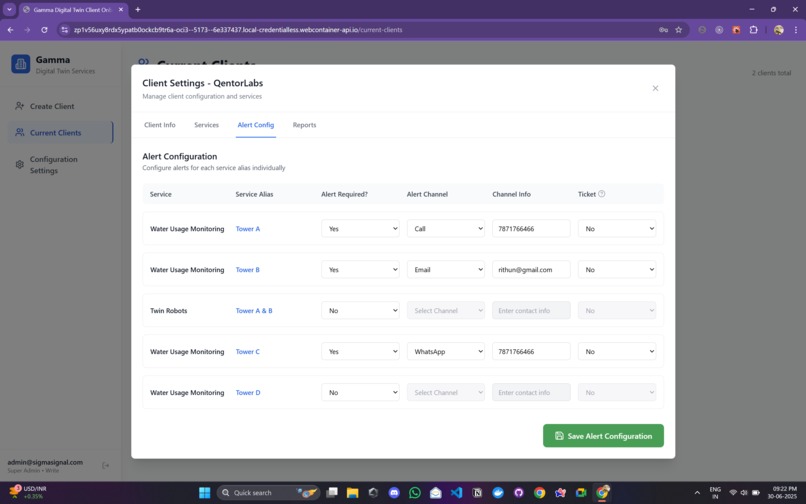
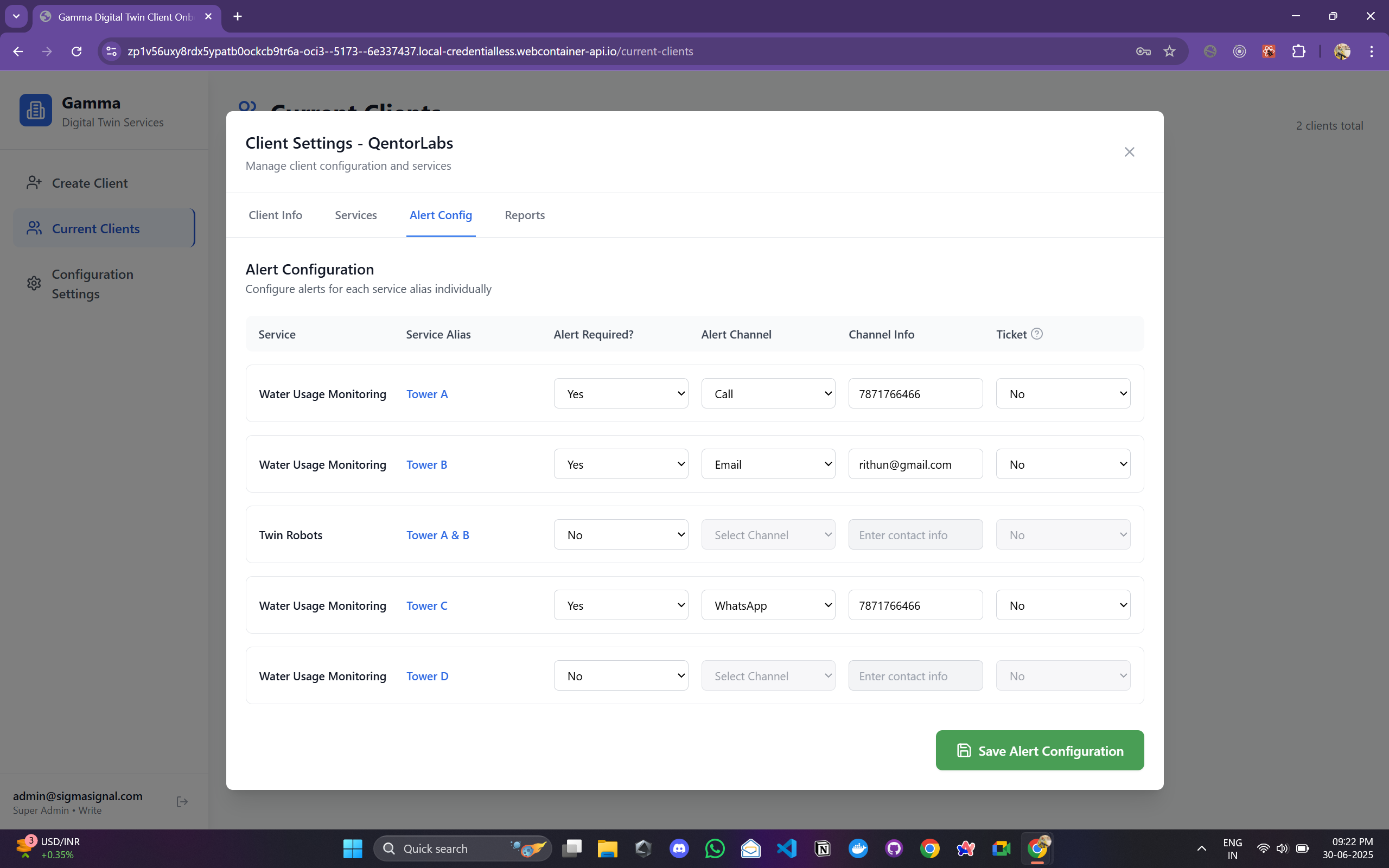
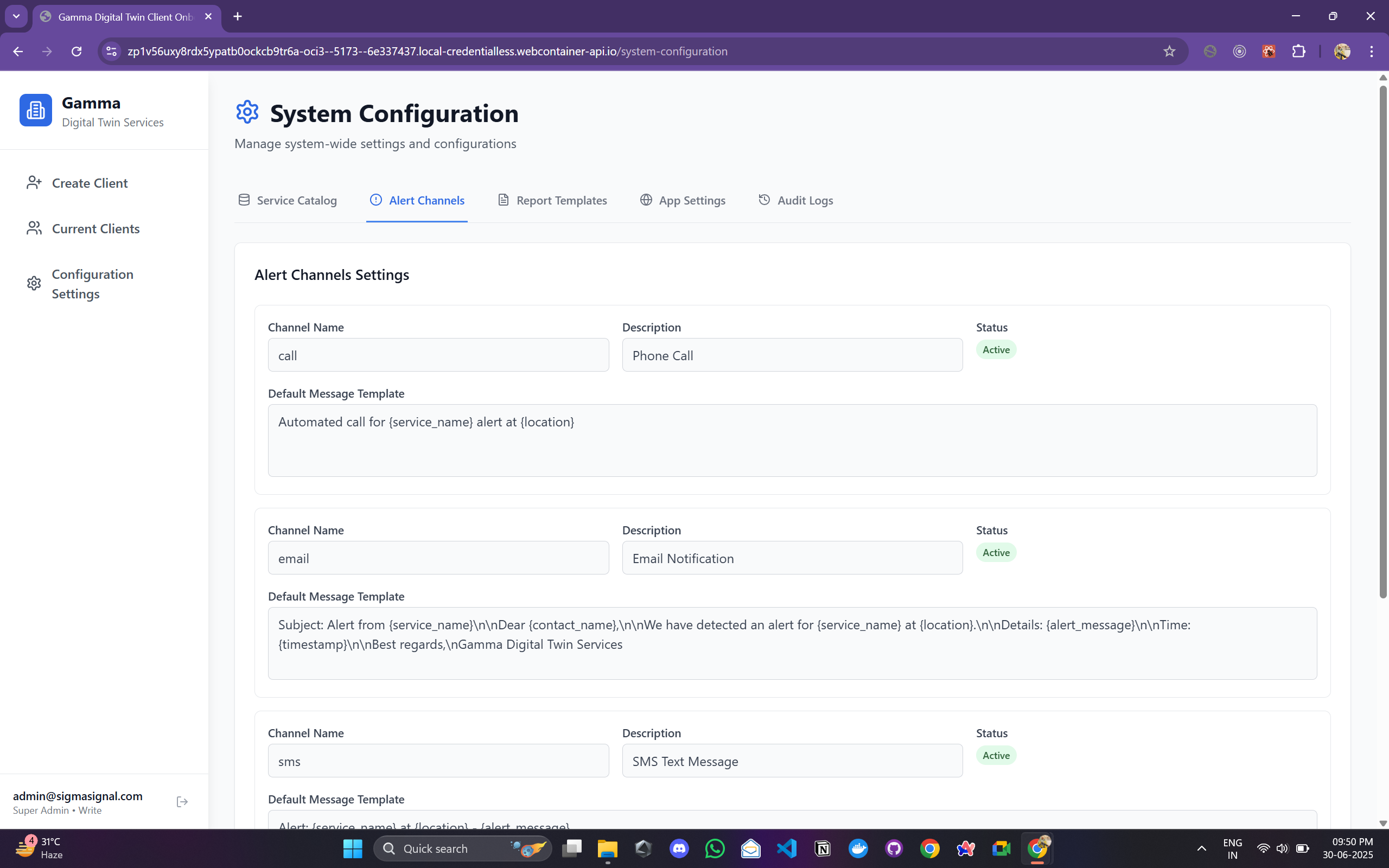
alert configuration as per client request
-
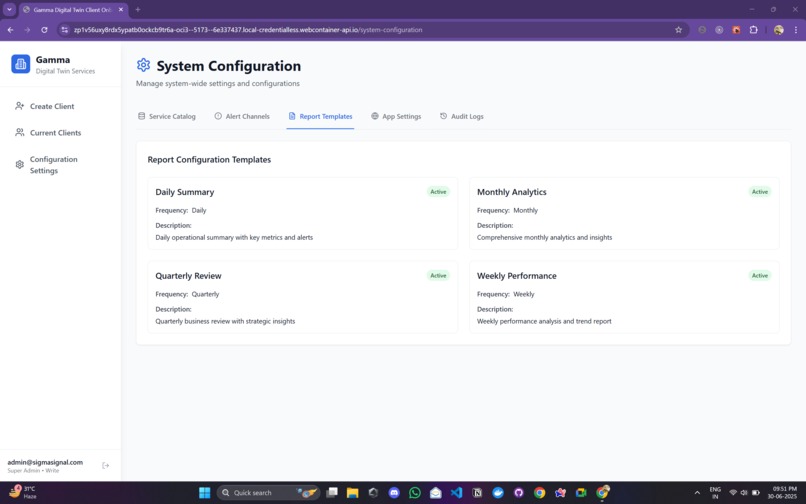
system configuration (app settings)
-
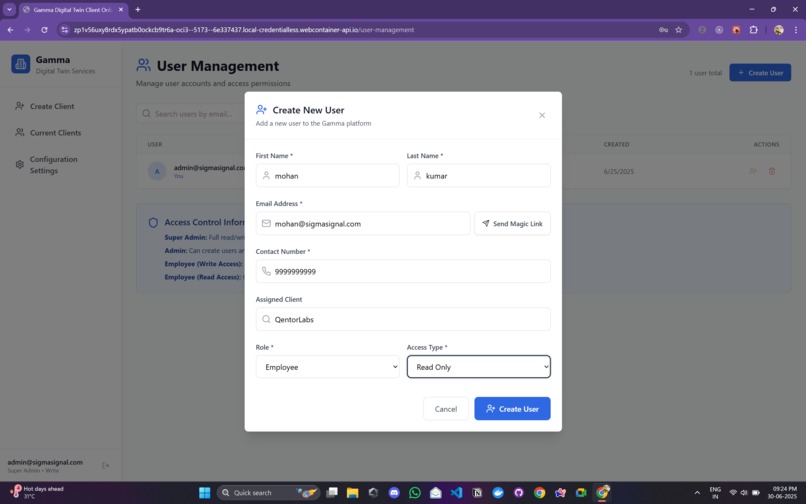
adding employee and giving them access to manage the assiged user
-
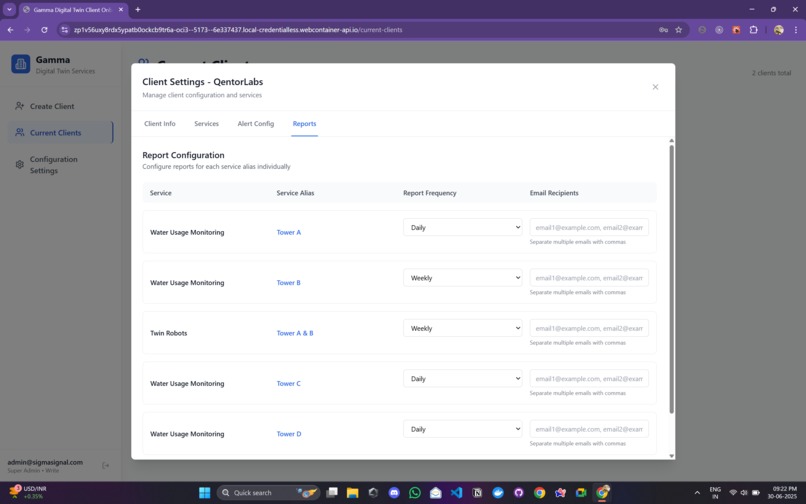
Reports and tickets raised as per the alert config
-
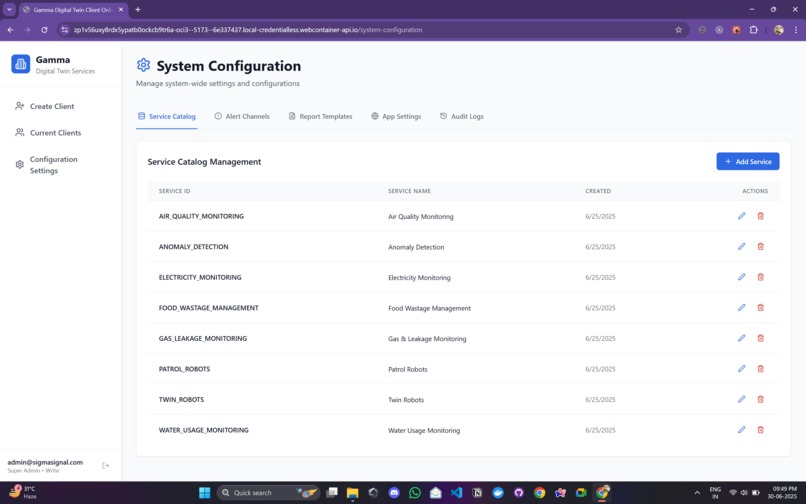
system configuration (service catalog)
-
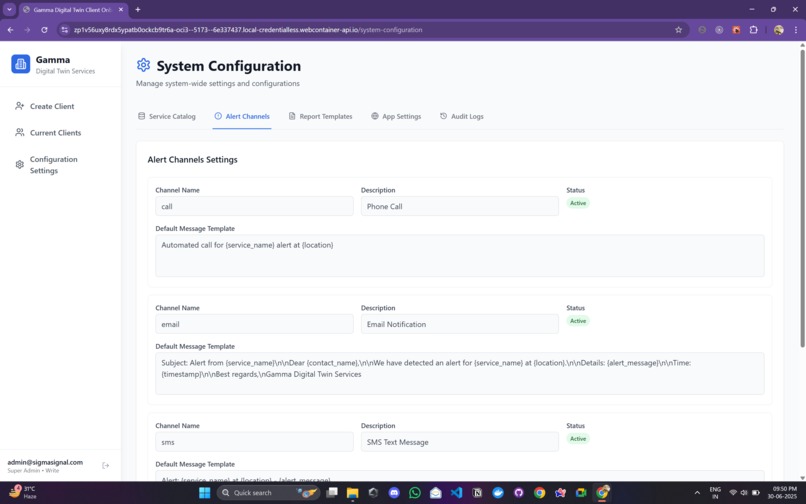
system configuration (alert channel)
-
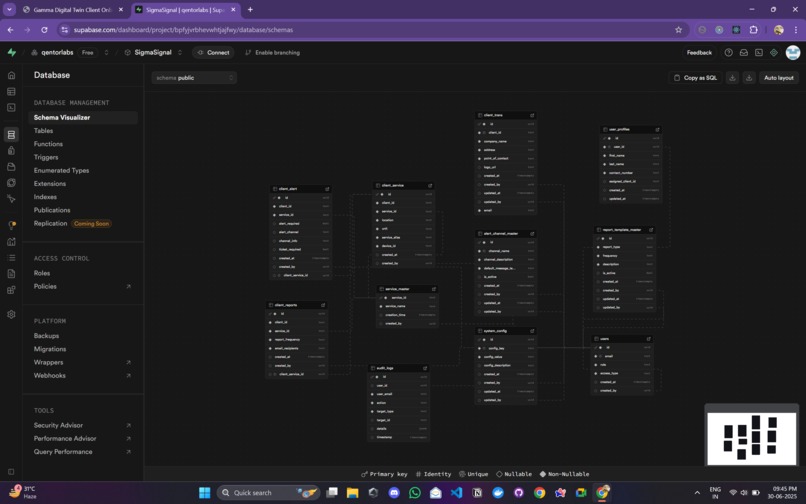
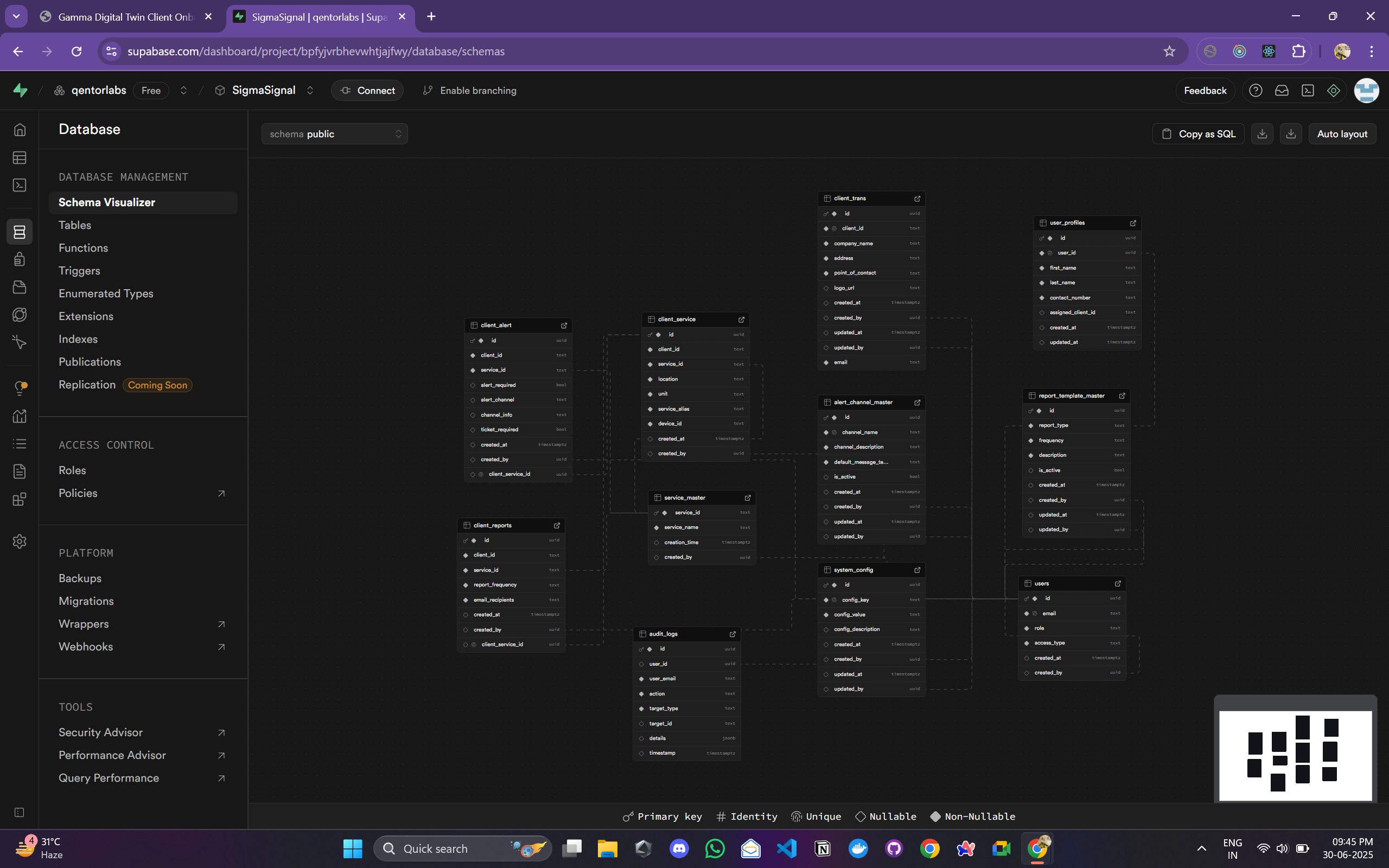
schema visual
Inspiration
This will help save lives, optimize electricity usage, ensure compliance, monitor air quality, raise anomaly alerts, reduce food wastage, and direct excess food to the needy.
What it does
The system collates data from various inputs. Using this data, it provides meaningful insights and triggers necessary actions—be it alerting an IOT device, activating a robot, or notifying a human operator—to prevent or respond to potential issues in real-time.
How we built it
We are building the application using Bolt.new for a responsive and intuitive frontend experience that works seamlessly across devices. The backend is powered by Supabase, which manages our authentication, database, and storage. Additionally, we integrate with various APIs and protocols to communicate with smart devices, sensors, and alert systems.
Challenges we ran into
Designing a modular and scalable configuration system for services, alerts, and reports was more complex than anticipated. Ensuring role-based access control and maintaining data integrity across multiple relational tables in Supabase also posed some difficulties. Balancing a clean user experience while offering rich configuration options required careful UI planning.
Accomplishments that we're proud of
We successfully created a unified onboarding and configuration workflow for clients that’s both powerful and user-friendly. We’re especially proud of how we’ve integrated service management, alert systems, and reporting—all configurable per client—within a single streamlined interface. The flexibility we’ve built into the system makes it ready to adapt to many types of buildings and use cases.
What we learned
We learned how crucial it is to design with scalability in mind from day one. Working with Supabase taught us the power and limitations of serverless architecture and how to implement secure and efficient data handling. We also realized the importance of designing UX that accommodates both technical users and everyday operators.
What's next for Sigma Signal
We’re looking to integrate real-time dashboards, expand our AI-driven anomaly detection capabilities, and build predictive insights to take action before issues even arise. We also plan to roll out mobile-native apps, support offline capabilities, and onboard more hardware partners to make Sigma Signal a central hub for smart building management.
Built With
- amazon-web-services
- bolt
- lambda
- supabase


Log in or sign up for Devpost to join the conversation.