-
-
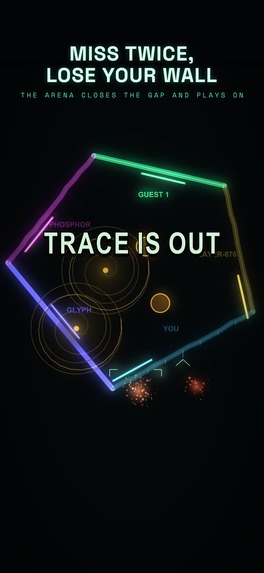
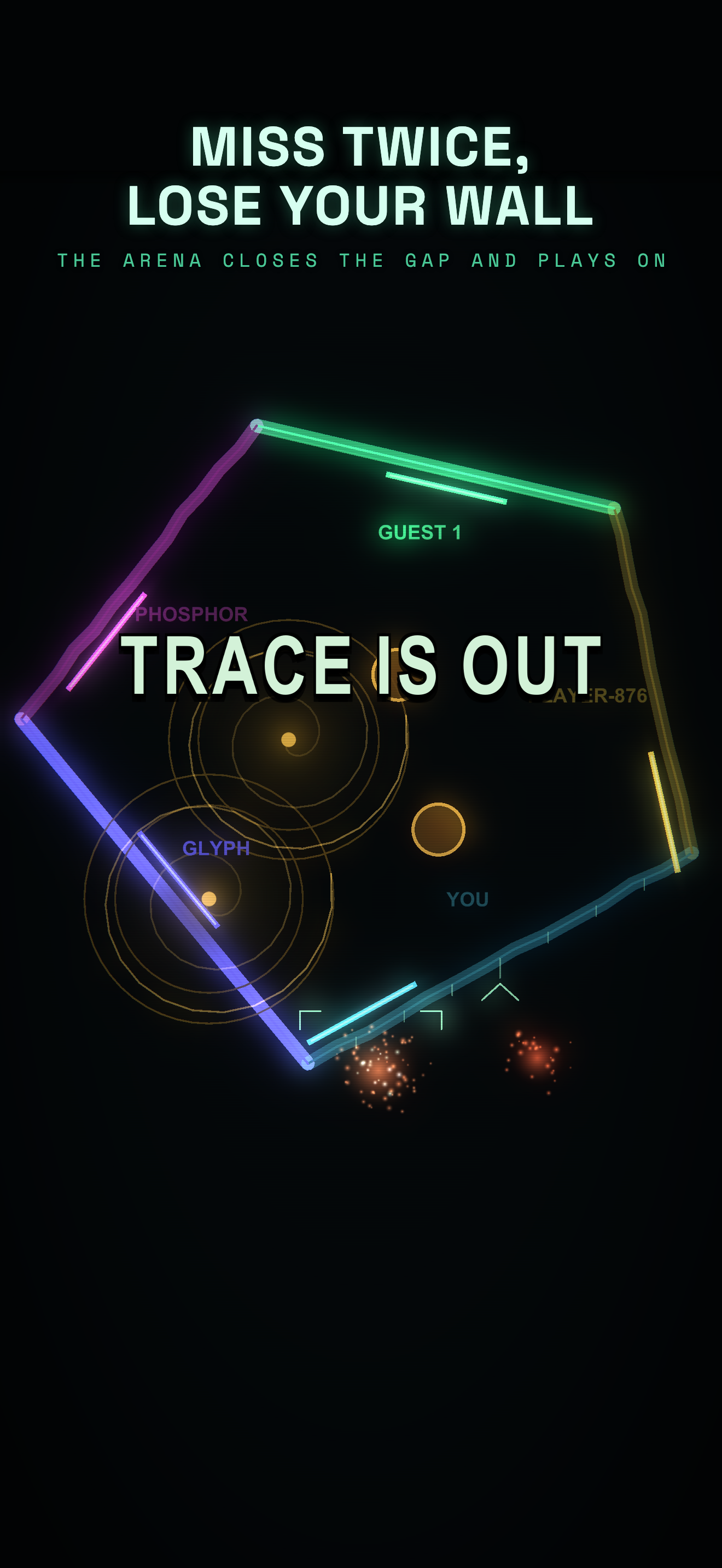
Miss and you lose your wall. The arena closes the gap and plays on.
-
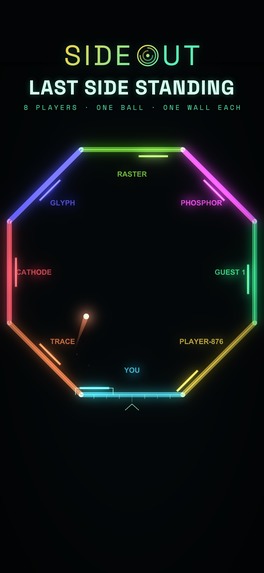
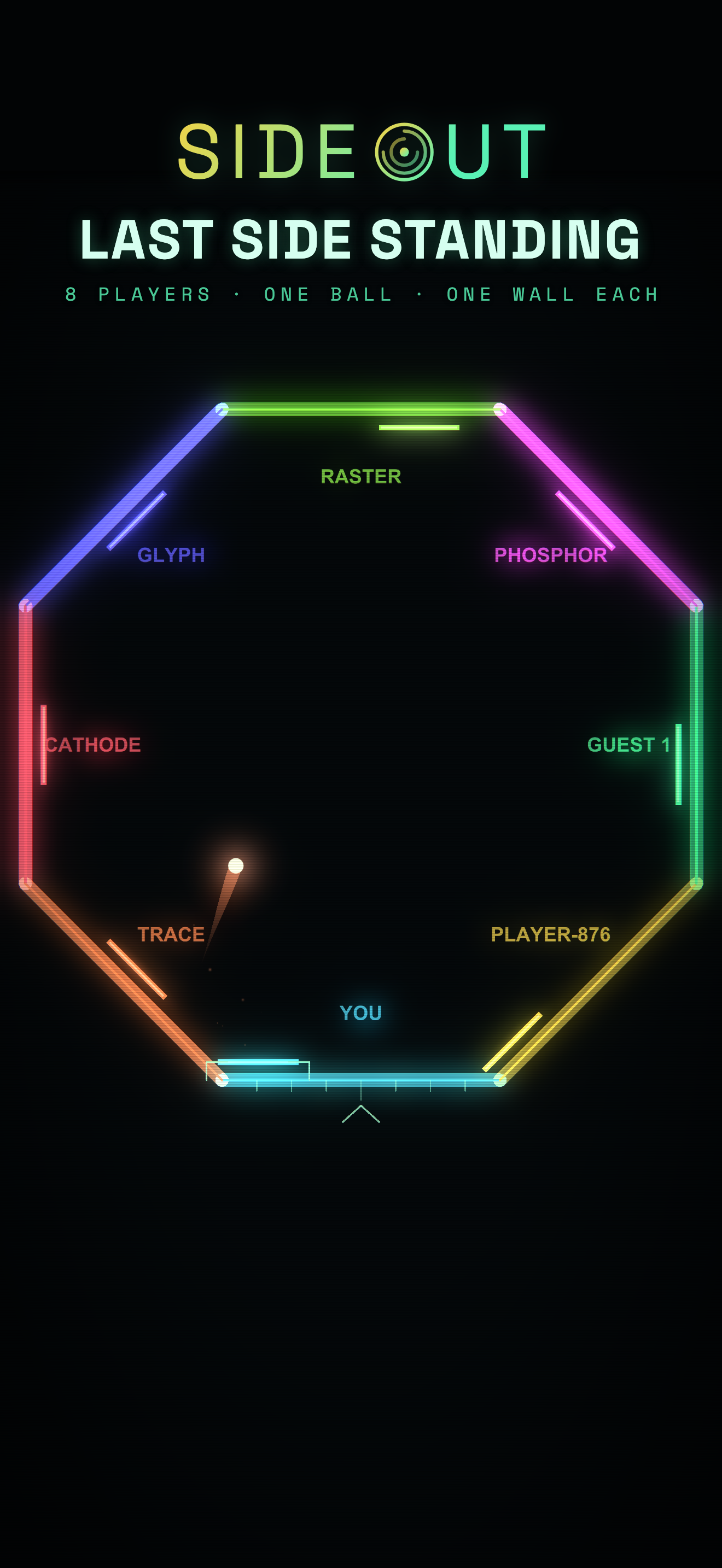
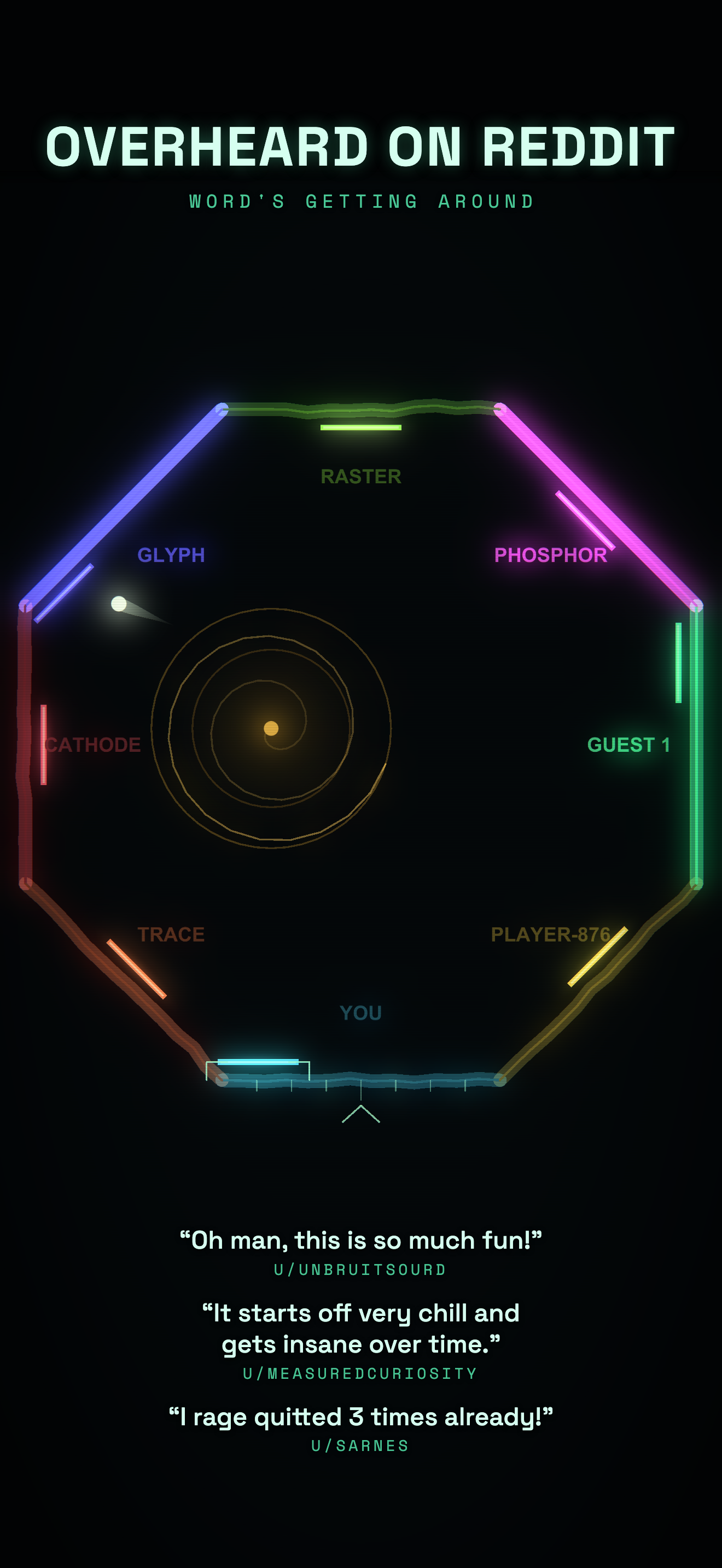
Last side standing: 8 players, one ball, one wall each.
-
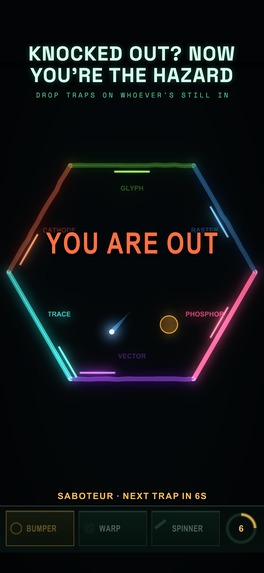
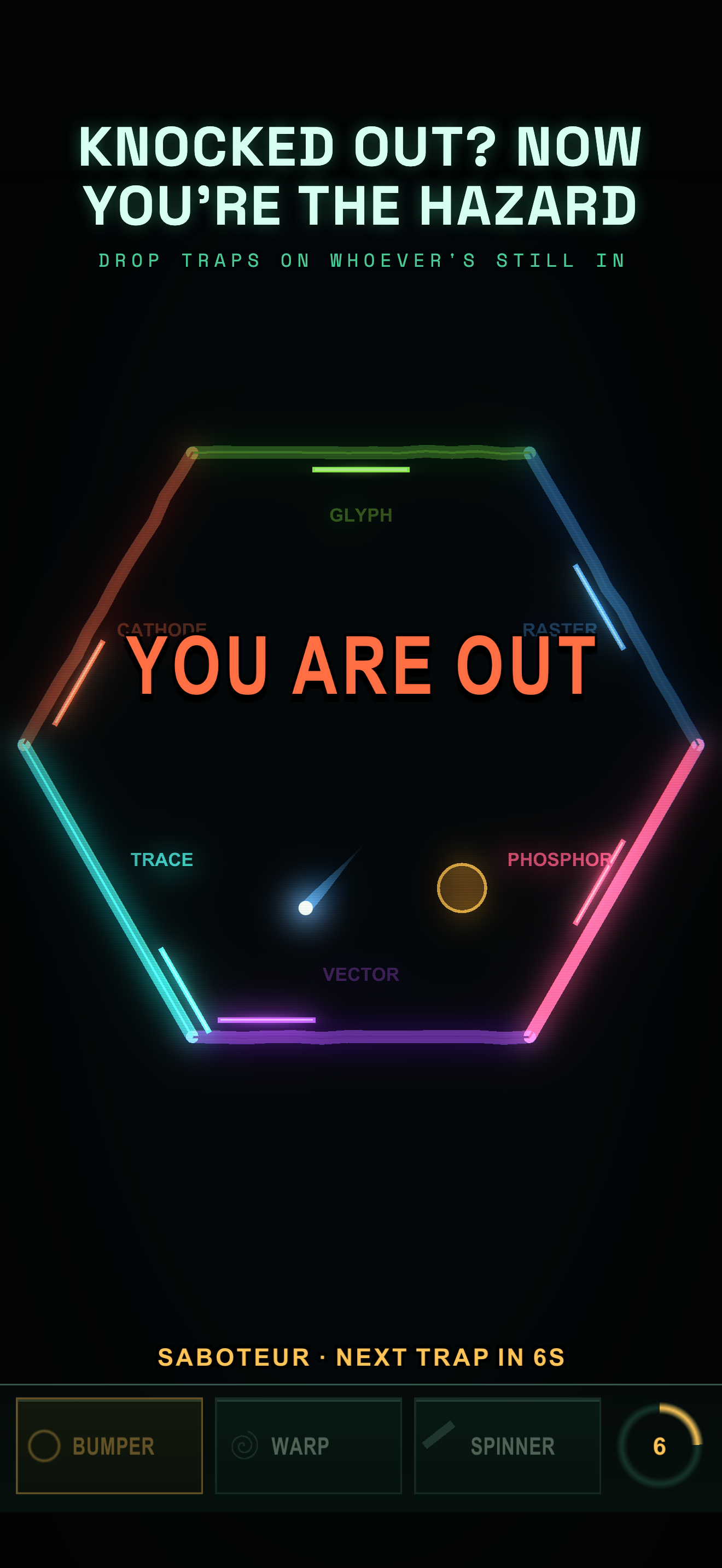
Knocked out? Now you're the hazard. Drop traps on whoever's still in.
-
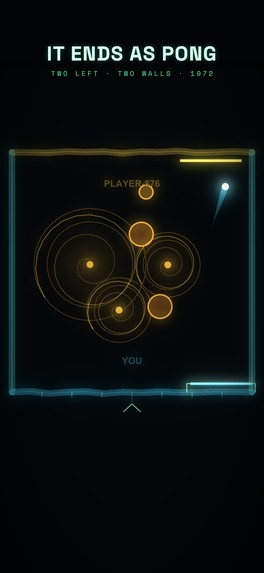
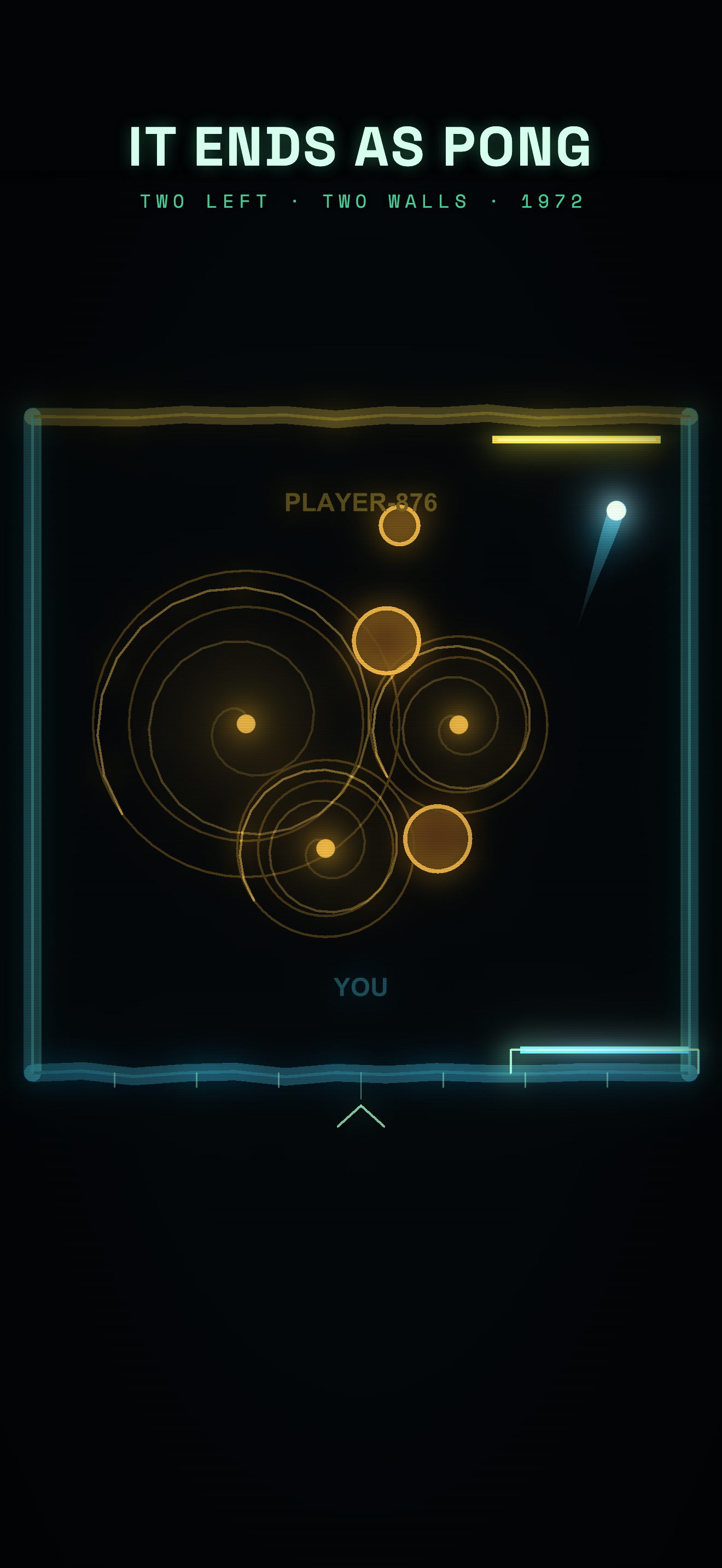
It ends as Pong: two players left, two walls, 1972 again.
-
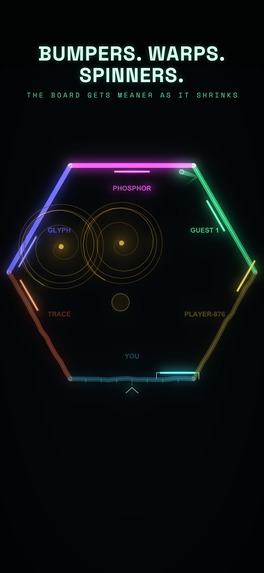
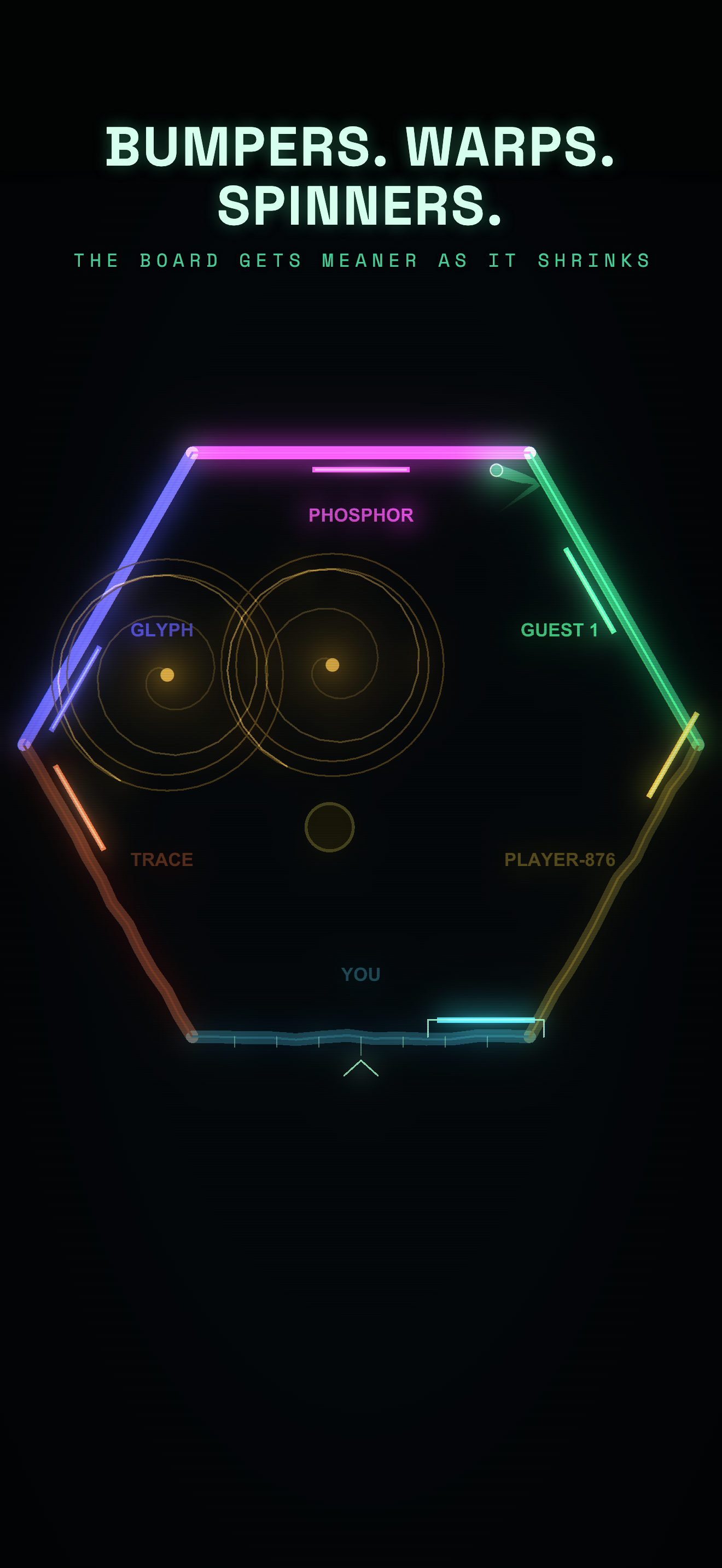
Bumpers, warps, spinners. The board gets meaner as it shrinks.
-
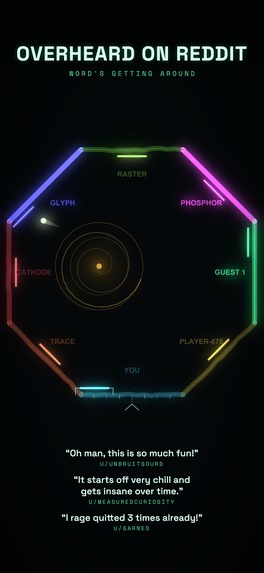
Overheard on Reddit from early players.
Inspiration
We loved playing Pong, and we wanted to give some twist to it, make it more fun with more adrenaline.
What it does
SIDE OUT is online survival Pong for up to 20 players. Every player owns one wall. Miss and your wall shatters, and the arena closes the gap: octagon, heptagon, hexagon…
Getting knocked out doesn't bench you. You become a saboteur and drop bumpers, warps and spinners onto the players still in, so the survivors get squeezed by the people they just beat. Rounds last a few minutes, empty seats fill with bots so a round always starts, and private rooms let you pull friends in with a code or a QR.
How we built it
The first version took an afternoon: canvas 2D, no engine, built with Claude Opus from a detailed plan. Plain neon geometry was a deliberate choice: we wanted the game to be memorable. A lot of time went into the mechanics and into making it fun.
We posted a one-minute clip, and the comments became our roadmap for the next seven weeks. Then we rebuilt it natively.
We didn't want the attention to fade while we built the app, so we opened presales on day one: a link in our bio and inside the web game to antics.gg/sideout-presale. Ko-fi first, then a RevenueCat web funnel, plus an email signup in the web game so every browser player hears when the app ships.
Challenges we ran into
Multiplayer is hard, and it gets harder the further apart players are. Eight people on different continents have different pings, but they all have to see the same ball.
Keeping it fair as the arena shrinks. The top Reddit comment (1K upvotes) asked for "a half-second warning which direction the ball will go." We measured it: the time from a serve reaching your wall went from 1.5 s at the start of a round to 0.29 s at the end, below human reaction time. Serves now launch eased, scale with the arena and show a ring where the ball will appear.
Getting enough humans in the same room. Bots fill empty seats so a round always starts, but the game is best against people, and filling rooms is still our biggest challenge. We keep trying new ways to bring players in. Two of the fun ones:
- An LLM opponent. We put JEV, the latest LLM, in the arena to play against web players. It was a fun experiment, but it didn't get the attention we hoped for.
- SIDE OUT in your terminal.
ssh ssh.antics.ggand you're in a live round, drawn in text, against the same players as the web and the app.
Accomplishments that we're proud of
A test game for our platform turned into something people asked to buy:
| Where | Result |
|---|---|
| r/IndieDev | 7,600 upvotes, 520K views |
| r/aigamedev | 1,700 upvotes, the sub's top post of all time |
| Instagram reel | 552K views |
Some of our favourite comments: "Just release it. Put it on mobile, put it everywhere." "I'd definitely buy it for family play." "Great game to break up friendships."
And people paid before it existed: 6 presales on Ko-fi, then a few more through the RevenueCat web funnel.
What we learned
Posting the rough version early was a great decision: it validated the idea. But we wish we'd opened the presale sooner, so we'd have had more revenue to invest in ads.
What's next for Side Out
Finalizing iOS and steam listing, then investing in paid channels like ads using the videos that have already proven to work and adding cosmetics.

Log in or sign up for Devpost to join the conversation.