Inspiration
In emergencies, every second matters. But emergency reporting still often depends on voice calls, even when the reporter is panicking, injured, unsafe to speak, or unable to explain the situation clearly. At the same time, human operators may be busy handling other calls and still need to manually extract key information before dispatch can happen.
We built SIAGA because safety is not only about having emergency services. Safety is about whether people can reach them when every second matters.
What it does
SIAGA is an AI-powered emergency communication layer that improves the first mile of emergency response.
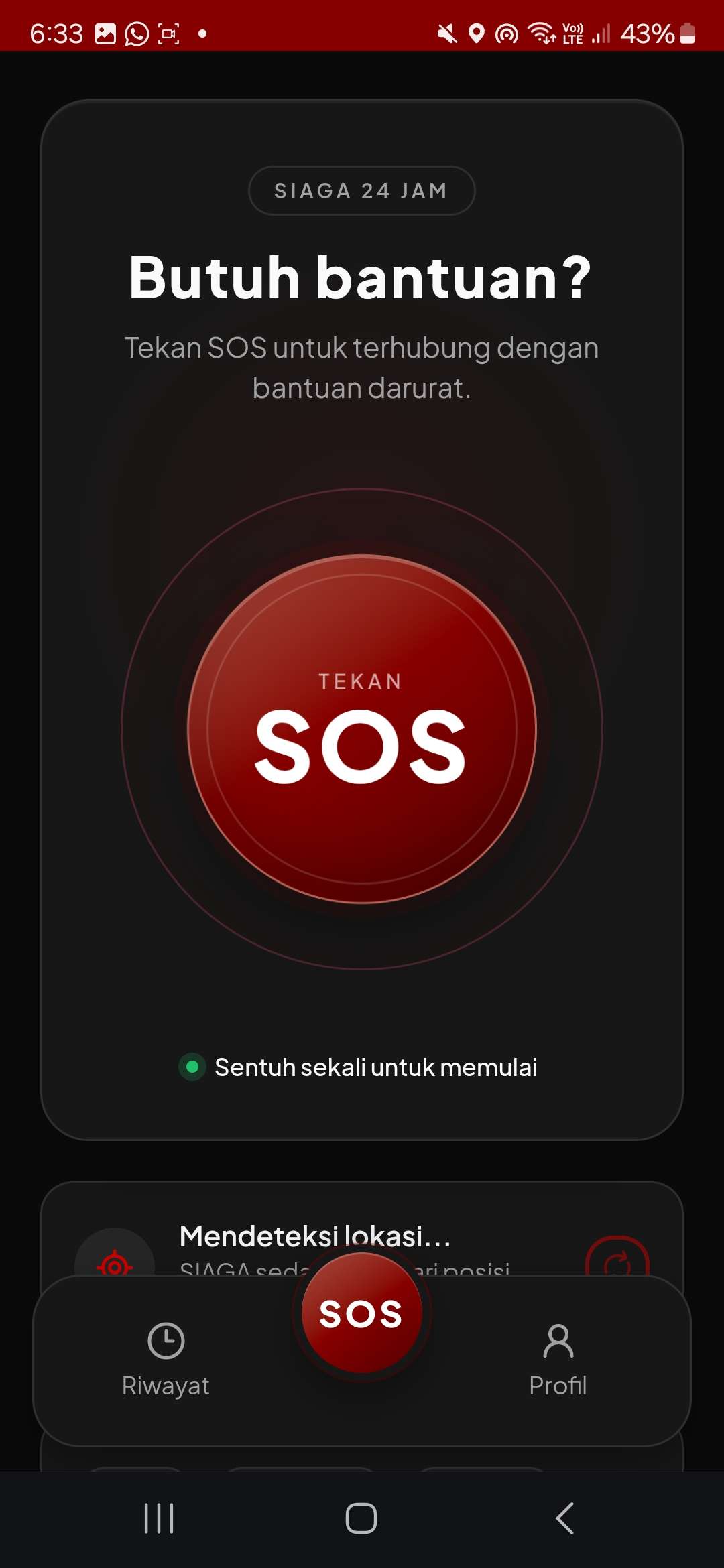
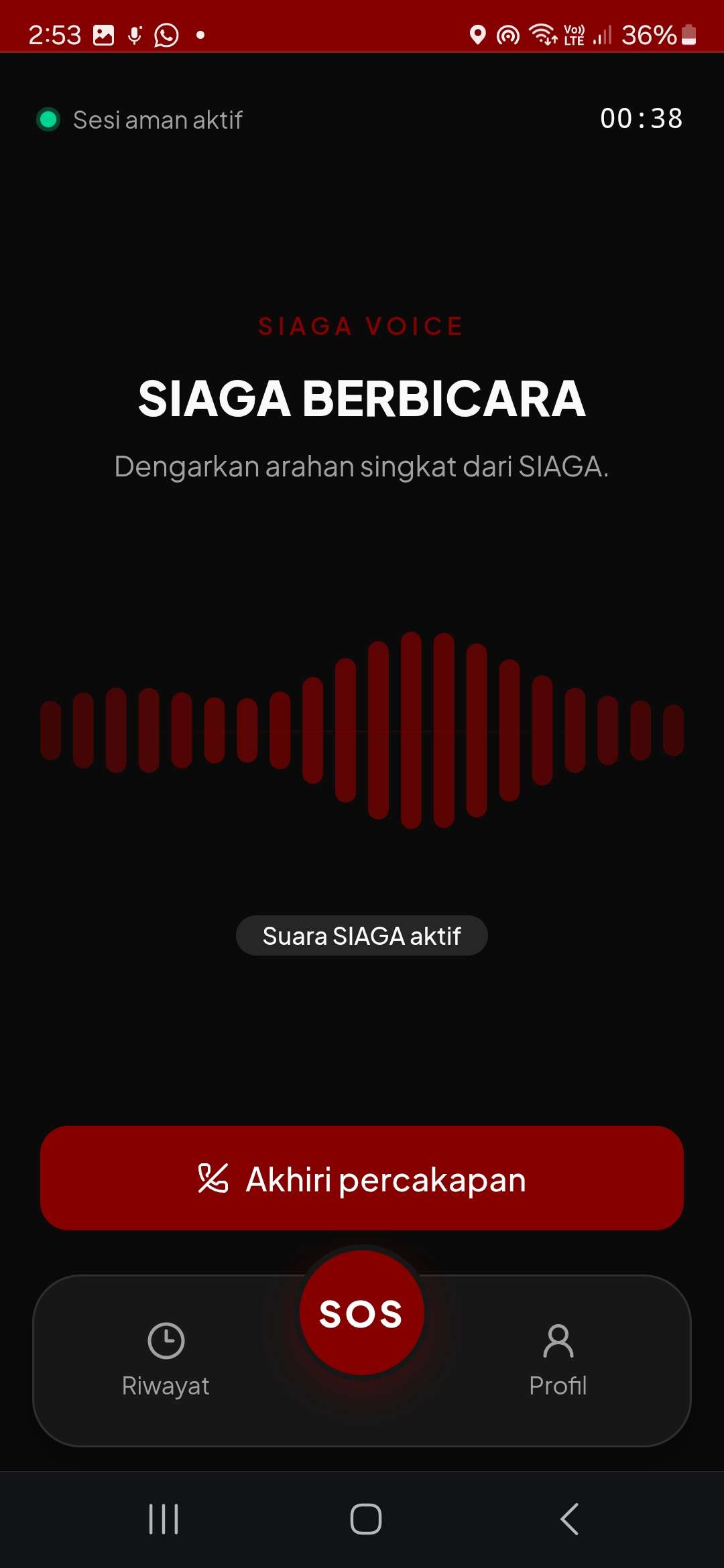
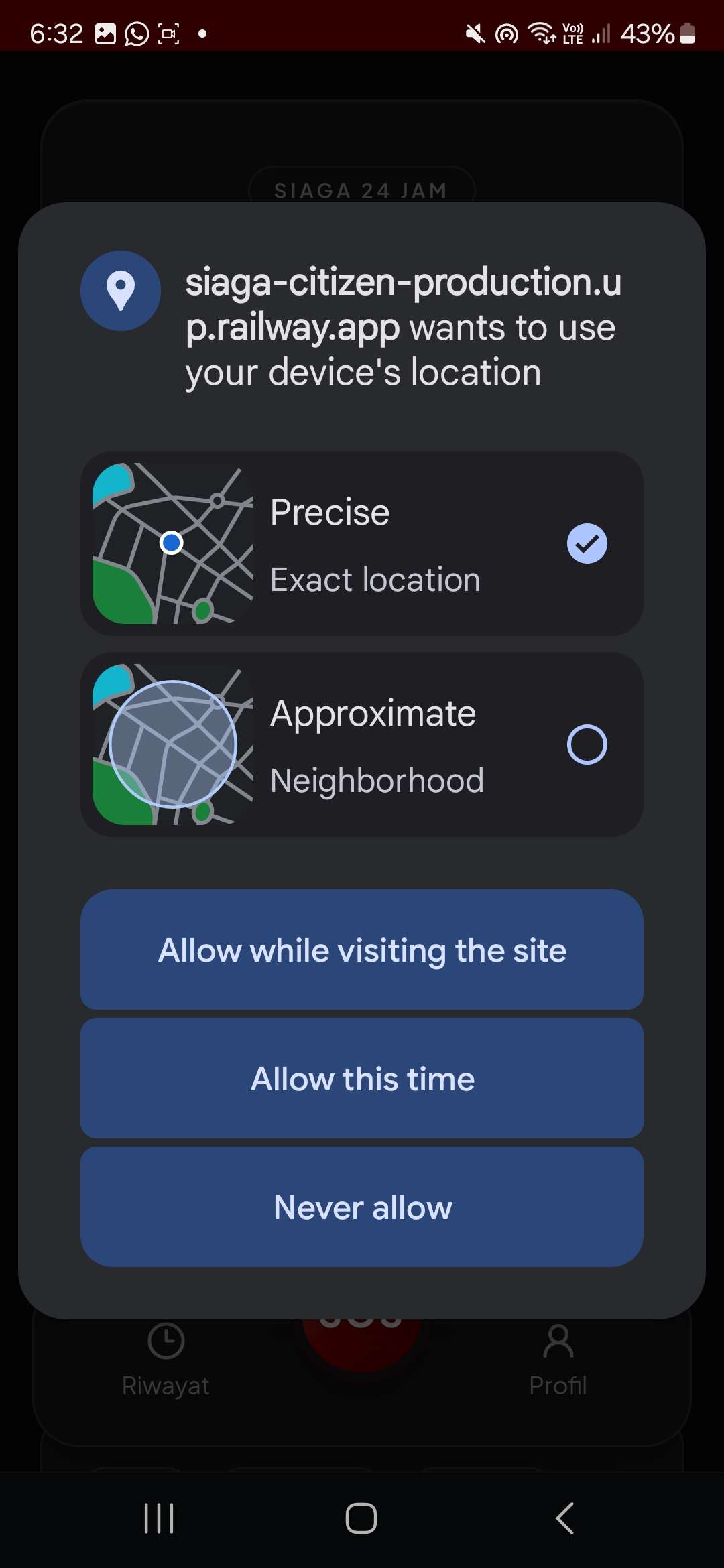
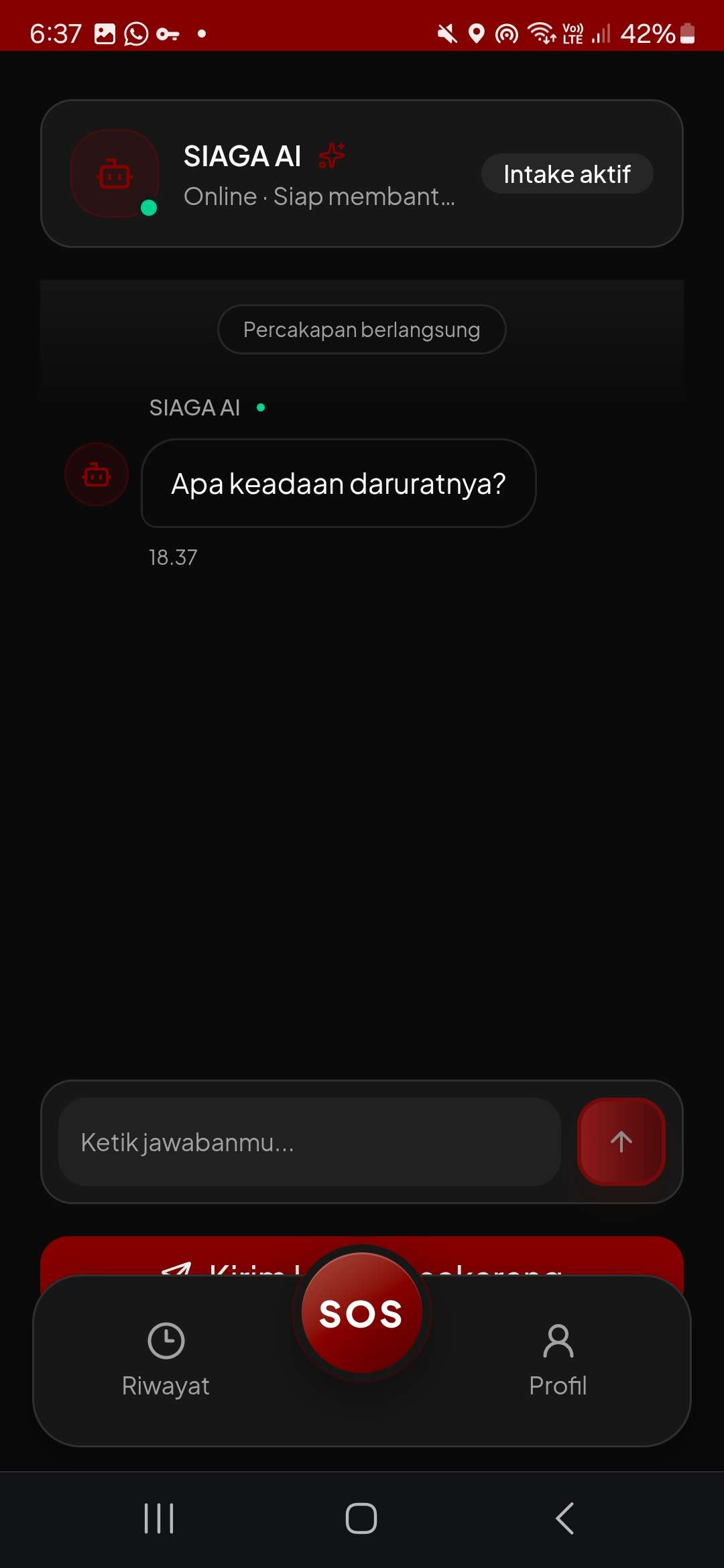
When a reporter presses SOS, they are connected to an AI voice/chat agent, especially when human operators are busy. The reporter can speak, type, switch between voice and chat, and share emergency profile data. SIAGA then turns every input into a structured incident packet for the operator dashboard.
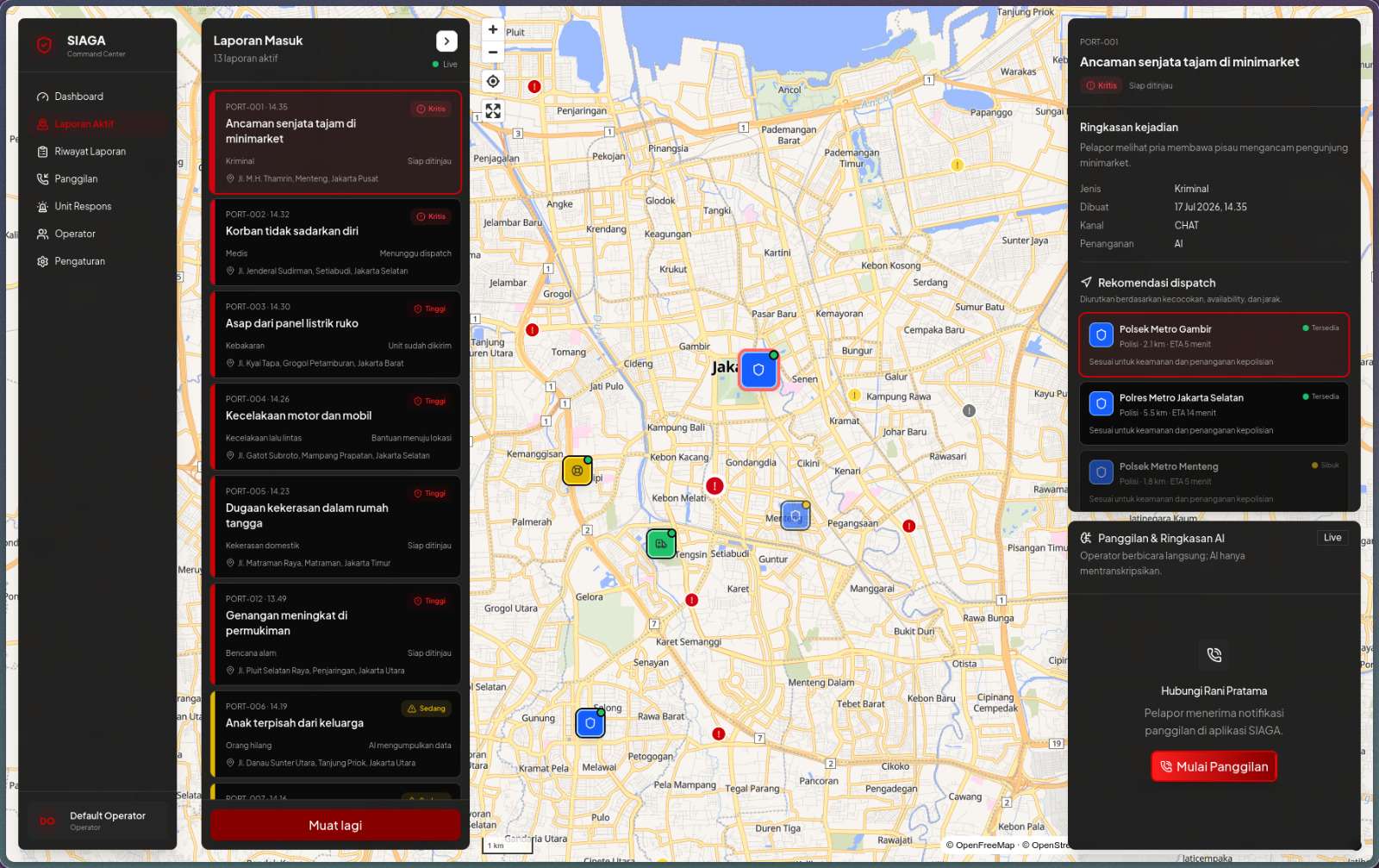
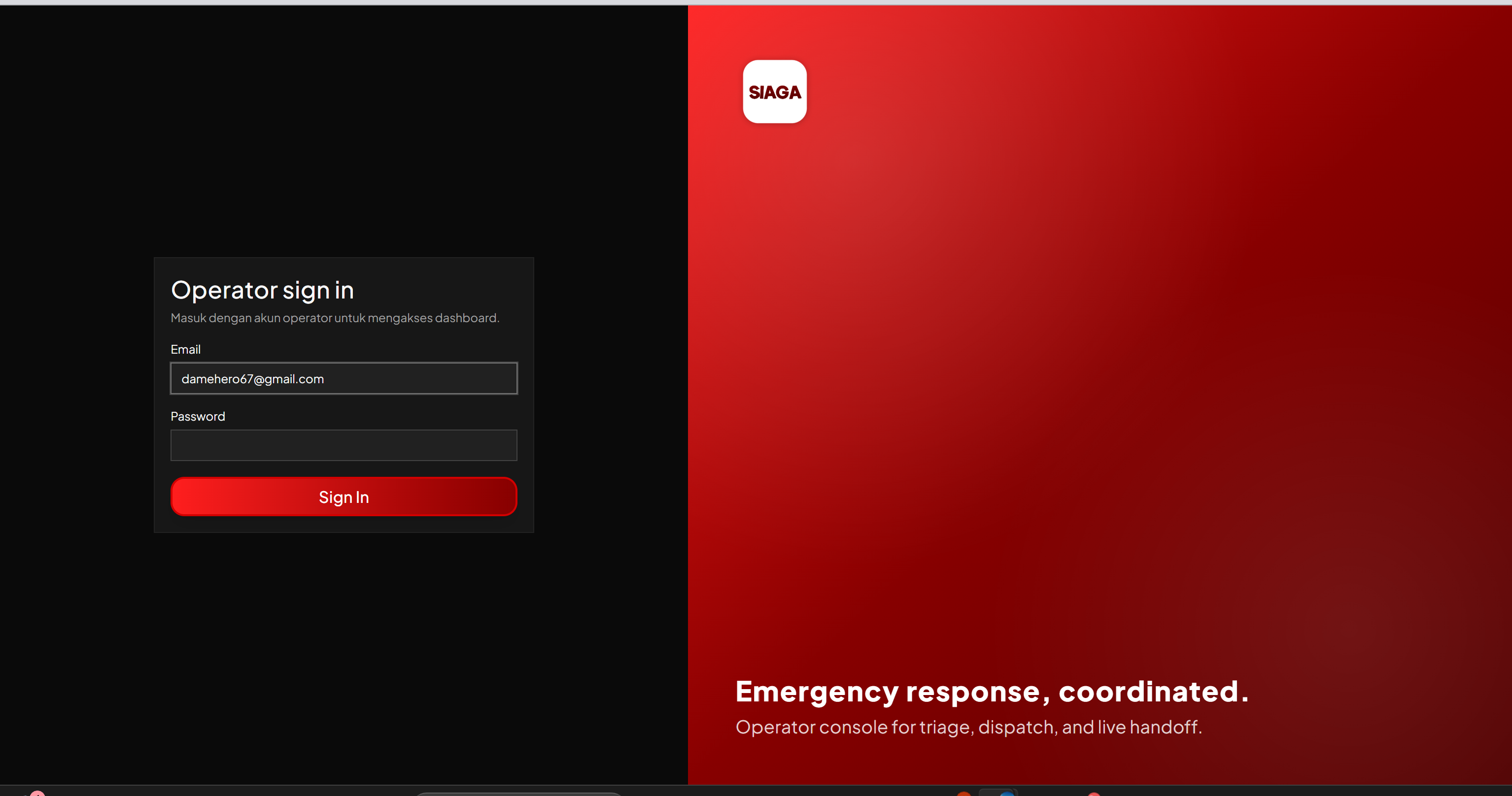
For operators, SIAGA provides a real-time dashboard with the incident category, severity, summary, missing information, validity/prank-risk flag, and recommended response unit. Human operators can review the report, jump in if needed, and dispatch the appropriate service faster.
How we built it
We built SIAGA as a two-sided system: a reporter app and an operator dashboard.
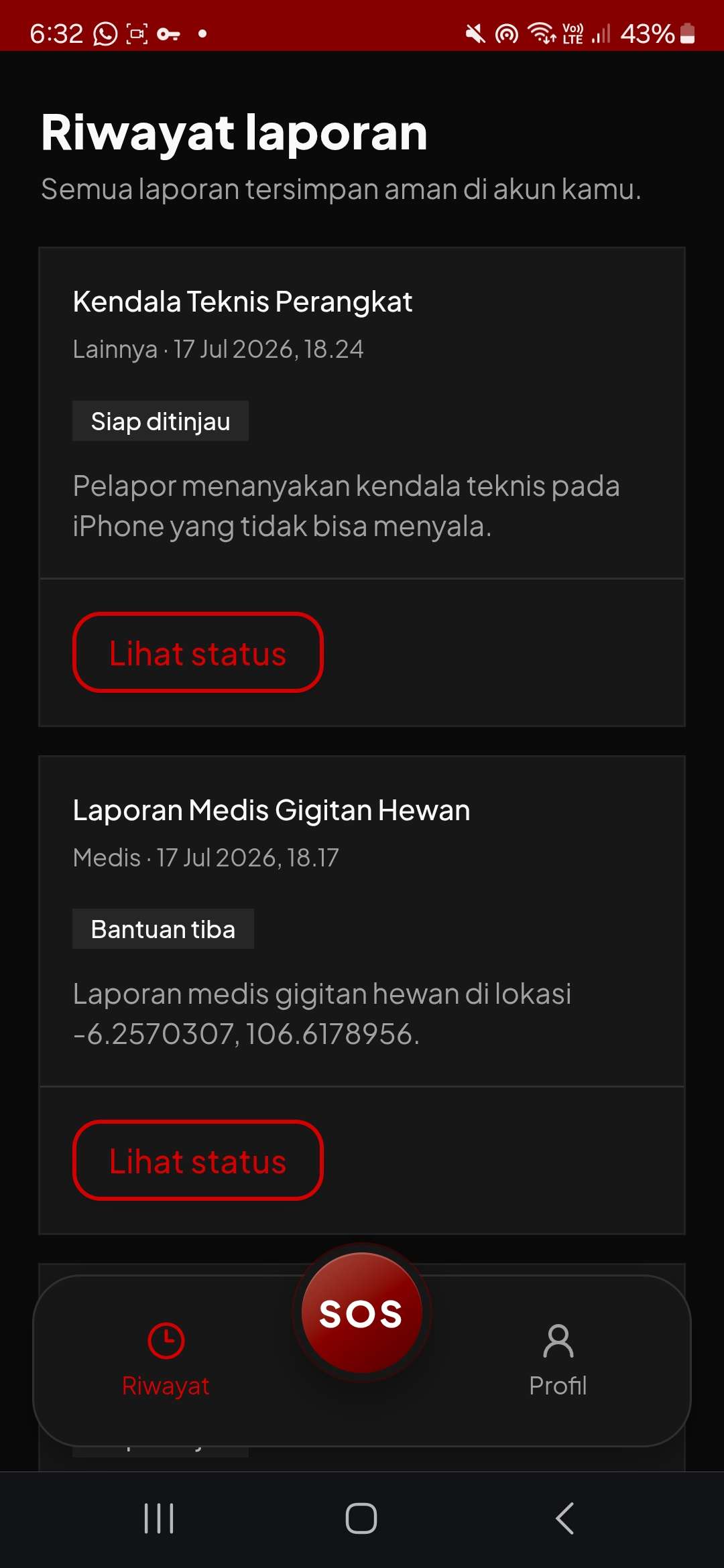
On the reporter side, users can press SOS, connect to an AI voice/chat agent, switch between voice and chat, and see progress updates. On the operator side, every report appears as a real-time incident card.
Each reporter input is treated as an event. These events are processed by an AI layer that generates a structured incident packet. The dashboard then updates with category, severity, summary, missing information, prank-risk/validity score, and dispatch recommendation.
Our prototype uses a modern web stack with a real-time database, AI voice/chat interaction, and an operator dashboard designed for emergency intake workflows.
Challenges we ran into
One challenge was balancing ambition with feasibility. A full emergency response system would require integration with official services, real dispatch protocols, identity verification, and robust safety governance. For the hackathon, we focused on the core proof of concept: SOS, AI voice/chat intake, structured incident packets, real-time dashboard updates, and simulated dispatch.
Another challenge was deciding how much authority the AI should have. We designed SIAGA so the AI supports intake, guidance, and summarization, but does not replace human operators. The human operator remains the final decision-maker
Accomplishments that we're proud of
We are proud that SIAGA demonstrates a clear end-to-end emergency reporting flow: from SOS to AI intake, from reporter voice/chat input to structured operator dashboard, and from operator review to dispatch simulation.
We are also proud of the product positioning. SIAGA is not just another SOS button or chatbot. It is a communication layer that helps reporters give clearer information and helps operators receive reports that are easier to understand, prioritize, and act on.
What we learned
We learned that emergency response is not only about dispatch speed. It also depends on the quality of the first report. If the first report is unclear, incomplete, or delayed, the whole response can slow down.
We also learned the importance of human-in-the-loop design. In high-stakes systems, AI should assist, structure, and prioritize information, but final decisions should remain with trained human operators.
What's next for SIAGA
Stronger AI safety guardrails, multilingual support, better prank/validity detection, and integration with official emergency workflows.
We also plan to expand the operator dashboard , escalation rules, and human operator jump-in through voice or chat. Long term, SIAGA can become a B2G public safety infrastructure layer for local governments and emergency command centers.
Built With
- elevenlabs
- gemini
- honojs
- livekit
- postgresql
- railway
- reactrouter
- trpc
- upstateredish
- vapid

Log in or sign up for Devpost to join the conversation.