-
-
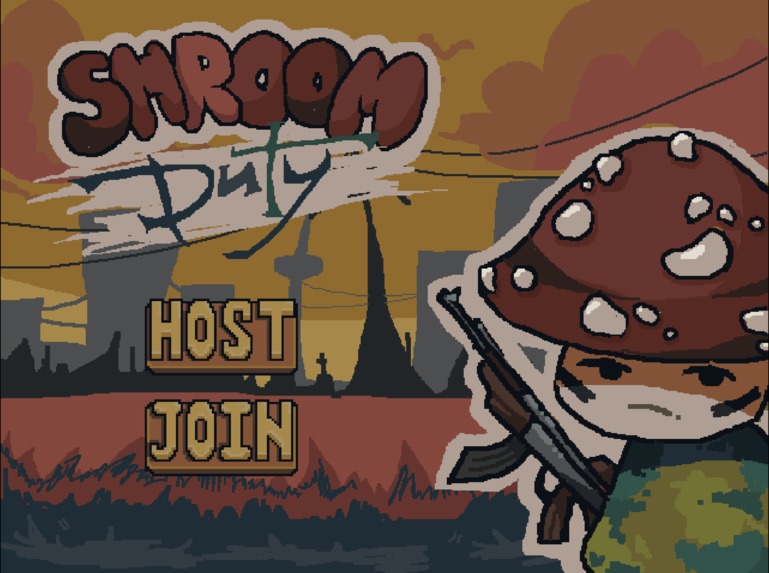
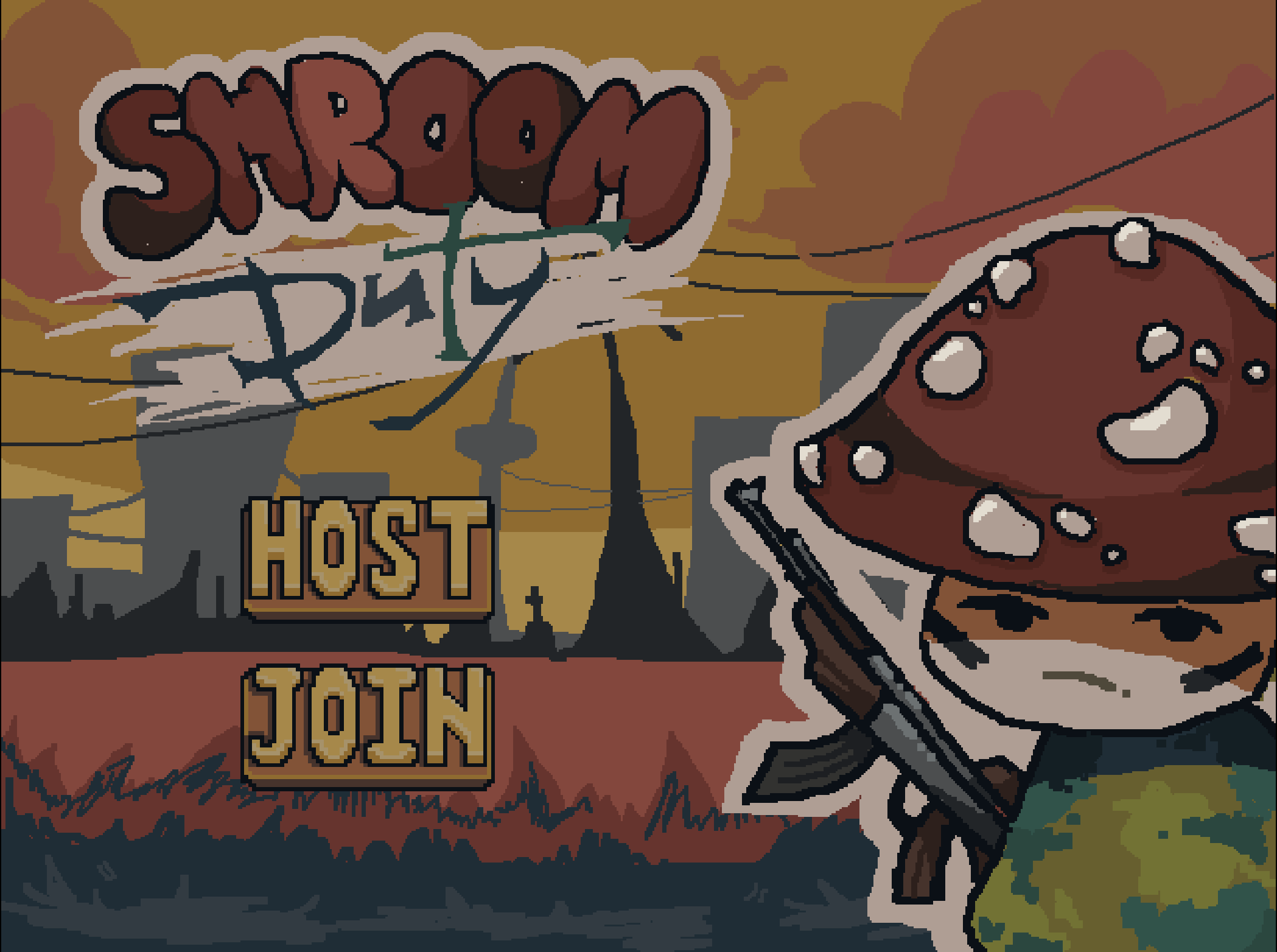
Title Screen
-
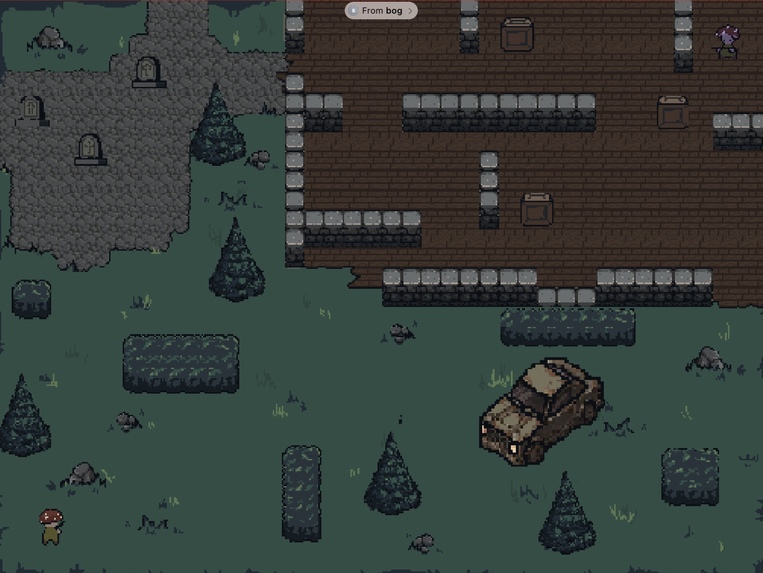
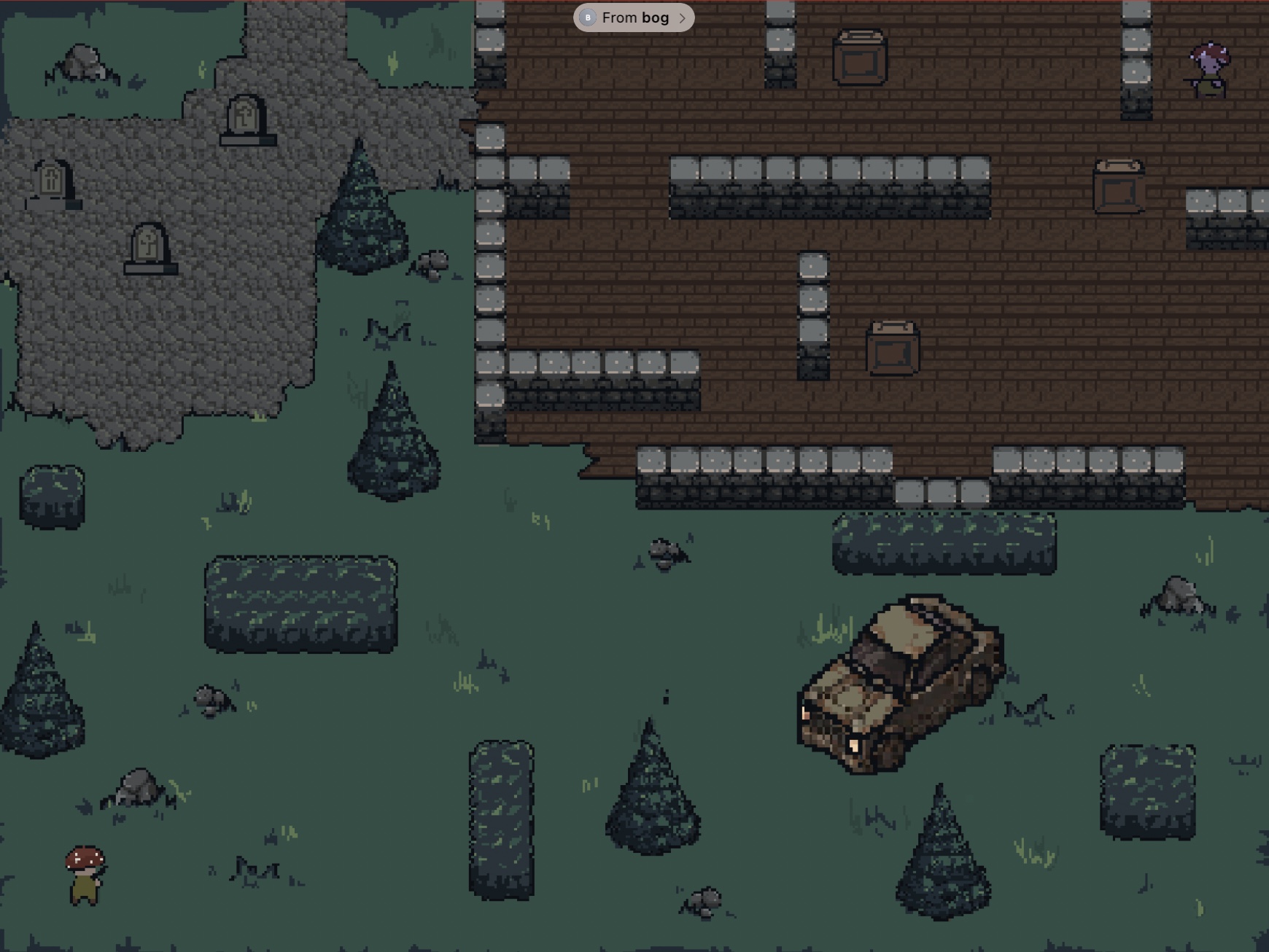
Arena
-
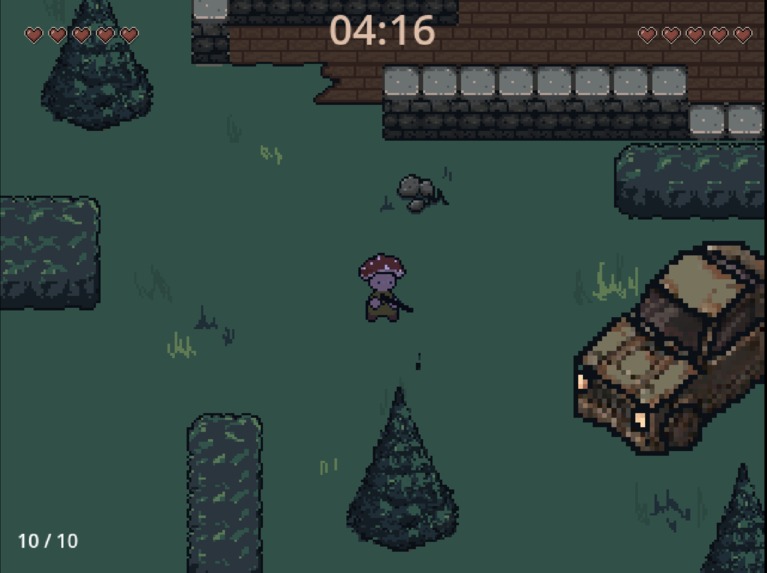
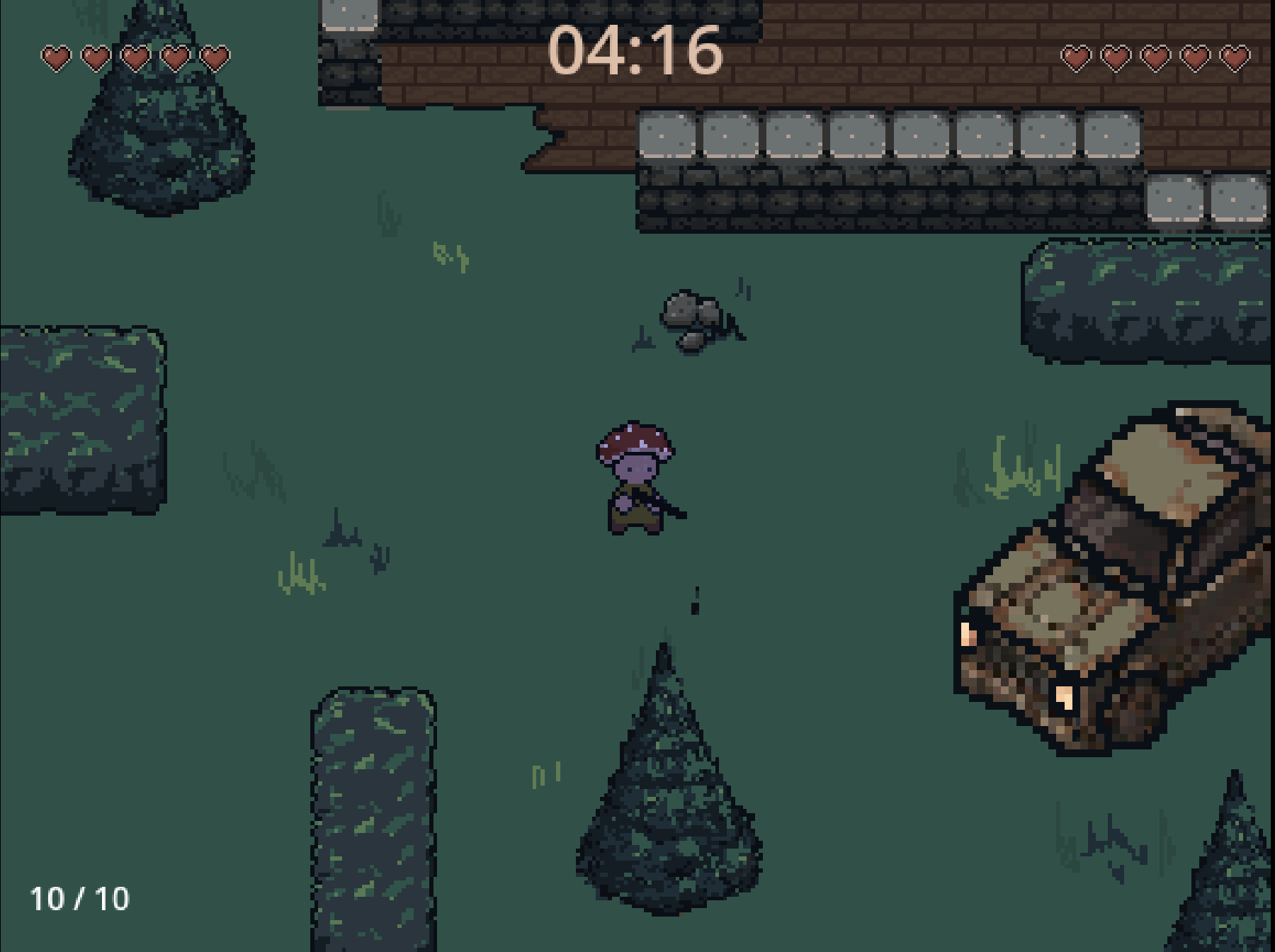
P1's POV
-
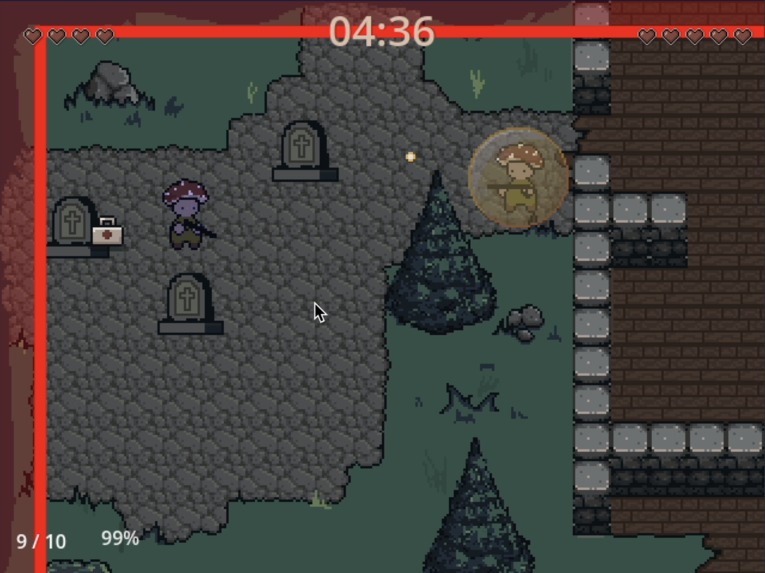
In-game action
-
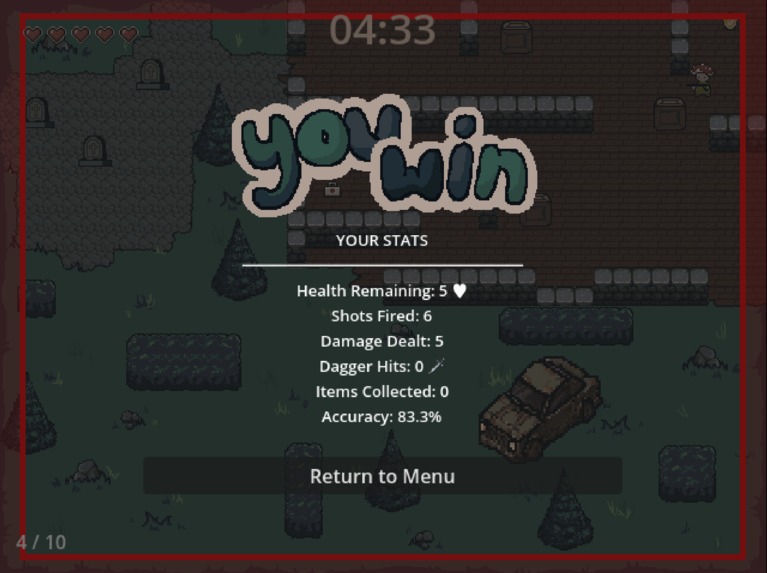
Final Score
Inspiration
SHROOM DUTY was inspired by the fast-paced intensity and map flow of Call of Duty–style multiplayer, reimagined in a compact top-down pixel art format. We wanted to create constant tension, meaningful positioning, and high-pressure duels while keeping the scope achievable for a 24-hour hackathon. To give the game a strong identity, every visual asset was drawn by hand in pixel art.
What it does
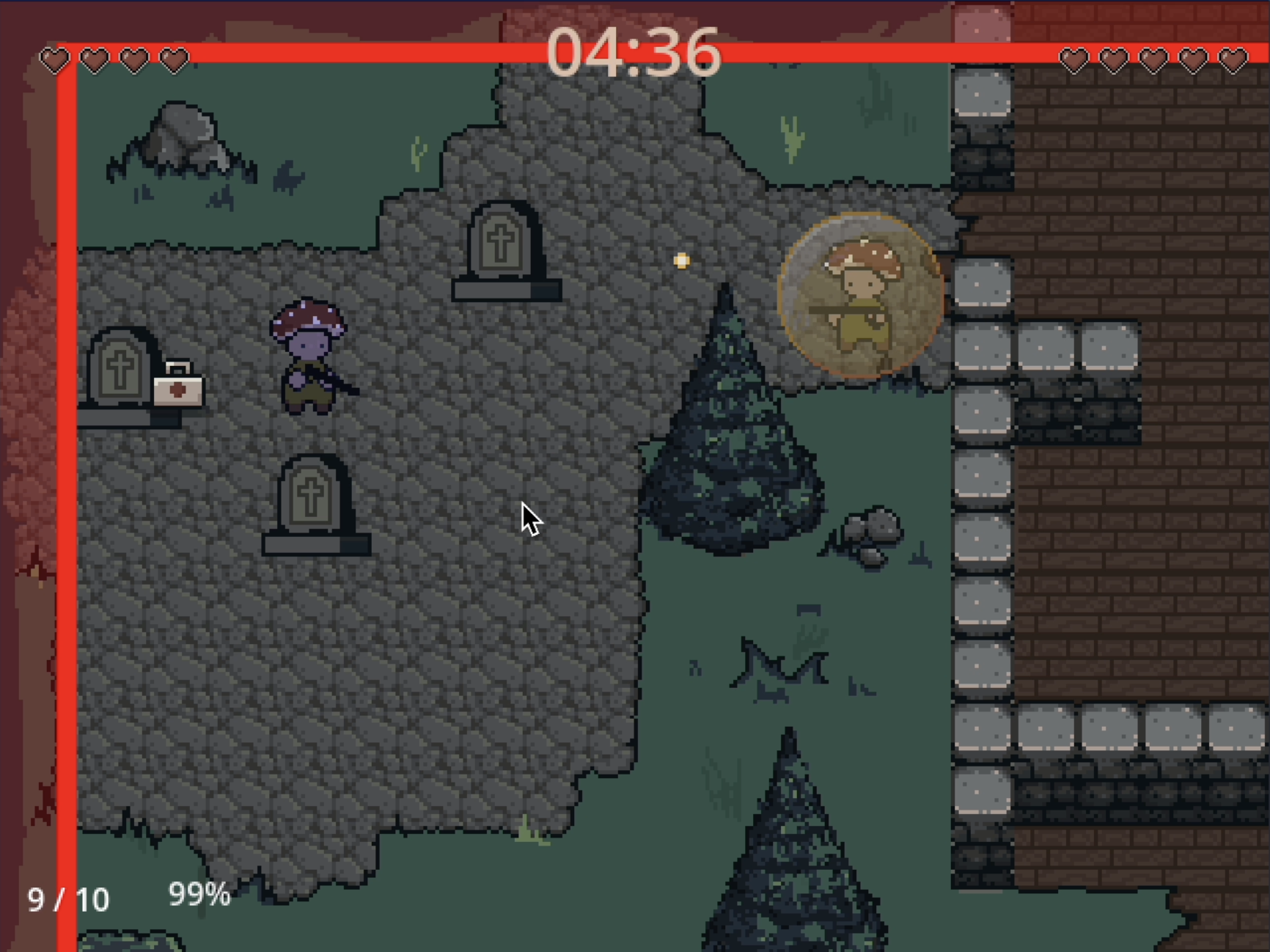
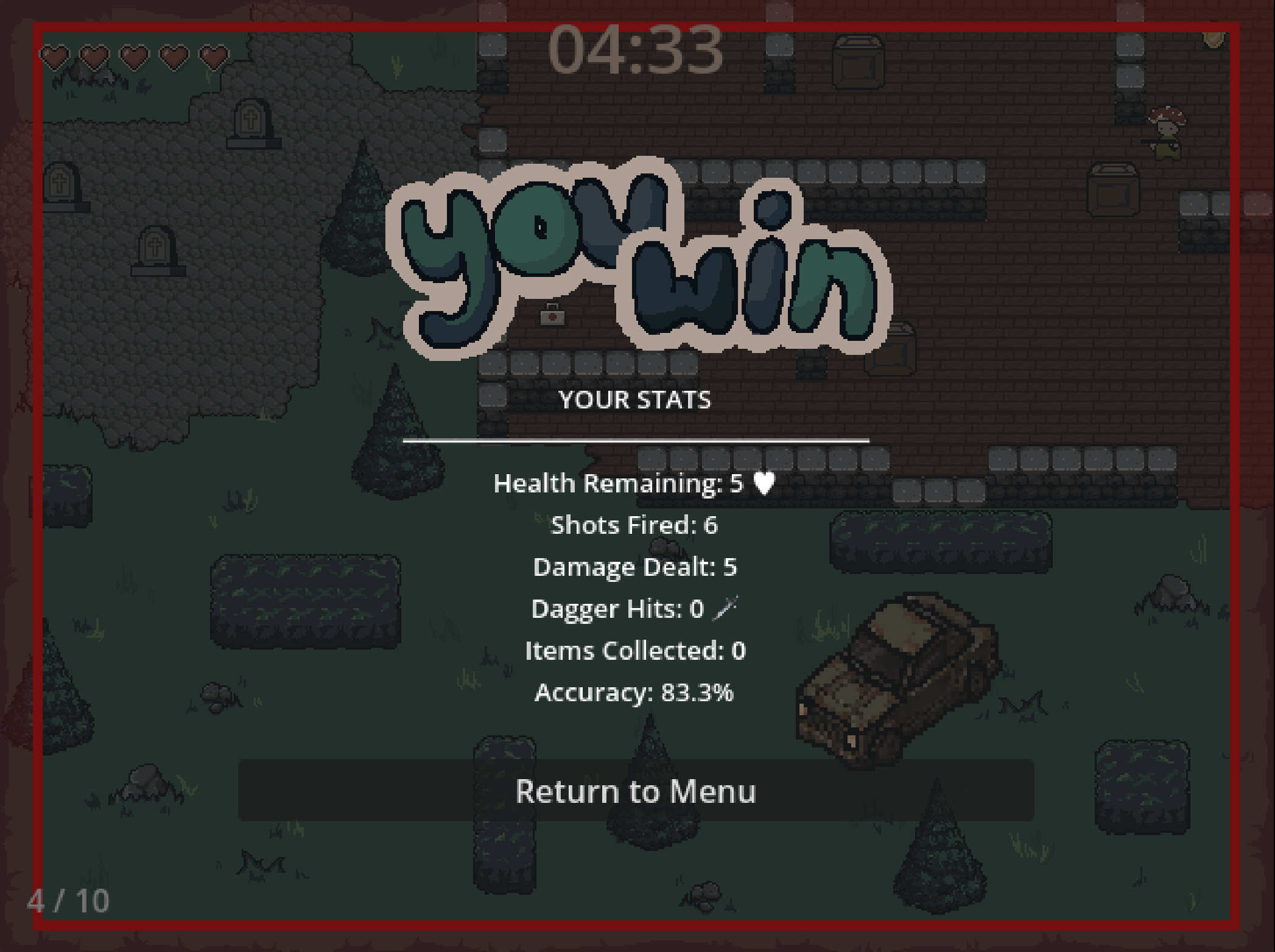
SHROOM DUTY is a 2-player LAN top-down shooter where players face off in a tight arena filled with cover, stealth bushes, and power-ups. Each player has five hearts, and the goal is to eliminate the opponent before time runs out. As the match progresses, a shrinking safe zone forces players closer together, turning every game into an intense final showdown.
How we built it
We built the game using Godot 4 and GDScript using Godot’s built-in LAN networking. One player hosts the game while the other joins via IP using a listen-server model. The server is authoritative over damage, item spawns, and the shrinking zone, while players control their own movement locally for responsiveness. The map was designed using TileMaps, and all characters, tiles, and UI elements were hand-drawn in pixel art.
Challenges we ran into
Our biggest challenge was implementing multiplayer reliably with very limited prior game development experience. Synchronizing shooting, damage, and item pickups across two machines required careful handling of authority and replication. Designing stealth bushes that only affect the opponent’s visibility without breaking gameplay was another tricky problem. Time constraints also forced us to make tough scope decisions.
Accomplishments that we're proud of
We’re proud of delivering a fully playable multiplayer game within a short timeframe, despite being new to game development. Implementing LAN multiplayer, a shrinking safe zone, stealth mechanics, and hand-drawn pixel art from scratch was a major achievement. Most importantly, the game is fun, tense, and consistently playable from start to finish.
What we learned
We learned how to structure a game project efficiently, work with real-time multiplayer systems, and design mechanics that balance fun and technical feasibility. The hackathon taught us valuable lessons about networking fundamentals, collaboration under pressure, and the importance of early design decisions.
What's next for SHROOM DUTY
With more time, we would like to add additional maps, more power-ups, sound effects, and improved animations. We’d also explore expanding the game beyond 2 players, adding controller support, and refining balance based on playtesting to turn SHROOM DUTY into a more complete competitive experience.
Built With
- godot
- jdscript
- piskel


Log in or sign up for Devpost to join the conversation.