-

Logo
-
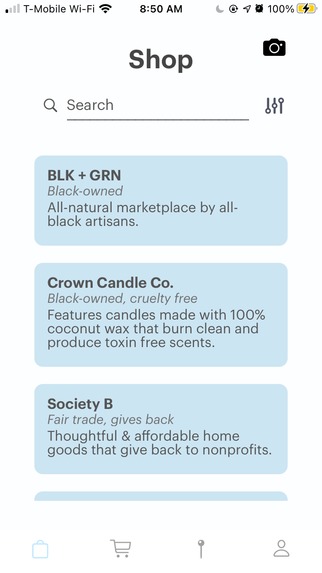
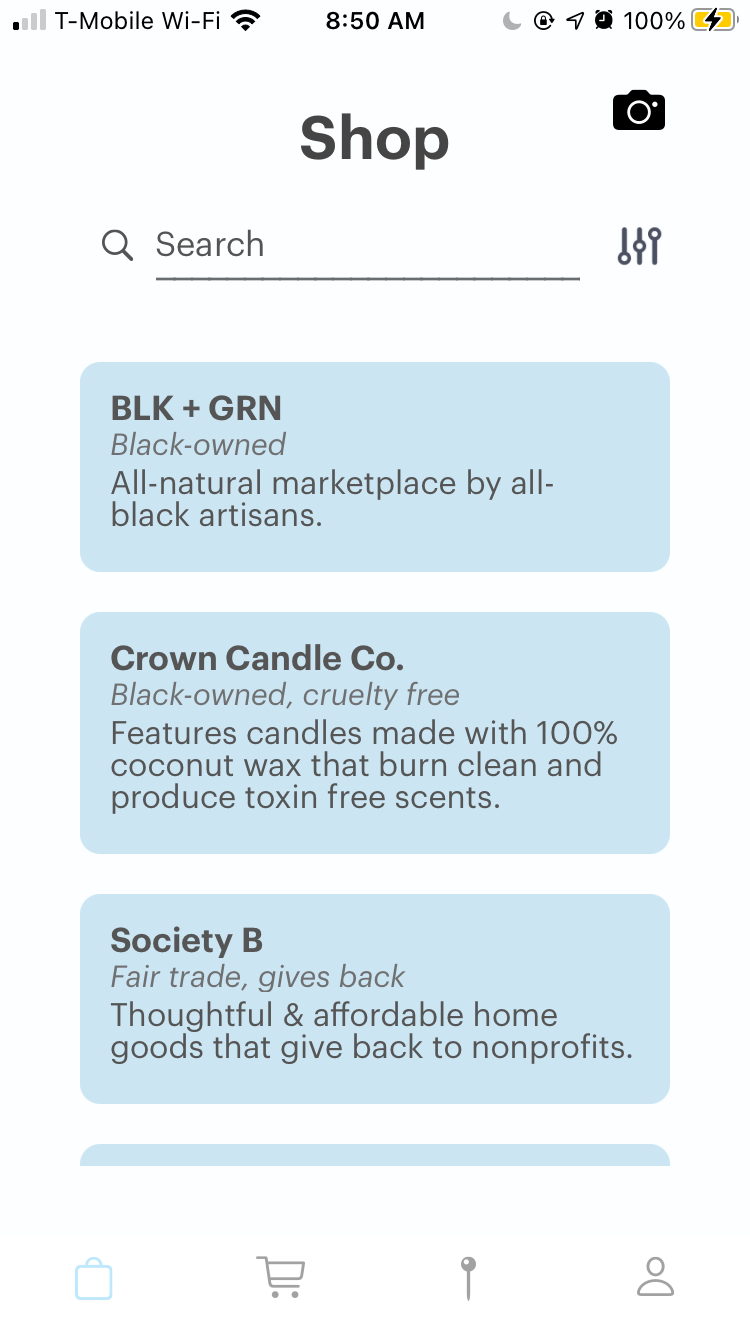
Shop from a wide selection of businesses (including restaurants)
-
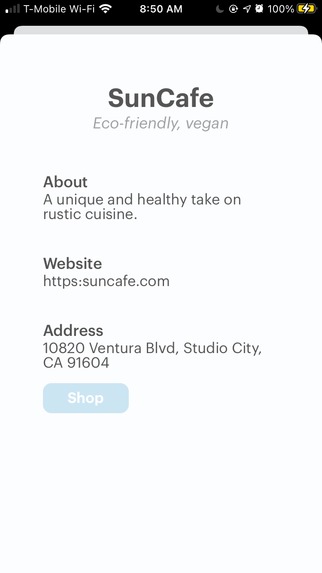
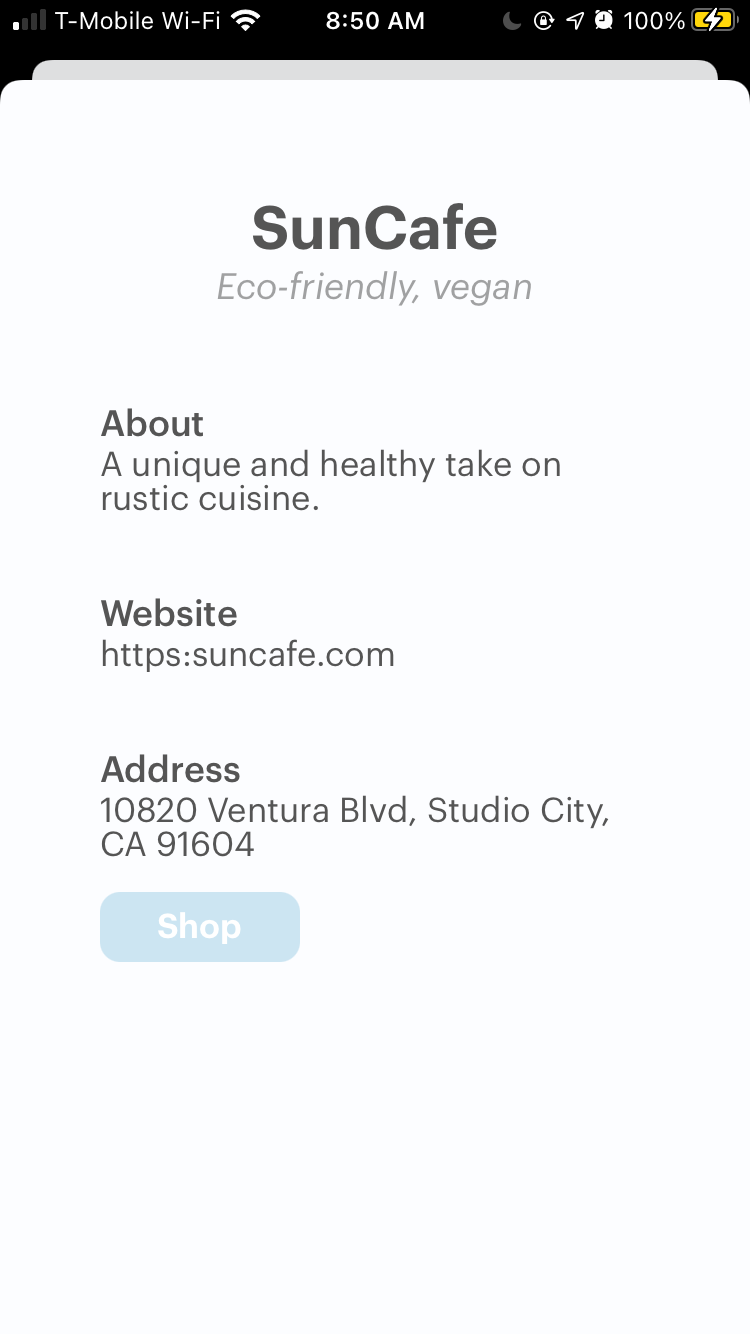
Learn more about the business
-
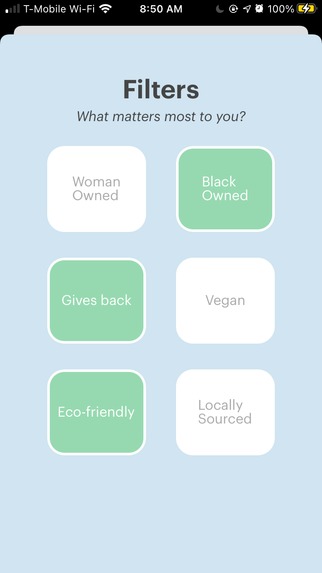
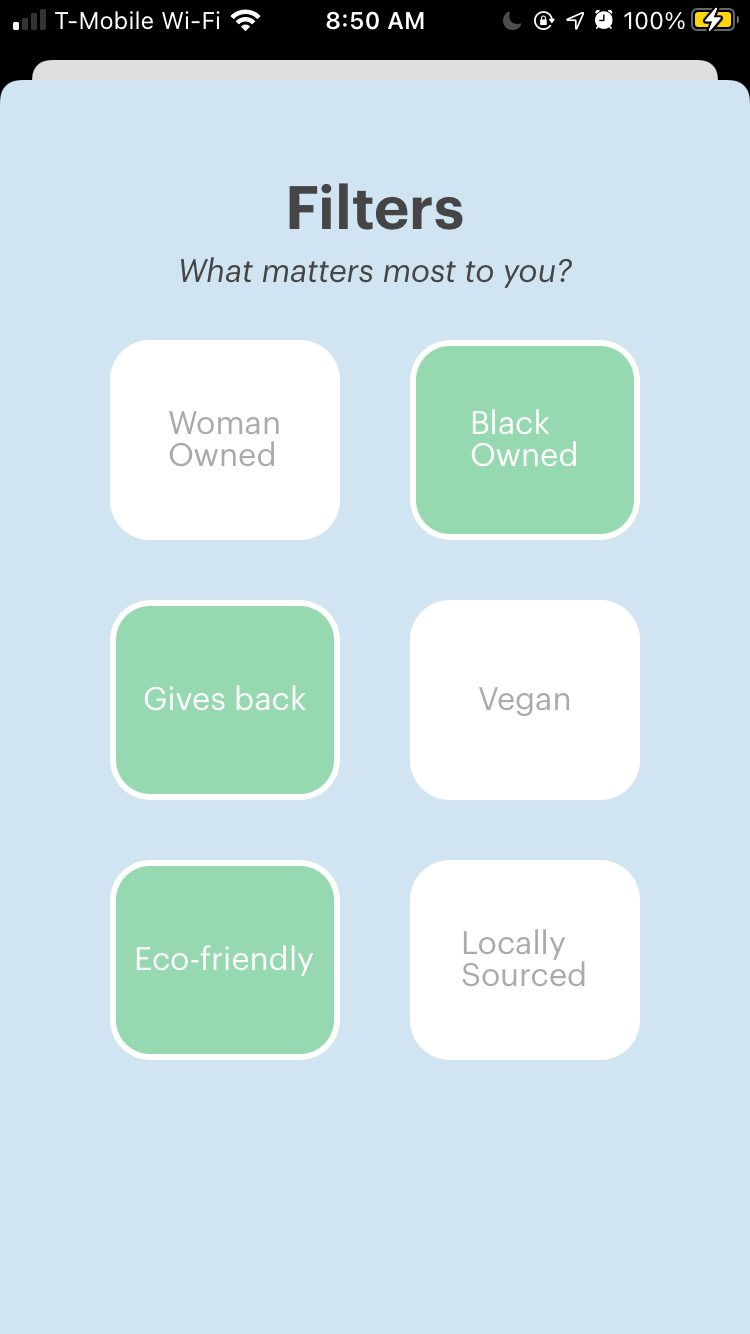
Search for businesses using filters
-
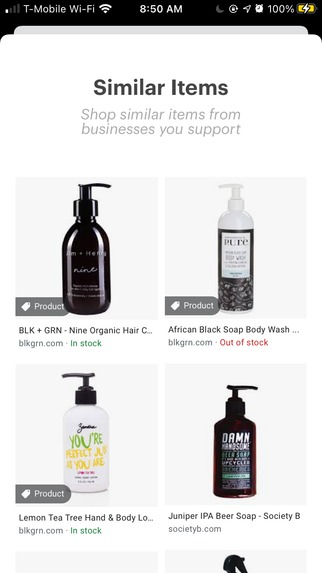
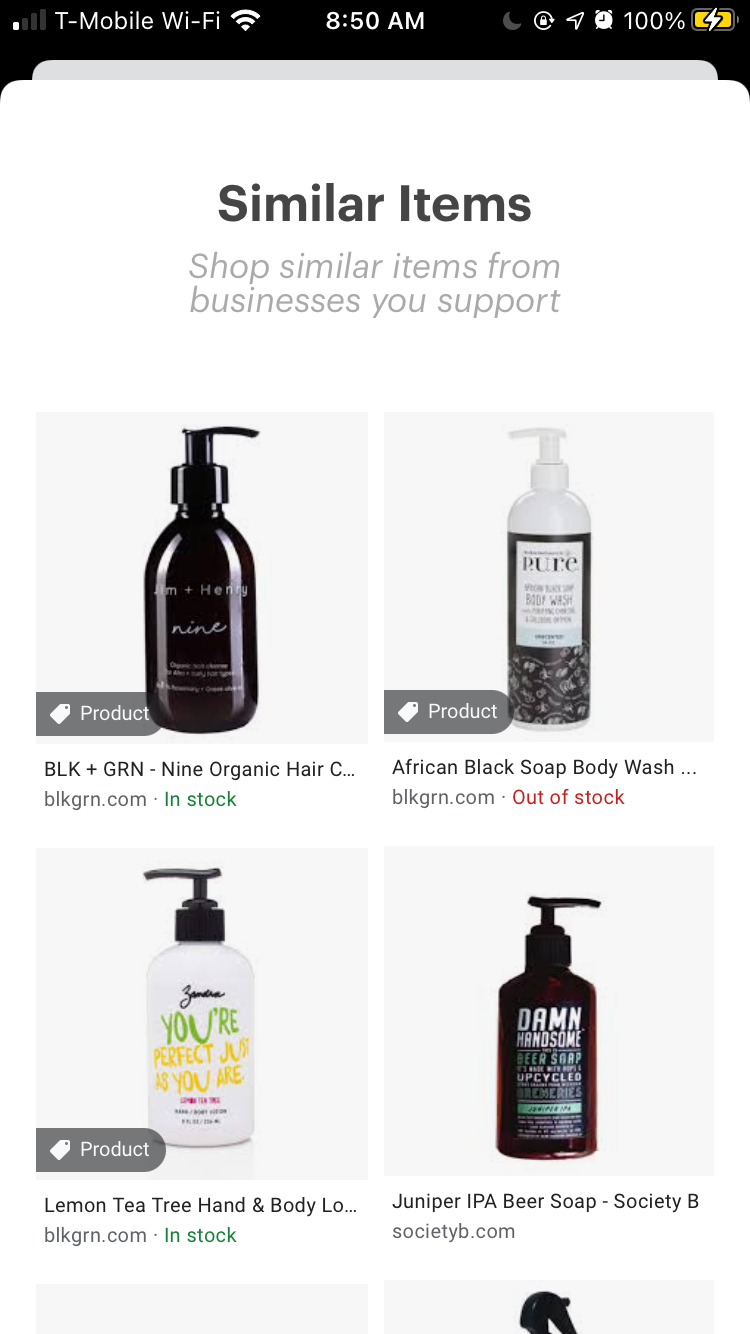
Take an image to search for similar products from businesses you support

Inspiration
Every person has 24 hours in a day, whether you spend it in school, with your family, or pursuing your lifelong passions. Just how we spend our time doing the things we value, why not spend your money on businesses that support your values?
With many companies hiding the unethical truth behind their products, it's easy for us as consumers to purchase items that are environmentally harmful and unethical, without even knowing! This not only exploits cheap labor but also pollutes our environment with overwhelming amounts of greenhouse gases. After watching a documentary about the evils of fast fashion, I immediately investigated my favorite clothing brands, only to find that they were all unethical in some way or another. That night, I started to search for ethical stores I would feel good about putting my money towards, as businesses always seemed to trick consumers into viewing them as an innocent brand. There had to be an easier way to shop ethically!
A few weeks later, Shopwell was born! Shopwell is an all-in-one iOS shopping app that helps everyone find ethical shops and restaurants with ease. The app also places an emphasis on the importance of minority-run businesses, which is especially important during COVID-19, as they are often affected the most.
What it does
Shopwell includes a database of ethical and minority-ran businesses, allowing users to search and sort using filters (ex. black-owned, fair trade, eco-friendly, etc). Upon clicking a business, a short summary about them, address, and website are displayed. Shopwell can also find similar products that sell from the user's filtered businesses with just an image! After taking a picture or choosing a photo from the gallery, users are presented with similar products made ethically. To grow Shopwell's impact, we added a form for business owners to contribute their business to Shopwell's database.
How I built it
Shopwell was programmed using Swift, and prototyped with Figma. We used Firebase's realtime database to sync information about businesses across all users. To build the machine learning model, we used CoreML to detect images of objects and find similar products from ethical businesses.
Challenges I ran into
As a beginner with machine learning, I faced many challenges while building the image detection model. After several visits to Stack Overflow and YouTube tutorials, I was able to debug! Furthermore, this was my first time reading and writing data using Firebase's realtime database, which was overwhelming at times.
Accomplishments that I'm proud of
I'm proud of connecting many tools that I was previously unfamiliar with and creating a solution to a problem I'm passionate about fixing!
What I learned
Building Shopwell, I learned how to read and write data using Firebase's realtime database. Following an online lesson, I was also able to sync Firebase to Google Sheets, where I could easily add businesses to Google Sheets and have the app automatically update. Furthermore, I explored CoreML and object detection and learned how to integrate the machine learning model into my code. Focusing largely on the UI/UX aspect of the app as well, I learned more about prototyping an app in Figma and how an ideal app should flow.
What's next for Shopwell
Shopwell's future plans include adding a map feature for users to find nearby businesses within a 50-mile radius. To create a smoother shopping experience, we also plan to integrate Google Maps, where it would display the traveling directions to the selected business. These changes would make it easier for the user to shop using our app! As the machine learning model could always be more accurate, we will train the model with more images to improve its accuracy and efficiency.


Log in or sign up for Devpost to join the conversation.