-
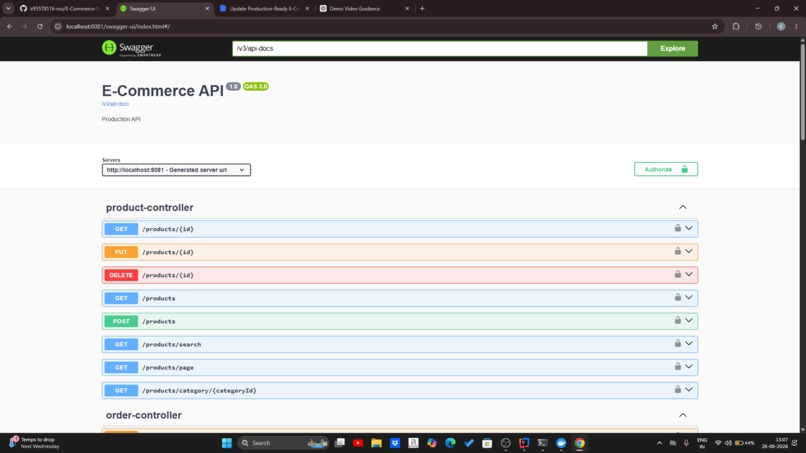
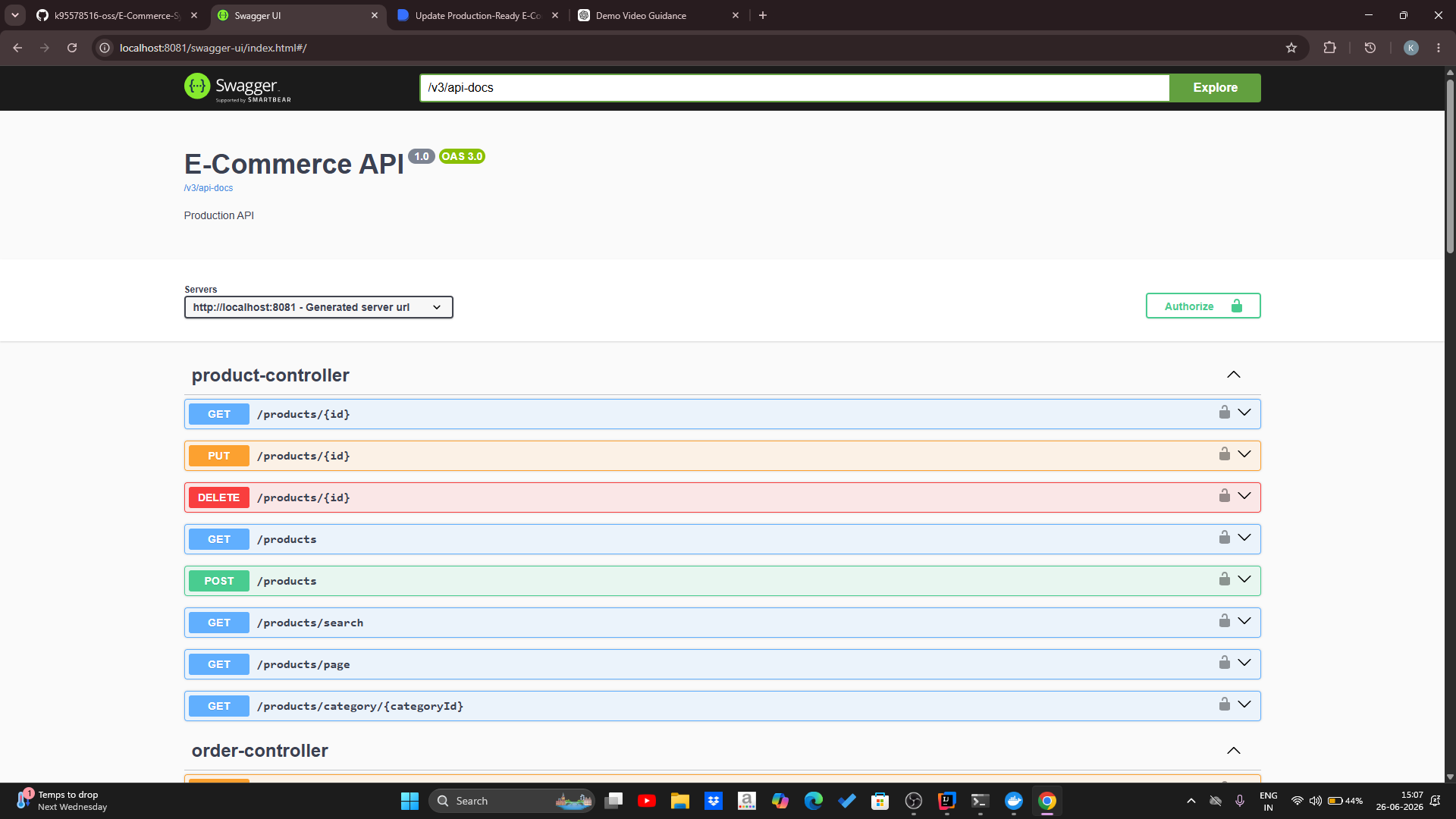
SWAGGER UI API VISUAL(PRODUCT SECTION )
-
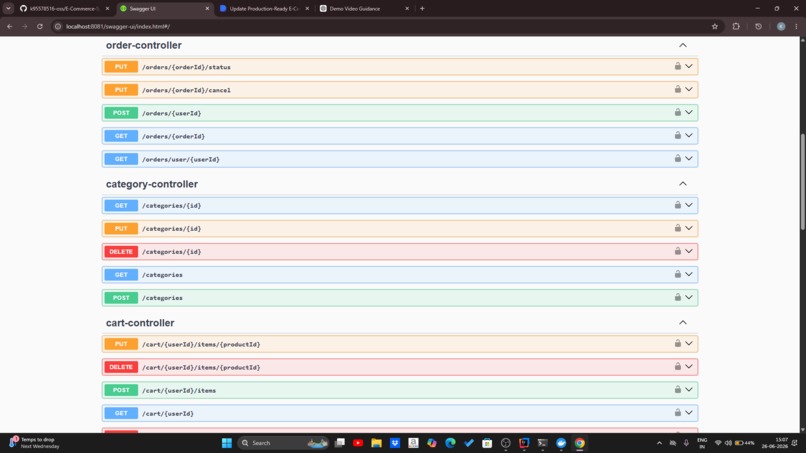
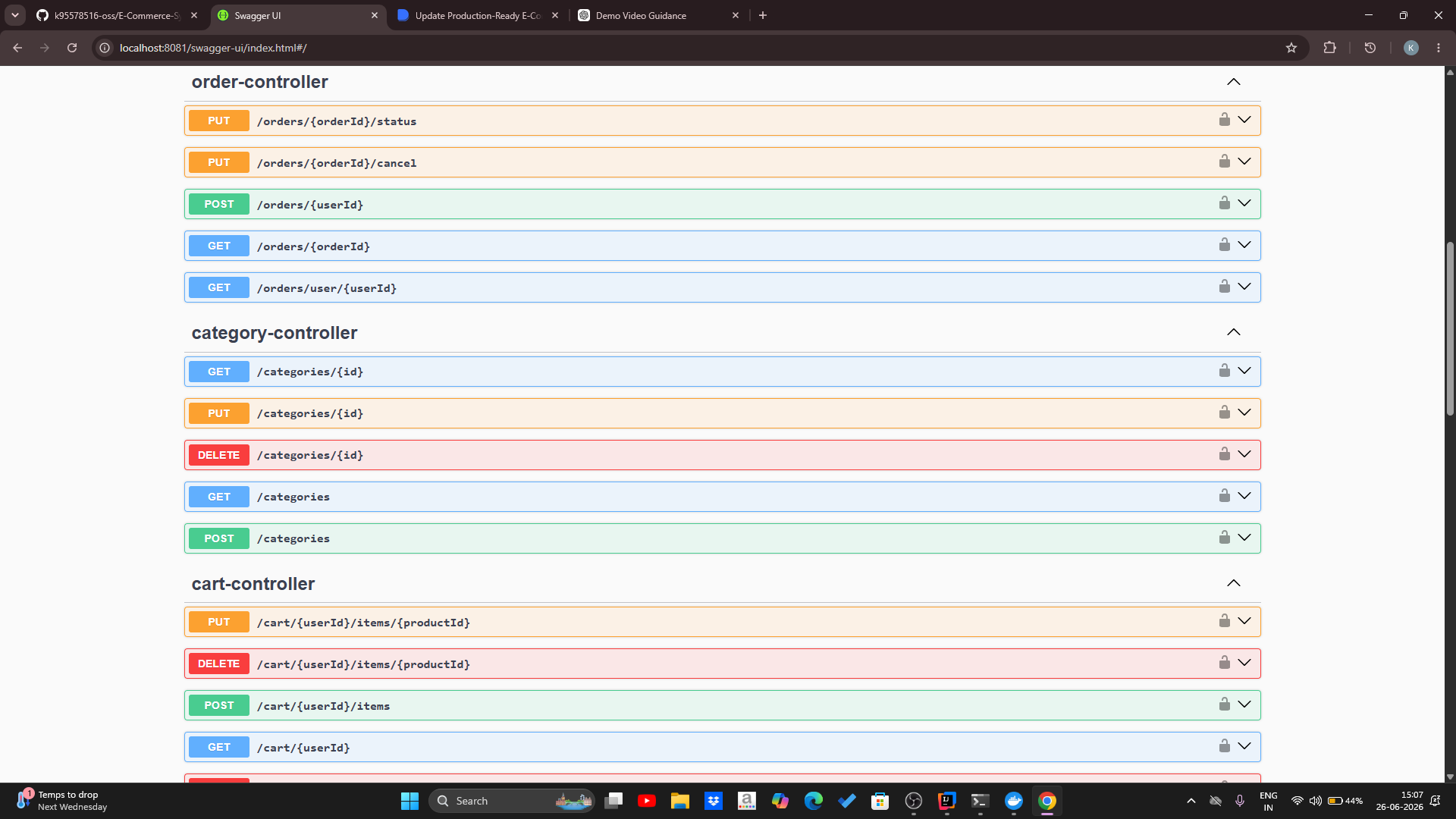
SWAGGER UI API VISUAL(ORDER AND CATEGORY SECTION )
-
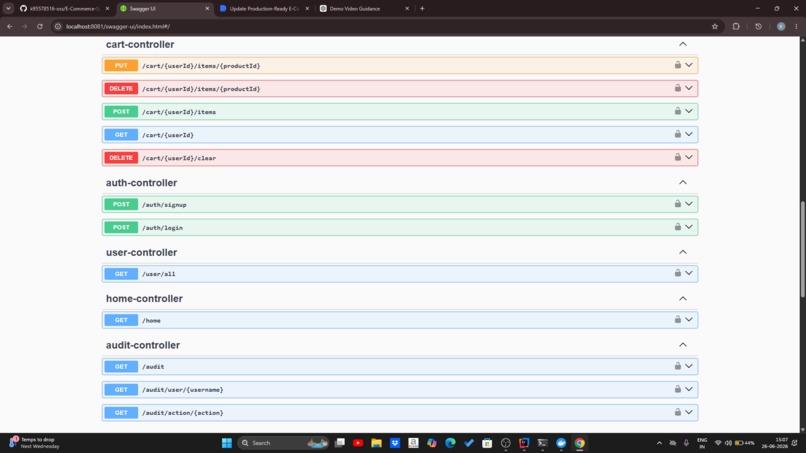
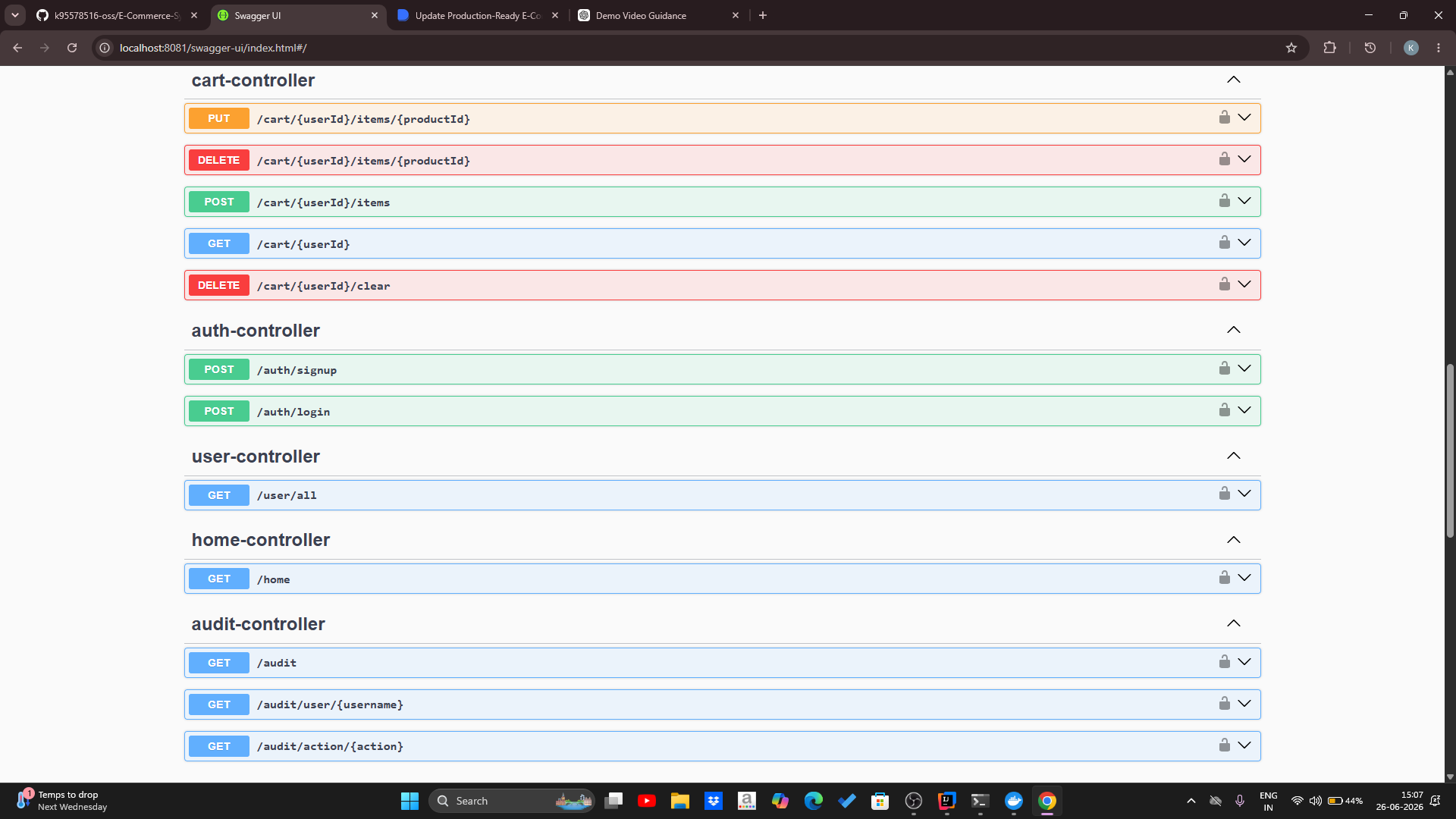
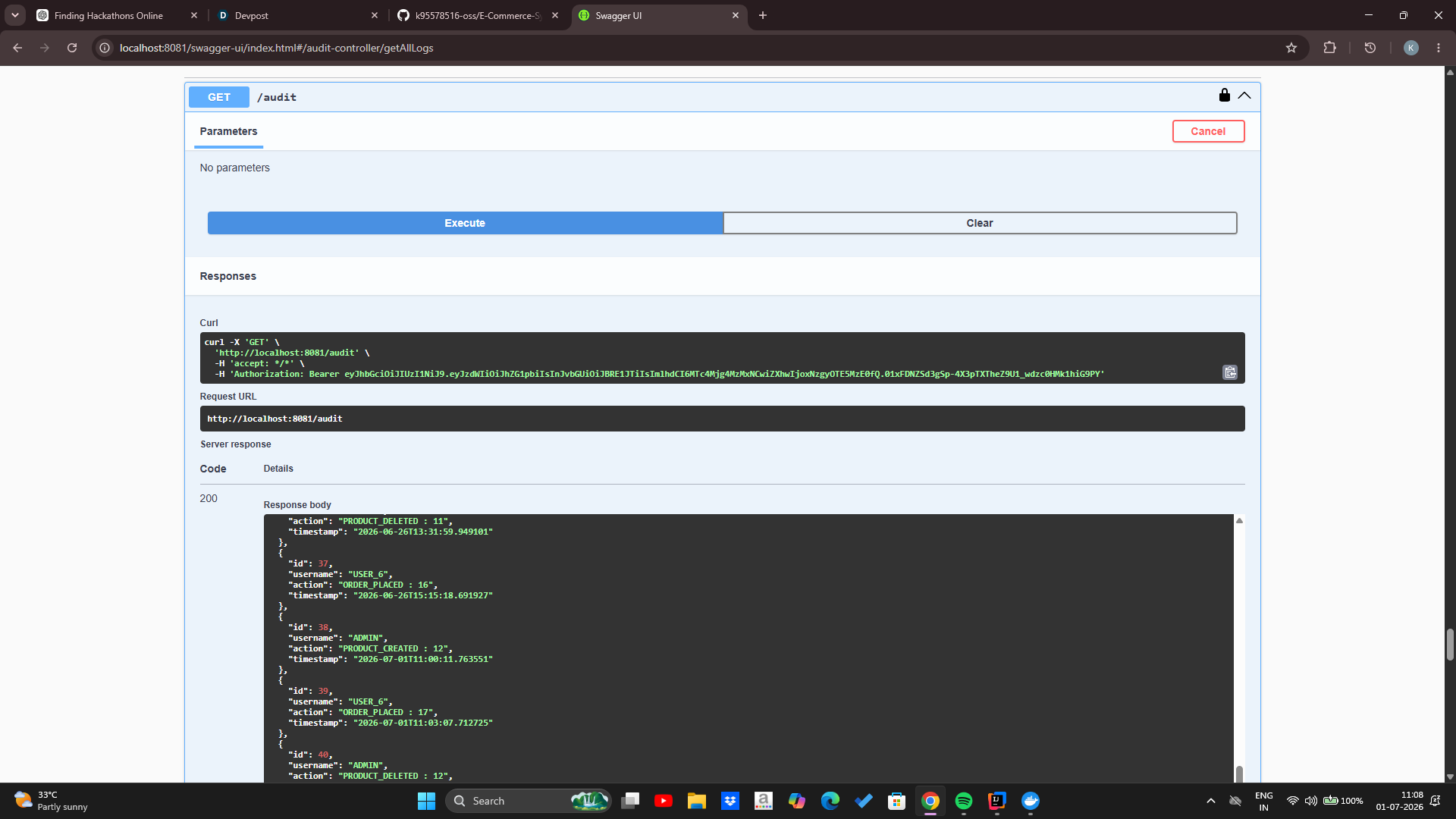
SWAGGER UI API VISUAL ( CART ,AUTH AND AUDIT SECTION )
-
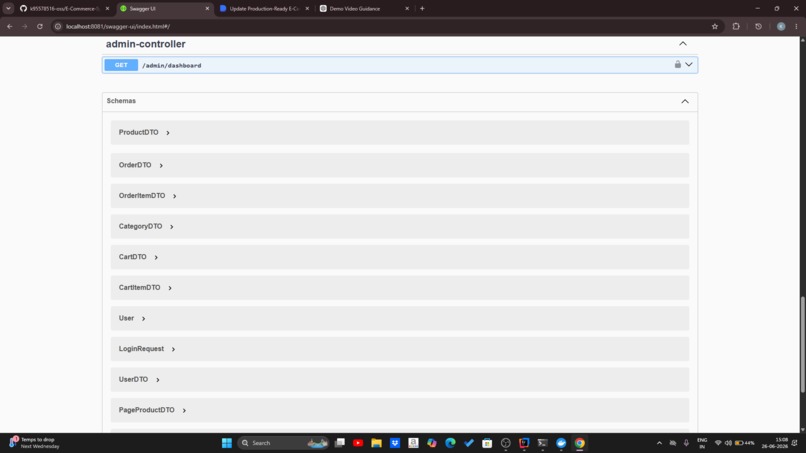
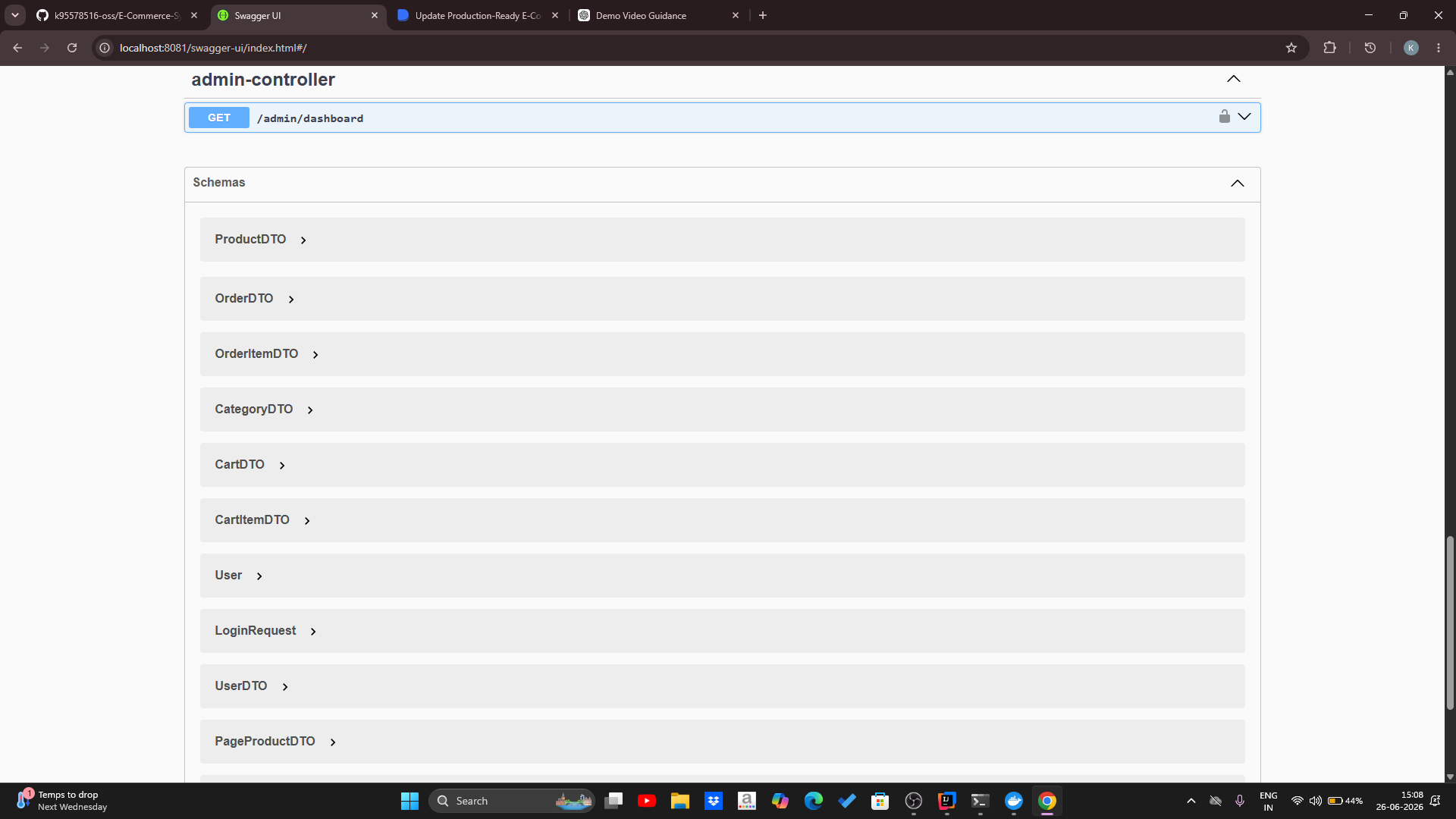
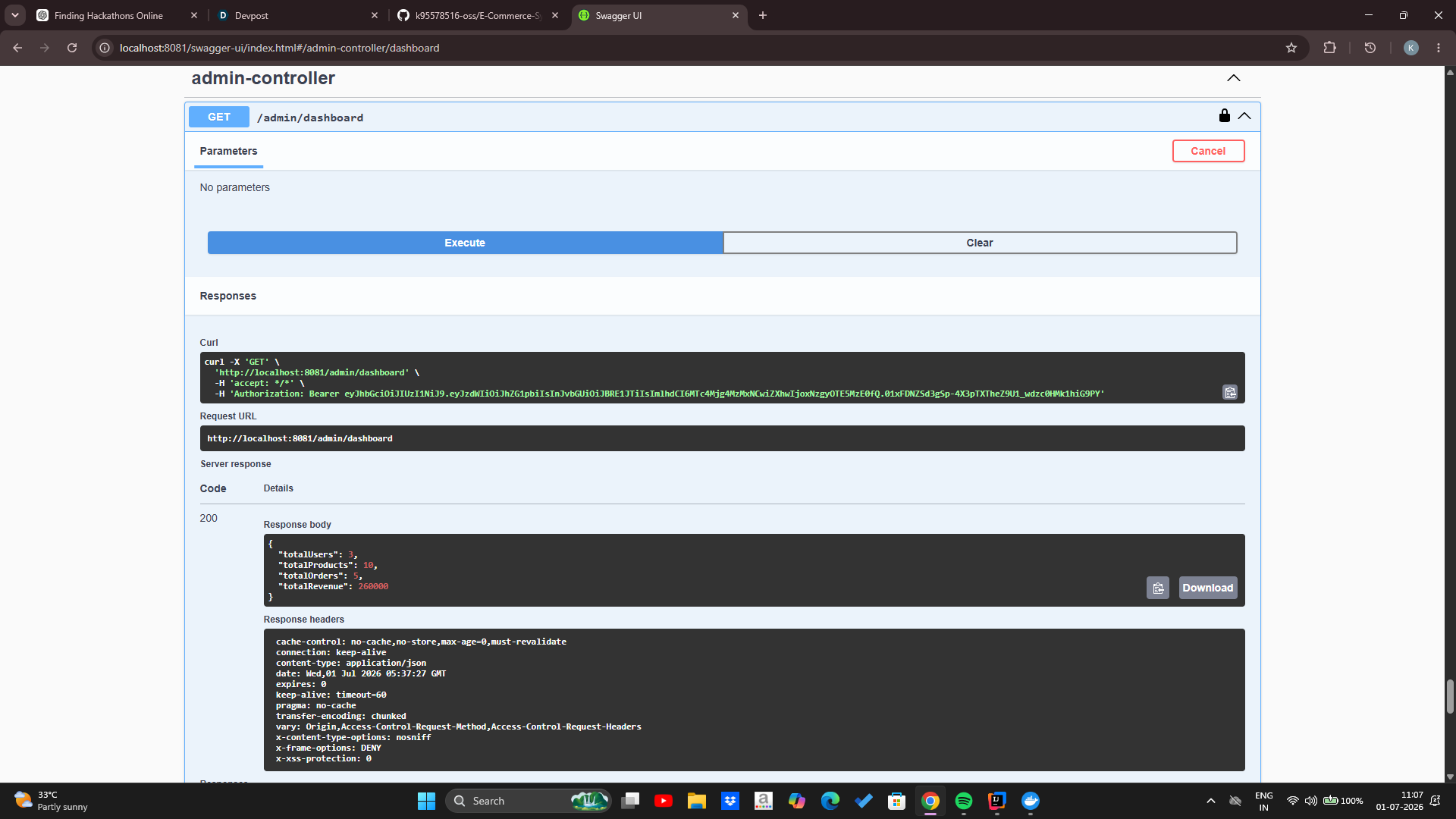
SWAGGER UI API VISUAL( DASHBOARD AND SCHEMAS )
-
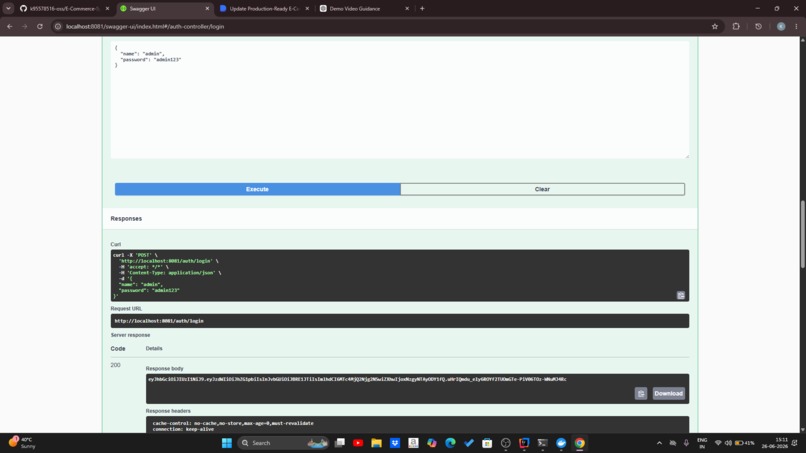
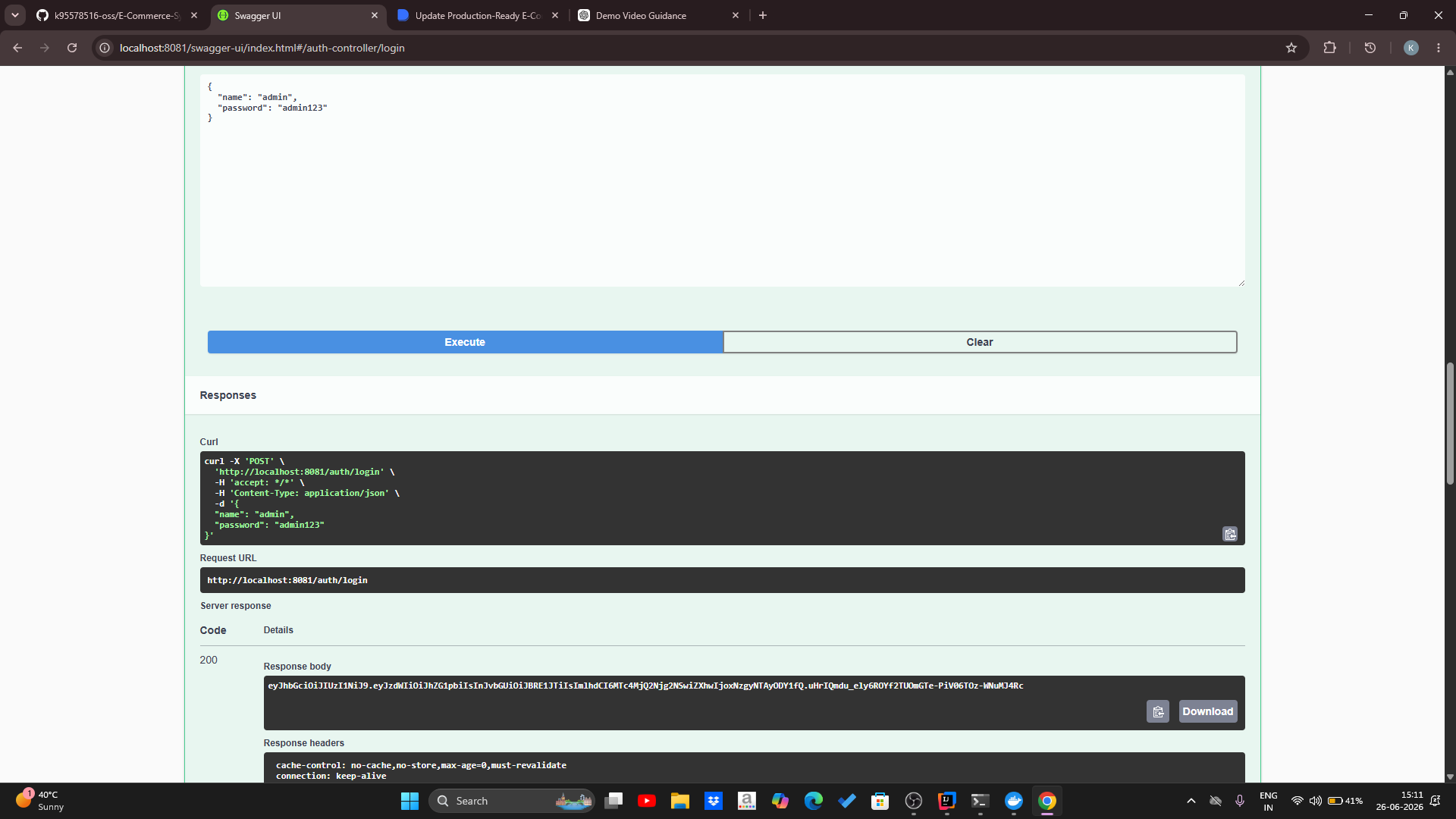
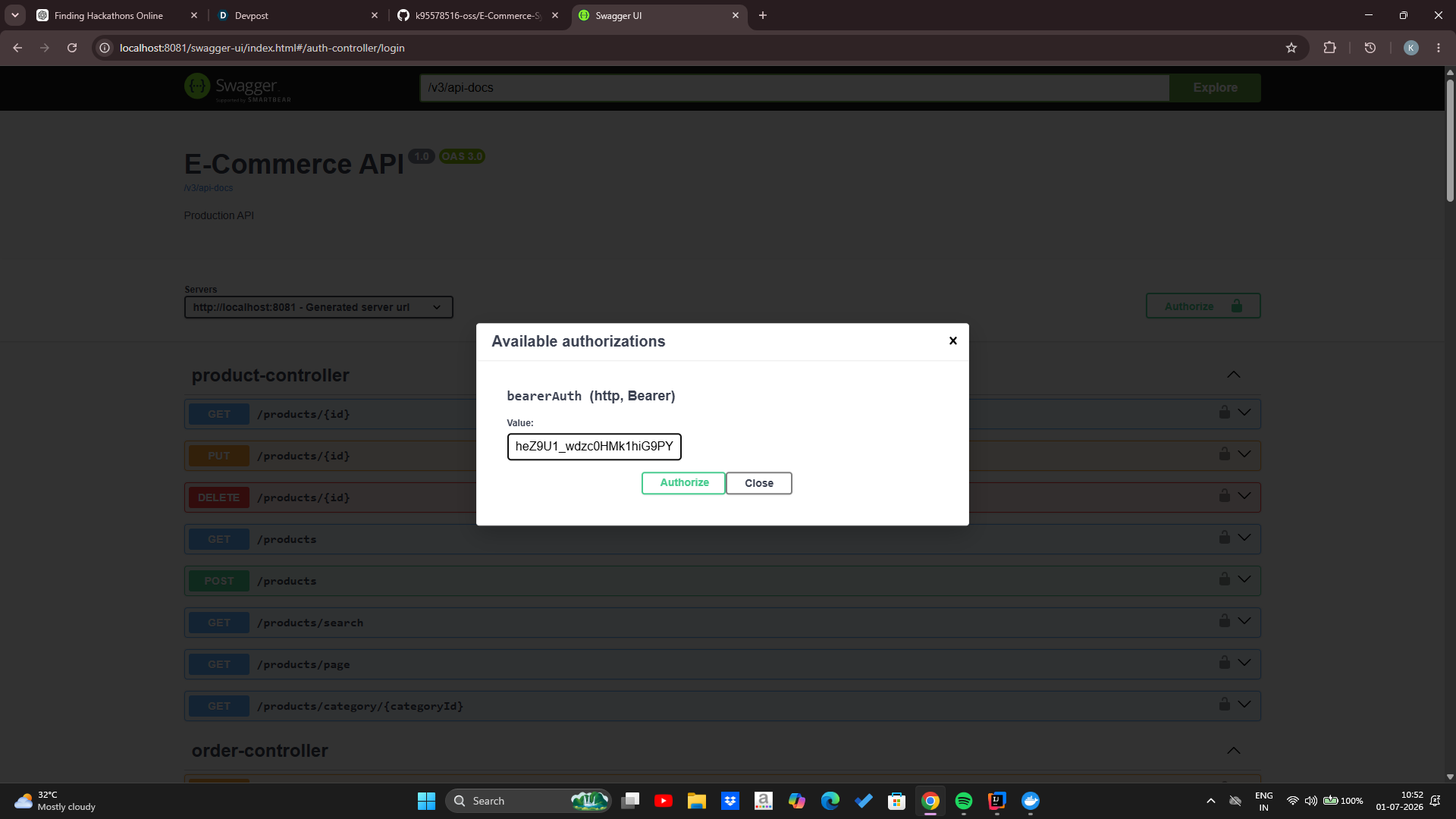
LOGIN SYSTEM
-
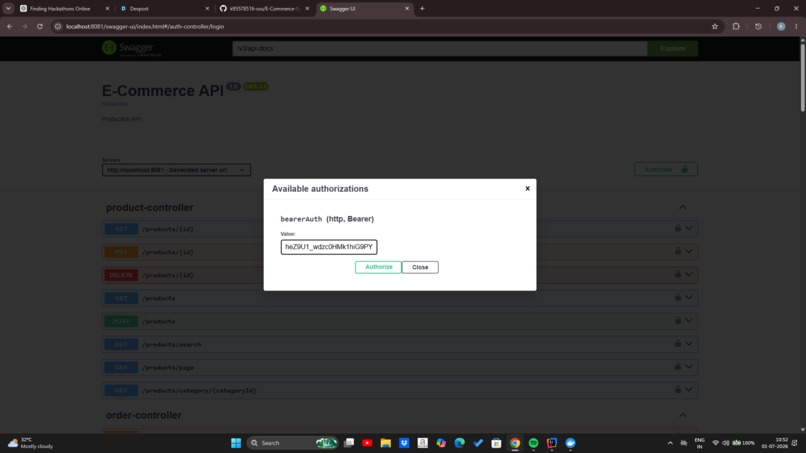
ROLE BASED AUTHORIZATION (ADMIN AND USER )
-
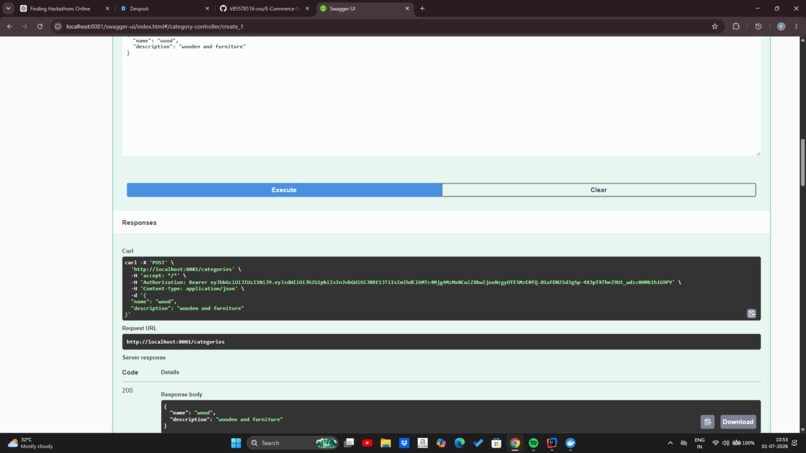
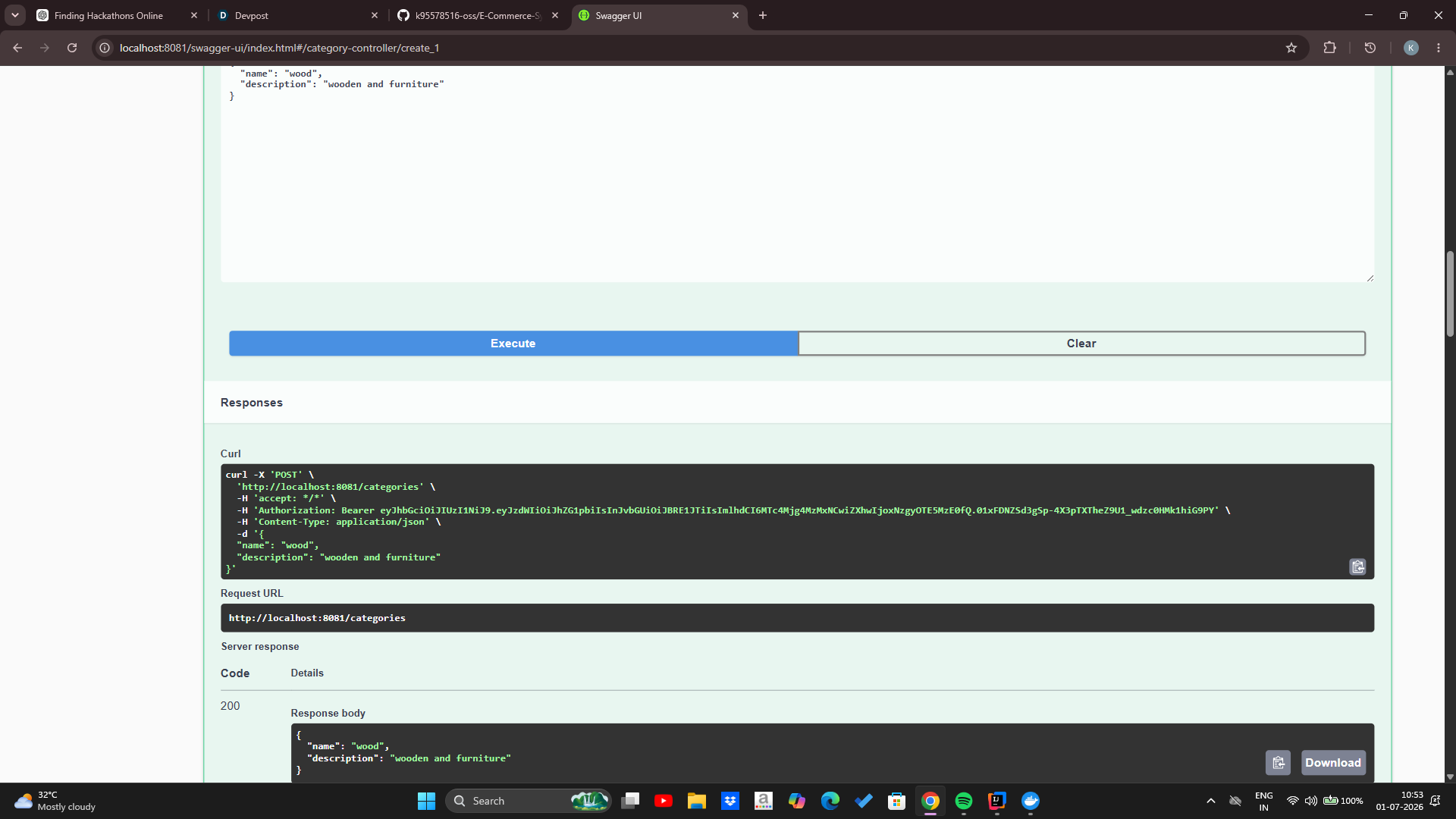
CREATE CATEGORY(POST CATEGORY)
-
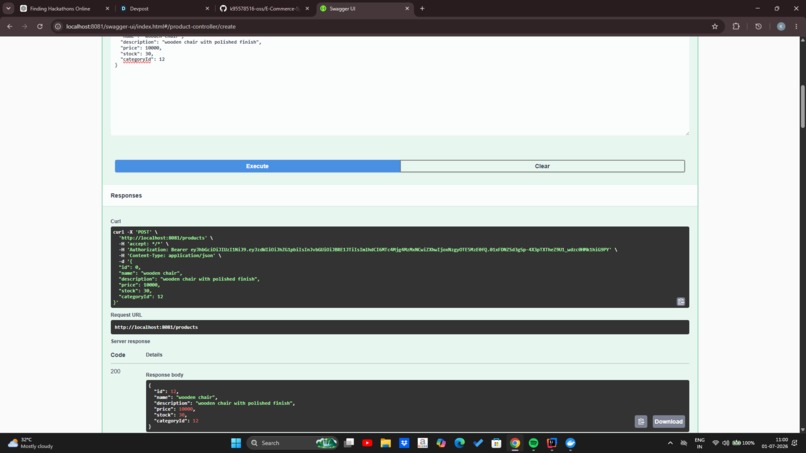
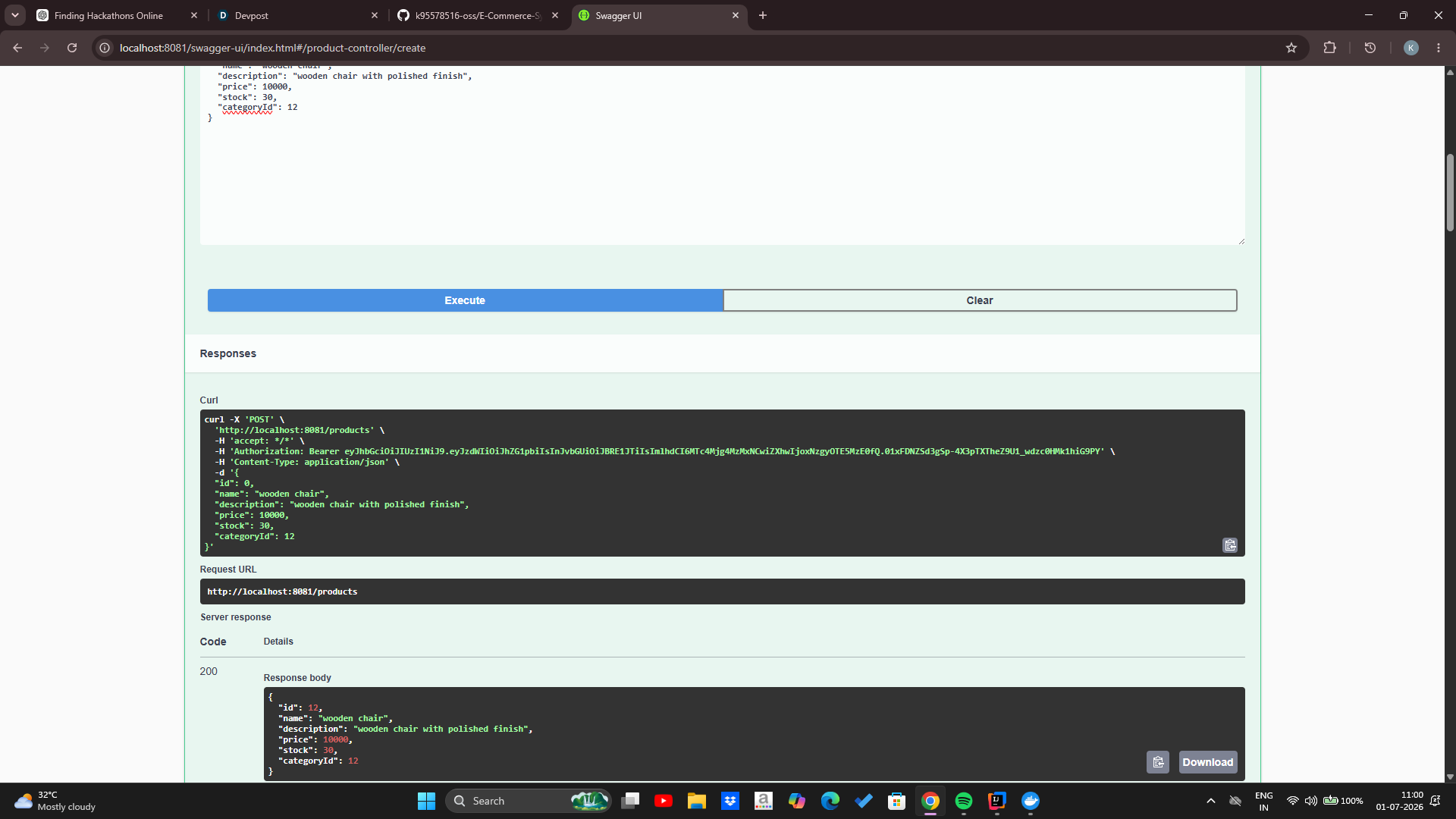
CREATE PRODUCT(POST PRODUCT)
-
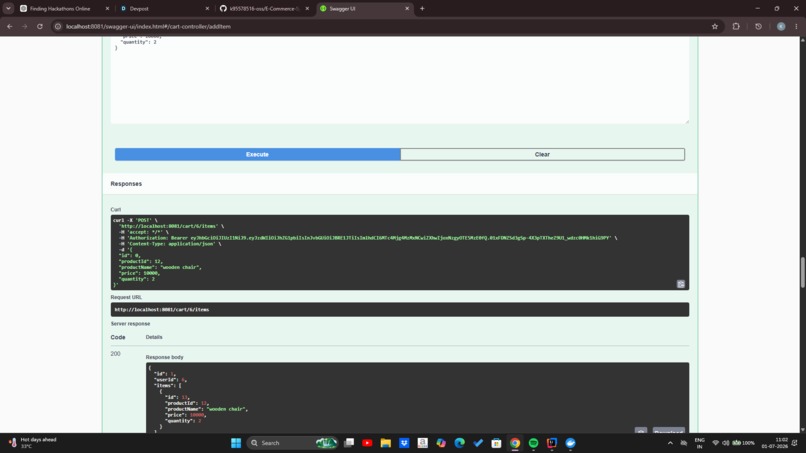
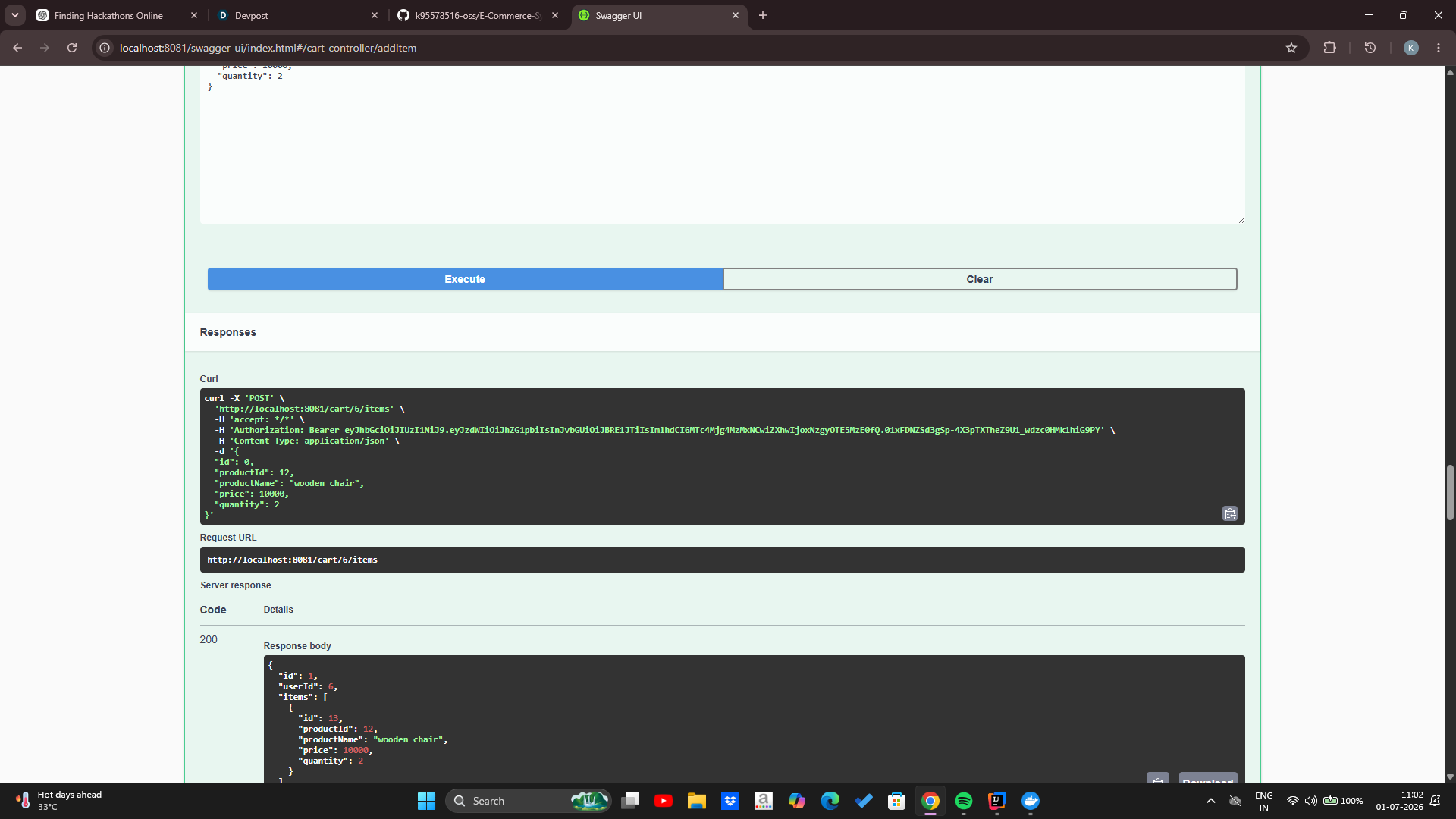
CREATE CART(POST CART)
-
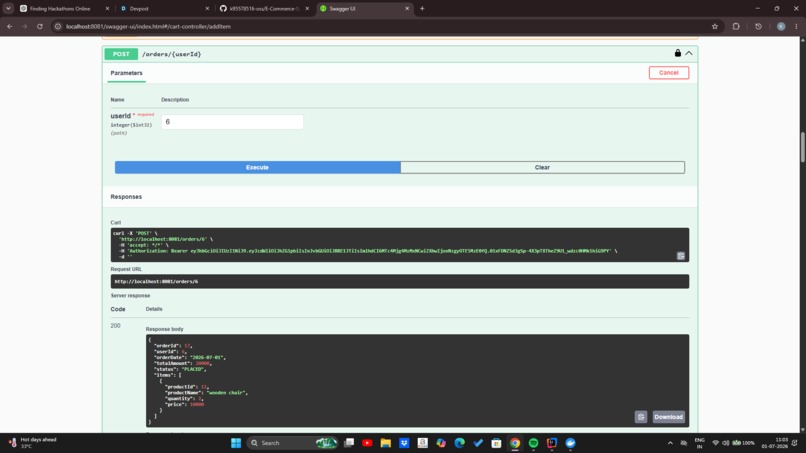
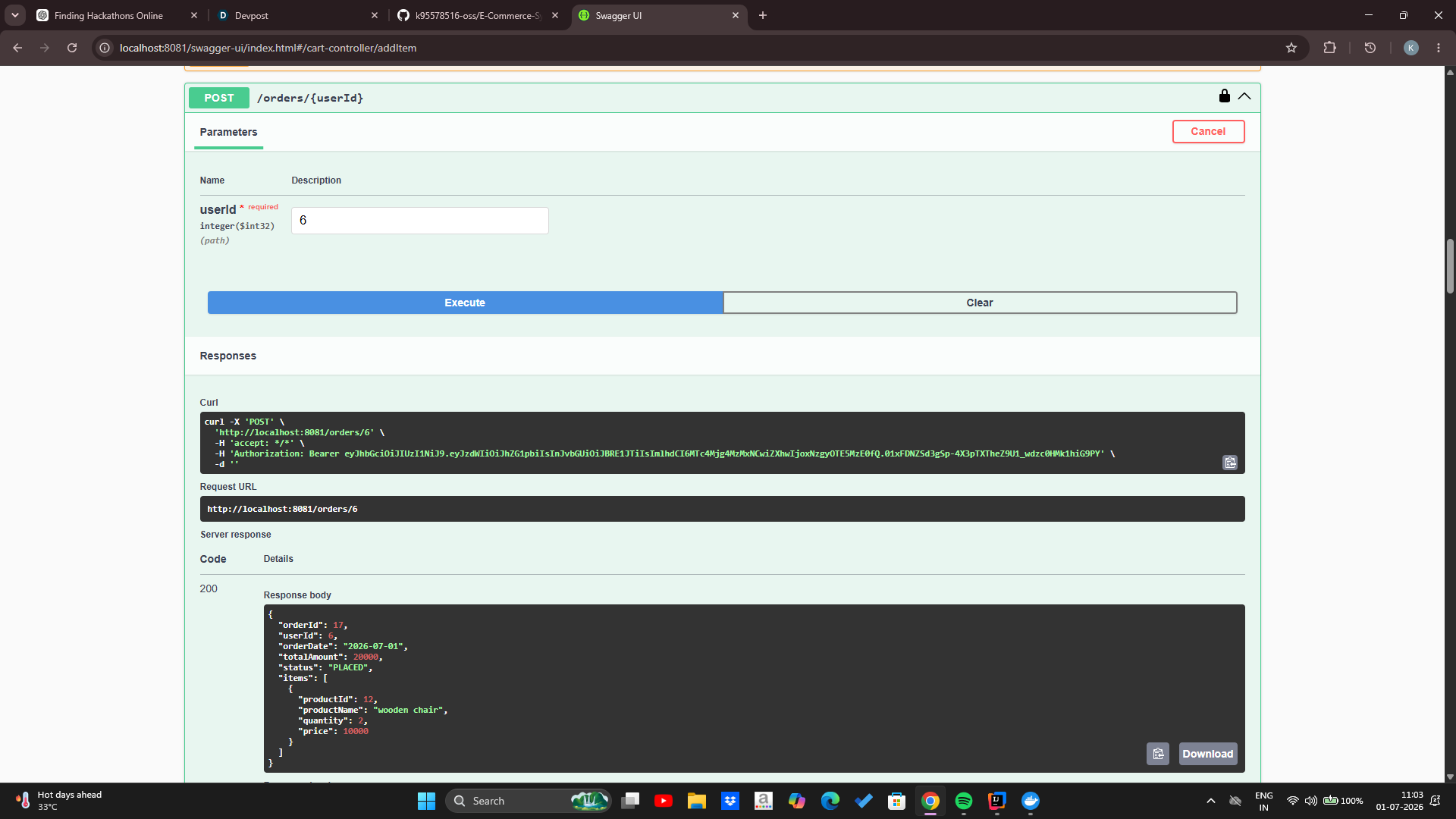
ORDER(POST ORDER)
-
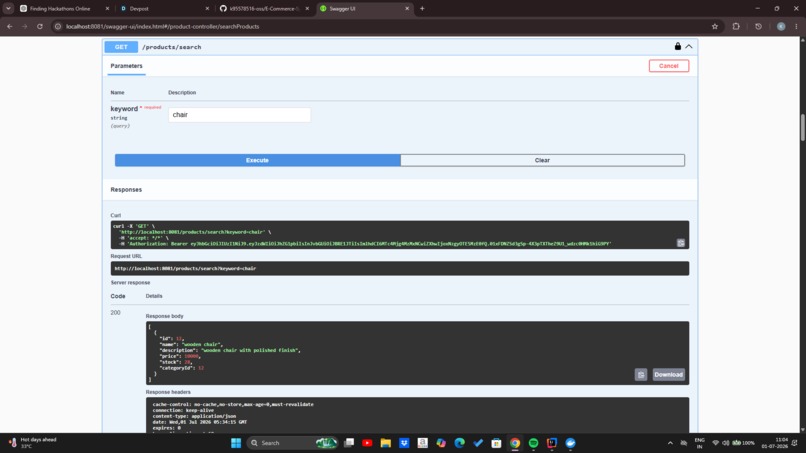
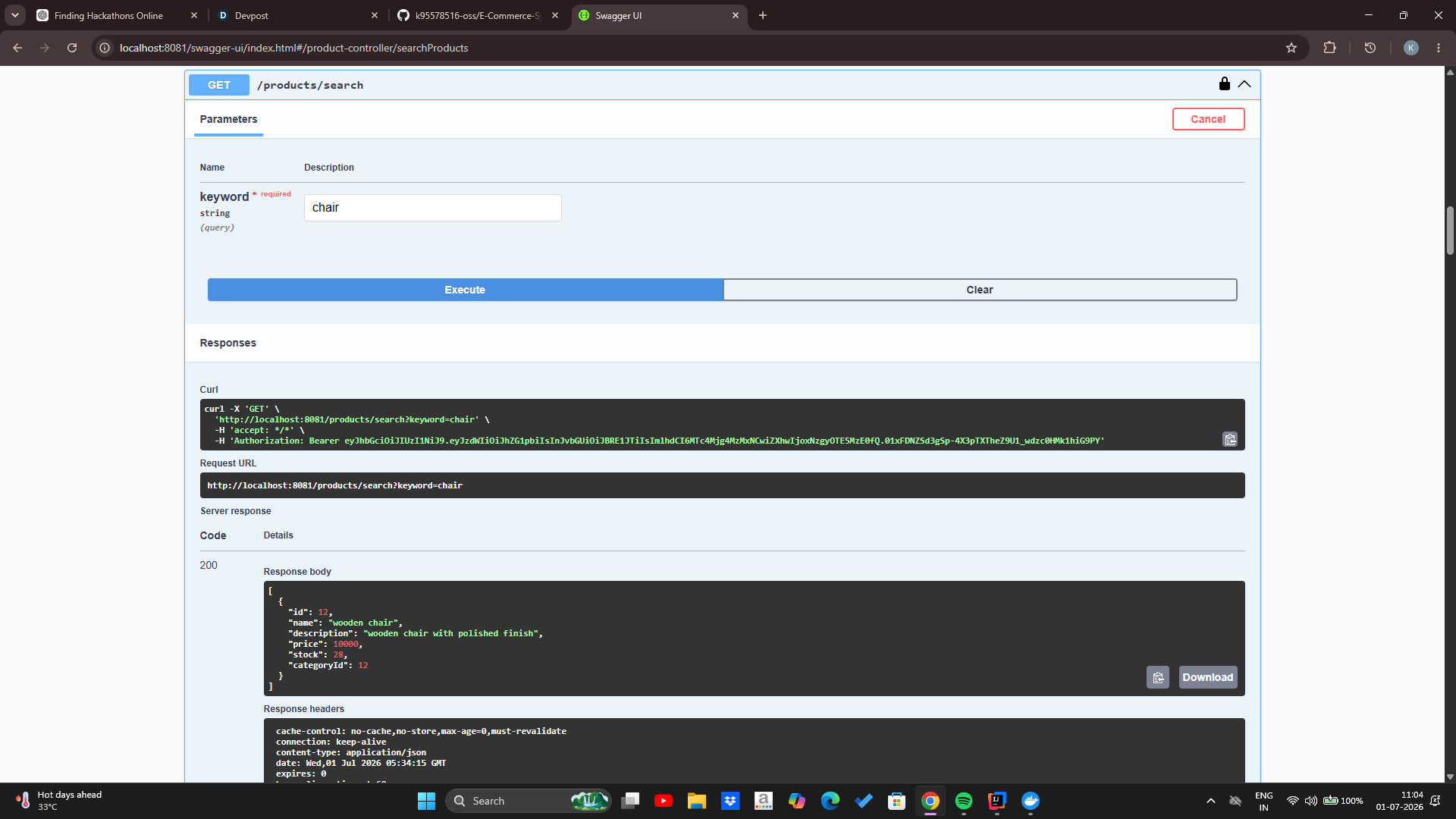
SEARCH PRODUCT BY KEYWORD
-
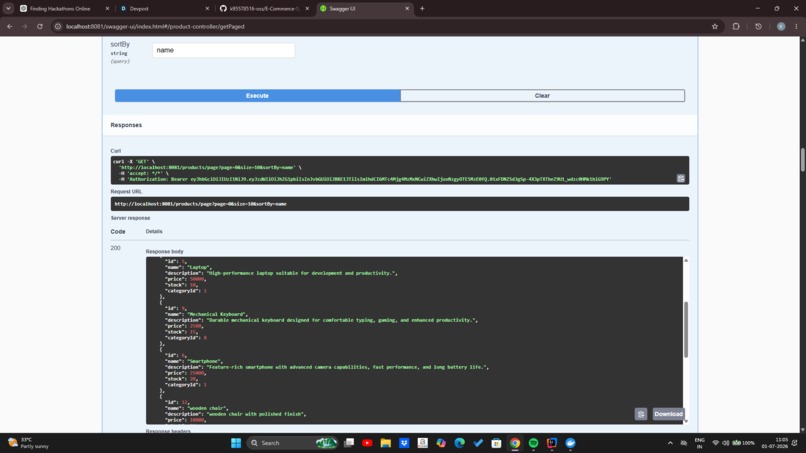
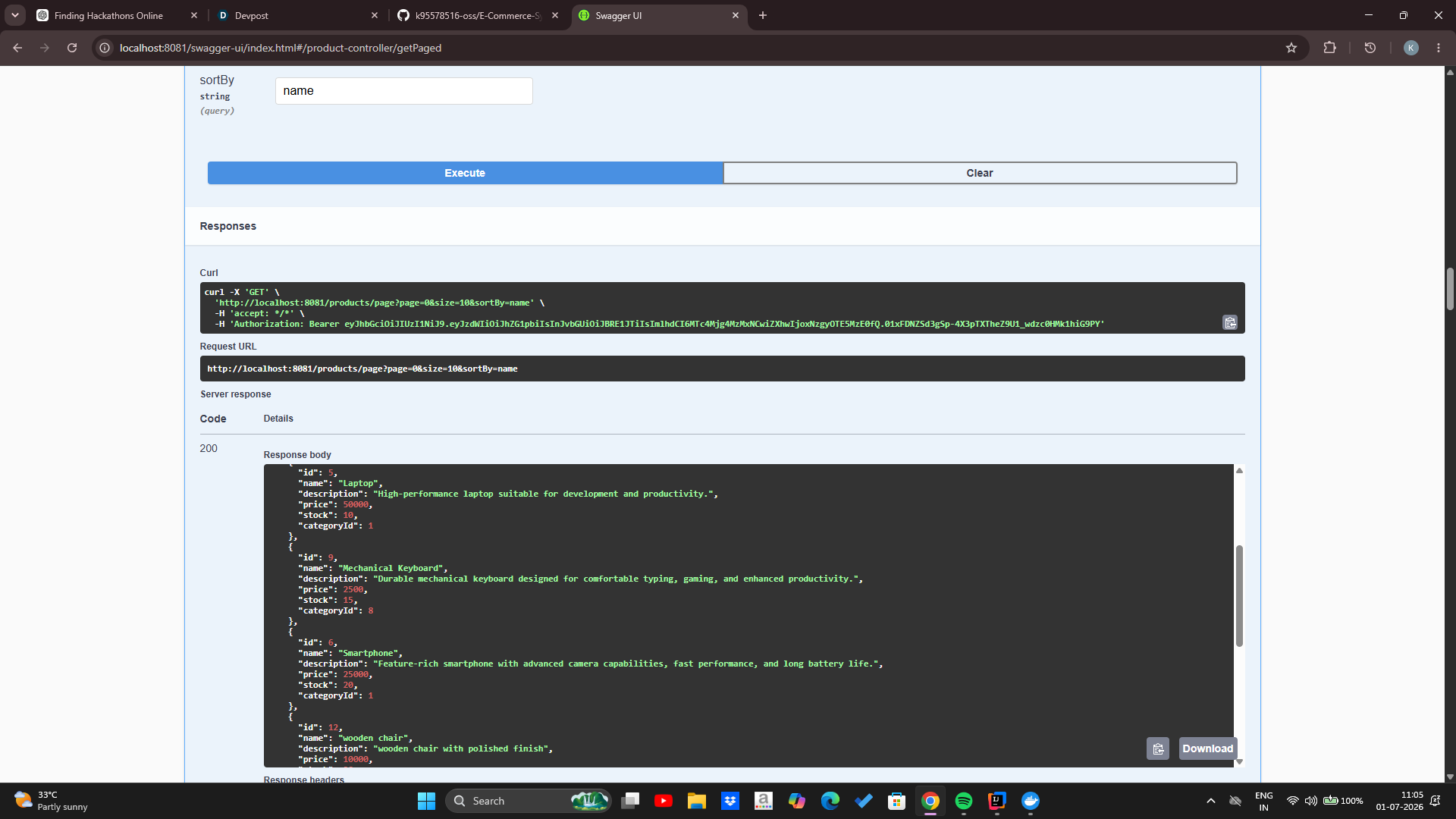
PAGINATION OF PRODUCT
-
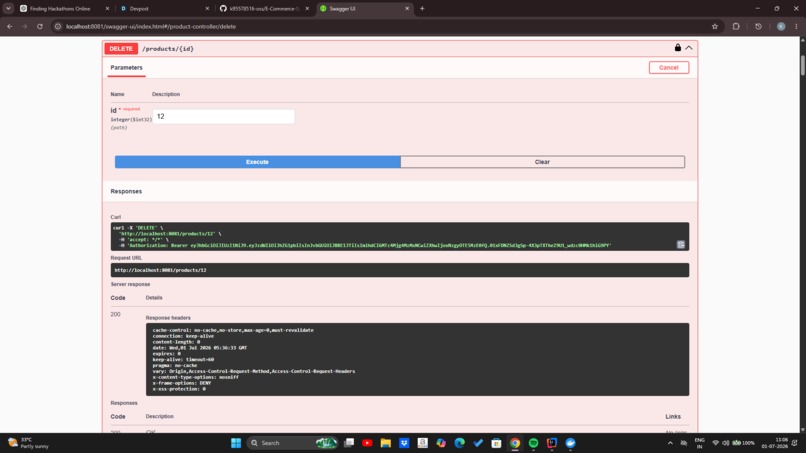
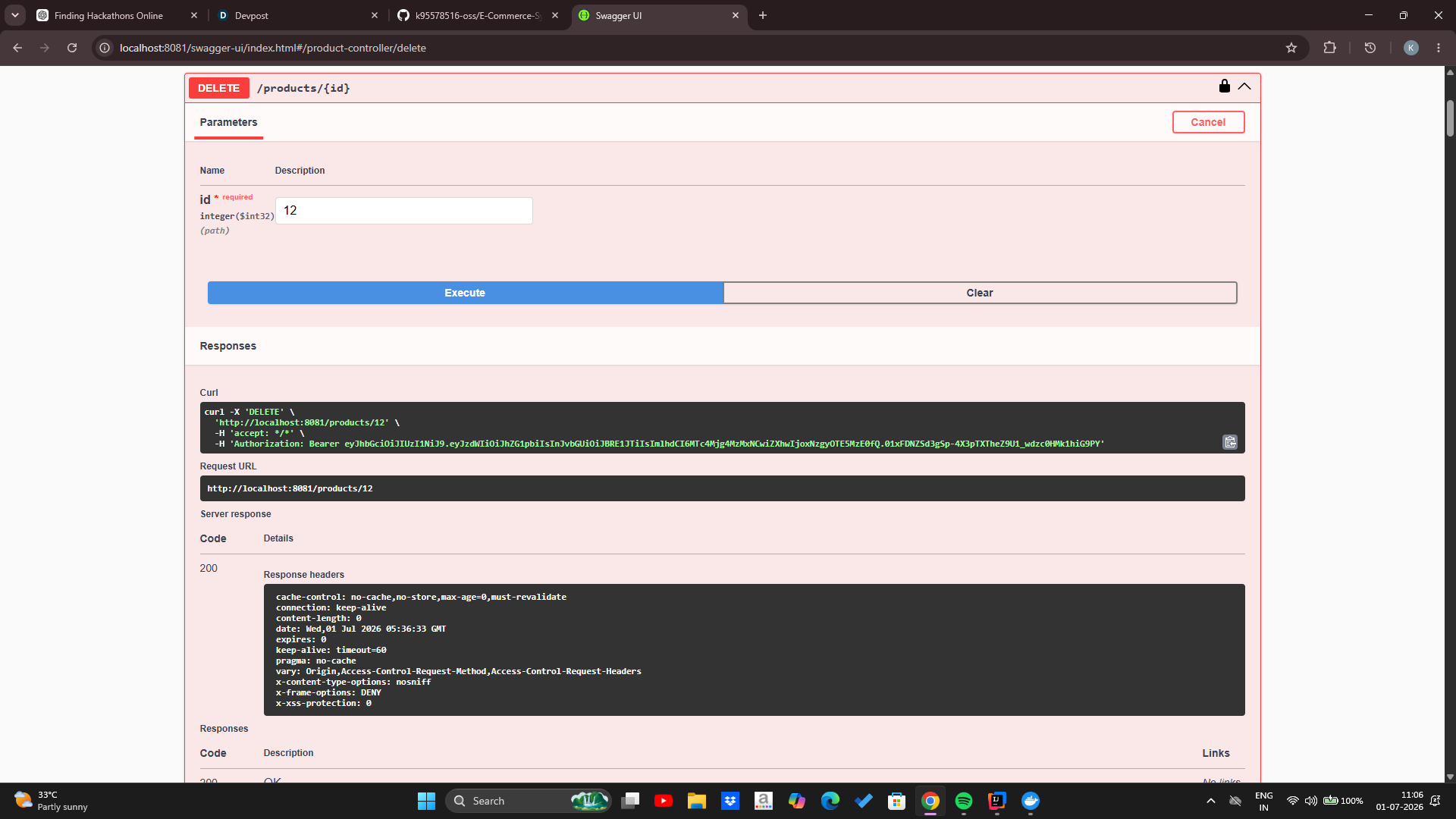
DELETE PRODUCT
-
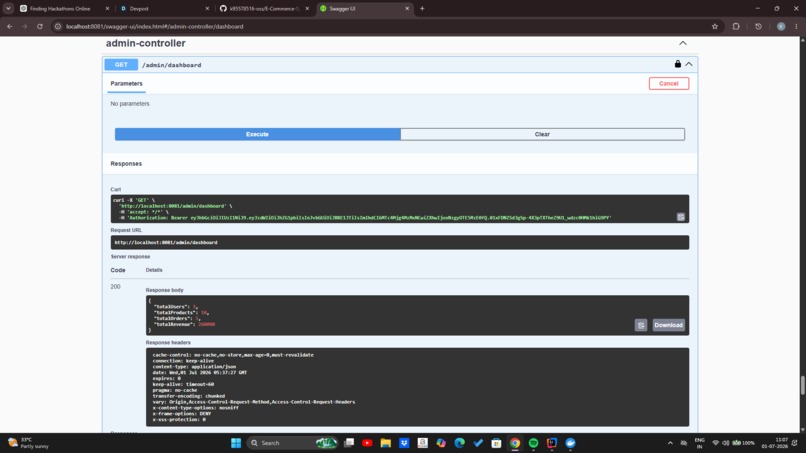
DASHBOARD
-
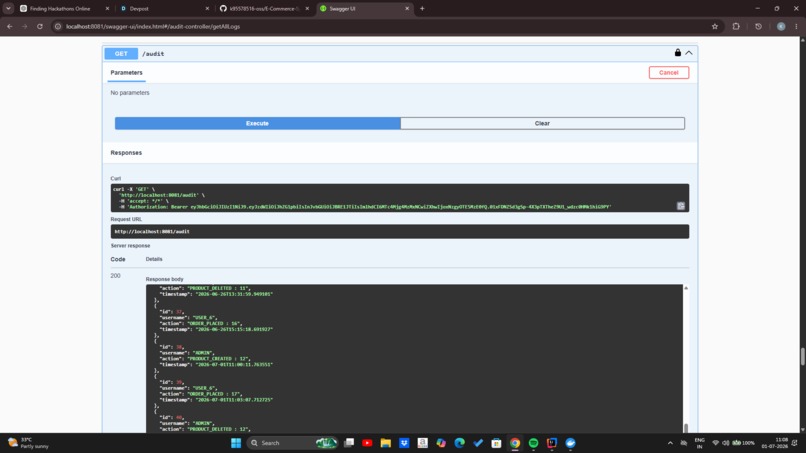
AUDIT FUNCTIONING
The inspiration behind this project was to build a real-world, production-style e-commerce backend system that goes beyond basic CRUD applications. I wanted to understand how large-scale platforms like Amazon or Flipkart handle high traffic, distributed services, and real-time updates across different modules such as users, products, cart, orders, and notifications.
This project was also driven by my goal to learn system design principles, microservices architecture, and scalable backend development using Java.
ShopSphere is a scalable e-commerce backend system designed using a microservices architecture. It provides core e-commerce functionality such as user authentication, product catalog management, shopping cart operations, order processing, and real-time updates.
It also includes:
REST APIs for all services API Gateway for request routing and security Redis caching for performance optimization Kafka-based event-driven communication between services Database indexing for faster search and query performance Swagger UI for API testing and documentation
The system is built using Java and Spring Boot with a microservices architecture.
Each domain is separated into independent services such as:
User Service Product Service Order Service Cart Service Notification Service
We used:
Spring Boot for backend services Spring Cloud Gateway for routing and authentication flow MySQL (or relational DB) for persistent storage Redis for caching frequently accessed data Apache Kafka for asynchronous communication between services Swagger UI for API testing and documentation instead of Postman
Each service is independently deployable and communicates through REST APIs and event-driven messaging.
Some of the major challenges included:
Designing communication between microservices without tight coupling Handling data consistency across distributed services Implementing Kafka-based asynchronous event handling properly Optimizing performance using Redis caching and database indexing Structuring services in a clean, scalable architecture
Debugging distributed system issues was one of the most time-consuming but valuable learning experiences.
Implemented event-driven architecture using Kafka Improved system performance using Redis caching and database indexing Built clean and modular Spring Boot services with proper separation of concerns Integrated Swagger UI for easy API testing and documentation
Through this project, we gained strong practical knowledge of:
Microservices architecture and system design Event-driven architecture using Kafka Caching strategies using Redis API design and documentation using Swagger Database optimization techniques like indexing Building scalable backend systems using Spring Boot
Future improvements planned for ShopSphere include:
Adding payment gateway integration Implementing authentication using OAuth2 / JWT hardening Introducing monitoring and logging using tools like Prometheus and ELK stack Deploying the system using Docker and Kubernetes Adding analytics dashboards for admin users Expanding into a full production-grade distributed system

Log in or sign up for Devpost to join the conversation.