What exists/problem:
Today, the average consumer is switching to a online-based environment. The online environment offers many characteristics that appeal to an individualized and private product purchasing experience. Additionally, there are many costs associated with maintenance of interest for retail space such as: distribution, product overhead, advertising and promotional based development, & rapid upkeep with changing technologies to display. Rapid upkeep with sales also prompts time & effort for curriculum design to enable high sales opportunity and possibility for trained retail sales individuals.
What can exist/solution:
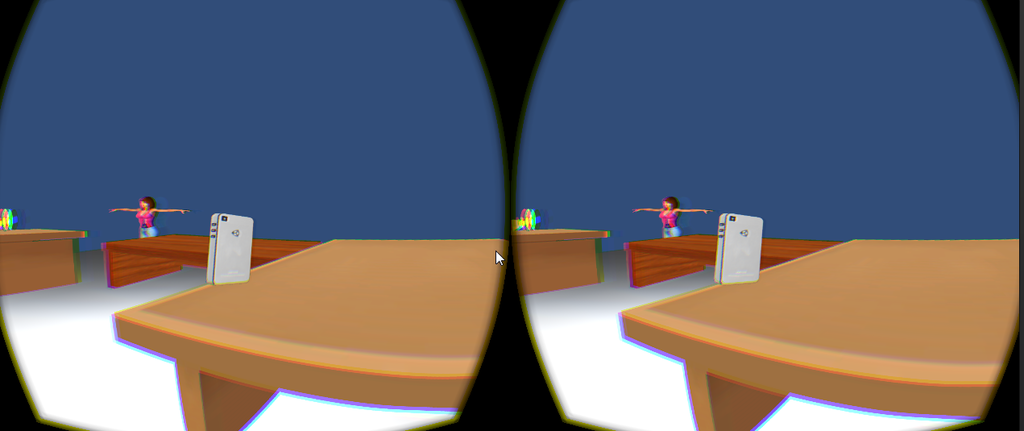
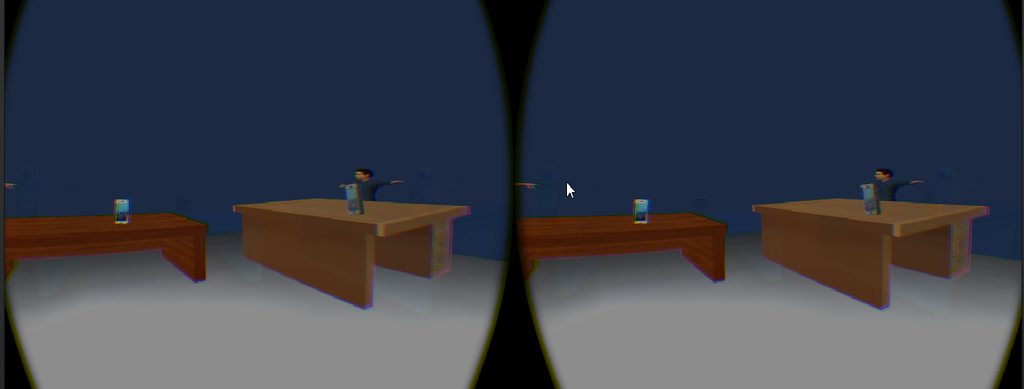
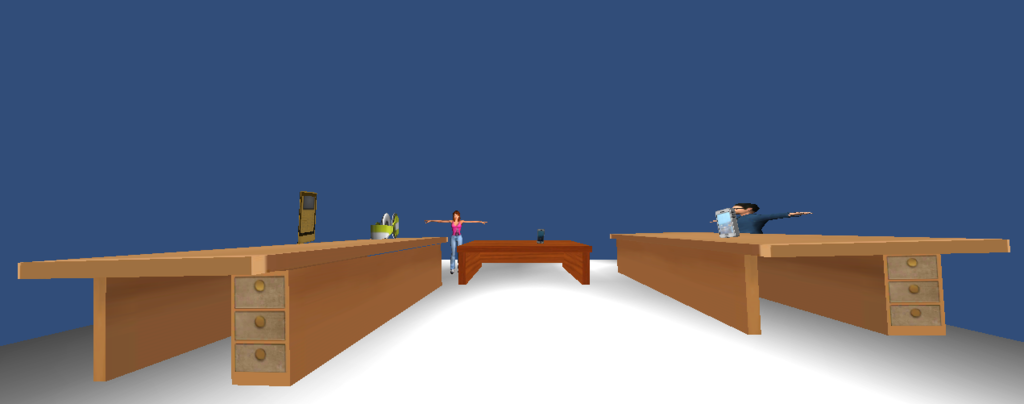
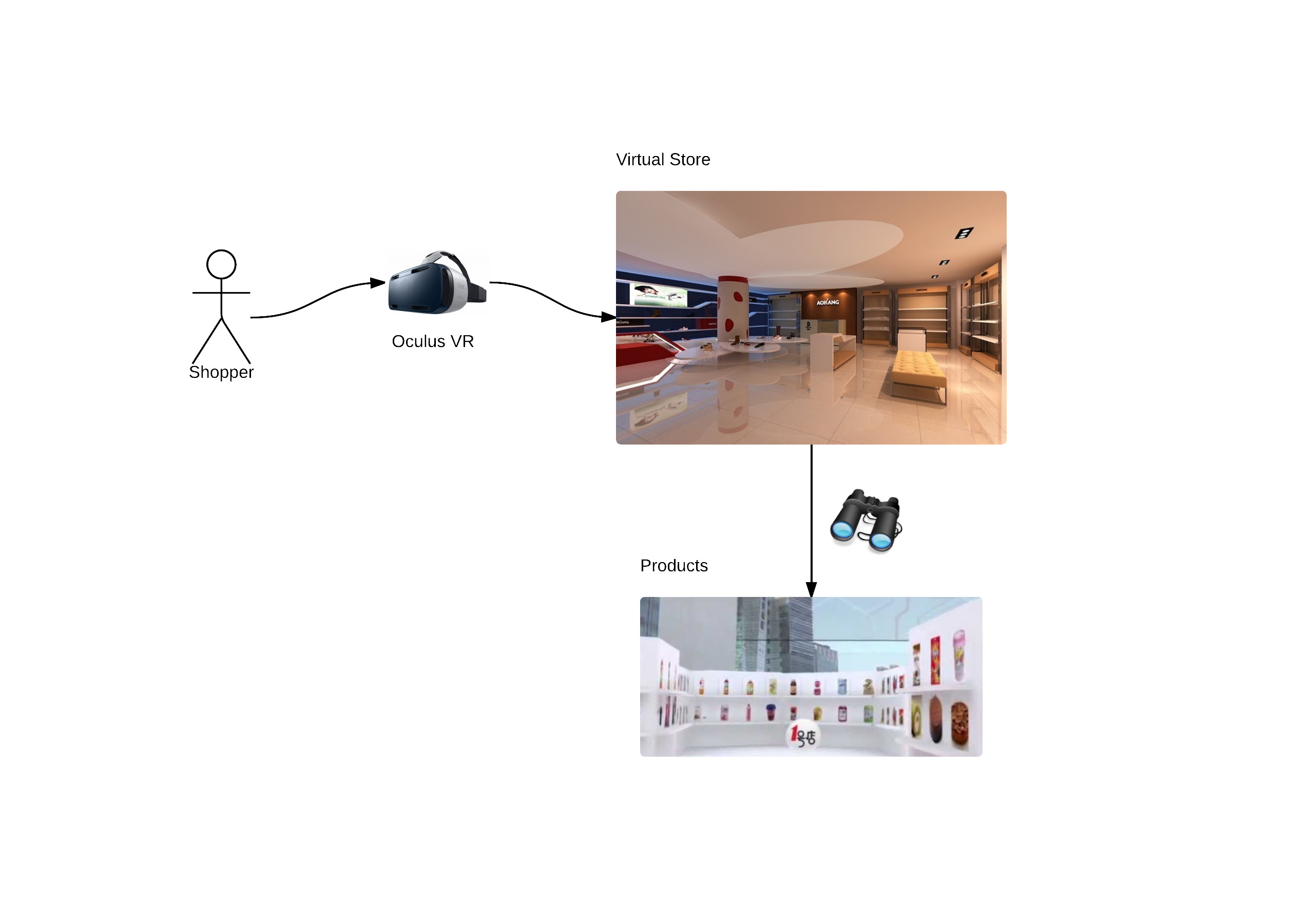
Due to the continuously increasing online presence of retailers, we want to create a new platform for a virtual shopping experience that provides a more personal and hands on approach for the shopper, but also reduces the necessity for the human retail sales element. We feel that the current online shopping experience is lackluster, and impersonal. The customer will be able to use the headset and explore a brick and mortar store virtually and interact with the different products in the store. This provides a more personalized and convenient experience for the shopper, such as them being able to experience real world shopping from the comfort of their couch. For the business, it allows them to save money by reducing floor space since the customer will have a less of a physical presence. Also, it allows business to quickly market and test new products by releasing them in their virtual retail stores first and getting feedback before releasing them for physical production. The challenges we are facing now are working with the SDK since we have limited experience with it, and how to work with the retailers to convert their physical building and products into a virtual one that provides a great experience, and making sure that the virtual model is as realistic as possible. Also, we are trying to work out a distribution model/process that will allow the retailers to seamlessly update their virtual presence such as updating or adding new products, and customizing the look and feel of the store.
Use Case:
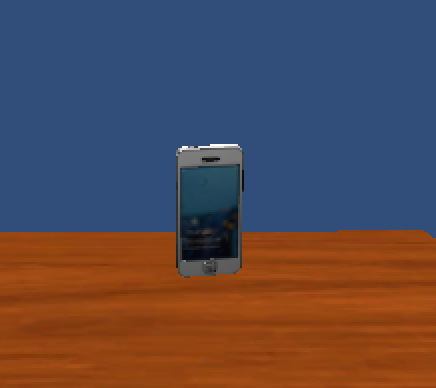
Let start with a typical day for a customer of the future. First, the user, Joe, is interested in a new product, and sees this products being marketed a booth in a new tech road show. This is the product that Joe has been following for a while, but has always been skeptical about. What more than for this customer to be submersed virtually into the company’s new store that will be opening down the street in the new few weeks. Joe takes some time to interact in the new store, and to his surprise finds the product that he has been looking for. Second, Joe views the product just to see how it feels about it. Products details are then listed in front of him such as when it will be sold in this store, what other stores are selling the product, product details, the size of the product, shelf life, and reviews about the product. Joe finds this product as not exactly to his liking, so he walks around the store some more to find a similar product. He discovers another product to his liking and he is ready to purchase. In Shoply, you can save the product to your shopping cart, and when Joe is ready to buy he simply clicks one button and all purchases are automated and Joe is ready to pick it up from the new store when it opens, or have it shipped to him.

Log in or sign up for Devpost to join the conversation.