Inspiration
Wavefront was inspired by a realization that comfort is the strongest when it comes from those closest to you. We wanted to use a clinically proven remedy for agitation in dementia patients, and make it accessible to all who need it.
How we built it
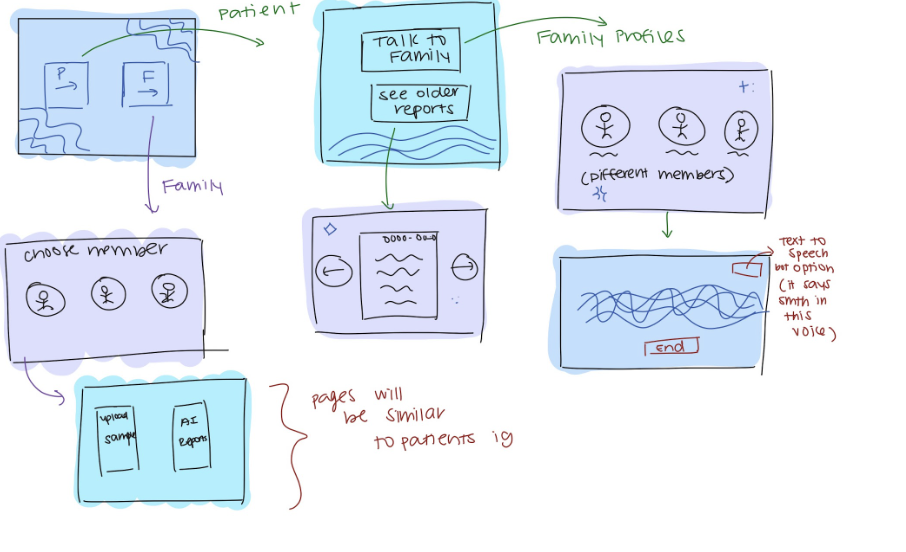
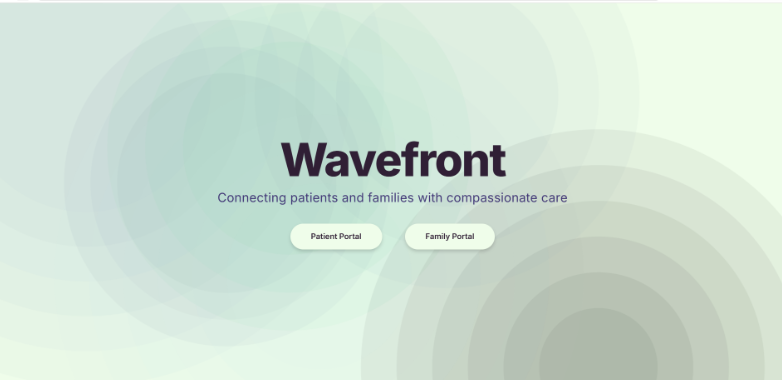
We built Wavefront using React for the frontend, with a UI deliberately designed to feel calm and intuitive for caregivers under stress. The concentric circles mimic a ripple, whose animation reminds us to slow down and breathe. On the backend, we integrated ElevenLabs' voice API to clone familiar voices from uploaded samples like old voicemails and home videos. This allows familiar voices to be adapted to new contexts, so the patient can hear what it needs to hear, from a voice that’s actually familiar to them. We then built real-time agitation detection that analyzes tone, volume, and phrasing so the AI can adapt what content is being delivered mid-conversation. The app is built on two portals: one lets the family upload their training data, and one allows the patient to initiate conversations.
Challenges we ran into
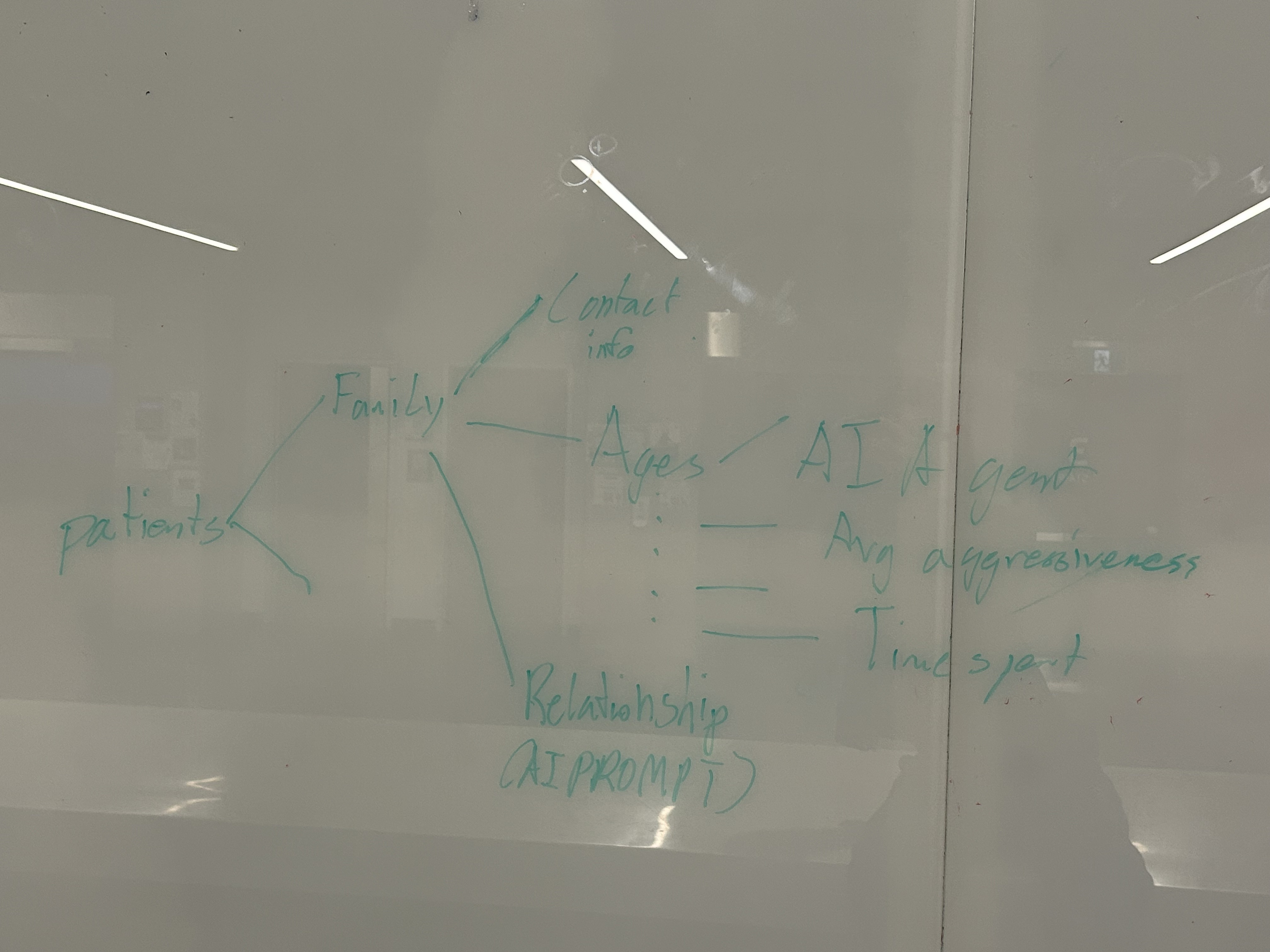
Our biggest challenge was working within the constraints of ElevenLabs' free tier — limited API calls and voice cloning restrictions meant we had to be strategic about every request. On the data side, implementing MongoDB to manage patient profiles, voice samples, session history, and agitation scores across two separate portals required careful schema design to keep everything connected without overcomplicating queries under hackathon time pressure.

Log in or sign up for Devpost to join the conversation.