-
Lost in Translation
Inspiration
We've been to plenty of hackathons, and we almost always build something practical, like an app that solves a problem or helps a user with a task. This time it felt different. The one thing that connects our team is our love for video games, and when we saw the opportunity to build one, we didn't hesitate. We wanted to flex our creativity, build something genuinely fun, and make a game we'd actually want to play ourselves.
What it does
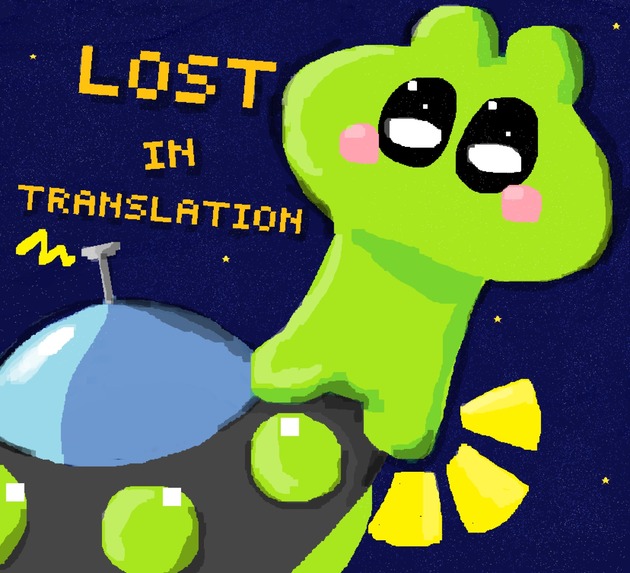
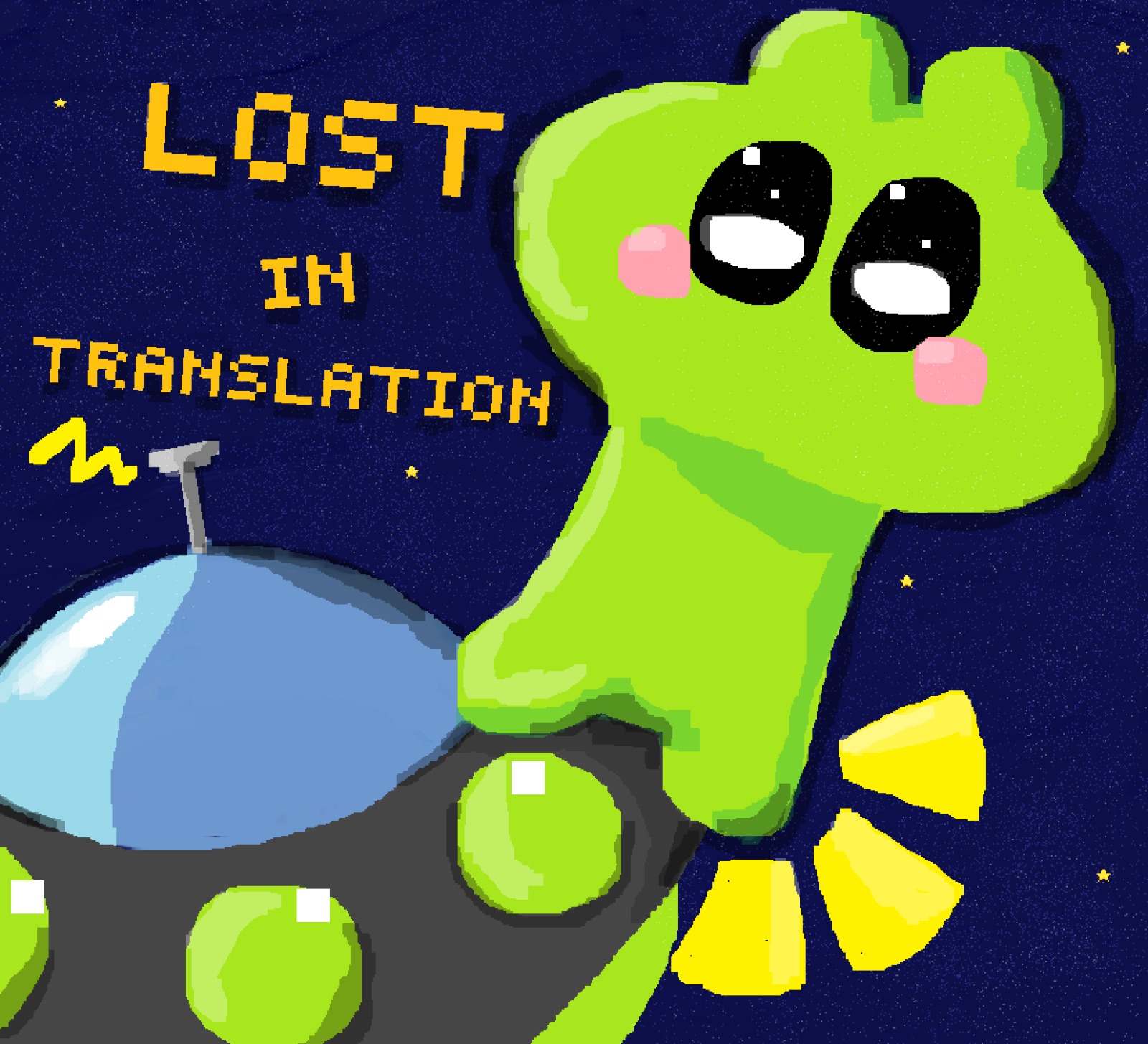
Lost In Translation is a story-driven game where you play as Glip, an alien who crash-lands on an unknown planet with a broken spaceship and no way to communicate with the locals. The planet's inhabitants speak a fully scrambled alien language, and it's up to you to decode it.
Players interact with NPCs, some with their own role in Glip's journey. To understand them, you take on word-matching mini-games that unlock new vocabulary one word at a time. As your alien dictionary grows, so does your ability to ask for help, such as earning money from locals, gathering resources, and piecing the broken spaceship back together until Glip can finally fly home.
How we built it
With Medo, Prompt Engineering and Creativity.
Challenges we ran into
The biggest concern going in was complexity. A game with NPC dialogue, a functional scrambled language system, and interactive mini-games has a lot of moving parts and we weren't sure how well Medo would hold it all together. With most LLMs, fixing one thing tends to break something else. We expected a lot of that. Managing consistency across so many characters and mechanics while keeping the game logic intact was the core challenge throughout the build.
Accomplishments that we're proud of
We're proud that the scrambled language mechanic actually works pretty well. It's not just a visual trick; it's a functional system that gates progression and makes every decoded word feel meaningful. We're also proud of the world we built: 10+ NPCs, each distinct, each contributing something to Glip's journey. And honestly, we're proud of the fisherman NPC with a fish on his head, we didn't ask for that, Medo just did it, and we kept it.
What we learned
Medo surprised us. We went in expecting to spend a lot of time wrestling with the model to keep things intact as we iterated, but it largely held everything together, fixing what we asked while leaving the rest untouched. We learned that with the right prompting approach, you can build something far more complex and creative than you'd expect. We also learned that giving an AI creative latitude sometimes produces better results than over-specifying everything.
What's next for Lost In Translation
We'd love to expand the world. More NPCs, more areas to explore, and a deeper alien language with a larger vocabulary to unlock. We also want to introduce more variety in the mini-games and add more layers to the spaceship repair system. Longer term, we think the core mechanic of language-as-progression has a lot of untapped potential, and we'd love to explore it further.
Built With
- medo
- prompt-engineering

Log in or sign up for Devpost to join the conversation.