-
-
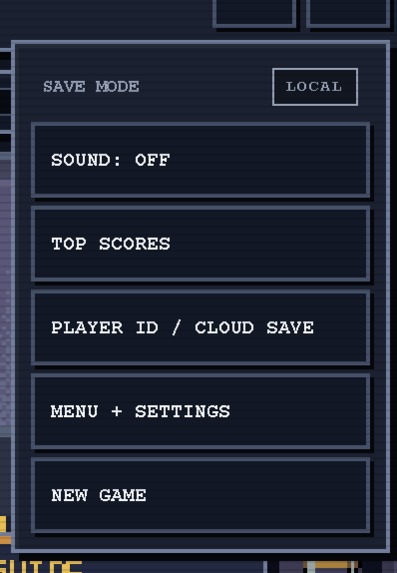
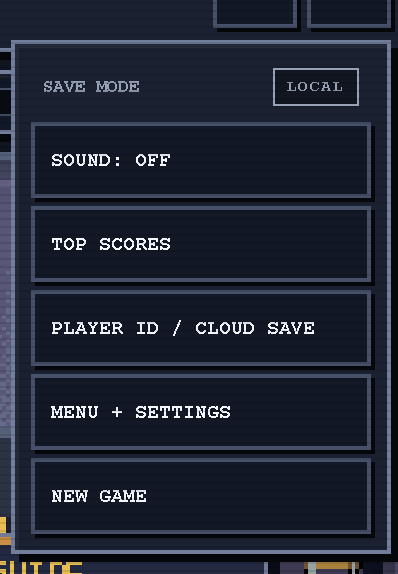
Control Menu
-
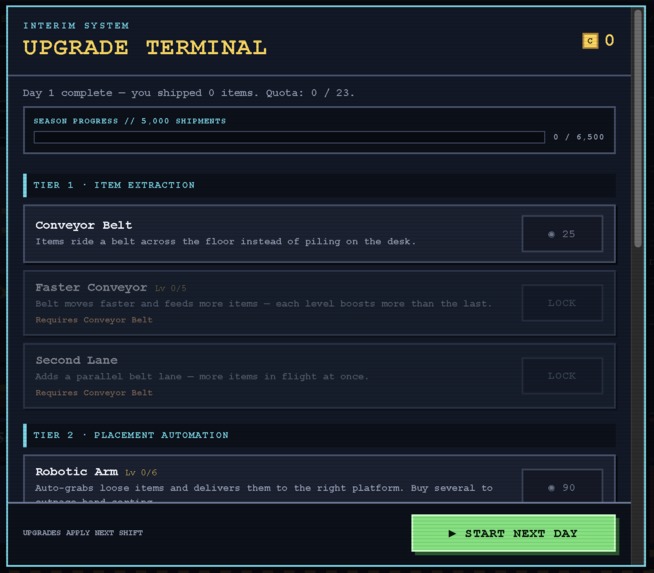
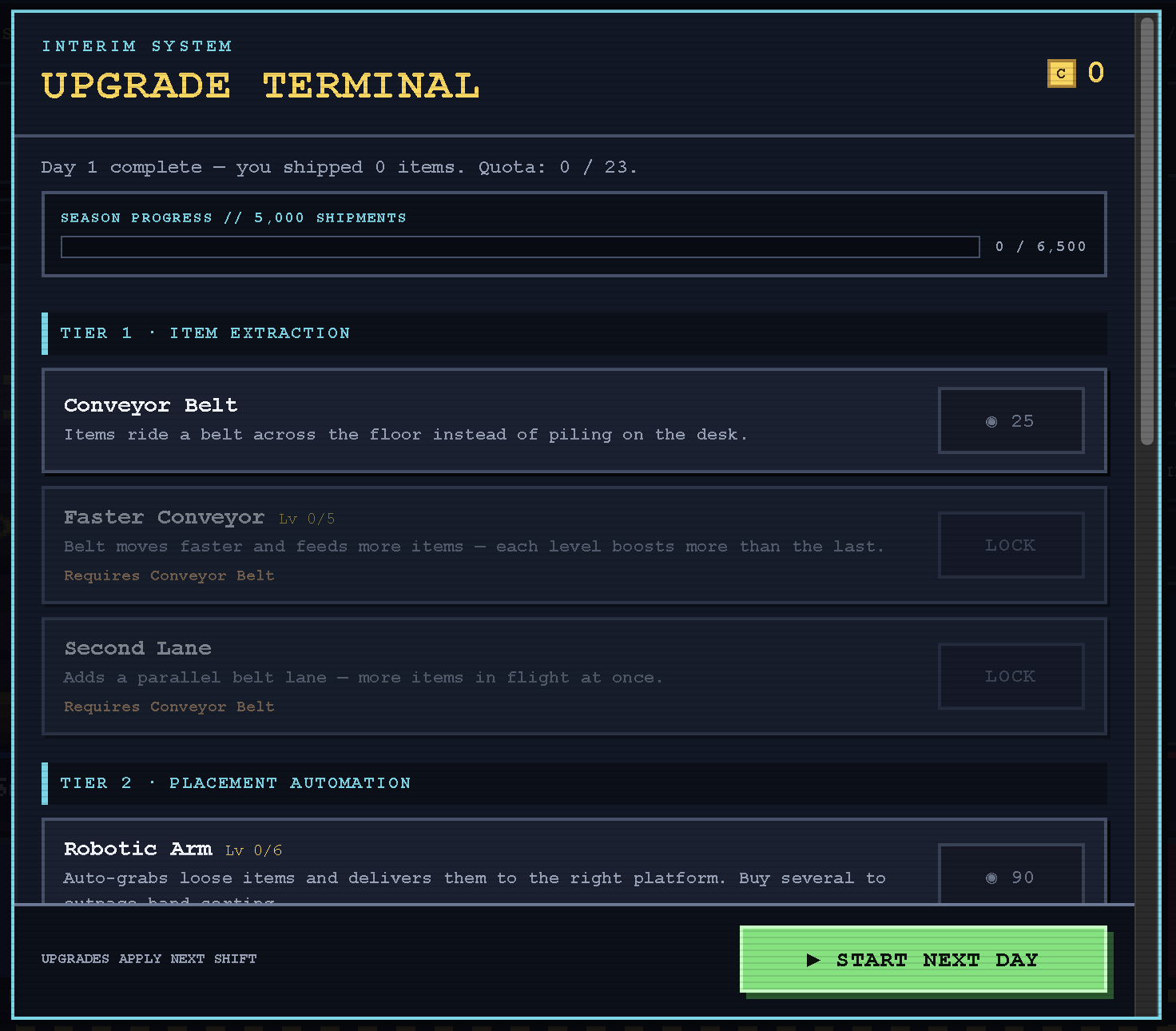
Upgrade Terminal
-
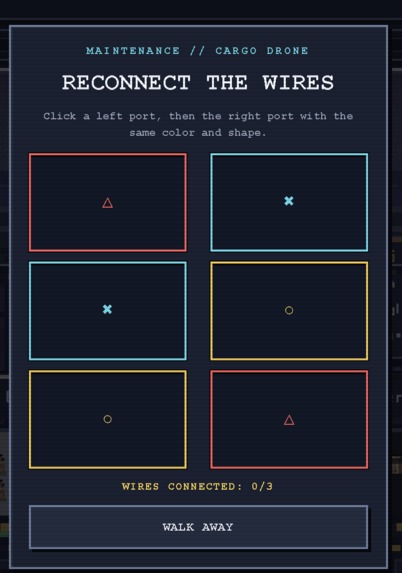
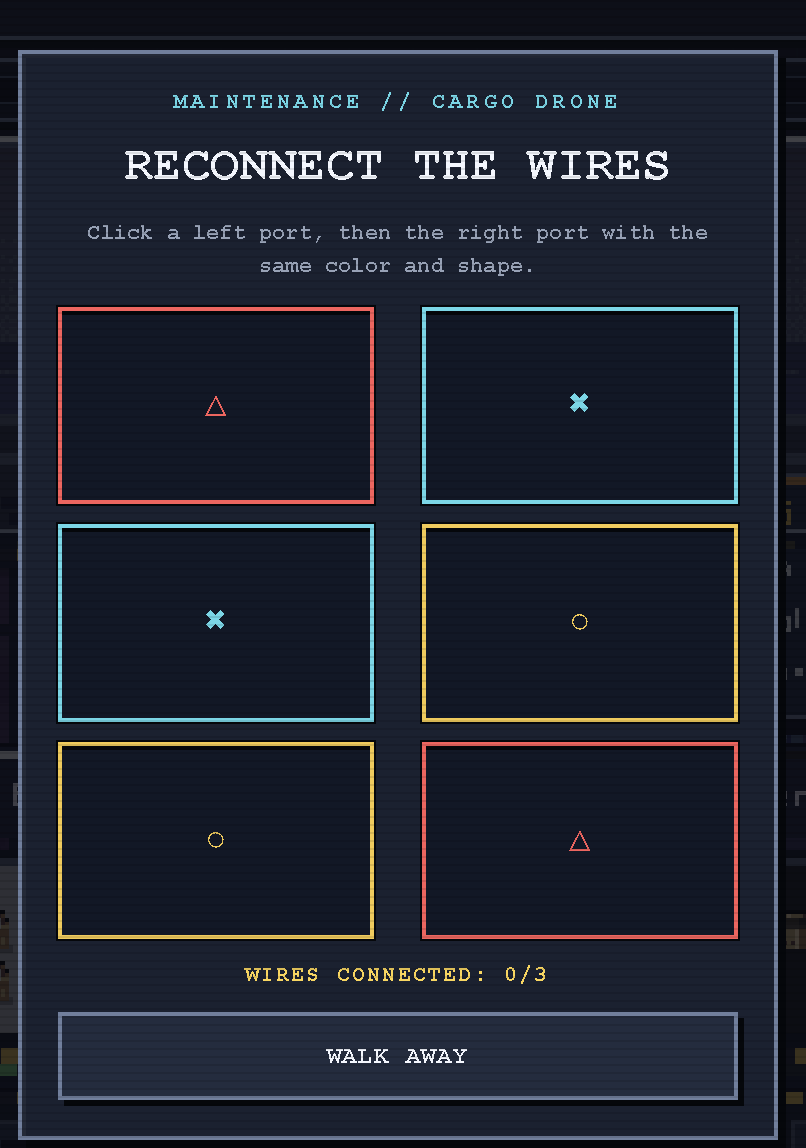
Mini Game to Solve Malfunction
-
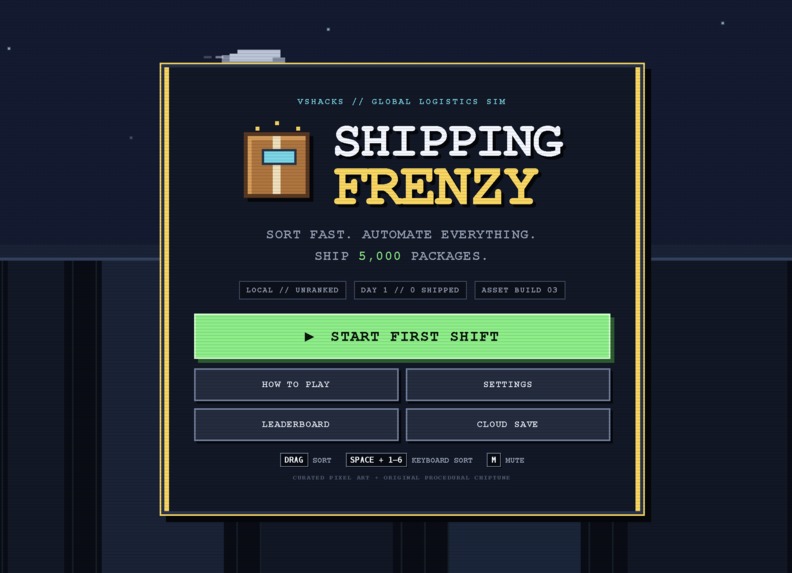
Loading Screen
-
Gameplay
Inspiration
We were inspired by games like Cookie Clicker and Roblox Tycoons. We based the gameplay flow of Shipping Frenzy around these games, where you start with a simple task, and it eventually automates with upgrades from the money the player makes after a round. Soon after multiple rounds, you will have enough to buy the best machines and upgrades, so you don’t have to do any more labor and can just watch them go to work.
What it does
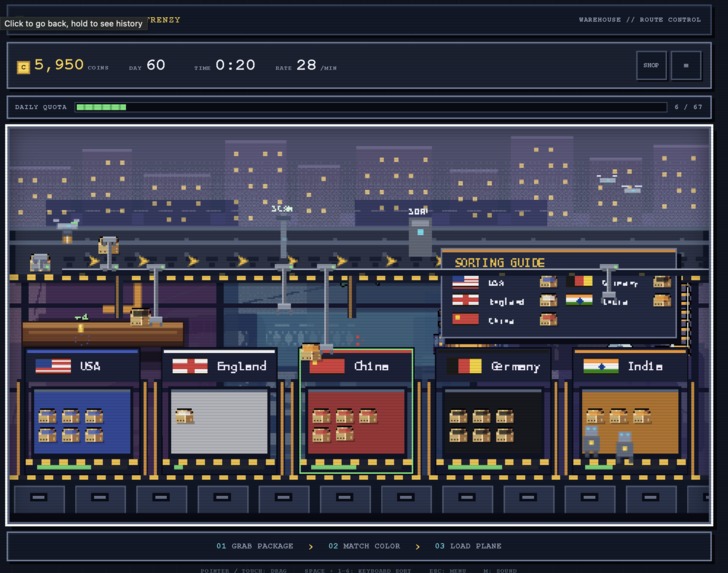
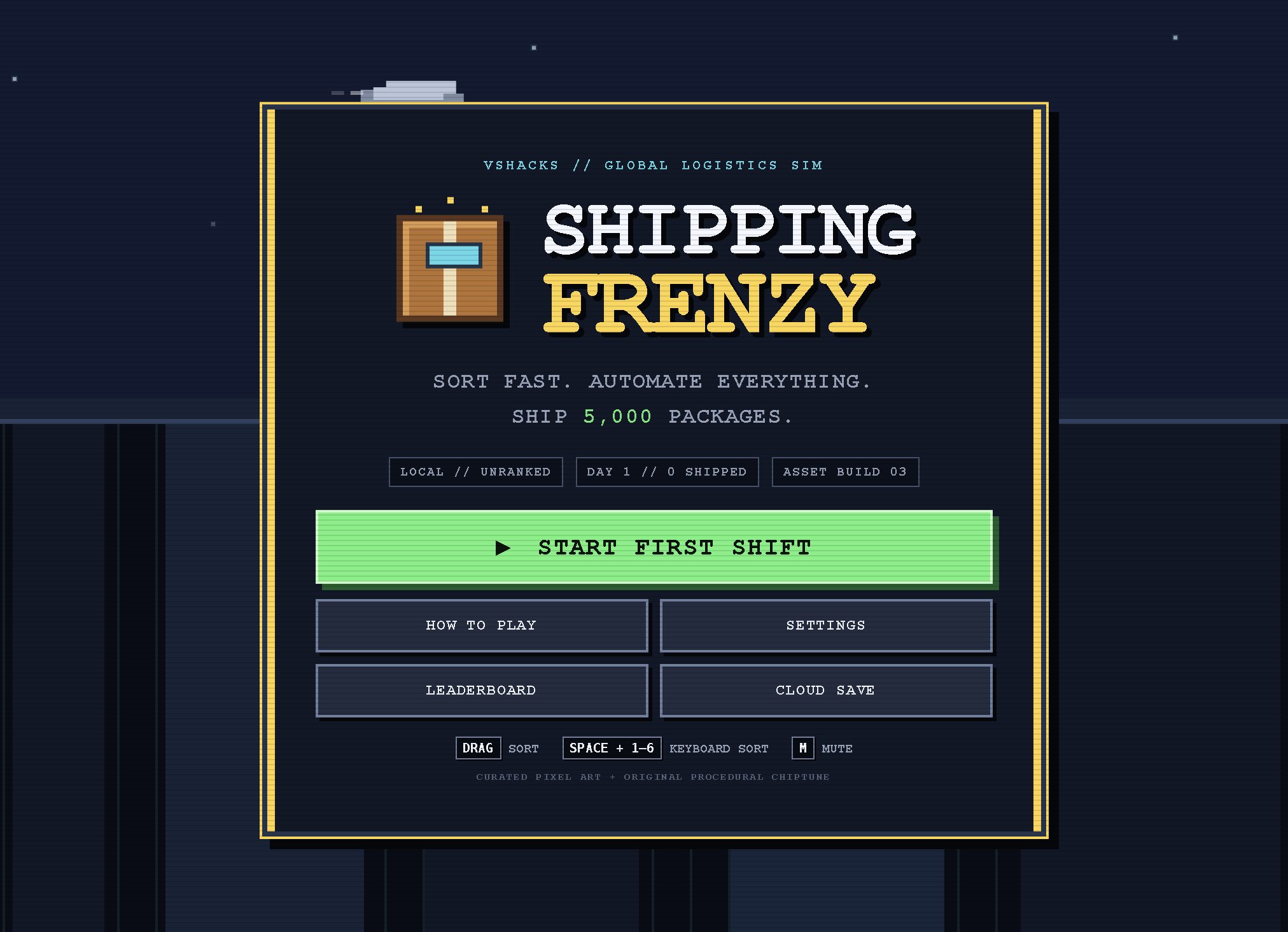
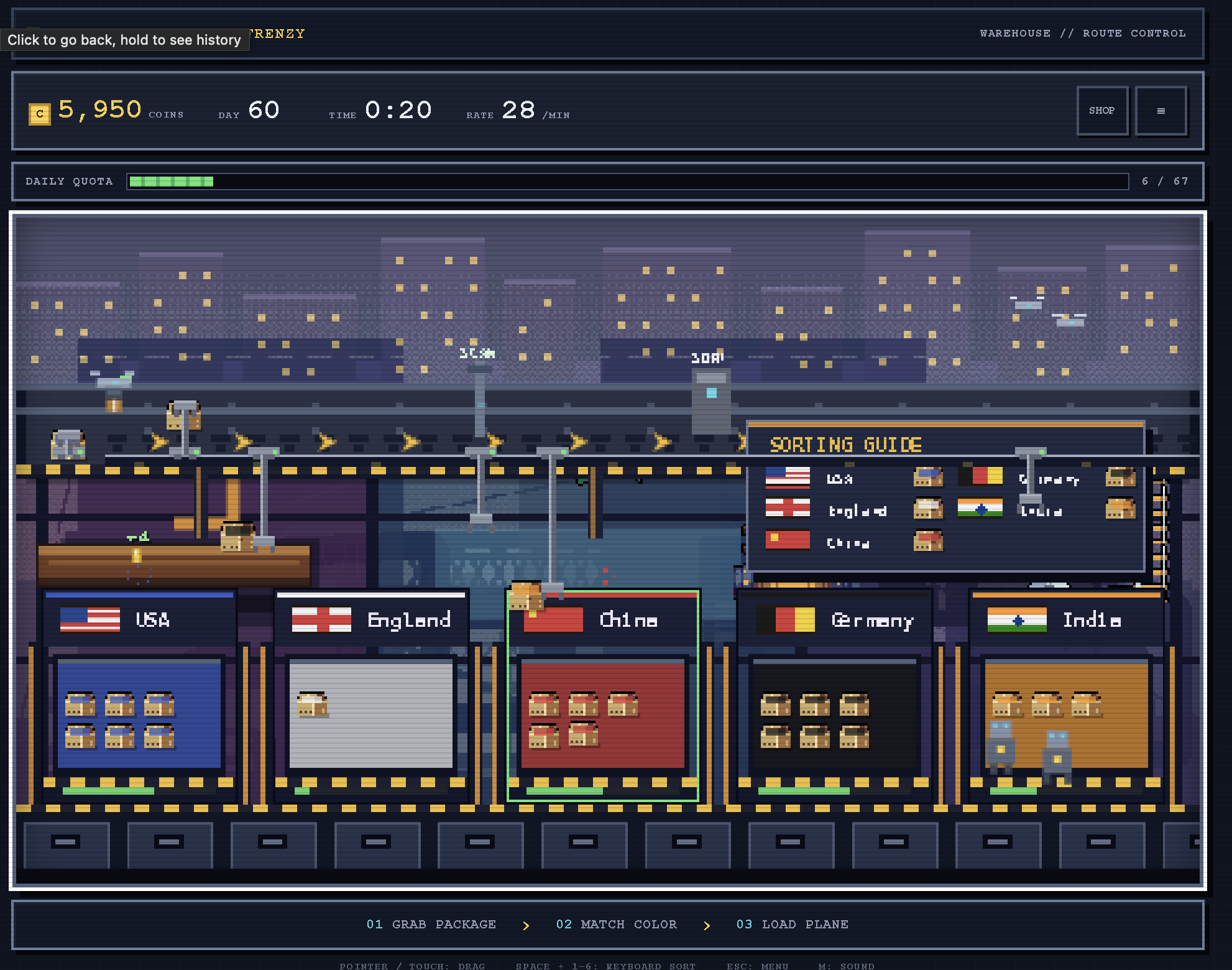
Shipping Frenzy is a browser-based shipping tycoon game where you start by sorting packages manually and slowly automate the entire warehouse. You run a small shipping company by yourself. Packages come in, and you have to drag them to the correct country platform before the cargo plane leaves. At first, everything is manual, and keeping up is supposed to feel difficult. As you earn coins, you can buy conveyors, robotic arms, scanners, automated sorters, and AI workers to handle more of the warehouse for you. The main goal is to reach 5,000 lifetime shipments and unlock the prestige system. The game works in 30-second time intervals, where you work a “shift” and then get coins for your shipments. With these coins, you can buy upgrades that help with the process of shipping packages. Even though the process of bringing packages to their respective locations becomes automated, player interaction is still necessary. Malfunctions occur on certain upgrade equipment, for which the player must play a quick minigame to fix.
How we built it
Utilizing our knowledge from past coding experiences, we separated our group into sections where we are strong. For example, Anghelo worked on the backend because he has past experience with it, and Tarun worked on the frontend, as he is a great artist and creative. To ensure the game was lightweight and loaded instantly without any bulky framework dependencies, we built the entire frontend using pure JavaScript, HTML5, and CSS, implementing a fully custom, DOM-based HUD. To support the game, we developed a backend using Node.js and Fastify, backed by a PostgreSQL database to handle data management seamlessly.
Challenges we ran into
The main challenges we faced were with UI design as well as setting up the GitHub repository. It was our first time using GitHub, so we were trying to understand how it worked, after which we set up ways to make sure we did not mess with each other's code when we merged branches. When it came to designing the user interface, we were stuck on the aesthetic the game should follow. Originally, we wanted a 3d game where you control a character, but we went through so many revisions that we ended up deciding on the current 2d visuals. That only brought more questions regarding the HUD, visuals, audio, and so on. We created multiple iterations of the game before landing on the one we have right now, which we believe is the best.
Accomplishments that we're proud of
Two of us in the team are doing this as our first hackathon. Before we began, it seemed impossible that we would have a fully working submission by the end of the weekend. It's a proud feeling to have put in work and created a working video game within such a short span of time. Additionally, we are proud of how the aesthetic turned out. Even if that isn't the top priority, it took us many attempts before we could watch the game and say that this would be our best work in terms of visuals.
What we learned
Our group succeeded in learning and teaching how to use GitHub, as one of our team members was brand new to the platform. This was a challenge for our group originally, and we underestimated it as we thought we would just pick it up while using it, but after some effort, we all succeeded in gaining from this learning experience.
Built With
- css
- fastify
- html5
- javascript
- node.js


Log in or sign up for Devpost to join the conversation.