Inspiration
The initial spark for “Shifted Reality: A Fantastic Adventure” came from the intriguing question: What if instead of playing IN your space, you play WITH your space? We envisioned a game where your room isn’t just a backdrop—it’s a crucial element of the adventure. This vision led us to create an experience where you don’t just pilot a spacecraft, but you pilot your entire house through the cosmos! Inspired by both classic and contemporary space cinema, we wanted players to dive into a rich and thrilling narrative.
What it does
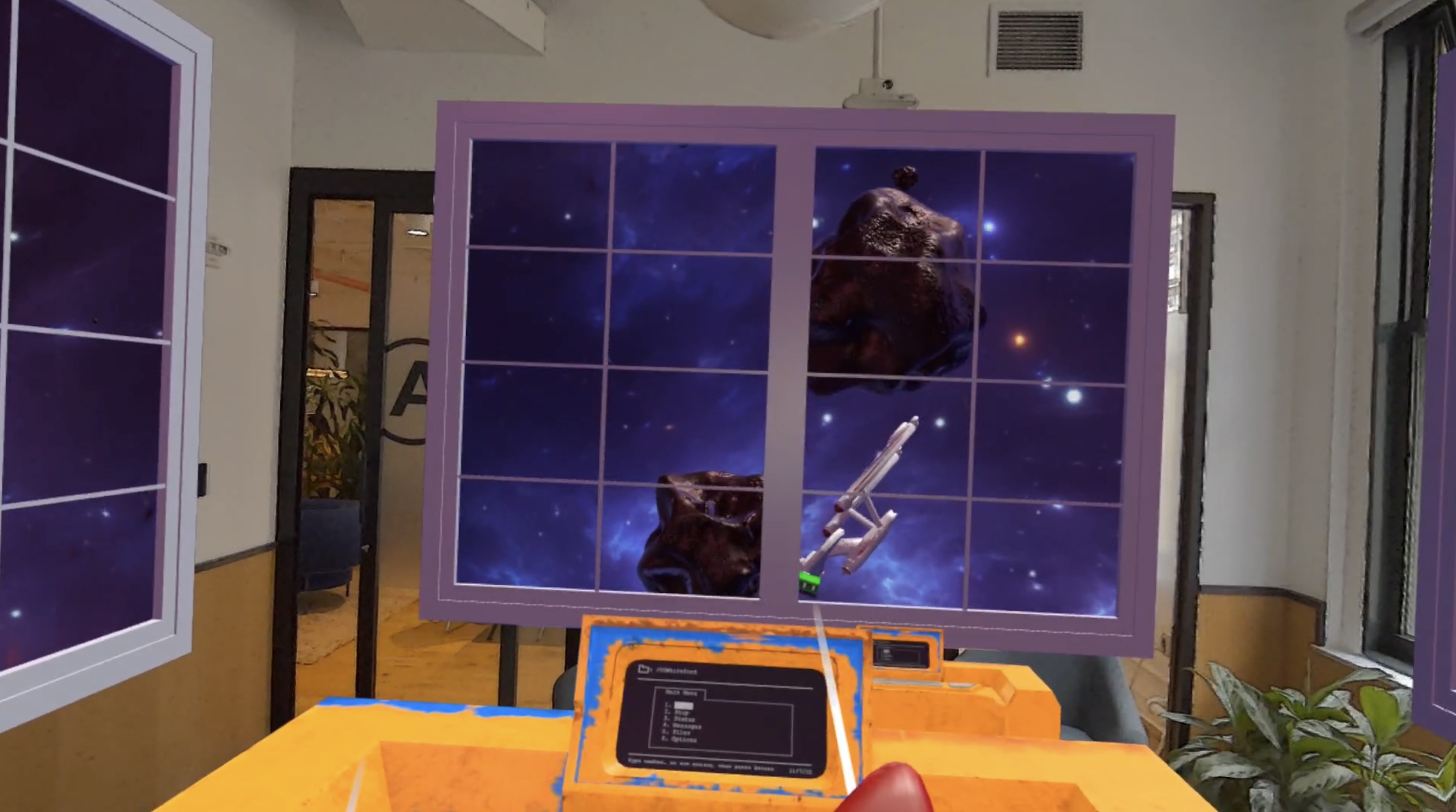
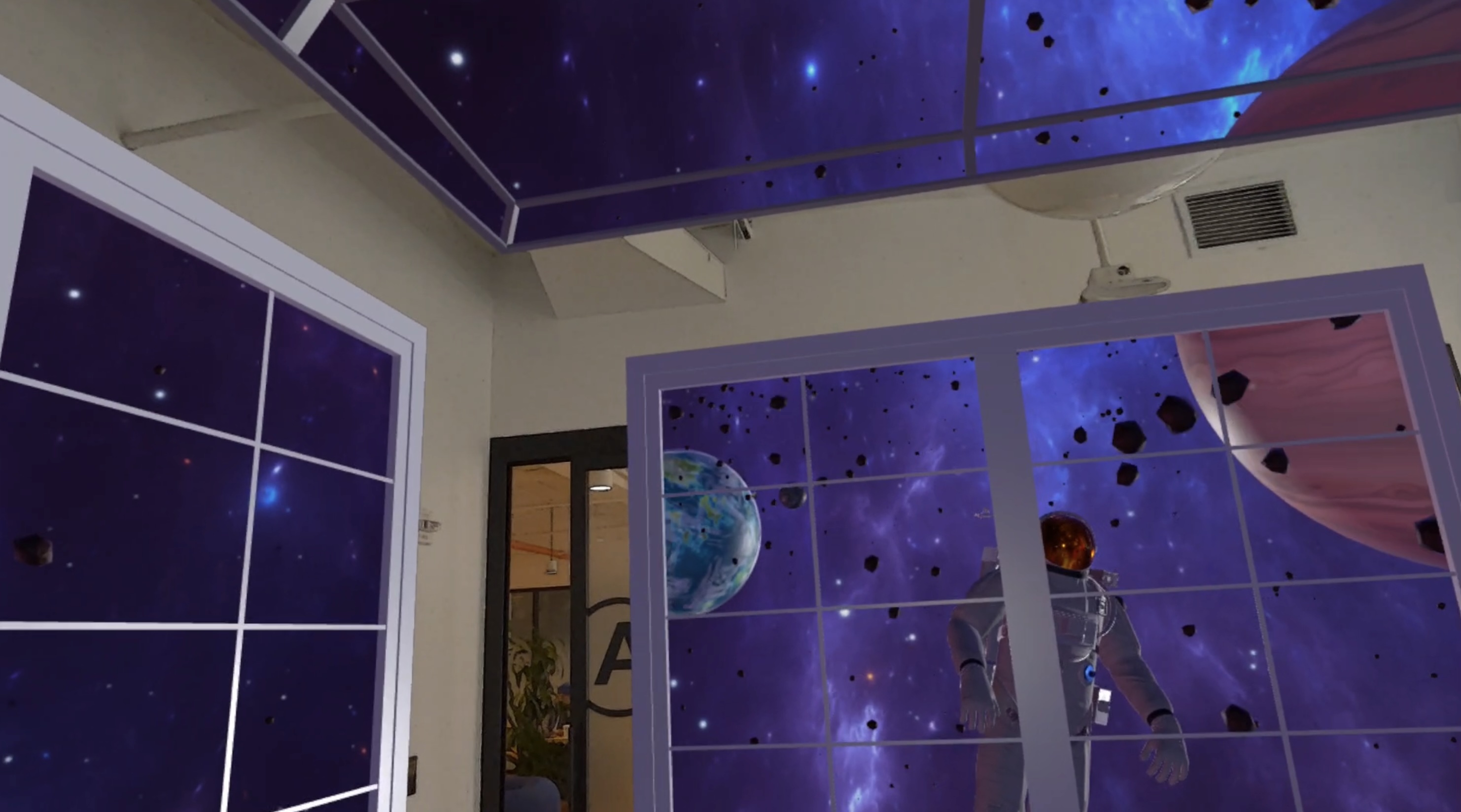
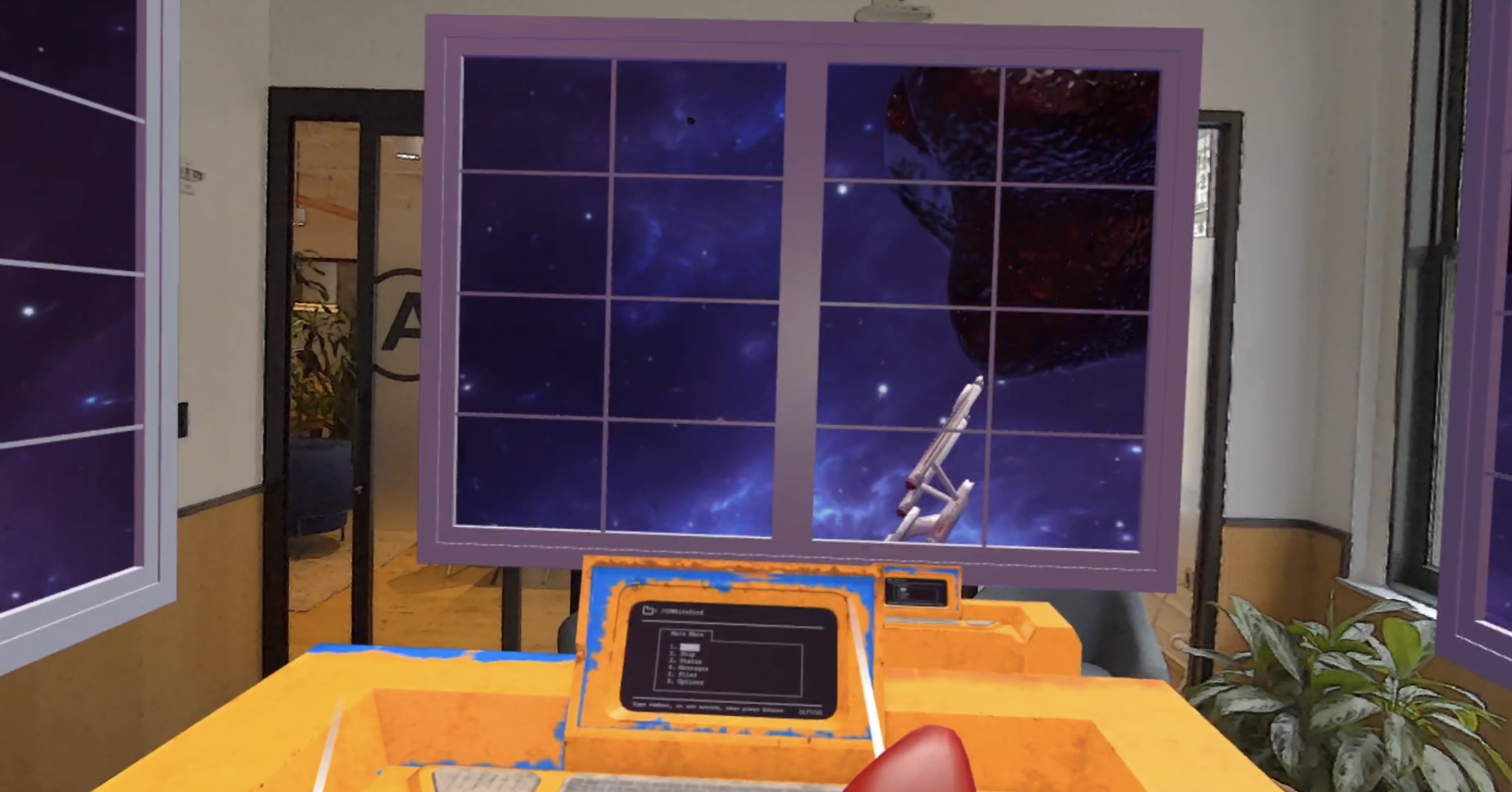
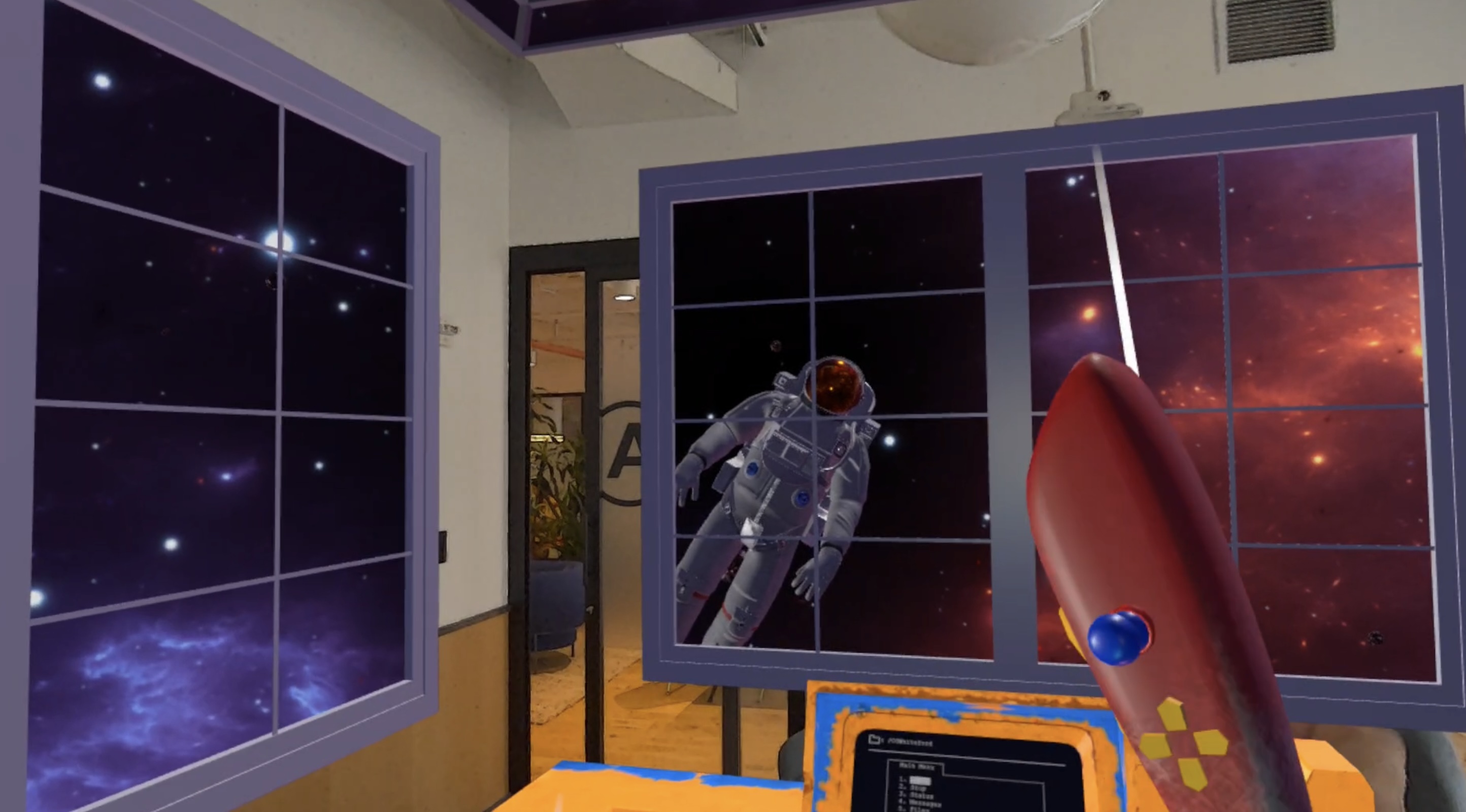
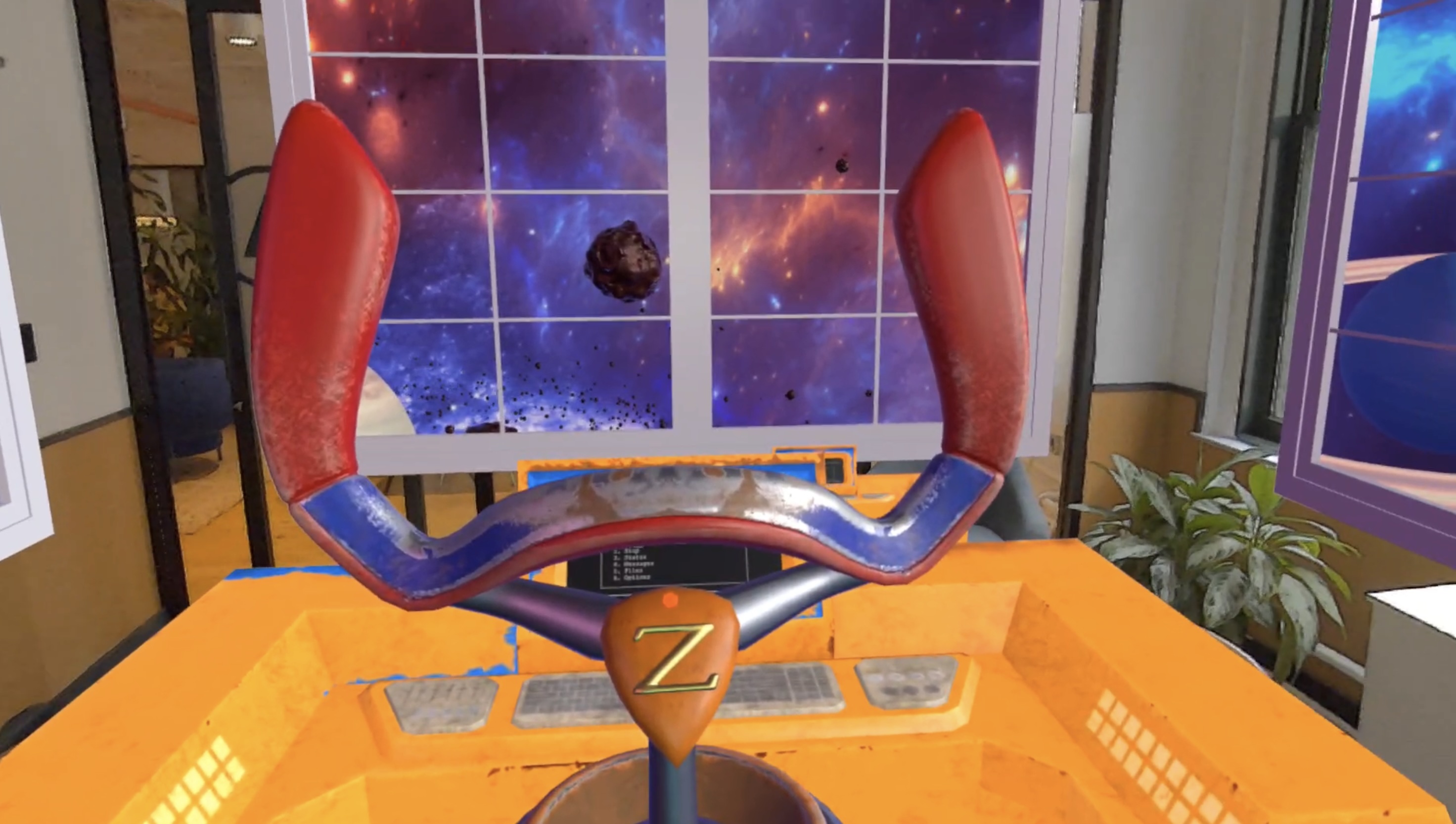
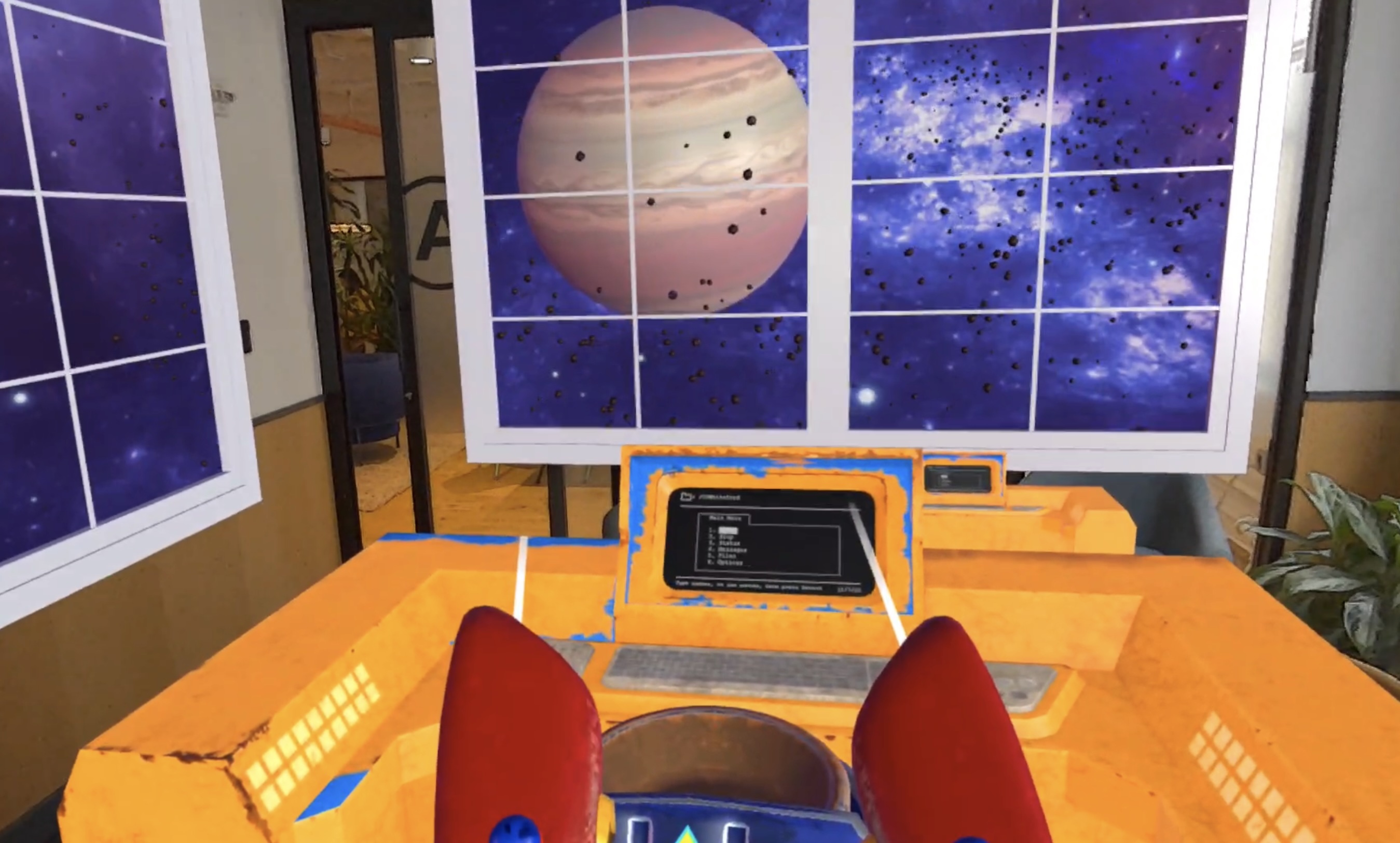
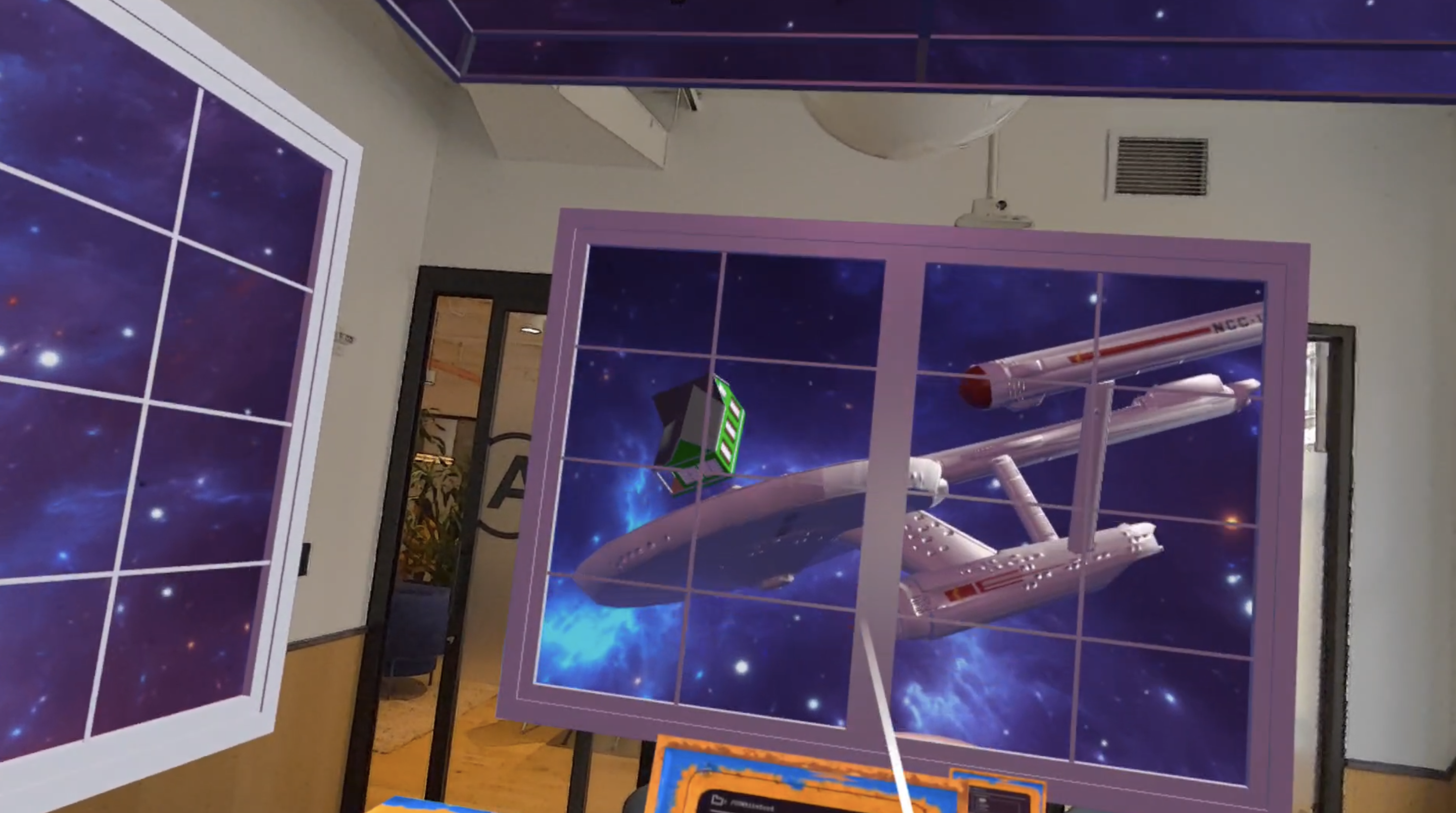
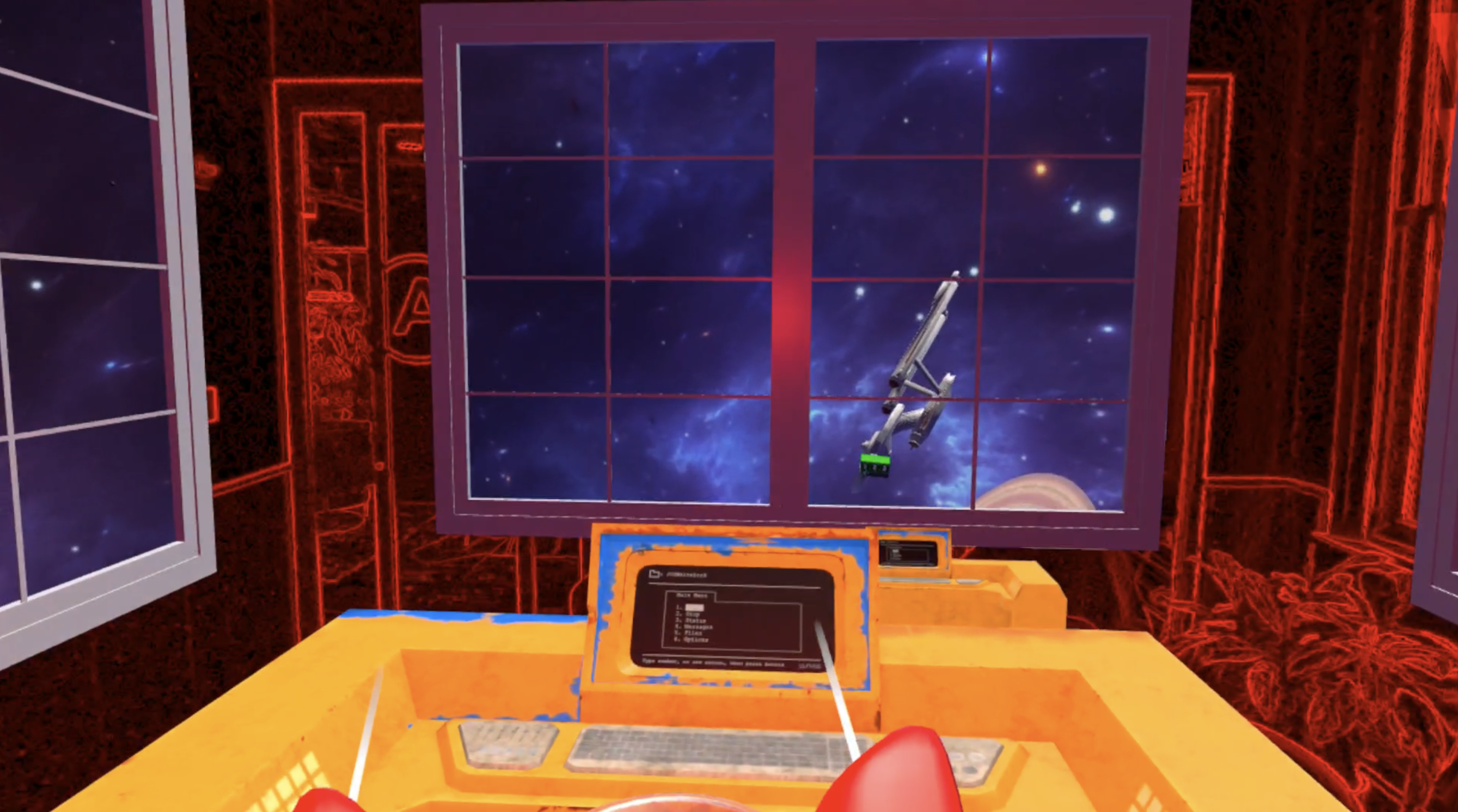
"Shifted Reality" turns your house into a spaceship navigating through the universe, dodging asteroids, exploring planets, and interacting with spacecraft and other players. The game is designed to transform each room into an interactive environment, where every element can influence the course of your space adventure.
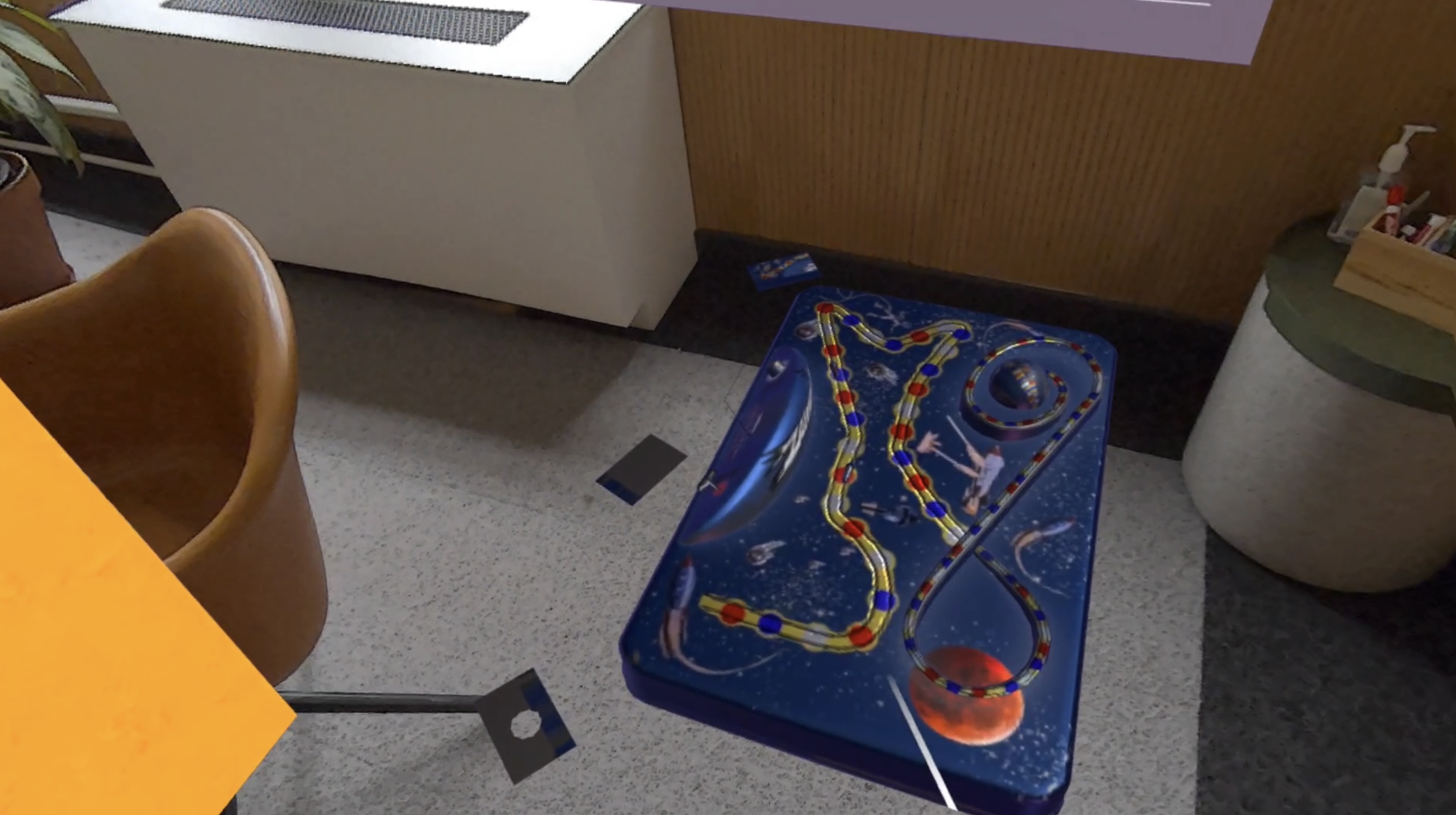
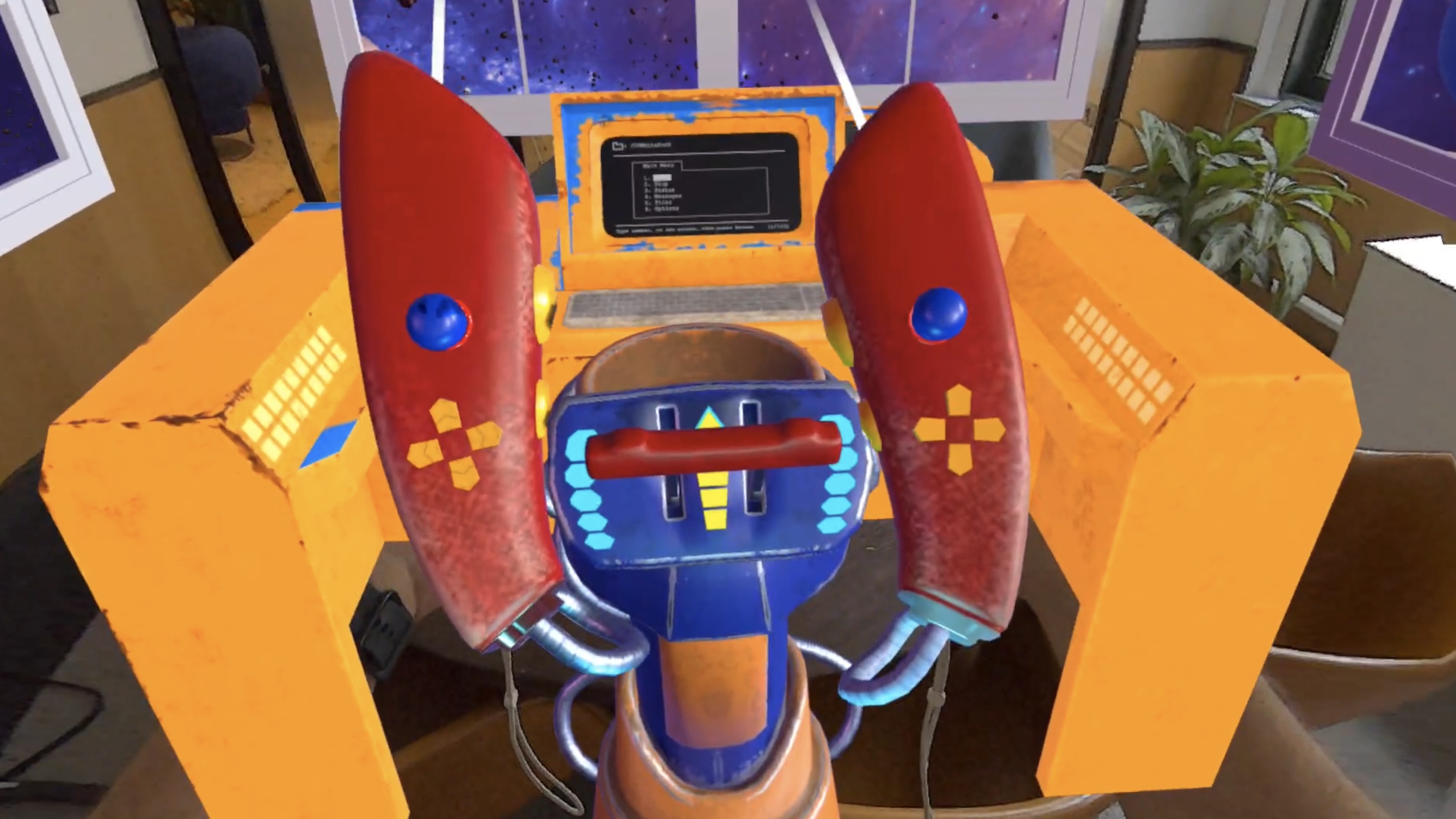
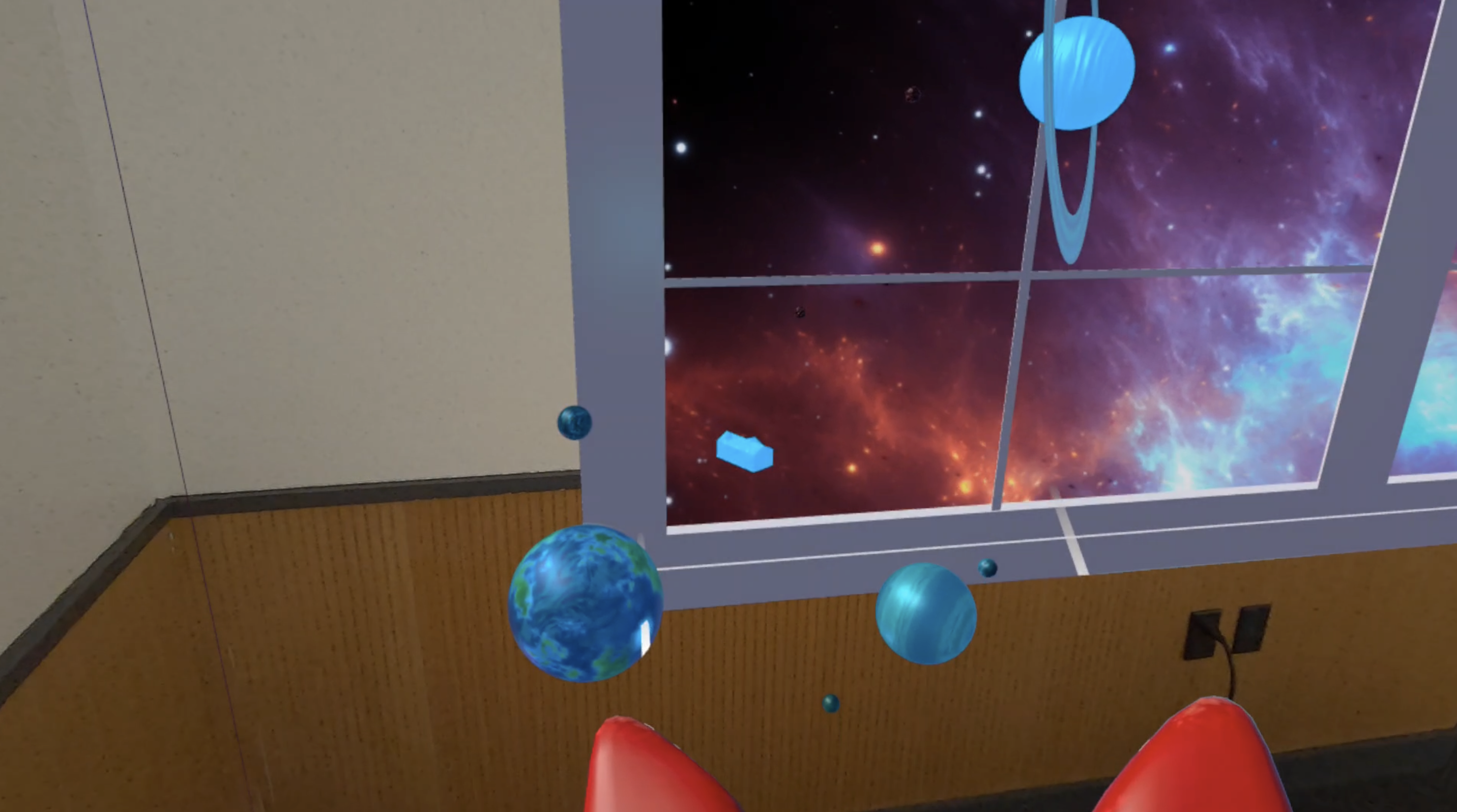
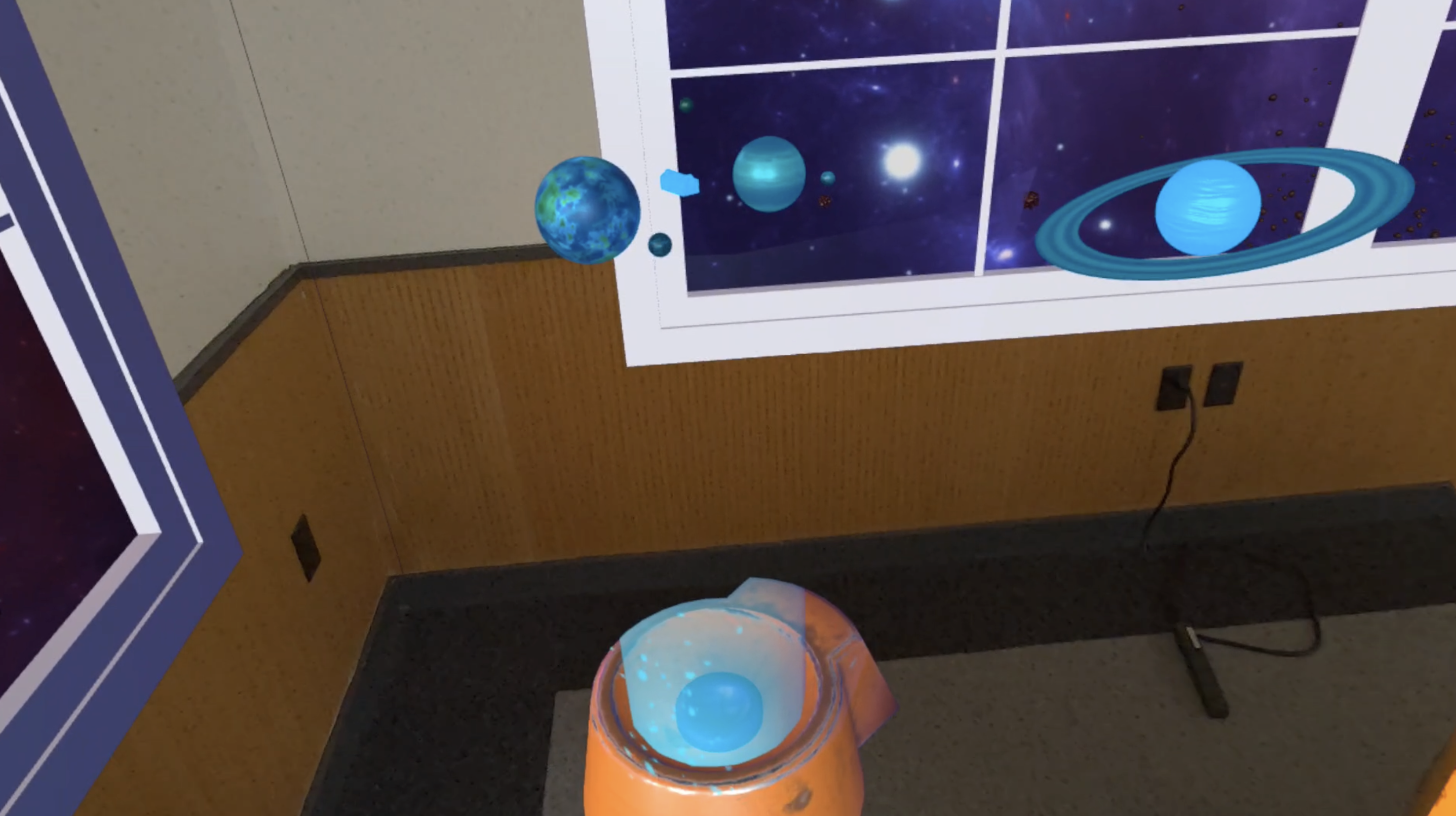
Grab your controllers and use the thumbsticks to control your ship as you traverse through space. Use your space-age senses to locate your way through space, or use the mini-map inside your room to guide you in your journey.
How we build it
The game was developed using Unity and the Meta SDK, programmed in C#. We incorporated 3D modeling and shading techniques to create a visually impressive experience. We used OVRSceneManager to manage scenes and interaction within virtual reality, ensuring that the movements in the game reflected an authentic space experience.
Challenges we ran into
Creating “Shifted Reality” involved a series of intricate technical challenges that pushed our development team to innovate and think creatively about how we integrate and manipulate the physical and virtual elements of our game.
Simulating Movement with the House: Our primary challenge was to create a believable sensation that the player and the house are moving through space. We tackled this by integrating the OVRCameraRig into a parent object. This approach allowed us to move the entire “house” in a unified, smooth manner. The complexity lay in synchronizing this movement with the game’s narrative and visual effects to prevent motion sickness and maintain immersion.
Integrating Interactive Elements on Walls: Placing interactive elements like the astronaut model on the walls without causing them to deform was another significant challenge. We achieved this by precisely mapping the astronaut’s coordinates to those of the wall but not parenting it to the wall. This method required precise calibration to ensure that the astronaut appeared integrated into the space without visual interruptions.
Handling Collisions in Space: Enabling realistic collisions between the house and various space objects was crucial for enhancing the gameplay’s authenticity. This required detailed physics programming to ensure that every collision felt impactful and was visually and physically accurate, contributing to the game’s realism and player engagement.
Accomplishments that we are proud of
We are particularly proud of having achieved a very realistic sensation of the house moving in space. The interaction with the scene and the placement of objects in the virtual environment were elements that worked exceptionally well, immersing players in the cosmic adventure in a completely new and exciting way.
What we learned
The development of “Shifted Reality” offered us profound insights into advanced VR and AR development techniques, enhancing our skills and understanding of the Oculus development environment. In-Depth Understanding of OVRSceneManager: Working extensively with the OVRSceneManager helped us better manage scene transitions and interactions within VR, crucial for maintaining performance and user experience across different gameplay scenarios.
Manipulating Passthrough Layers: We learned to manipulate the passthrough layer to apply rendering effects based on game logic, such as collision alarms. This ability to integrate real-world visual cues into the gameplay opened up new avenues for immersive game design.
Holographic Representation and Interaction: Creating a mini holographic version of the game space was a unique challenge that taught us about scaling and representing complex 3D environments in a simplified, interactive form. This feature not only serves as a strategic tool within the game but also enhances the overall aesthetic and feel of the environment.
Advanced Controller Interactions: The project allowed us to experiment with new forms of controller interactions, including haptics, which significantly enhanced the tactile feedback and immersion. Adapting different types of Grabbables and extending Oculus SDK classes for better event handling of grab interactions improved the fluidity and intuitiveness of object manipulation.
Manipulating Grabbable Objects: We developed techniques to manipulate grabbable objects without making them fully kinematic and bound to the grabber’s transform. This approach retained the objects’ physical properties, making interactions more realistic and satisfying. These challenges and learnings have not only enriched our team’s skill set but also set a foundation for future projects that blend physical and digital realities, pushing the boundaries of what is possible in mixed reality gaming.
What’s next for Shifted Reality: a Fantastic Adventure
Looking ahead, we plan to expand “Shifted Reality” with more planets, challenges, and interactive elements. We will develop a much more detailed user interface (UI) to enhance player engagement and control. Additionally, we will introduce in-game objectives to make the experience more challenging and incorporate a scoring system to heighten the competitive aspect among players. These enhancements will further enrich the narrative and gameplay, allowing for deeper immersion and increased player interaction within the already established multiplayer framework.


Log in or sign up for Devpost to join the conversation.