Inspiration
Dismayed by the politicization and bureaucracy over working conditions in Florida, the three of us decided to create an OSHA-compliant, all-in-one device for blue-collar workers that safely protects the backbone of our infrastructure.
What it does
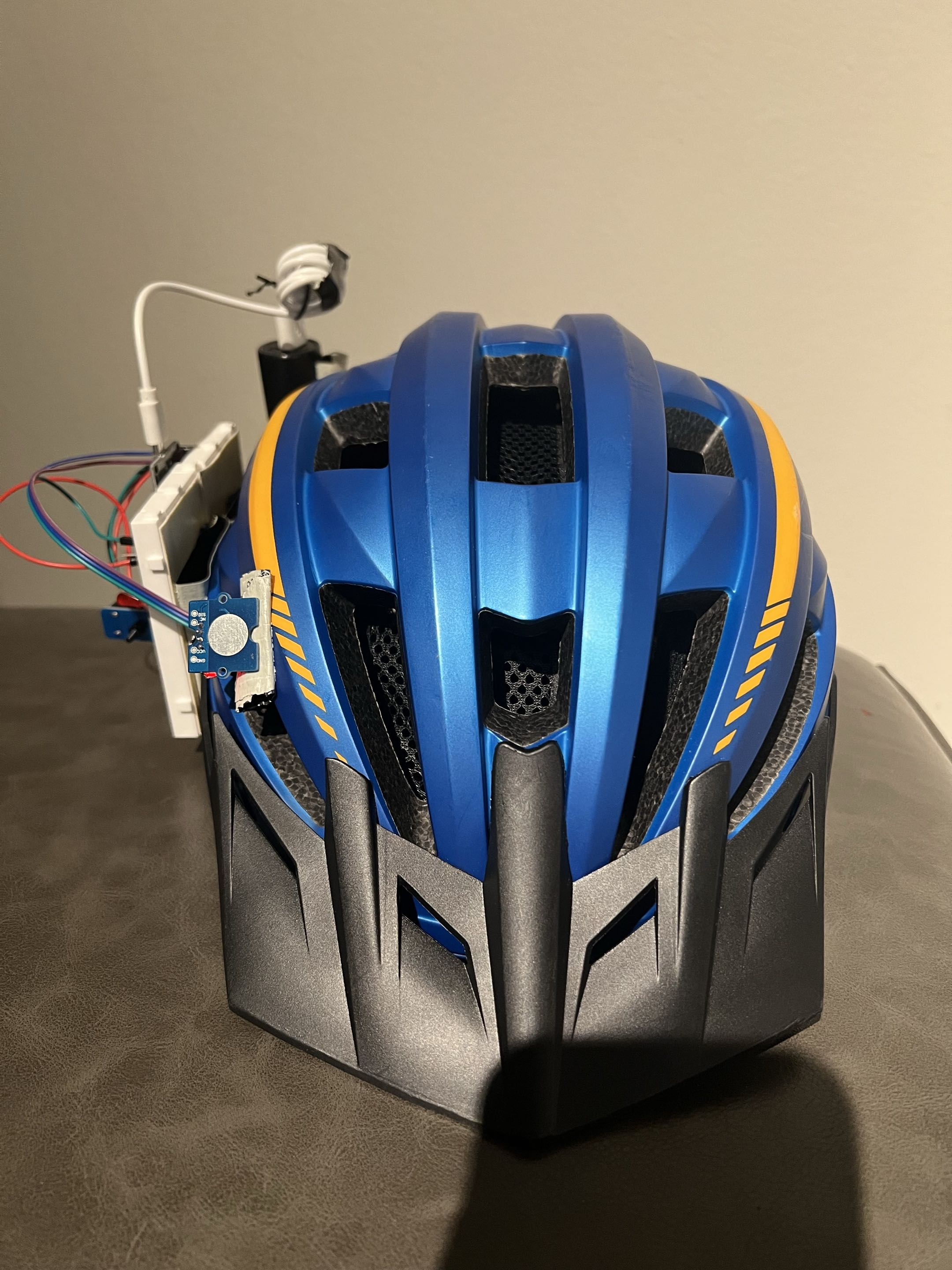
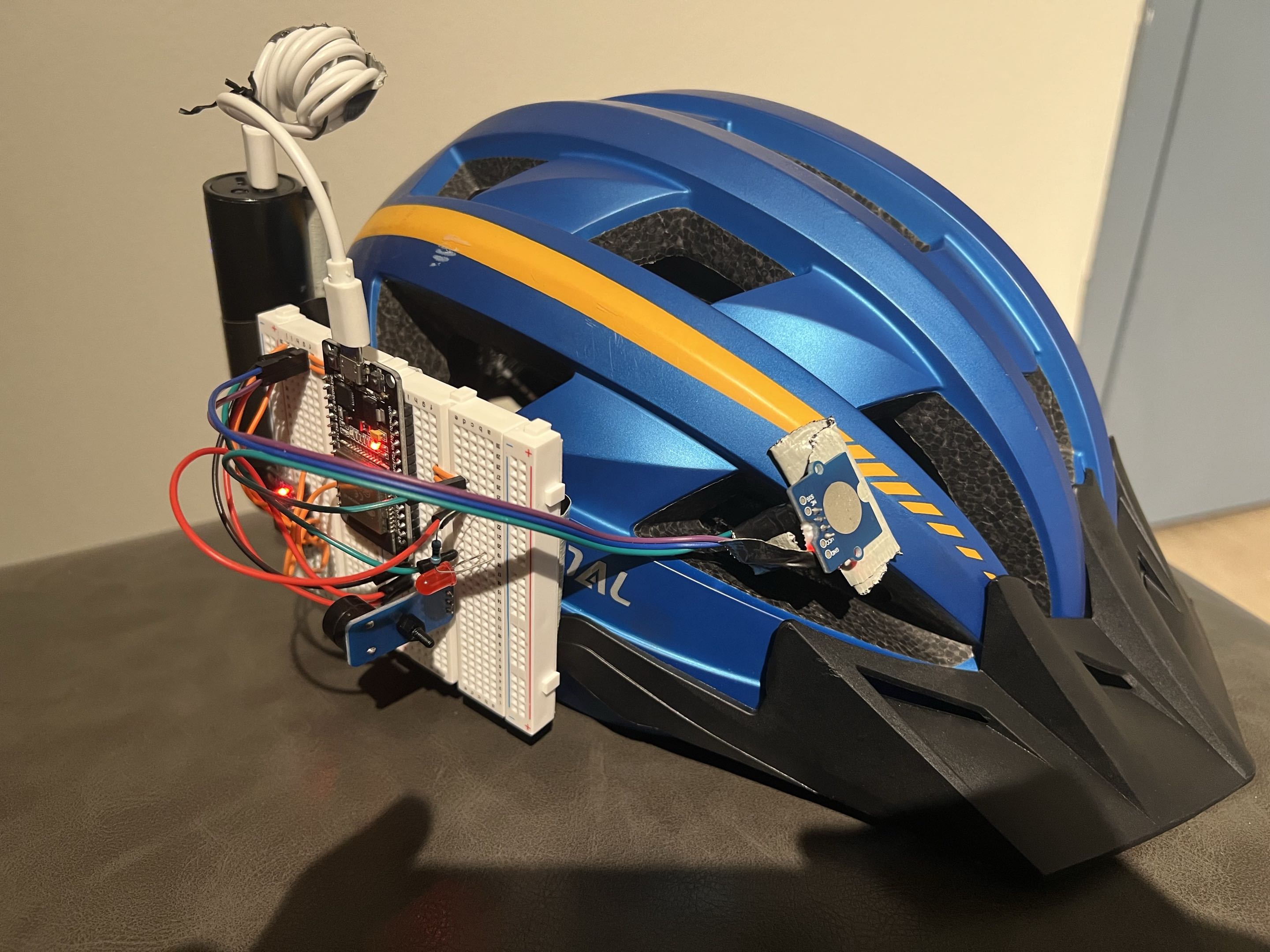
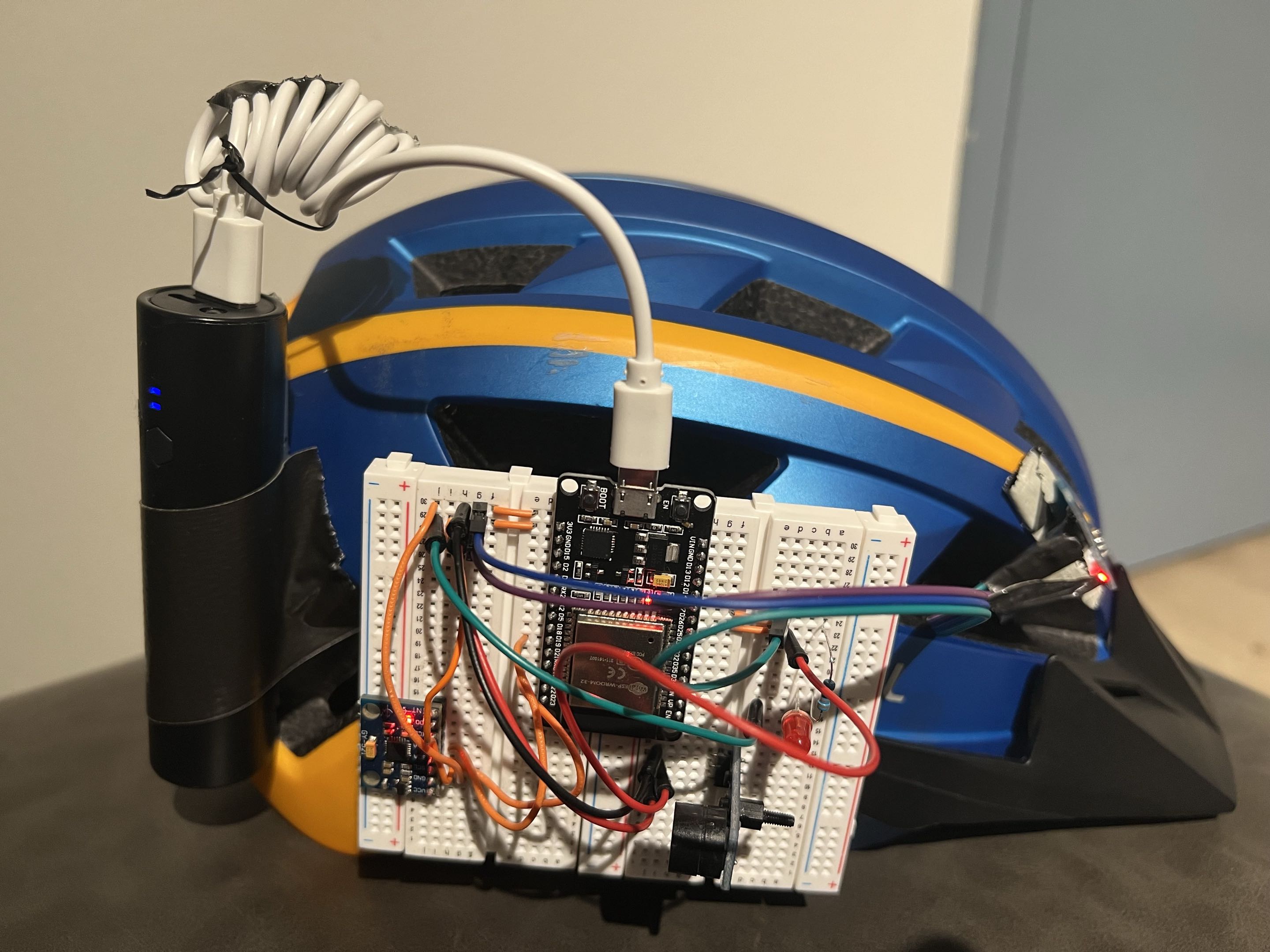
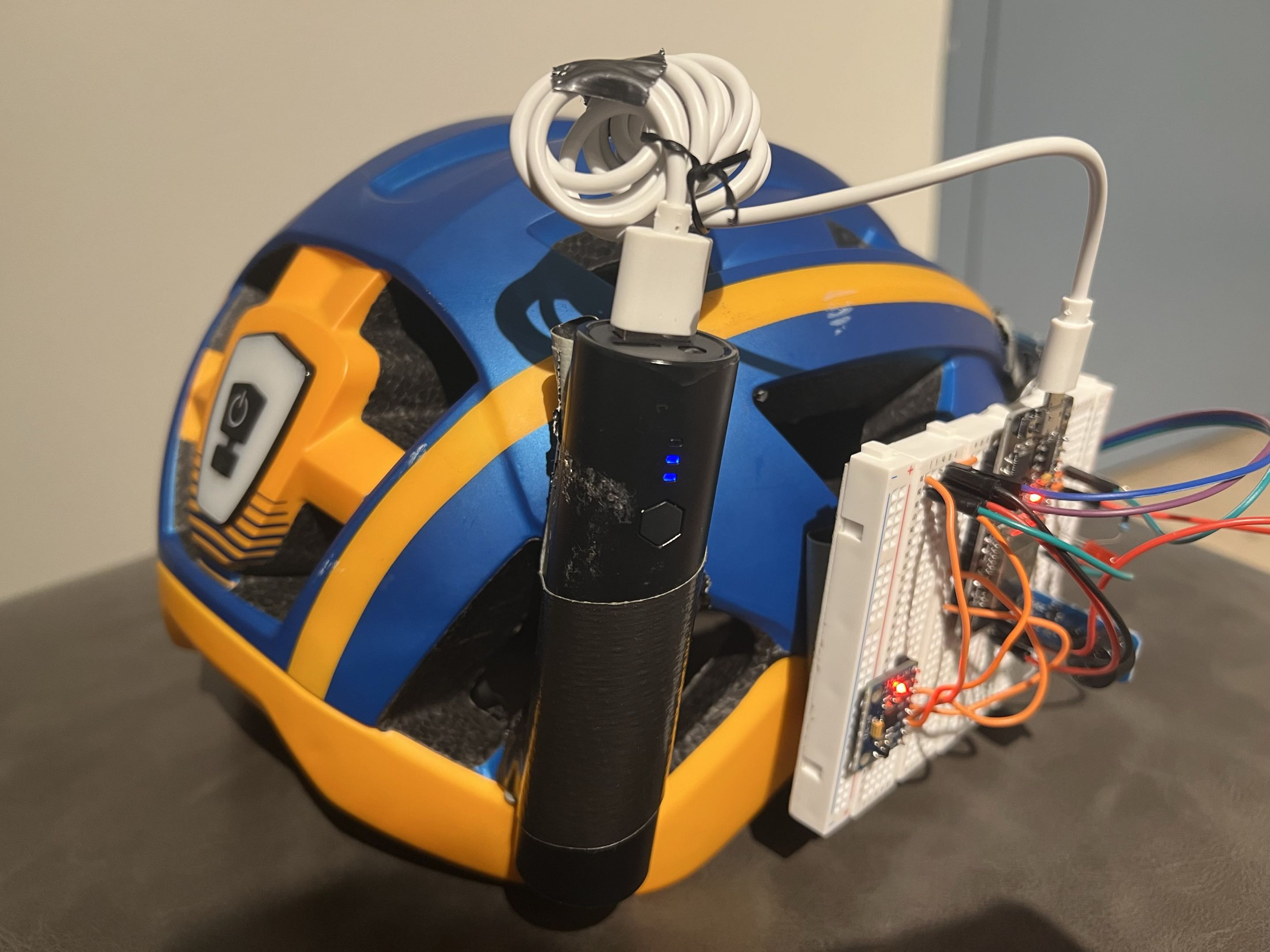
The WorkGuard is a smart helmet that remains synchronized with a central host station with support monitoring a large workforce. A worker equipped with the WorkGuard reliably transmits temperature conditions and current movement to the station, with workplace injury detection reliably backed by a from-scratch machine learning algorithm built to parse gyroscopic and acceleration data attained from sensors.
How we built it
Utilizing our familiarity in microprocessors, we configured a PlatformIO environment to configure our ESP32 microcontroller, connecting peripherals such as an LED, touch sensor, and accelerometer / gyroscopic sensor controlled over I2C protocol.
Using Sklearn libraries, we trained a Multi-layer Perceptron classifier to distinguish ordinary workplace actions from physical injury using a custom dataset where we simulated both regular work and injury motion. To minimize inference latency, we exported the weights, biases, and decision threshold of the model to our main C++ code to perform feature-extraction and the neural-network calculation from a sliding window of IMU samples.
Through built-in Wi-Fi capabilities on the ESP32, we configured the Wi-Fi driver to our home network to replicate communication between our WorkGuard and the central station, constantly transmitting our machine learning output, currently sampled temperature and touch-sensor feedback.
Challenges we ran into
We faced significant hurdles in configuring the Wi-Fi to properly authenticate on our home network, as well as optimizing our machine learning model to prevent delays to our ESP32 sampling loop.
Accomplishments that we're proud of
We're particularly proud of our integration of machine learning and embedded systems, leveraging our domain knowledge in computer engineering to successfully communicate with physical sensors, optimize model inference, and create robust transmissions.
What we learned
This project was our first application of multiple technical domains, challenging us to understand how microcontrollers can process beyond the local level, unlocking its capabilities to turn a blank slate processor into a smart device. We honed our knowledge in C++, circuitry, and machine learning to build a robust application.
What's next for WorkGuard
Our next steps include integrating more capabilities for monitoring workplace conditions, such as adding pressure, gas, and air quality sensors. At the same time, we aim to expand into accessibility, creating accommodations for disabled workers.
Built With
- accelerometer
- barometer
- buzzer
- c++
- esp32
- gyroscope
- html
- led
- machine-learning
- neural-network
- platformio
- python
- sklearn
- temperature


Log in or sign up for Devpost to join the conversation.