-
-
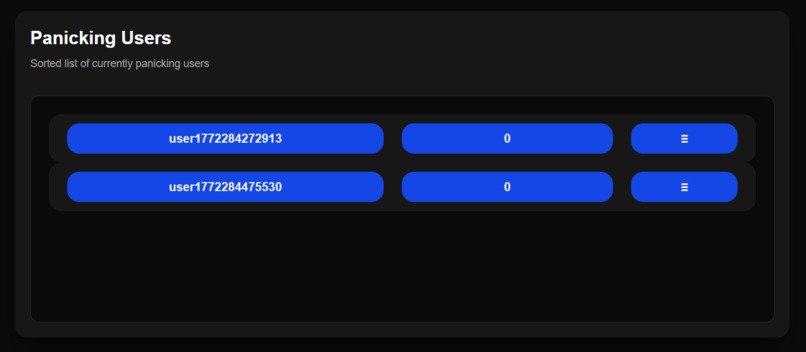
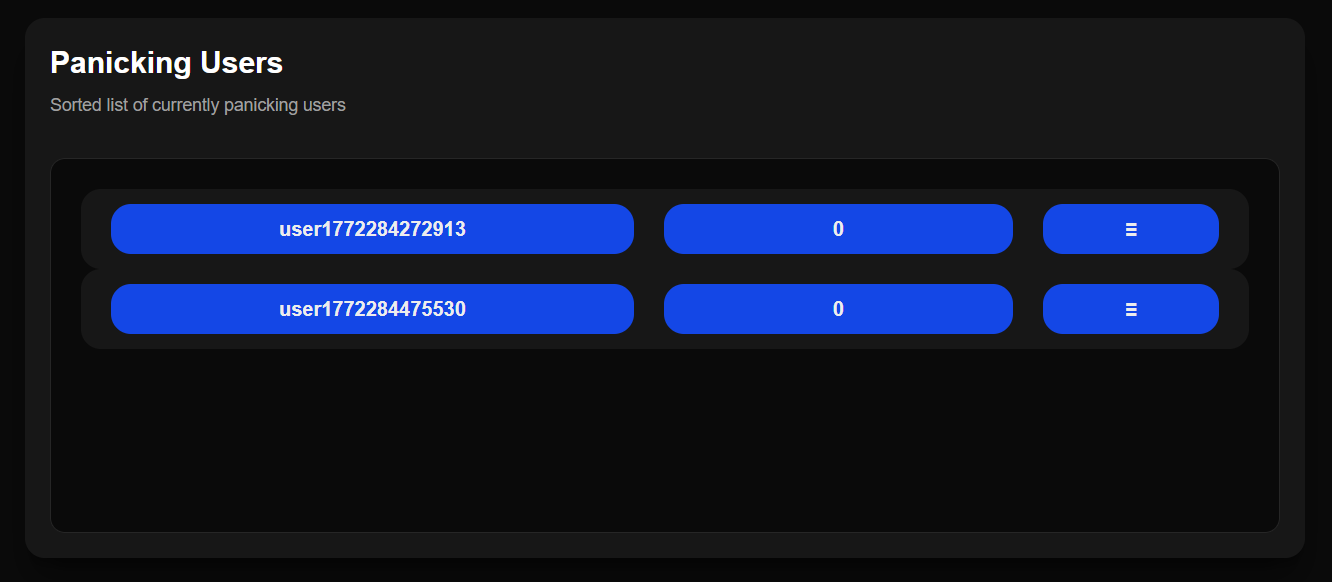
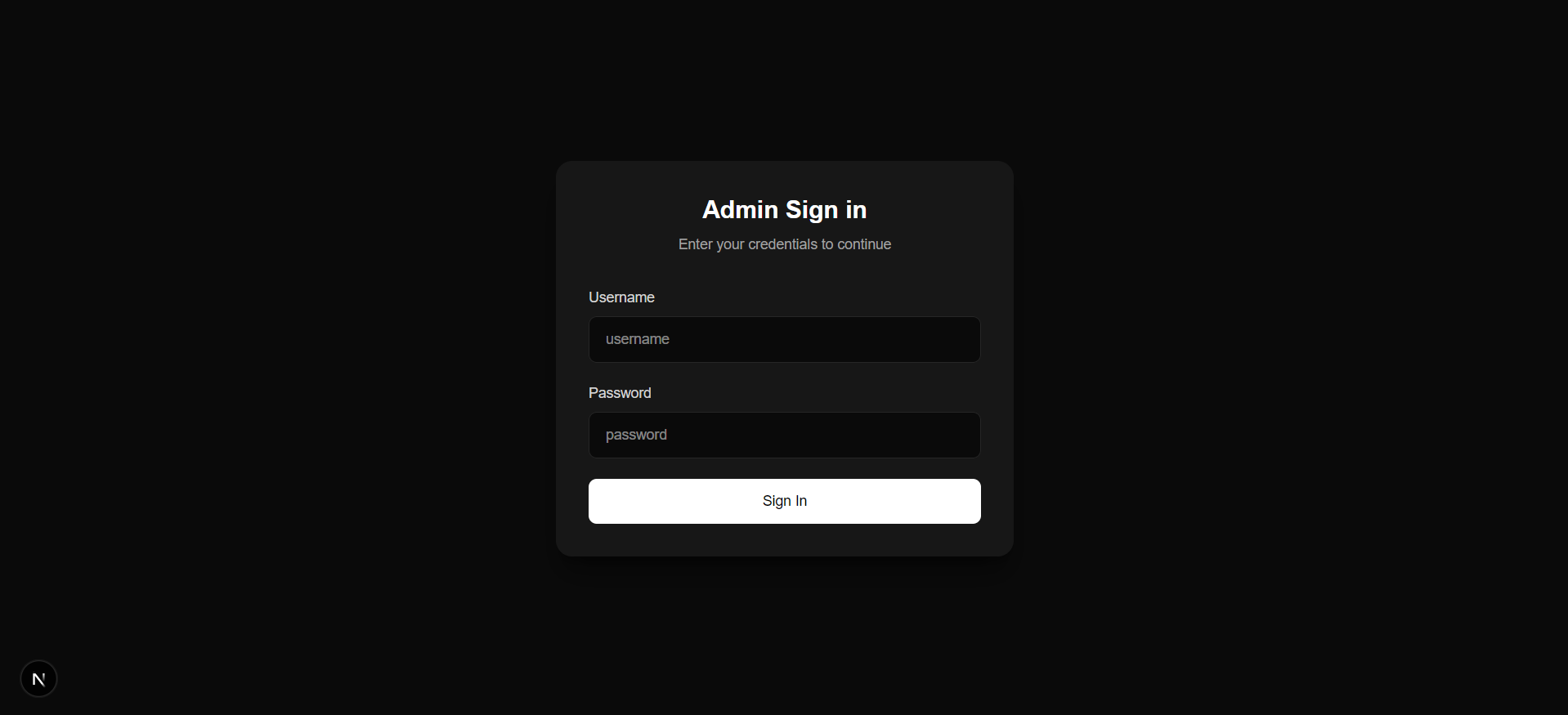
this is admin portal
-
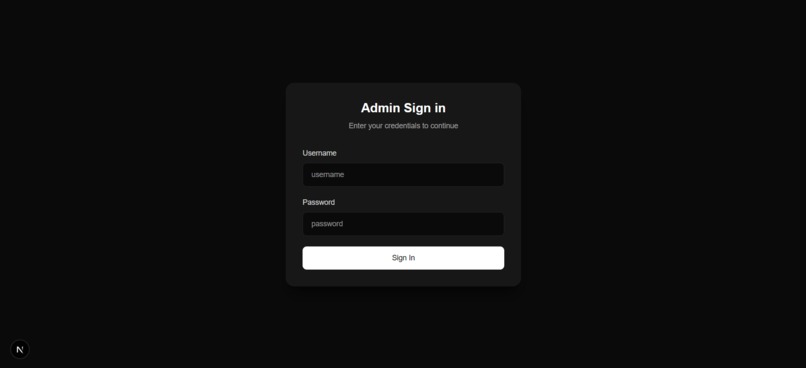
login for the admin portal
-
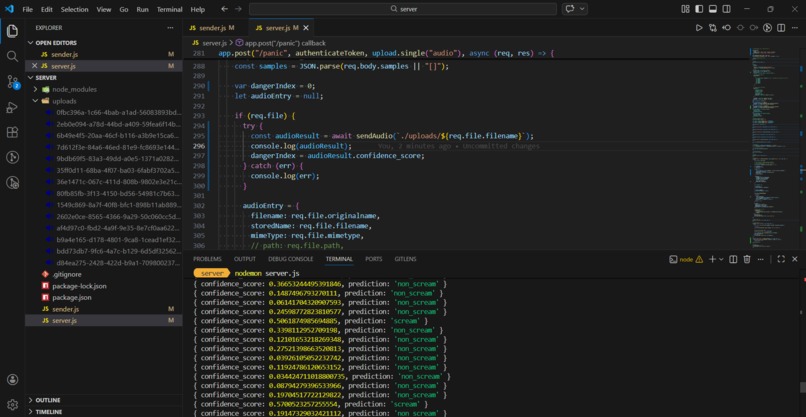
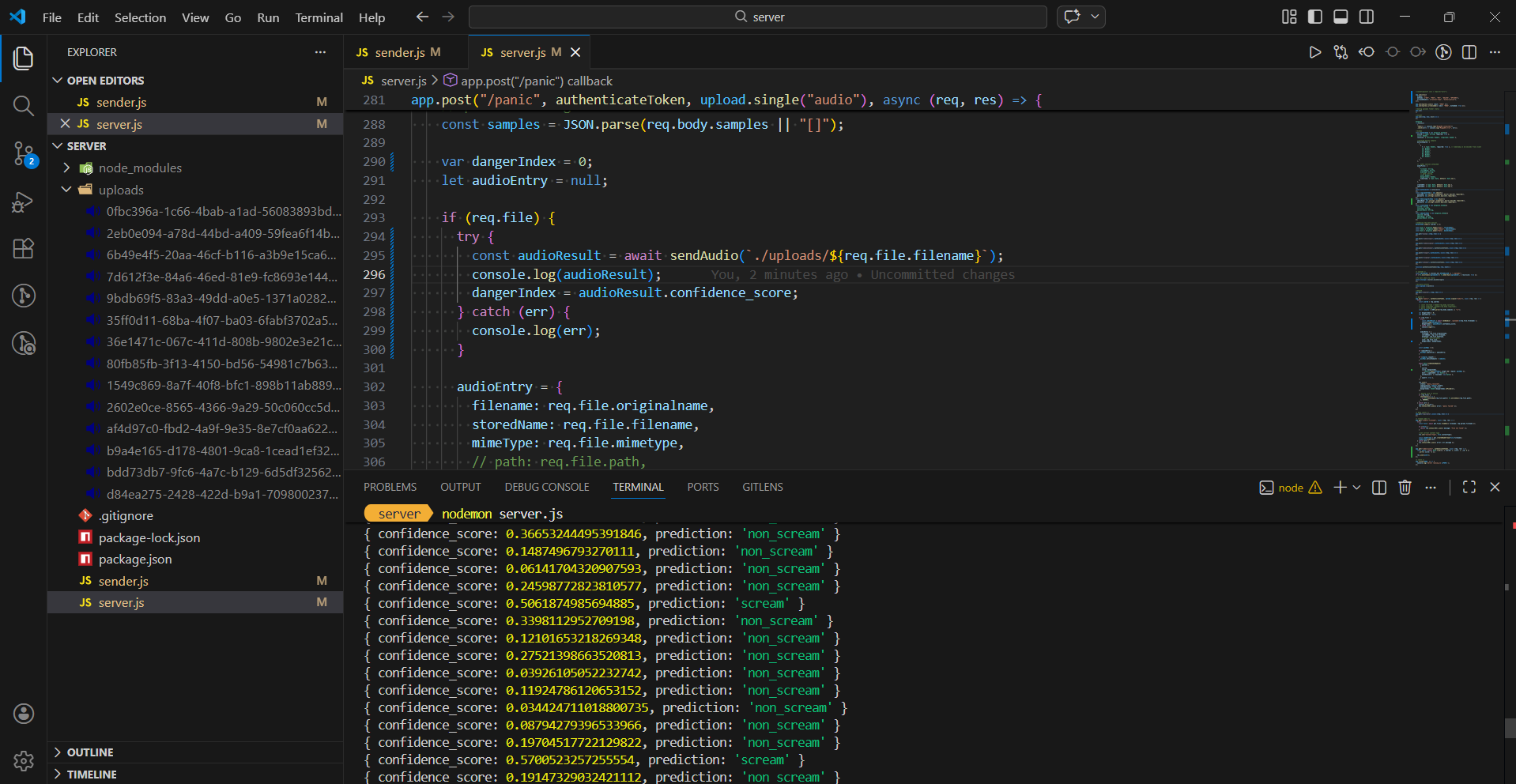
Main server
Inspiration
There have been numerous instances wherein the panic or nervousness of a woman goes unnoticed until it’s too late. Situations that take place in public or at the workplace emphasize the requirement of a proactive system that can help address the issue. We were motivated to design a system called SheSafe that uses AI to identify signs of panic, quantify the panic, and alert the authorities in an instant.
What it does
It tracks real-time behavioral indicators such as screaming, moving quickly, or fleeing, utilizing AI models to calculate a panic score, which immediately sends a message to an admin dashboard, thus ensuring timely action for women’s safety.
How we built it
We developed SheSafe through the integration of multiple technologies to form a cohesive pipeline, where the frontends were created with React, Next.js, and Tailwind for the admin dashboard, while Electron and Expo were used for the desktop and mobile clients, respectively, to connect to the Flask server, where Python is used to process the real-time audio and motion data through TensorFlow, utilizing the YAMNet model, with MongoDB used to store the data and panic scores for efficient and secure retrieval.
Challenges we ran into
As we started SheSafe from the ground up, we had steep learning curves in every aspect. We had to learn how to integrate AI models, how to handle real-time audio and motion data processing, and how to work with TensorFlow. We had difficulties in integrating Python Flask backends with JS frontends via RESTful APIs with low latency. We also had difficulties working with Electron and Expo for cross-platform client development and creating an intuitive React and Tailwind dashboard for our administrators. Coordinating tasks between the frontend team, backend team, AI team, and database team was a challenge in itself, which required strong teamwork and project management skills in terms of delegating tasks, coordinating progress, and reviewing each other’s work. Debugging the entire pipeline from sensor input to panic score visualization was not only a learning experience in terms of data handling, prioritization, and error handling but also a learning experience in terms of teamwork and project management.
Accomplishments that we're proud of
We are proud of the fact that we took a team of people with no prior experience and created a fully functional and end-to-end solution for safety. We managed to successfully integrate a real-time AI panic detection system along with cross-platform clients and a dynamic admin dashboard. Apart from that, we have been able to improve our team collaboration, project management, and problem-solving skills. We have learned how to work in a team and coordinate different tasks related to the frontend, backend, AI, and database. Creating a full-fledged and scalable solution in a short time frame is something that the team is genuinely proud of.
What we learned
Through SheSafe, we learned full-stack development from scratch, including frontend frameworks (React, Next.js, Tailwind), backend integration (Flask, RESTful APIs, MongoDB), and cross-platform deployment (Electron, Expo). We gained hands-on experience with AI model implementation, processing real-time audio and motion data with TensorFlow and YAMNet, and learned how to handle overlapping events, score behaviors, and optimize low-latency pipelines. Beyond technical skills, we learned teamwork, task management, and collaboration, coordinating across multiple disciplines to deliver a cohesive, reliable safety system under tight constraints.
What's next for SheSafe
Next, we intend to take SheSafe from a prototype to a production system that is deployable to a larger scale, which includes making it suitable for large-scale systems, handling multiple users at a given time, as well as improving its accuracy for a large crowd in a public place. We also see opportunities for working with government agencies or public safety organizations to deploy SheSafe in schools, public transportation hubs, or workplaces, effectively creating a network of safety systems for a city or a region. By leveraging data collection, cloud processing, and policy development, SheSafe has the potential to grow to a system that not only reacts to safety issues but also helps to proactively monitor safety concerns, alert authorities in real-time, and even contribute to a larger effort for women’s safety.
Built With
- expo.io
- express.js
- flask
- javascript
- mongodb
- nextjs
- python
- react
- react-native
- tensorflow

Log in or sign up for Devpost to join the conversation.