-
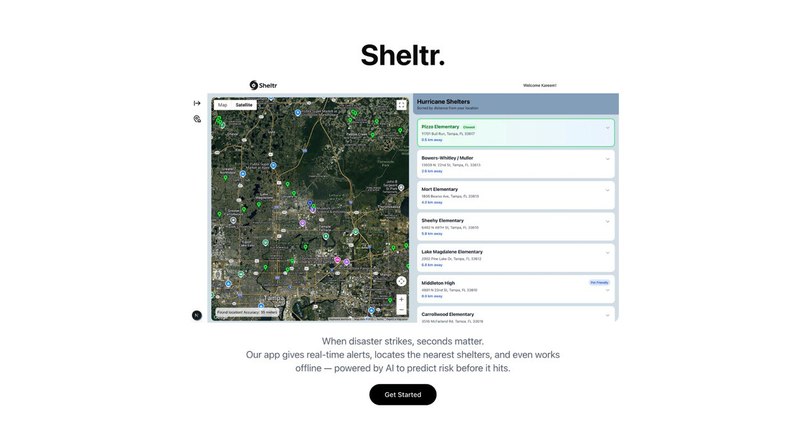
Landing Page
-
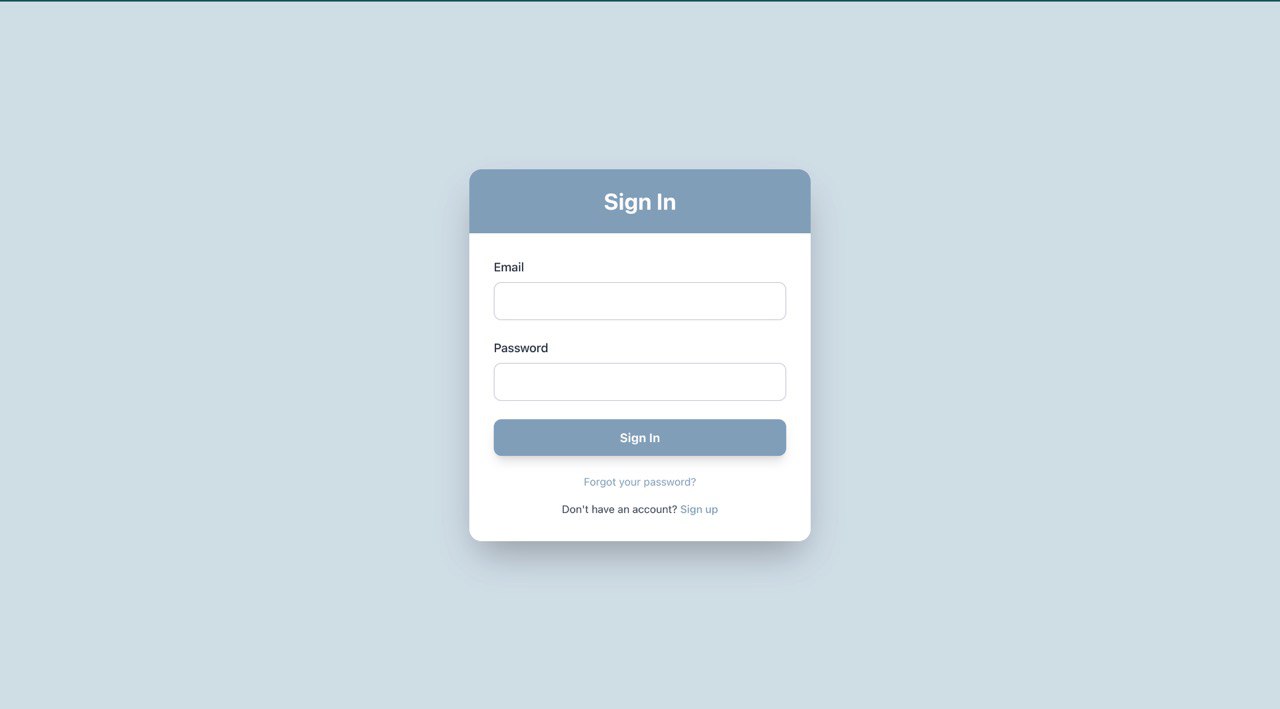
Log In Page
-
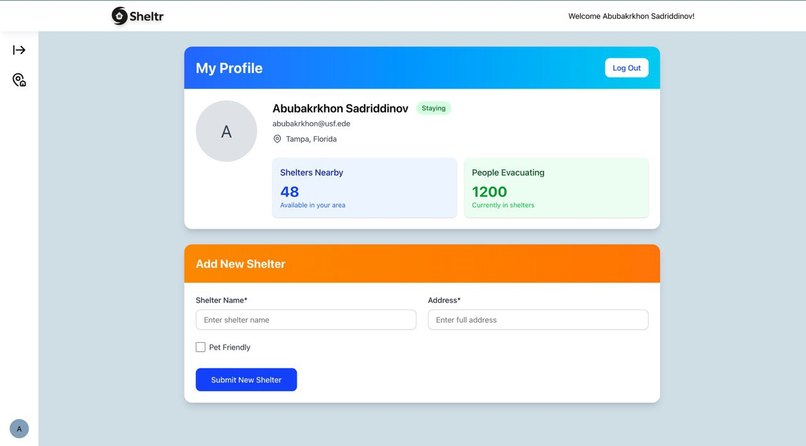
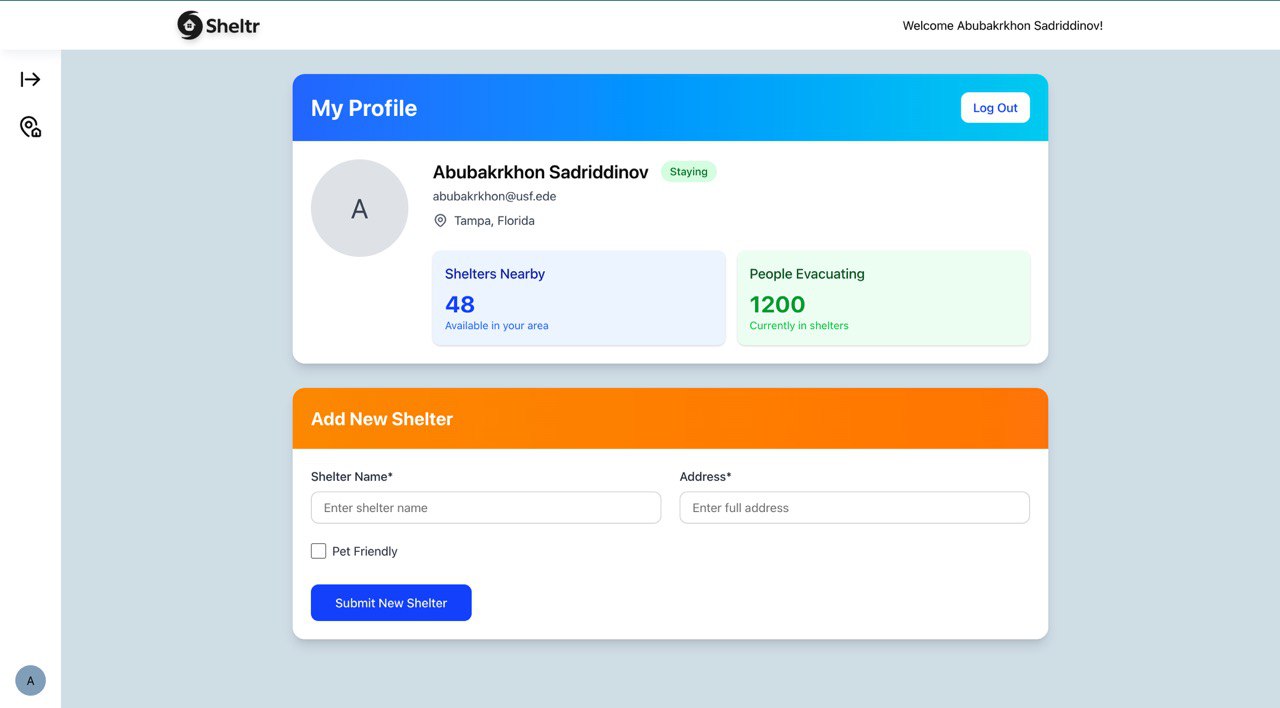
Profile Page
-
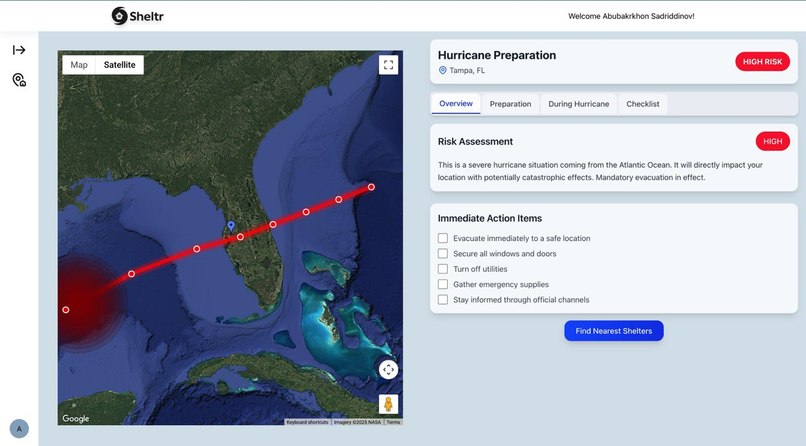
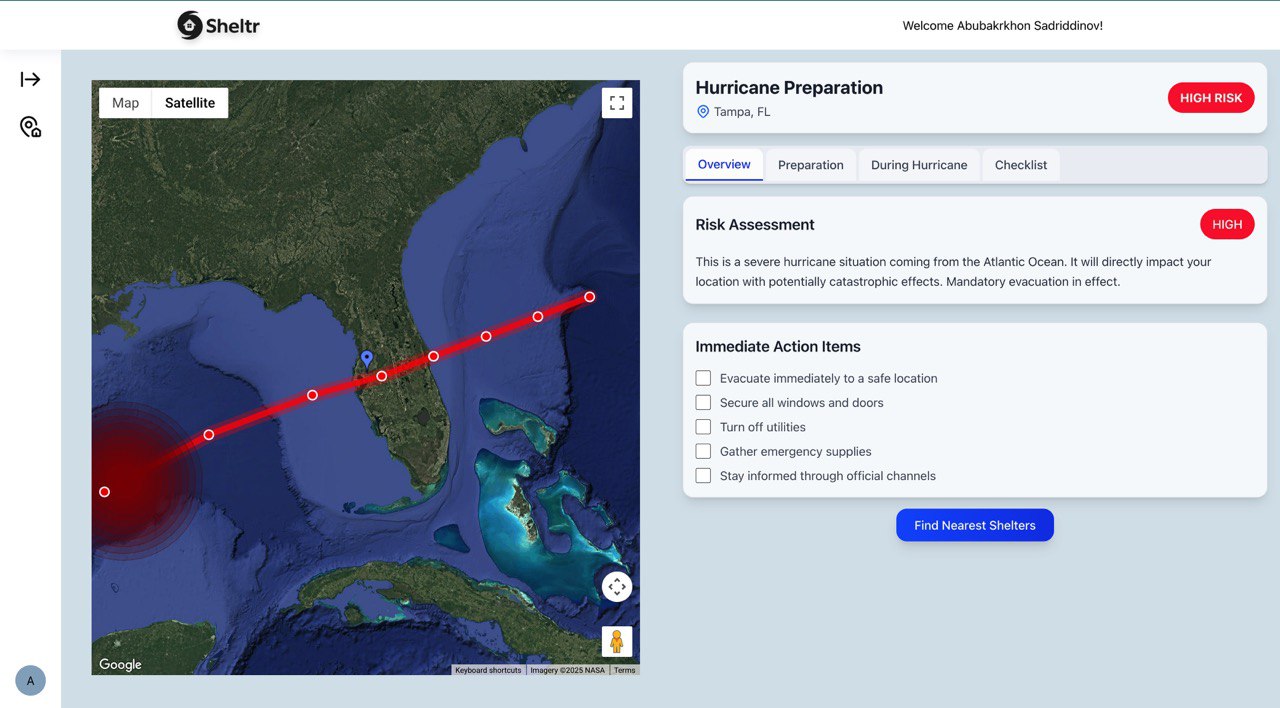
Dashboard Page
-
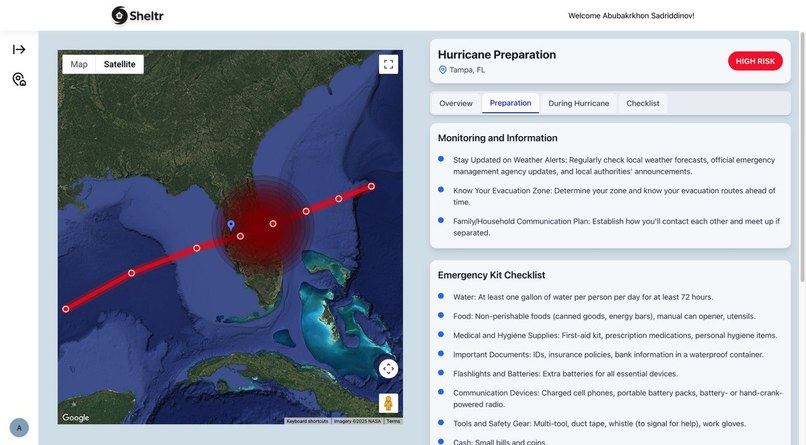
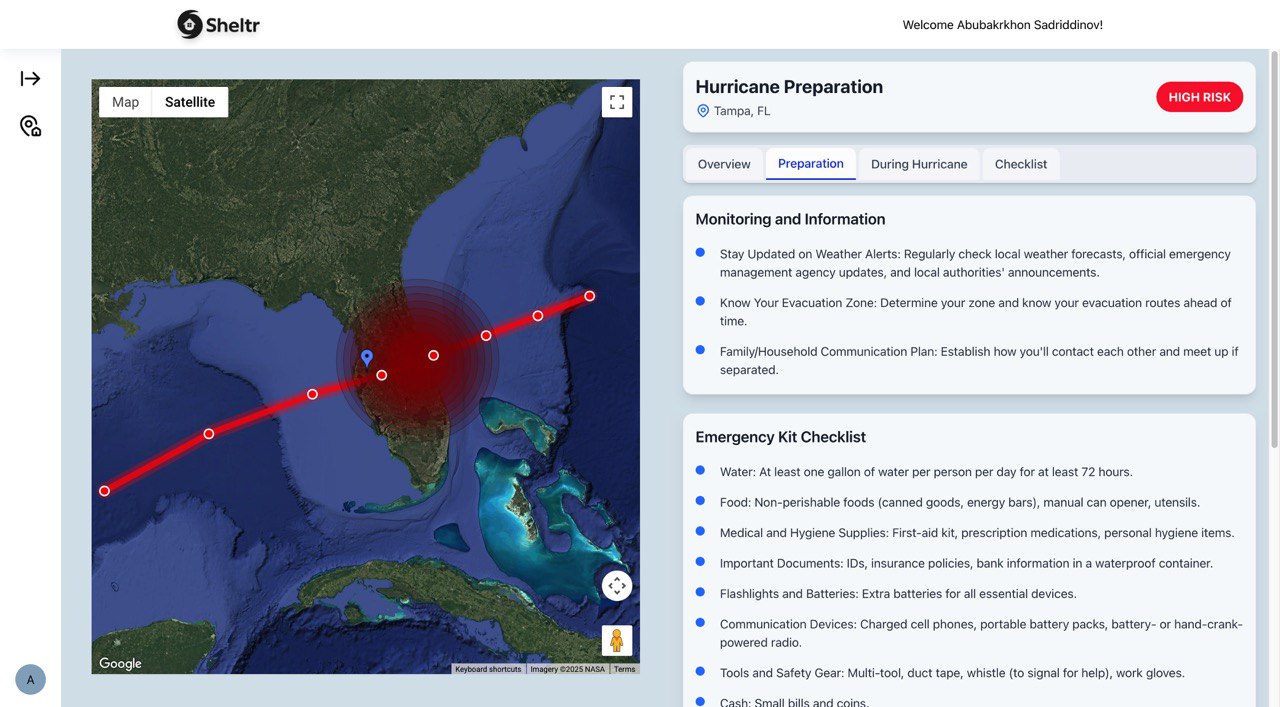
Preparation Page
-
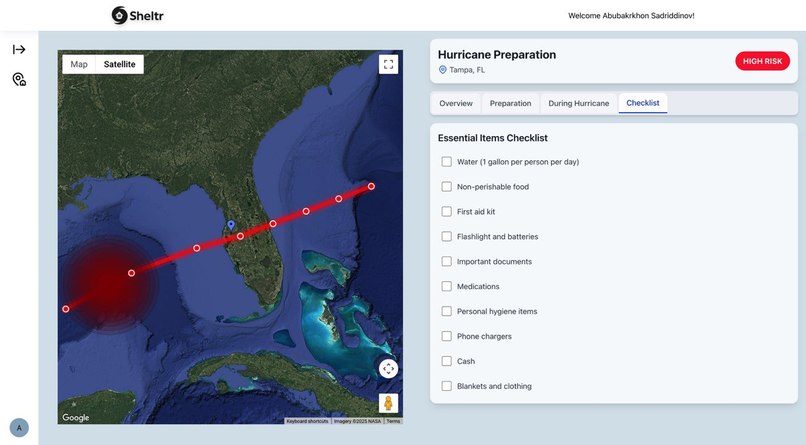
Checklist Page
-
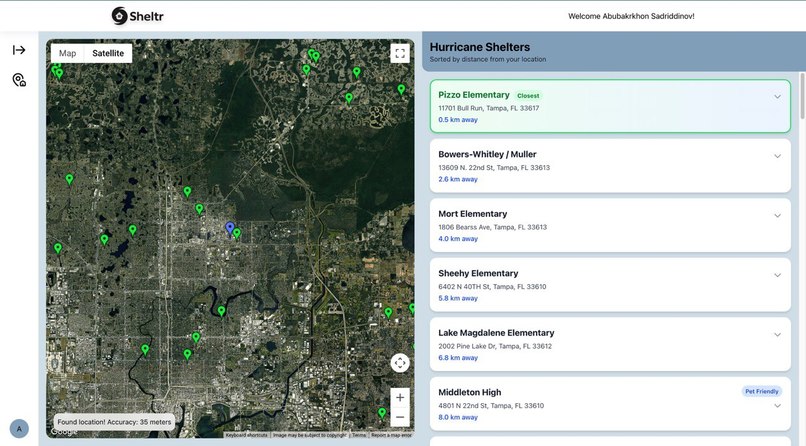
Hurricane Shelters Page
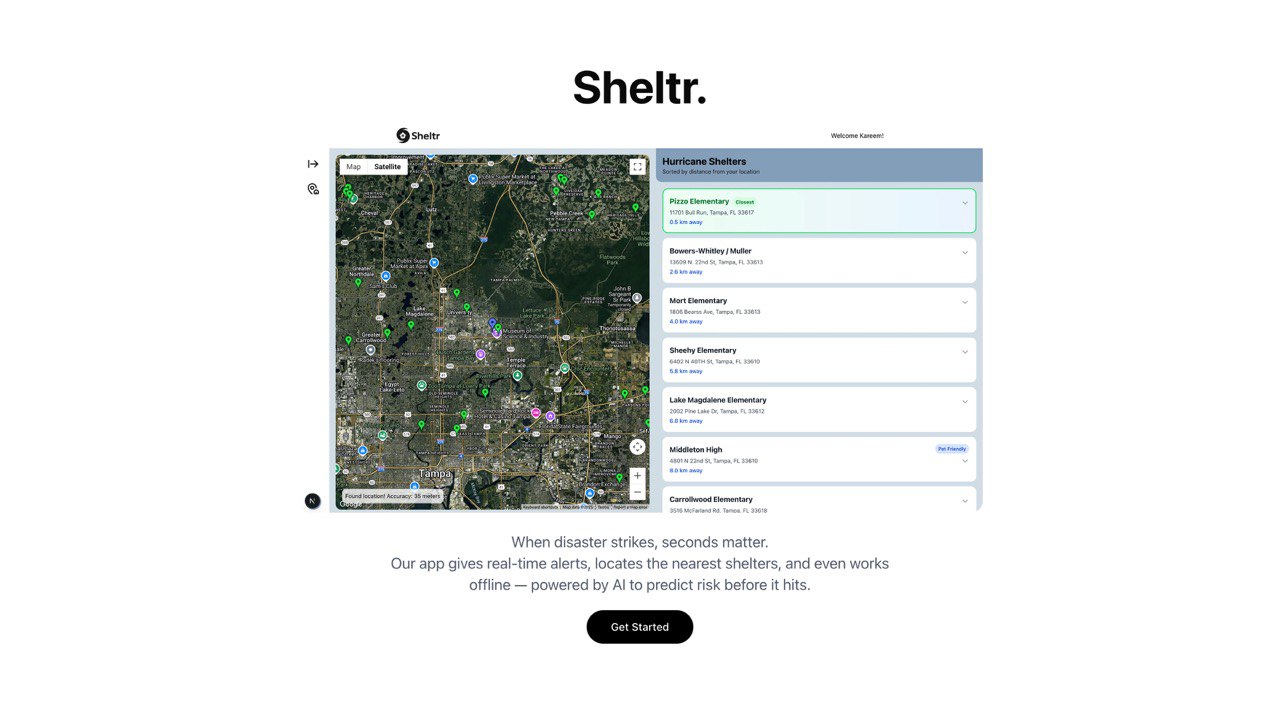
Inspiration
Last year, Hurricane Milton hit Florida’s Gulf Coast, bringing strong winds and life-threatening storm surges that affected many areas around Tampa. Streets were flooded, power was knocked out for days, and many residents were caught off guard—despite living in a high-risk area. We saw how difficult it was for people to access timely, accurate information and find nearby shelters or know what to do next.
Seeing the panic, confusion, and lack of centralized support, we were inspired to build a tool that helps people prepare before the chaos begins.
Sheltr was born out of the need to provide accessible and real-time for communities like Tampa. Our mission is to make hurricane preparedness simple, personal, and proactive—so the next time a storm forms, people don’t just react—they’re ready.
What it does
Sheltr is a hurricane disaster prevention web app that helps users prepare, plan, and protect themselves and their families before and during a hurricane. Key features include:
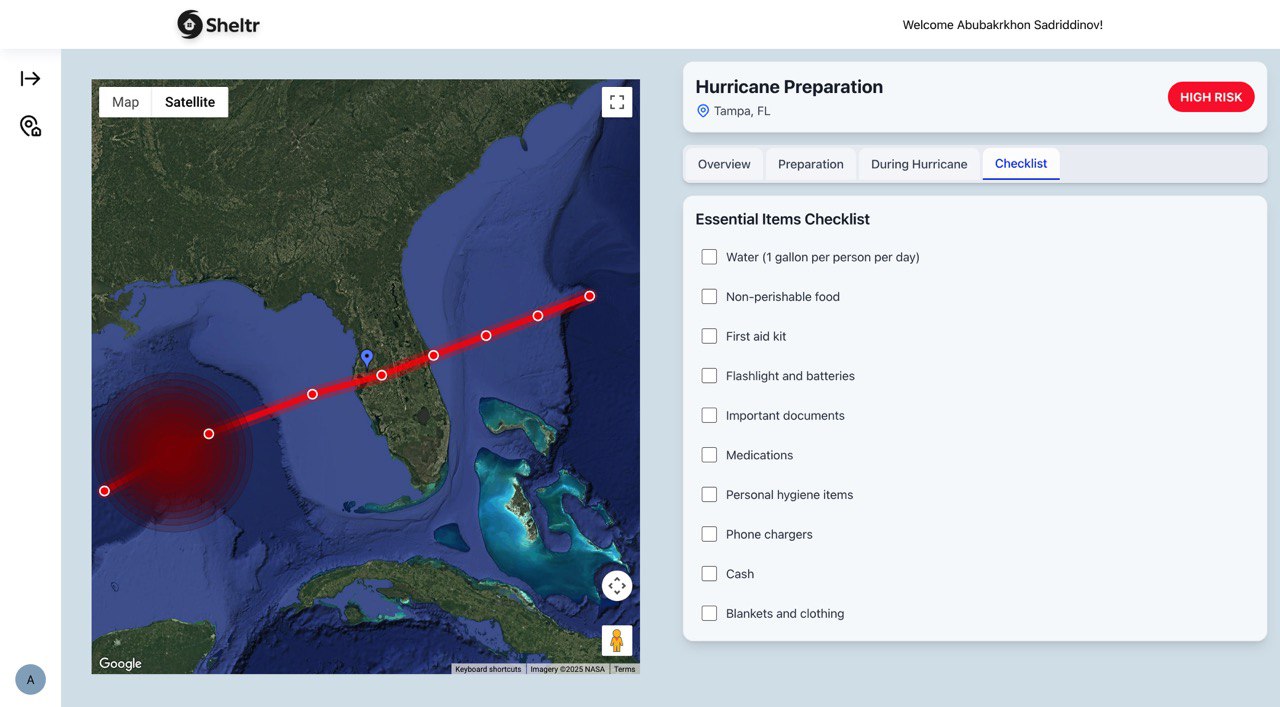
- 🌪️ Real-time hurricane tracking and alerts using NOAA data and the Gemini API
- 📦 Personalized emergency supply checklist based on household size, pets, and location
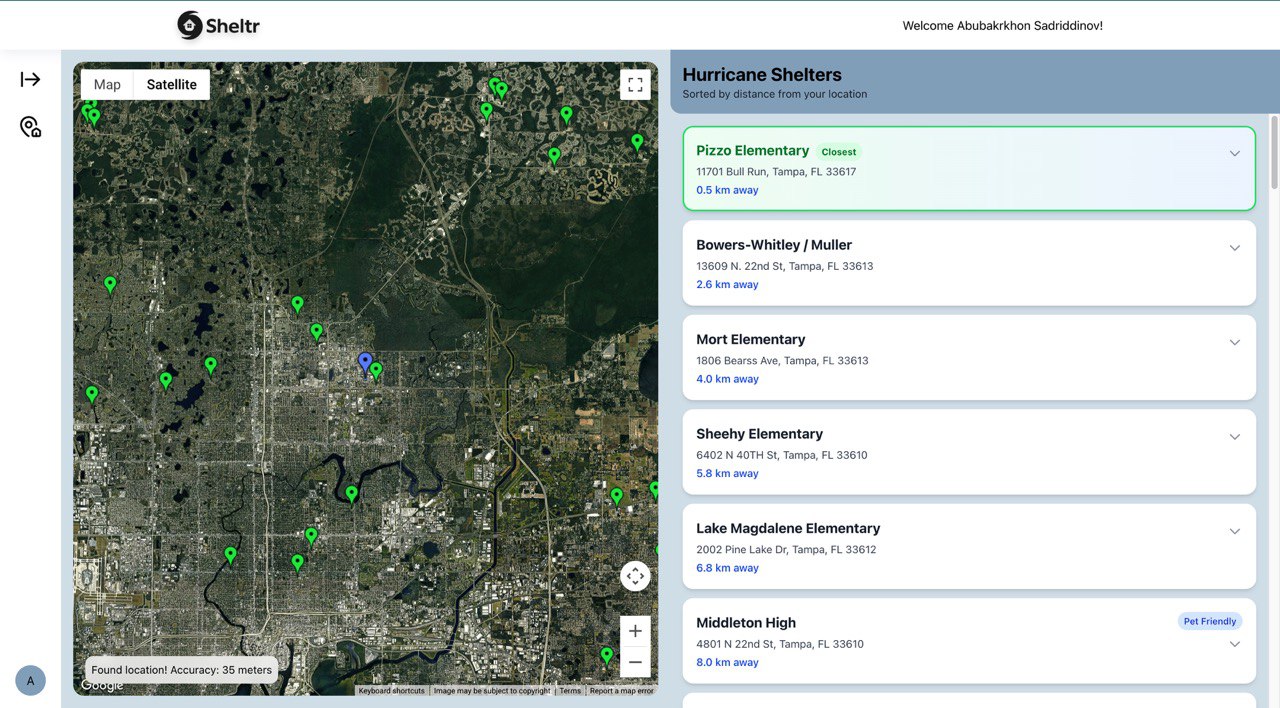
- 🏠 Nearby shelter locator using Google Maps API
- 🔋 Power outage tips, emergency contact storage, and first aid guidance
- 📊 AI-powered risk assessment based on local weather, elevation, and flood zones
How we built it
- Frontend: React.js with Tailwind CSS for responsive, mobile-friendly design
- Backend: Node.js and Express.js for APIs and authentication
- Database: MongoDB Atlas for user data and preferences
- APIs Used:
- Gemini API for real-time alert summaries
- Google Maps API for shelter navigation
- Gemini API for real-time alert summaries
Challenges we ran into
- Handling real-time data updates efficiently without overwhelming the UI
- Integrating offline functionality without bloating the app
- Creating a user-friendly experience that remains usable under stress or limited internet
- Accurate risk modeling using geolocation and elevation APIs
- Coordinating API limits and ensuring failover strategies in emergencies
Accomplishments that we're proud of
- Created a clean, calming design to help reduce user anxiety during a crisis
- Incorporated AI risk prediction in a meaningful, explainable way
- Built a fully functional, disaster-preparedness app with real-life utility
What we learned
- How to use APIs like Google Maps and Gemini in real-world disaster applications
- The importance of UX under stress — simple, readable UI design can save lives
- How to build for resilience and accessibility, like offline access and low-bandwidth usage
- That even simple tech solutions can make a massive difference when designed with care
What’s next for Sheltr
- Add multi-language support for non-English speakers in hurricane-prone areas
- Partner with local shelters and governments to provide verified shelter data
- Introduce a community check-in system to mark yourself or loved ones safe
- Make the app reachable offline for emergency access.
Built With
- geminiai
- google-maps
- javascript
- mongodb
- next.js
- node.js
- react
- tailwindcss


Log in or sign up for Devpost to join the conversation.