-
-
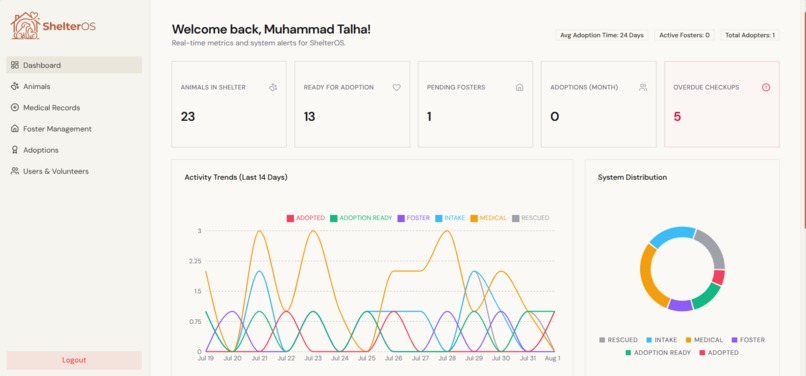
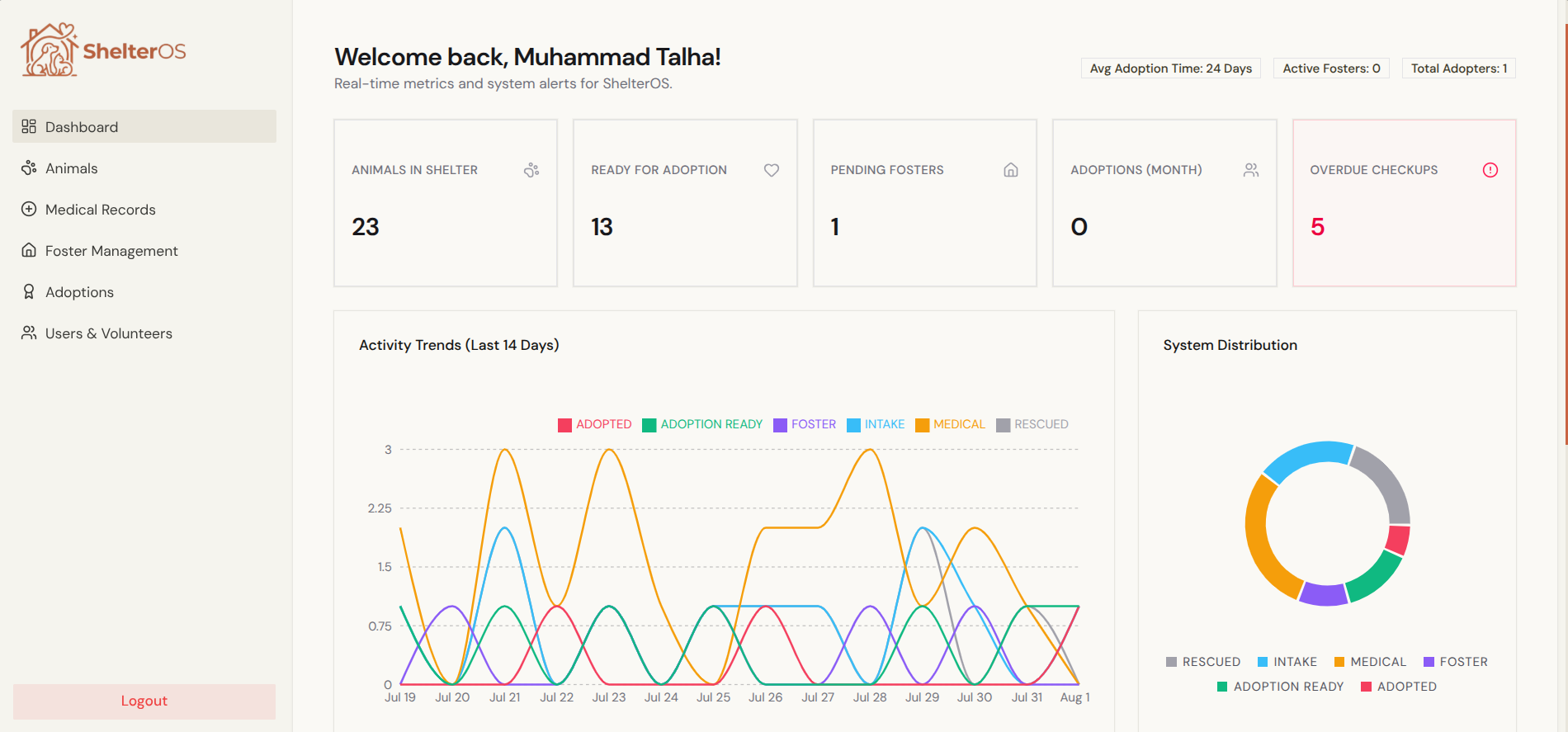
Admin Dashboard
-
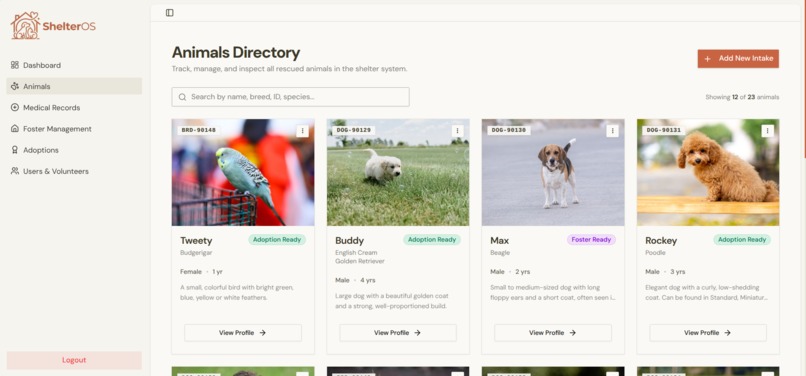
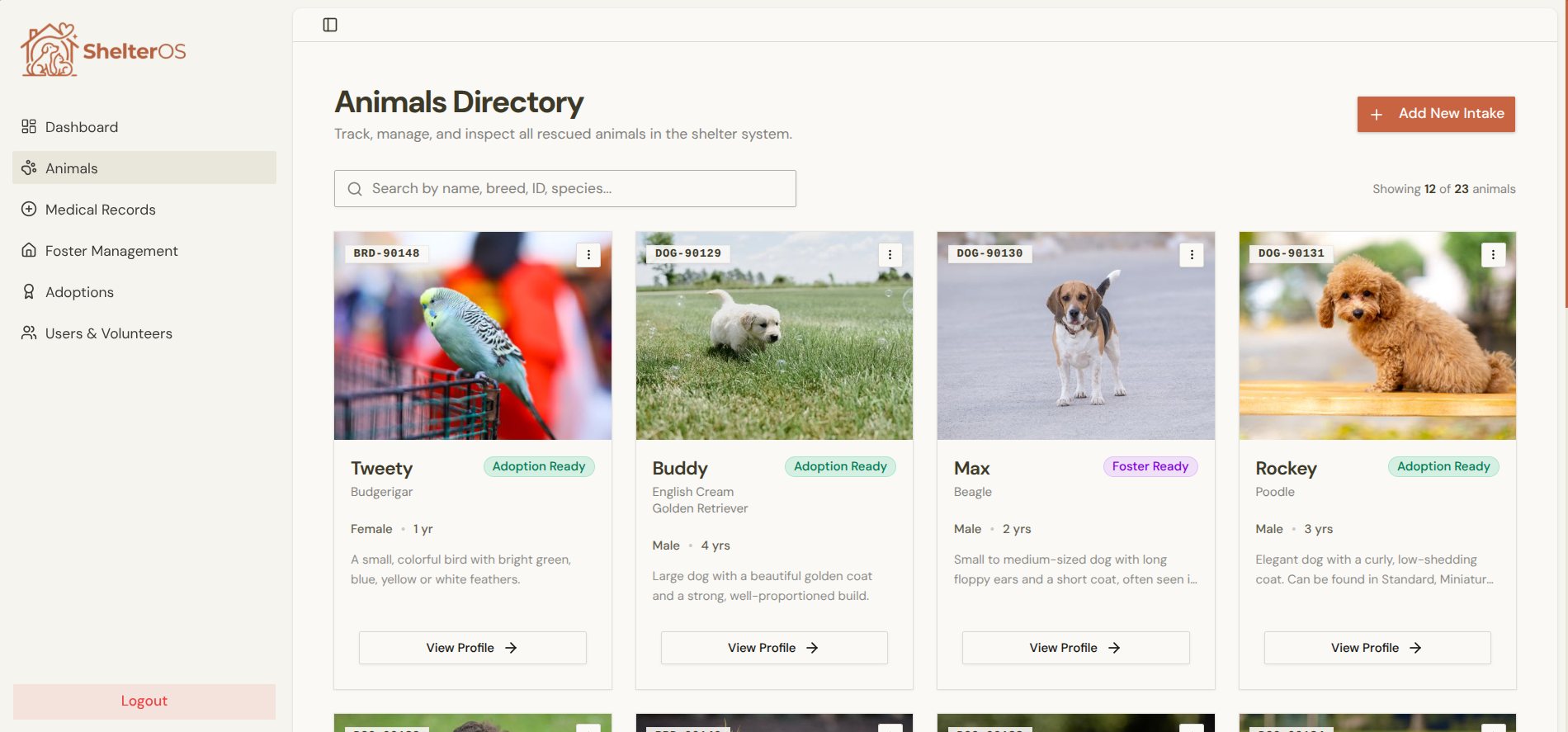
Animals Directory
-
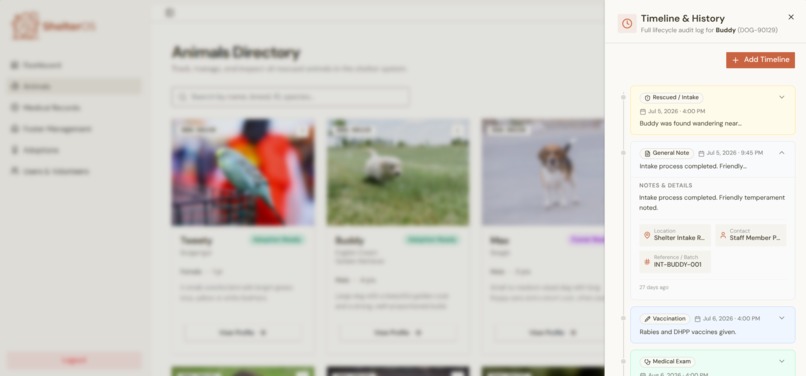
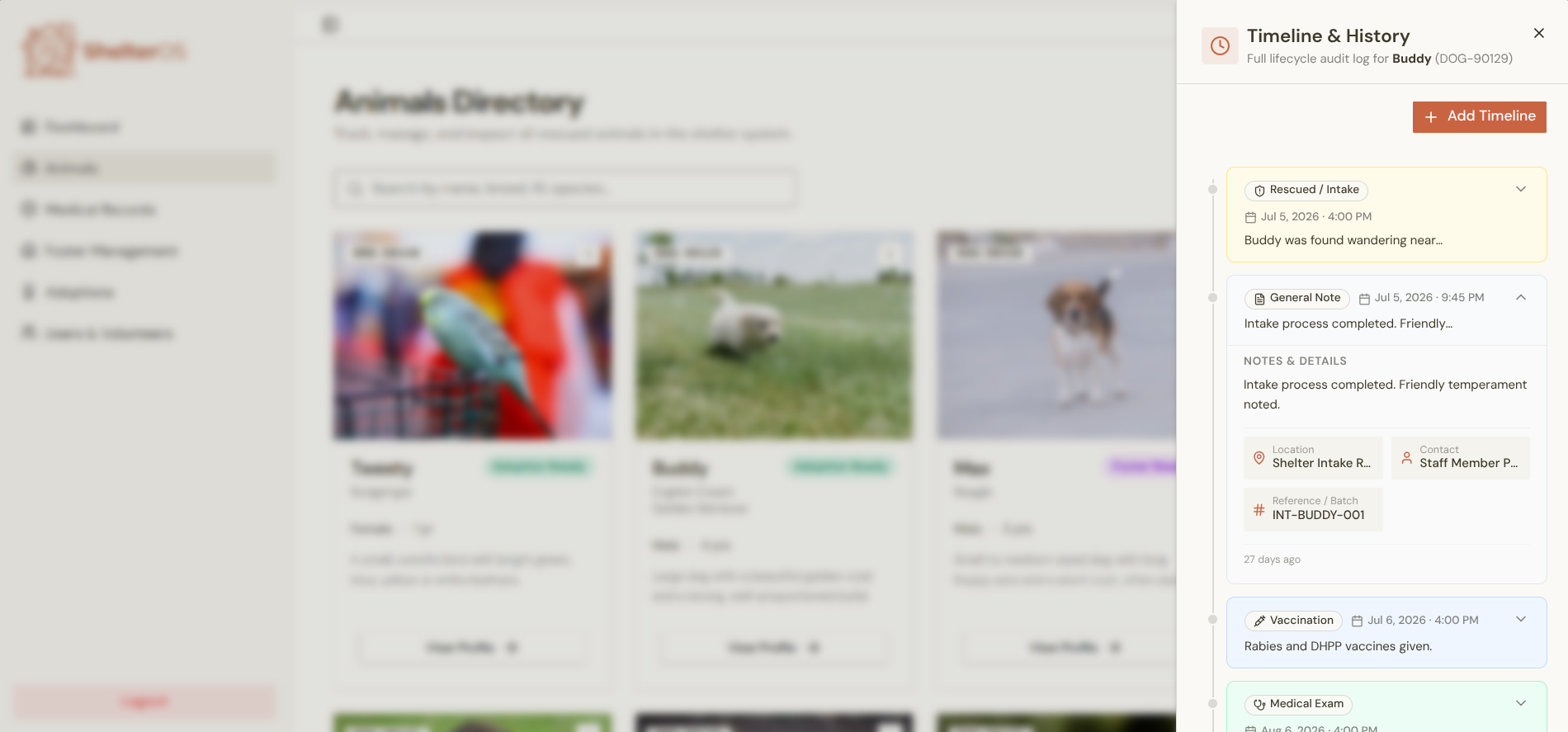
Animal's Timeline View
-
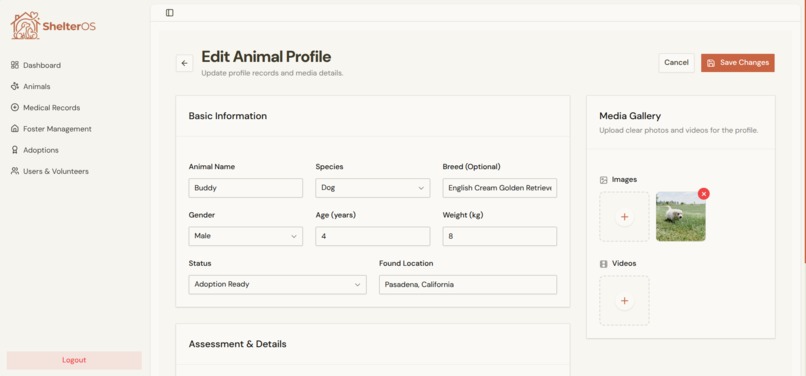
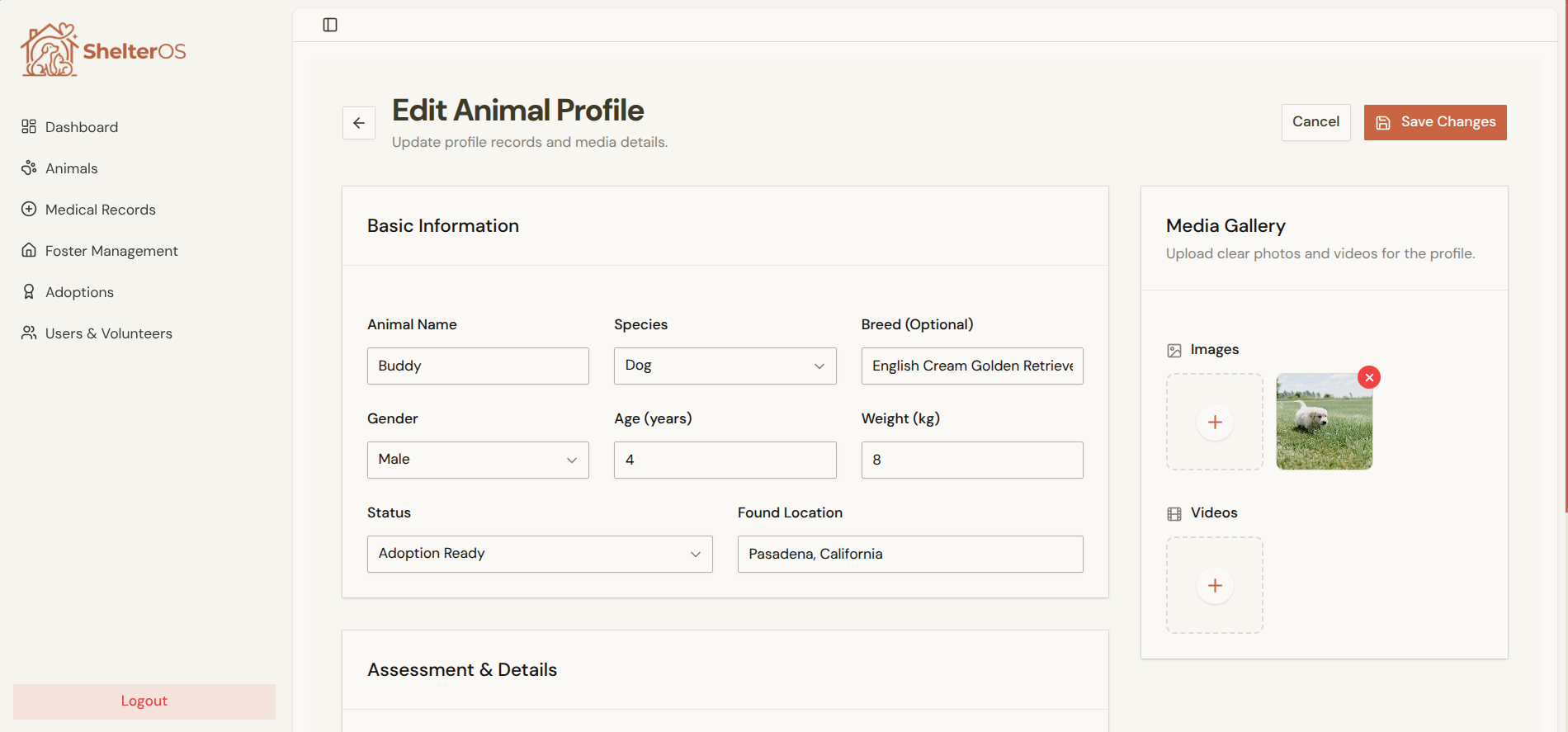
Animal Details
-
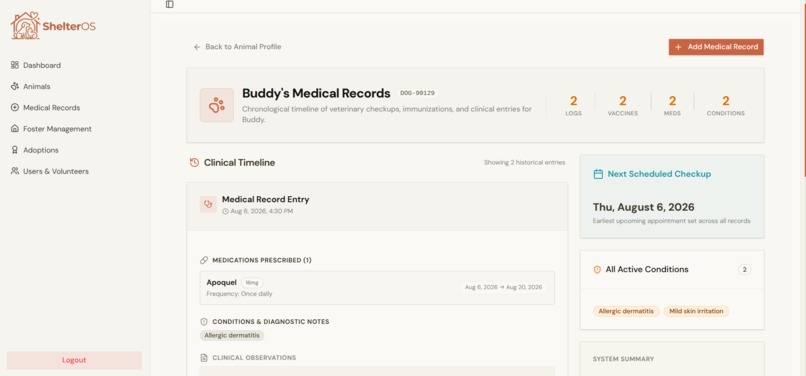
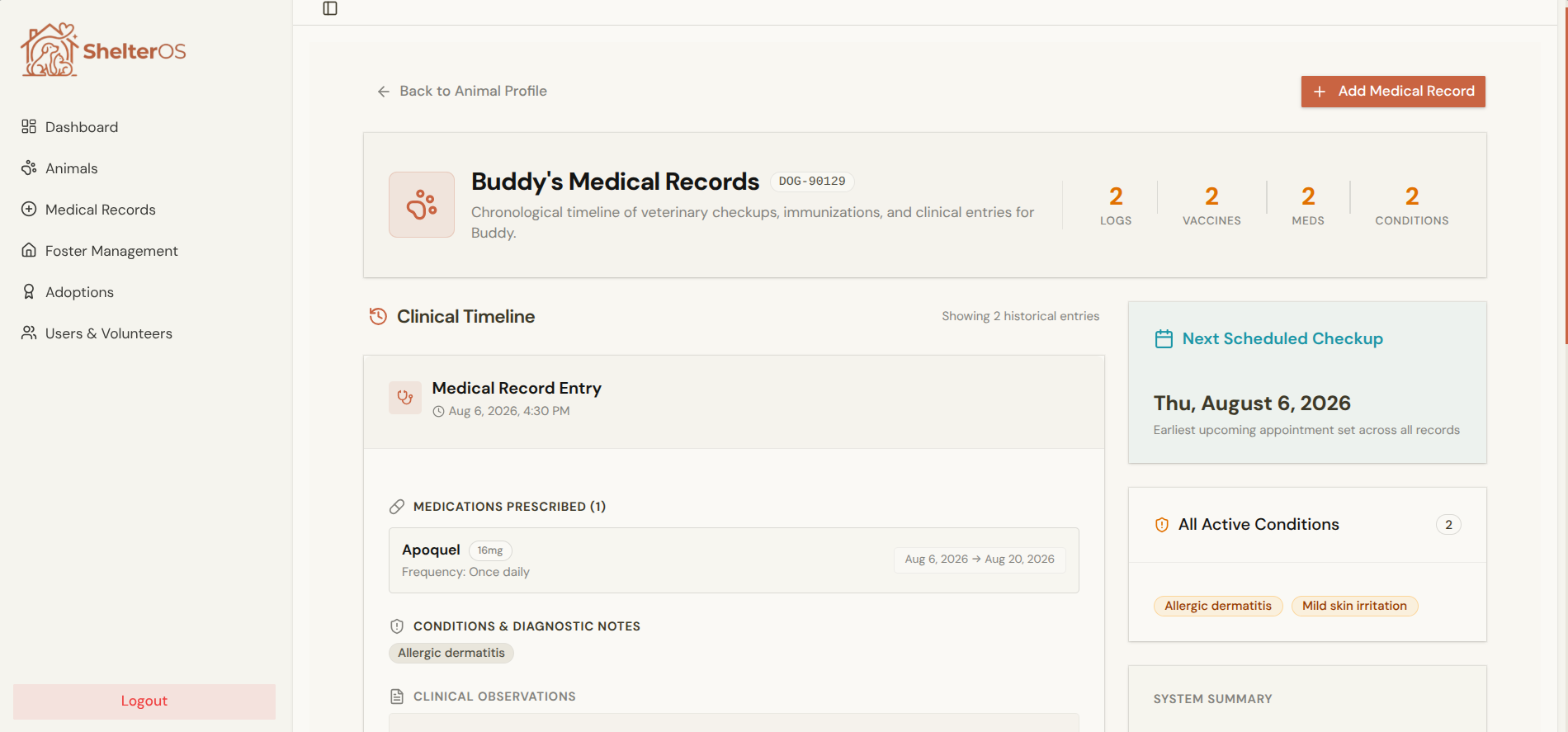
Medical Records
-
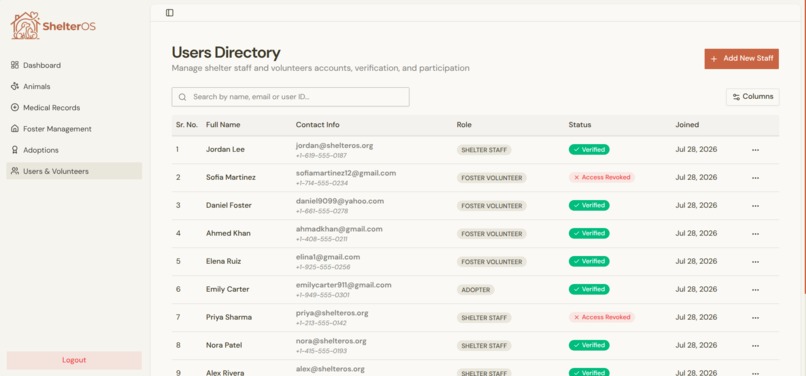
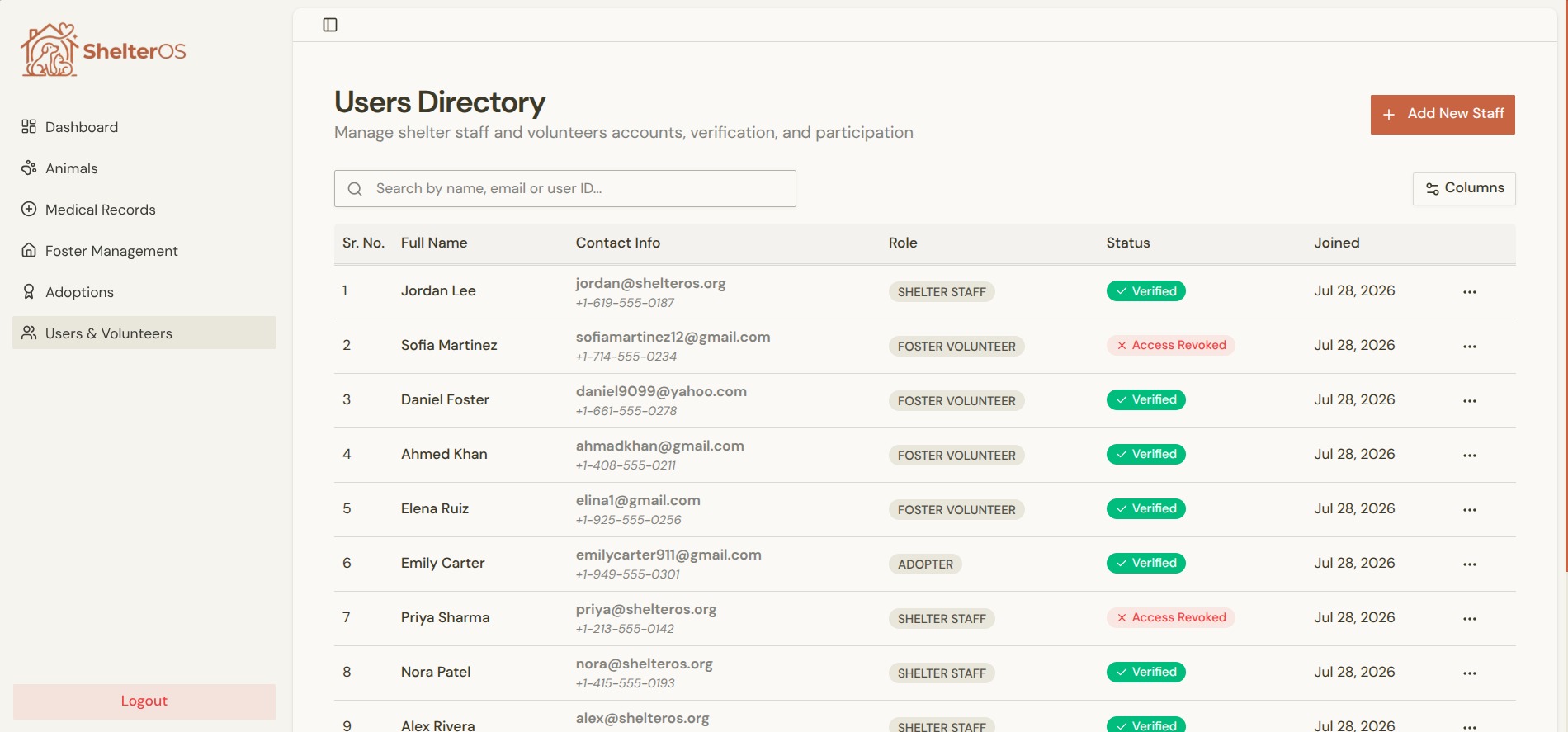
Users & Volunteers Directory
-
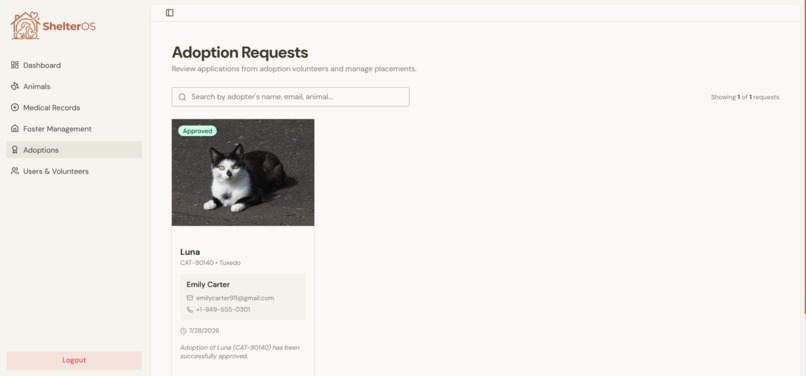
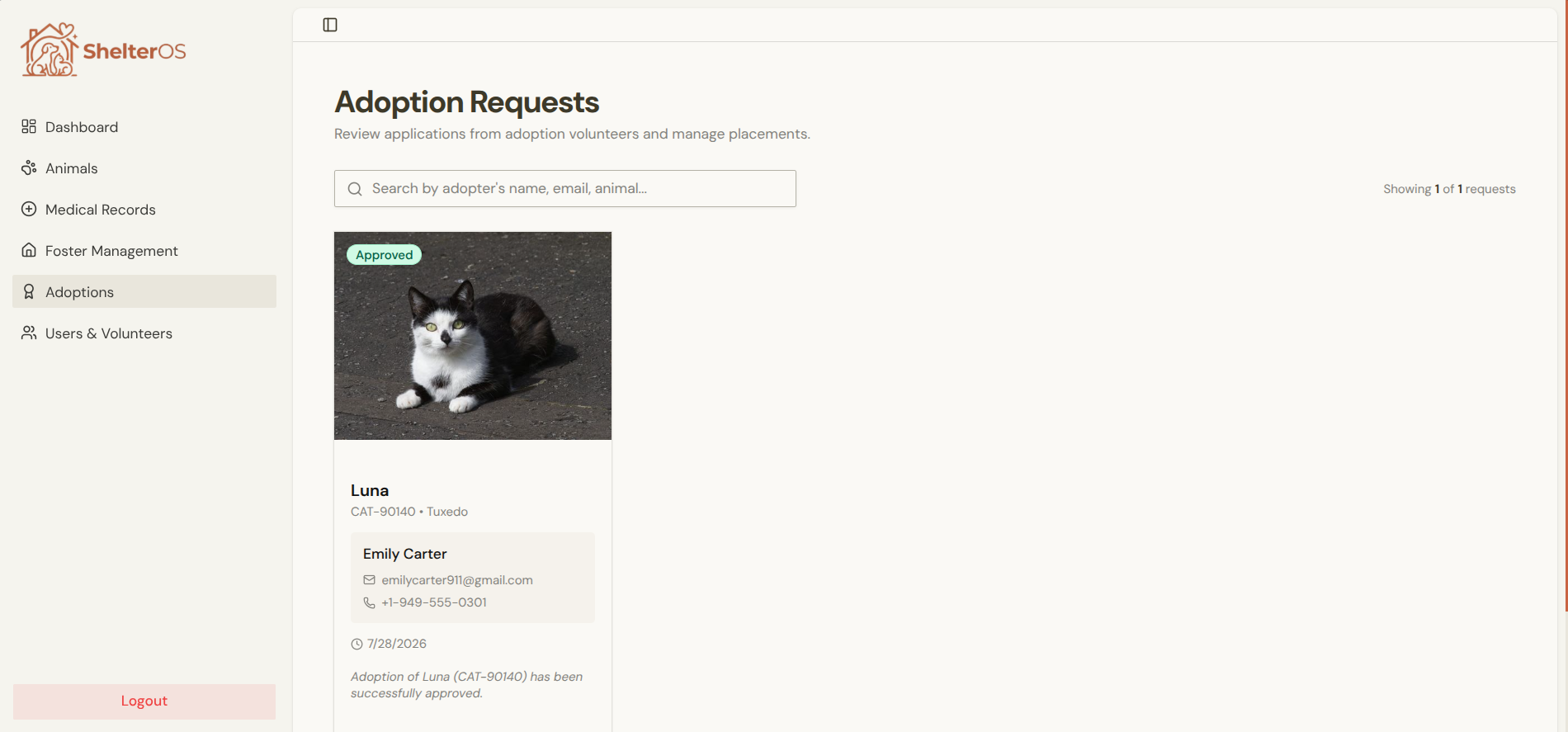
Adoptions Requests Page
-
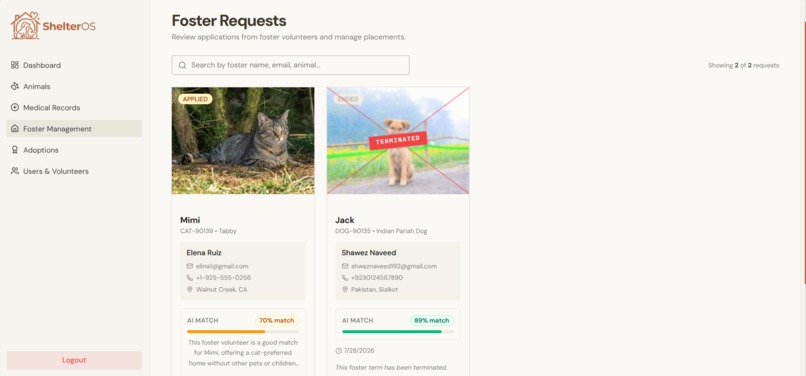
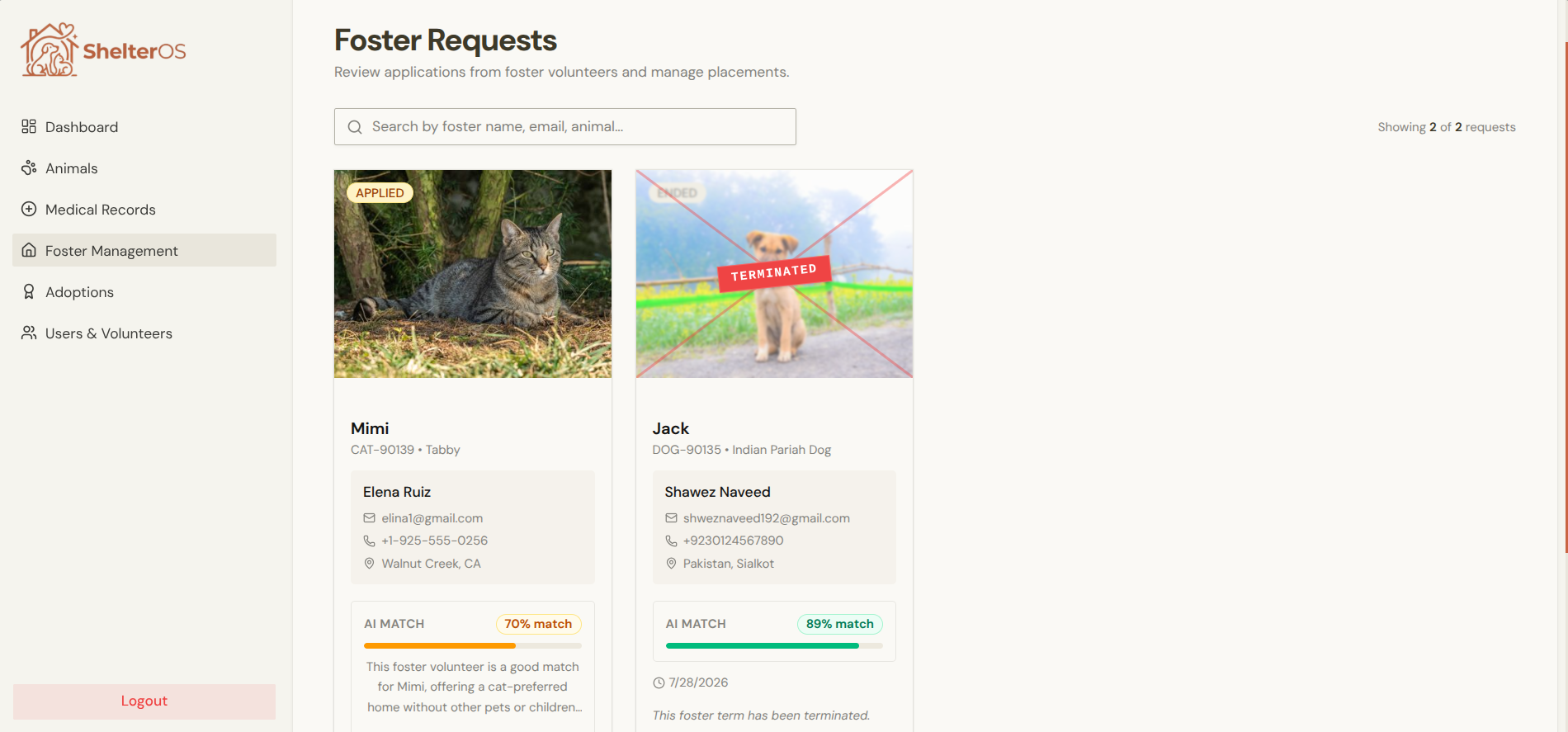
Fosters Requests Page
-
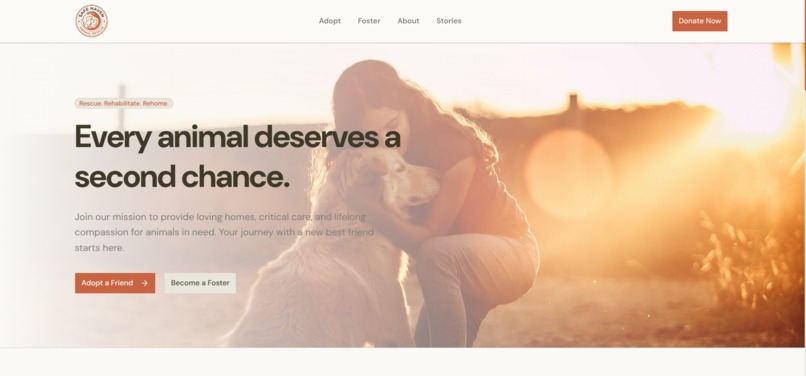
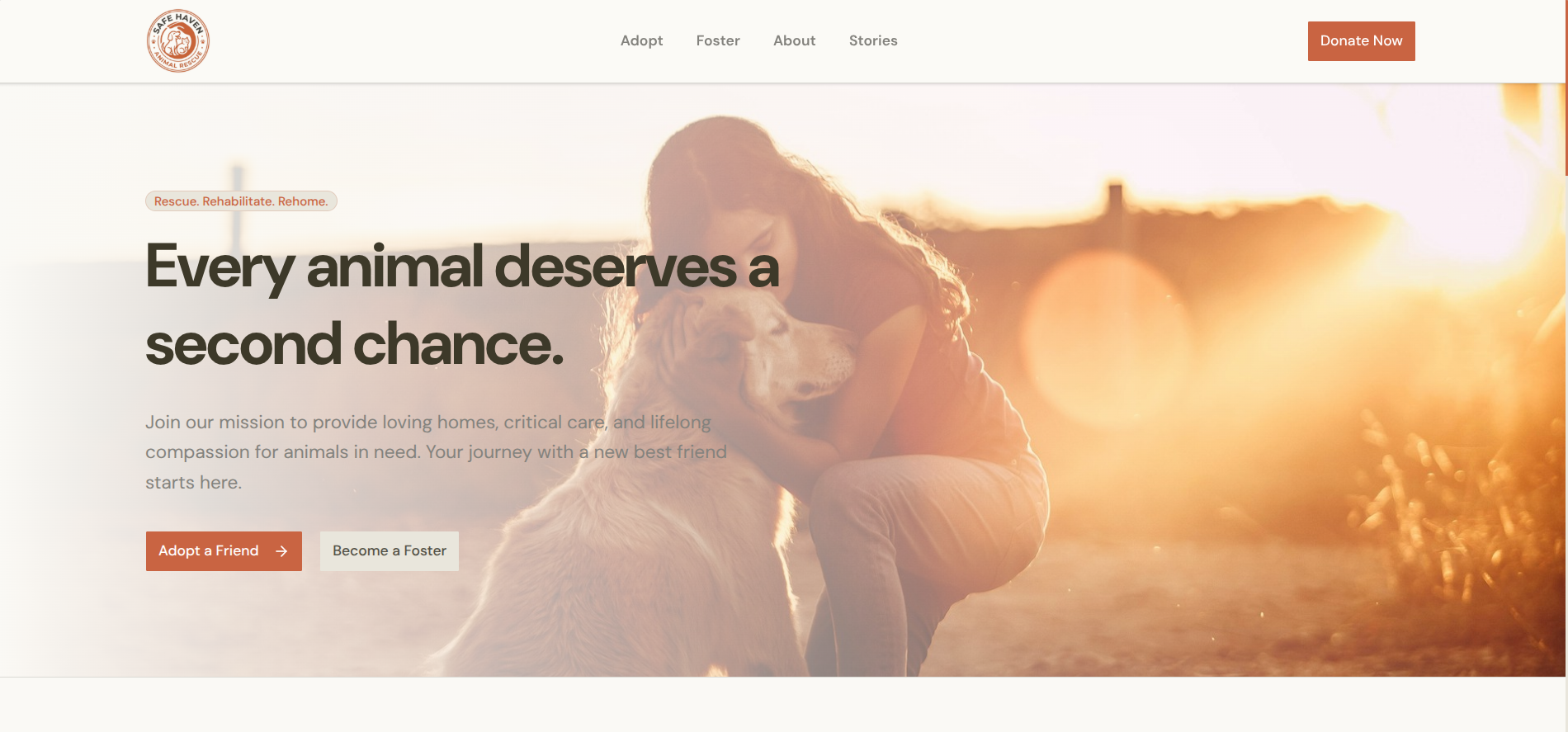
Web Main Page
-
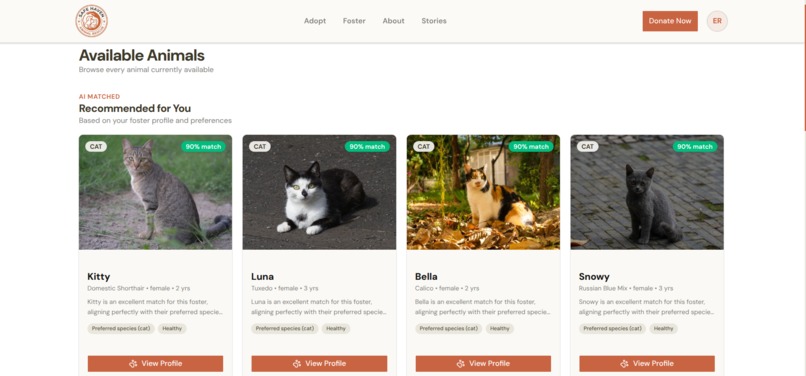
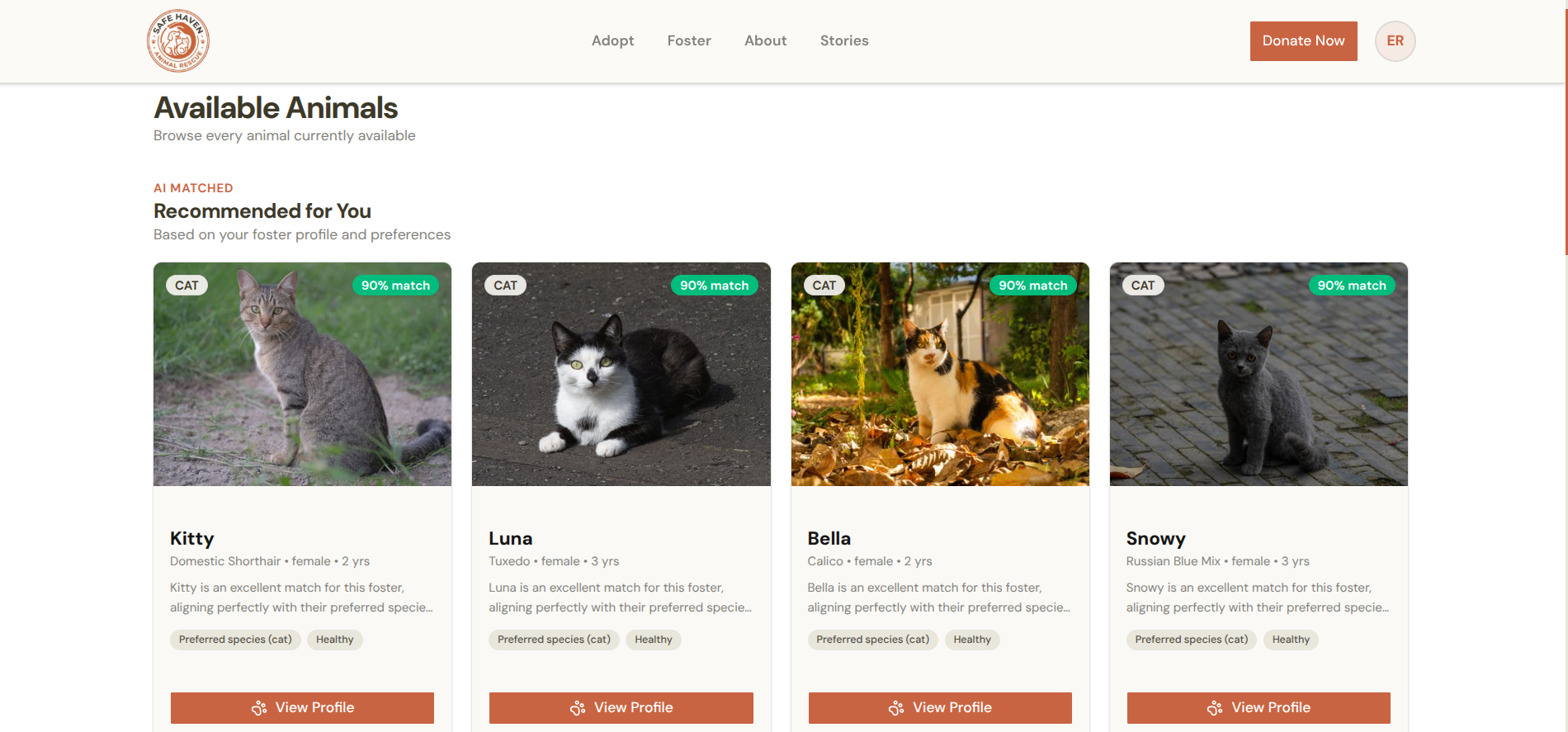
Fosters animals matching page
-
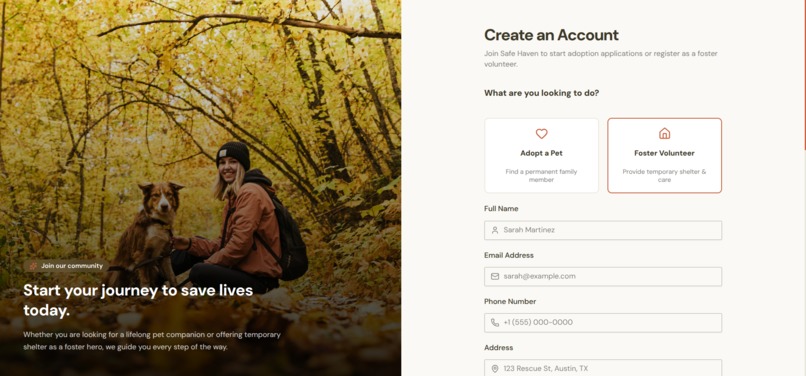
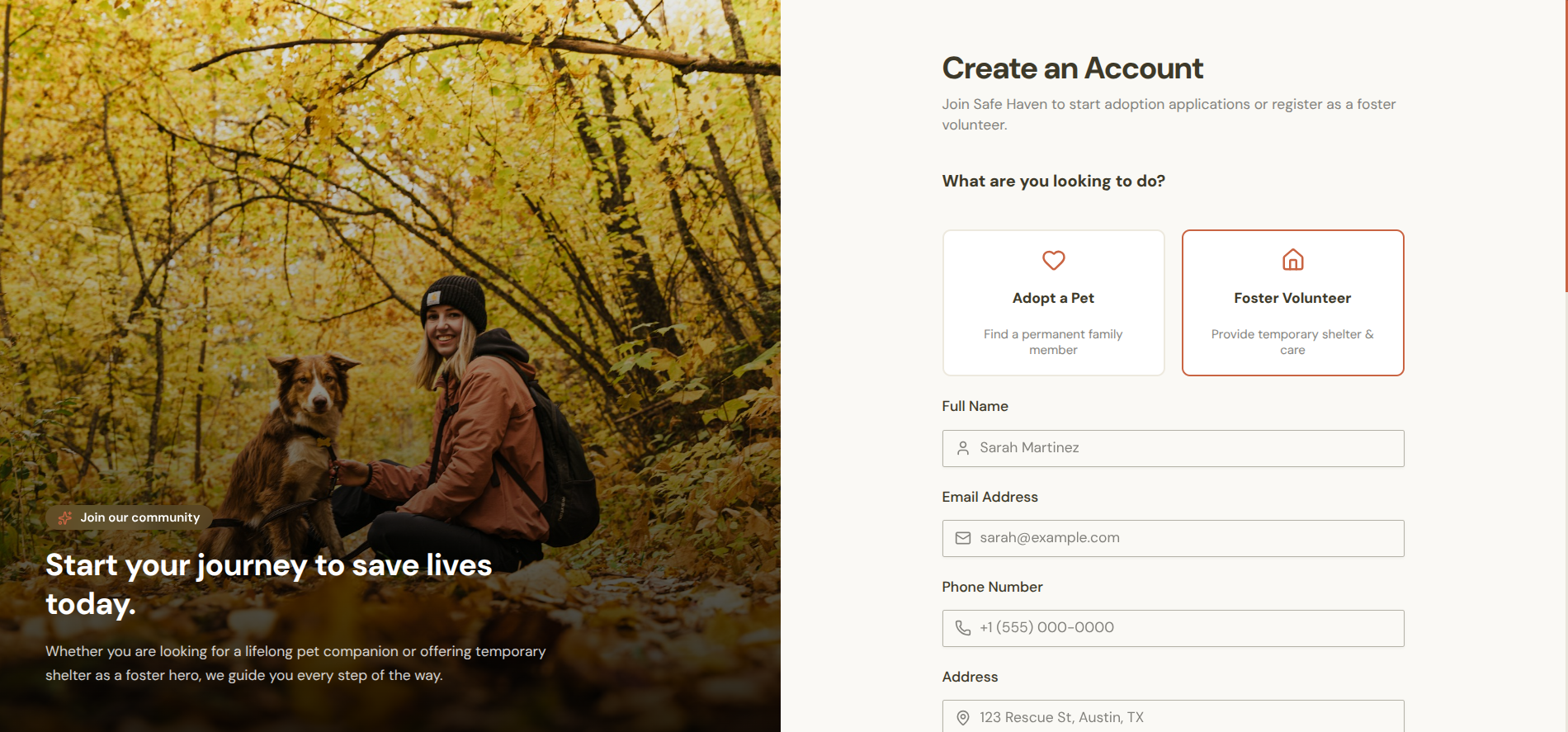
Fosters/Adopters Signup Page
Inspiration
Animal shelters do some of the most meaningful work in our communities, but a lot of that work still happens across spreadsheets, chat threads, and paper notes. Animals move from rescue to medical care to foster to adoption, and important details can get lost along the way.
We wanted to build something that treats shelter operations like a real system: one place to track an animal’s full journey, support staff, and help more pets reach the right home faster. That idea became ShelterOS.
What it does
ShelterOS is an operating system for animal rescue organizations. It manages the complete lifecycle of an animal:
Rescue → Intake → Medical Care → Foster → Adoption
For shelter staff, it provides:
- Animal intake and profile management
- Medical records and checkup tracking
- Visual animal timelines
- Foster request management
- Ai based foster request scoring
- Adoption applications
- An analytics dashboard with live helpful metrics
For the public, it provides:
- A clean animal browsing experience
- Foster and adoption applications
- Personalized AI-powered recommendations for foster volunteers
The AI matching system compares a foster’s experience, housing, availability, and preferences with an animal’s needs, then returns a match score with clear strengths and concerns. That helps staff make faster, more confident decisions.
How we built it
We built ShelterOS as a full-stack platform:
- Frontend: React Router, Tailwind CSS, shadcn for a clean, modern interface, and recharts for admin dashboard charts
- Backend: Fastify with JWT authentication and role-based access
- Database: PostgreSQL with Drizzle ORM
- Media: Cloudinary for animal photos and videos
- AI: Google Gemini for foster-animal compatibility scoring
- Architecture: Turborepo Monorepo
We designed the system around real shelter workflows like intake, medical care, fostering, adoption and focused on making both the admin side and public side feel practical, not just flashy.
Challenges we ran into
The hardest part was making the product feel useful under real shelter constraints.
Matching fosters to animals sounds simple, but the data is messy: experience levels, housing types, kids, other pets, medical conditions, and animal personality all matter. We had to design a scoring approach that was smart enough to help, but still clear enough for staff to trust.
We also had to balance features carefully. It was tempting to build everything at once like donations, volunteer scheduling, post-adoption tracking, but for a strong hackathon product we focused on the core lifecycle and the AI matching experience.
Accomplishments that we're proud of
We’re proud that ShelterOS feels like a real product, not just a prototype.
We built:
- A complete admin workflow for animal management
- Public-facing adoption and foster flows
- AI foster matching with scores and explanations
- Personalized results for users
- A dashboard that shows shelter health and operations overview at a glance
What we learned
We learned that good animal-tech is less about adding more features and more about reducing friction.
Shelters don’t need another complicated tool. They need clarity: where an animal is, where is its medical record history, what it needs next, and who can help.
What's next
We plan to:
- Add a controlled donations system with payment integrations
- Implement post-adoption flow to remain connected with the new parents of animals
Demo
Built With
- cloudinary
- drizzle
- fastify
- gemini-api
- jwt
- postgresql
- react
- react-router-framework
- recharts
- shadcn
- tailwind
- tanstack/react-query
- turborepo
- typescript
- zod


Log in or sign up for Devpost to join the conversation.