-
-
-
shelfcat as it grows
-
-

Inspiration
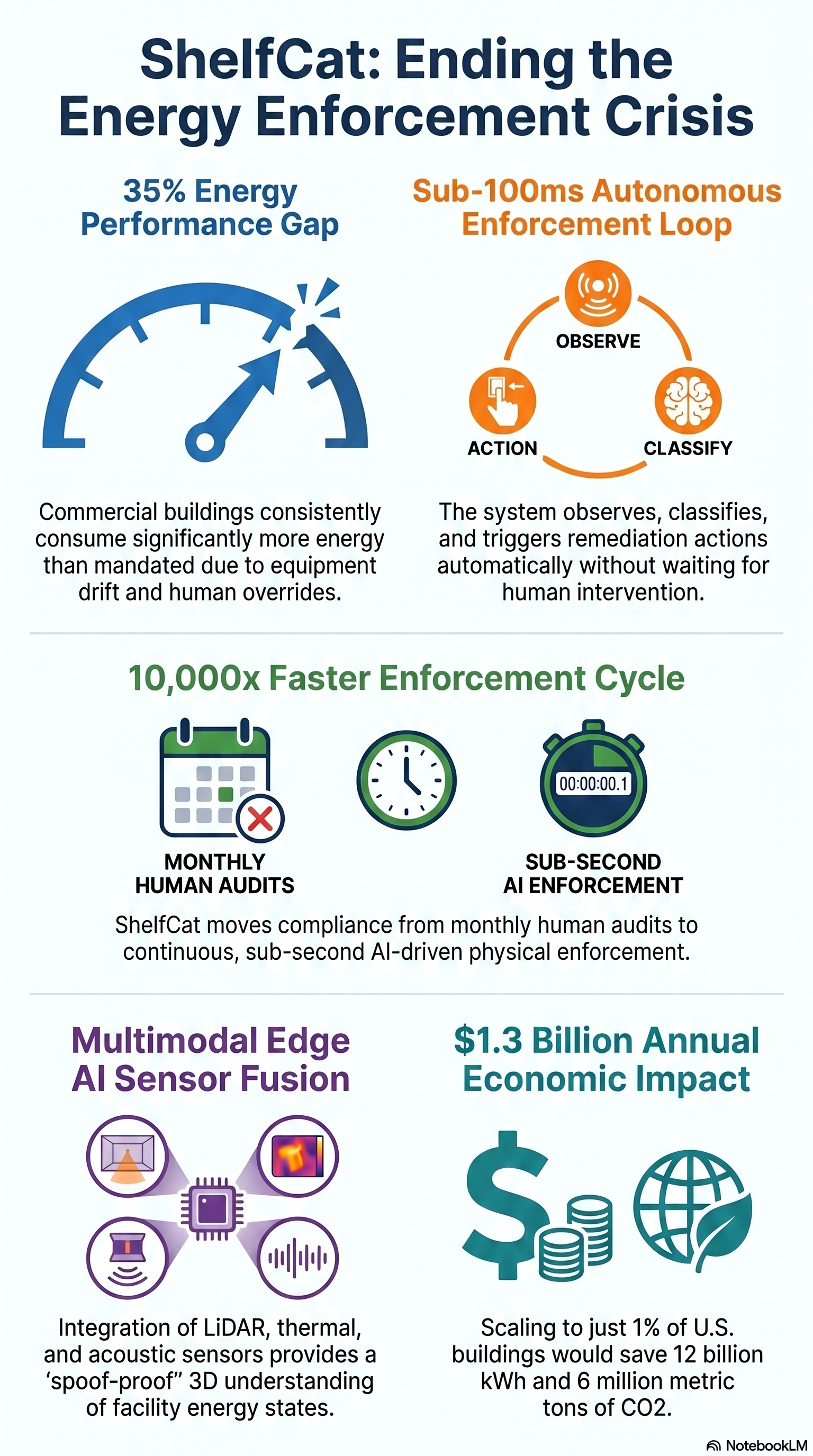
Traditional image processing relies on cloud infrastructure, which causes latency and privacy risks. We wanted to eliminate this dependency by pushing processing entirely to the edge, ensuring instant, private visual recognition for everyday consumers.
What it does
helfcat Lens is a consumer app that executes real-time visual recognition and instant similarity matching locally on mobile devices. No cloud middleman, no lag—just instant, offline results.
How we built it
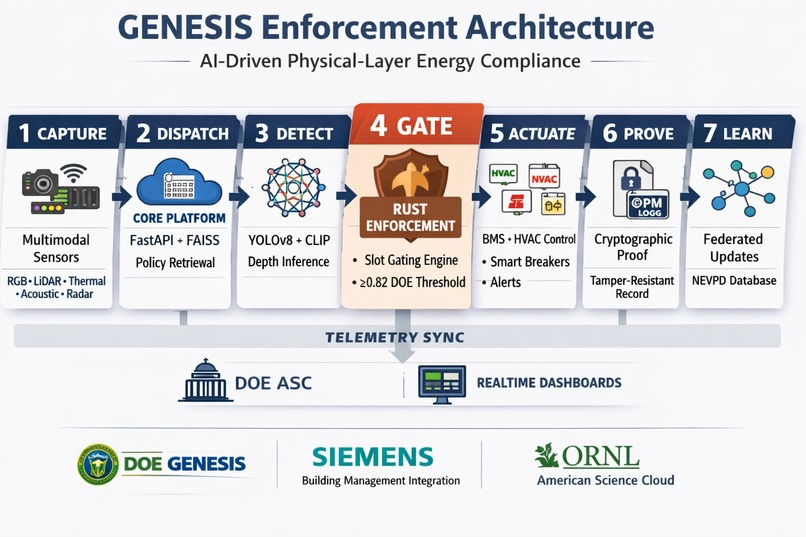
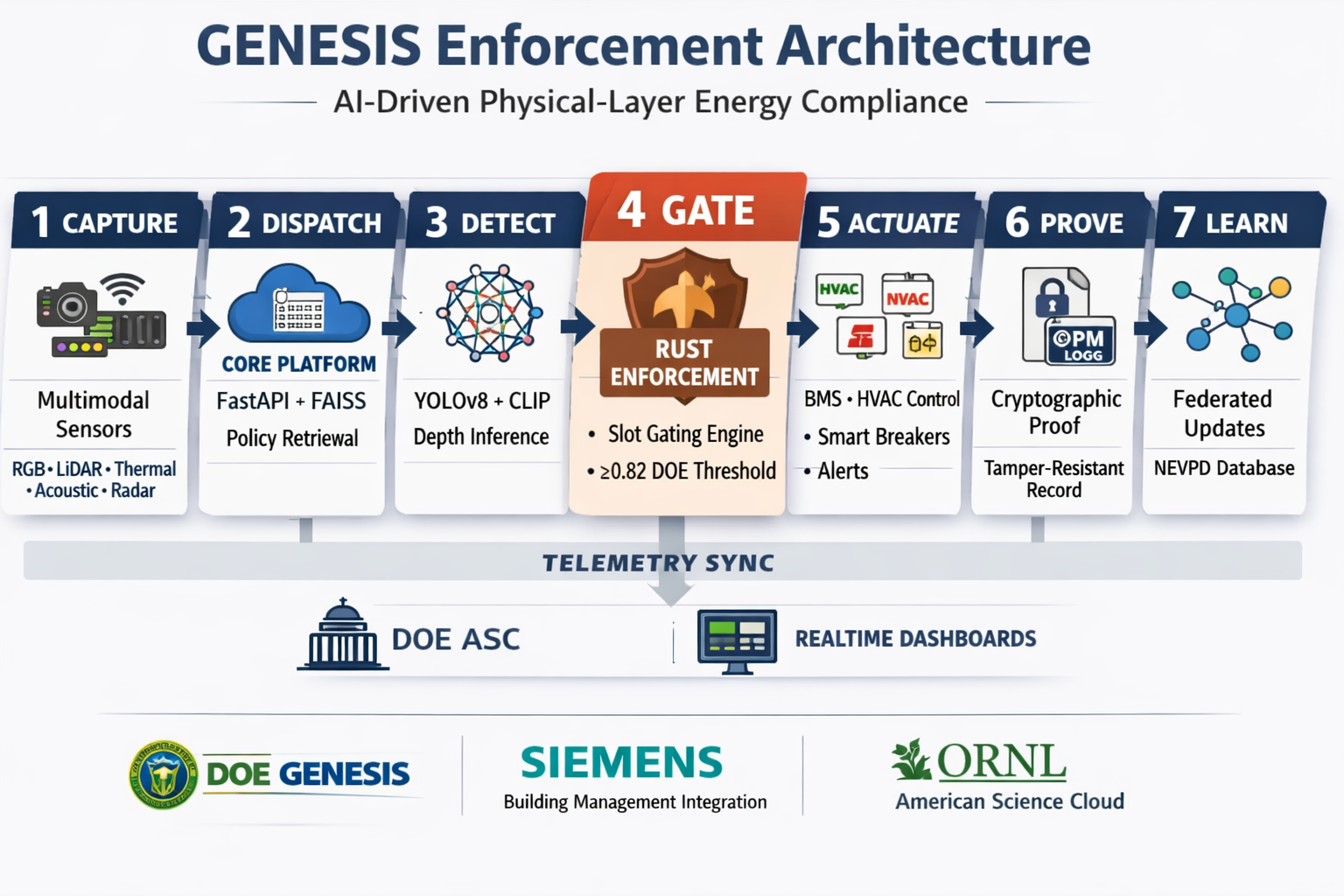
he core backend microservices are built in Rust for maximum speed and memory safety. We integrated YOLOv8 for rapid object detection, CLIP embeddings for deep visual context, and FAISS for instantaneous edge-based database matching.
Crucially, we completely abandoned standard megapixel processing in favor of a proprietary, custom 64-bit Color by Number (CBN) code, which radically reduces the computational footprint. We calculate vector similarity locally, heavily optimizing standard formulas like L2 distance for our 64-bit architecture:
Challenges we ran into
Deploying heavy models (YOLOv8, CLIP) on mobile hardware without draining battery or tanking performance required aggressive Rust optimization. We also had to rigorously test our custom 64-bit CBN code against traditional megapixel pipelines to ensure accuracy. Finally, locking down our intellectual property—securing USPTO patents and copyrights prior to external integration—demanded strict operational discipline.
Accomplishments that we're proud of
Successfully running a full, enterprise-grade computer vision stack entirely offline on a mobile edge device. Seeing our Rust microservices process the custom CBN code and match embeddings in real-time is a massive milestone for low-latency architecture.
What we learned
Edge devices can easily handle sophisticated visual AI when backed by the right architecture. Moving away from standard data formats to our custom 64-bit CBN structure completely removed traditional infrastructure bottlenecks.
What's next for Shelfcat-lens
We are targeting a late December rollout for the initial consumer application. Beyond that, our low-latency edge architecture has massive broader potential; we've submitted a Letter of Intent to the Department of Energy and are finalizing another for Auburn University's Office of Sponsored Programs to expand the ecosystem.
Built With
- artificial-intelligence
- clip
- comma-separated-for-easy-pasting:-rust
- computer-vision
- edge-computing
- faiss
- machine-learning
- microservices
- yolov8

Log in or sign up for Devpost to join the conversation.