-
-
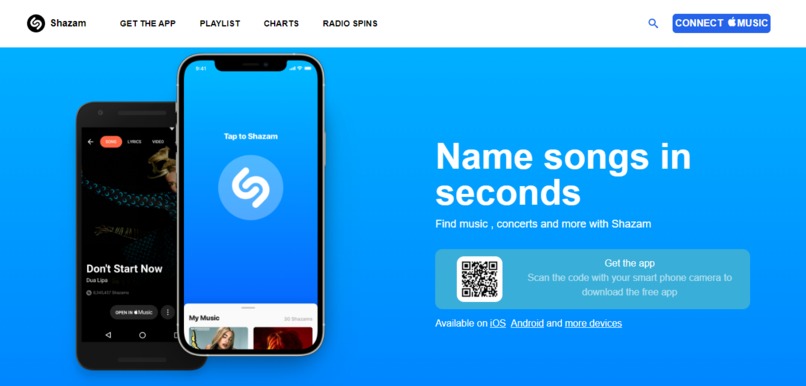
Project Overview
-
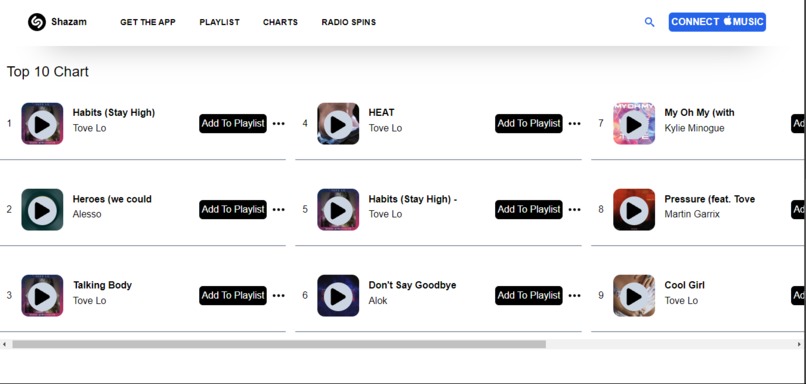
Top 10 songs according to the artist
-
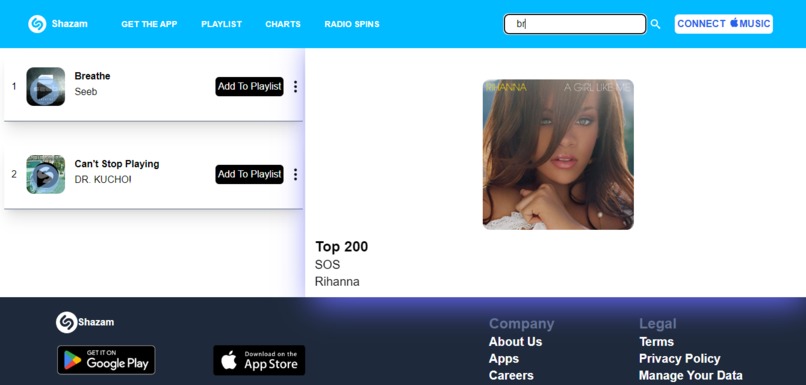
searching song
-
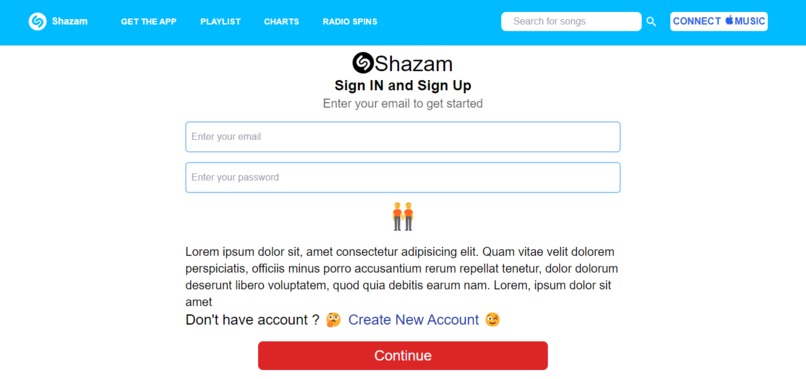
Login and signup page


Inspiration
The idea for the Shazam Music Web Application was born from my love for music and technology. I have always been fascinated by how music identification apps like Shazam can recognize and provide details about songs in a matter of seconds. This inspired me to build my own version of a music recognition app, leveraging modern web development technologies and tools.
What it does
The Shazam Music Web Application allows users to search for songs and get detailed information about them. Users can enter the name of a song, and the app will fetch details such as the artist, album, and release date. The application also provides a snippet of the song for users to listen to.
How I built it
Setting Up the Environment: I started by setting up the development environment using tools like Vercel for deployment and Create React App for bootstrapping the project. State Management with Redux Toolkit: Implementing Redux Toolkit was a key step. It allowed me to manage the state of the application effectively, ensuring that data was fetched and updated efficiently. API Integration: I integrated the Shazam API to fetch song details. This involved setting up API calls and handling the responses to display song information to the users. UI Development: I focused on creating a clean and intuitive user interface. I used Tailwind CSS to style the application and ensure it was responsive across different devices. Testing and Debugging: I rigorously tested the application to ensure that it functioned as expected. This involved debugging issues, optimizing performance, and refining the user experience.
Challenges I ran into
API Rate Limits: One of the significant challenges was dealing with API rate limits. I had to implement strategies to handle cases where the API request limit was reached. State Management Complexity: Managing the state of the application became complex as the application grew. Learning and implementing Redux Toolkit helped in mitigating this challenge, but it required a steep learning curve. Handling Asynchronous Operations: Managing asynchronous operations, especially with API calls, was another challenge. Ensuring that the application remained responsive while waiting for data from the API required careful handling of promises and async/await functions. User Experience: Creating a smooth and intuitive user experience required multiple iterations and feedback. Balancing functionality with a clean design was a continuous process.
Accomplishments that I'm proud of
Successful API Integration: Successfully integrating the Shazam API and fetching accurate song details was a significant accomplishment. Responsive Design: Creating a responsive and user-friendly interface that works seamlessly across different devices. Efficient State Management: Implementing Redux Toolkit for efficient state management, which significantly improved the application's performance.
What I learned
Redux Toolkit: I deepened my understanding of state management in React applications using Redux Toolkit, which helped in managing the application's state efficiently. API Integration: I learned how to integrate third-party APIs to fetch song data and provide a seamless user experience. Asynchronous Programming: I enhanced my skills in handling asynchronous operations, which is crucial for fetching and displaying data from APIs. UI/UX Design: I improved my ability to design user-friendly interfaces that are both functional and aesthetically pleasing.
What's next for Shazam music web app
Enhanced Search Functionality: Improving the search functionality to include more filters and sorting options for users to refine their searches. User Authentication: Adding user authentication features to allow users to save their favorite songs and playlists. Improved UI/UX: Continuously refining the user interface based on user feedback to enhance the overall user experience. Mobile Optimization: Further optimizing the application for mobile devices to ensure a smooth experience on smartphones and tablets.
Built With
- css3
- express.js
- html5
- javascript
- mongodb
- node.js
- react
- react-lazy
- react-router-dom
- react-suspense
- redux-toolkit
- render
- restapis
- tailwindcss
- usehook
- vercel
