-
-
Logo
-
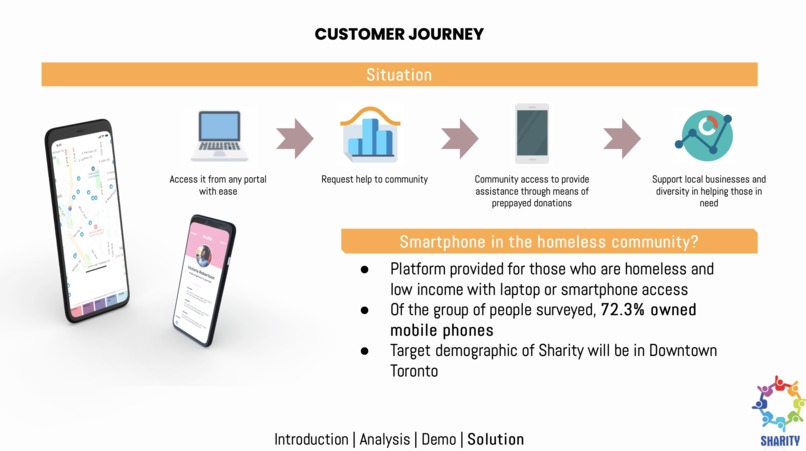
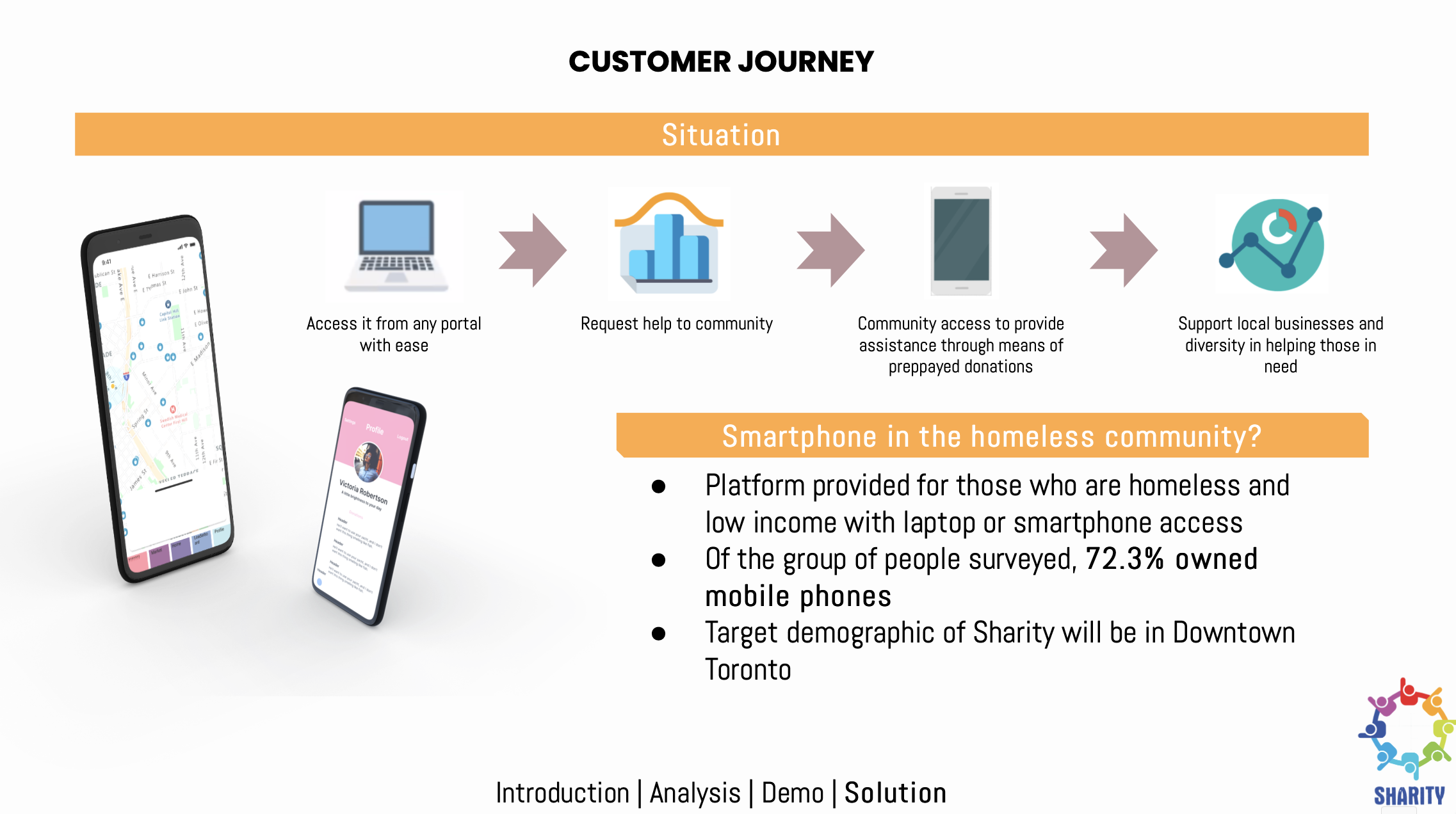
User flow
-
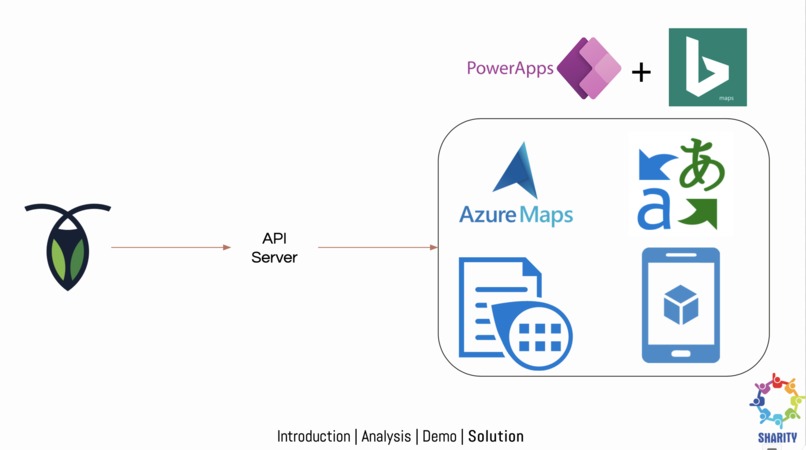
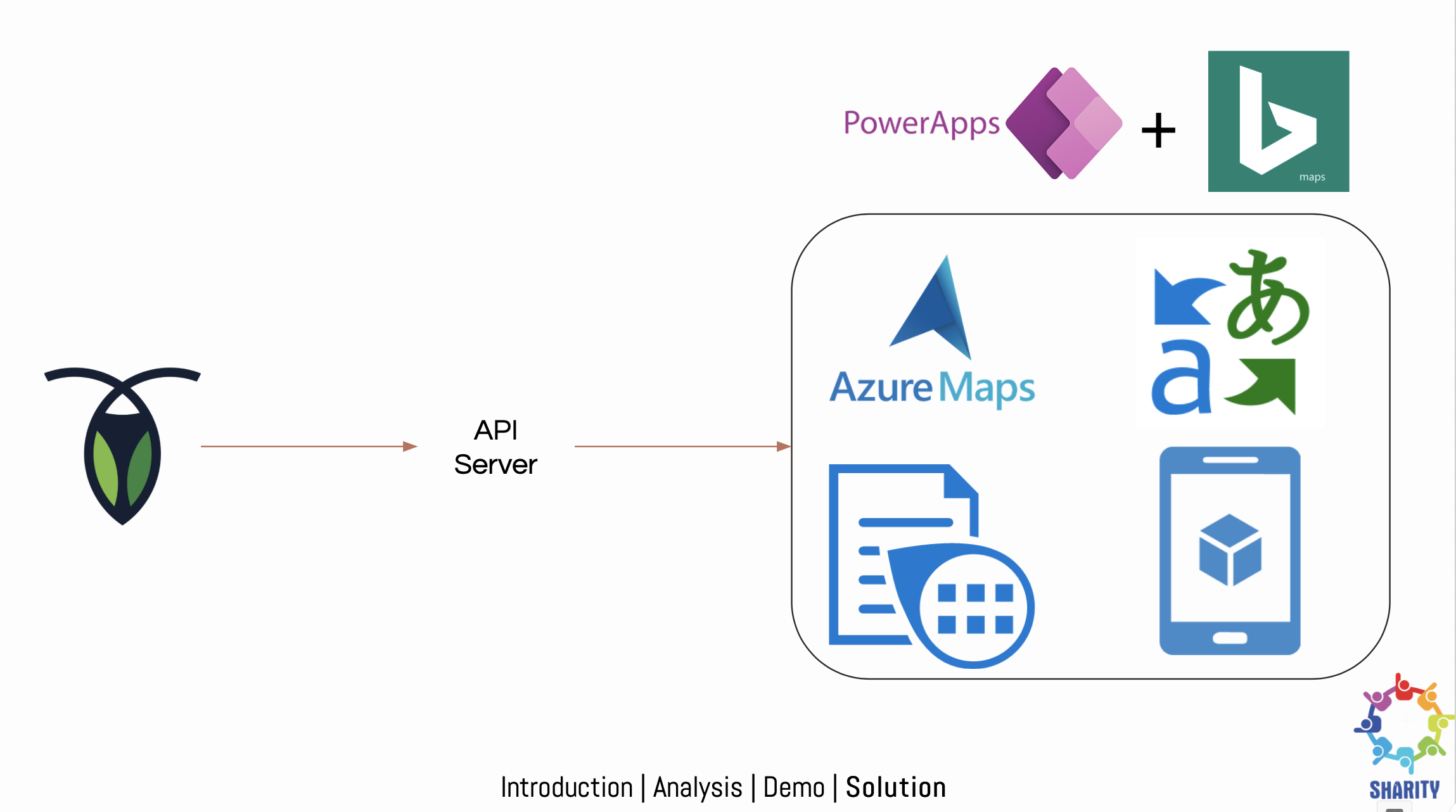
Tech Stack
-
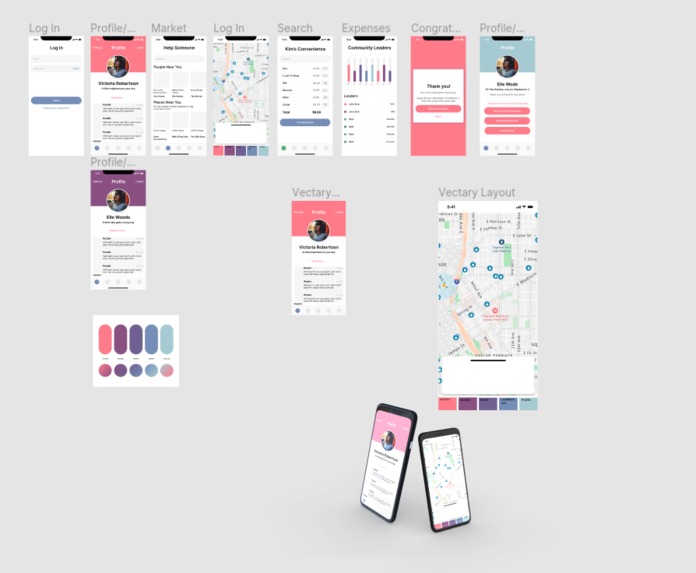
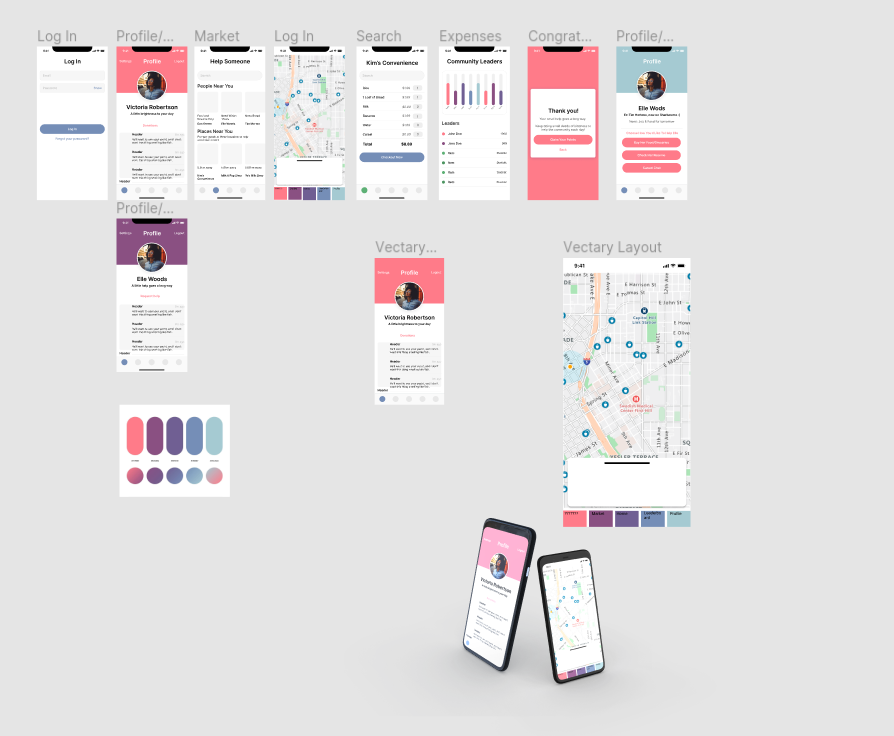
UI/UX planning on Figma

Inspiration 💡
Making our way in downtown Toronto, it's so easy for us to see so many homeless people uncared for. It's a problem that is faced in nearly every major city. In Toronto alone, 8700 people face homeless each day. It brought us the question - what can we do as a community to help those who need it the most?
What it does ⚙️
Allows a kind-hearted person to:
- Find the closest homeless person around their area and what they need
- Choose how to help the homeless person (either by donating time, resources, or choosing to pre-pay grocery items at local businesses)
- Buy items and pay the fees associated with a local business
- Create a QR code for verification when homeless people pick up items within a radius
Allows a homeless person to:
- Put their needs for the community to see
- Generate QR codes for picking up items that have been pre-paid by the community
How we built it 🛠️
- Azure Power Platform with Power Apps to create a low code solution
- Bing Maps
- Dynamic xlsx database ingestion
- Microsoft Lists
Challenges we ran into 🚧
- Azure has so many complex functions that aren't accessible with student accounts, or locked by an admin group!
- Power Apps has limited functionality, and it isn't possible to share access outside of the school's organization which was linked to our Azure credit. We tried to make a submission using our personal account, but there was no workaround to this.
Accomplishments that we're proud of 🌟
- Learning to use Power Apps from scratch in a limited amount of time
- Working as a team despite it being the first time meeting
What we learned 📖
- How to use Power Apps
- Low-code is more challenging than coding it out on our own
What's next for Sharity 🚀
- Future partnership with organizations such as Second Harvest and Retailers in crowdsourcing near expiry goods for Toronto.
- Integrate with a payment gateway so we can pay directly to local businesses
- Offline features such as access to popular pickup locations for donations and public services such as libraries and parks.
- Requesting services for those who don’t have phones. This can involve providing Sharity information on the platform that a person is in need of assistance.
Please note that due to education accounts, we can't share the link to non-waterloo students! We wanted to upload the source code into GitHub but it says that it is still an experimental feature, and wasn't recommended.


Log in or sign up for Devpost to join the conversation.