Inspiration
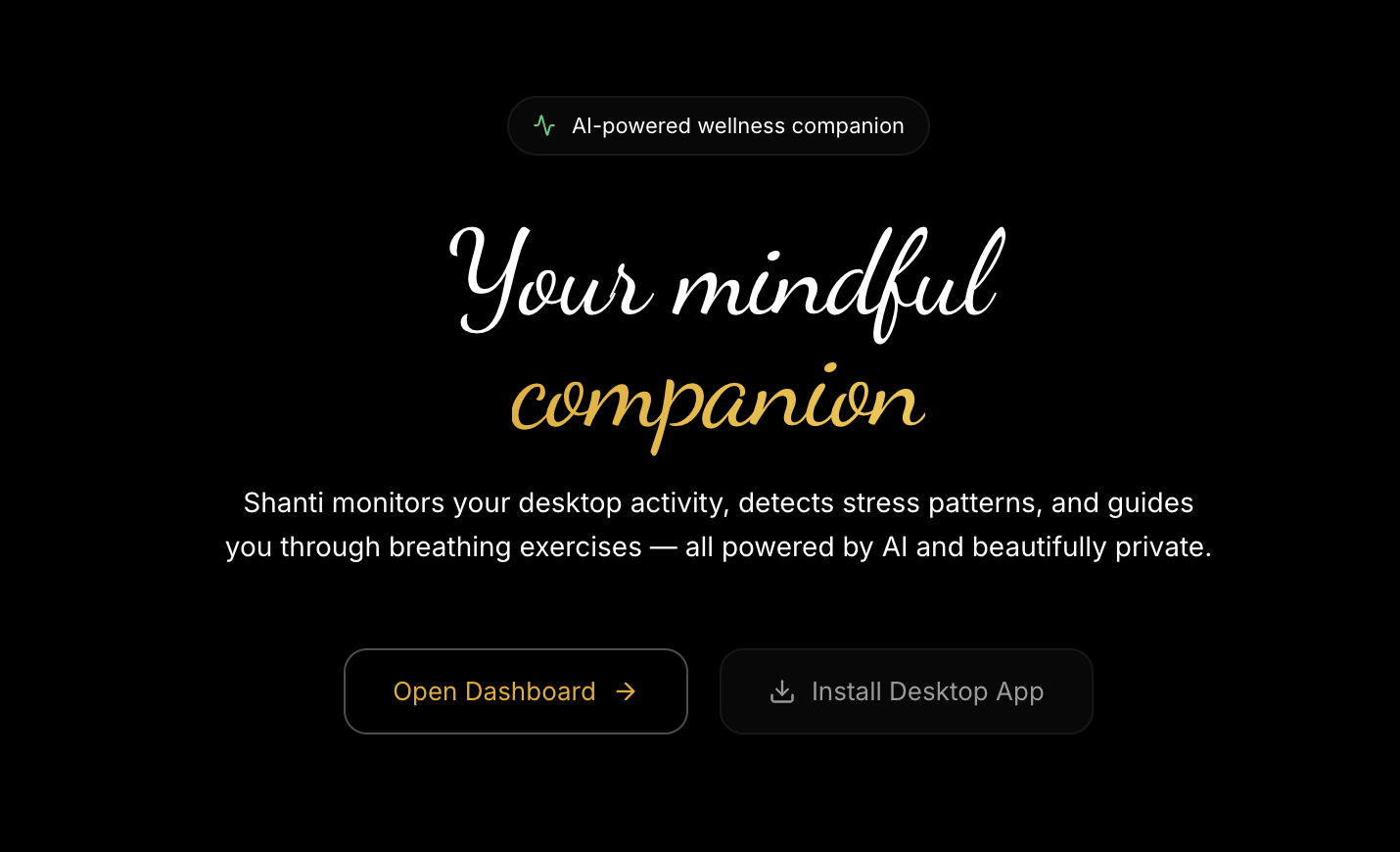
Mental wellness often takes a backseat when we're focused on work, school, or coding projects. Many people don't realize they're stressed until they're already overwhelmed. We wanted to create a tool that quietly supports users throughout their day, detecting signs of stress before burnout happens and encouraging small moments of mindfulness. That's how Shanti was born. The name comes from the Sanskrit word "शांति" (Shanti), meaning peace.
What it does
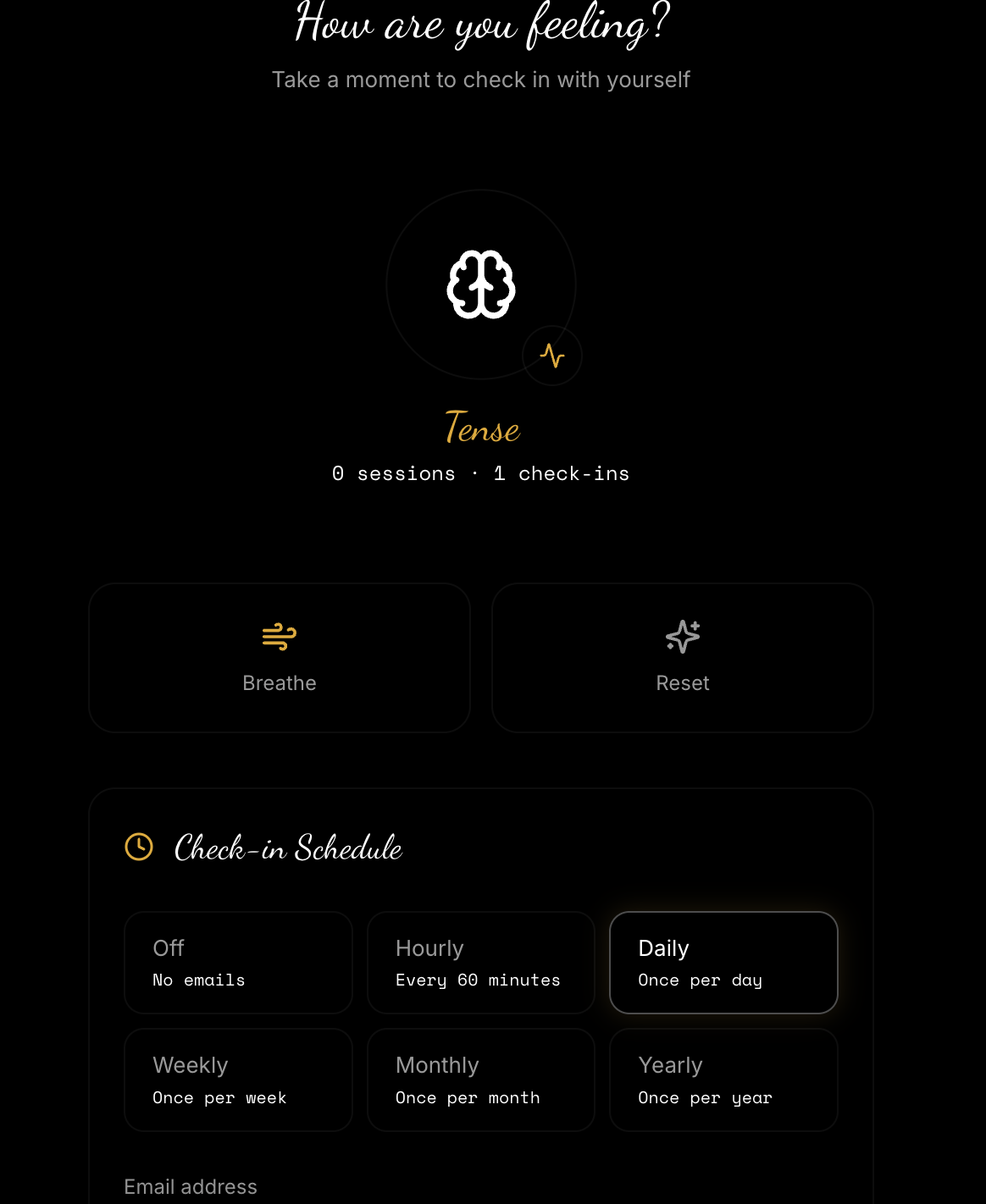
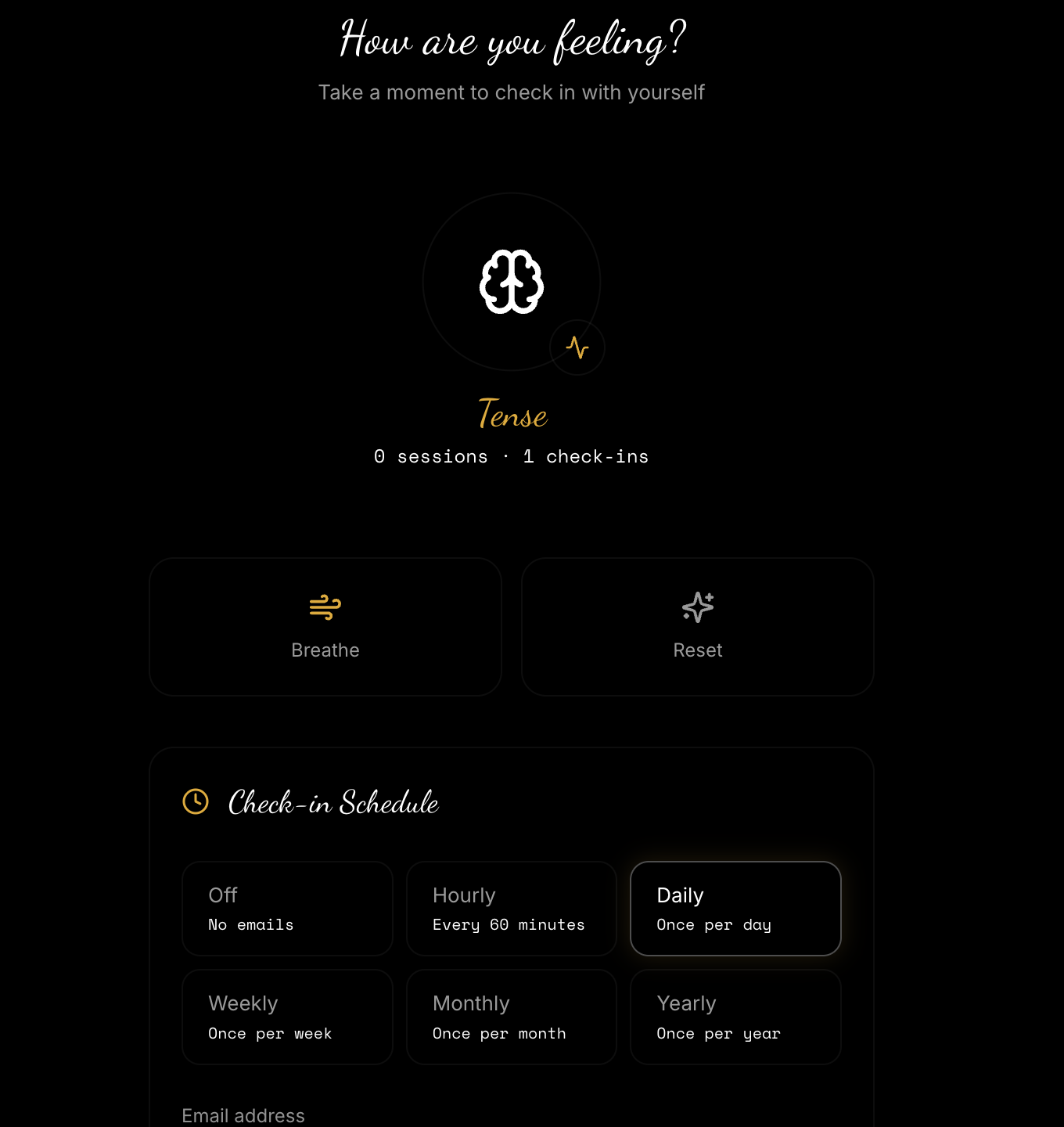
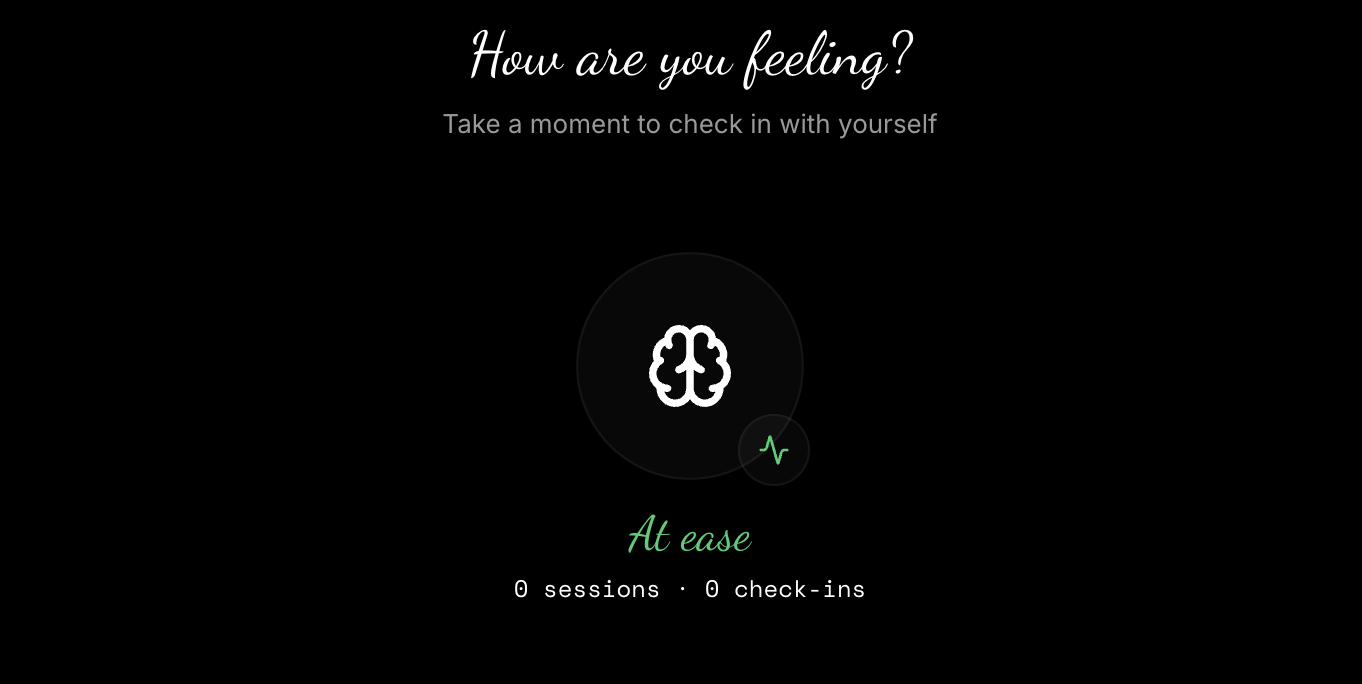
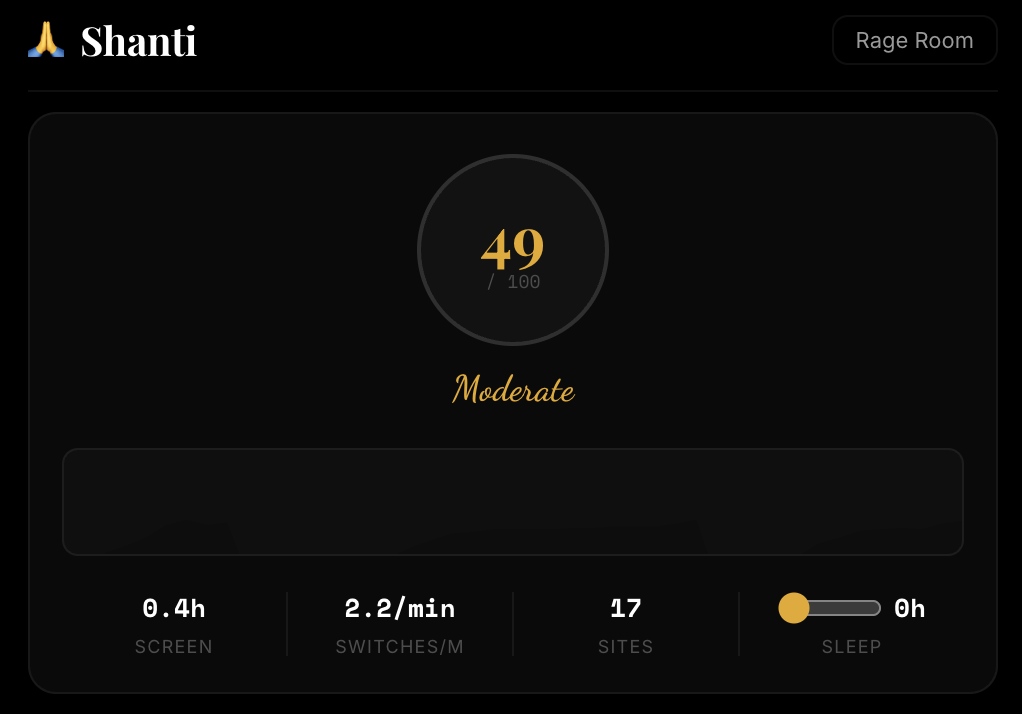
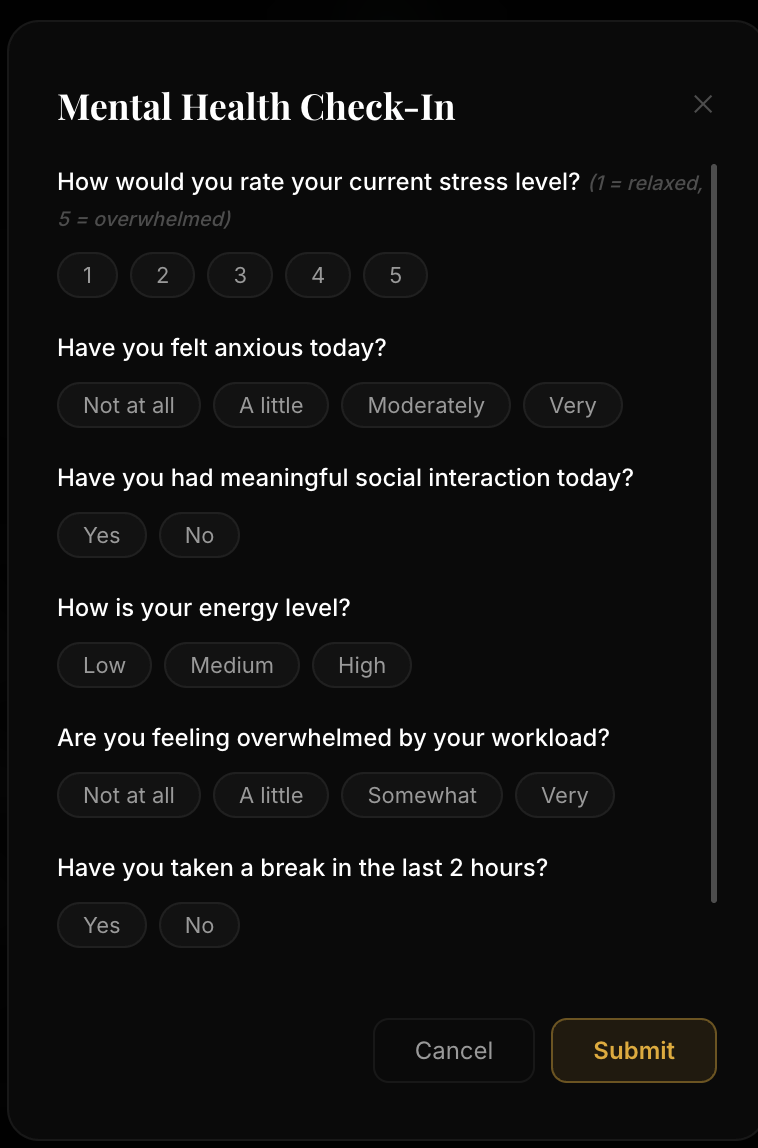
Takes your workload, sleep, and hours worked to calculate a live stress score. Displays your stress score on a live updating graph. When you're in the danger zone, the entire website turns amber and locks down as a warning
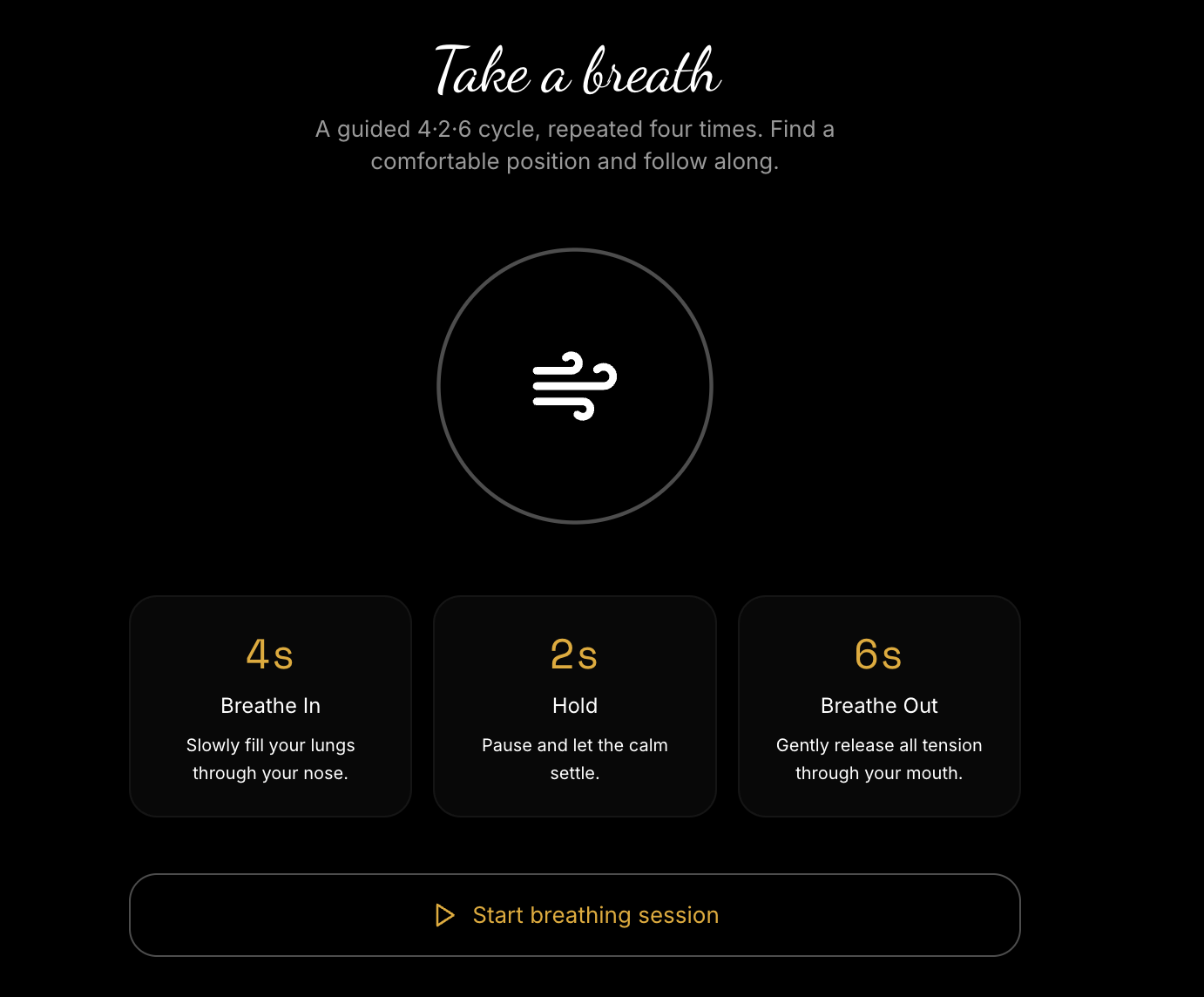
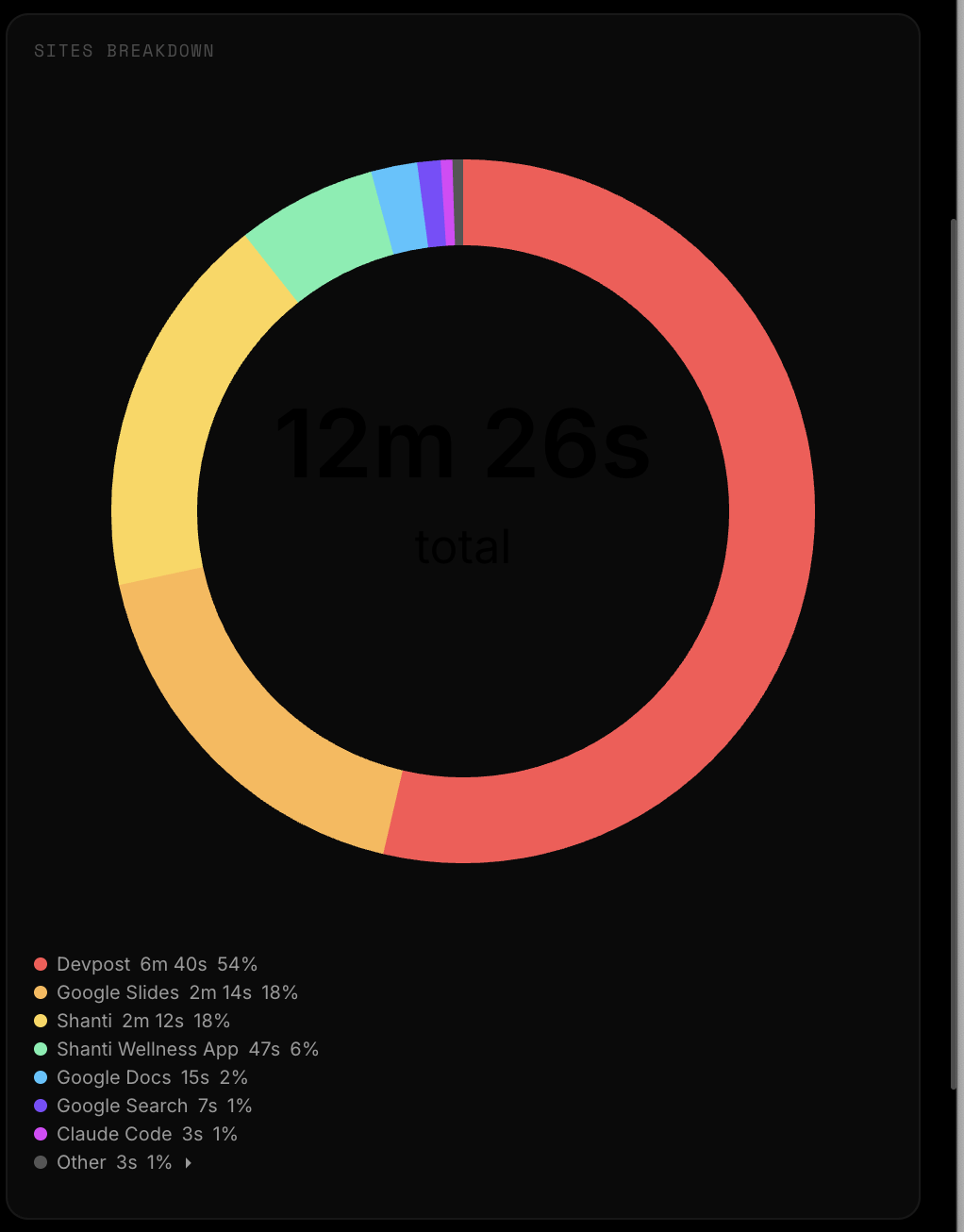
Forces a mandatory 60-second breathing break when your score gets critical. Reads tab browser data, and your time on each. Gives you your screen time spent on specific websites. Watches how you use tabs and automatically detects signs of mental stress. Detects when you're constantly switching tabs instead of focusing
How we built it
Shanti combines modern web technologies, desktop application frameworks, AI services, and cloud infrastructure.
Our stack includes:
React 18, TypeScript, Vite, Tailwind CSS, and Framer Motion for the user interface. Electron for building a native desktop experience on Windows and macOS. Supabase as our real-time database and Postgres backend. Better Auth for secure authentication. Resend for reliable email delivery and scheduling. An algorithm that alayzes user tab-opening and screen usage behavior. electron-updater for seamless application updates. The desktop app continuously monitors user activity locally, generates an activity summary, and sends anonymized behavioral signals to the AI model for stress analysis. Based on the AI's response, Shanti updates the user's stress status and can automatically trigger wellness interventions.
Challenges we ran into
Building a reliable background monitoring system that works consistently across platforms. We had to make an algorithm that can do stress assessments from limited activity data. It was also very difficult
Accomplishments that we're proud of
We're especially proud that Shanti feels like a complete product rather than just a prototype.
Some highlights include:
Successfully integrating AI-powered stress detection into a real desktop workflow. Building both a desktop application and a web dashboard that work together seamlessly. Creating an automated wellness system that proactively supports users instead of waiting for them to ask for help. Delivering a polished user experience with modern animations, themes, and system tray integration.
What we learned
We gained experience with:
Desktop application development using Electron. Real-time backend architecture with Convex. AI prompt engineering and behavioral analysis workflows. Automated email infrastructure and scheduling systems. Designing privacy-conscious features for sensitive user data. Building products that combine wellness, productivity, and AI in a meaningful way.
What's next for Shanti
Future plans include:
More advanced AI models trained specifically for stress and burnout detection. Personalized wellness recommendations based on long-term trends. Focus sessions and productivity coaching features. Integration with wearable devices and health platforms. Team wellness dashboards for workplaces and organizations. Mobile companion applications for iOS and Android. Enhanced analytics and insights that help users better understand their stress patterns over time.
Built With
- convex
- electron
- framer
- supabase
- tailwind-css
- typescript
- vite

Log in or sign up for Devpost to join the conversation.