-
-
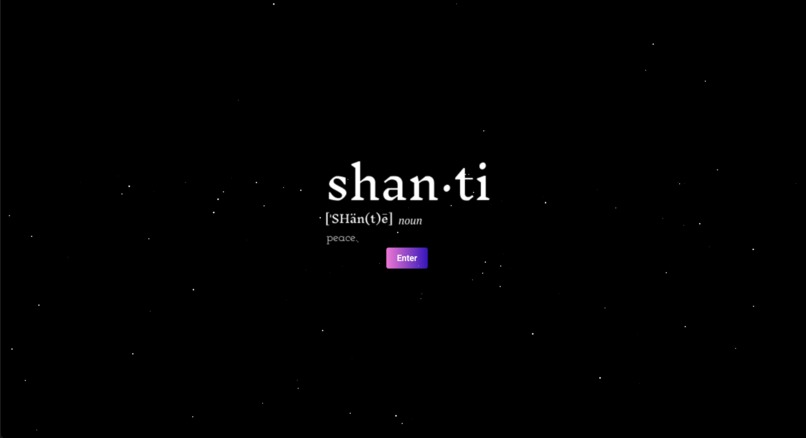
Shanti homepage
-

Shanti(TM) Immersive VR Experience


Inspiration
Initially, our team was interested in exploring generative AI and Virtual Reality and how it could be integrated into one’s lifestyle to simplify a niche task. However, after a thorough conversation with representatives (shout out Neal) at Careyaya, we realized there was an incredibly neglected and untapped market: medical technology. Specifically, elderly and those that suffer from anxiety, depression, or any common mental disorders don’t have a “safe space” to live within.
Overview
Introducing Shanti, a Sanskrit translation for “Peace”, a platform striving to accelerate the impact of therapeutic tools through VR. From grieving the death of a lost one to stressing over a test, anyone can immerse themselves in a hyper-realistic AI 360-degree panorama of an event or scene they enjoy. In a way, it becomes their safe haven or go-to meditation spot. Our tech is built using Express, React, Node, MATLAB (back-end), and GCP. We also make use of a ton of genAI APIs :)
Challenges
However, there were numerous challenges we faced, both during technical development and ideation phase. We pivoted our idea multiple times when coming across more applicable ideas that could better serve those with mental disorders. In addition, we had to work with API compatibility as well as ensuring that the visual 360-degree outputs were accurate and aligned with the prompts given.
Shanti and Beyond!
We sincerely believe that Shanti could scale into a live product used by those that face struggles both externally and internally, physically or mentally. And as a result, we hope to scale it further after HackHarvard, thank you!
Built With
- dalle
- express.js
- gcp
- google-cloud
- gpt
- matlab
- node.js
- react


Log in or sign up for Devpost to join the conversation.