Inspiration
We built ShakeUR because we are exactly the kind of people who cannot wake up to a normal alarm. The default iPhone alarm sound feels like psychological warfare, and somehow we never figured out how to change it.
Like many college students, we stay up late “networking” (doomscrolling), and then rely on the snooze button as if it’s a personality trait. We wanted something that would force us out of bed, but in a way that’s actually fun.
So we asked a simple question:
What if your alarm didn’t stop until you proved you were awake?
And that’s how ShakeUR was born, an alarm that makes you dance your way into the day.
What it does
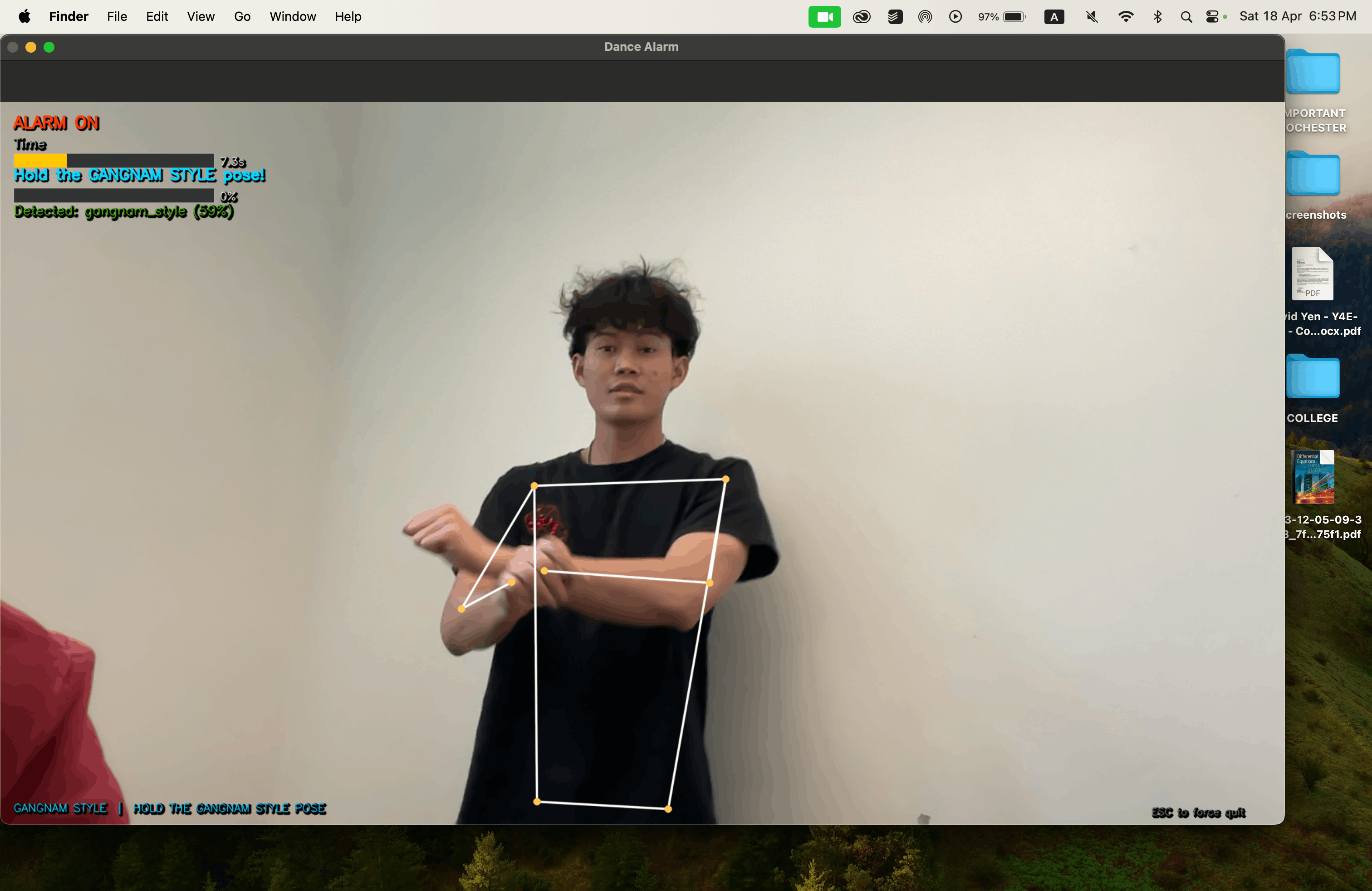
ShakeUR is a physical AI-powered alarm clock that refuses to turn off until you get out of bed and perform a trendy TikTok-style dance in front of the camera.
Using computer vision, it verifies that you are:
- Actually out of bed
- Moving
- Performing the correct dance for the song
If you succeed, you get a personalized AI-generated send-off message that makes sure you’re not going back to sleep.
If you fail… the music keeps playing. Again. And again. Until you get it right.
Beyond the alarm, we built a web app that:
- Tracks how quickly users dismiss alarms over time
- Shows progress and improvement
- Includes a leaderboard for friendly competition
- Suggests healthy habits (like drinking water… whether you listen or not)
How we built it
We combined hardware, computer vision, backend systems, AI APIs, and web development into one system, which, honestly, is kind of crazy for a weekend.
- Tested 5 different Raspberry Pi boards before finding the one that actually worked reliably
- Flashed Raspberry Pi OS and managed everything headlessly via SSH (no monitor)
- Trained a movement detection pipeline using MediaPipe + OpenCV
- Spent hours dancing ourselves to collect realistic training data
- Streamed camera feed using FastAPI to view it on our laptops via a web pipeline
- Integrated Gemini/Gemma API for personalized messages
- Deployed the web app on DigitalOcean with analytics, leaderboards, and tracking
We also had to make an emergency run to Best Buy because 8GB storage was definitely not enough.
Challenges we ran into
- Hardware issues: went through 5 Raspberry Pis before getting a stable setup
- Storage limitations: had to buy additional storage mid-hackathon
- No monitor setup: learned to fully manage a device through SSH
- Computer vision accuracy: detecting specific dances (not random movement) was much harder than expected
- System integration: getting hardware, AI, backend, and frontend to work together in real time
Also, we came from far away, so we were definitely committed to making this work.
Accomplishments that we’re proud of
- Built a fully working hardware + AI + web system
- Trained and deployed a custom movement detection model
- Created a product that is both useful and genuinely fun
- Added features beyond the core idea (AI messages, tracking, leaderboard)
- Turned a chaotic idea into a complete, demo-ready experience
What we learned
- Integrating hardware and software is hard, but extremely rewarding
- Managing devices through SSH is a powerful skill
- Real-world computer vision requires a lot of testing and tuning
- FastAPI is great for real-time pipelines
- The best projects are both practical and memorable
What’s next for ShakeUR
- Improve motion detection accuracy across environments
- Support more dances, songs, and wake-up challenges
- Add deeper personalization (music, difficulty, personality)
- Expand analytics and habit tracking
- Turn ShakeUR into a smart, interactive wellness companion
Built With
- mediapipe
- opencv
- python
- typescript


Log in or sign up for Devpost to join the conversation.