Inspiration
I built Shadow Clinic because too many people die just because they didn’t know if they should worry yet. Access to judgment — not just hospitals — is the real missing link. I wanted to fix that delay between “I feel something’s wrong” and “I get real help,” especially for people with no internet, no money, or no safe place to ask.
What it does
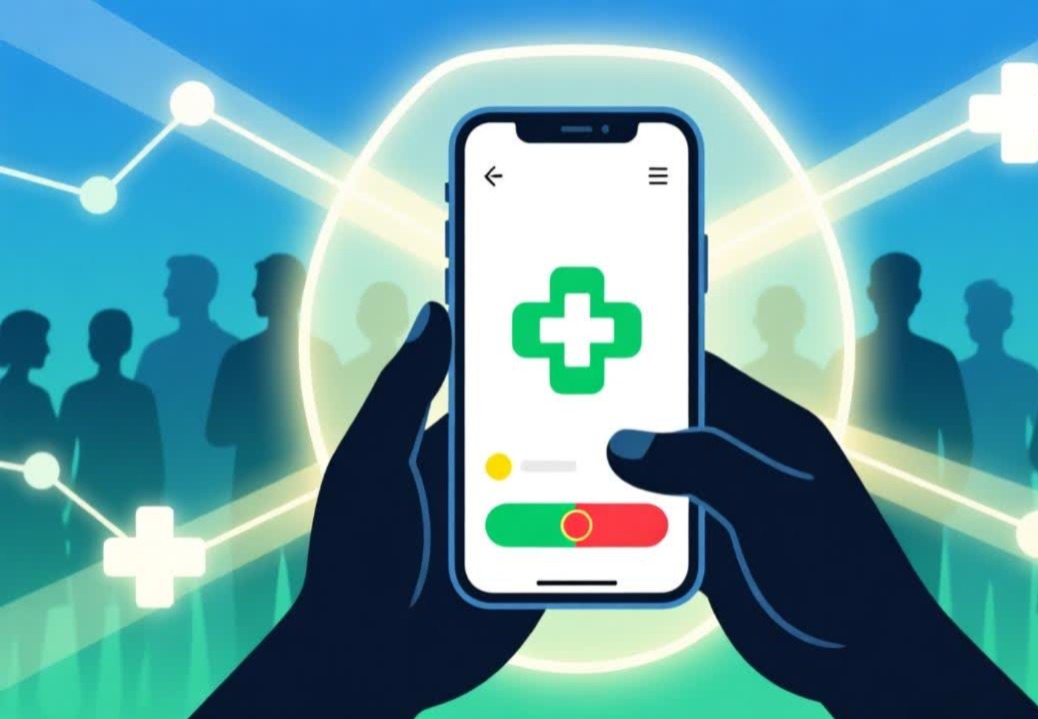
Shadow Clinic is an AI-powered, offline-first app that helps users figure out how serious their symptoms are, gives step-by-step self-care guidance, and quietly connects them to nearby low-cost or community responders — all while keeping their identity private.
How I built it
I designed it around offline AI triage, voice-based symptom detection, and a community trust map verified by local health workers. I used lightweight on-device models for fast response, built the flow for low-literacy users, and focused on privacy-first architecture where data never leaves the phone without consent.
Challenges I ran into
Building something that works offline and still feels smart was tough. Getting AI to understand real human language — slang, stress speech, or dialect — was another big one. And balancing safety, accuracy, and anonymity took multiple design pivots.
Accomplishments that I’m proud of
I’m proud that Shadow Clinic doesn’t need internet, money, or trust in institutions to save lives. It can guide someone in a flood, an abusive home, or a rural area — and that’s real impact. Also proud that it translates complex medical triage into plain, human language.
What I learned
I learned that tech isn’t just about features — it’s about empathy. Real innovation happens when you design for people who are usually left out: those with fear, low literacy, or no digital access. I also got better at combining AI ethics, UX, and social impact design into one ecosystem.
What’s next for Shadow Clinic
Next up, I plan to pilot it with local NGOs and student medical groups, add more local languages, and expand the responder network. Long-term, I want Shadow Clinic to become a global open-source health safety net — a quiet clinic that lives in every pocket, ready to listen anytime.
Built With
- flutter
- openai
- tensorflow

Log in or sign up for Devpost to join the conversation.