-
-
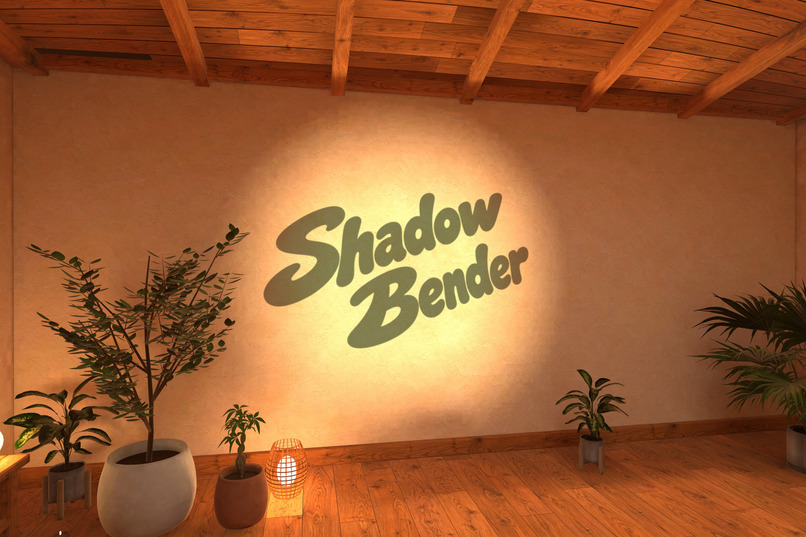
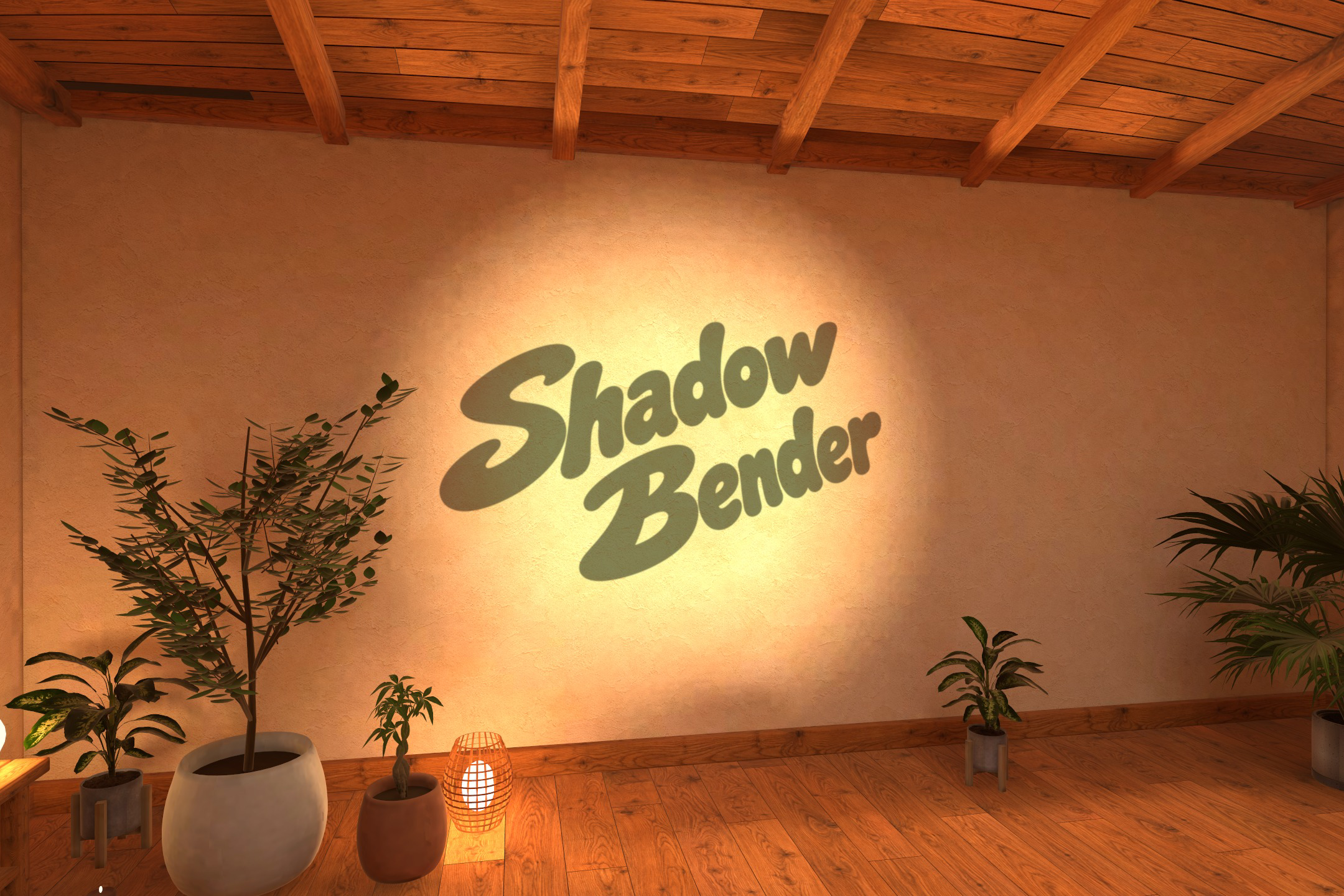
Welcome to Shadow Bender: Relaxing Puzzles. Settle into a cozy room and discover what hides in the shadows.
-
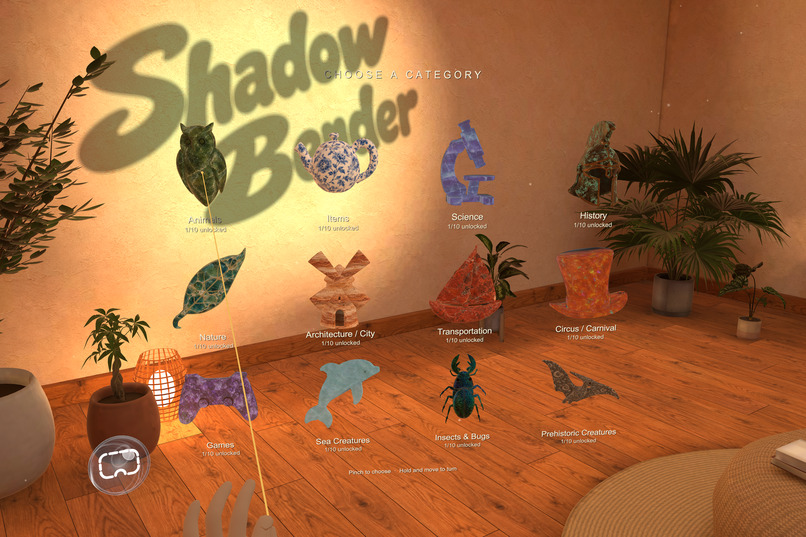
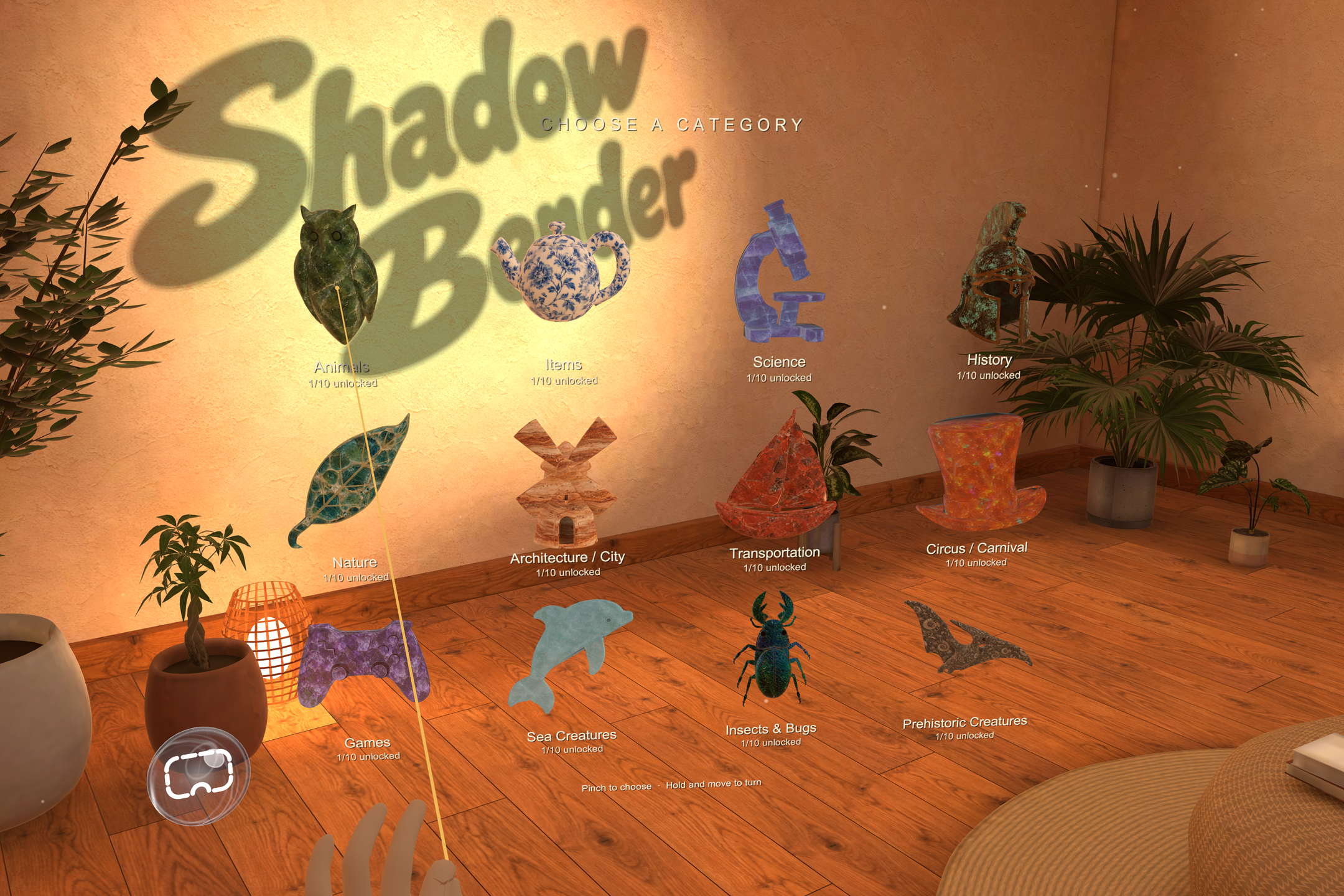
Explore 12 puzzle collections, from animals and nature to science and prehistoric creatures.
-
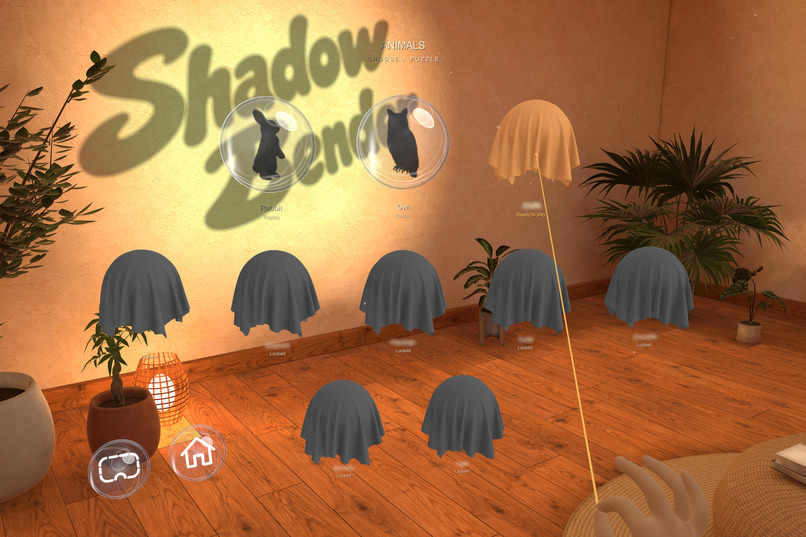
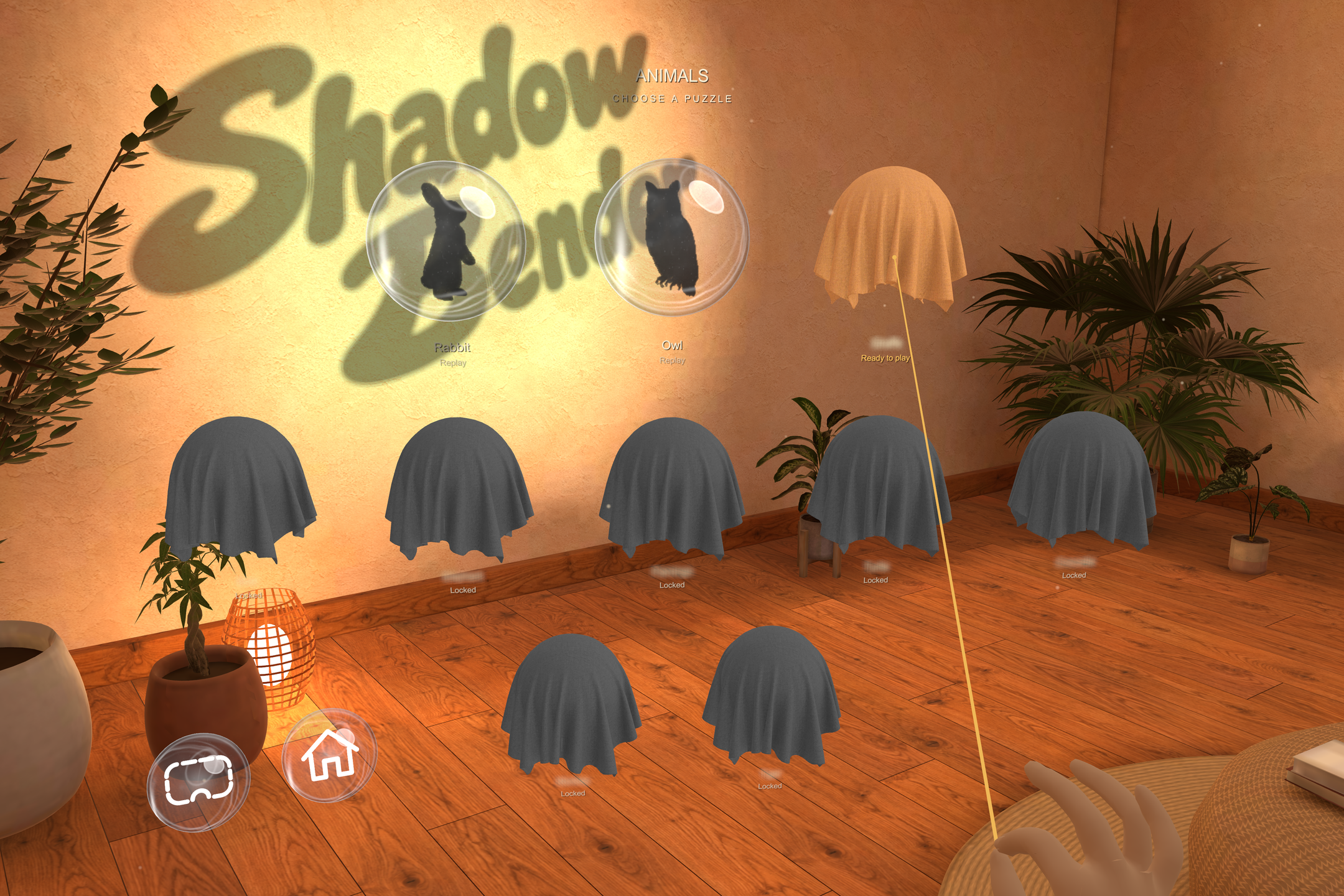
Rabbit and Owl revealed, with another discovery waiting. Choose your next puzzle in the Animals collection.
-
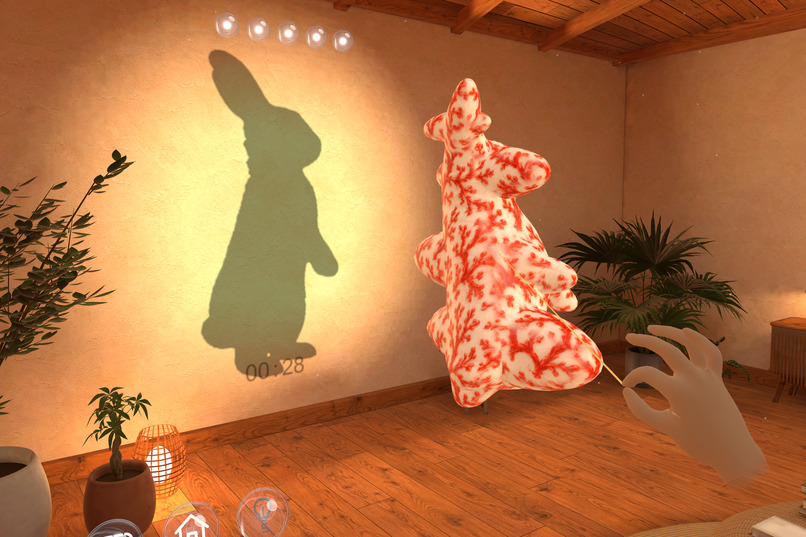
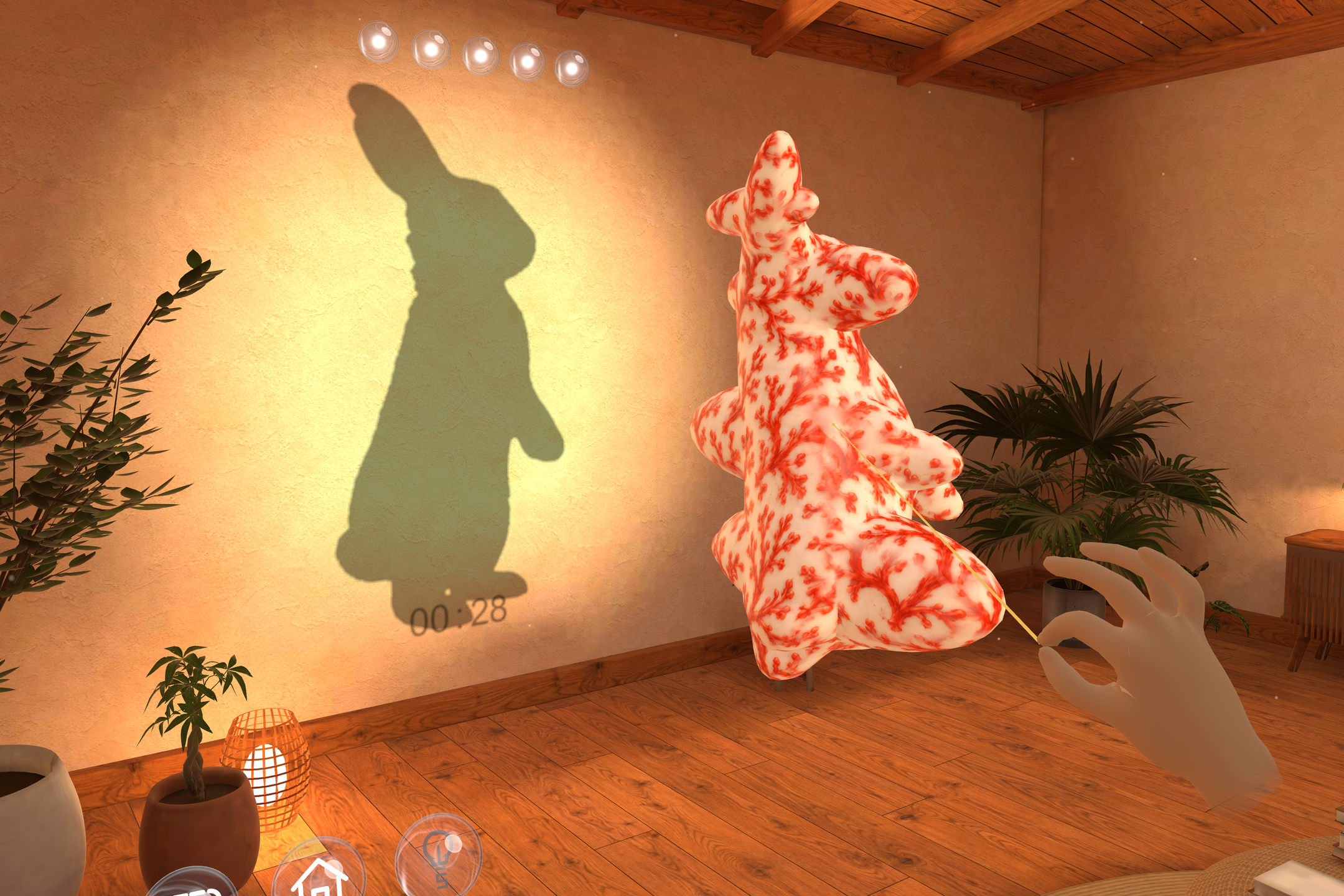
A twist, a turn, a rabbit. Rotate an abstract sculpture until its shadow reveals a familiar shape.
-
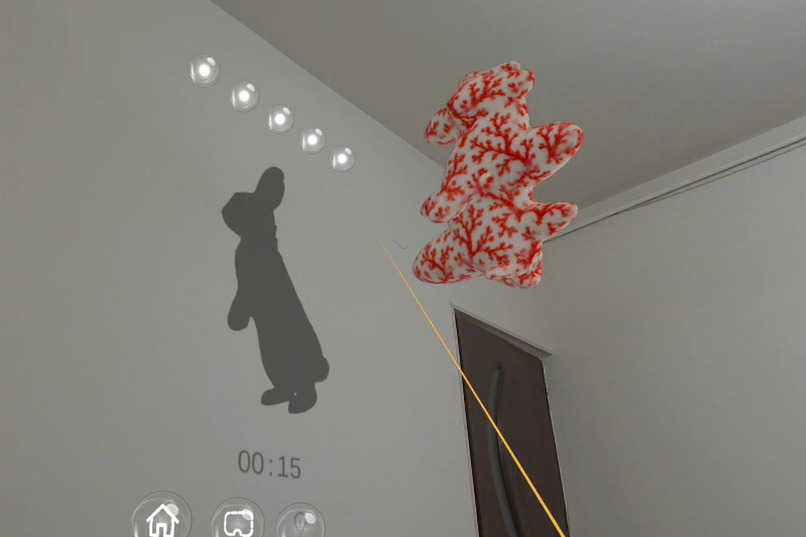
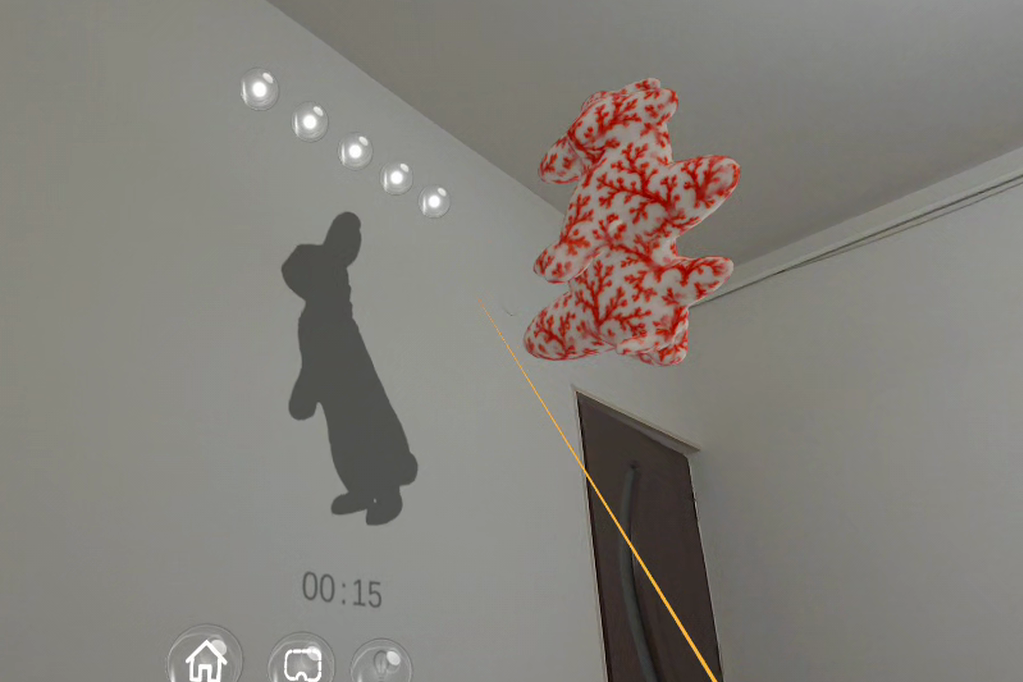
Your wall becomes part of the puzzle. Reveal a rabbit shadow in your own space with passthrough.
-
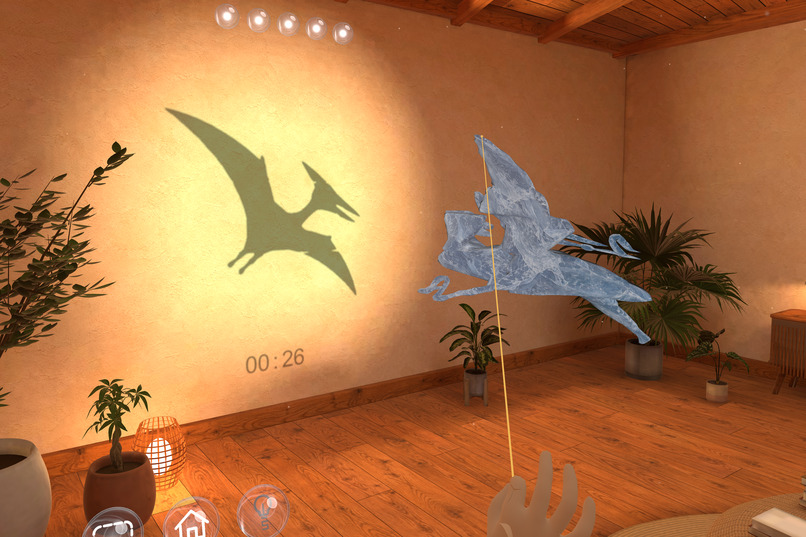
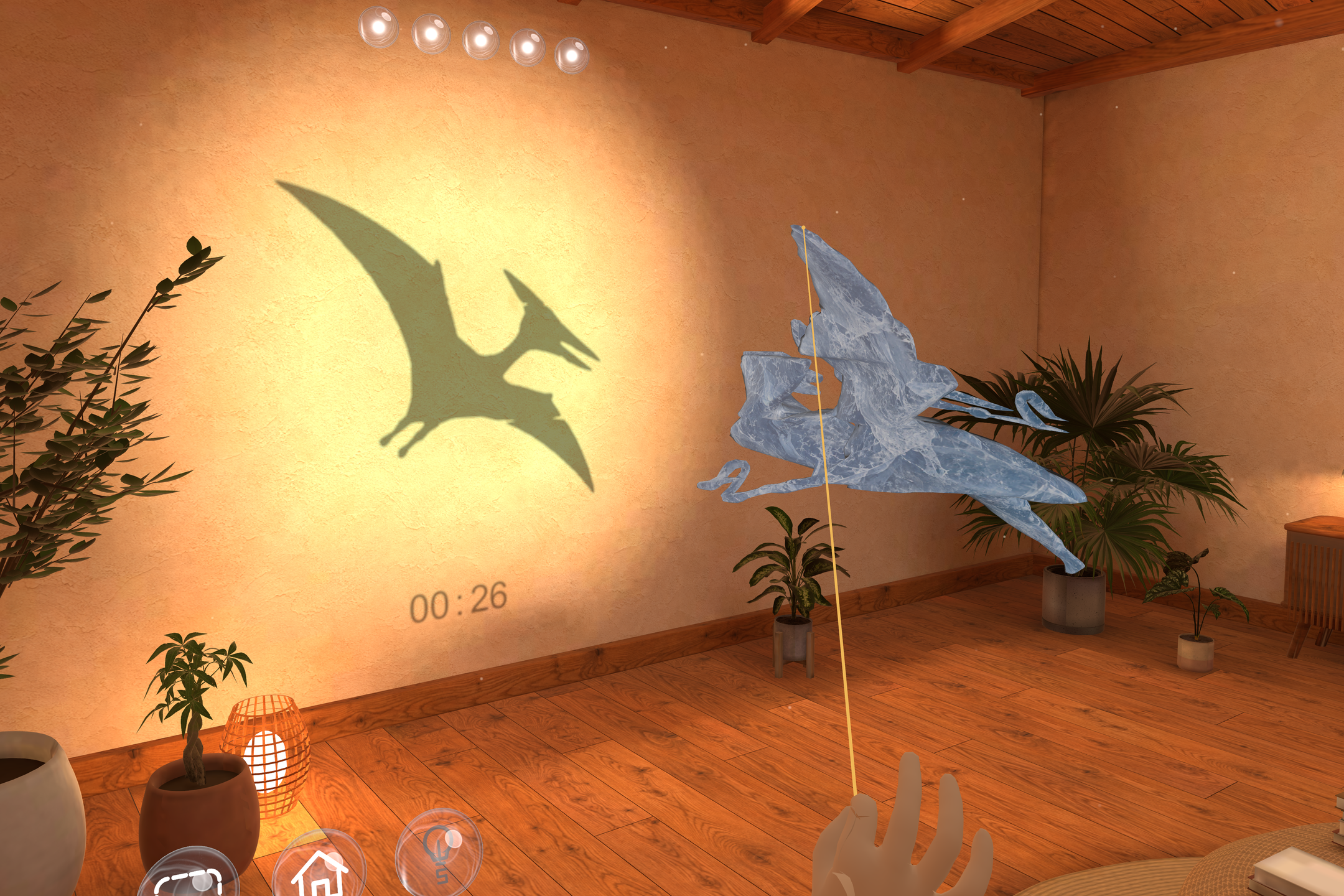
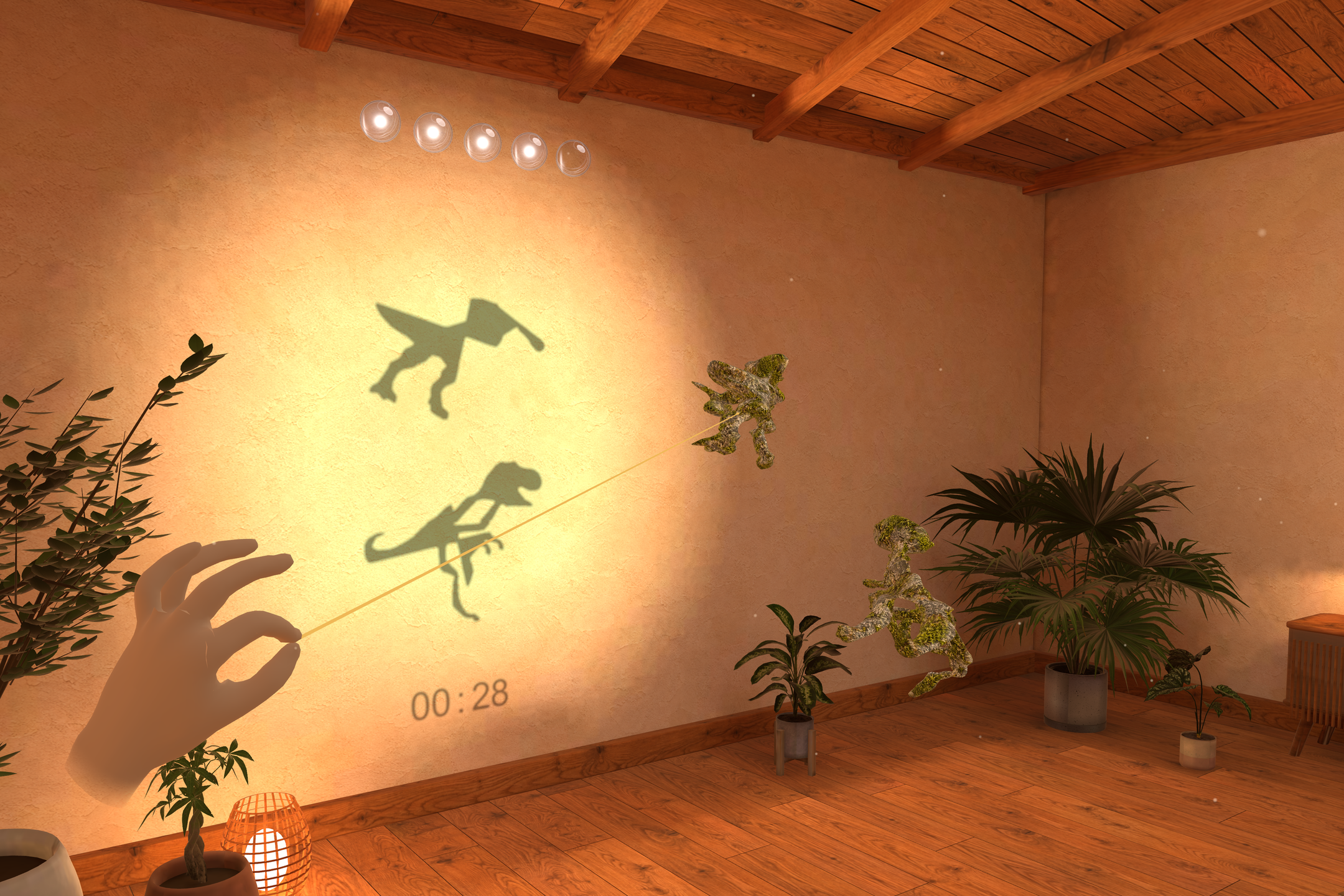
Hidden wings come to light. Find the angle that turns an abstract sculpture into a pterodactyl shadow.
-
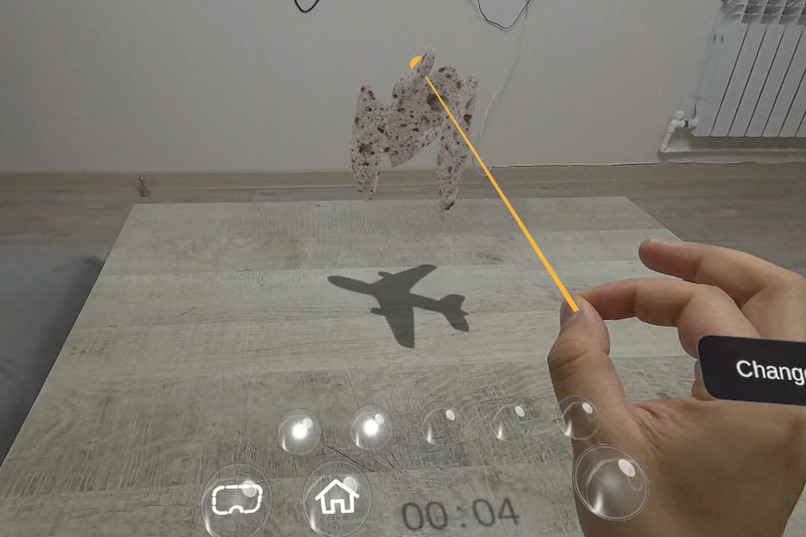
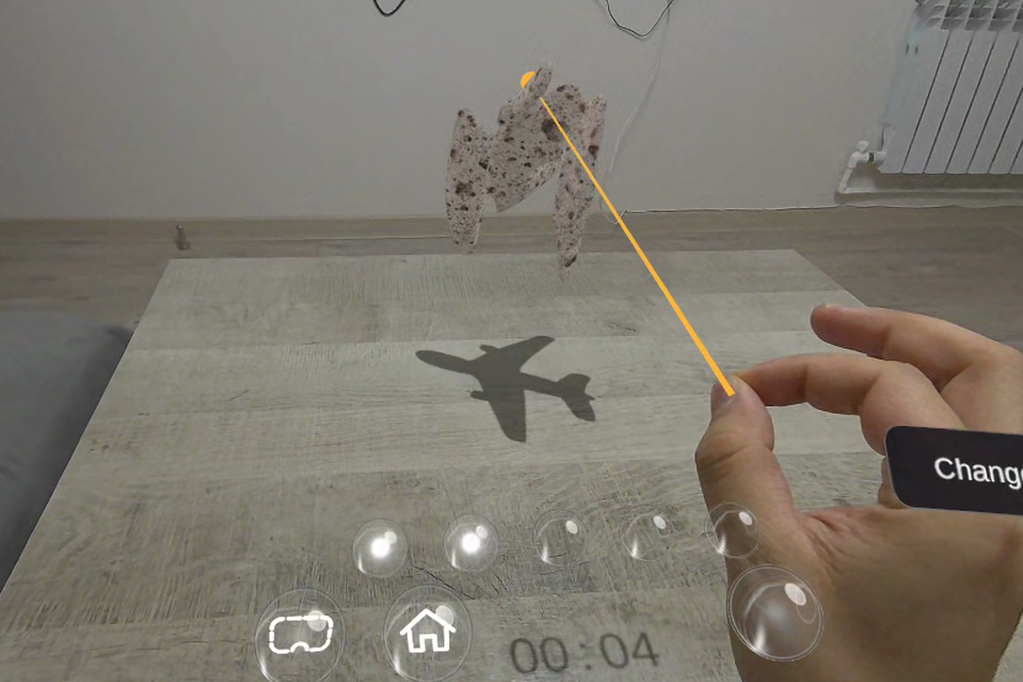
Bring a little wonder to your table. Solve an airplane shadow puzzle in your own room with passthrough.
-
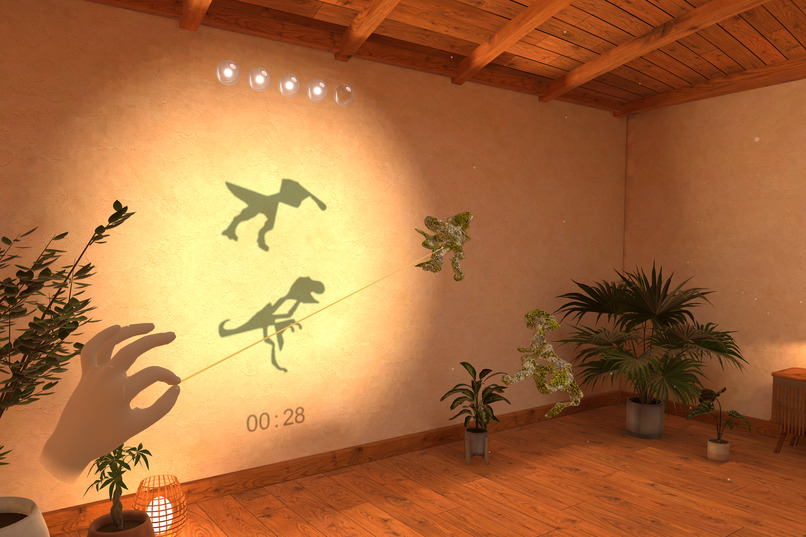
Two pieces, more possibilities. Explore a T. rex shadow puzzle from every angle.
-
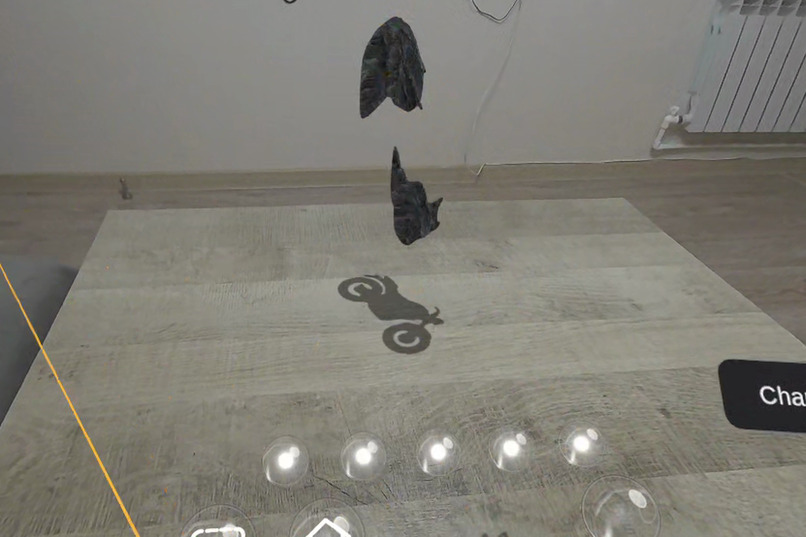
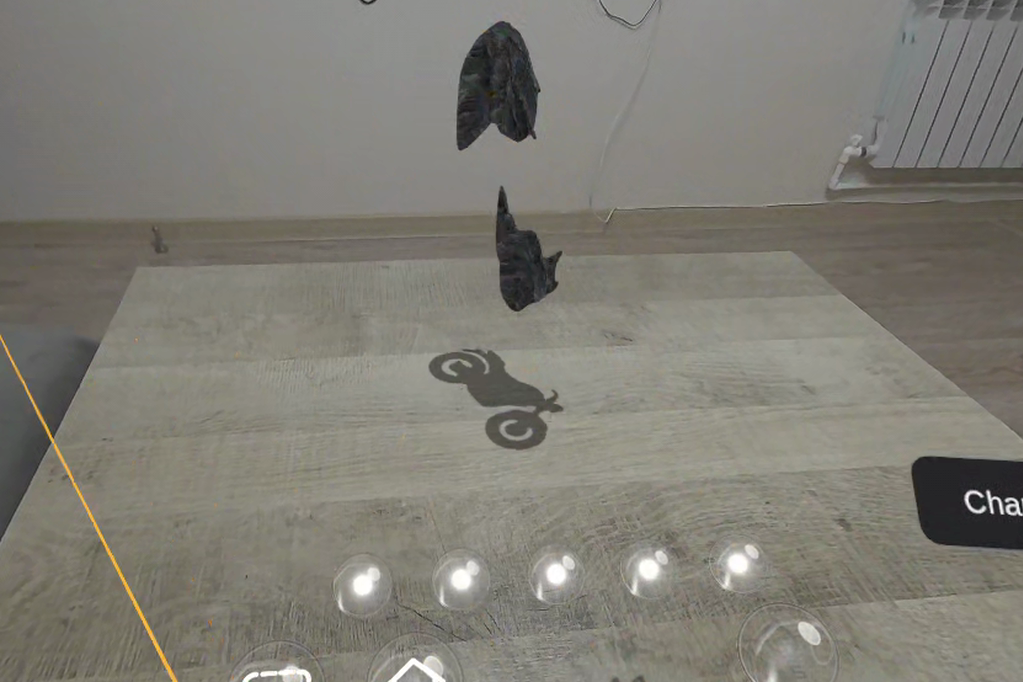
Take on a two-piece motorcycle puzzle, with its shadow cast onto your own table in passthrough.
Inspiration
As kids, we loved playing with light and making shadows with our hands. A small movement could turn a simple shape into a rabbit, a bird, or something completely unexpected.
That childhood feeling inspired Shadow Bender. We wanted to bring it into VR and create a cozy place where people could slow down, explore, and enjoy discovering something new.
What it does
Shadow Bender: Relaxing Puzzles is a VR puzzle game where abstract sculptures hide familiar shadows. You rotate and align the pieces until their shadows reveal the hidden shape.
There are 120 puzzles across 12 collections, ranging from easy discoveries to more challenging arrangements. You can play with your hands or controllers, surrounded by warm lighting and relaxing music.
Passthrough mode brings the puzzles into your own space, letting you play on a table or cast shadows onto a wall in your room.
How we built it
We built the game with Unity and Blender. Blender helped us create and refine the abstract sculptures, while Unity brought together the gameplay, lighting, shadows, sound, and VR interactions.
A big part of the work was making everything feel comfortable and natural, from turning a puzzle piece to placing the experience in your own room.
Challenges we ran into
The biggest creative challenge was designing the sculptures. Each object needed to look abstract enough that it wouldn’t give away the answer, while still producing the correct shadow from the right angle.
We also wanted the game to feel like somewhere you would enjoy spending time. Getting the lighting, materials, music, and interactions to work together took care, especially while keeping the experience smooth on a standalone headset.
Accomplishments that we're proud of
We’re proud of the variety and quality of the puzzles, from simple starting shapes to more difficult puzzles with multiple pieces. Seeing an unusual sculpture turn into a clear, recognizable shadow still feels satisfying.
Passthrough mode is another highlight. Having a puzzle appear on your own table, or watching its shadow take shape on your wall, makes the experience feel surprisingly real.
What we learned
We learned a lot about passthrough, detecting walls and tables, and adapting a VR experience to different rooms.
We also learned how much careful optimization matters. Keeping the game running smoothly at 72 FPS while preserving its visual quality meant paying attention to models, textures, lighting, and memory.
One result we’re particularly happy with was reducing the app size from around 1.5 GB to about 600 MB.
What's next for Shadow Bender: Relaxing Puzzles
Our next step is preparing the game for release. After that, we want to add more rooms and introduce new puzzles each month.
We’re especially excited to explore gaze-based controls for easier interaction on VR glasses. We want it to become even simpler to settle in, choose a puzzle, and enjoy a quiet moment of discovery.


