Inspiration
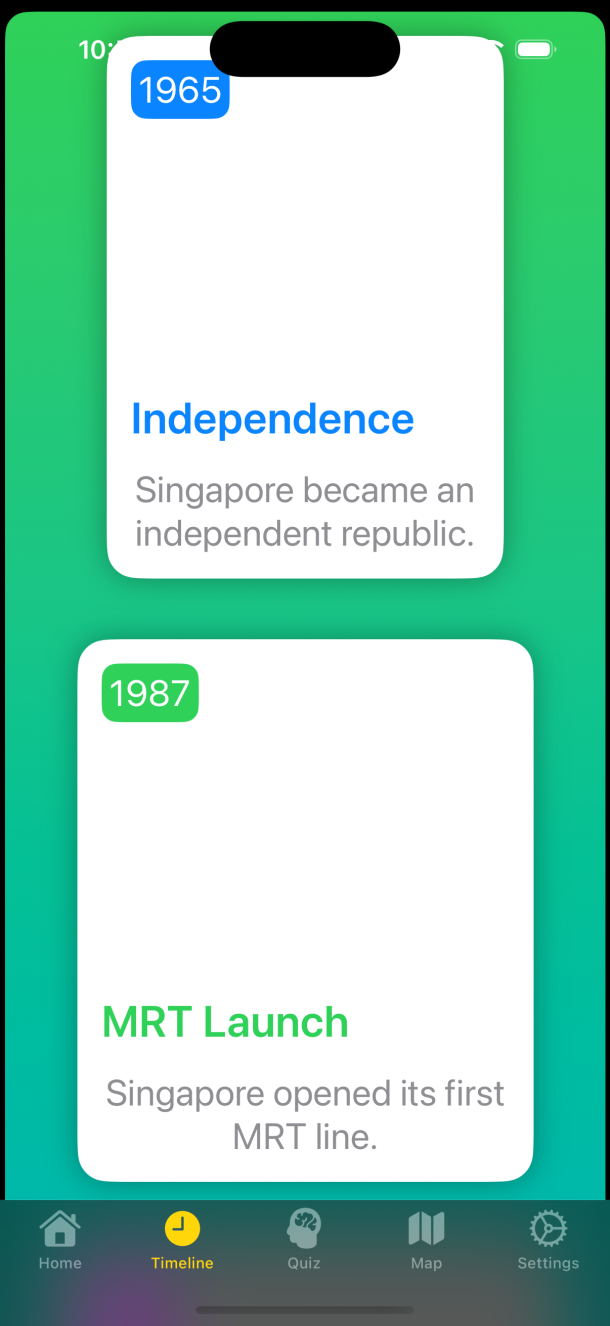
The inspiration behind this prototype comes from a mix of celebrating history, embracing technology, and focusing on what users need. In short, the app is about Singapore’s 60th anniversary of independence, which makes this app meaningful and relatable. To make learning fun and engaging, the app includes interactive features like a timeline, a quiz, and a map. Not only that, the interactive features are designed to pull users in and keep them interested. By including future-focused themes like the Singapore Green Plan 2030, the app doesn’t just look back at history—it also looks ahead, aligning with global conversations about sustainability and the environment.
What it does
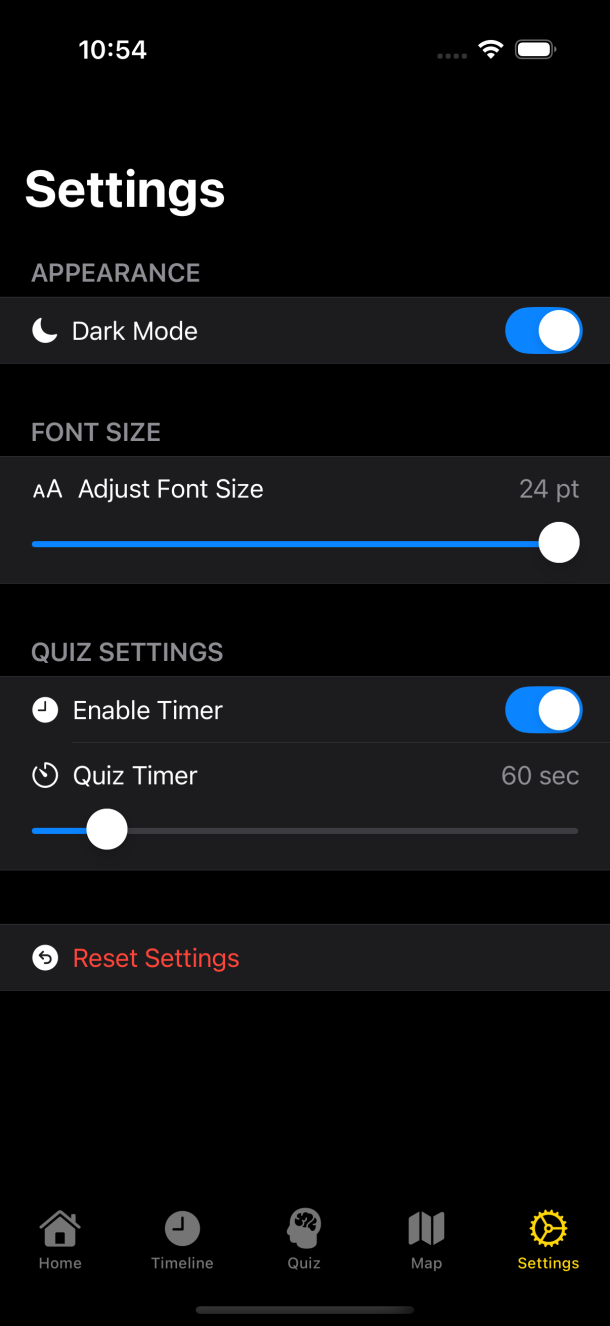
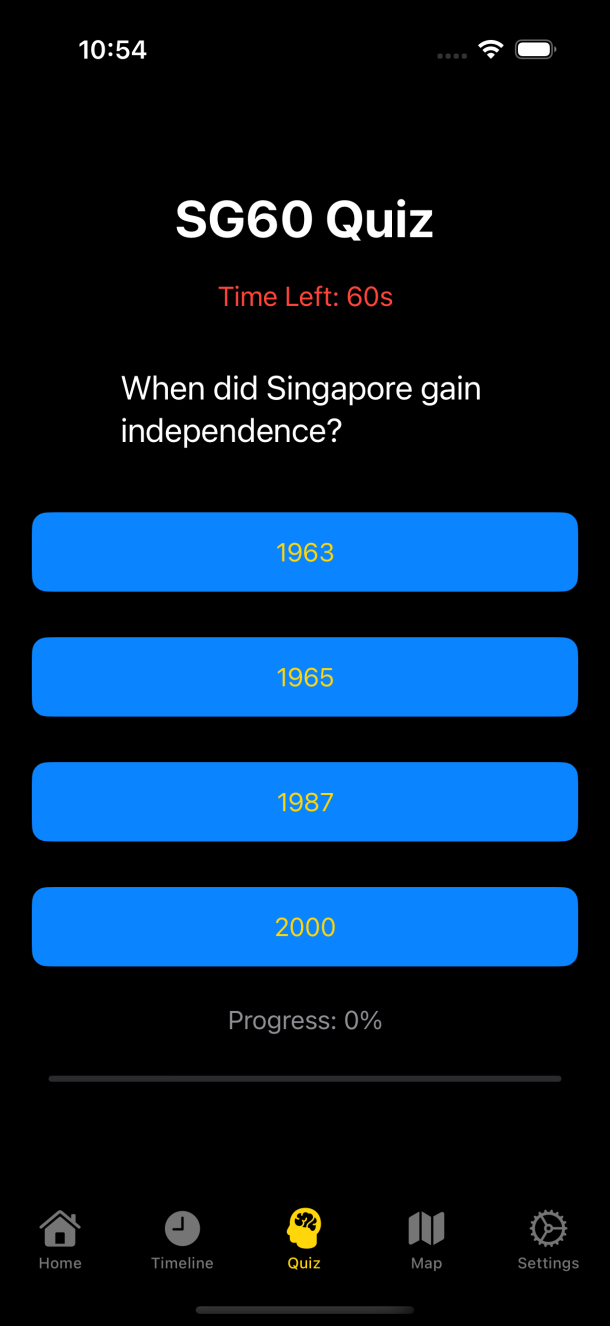
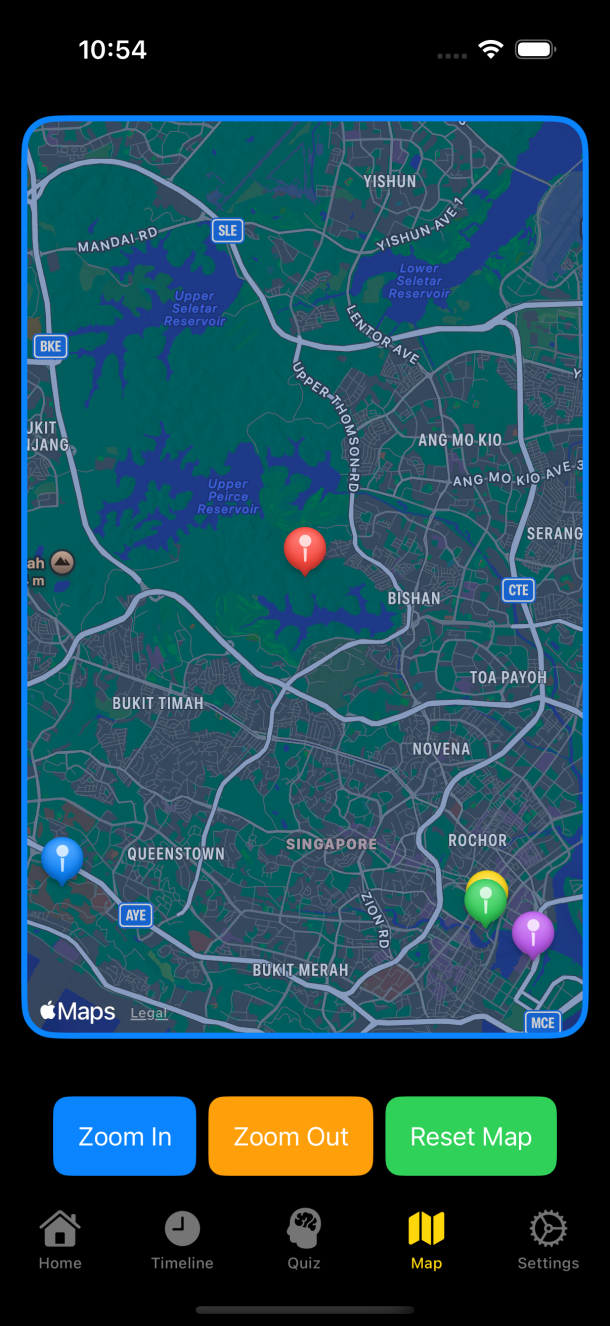
SG60 is an informative and interactive experience designed to bring Singapore’s rich history and iconic landmarks to life. It transforms learning from a passive activity into an engaging journey. By exploring immersive timelines, navigating interactive maps, taking part in gamified quizzes, and customizing settings, SG60 makes history feel more personal and accessible. Whether you're a student, teacher, or history enthusiast, SG60 ensures that every user enjoys an enriching and fun way to explore the past. Plus, with added hyperlinks, users can quickly access additional resources and related content to further expand their knowledge. This makes learning not just a task, but a rewarding experience for all ages.
How we built it
One of the key ways we built this prototype was by leveraging the power of AI tools like DeepSeek and ChatGPT throughout our coding process. Since SwiftUI was relatively new and unfamiliar to us, these AI tools were able to help us understand the language, troubleshoot errors, and generate code snippets efficiently. To us, it wasn’t just about getting the code to work—it was about understanding why it worked, which helped us grow as developers. This approach not only saved time but also gave us the confidence to tackle more complex features, like the dynamic progress bar and the quiz timer. We also relied heavily on online resources. Platforms like Stack Overflow, SwiftUI documentation, and YouTube tutorials were lifesavers when we encountered roadblocks. These resources provided practical examples and best practices that we could adapt to our project.
Challenges we ran into
One of the biggest hurdles was the sheer number of bugs and errors in our code, especially since we were new to SwiftUI. Even with AI tools like DeepSeek and ChatGPT, the generated code wasn’t always accurate or fully functional. For example, the music player code didn’t handle edge cases like missing audio files, leaving us debugging for hours. Setting up the map’s zoom and reset functionality was also tricky, often causing crashes or unresponsive UI. Managing time and scope was tough. With so many features—timeline, quiz, map, settings—we got overwhelmed. At one point, we spent too much time perfecting minor details, like the logo animation, while falling behind on core functionalities, which forced us to rethink our priorities.
Accomplishments that we're proud of
Even though we faced crucial challenges during the hackathon, we were able to overcome them in a short period of time which made us feel very accomplished and proud. Firstly, to solve our challenges, we received some help from mentors and resources provided to us. Their guidance helped us navigate SwiftUI’s complexities. We also turned to YouTube tutorials and online forums for step-by-step solutions. Watching experienced developers build similar features helped us understand the "why" behind the code, not just the "how." For example, a tutorial on SwiftUI maps explained how to manage state variables, fixing our zoom and reset issues. Also, instead of relying solely on AI, we gathered all our ideas together to brainstorm on ideas that were innovative. While the journey wasn’t smooth, it taught us resilience, problem-solving, and the importance of collaboration—skills that will serve us well in future projects. Overall, these accomplishments—overcoming challenges, learning new skills, and innovating as a team—made the experience incredibly rewarding and something we’re proud of.
What we learned
This journey taught us to adapt and problem-solve under time limits and pressure. Facing bugs and errors in SwiftUI pushed us to think critically and stay persistent. Not only that, we discovered the value of teamwork and collaboration. At first, the four of us were unfamiliar with each other, coming from different schools and backgrounds. This made the initial stages a bit challenging, as we had to learn how to work together and understand each other’s strengths and working styles. However, as we started brainstorming ideas, dividing tasks, and supporting one another, we quickly grew into a strong, cohesive team. Overcoming challenges together, like debugging code or figuring out SwiftUI, brought us closer and showed us the power of collaboration. Time management was another key lesson—we learned to prioritize tasks, set goals, and avoid getting stuck on minor details. Finally, we realized the importance of continuous learning. Whether through mentors, tutorials, or hands-on experimentation, we found that staying curious and resourceful is essential. This journey wasn’t just about building an app—it was about growing as developers, teammates, and problem-solvers.
What's next for SG60 History
If we had more time in the future, we could enhance the SG60 History app with several exciting features to make it even more engaging and user-friendly. One of our ideas is to introduce user-generated content, allowing users to share their own stories, photos, or memories related to Singapore’s history. This would create a sense of community and preserve personal anecdotes that might otherwise be forgotten. We could also expand the quiz section with more categories, such as food history, military history, or cultural traditions, and add multiplayer modes for friendly competition. Additionally, we could implement timeline customisation, enabling users to filter events by themes (e.g., politics, culture, technology) or time periods (e.g., pre-independence, 1970s, 2000s) to focus on what interests them most. These features would make the app more interactive, personalized, and inclusive, ensuring it appeals to a wider audience while deepening their connection to Singapore’s rich history.
Built With
- swiftui


Log in or sign up for Devpost to join the conversation.