-
-
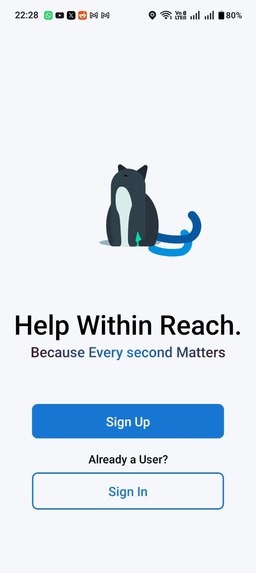
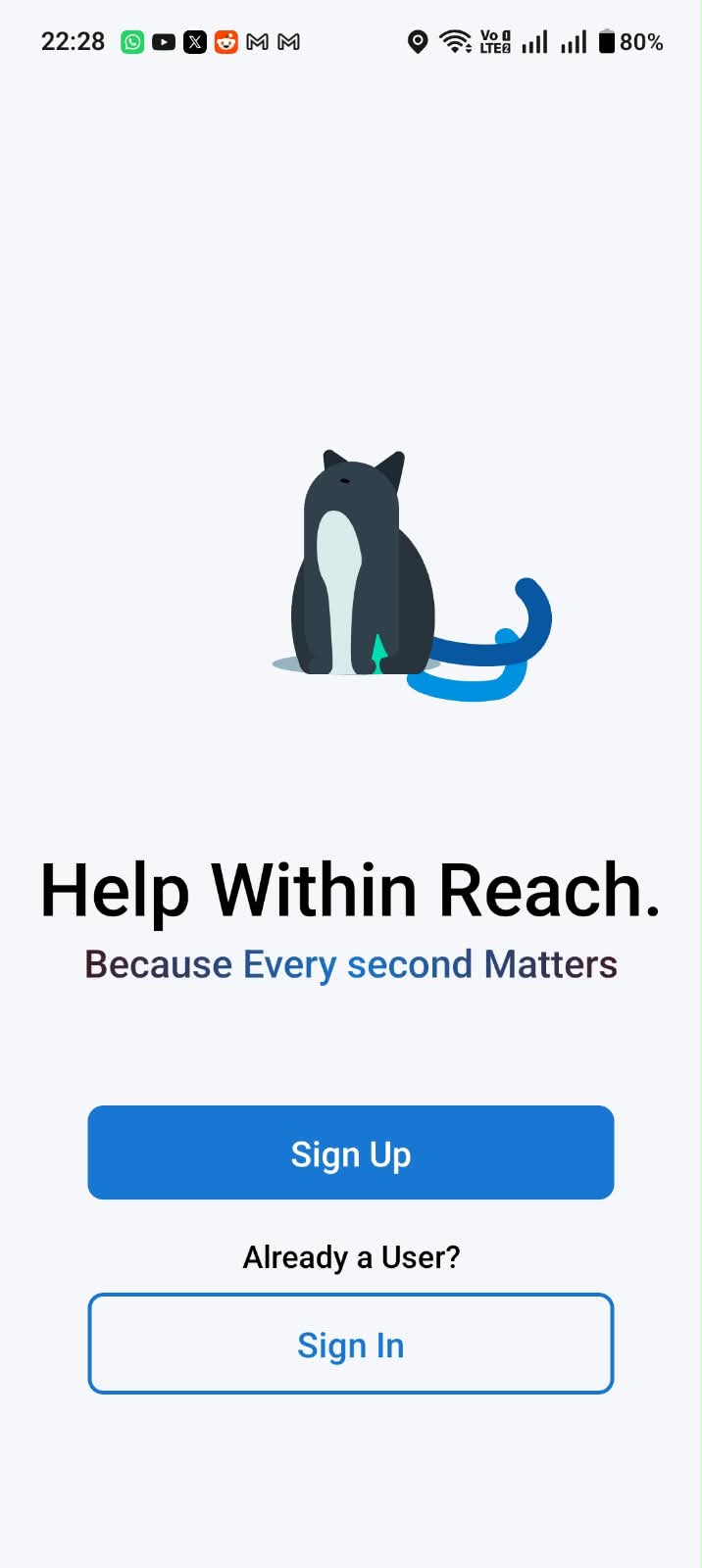
Help Within Reach — The starting point for connecting people with the support they need.
-
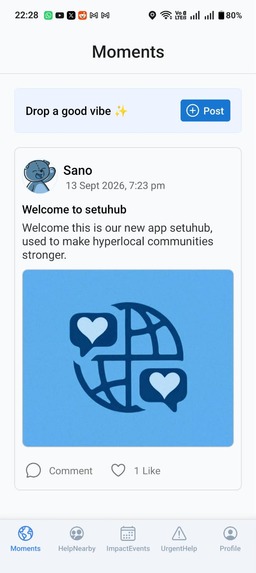
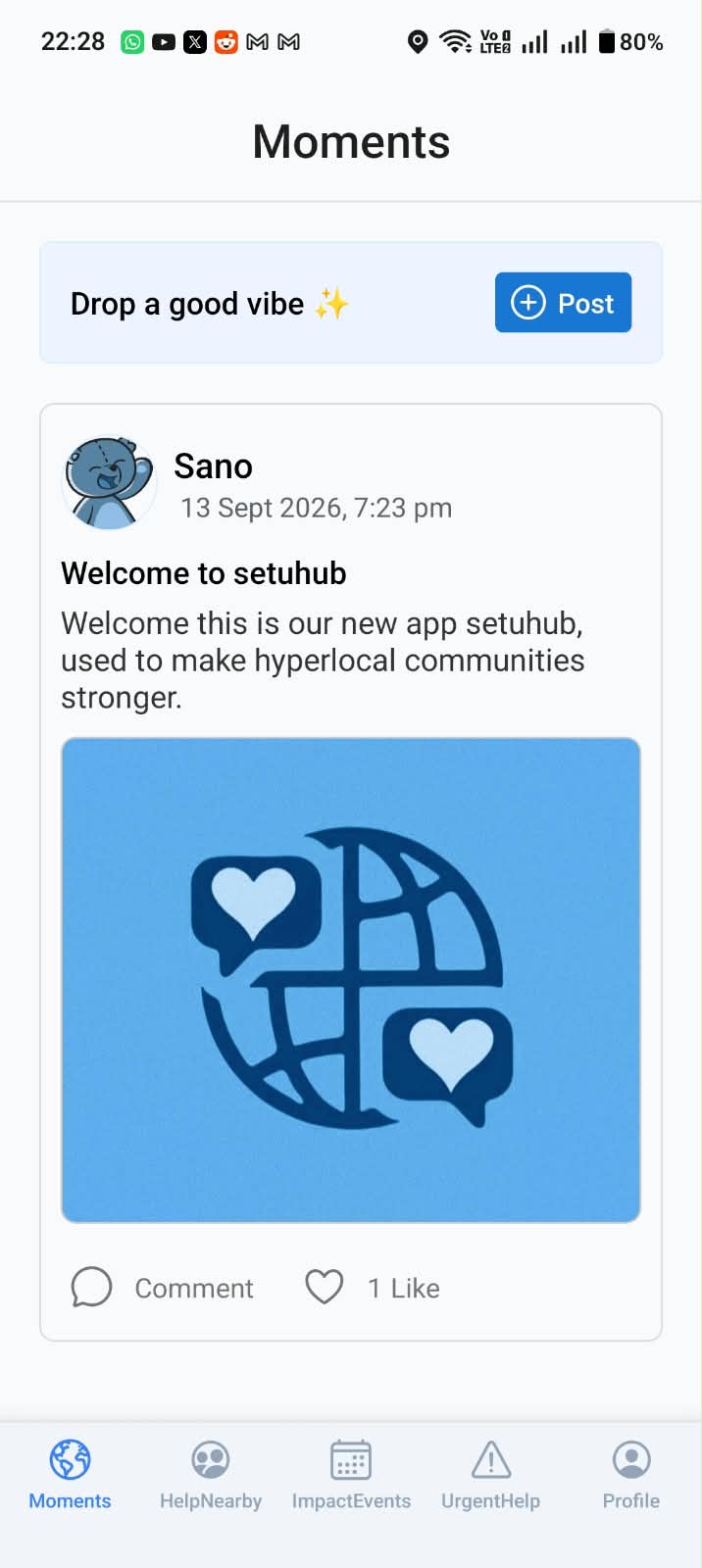
Moments — A community space for sharing updates, positive messages, and staying connected.
-
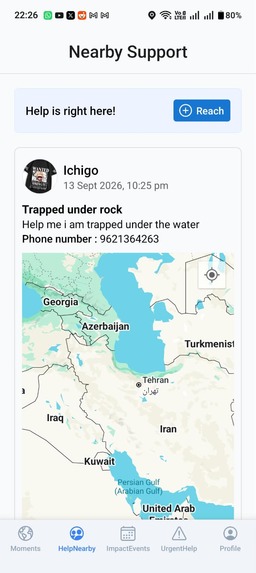
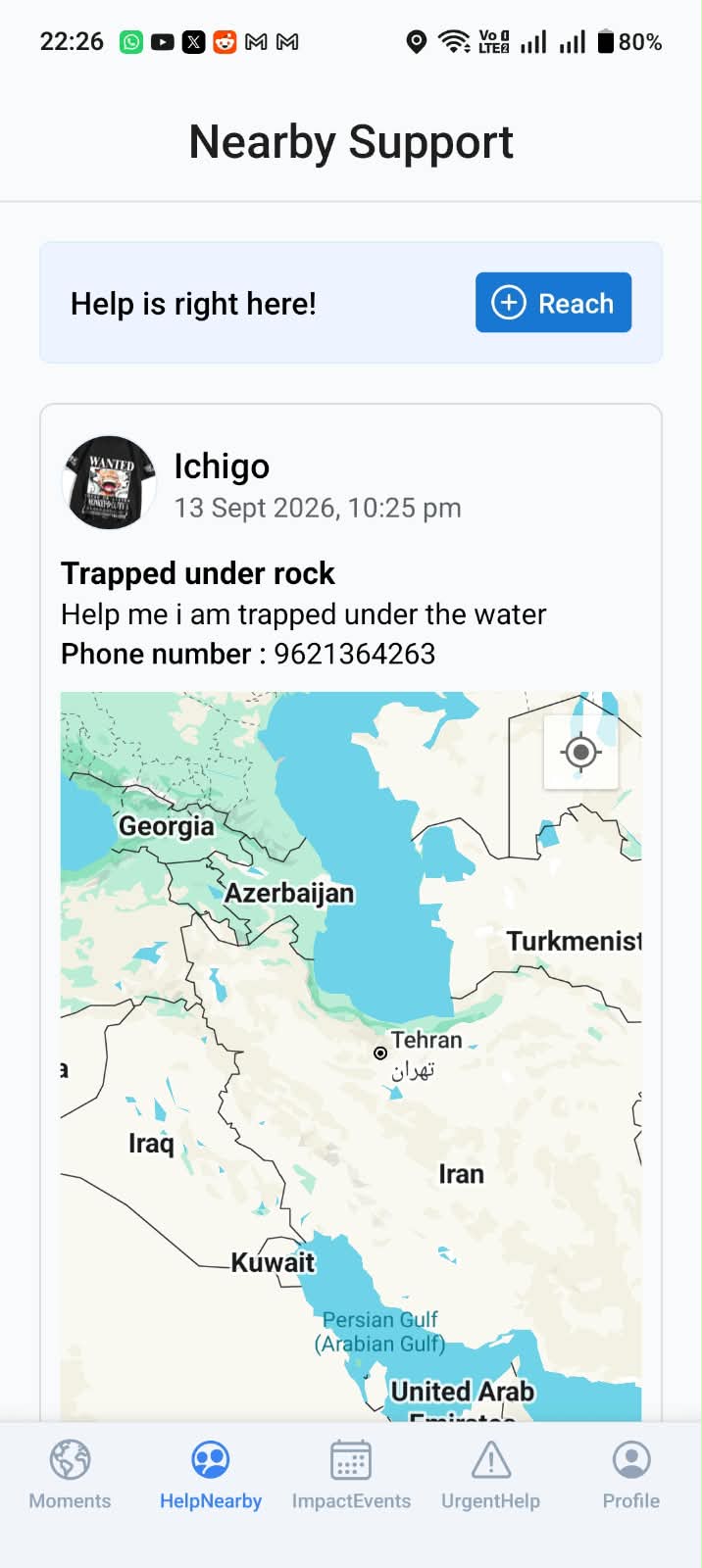
Nearby Support — Discover people in your area who are asking for help, and step in when it matters.
-
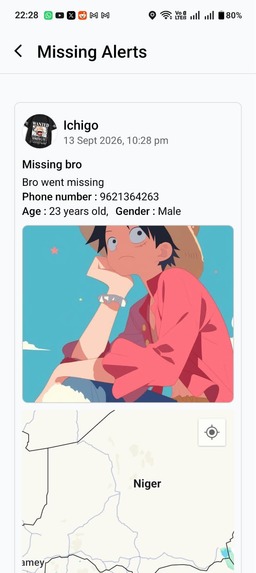
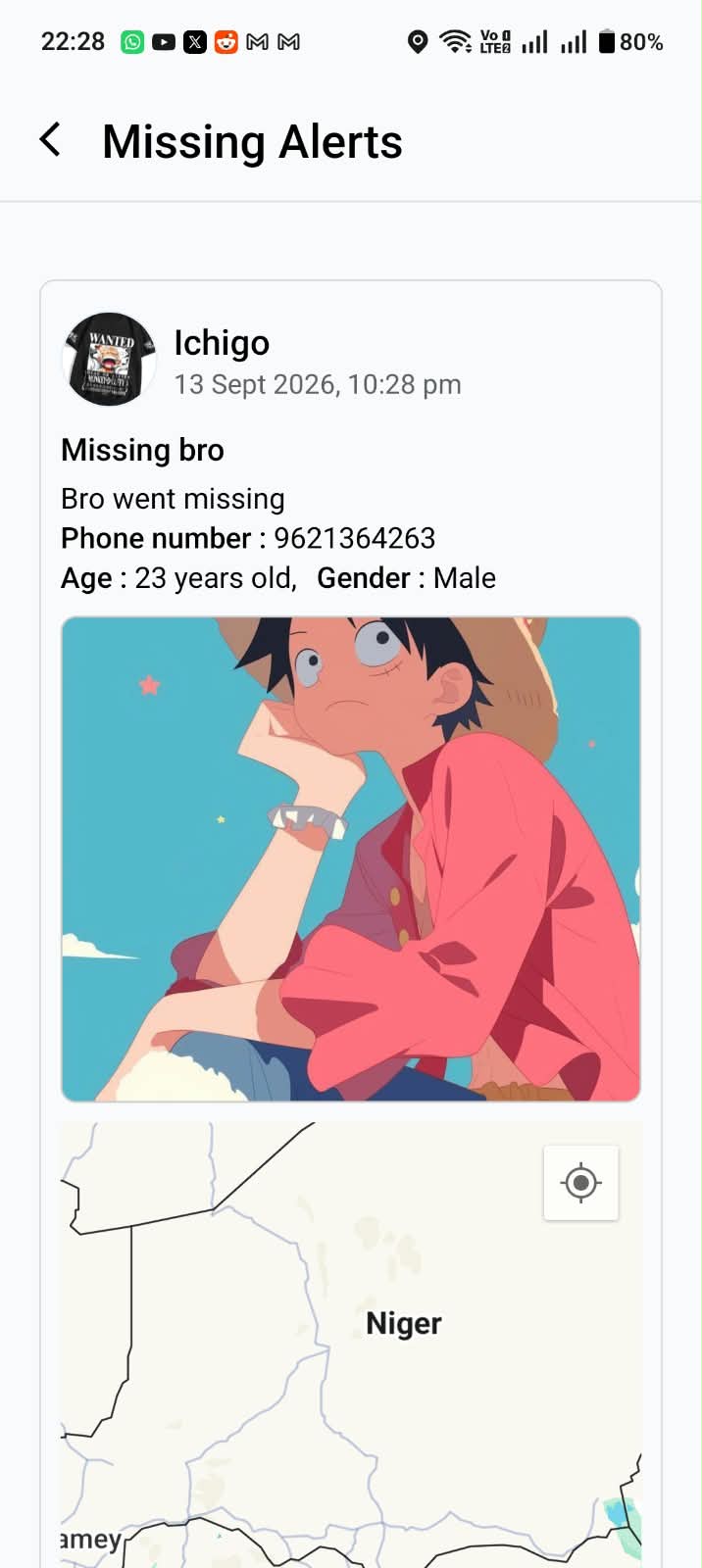
Missing Alerts — Share critical missing-person information with the surrounding community to expand the search.
-
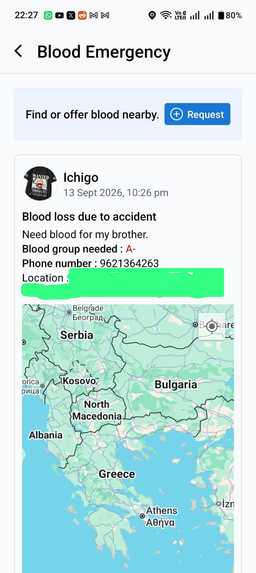
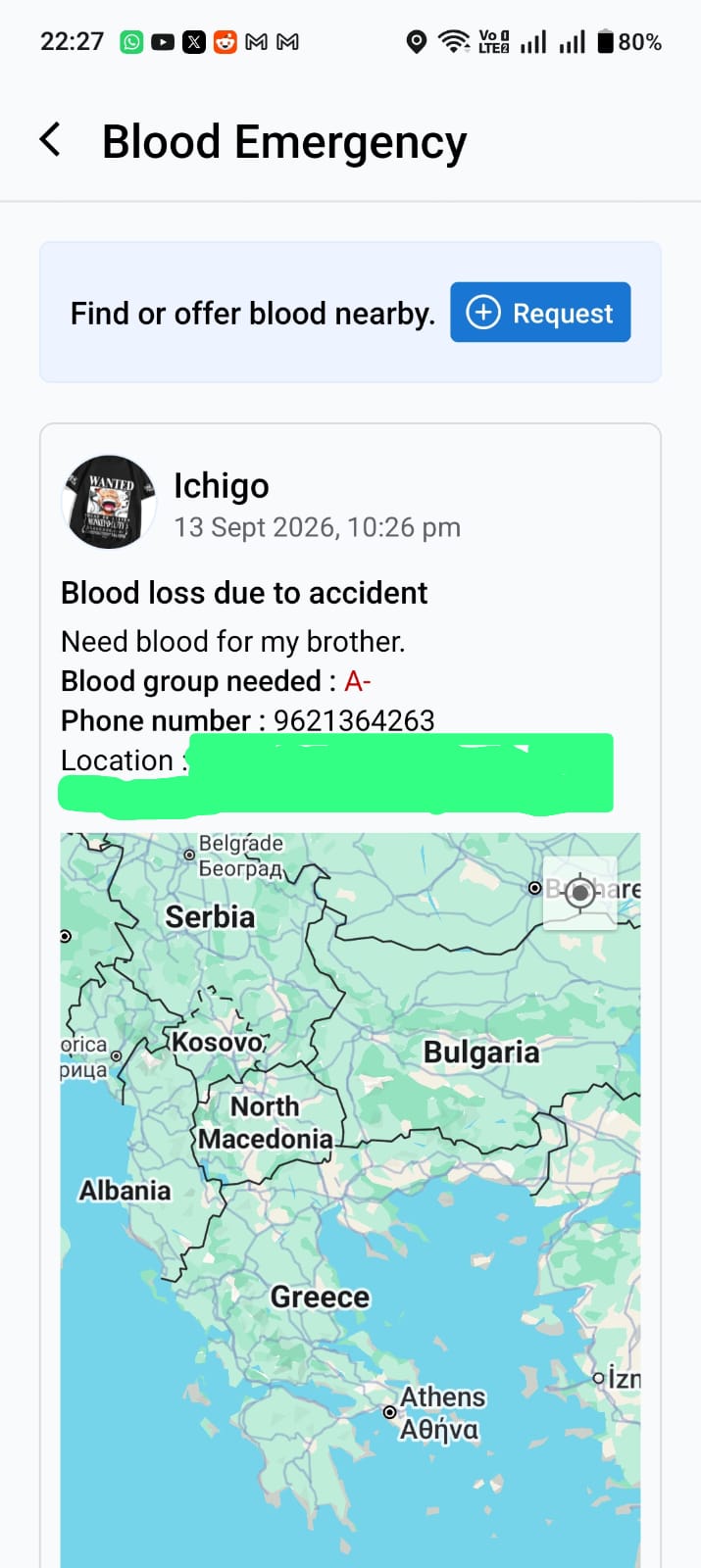
Blood Emergency — Quickly connect blood donors with people facing urgent medical needs.
-
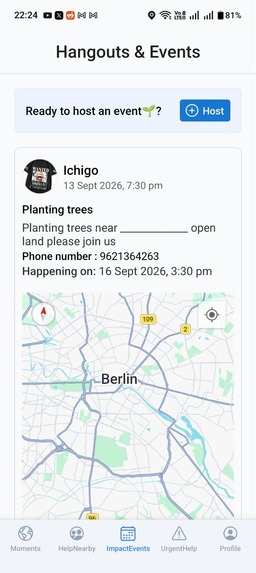
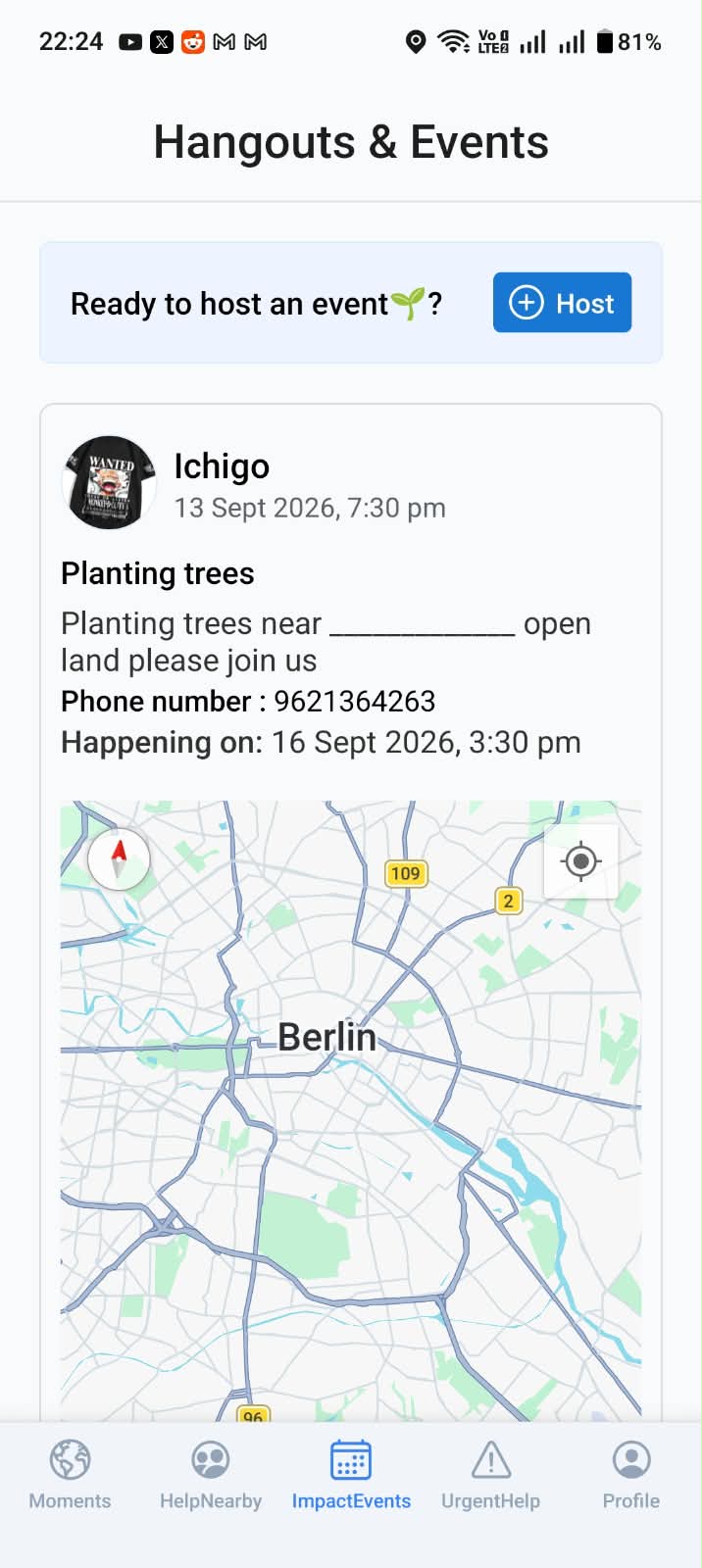
Impact Events — Turn community participation into action through local events, volunteering, and social initiatives.
-
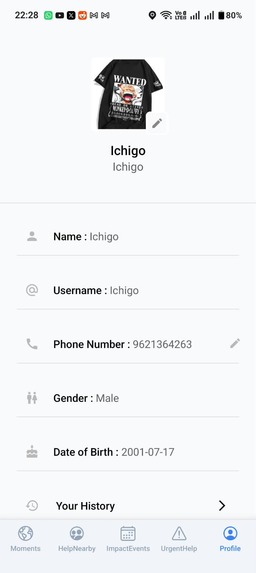
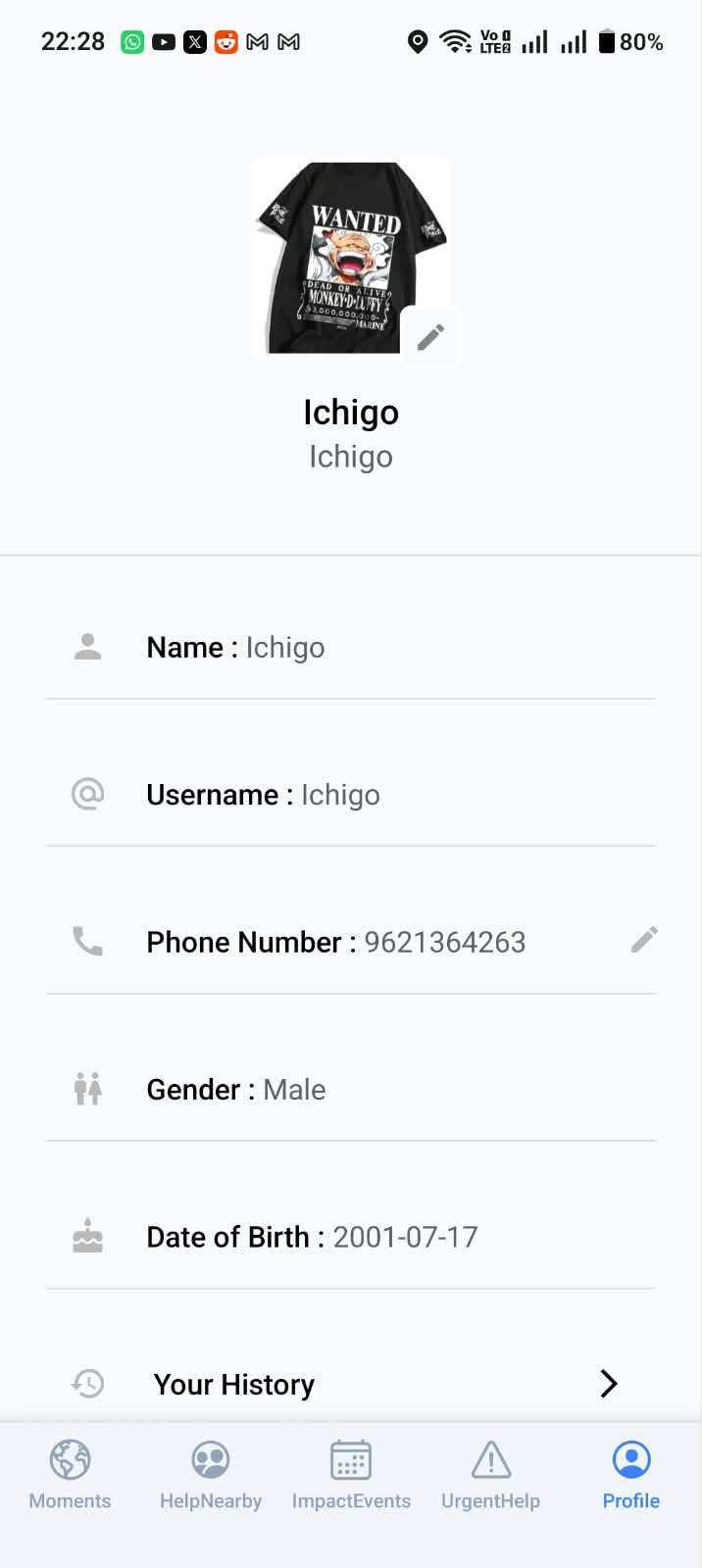
Your Identity, Your Community — A verified profile that builds trust between people helping one another.
Inspiration
In a crisis, people often don't know where to turn.
Whether someone needs urgent help, wants to volunteer, needs access to a local resource, or simply needs someone nearby to respond, the biggest problem is often not the lack of people willing to help — it is the lack of a reliable way to connect them.
We built SetuHub around a simple idea: what if communities could become their own support networks?
The name Setu means "bridge." SetuHub is designed to bridge the gap between people who need help and people who are willing and able to provide it — turning fragmented communities into connected, responsive networks.
What it does
SetuHub is a community-driven platform that helps people request, discover, and provide assistance.
Users can create requests when they need help and connect with people around them who can respond. The platform is designed around trust, identity, and community participation rather than simply being another social network.
Key capabilities include:
- Creating and responding to community help requests
- Connecting people who need assistance with potential helpers
- Identity verification to improve trust and accountability
- Location-aware community interactions
- User roles and authentication
- A foundation for building local and global support networks
- A simple interface designed to make asking for and offering help accessible
The goal is not just to tell people that help exists — it is to help the right people find each other.
How we built it
SetuHub is built as a full-stack application with a focus on security, scalability, and real-world usability.
We developed the backend using Go, with a PostgreSQL database for structured user and application data. Authentication and identity verification are integrated into the platform, allowing us to establish a stronger layer of trust between community members.
The application also incorporates location capabilities so that assistance can eventually be matched based on proximity and relevance.
Rather than building SetuHub as a collection of disconnected features, we designed the architecture around a larger idea: a community infrastructure layer that can grow from individual requests into resilient support networks.
Challenges we ran into
One of our biggest challenges was figuring out how to balance openness with trust.
A community platform needs to make it easy for people to ask for help, but it also needs safeguards against fake identities, malicious activity, and unreliable information. This led us to invest time in authentication and identity verification rather than treating them as optional features.
Another challenge was designing the system so that it could eventually work beyond a single city or country. We wanted SetuHub to solve a universal problem rather than becoming a solution tied to one specific region.
We also had to think carefully about how location should be used. Location can make community assistance dramatically more useful, but it also introduces privacy and security considerations that need to be handled responsibly.
Accomplishments that we're proud of
We're proud that SetuHub has evolved from an idea into a working foundation for a real community-support platform.
In particular, we're proud of:
- Building a functional full-stack system
- Implementing secure authentication and identity verification
- Creating the backend infrastructure needed to manage users and community interactions
- Designing the platform around trust rather than anonymous interactions
- Building with scalability in mind from the beginning
- Creating something that addresses a problem that exists across communities worldwide
Most importantly, we're proud of the underlying concept: technology doesn't always need to replace human connection — sometimes its most valuable role is simply making that connection possible.
What we learned
We learned that building a meaningful product is about much more than making features work.
We had to think about questions like:
How do you create trust between strangers?
How do you make asking for help feel safe?
How do you prevent technology designed to connect people from creating new risks?
These questions changed how we approached the project.
We also learned the importance of building a strong foundation first. Authentication, data modeling, backend architecture, and security may not be the most visually exciting parts of a hackathon demo, but they determine whether an idea can actually become a real product.
Most importantly, we learned that a relatively simple idea — connecting people who need help with people who can help — can become a much larger platform when designed around trust and community.
What's next for SetuHub — Turning Communities Into Support Networks
SetuHub is only the beginning.
Our next goal is to evolve the platform from a place where people post requests into a system that can intelligently help communities respond to them.
We envision:
- Smart matching between requests and nearby or relevant volunteers
- Reputation and trust systems built around verified community participation
- Real-time alerts for urgent requests
- Partnerships with NGOs, emergency organizations, and local institutions
- Community-based resource sharing
- AI-assisted categorization and prioritization of requests
- Support for communities across different countries and languages
- Tools that help communities coordinate during disasters and other large-scale emergencies
Ultimately, we don't want SetuHub to simply be another app people download.
We want it to become infrastructure for communities — a digital bridge that helps people discover that they are not alone, and helps those willing to help actually reach the people who need them.
SetuHub: Turning Communities Into Support Networks.
Built With
- cloudinary
- expo.io
- firebase
- golang
- google-maps
- javascript
- lottieanimation
- neon
- postgresql
- react
- reactnative
- redis
- twilio

Log in or sign up for Devpost to join the conversation.