Inspiration
Servus was inspired by the desire to reduce food waste and promote healthier eating habits. We saw how easy it is to waste food and miss out on healthy choices, so we decided to build a solution that addresses both.
What it does
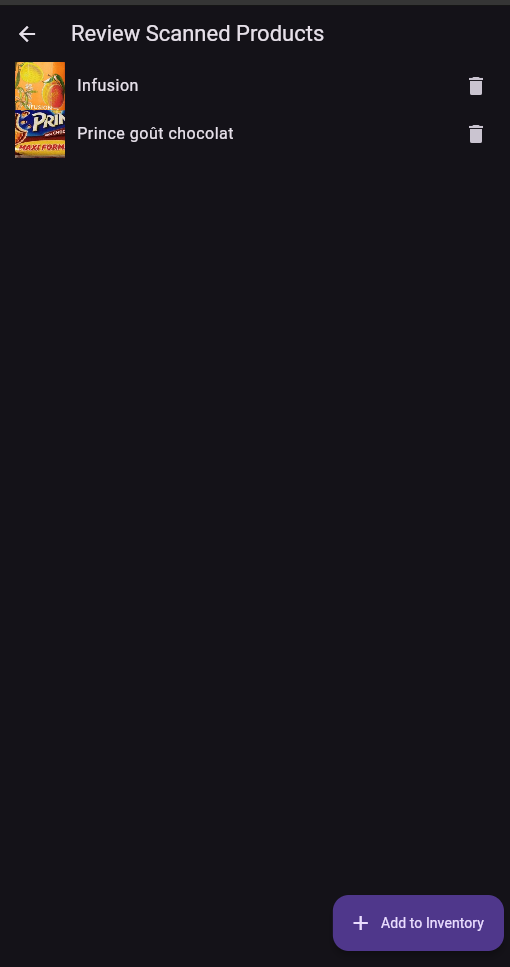
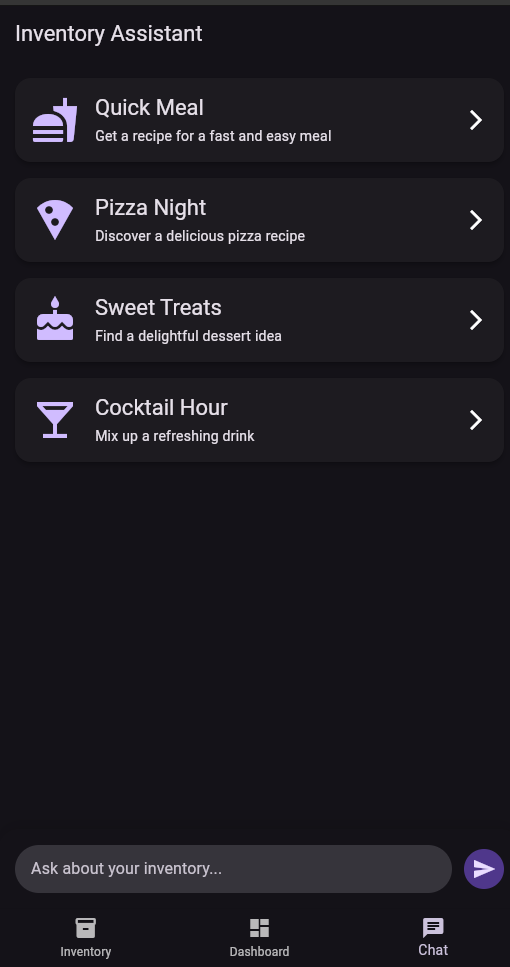
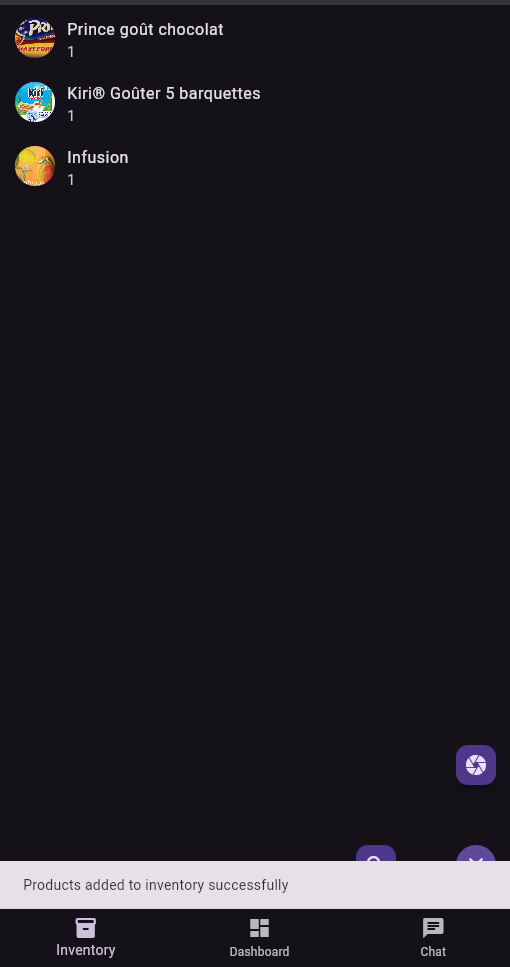
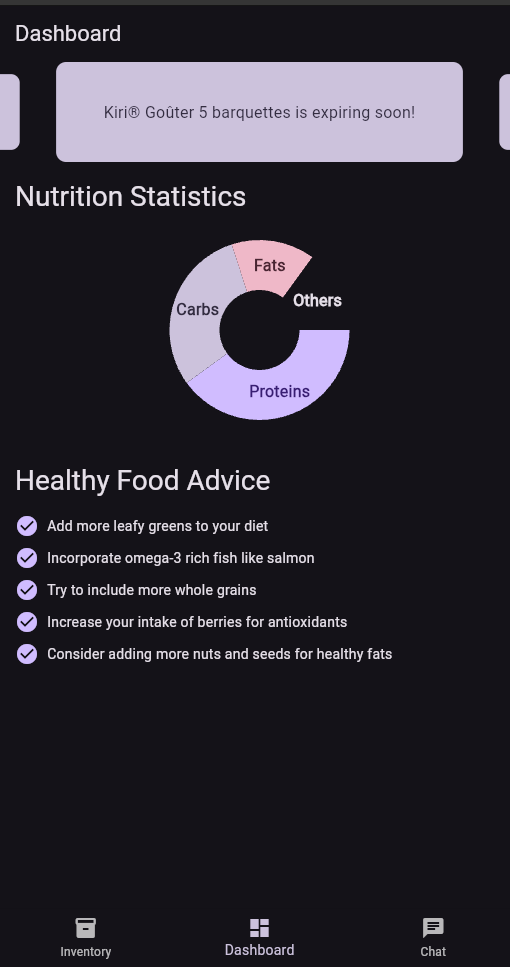
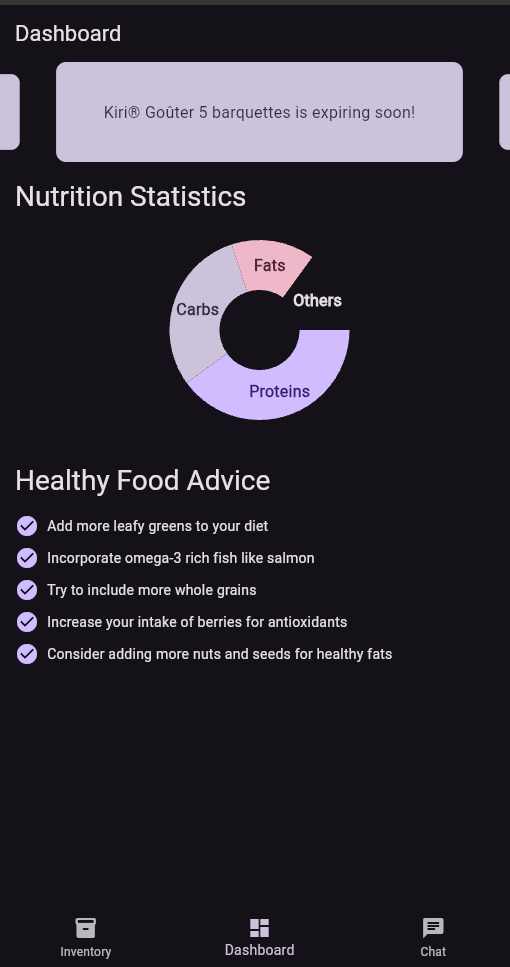
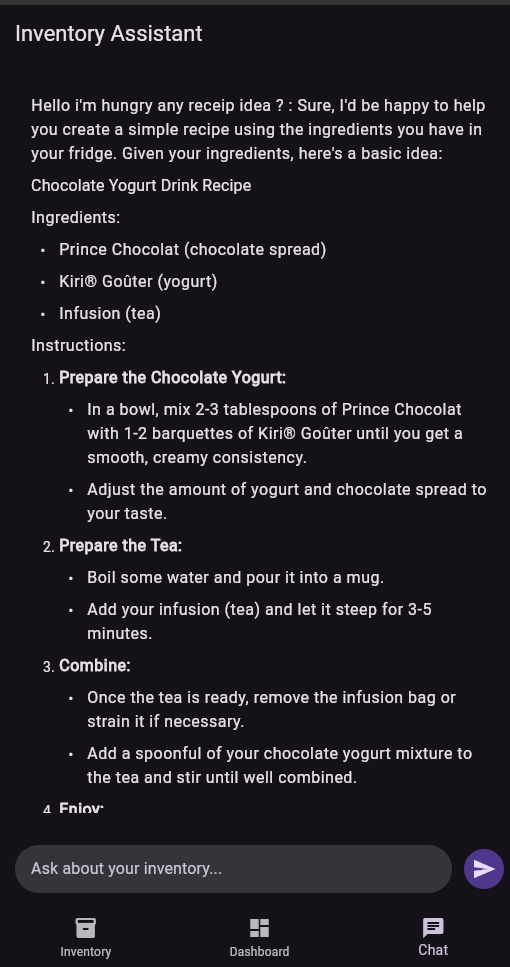
Servus is a smart assistant that helps track food, suggests recipes based on what you have, and considers allergies. It also gives reminders about low stock or expiring items, encouraging healthier habits and less waste.
How we built it
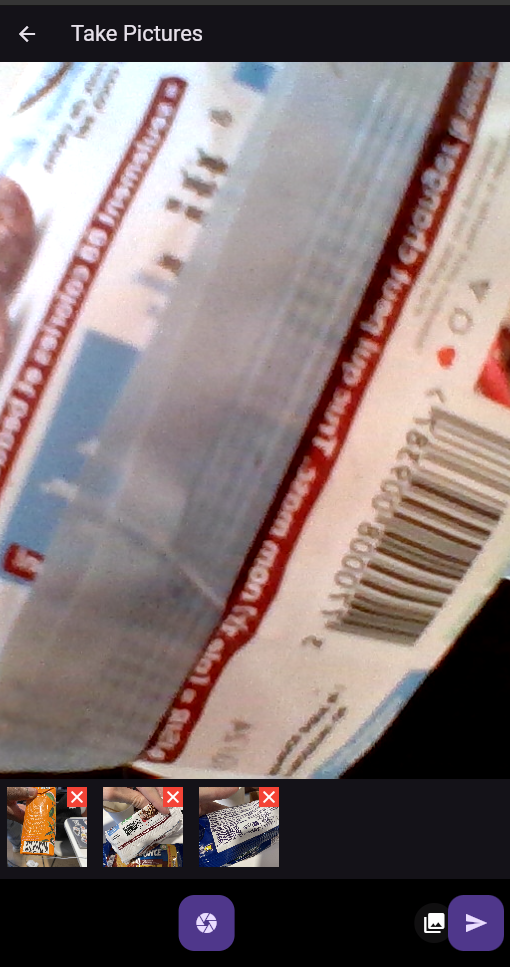
We used Python and FastAPI for the backend, Flutter for the mobile app, and Firebase for real-time data. The core is the Mistral Pixtral model for identifying food items from images like receipts and fridge photos, making the app quick and useful.
Challenges we ran into
Handling diverse image inputs and ensuring the chatbot was both helpful and intuitive were big challenges. We also had to ensure smooth data sync with Firebase while keeping the app responsive.
Accomplishments that we're proud of
We’re proud that Servus really helps people reduce waste and improve their diet. Seeing how well the image recognition works and how smoothly all the systems integrate is a big win for us.
What we learned
We learned a lot about using machine learning models like Mistral Pixtral effectively and managing real-time data with Firebase. We also realized that simple, practical features can have a big impact.
What's next for Servus
Next, we plan to enhance recipe suggestions with more detailed nutritional insights, introduce smarter shopping lists, and add features to track food habits for personalized health advice.
