-
-
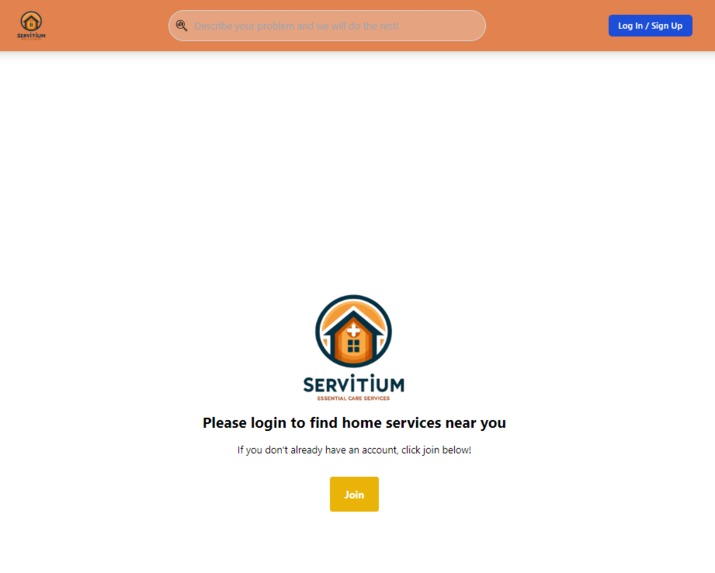
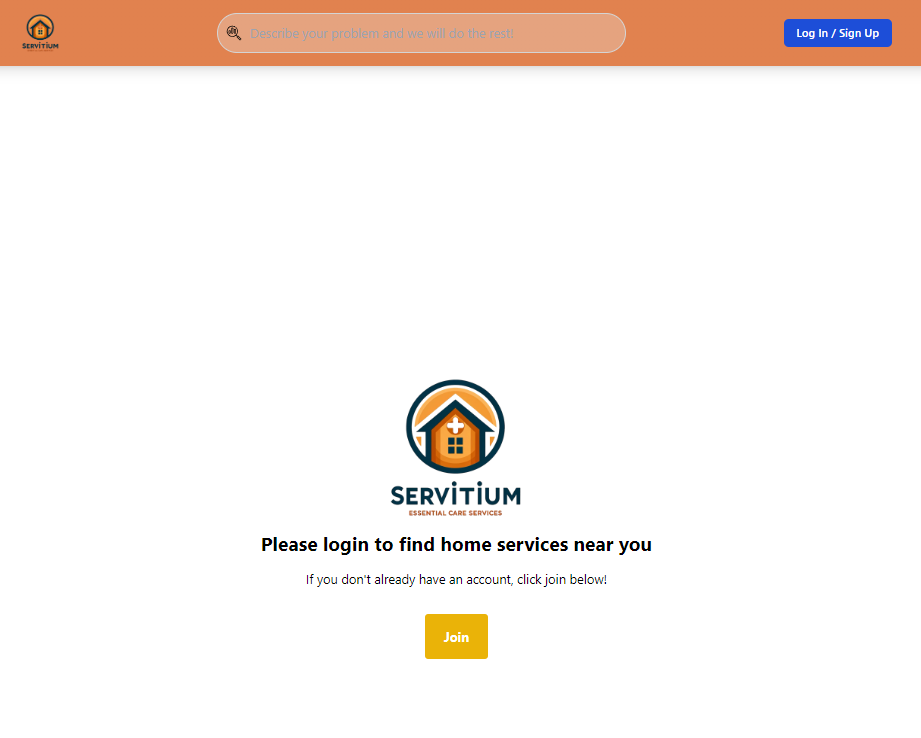
Open page
-
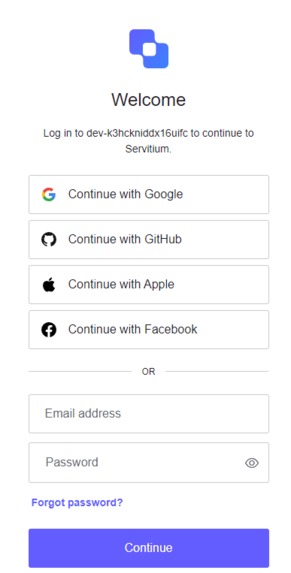
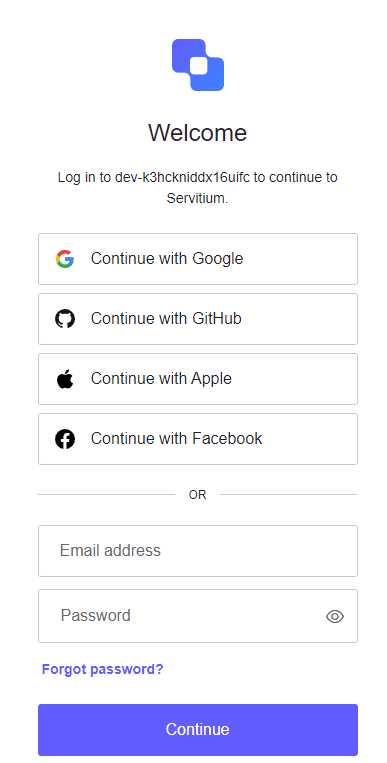
Authentication
-
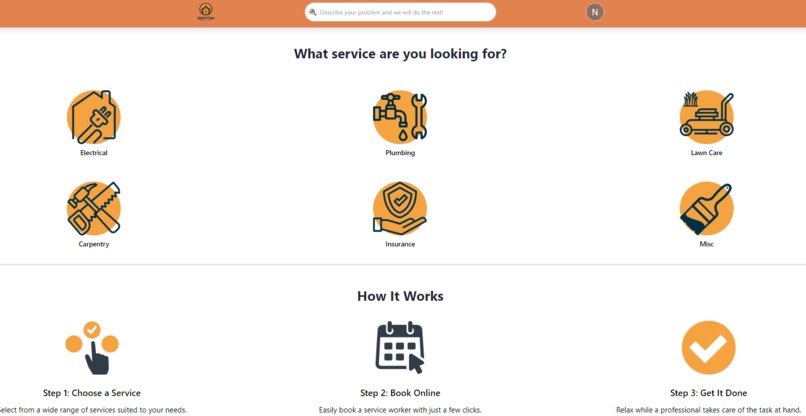
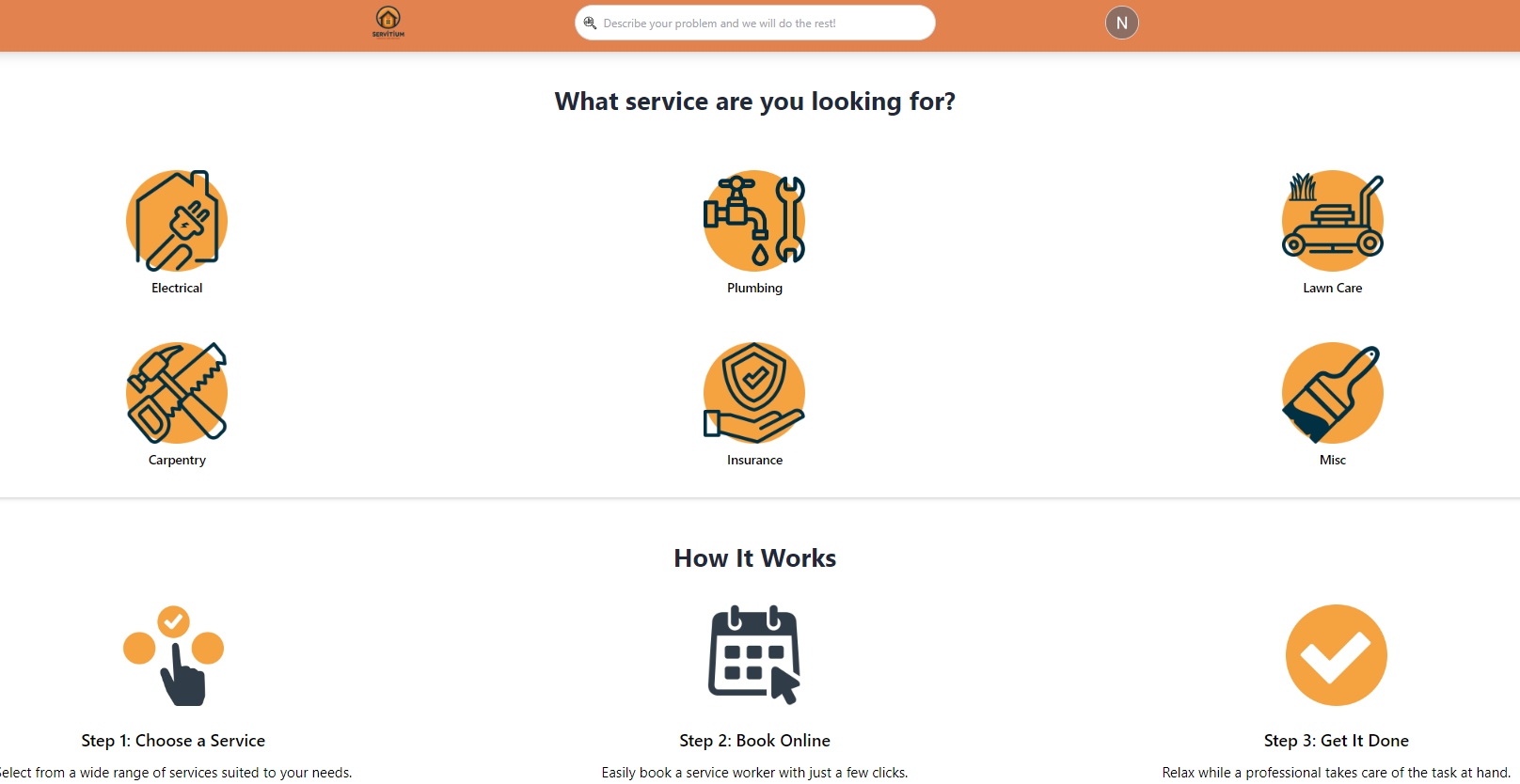
Home screen
-
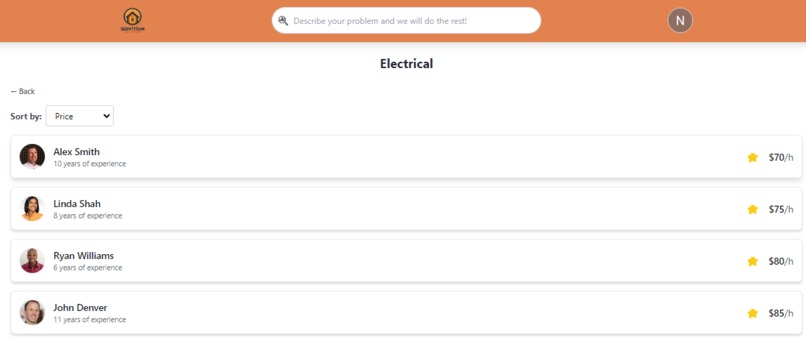
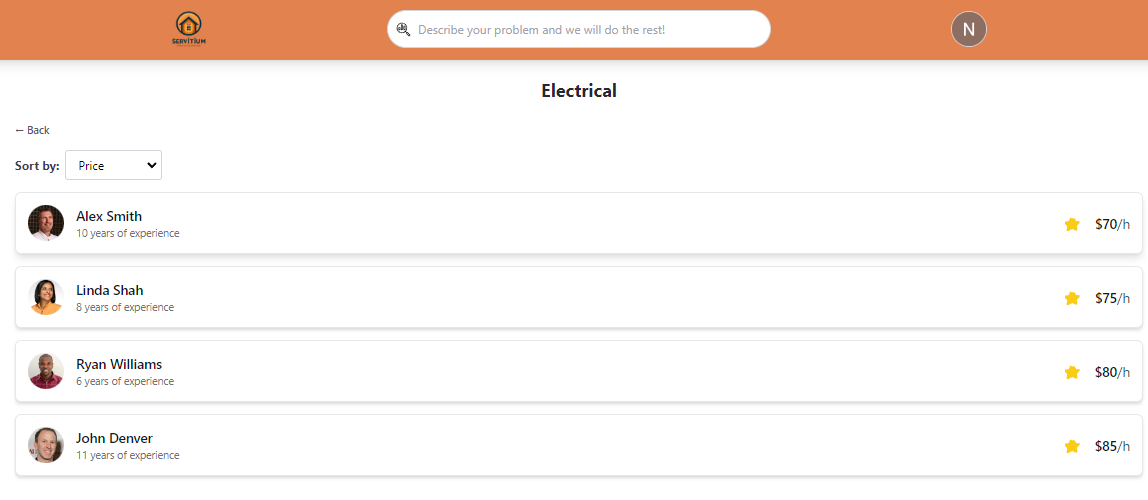
Search results
-
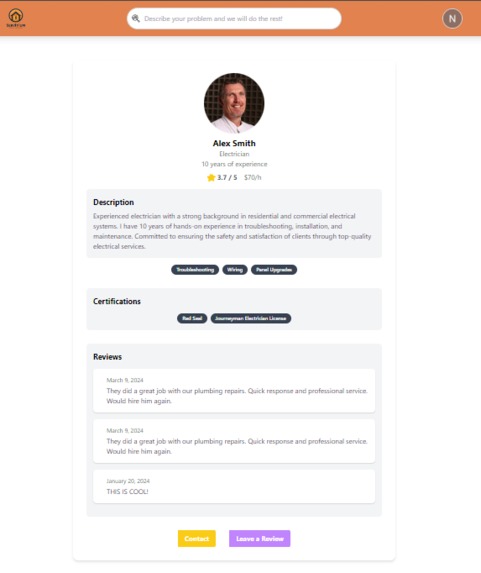
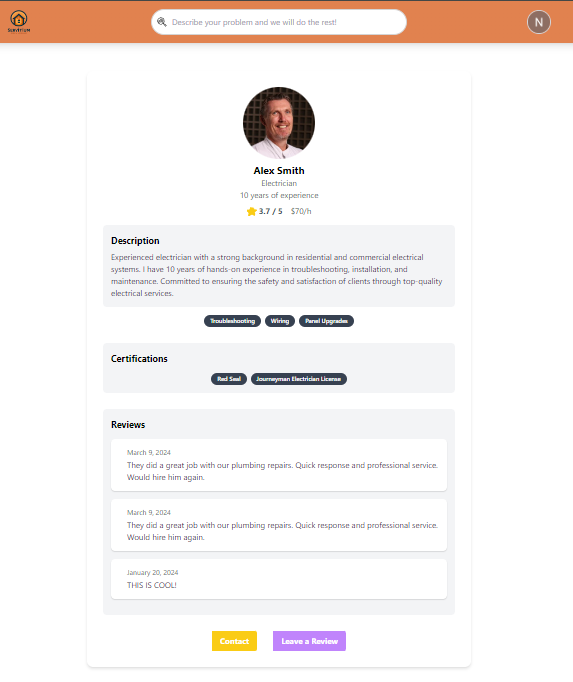
Service provider profile
-
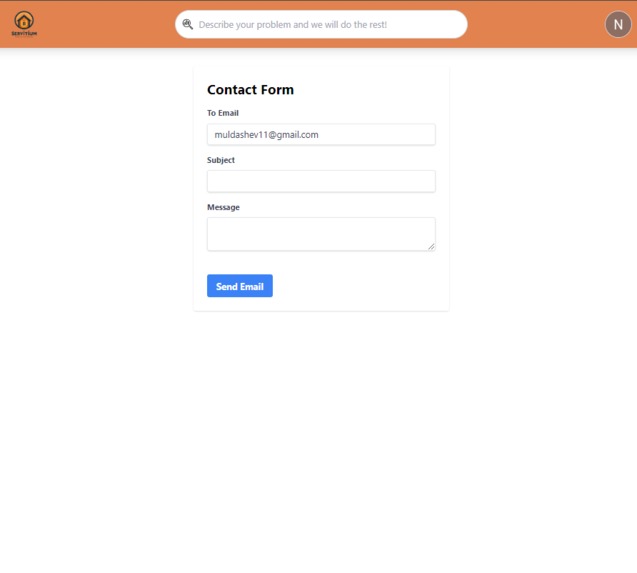
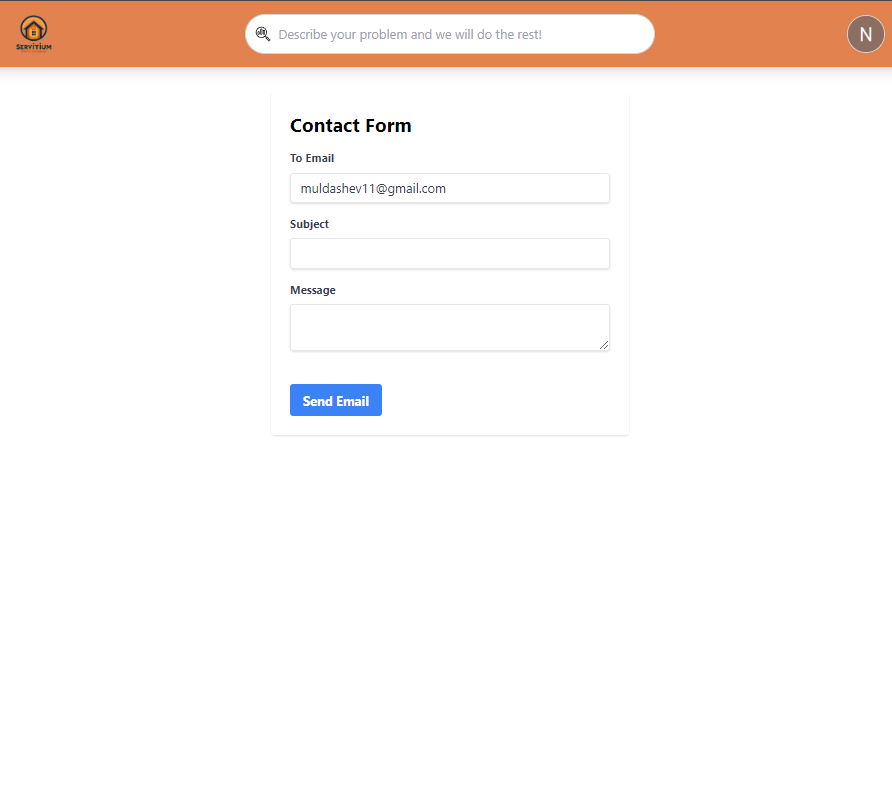
Contact page
-
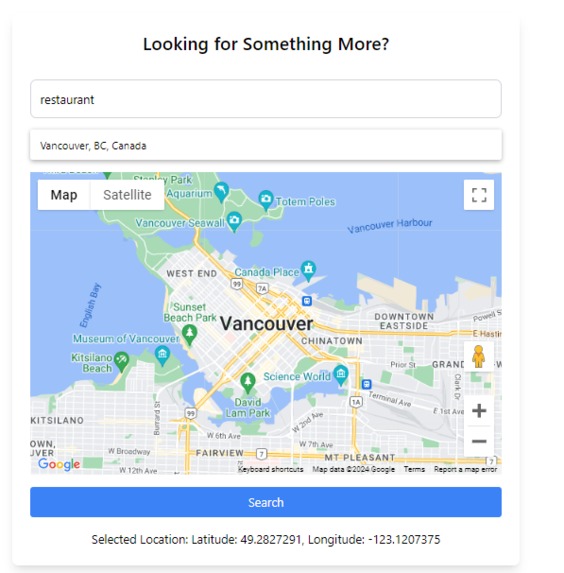
Google maps suggestion
-
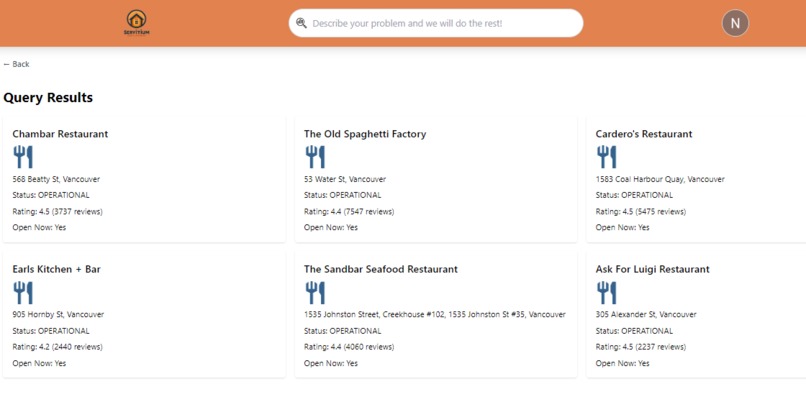
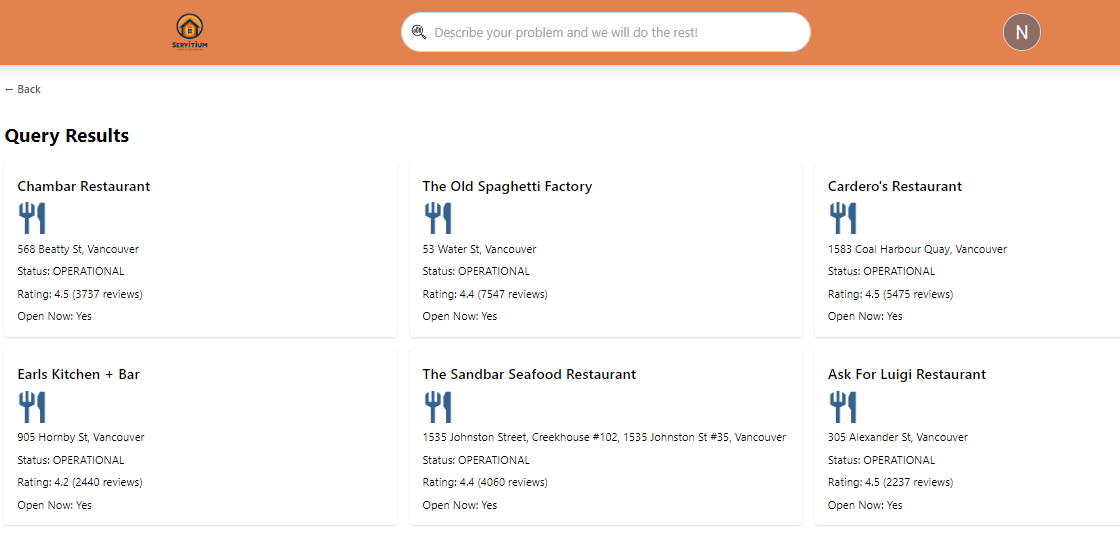
Google maps results

Inspiration
Our inspiration for Servitium comes from a deep commitment to enhancing the lives of senior citizens by providing a centralized hub for essential services tailored to their unique needs.
What it does
Servitium serves as a comprehensive service hub specifically designed for senior citizens. It streamlines access to various services, making daily tasks and support more accessible and efficient.
Users are provided with a user-friendly interface for finding services that fit their needs. The application also supports use of natural language to find services (e.g. can enter "I would like to find an affordable plumber" in the home search bar).
Users can also leave reviews for service providers which makes it easier for other users to find the service providers that best suit their needs.
How we built it
Our platform integrates user-friendly interfaces and secure backend systems to ensure a seamless experience for both users and service providers.
- Front-end: React
- Back-end: Node.js, MongoDB
- Authentication: Auth0
- APIs used: OpenAI, Google Maps, Google Places, Nodemailer, Twilio
Challenges we ran into
- Integrating OpenAI's API to client-side of the application
- Integrating Nodemailer into the back-end of the application
Accomplishments that we're proud of
- Integrating AI into our stack - users can use natural language to find services
- Connecting back-end and front-end of our application
- Making use of Auth0 to provide authentication
- Introducing real-time texting and emailing notification feature
What we learned
- Using third-party APIs
- Full stack development (working on both the server and the client side)
- How to setup and leverage MongoDB
What's next for Servitium
- Setting up the service provider side of the application since the application currently only supports the client side
- Retrieving more data on the service provider side (e.g. geolocation)


Log in or sign up for Devpost to join the conversation.