Inspiration
Your teams playing and you paid good money for a ticket and your teams winning! But you're stuck in a line ordering food and drinks. There is nothing worse than waiting, especially when your teams winning! When customers are waiting in line, the business is not making money.
This is a small issue compared to the management of food wastage. Food wastage is a major killer of businesses as this food, is money being thrown away and in a world of abundance, food life. Tracking data and having a holistic system for data management will be a major sell point for large organizations that are not structured as a technology company.
What it does
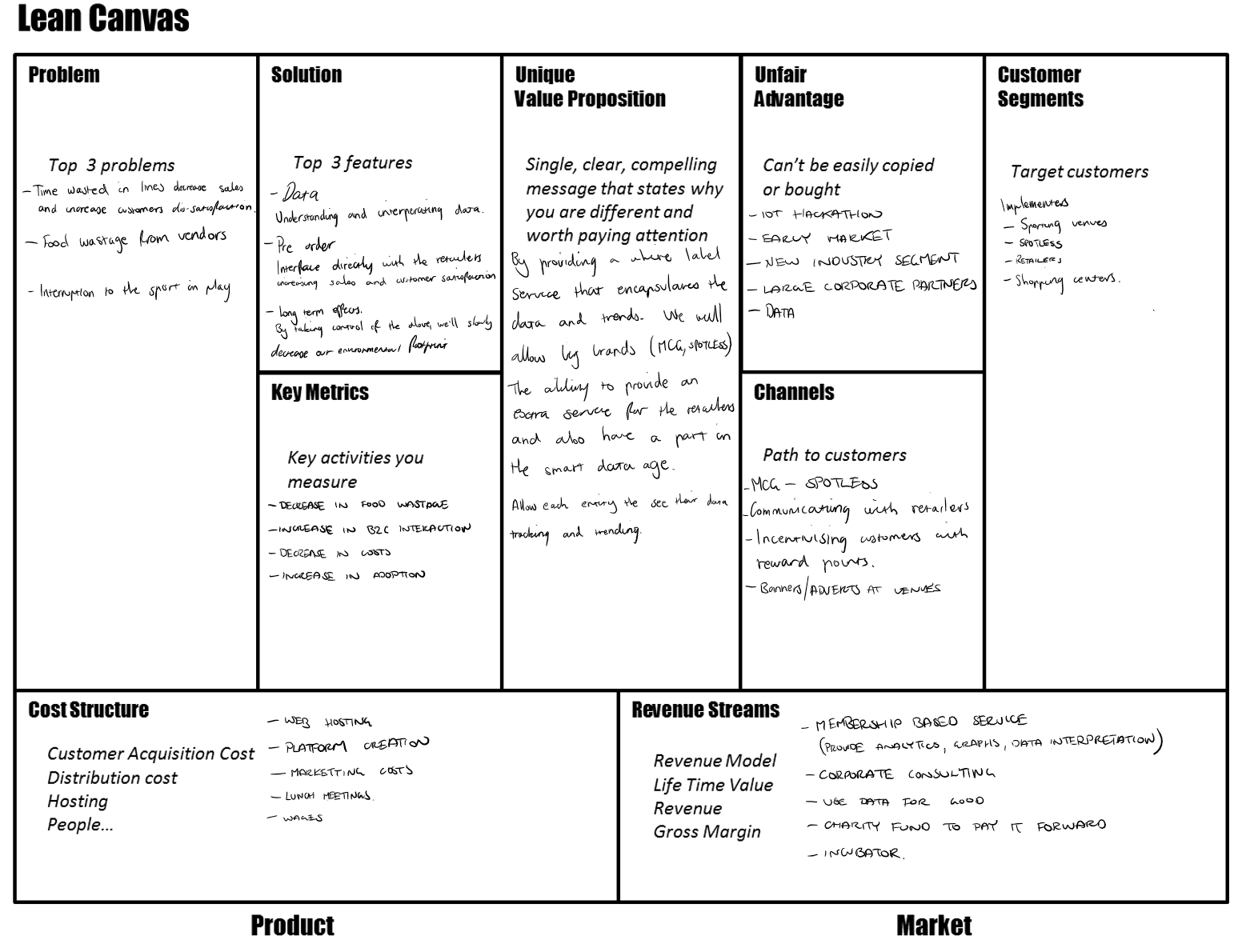
Service Chain aims to be a platform that encapsulates data in a central place. This data is then able to be passed along to those businesses that are using the service to identify the key areas of improvement. From the time spent in line to an estimated amount of food going to be ordered at half time. The data wants to show businesses the best time to put a shrimp on the BBQ and the kind of food they should prepare for tomorrow.
By incorporated a white label structure to the application, we build the platform and allow big name partners to use it and make their data available. Once the data is available, real-time information will be coming through and we will make that information available to customers. They can then focus more time and energy on the things they do best.
How I built it
Currently prototyping the application within IONIC framework but this is limited due to the amount of information that needs to be put through it. Due to real-time updates and feeds; the next iteration of the application/service will incorporate reactJS, goLang, and Postgres as the stack.
Challenges I ran into
Opening up ideas to outside critique. I came into this hackathon thinking the idea I had originally was grand and noble enough for the first prize. Once I opened that idea to outside thoughts, it dawned on me that some ideas need better frameworks and a higher amount of capital to get going. That alongside running costs proved it was not feasible.
Accomplishments that I'm proud of
Overcoming the issues mentioned above and creating a new idea that encapsulated what I intended but structuring it to suit the current environment.
What I learned
Use of the Lean canvas model has been a good learning curve and it's ideal for new businesses and startups! All future endeavors must practice structuring, to understand the ins and outs of the project.
What's next for Service Chain
Phase 1 ~ Building the platform to handle large amounts of Data. Being adopted by larger organisations who can make an impact at a much larger scale.
Phase 2 ~ Open API's for others to build services on top of Service Chain. Allow Medium/Small organizations to use the service as a piece of mind. Scale the platform to be used inside homes.
Built With
- english
- ionic
Log in or sign up for Devpost to join the conversation.