-
-
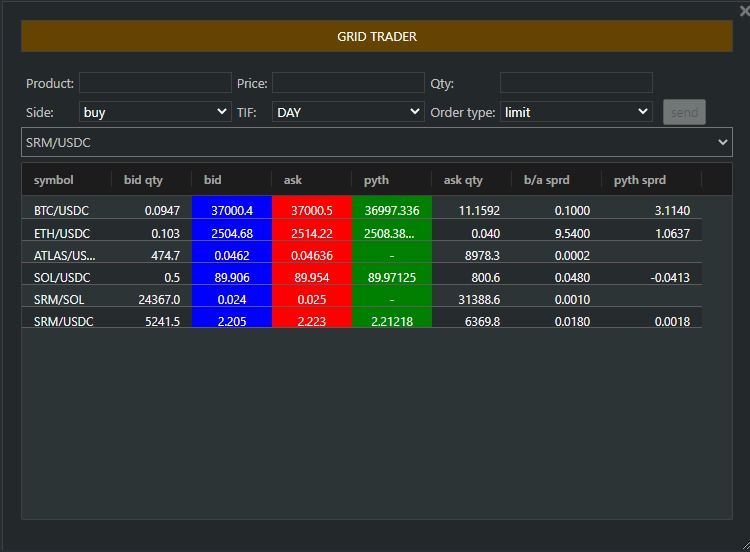
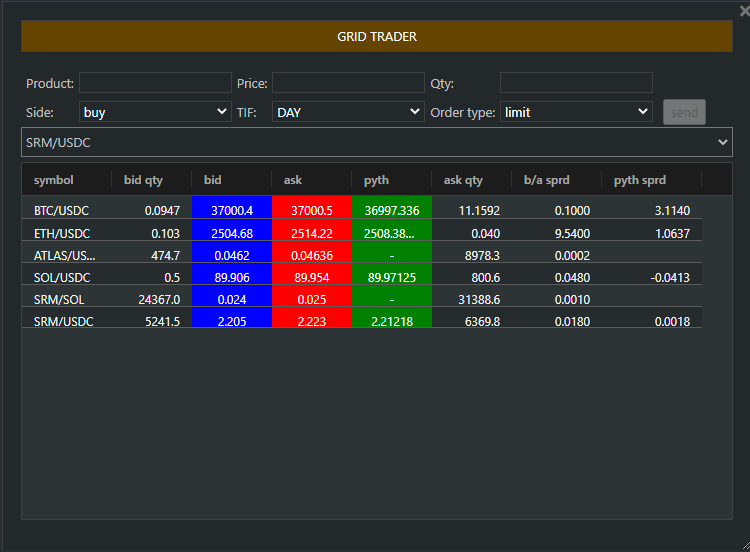
Grid Trader combining Serum with Pyth
-
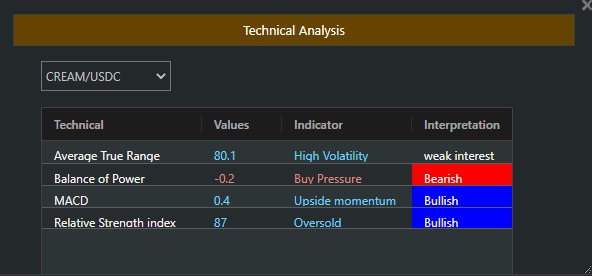
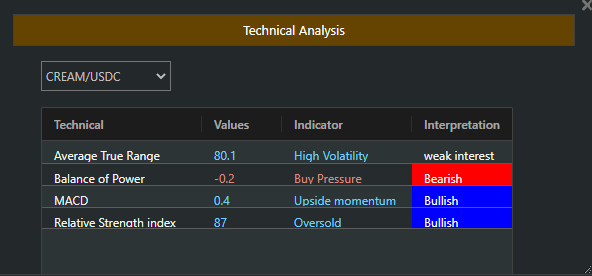
Technical Analysis
-
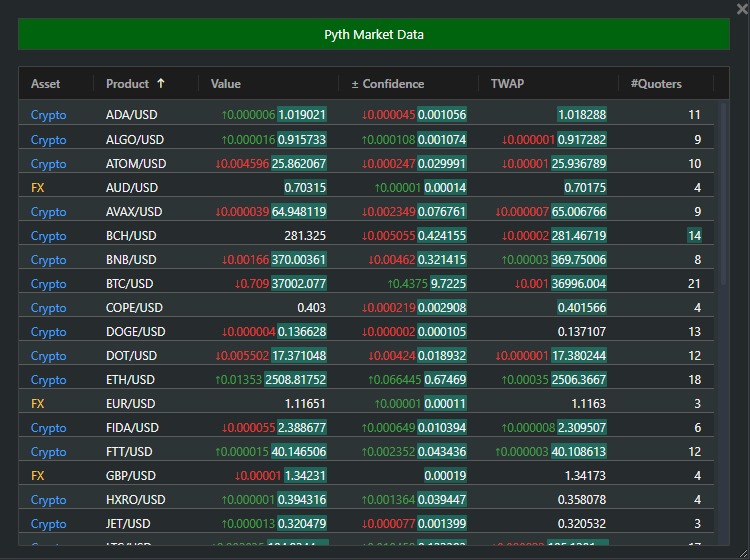
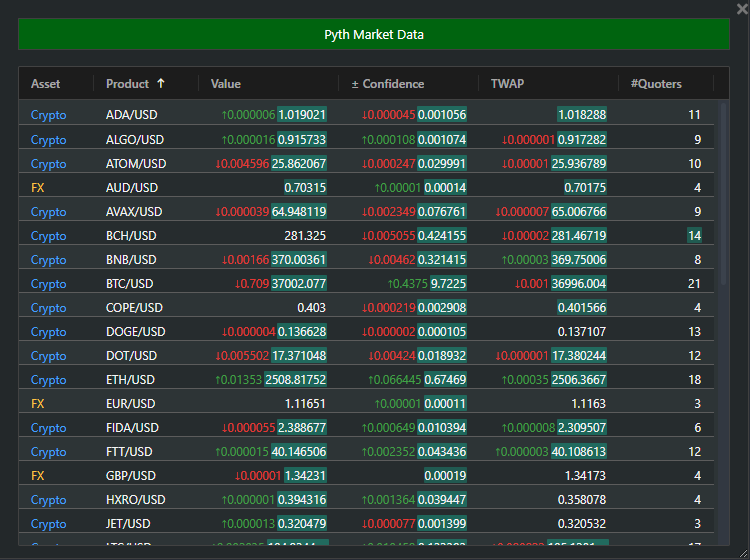
Pyth data
-
empty Space. User customizable
-
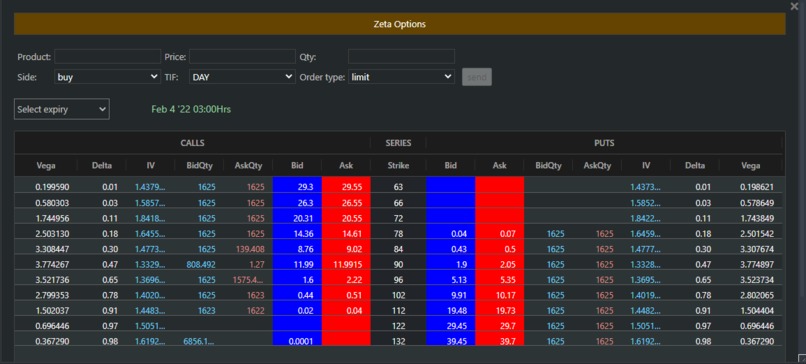
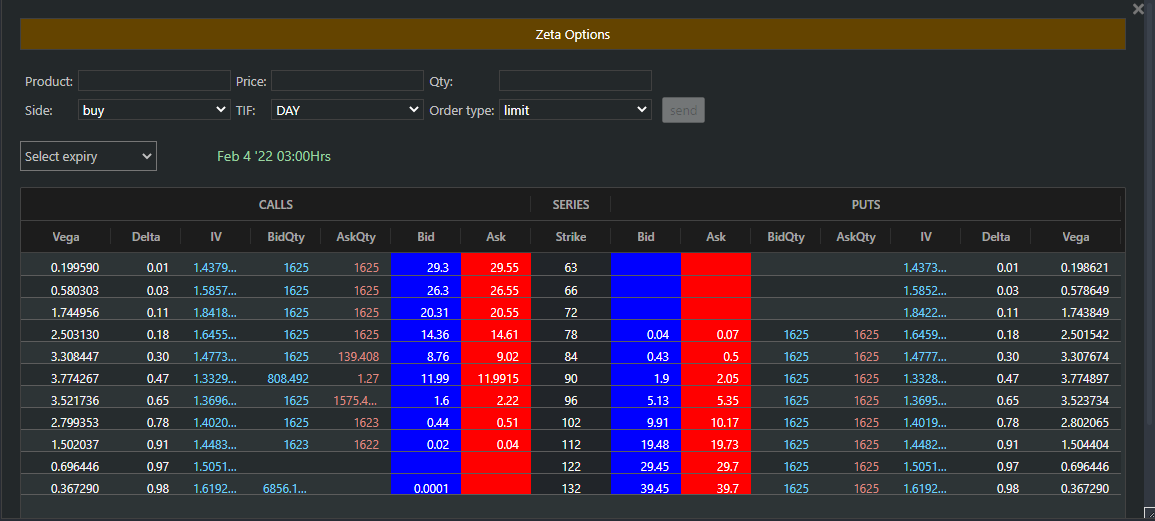
Zeta Options Trading
-
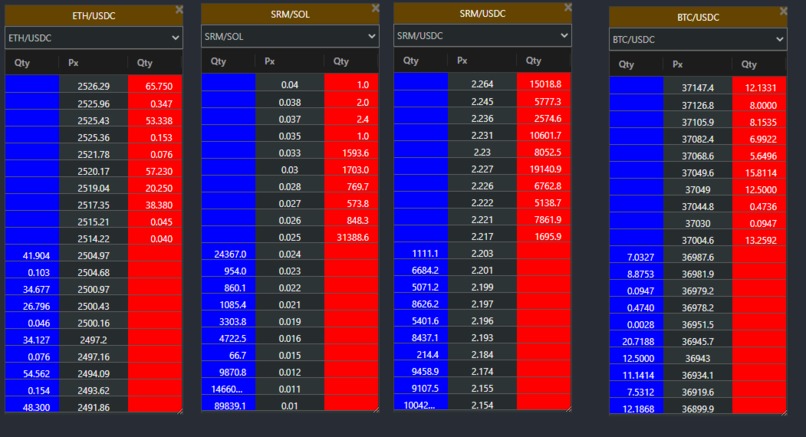
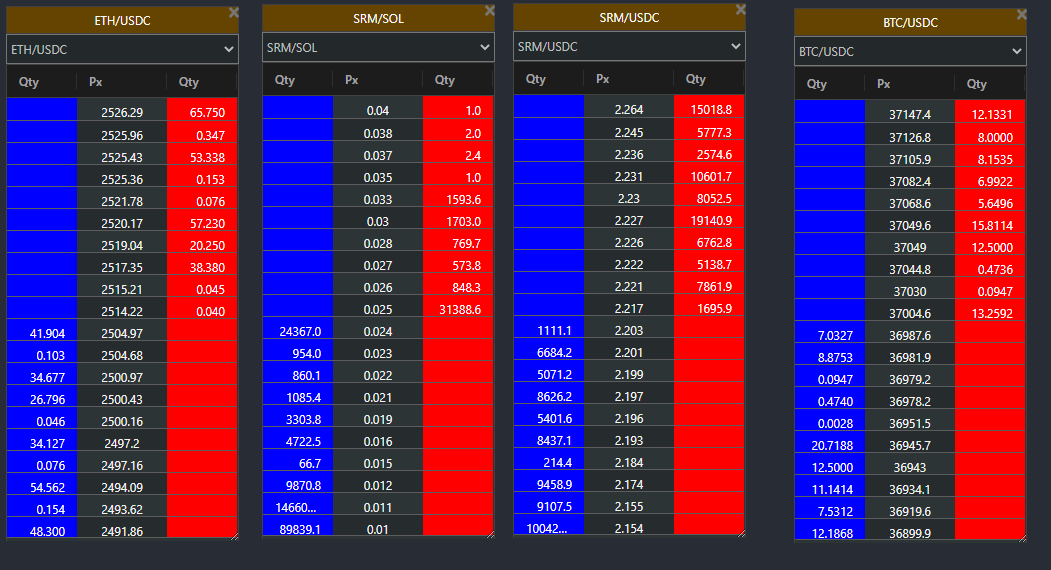
Serum Order Books side by side
-
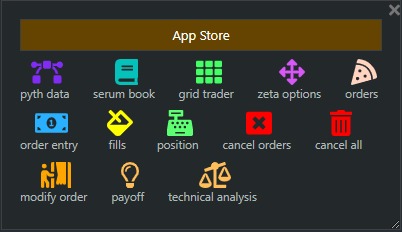
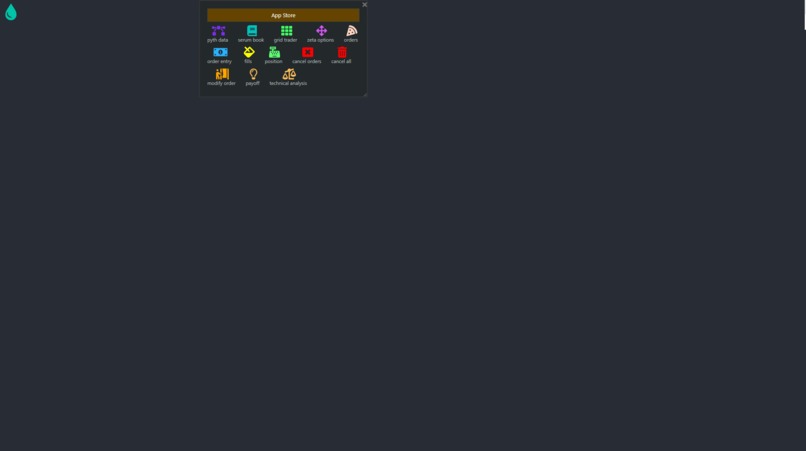
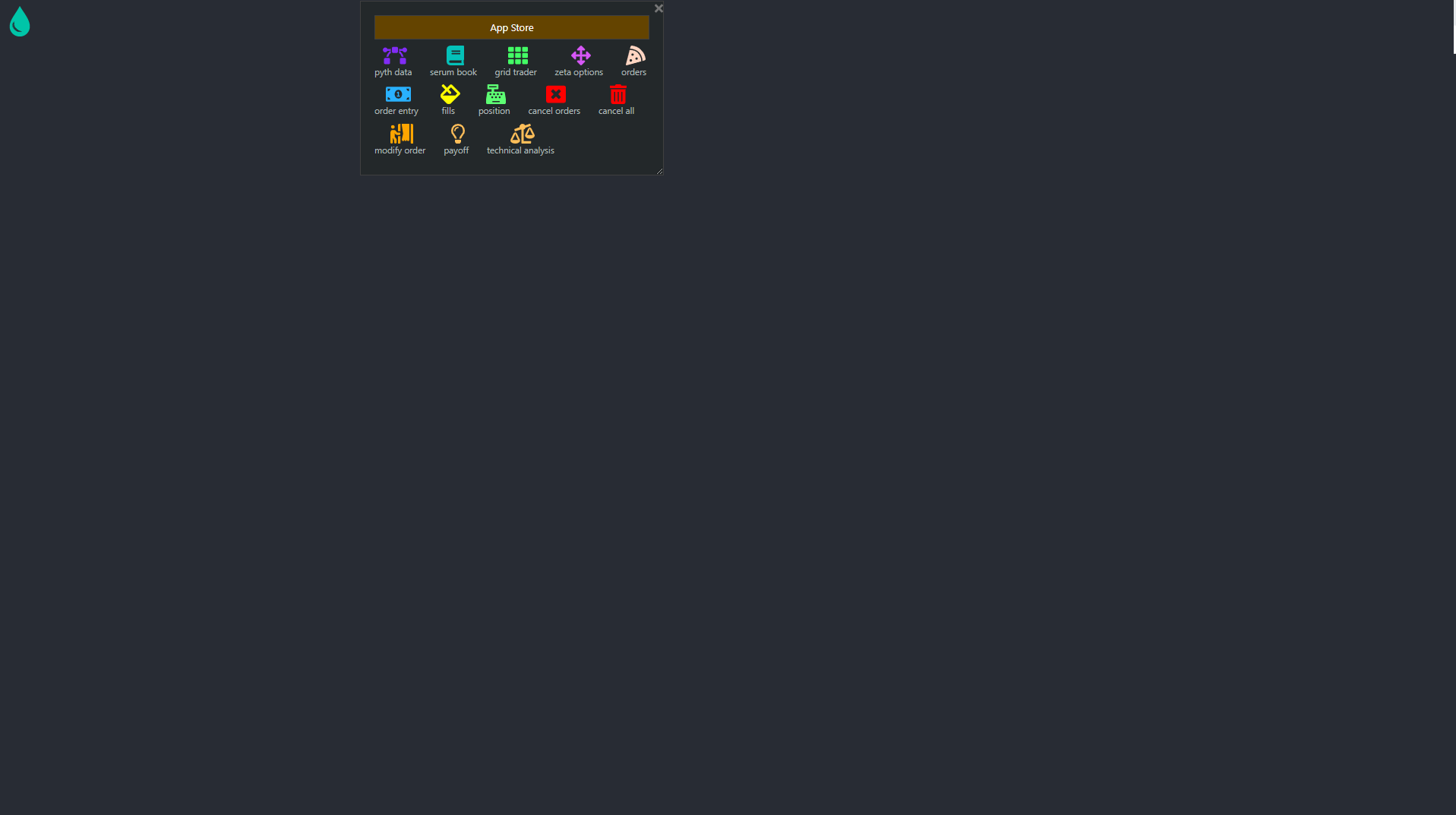
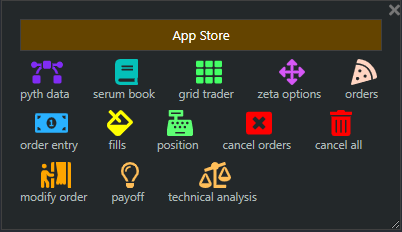
App Store
-
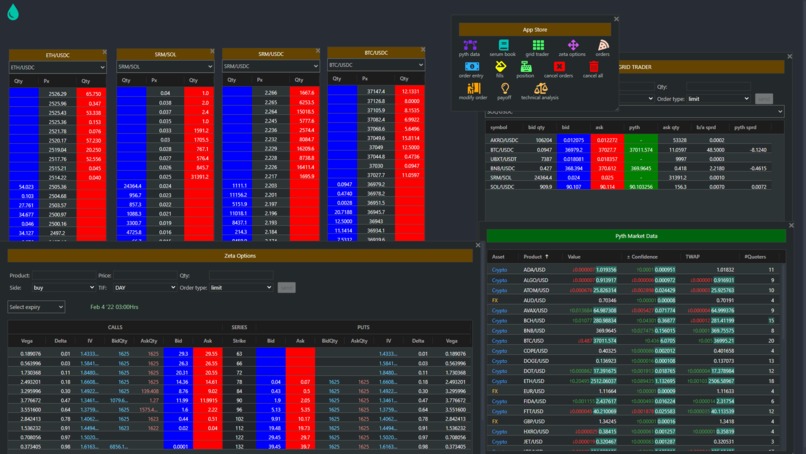
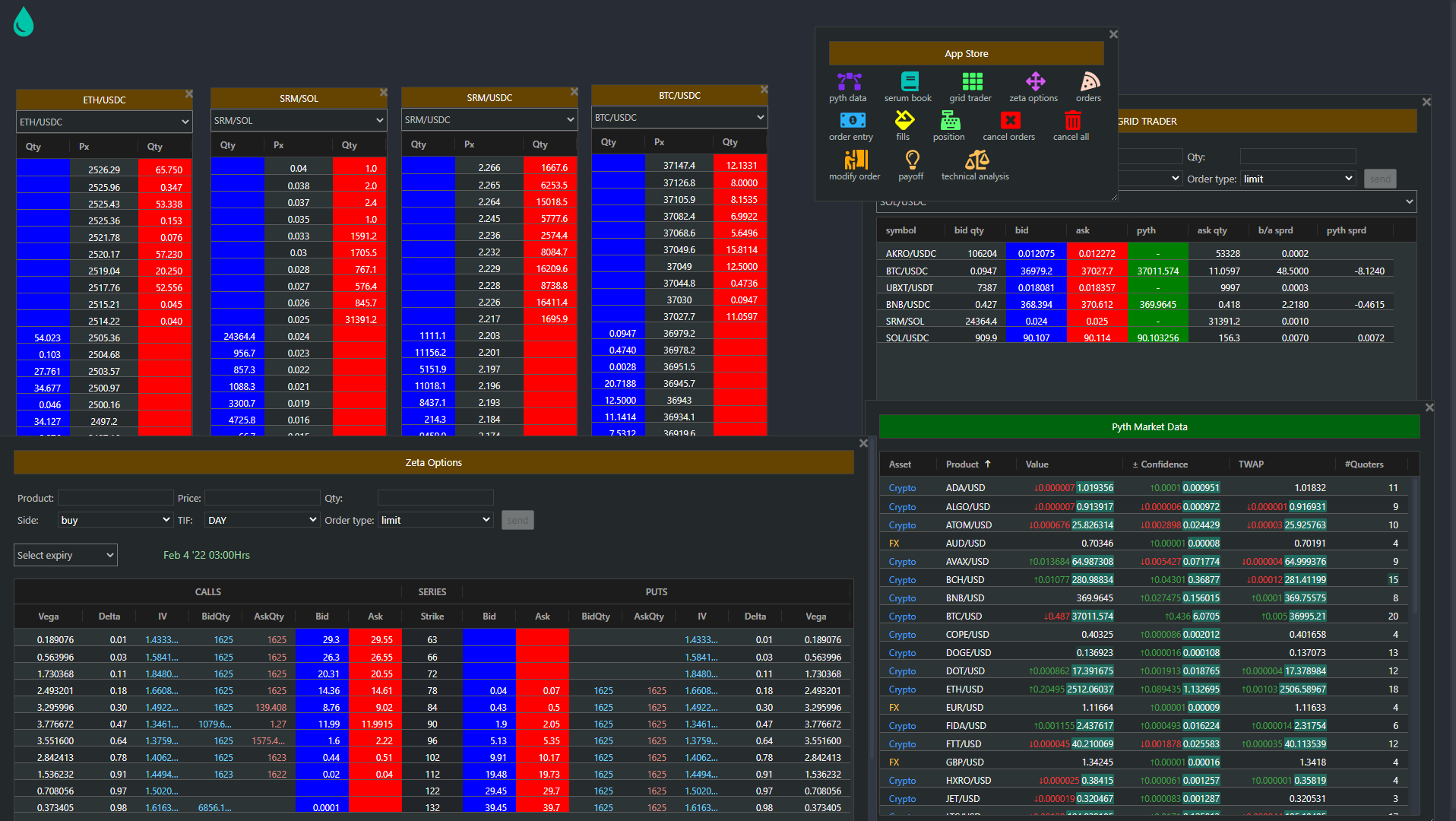
Desktop
Inspiration
Defi has made huge leaps in bringing innovative financial products directly to everyone without the need for the traditional gatekeepers. However, the GUI interfaces to these system, when they actually exist, have been tedious and non trivial for all but the most determined. Professional grade trading and quantitative/analytical tools generally available to TradFi users have been lacking in the Defi world.
My frustration in watching my friends try to acquire SRM and the hurdles the non technical amongst them faced was the inspiration to build something that is both easy to use and professional grade.
On a technical level, DropCopy was inspired by desktop systems like MacOS, Linux and Windows. These system are the platform for which others can create additional applications. DropCopy was also inspired by the Apple app store as well as Salesforce app store.
What it does
DropCopy currently interfaces with Pyth, Serum and Zeta to provide a unified trading experience. A user looking to trade on the Serum spot market can compare the order book with the Pyth oracle price to get a bias as to where fair value is. Traders can easily trade the basis spreads between the Zeta market futures and serum while using Pyth as a reference bias. They can also cover/hedge their options positions in Serum markets all within a single GUI.
The GUI unifies their P&L, working orders, fills, position in a single interface which is a lot easier than using multiple GUIs.
In addition to trading, DropCopy provides analytics to help users make informed decisions. The options strategy builder provides a simple anlytical tool for the user to see max loss and profit from vaious options strategies.
How we built it
DropCopy is a web based system and was built to support an unlimited number of apps. The best analogy is an appstore. it's a collection a various applications we built internally. We also were very careful to make sure that it has the tools to supports a marketplace where anyone can build apps and integrate into DropCopy.
Challenges we ran into
The limitations of the rpcpools and the message throttling was very frustrating. this issues exists acrosss ALL the projects we integrated with. The absence of a high performance WebSockets across several projects were also a major stumbling block.
As a result, we disable the actually trading on our platform for now as we work to build our own high performance messaging tool as well as run a node on Solana in other to bypass the using third party rpcpools.
Accomplishments that we're proud of
The integration of several components of Pyth, Serum and Zeta was a high point. This especially as Zeta itself was evolving and only made main-net beta a couple of weeks ago.
What we learned
We learned that there is still a lot of work to be done to get Solana ecosystem working to it's full potential. We have also seen several areas we can add value especially around data federation. Most of all, we learnt that the apps we built on DropCopy are really just scratching the surface of the potential for a lot more.
What's next for DropCopy DeFi Desktop
Integration of Charts, running our own backend nodes, WebSockets. and of course finalizing the client API so we as well as anyone else, can build the thousands of GUI apps that's need to advance the Solana ecosystem
Built With
- c++
- html5
- javascript
- postgresql
- react
- redux
- websocket
- zeromq


Log in or sign up for Devpost to join the conversation.