
About the Project
Inspiration
After doing conductive survey-based research with the UW patient health department after their most recent workshop on Public Safety Technology Challenges, we realised that Sepsis is a critical medical condition that affects millions of people globally each year, with delayed or inaccurate diagnoses often leading to fatal outcomes. As technology enthusiasts with a passion for healthcare innovation, we were inspired by the potential of using AI to assist doctors in reducing diagnostic errors related to sepsis. We wanted to create a tool that could help healthcare professionals make faster and more informed decisions, improving patient outcomes.
What We Learned
Throughout the development of this project, we gained valuable insights into both the medical and technological domains. We learned:
- Medical Knowledge: We dived deep into understanding the symptoms, progression, and complexities of sepsis, including the critical importance of early detection.
- AI & Healthcare: We explored how AI models can be trained and fine-tuned to provide meaningful, context-aware recommendations, especially in complex fields like medicine.
- Human-Centered Design: We focused on creating an intuitive interface that provides clear, actionable recommendations for doctors, emphasizing ease of use in high-pressure environments.
- Data Interpretation: Presenting medical insights in a digestible format, such as dynamic accuracy percentages and clear follow-up guidance, was a major learning point.
How We Built It
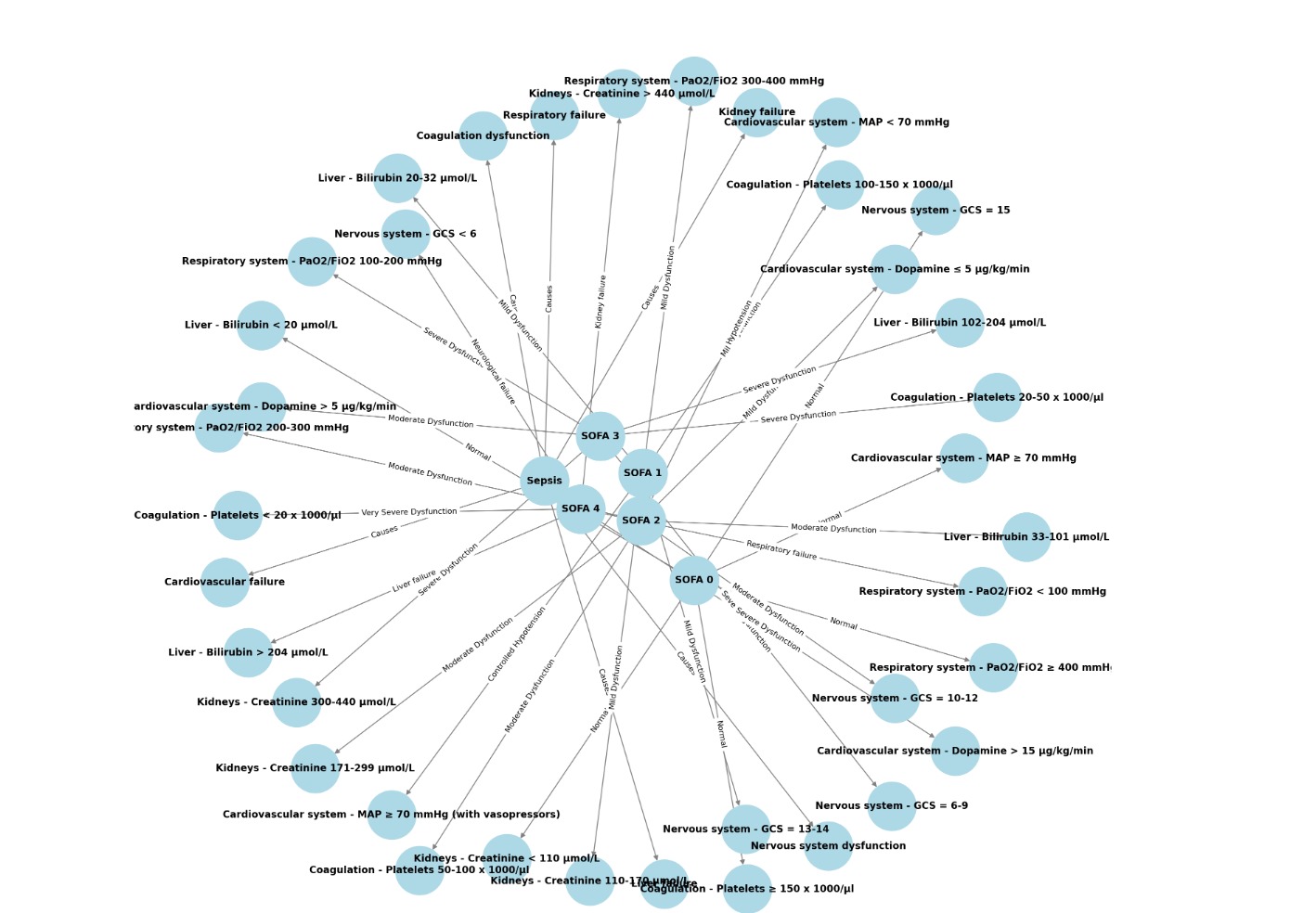
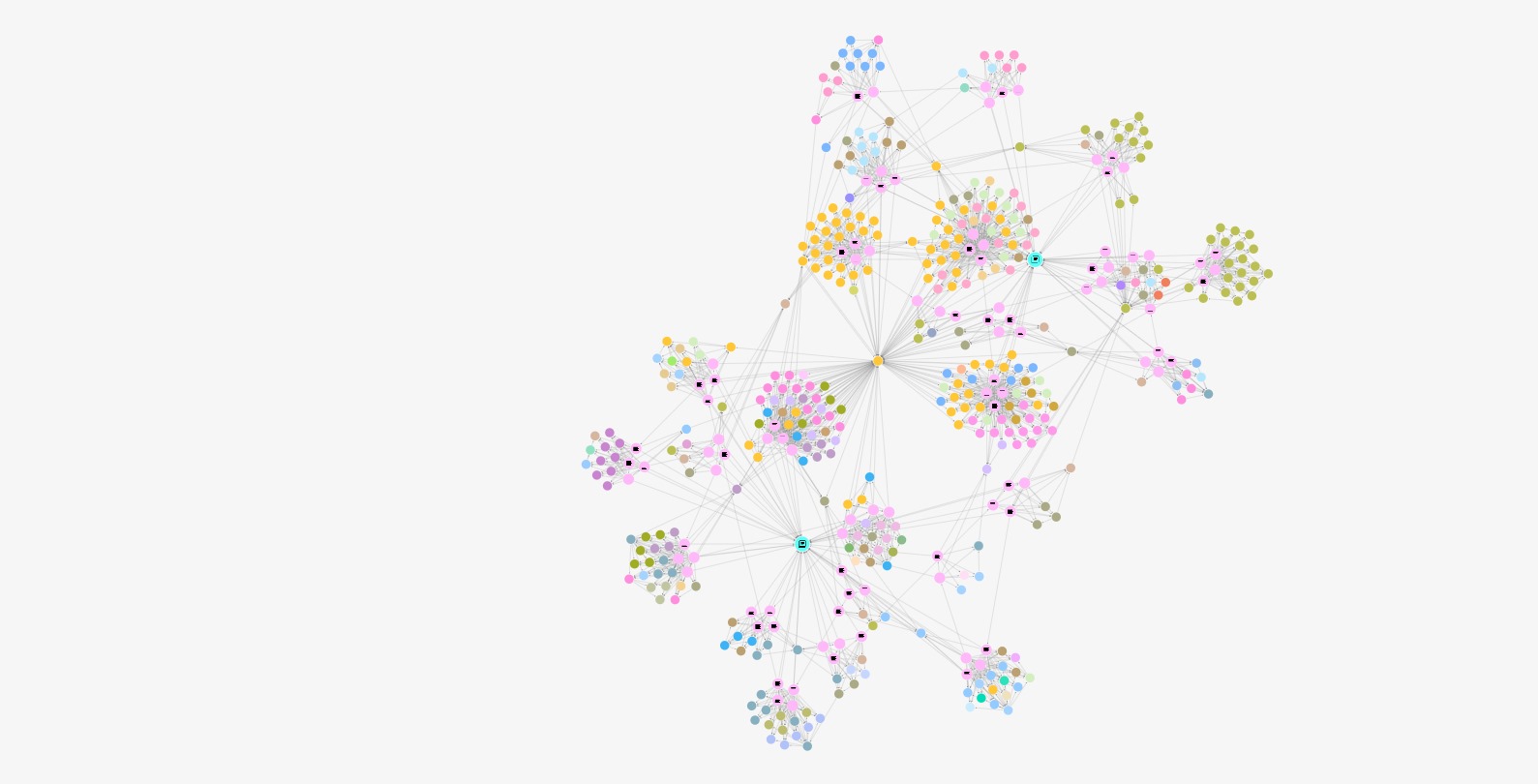
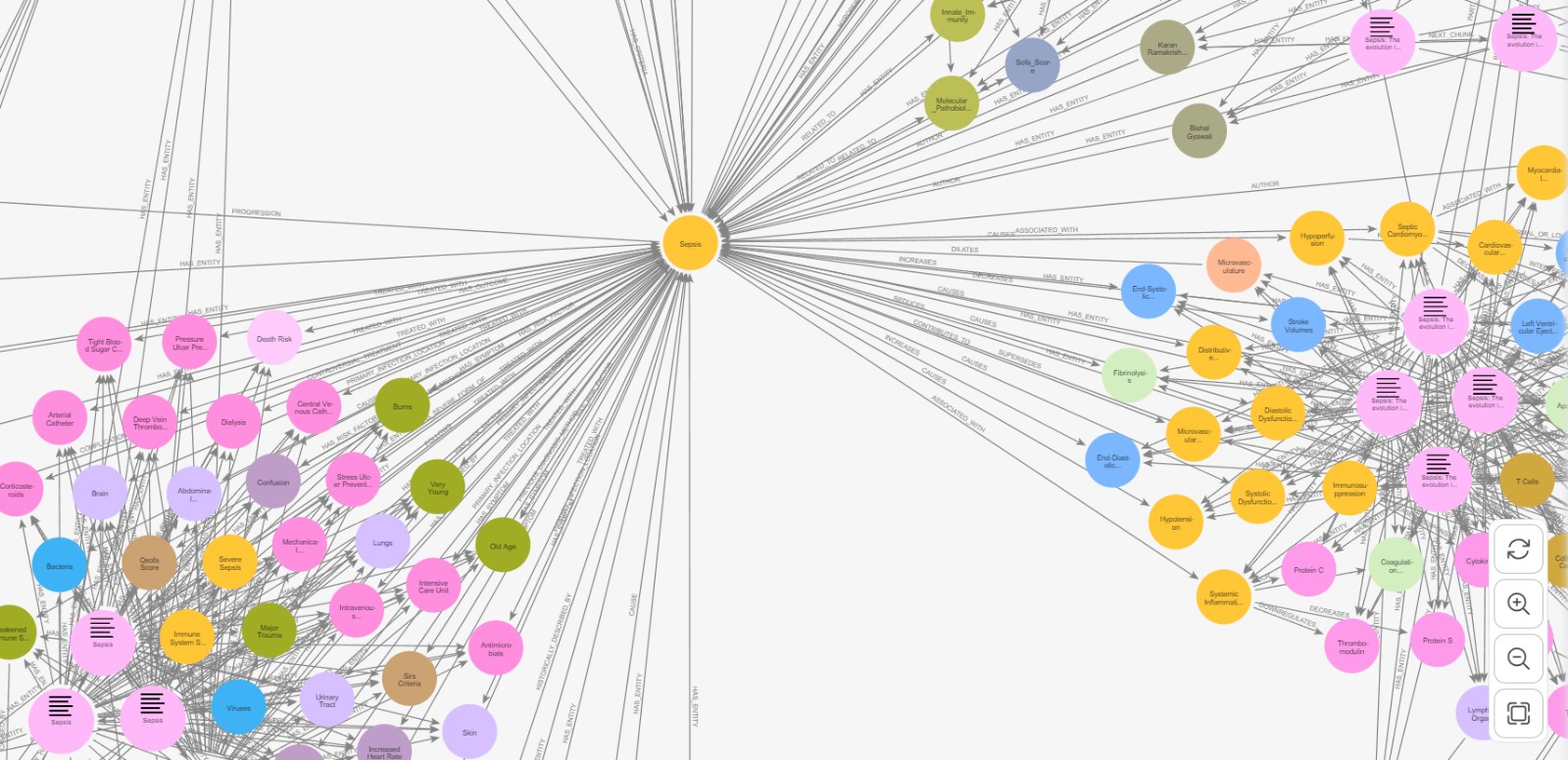
Backend: We built the backend using Python and Flask, leveraging OpenAI’s GPT-based large language model (LLM) to process and analyze patient symptoms. We used a knowledge graph to enhance the LLM's capabilities in understanding the relationships between symptoms, potential diagnoses, and follow-up steps for sepsis, and fed it to the LLM for enhanced output capabilities. We also used Neo4J to create the knowledge graph, exported it to a CSV format and the used it to feed the LLM with more knowledge. Additionally, we used Langchain to interact with the LLMs that we used.
Frontend: For the frontend, we used HTML, CSS, and JavaScript with Bootstrap for responsive design. The UI allows healthcare professionals to input patient symptoms and receive recommendations based on AI analysis. The frontend also features a dynamic progress bar that visualizes the sepsis likelihood percentage.
AI Integration: We integrated OpenAI’s GPT to process user input and return structured recommendations in real-time. By feeding it a knowledge graph of sepsis-related data, we ensured the accuracy and relevance of the AI’s responses.
Deployment: We deployed the application on Render, ensuring that it is accessible to users in a real-world medical setting. This makes it easy for healthcare teams to integrate the tool into their existing workflows.
Challenges We Faced
Medical Accuracy: One of the major challenges was ensuring that the AI-generated outputs were medically accurate and actionable. Fine-tuning the model to understand and correctly interpret medical data was a time-intensive process.
Data Structuring: Organizing medical data into a format that the AI could use effectively was another challenge. We had to build and integrate a knowledge graph that contained detailed information about symptoms, diagnoses, and follow-up procedures for sepsis.
Performance Optimization: Ensuring the application responded in real-time, especially when dealing with complex AI queries, was essential. We needed to balance AI processing power with real-time performance to meet the fast-paced needs of medical environments.
User Experience: Designing a user-friendly interface that displays complex medical information in a clear and concise manner was crucial. We focused on making the recommendations easy to understand, even in high-stress situations where every second matters.
In summary, this project taught us the power of combining AI and healthcare to tackle critical issues like sepsis diagnosis. We are proud of how the Sepsis Diagnosis Assistant can aid healthcare professionals in making faster, more informed decisions, potentially saving lives. Through this project, we’ve learned the importance of precision, user-centered design, and the potential for AI to make a tangible difference in the medical field.
Built With
- amazon-web-services
- css
- html
- javascript
- openaiapi

Log in or sign up for Devpost to join the conversation.