-
-

SEOstrich banner
-
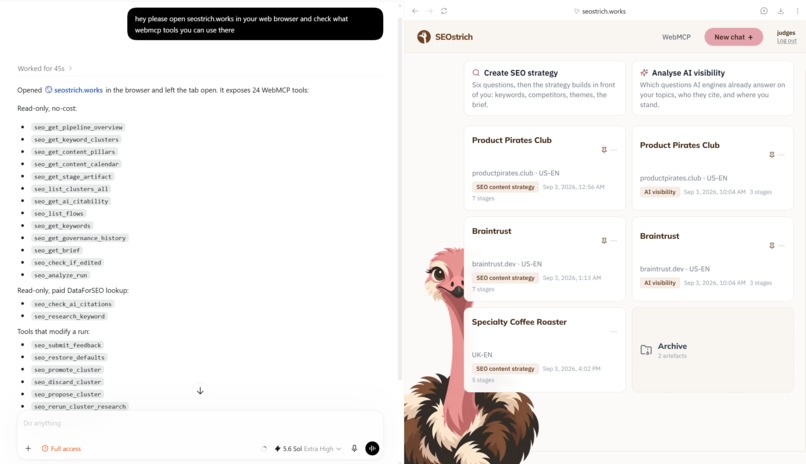
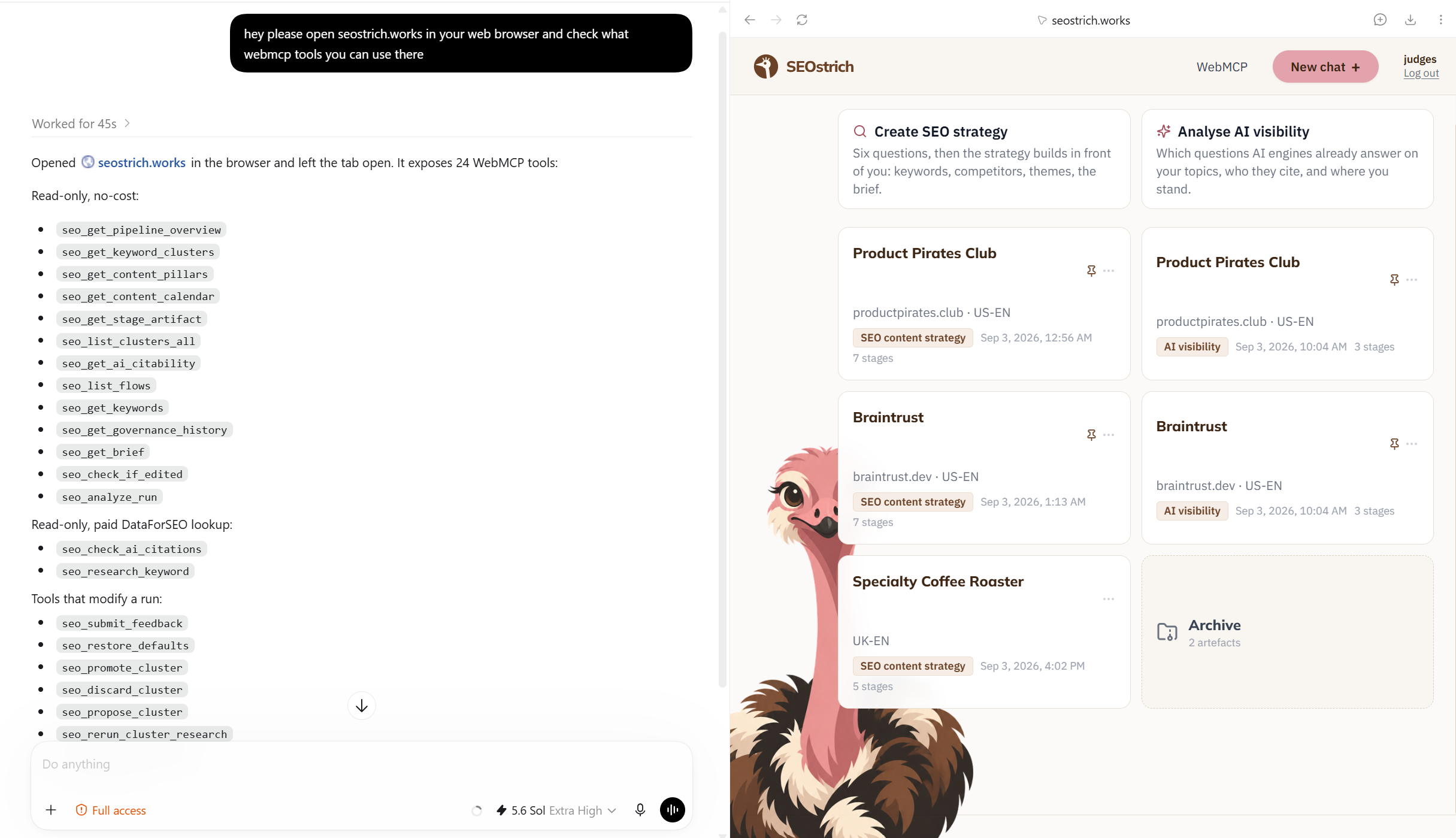
24 WebMCP tools - read-only, call DataForSEO, modify runs
-
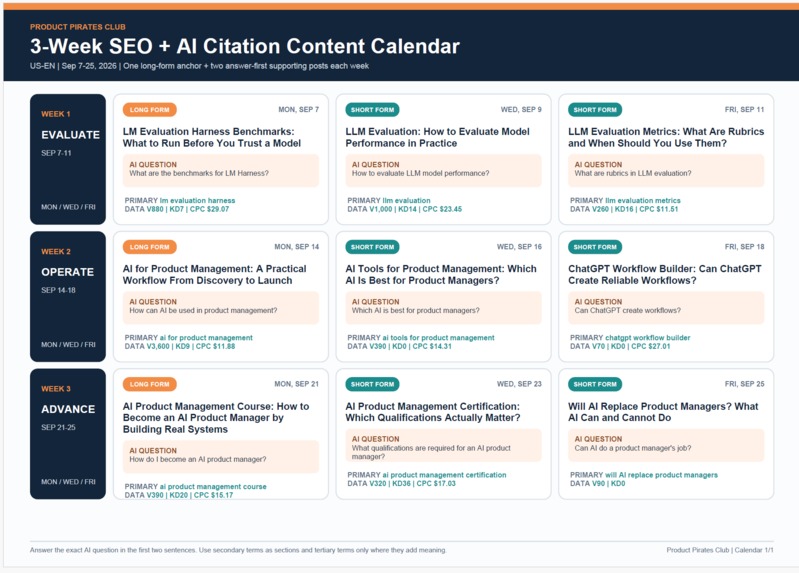
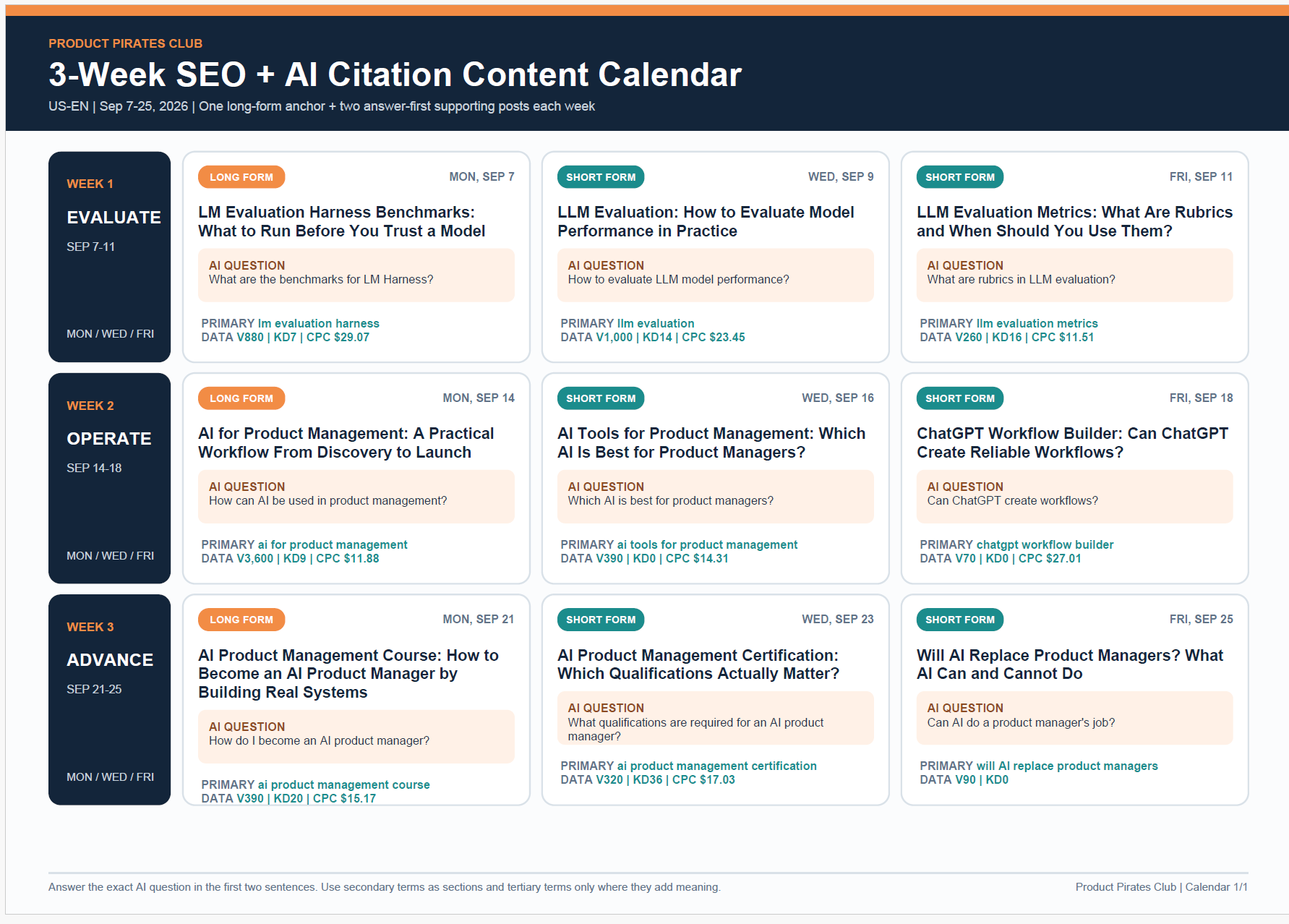
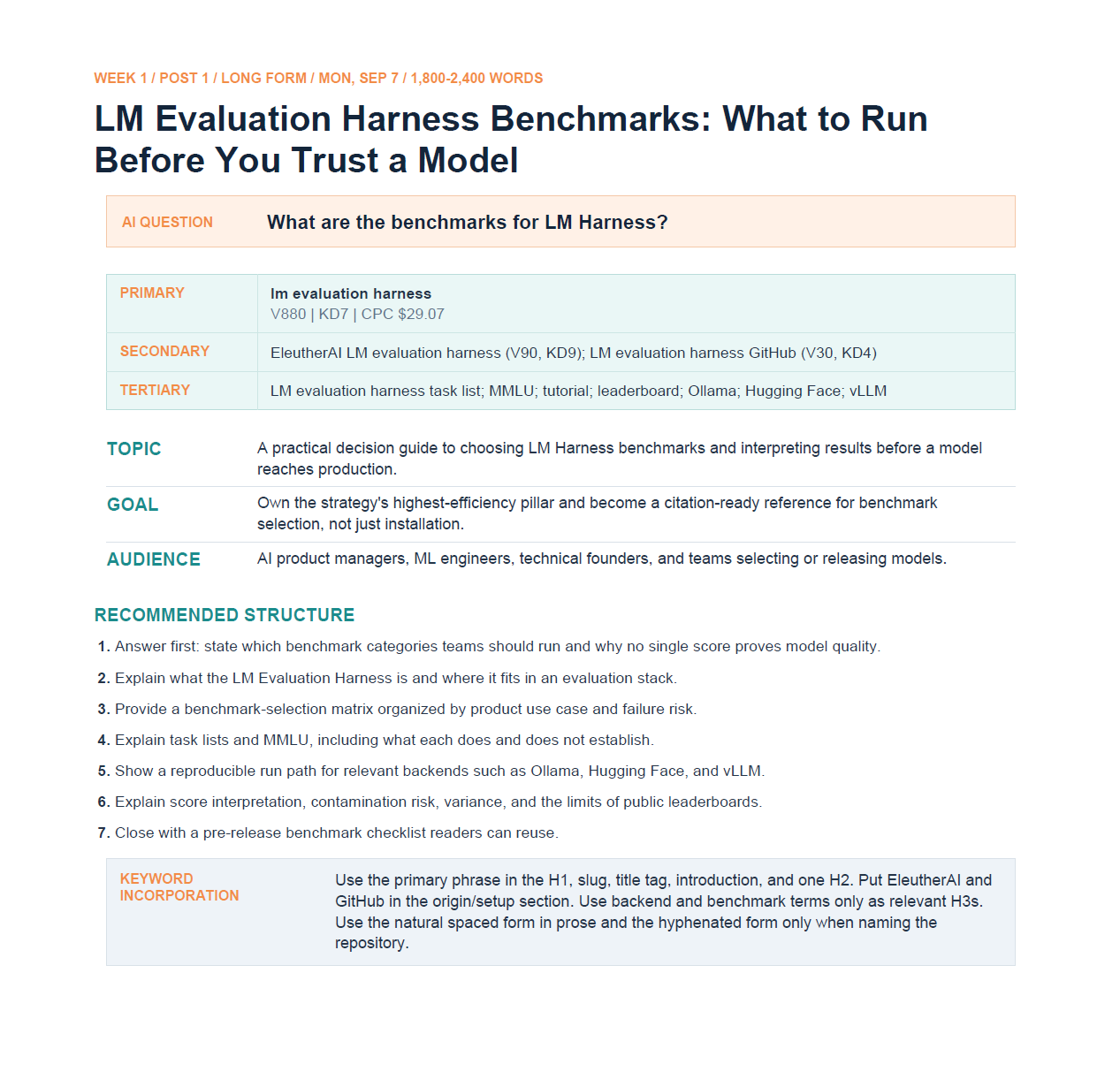
ChatGPT-created Content Calendar based on the SEO Strategy and AI Visibility reports
-
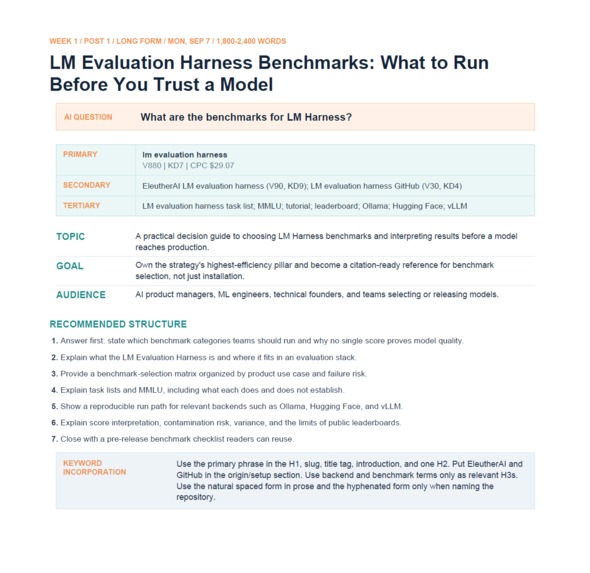
ChatGPT using WebMCP tools for extra research - content brief for a post
-
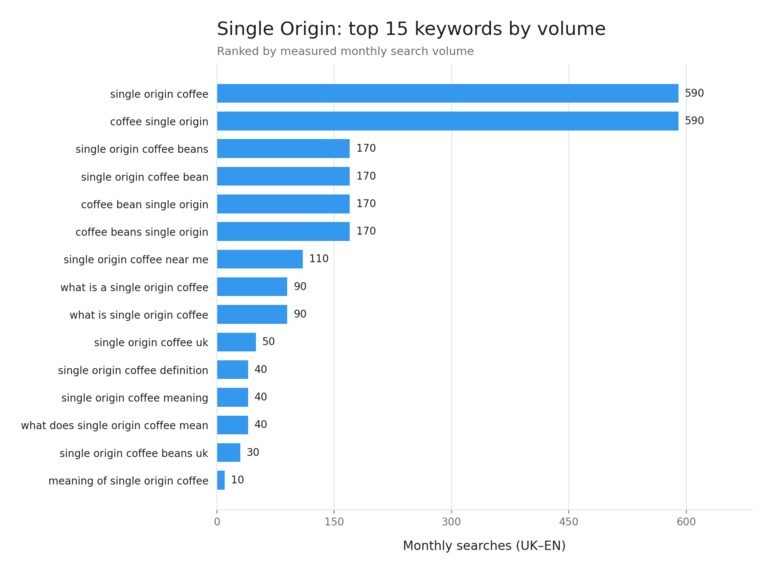
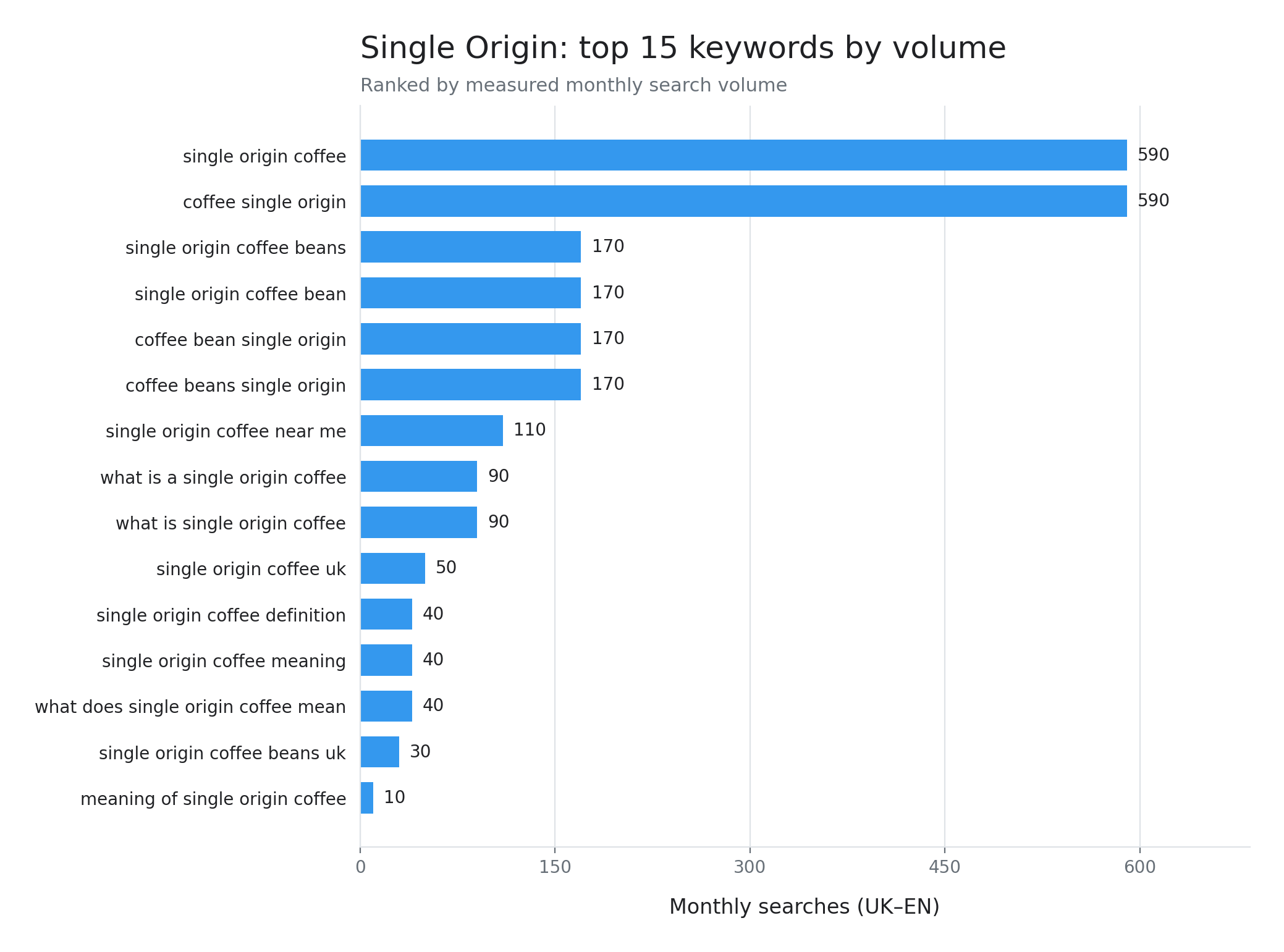
Chat-GPT using WebMCP to obtain data for visualization - pillar 1
-
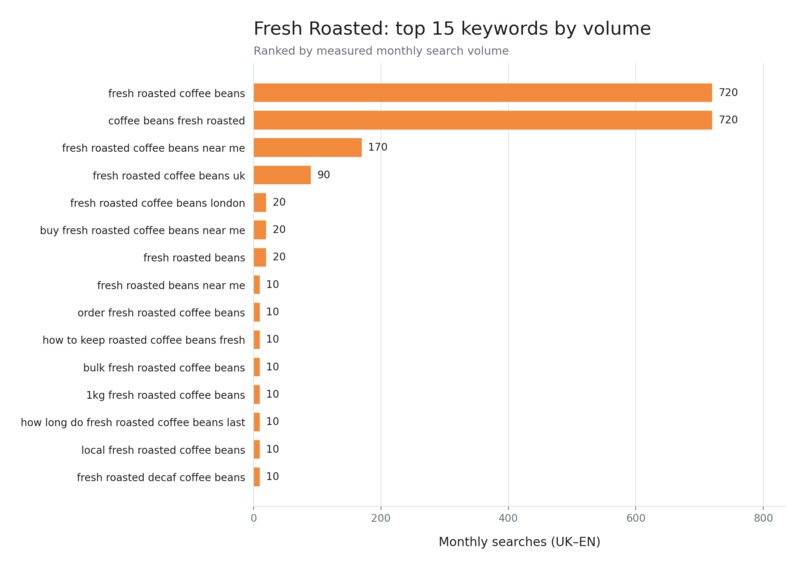
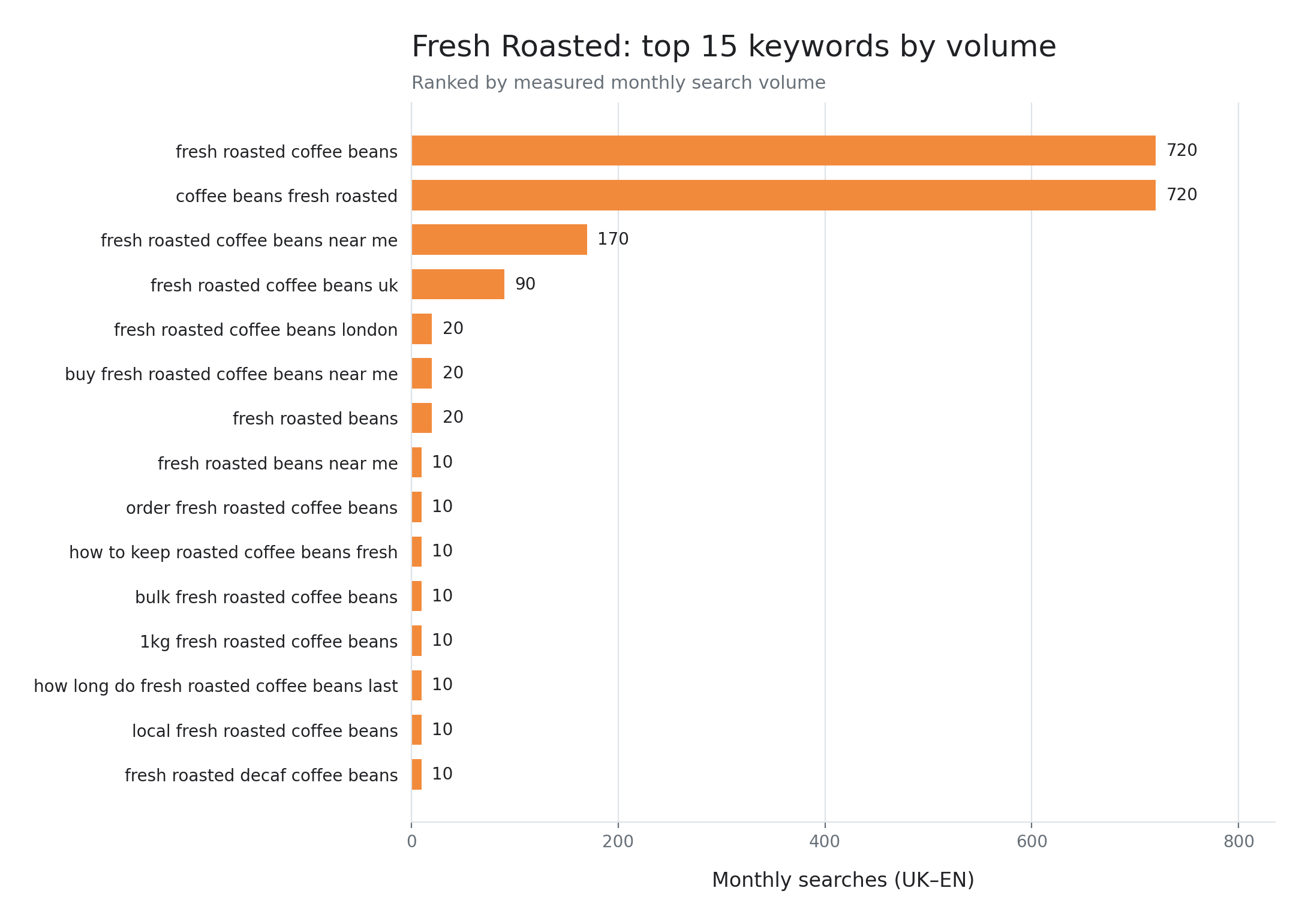
Chat-GPT using WebMCP to obtain data for visualization - pillar 2
-
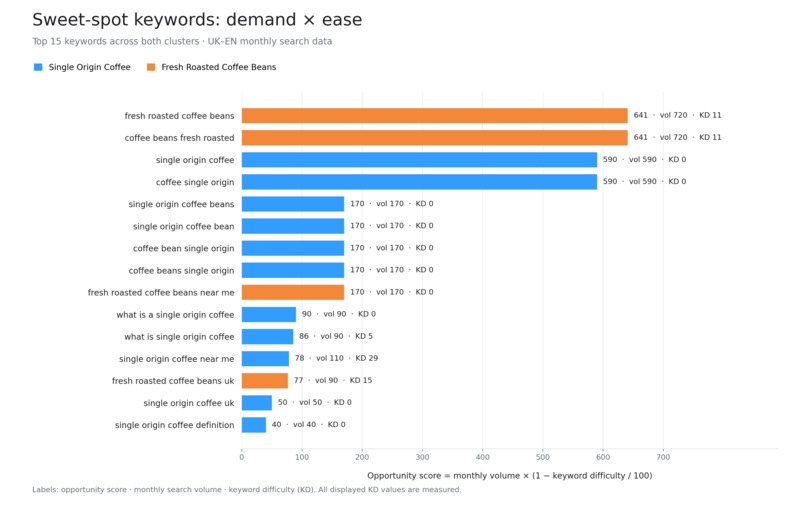
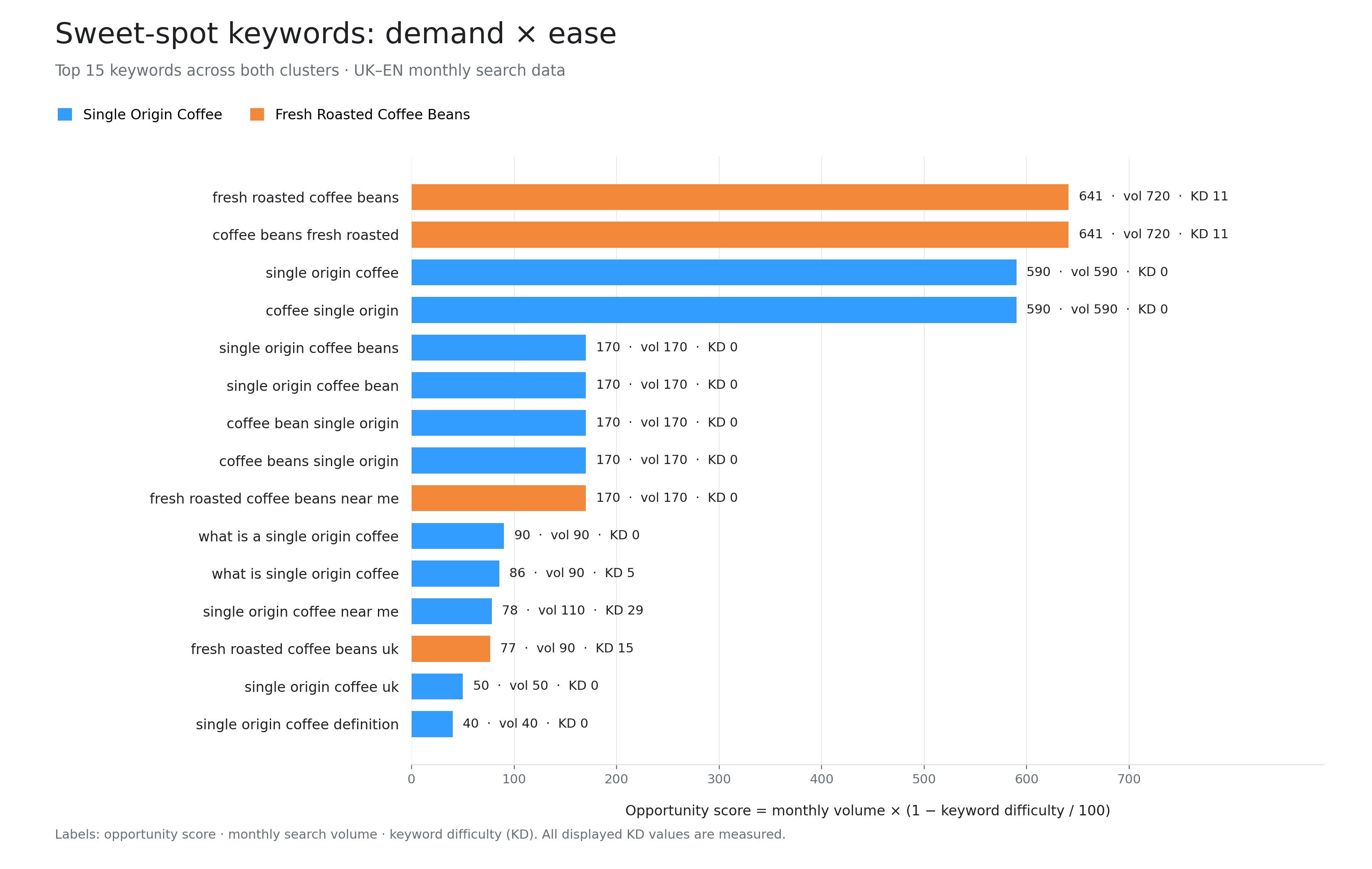
Chat-GPT using WebMCP to show the sweet spots in terms of volume and difficulty

Inspiration
For years I have treated SEO as something complicated, difficult and distant. It was only 7 months ago that I became fascinated with SEO. I had the opportunity to closely collaborate with a couple of strong SEO professionals at work and they inspired me to go deeper into the topic and to discover its richness.
Still, most of my colleagues don't share my enthusiasm for SEO. Additionally, I've had the opportunity to discuss SEO in detail with a few SEO agencies and through those conversations I discovered that most small and medium businesses are scared of and confused by the topic of SEO - just as I was a few months ago.
Others, even if they are interested in getting better at SEO, find the dedicated professional SEO tools unaffordable and never dig deeper. Those who do use the popular paid SEO tools are drowning in enormous tables and sheets with keywords that they share back and forth with colleagues and clients.
At the same time, there are affordable, high quality data sources, such as DataForSEO. If only someone integrated with them, made sense of all of the endpoints that they offer and mapped those to client needs in an elegant way... But that won't fully remove the barrier to the topic of SEO for everybody.
So when I heard about the WebMCP hackathon I saw an opportunity to expose as WebMCP tools the key steps in a few SEO workflows. This way, essentially giving easy access to all of the SEO data that people are drowning in or confused by. And then a user could open ChatGPT and suddenly make sense of it all by asking a couple of questions in chat.
WebMCP is a real opportunity to make the SEO topic accessible to so many small and medium businesses and help them get found in a world that is increasingly drowning in data and slop.
What it does
SEOstrich enables you to collaborate with an AI Assistant to make sense of complex detailed SEO analyses (SEO content opportunities, AI visibility reports). This way human + agent co-design an SEO strategy that helps their websites get found. WebMCP enables a person to use the outputs of a few SEO AI Agents, analyze them, edit and shape them in collaboration with their own AI Assistant so that the final strategy is tailored precisely to the given business's needs and goals.
Examples of what people and agents could do together:
- take the SEO content strategy and the AI visibility reports generated for a given business. Use the WebMCP tools to construct a detailed content calendar for the next three weeks - one long-form post targeting organic SEO and two shorter posts aimed at increasing AI citations. For each post pick the primary keyword from the given content pillar and enrich that with a few secondary keywords, essentially calling the DataForSEO data source. Then recommend the structure of each post. The human then writes the posts themselves to make it sound genuine and avoid it being perceived like another piece of slop on the internet. In other words, even though I haven't built the content calendar functionality exactly as a set of users need it and there are no post briefs yet, the users' agents have all the necessary tools to generate a calendar according to the cadence and requirements of their own business
- the SEOstrich agent has recommended 3 to 4 pillars of the content strategy (main themes to write about over time) - based on the initial brief and subsequent keyword analysis. However, one of the pillars doesn't resonate with the user, one of the discarded clusters is actually good in their opinion and there is a missing part of the brief that deserves a dedicated pillar in the content strategy. The human explains that to their own agent, which can further analyze in detail the existing clusters, can perform extra searches against the DataForSEO data source and give a recommendation. The fully WebMCP enabled system allows the agent to reach conclusions such as: "fine we can drop that cluster that you didn't relate with, but the discarded cluster should remain discarded as there is barely any demand for it and creating content on those topics is a waste of time. However, your new addition to the brief makes total sense, it comes with a lot of demand and the topics are genuinely in line with your interests."
The above is a significant improvement in the usability of SEO research and analyses. While users still have access to all of the SEO data, they don't have to get lost in countless spreadsheets, filters, tabs, etc. Instead, it is enough to communicate their intent to their own agent. By exposing a rich set of read and write WebMCP tools, SEOstrich enables users' agents to shape analyses and strategies exactly as per their users' intent - without being limited by specific workflows that have been built or missing functionalities. The goal is one - SEO shouldn't be something distant and confusing - it should be just a tool that anybody could use to help make their business get found.
How we built it
The stack includes a Next.js frontend, hosted on Vercel, that registers 23 tools on document.modelContext, and a FastAPI backend that runs on Railway. Both SEO flows (content strategy and AI visibility) run as fixed code graphs where the order and gates are set in code, while the models reason about the data, decide grouping and wording. DataForSEO is used as the source of keyword insights such as term difficulty, demand, what your competitors already rank for, what people actually ask in ChatGPT and Google AI. There is per-run locking and append-only history for each generated SEO report, so that several judges can edit the same report safely. There is also an option to restore the defaults of seeded reports.
The baseline project that I started with had a broken single-turn orchestrator, poor limited UI, no status streaming, no WebMCP support, no graphs for the critical parts of the SEO workflows, wasn't hosted anywhere, had drained my DataForSEO account a couple of times due to inefficient wiring. It had a half-working POC memory system that made matters even more complicated.
The memory module has been fully unplugged, to allow for clear focus on the SEO + WebMCP theme. During the past 5 days, over close to 100 commits, I have tidied up the orchestrator, designed two dedicated SEO agents with full WebMCP support in mind, have worked on the UX of the system, a bit of its branding and have deployed it online.
The way I built the whole thing was by using a coding assistant, thoroughly testing locally and only then pushing commits to production.
Challenges we ran into
the major product challenge that I ran into, while building SEOstrich, was how to design the role of chat vs. the final produced SEO artefact (a report, a strategy doc). Initially they felt disconnected from one another, so I made the following choice - the artefact is the center of the system, not chat. This product helps you make strategic and tactical decisions about your SEO work. You do start building an SEO strategy in the chat, but then the artefact starts shaping in front of you. You don't depend on the already built agent in SEOstrich - you have full control to steer it at every step of the way - but the final output, the sole reason why you are using SEOstrich in the first place remains at the center of the experience - not the chat.
while building the product, during the first couple of days I used Qwen Code and the Qwen models, as I wanted to get a better feel for them. First, I suffered from significant latency in LLM calls and second, I tried testing using my Qwen token plan instead of the Cloud plan (indeed an unintended use) which resulted in a range of implementation that I didn't need and made a bigger mess of an already messy foundation that I started with. Additionally the most powerful Qwen model wasn't always able to plan things properly with me, so that we get things resolved - it missed the goal for the specific tactical decisions. This was a very painful experience, partly self-inflicted, but still painful. How I solved this was to move all agent execution to the gpt-5.6-Sol and Terra models, which reduced latency incomparably and used a combination of Claude Code with Fable 5.1 and Opus 5 for the development and gpt-5.6-Sol for visuals.
Accomplishments that we're proud of
- have reduced my DataForSEO budget drain significantly by introducing the following mechanisms: a budget cap for a DataForSEO run, a 7-day response cache to remove the need to call DataForSEO for local testing with the same inputs, the ability for users to request a re-run of the keyword research for select individual clusters or keywords, without re-generating the whole analysis needlessly from the start
- provided not only read WebMCP tools that one could use for analysis, but such tools that could drive the SEO agents, re-run and edit select parts of the graph
- discovered an opportunity to improve the clustering of keywords based on SERP, so that the resulting SEO strategy pillars are based on what Google finds as the same topics, not what sounds like being the same thing, but actually ranks separately
- made the most of the recent DataForSEO developments related to GEO tools and built an AI citability analysis that exposes actual questions people ask, which makes your content work much more relatable and grounded in real demand
- ensured each step of each SEO graph has rich enough data made available for meaningful human + agent analysis
- followed a disciplined development process with a lot of commits, local testing and a deployed project from the first day, so that it could evolve, be evaluated, be reverted when needed and most importantly, not leaving configs for the last moment
What we learned
- to make the most of WebMCP, you need to design your product with it in mind. Otherwise you miss opportunities to provide a rich data surface that your users and their agents could collaborate on. If it weren't for WebMCP, some of the SEOstrich functionality would have been much shallower.
- making your product WebMCP ready early enables in-product AI assistants to be much more powerful from the start, even without explicitly designing a range of behaviors and workflows
- WebMCP essentially allows you to build a product at a core of a business process, launch early and enable users to significantly expand what they could achieve with your product way before you have built a range of dedicated functionality
- a cheaper model could quickly make developing your product more expensive for you
What's next for SEOstrich - GET FOUND.
- trace and eval the use of WebMCP tools to make informed decisions about the product's evolution
- expand the range of SEO capabilities - e.g. provide a richer content calendar functionality (that today could be built by users via the WebMCP), add detailed per-post SEO briefs that ensure articles make the most of the SEO opportunities discovered
- add multi-user support and give access to a few people who have been asking me for this, so that they could handle their own SEO work and share feedback
- add the ability for users to add their own API keys to their preferred AI model provider, as well as DataForSEO
- I'm planning to use SEOstrich to have a couple of my own projects get found and while doing so to further mature the system
- I expect that eventually I'll need to introduce the concept of projects to group a few reports on the same business in order to allow users to do more cross-report work directly in the system
Built With
- chat-gpt-codex
- claude-code
- dataforseo
- fable-5.1
- gpt-5.6-sol
- opus-5
- qwen-3.8-max
- qwen-code

Log in or sign up for Devpost to join the conversation.