Inspiration
Sentinel was born from a critical need in modern healthcare: the gap between patient data and clinical action. Inspired by the pressure faced in high-stakes environments like the Surgical Department at General Hospital, Gbagada, we set out to build a "Digital Watchman"—a system that doesn't just monitor vitals, but predicts risks before they become emergencies.
What it does
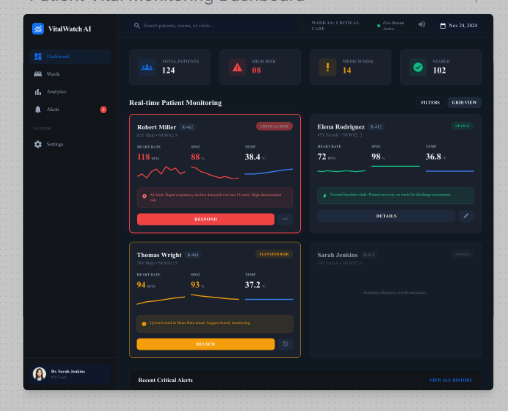
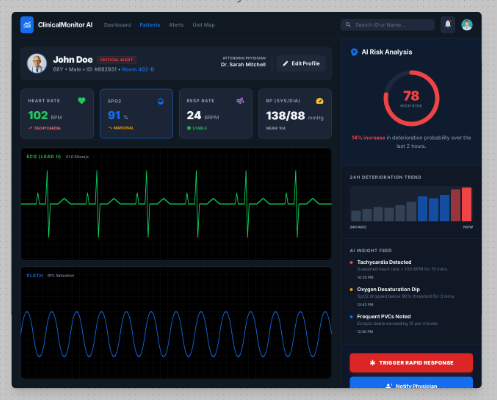
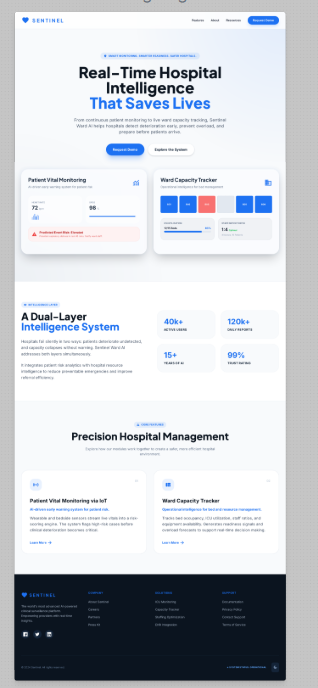
Sentinel Ward AI helps hospitals keep track of their patients as well as deterioration and prevent patient overload and prepare hospitals before patients arrive.
How we built it
There's an IOT and AI integration from the backend via Django and its Rest APi these were syncronized with the web frontend using Nextjs.
Challenges we ran into
IoT & Web Synchronization: Bridging the gap between physical hardware sensors and a real-time web interface was our steepest mountain. By leveraging AI-driven debugging and extensive technical documentation, we successfully established a seamless flow of live patient data.
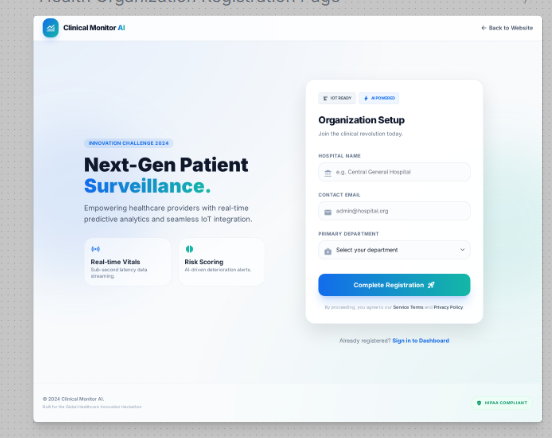
Data Integration: On the frontend, mapping complex API responses to a clean, intuitive dashboard proved difficult. Through a collaborative team effort and iterative design, we transformed raw data into the actionable insights now seen on the Sentinel interface.
Accomplishments that we're proud of
With strict submission deadlines, we had to prioritize core functionality without sacrificing quality. Our team’s synergy allowed us to deliver a fully functional, high-fidelity application that meets the rigorous demands of a hospital environment.
What we learned
Sentinel stands as a testament to what is possible when technology meets healthcare. It is more than just a dashboard - it is a commitment to Smart Monitoring, Smarter Readiness, and Safer Hospitals.
Built With
- axios
- django
- gemini
- lucide
- nextjs
- python
- raspberry-pi
- restapi
- tailwind

Log in or sign up for Devpost to join the conversation.