Inspiration
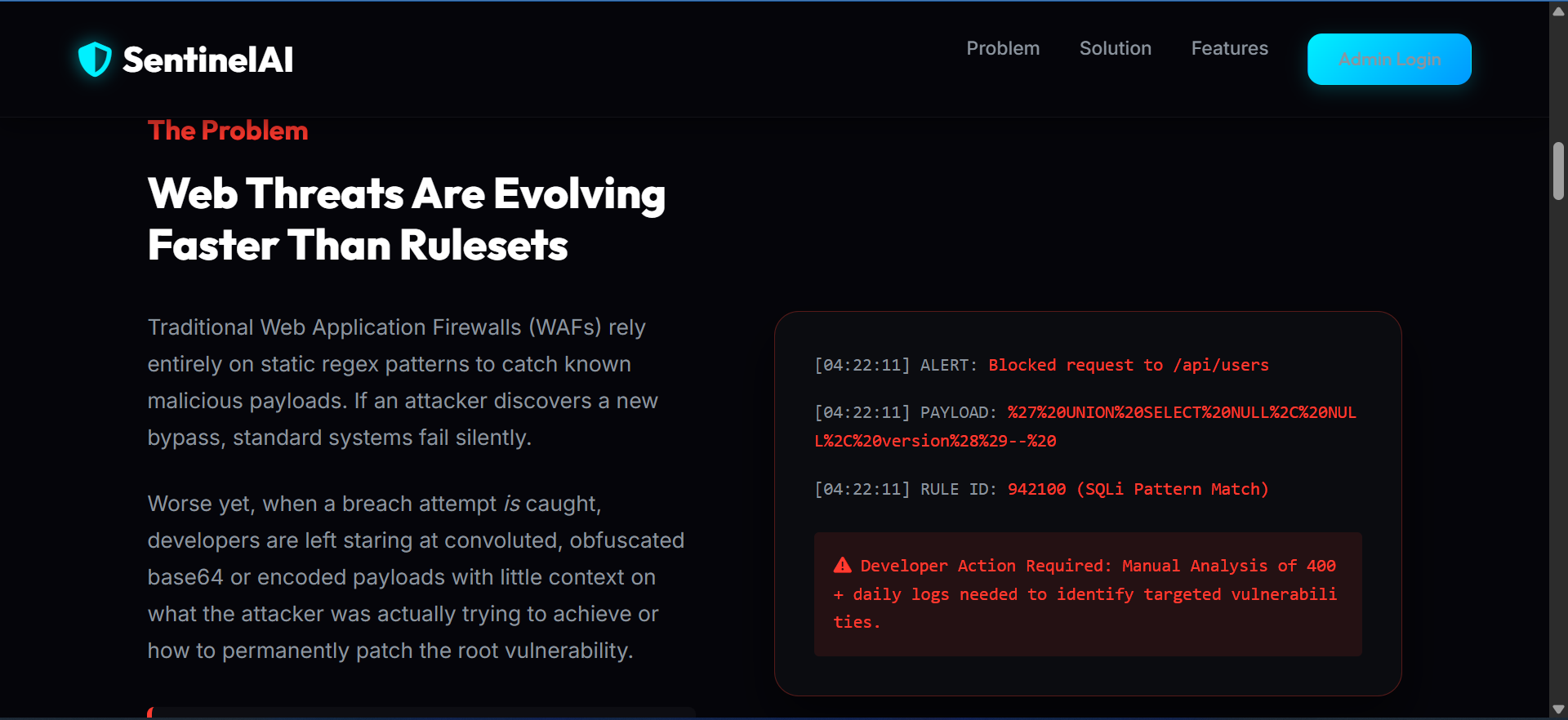
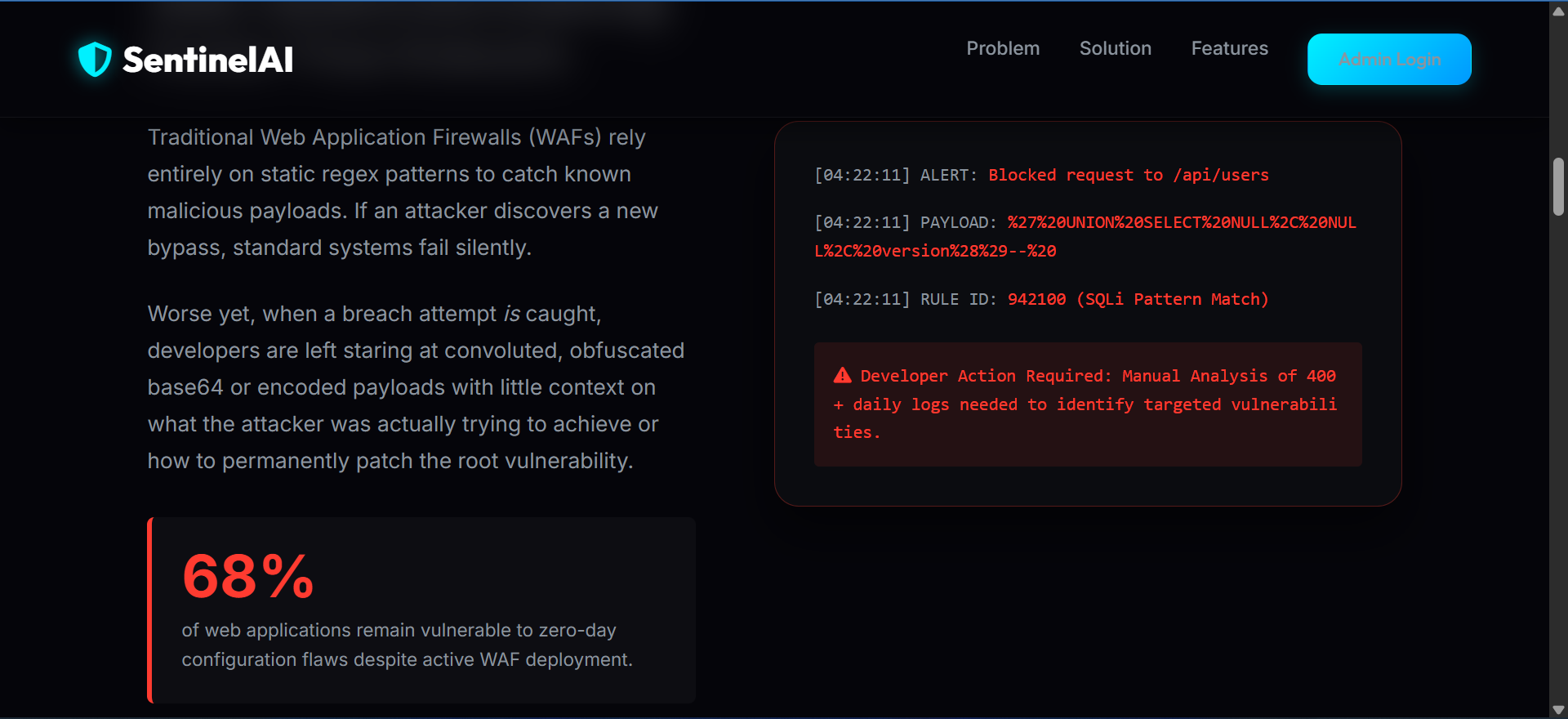
Modern web applications face constant cyber threats such as SQL injection, cross-site scripting, brute-force login attempts and automated bot attacks. However, many developers especially those building small projects or startups, lack access to affordable security monitoring tools.
I wanted to build a system that makes cybersecurity more accessible and understandable for developers. Instead of complex logs that are difficult to interpret, SentinelAI uses artificial intelligence to detect threats, analyze attacks and explain them in simple terms with recommended fixes.
The goal is to help developers detect and understand security threats before they cause damage.
What it does
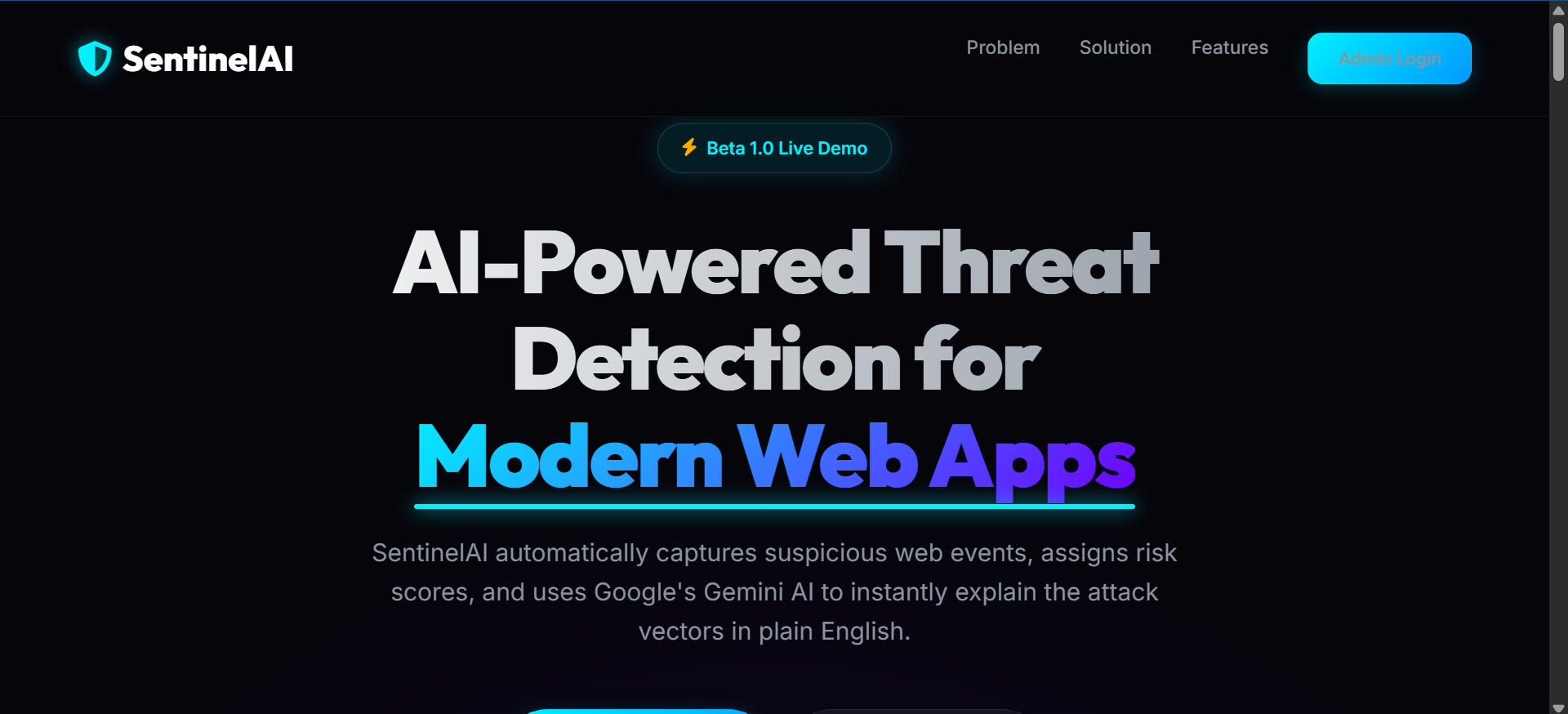
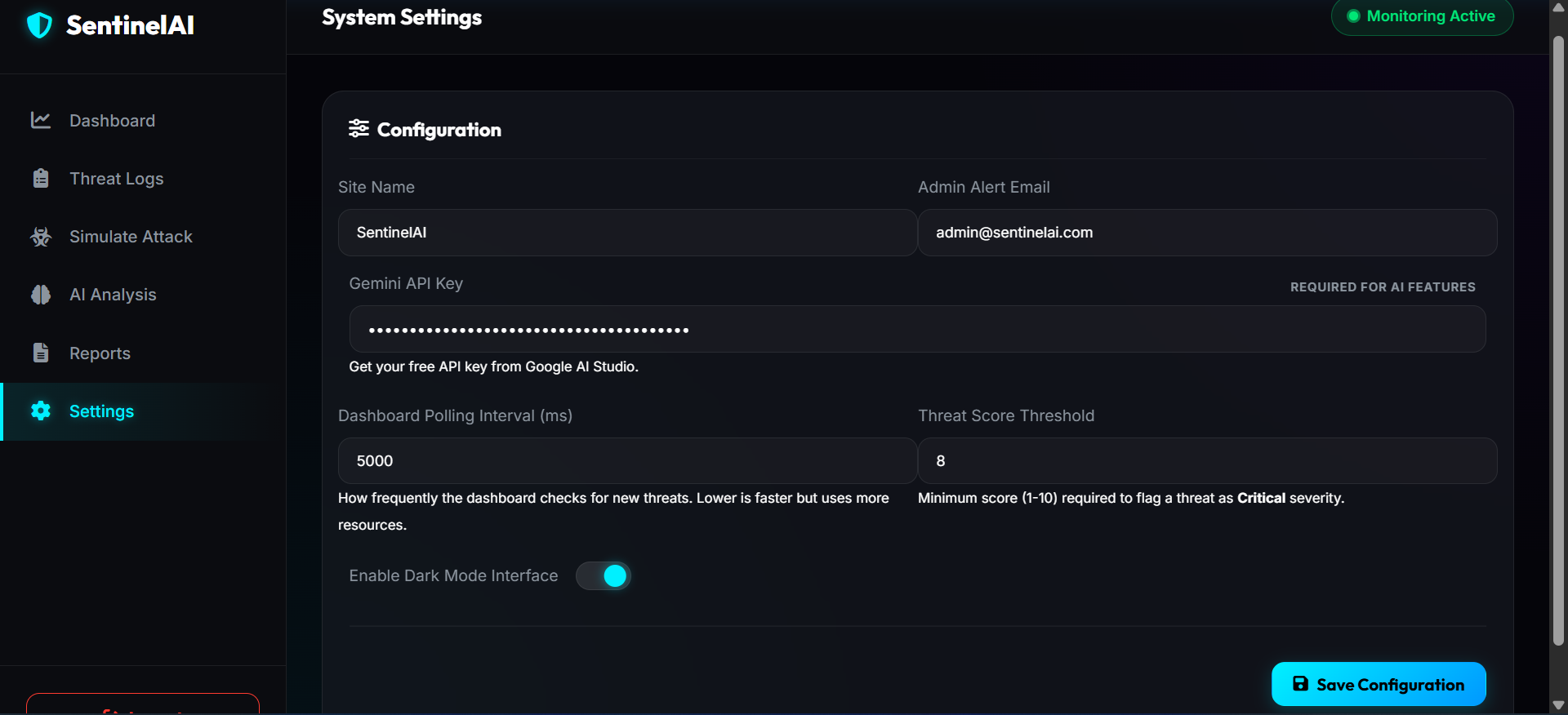
SentinelAI is an AI-powered threat detection and monitoring platform for web applications.
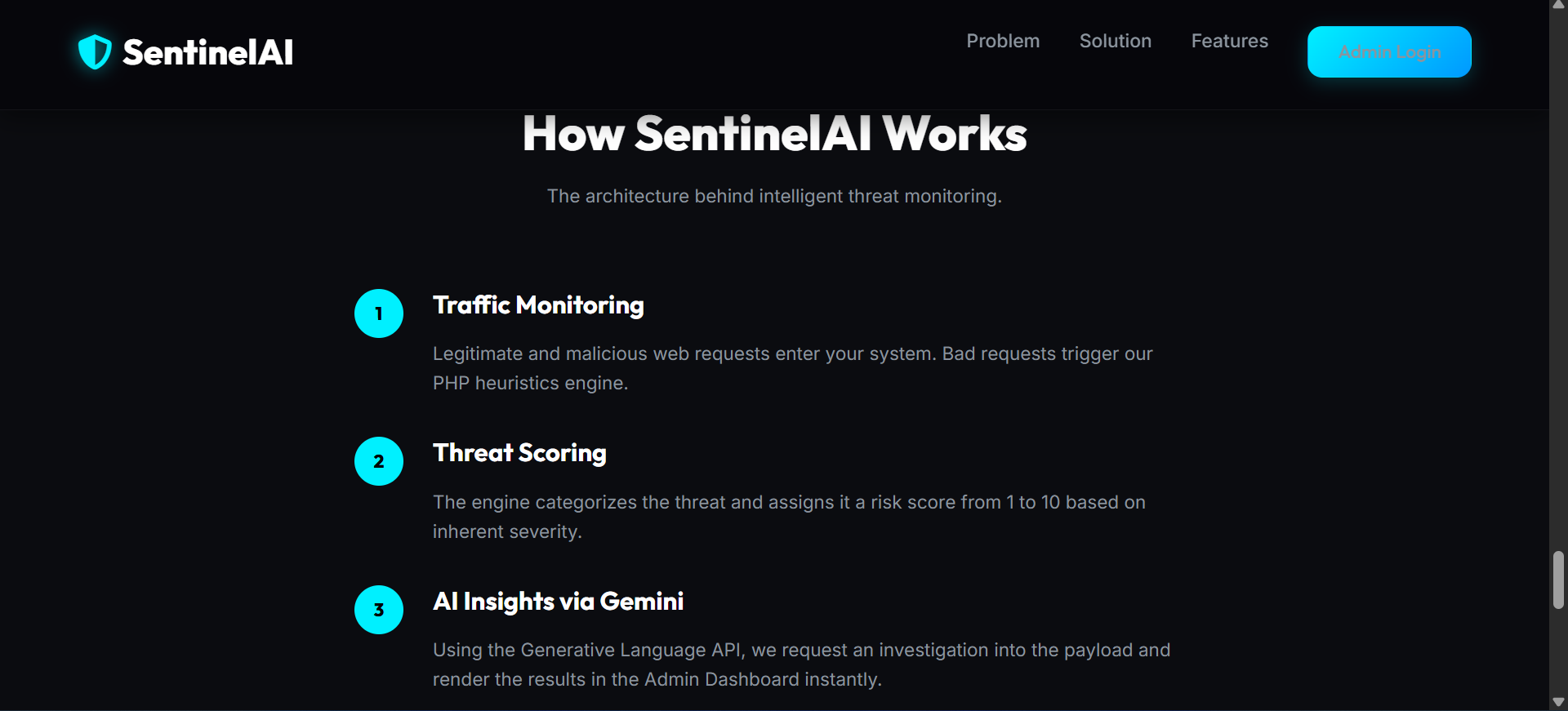
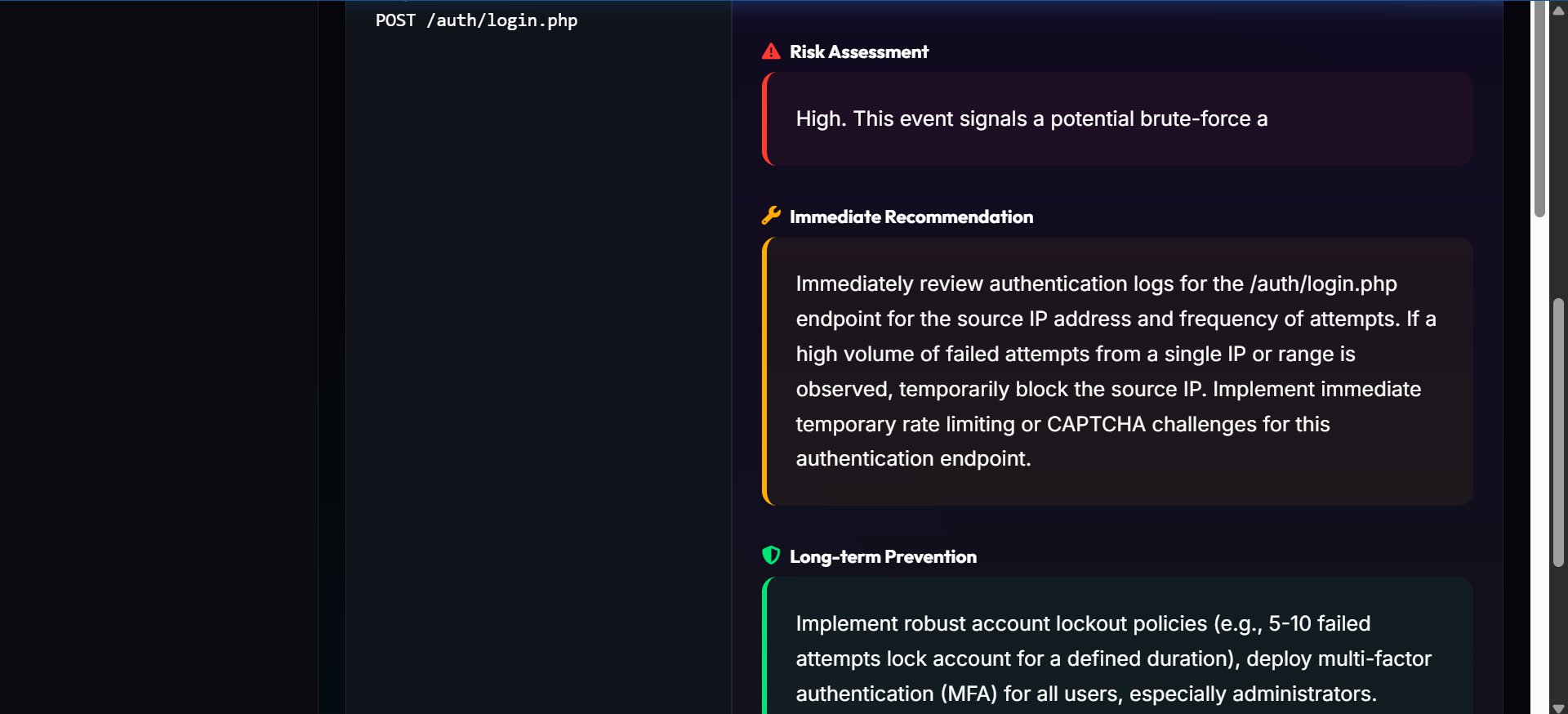
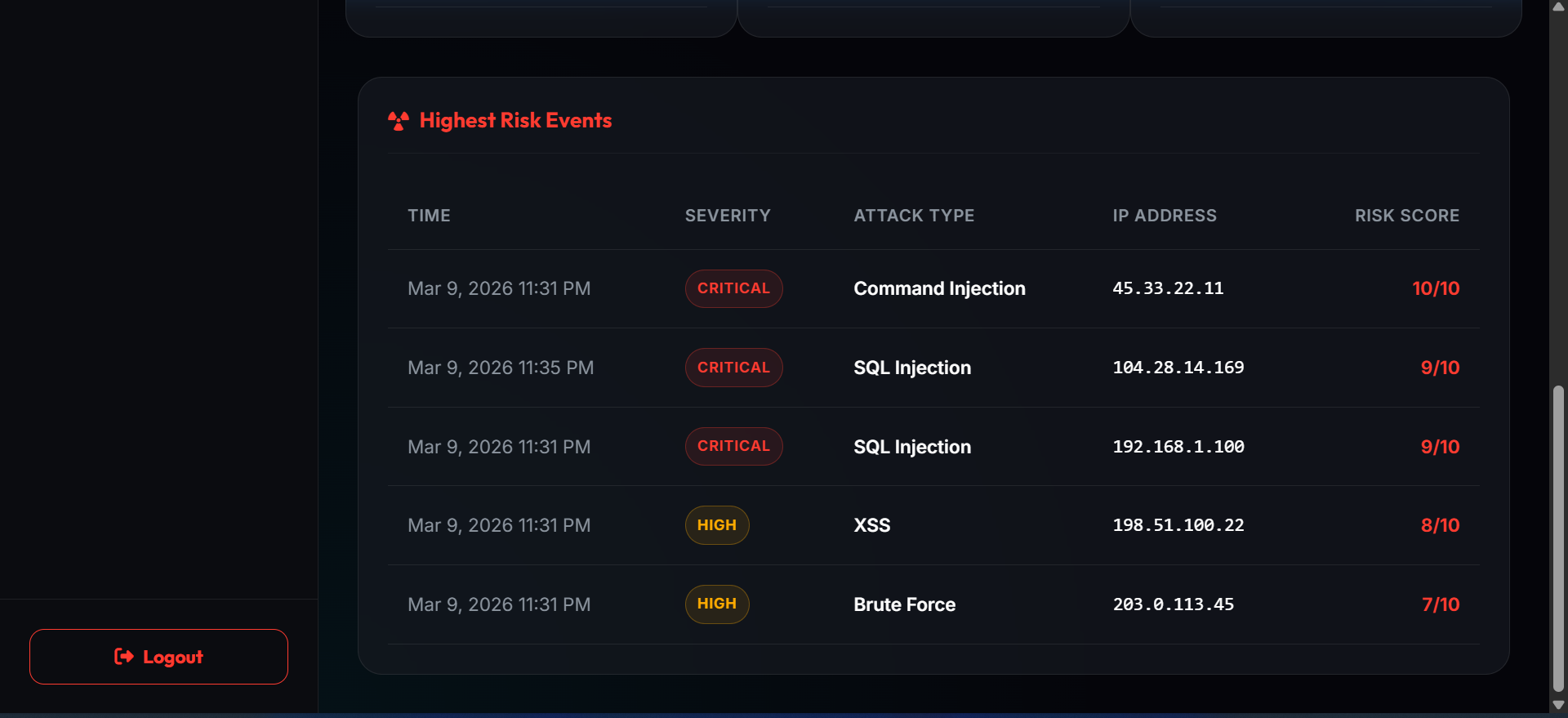
It monitors application activity, detects suspicious behavior, assigns a risk score to each event and uses AI to explain potential attacks.
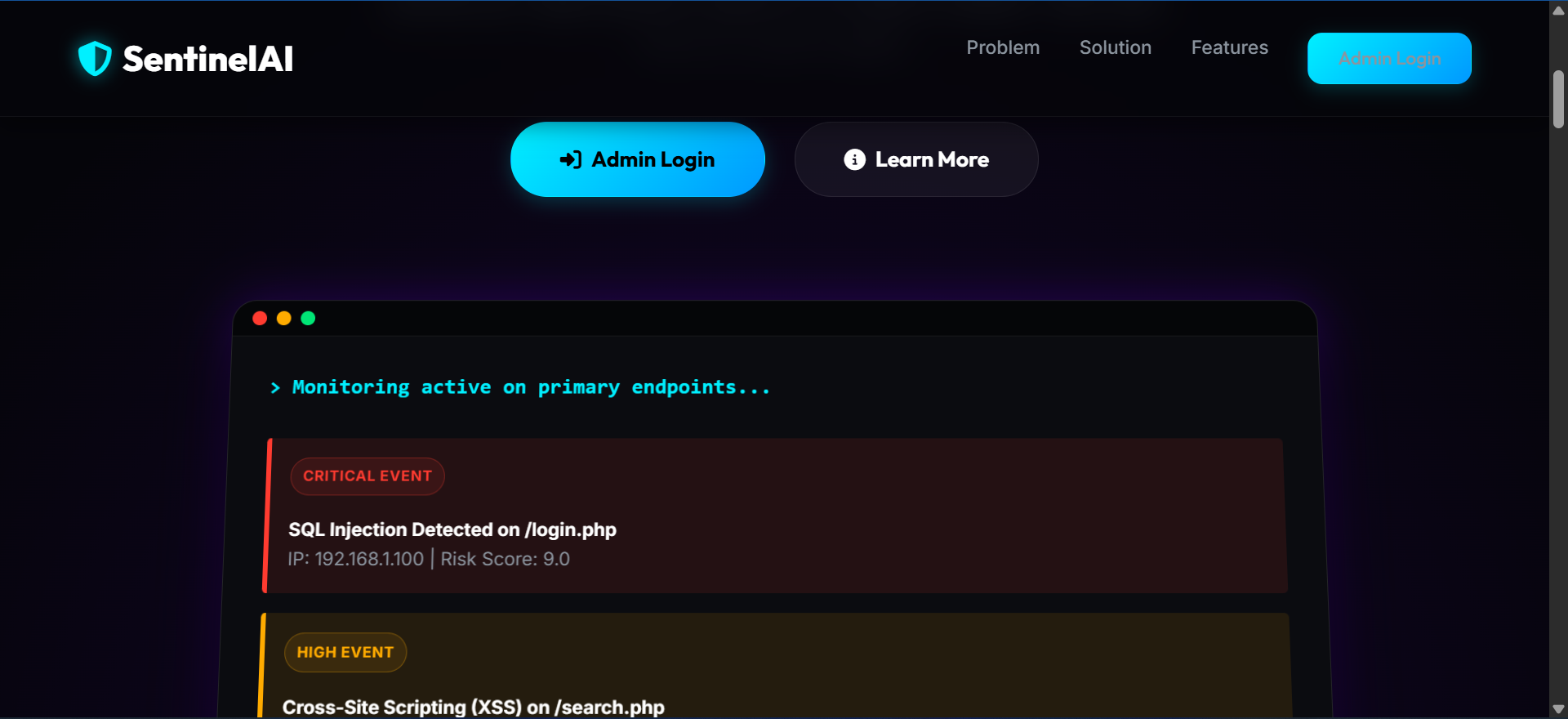
The system can detect common web attacks such as: SQL injection Cross-site scripting (XSS) Brute-force login attempts Bot traffic Admin path probing Command injection attempts
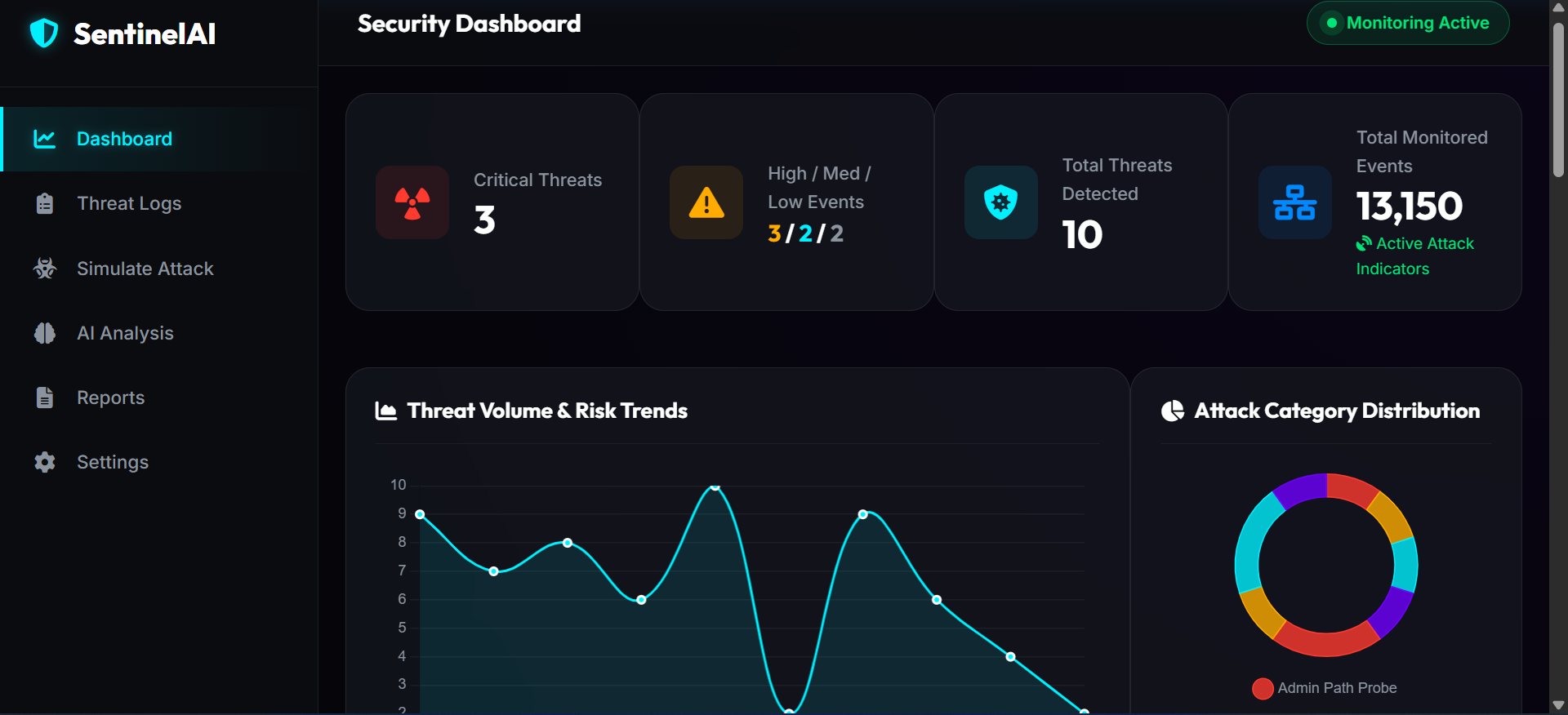
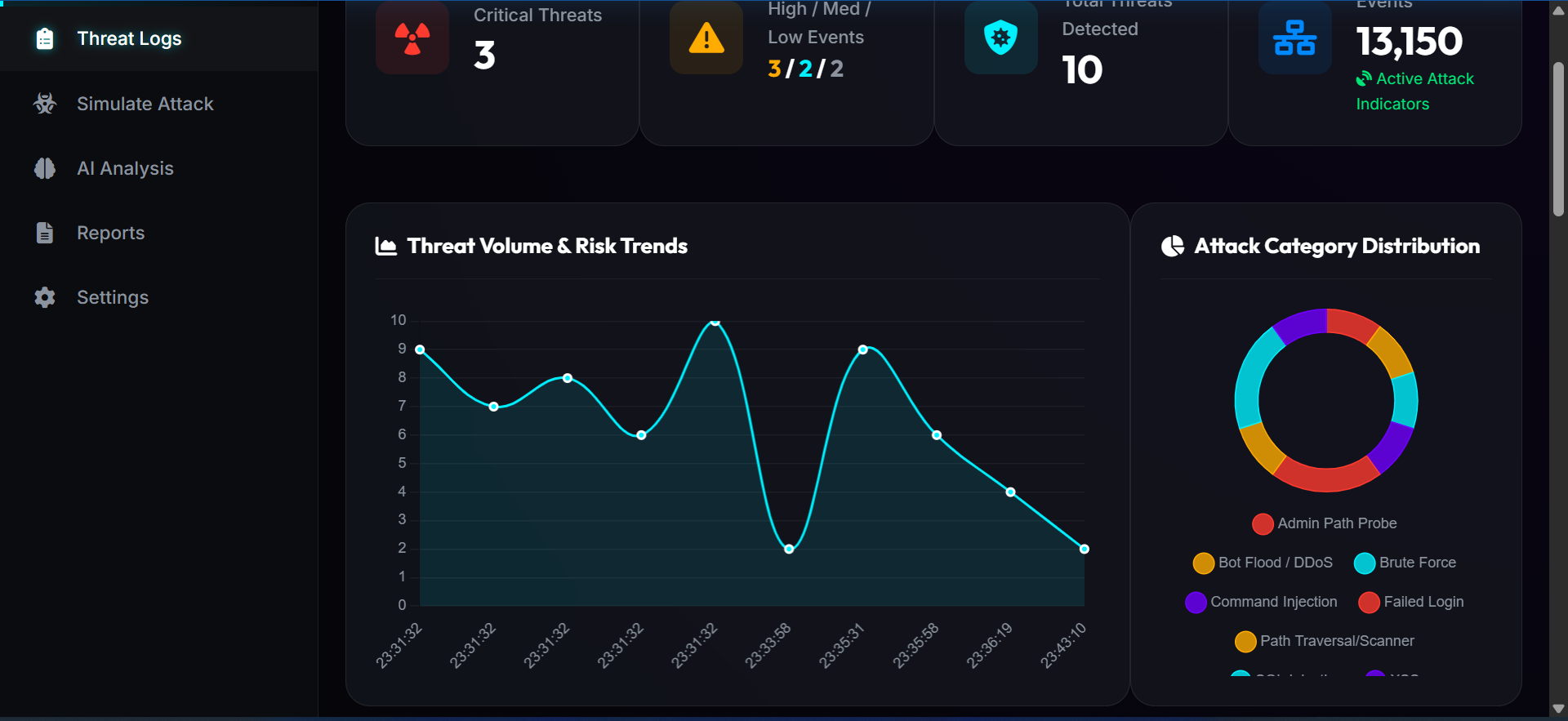
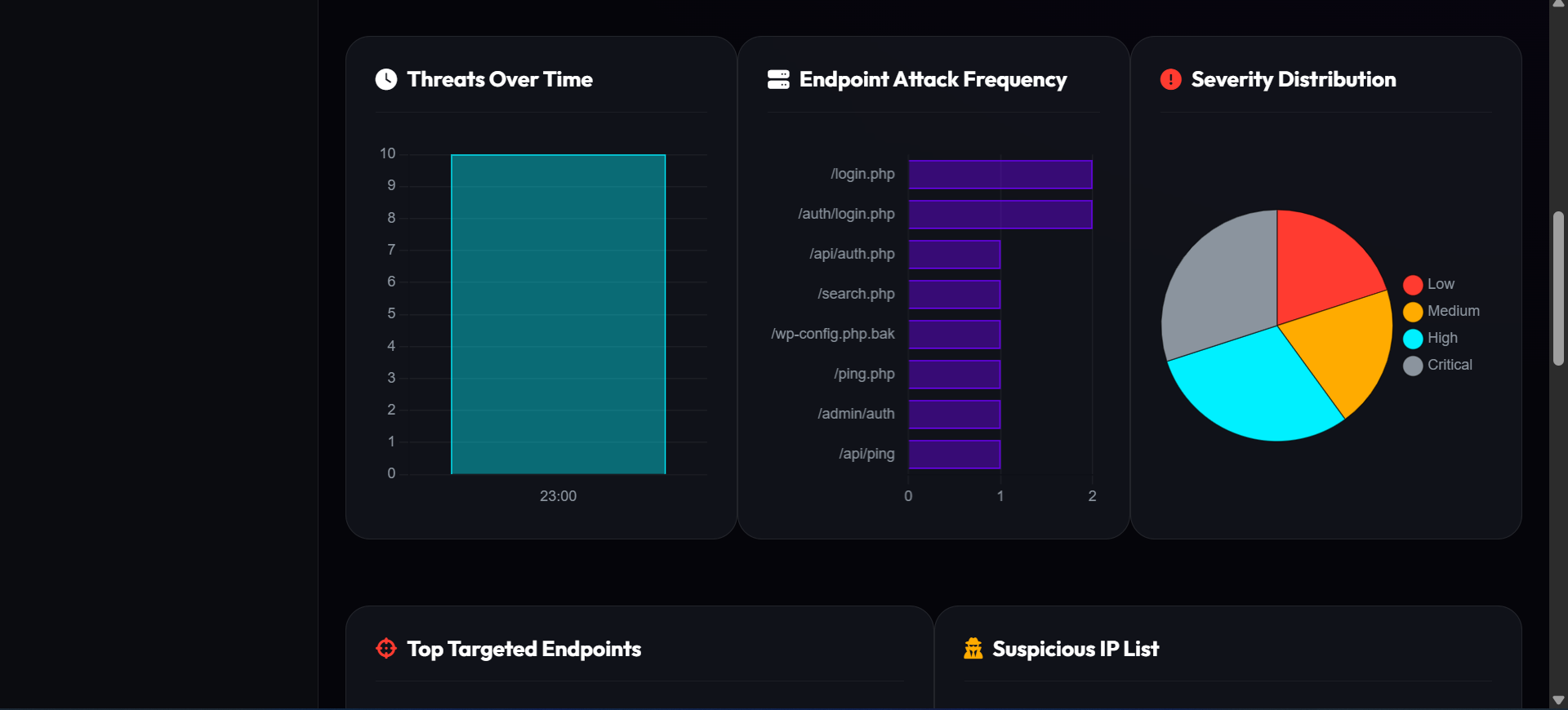
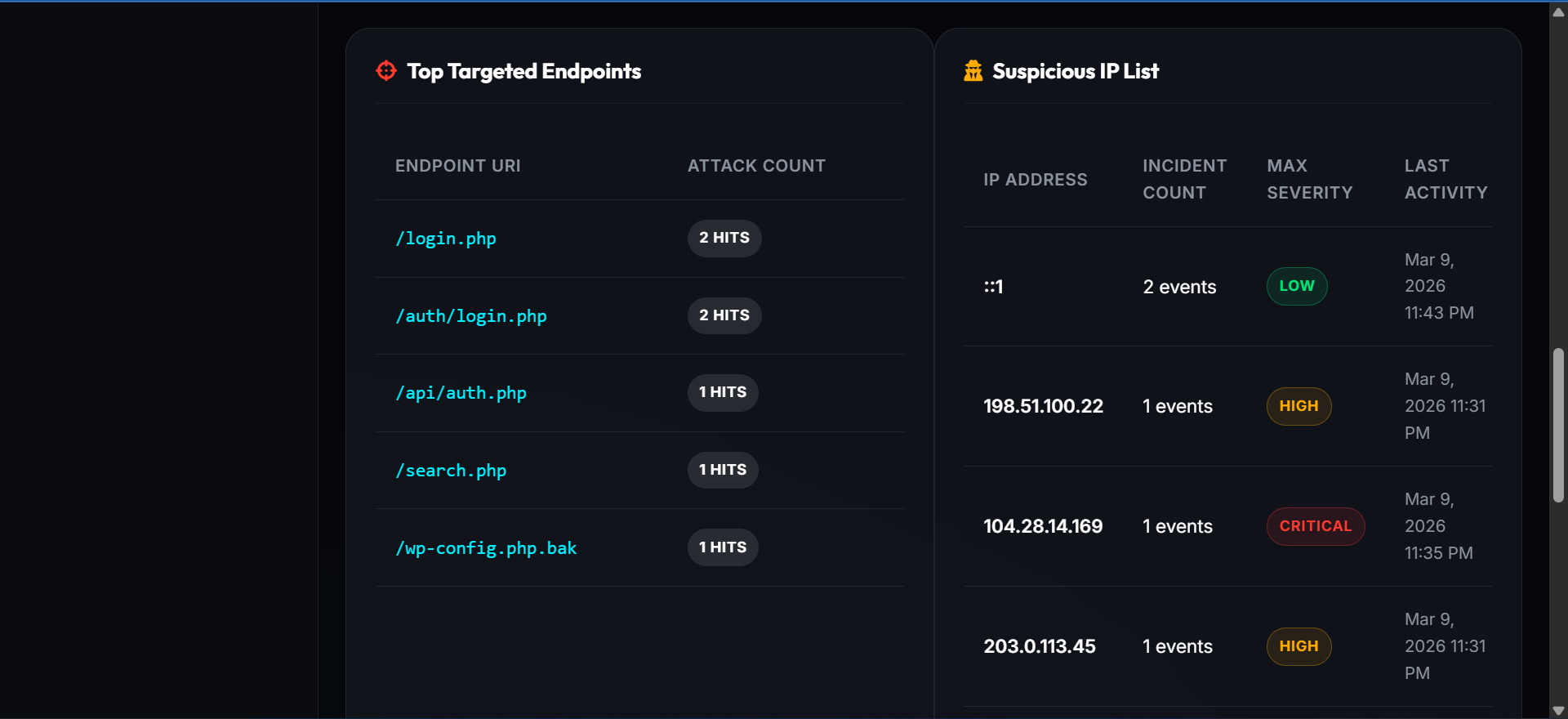
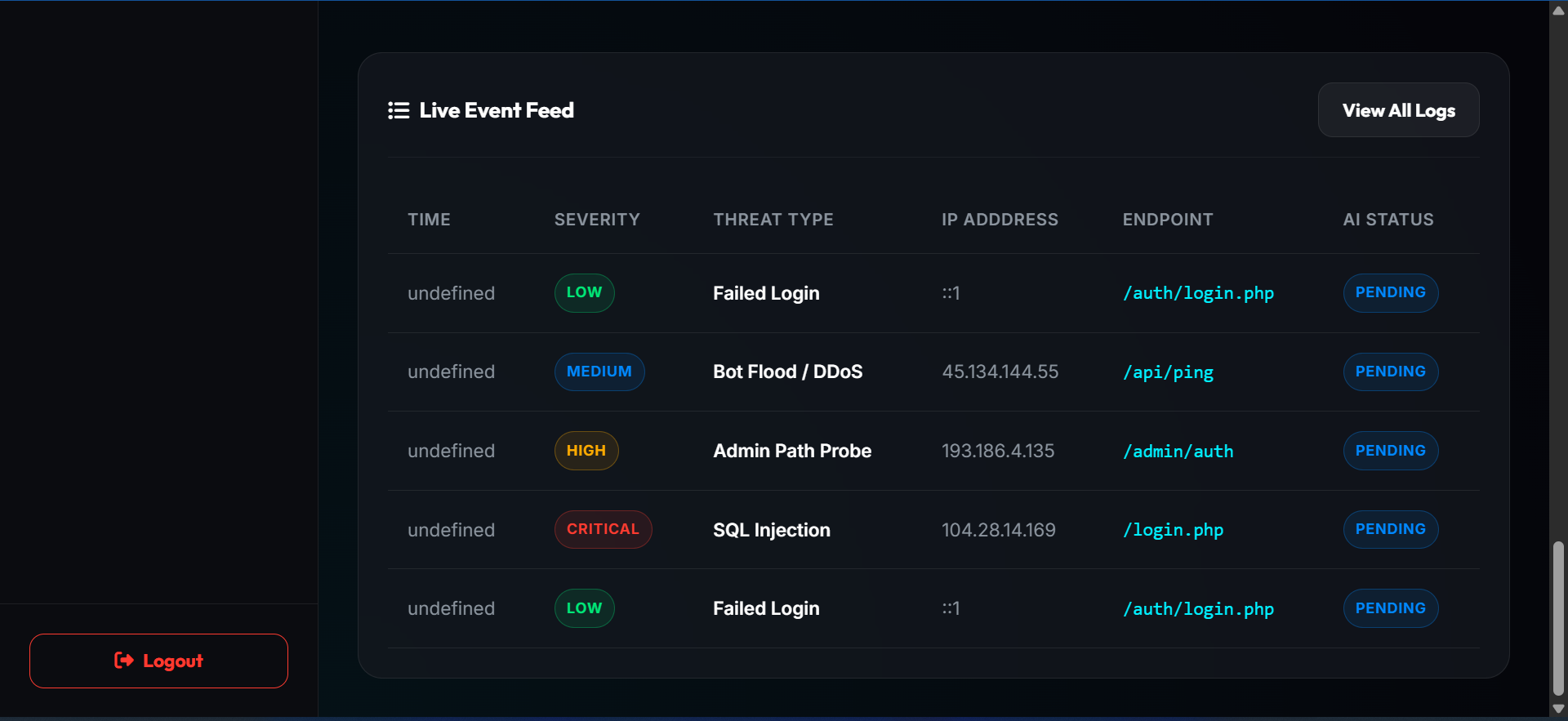
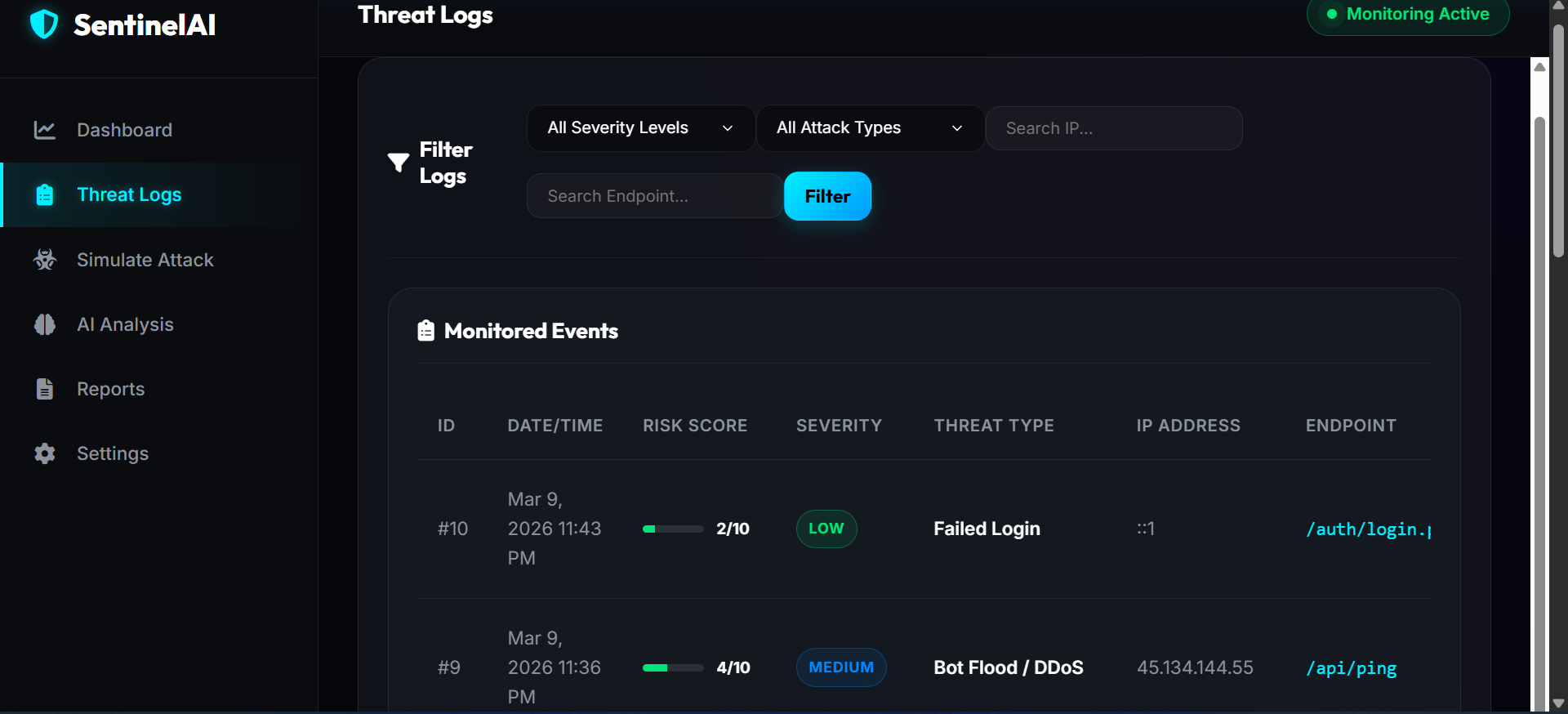
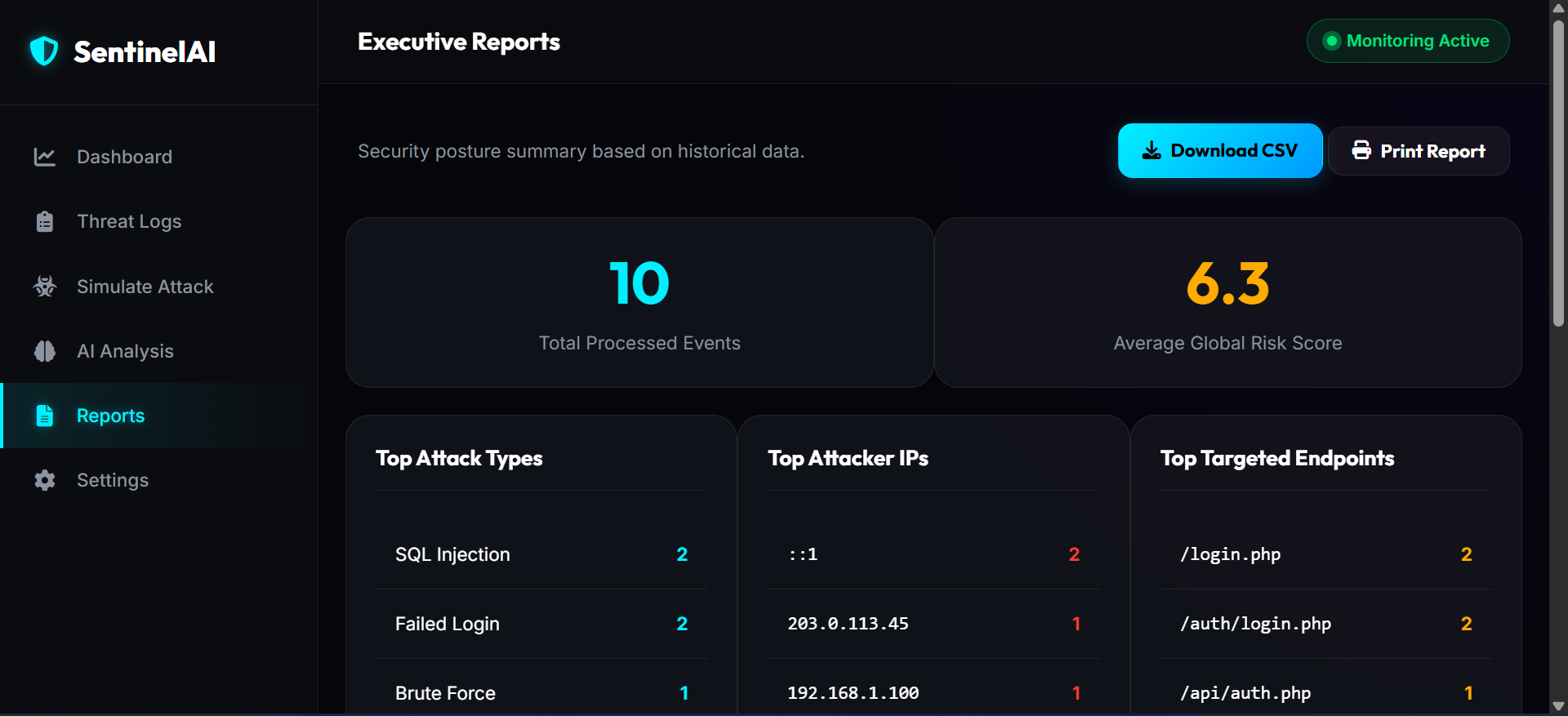
Each detected event is analyzed and displayed in a security dashboard, where developers can see threat logs, attack patterns and suspicious IP activity.
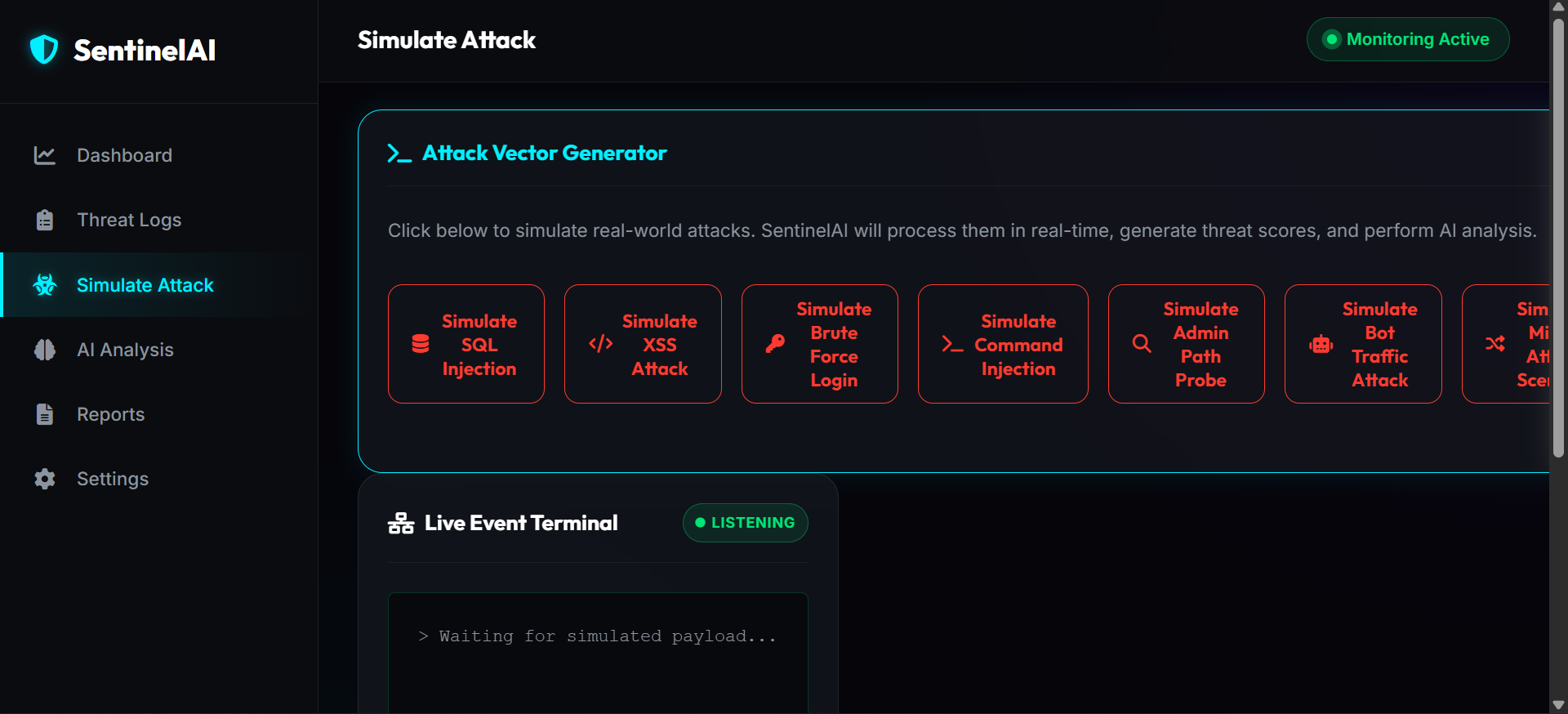
SentinelAI also includes an attack simulation module that allows developers to test how the system detects and analyzes different types of cyber attacks.
How I built it
SentinelAI was built as a full-stack web security monitoring system.
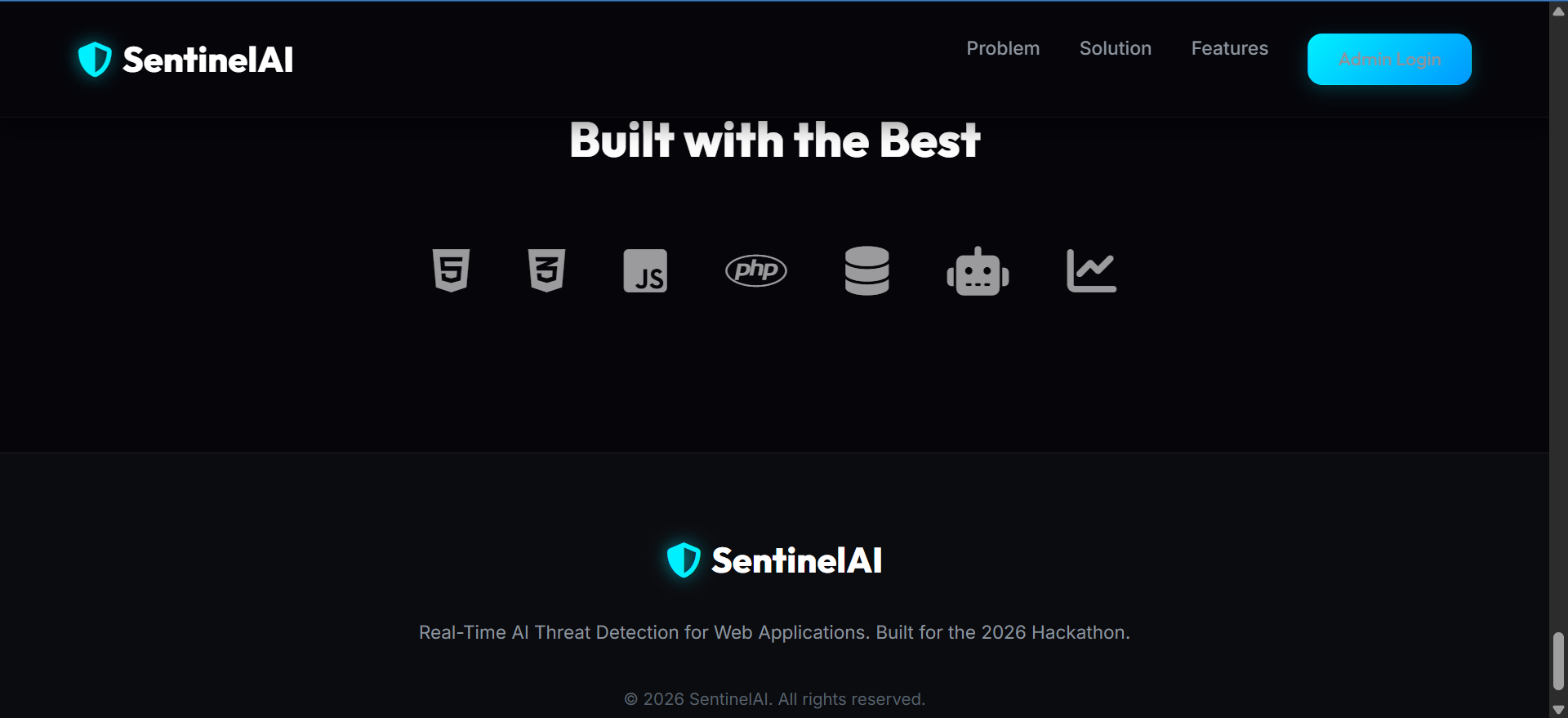
The frontend interface was developed using HTML, CSS and JavaScript, providing a modern dashboard that visualizes threat activity, risk scores and attack trends.
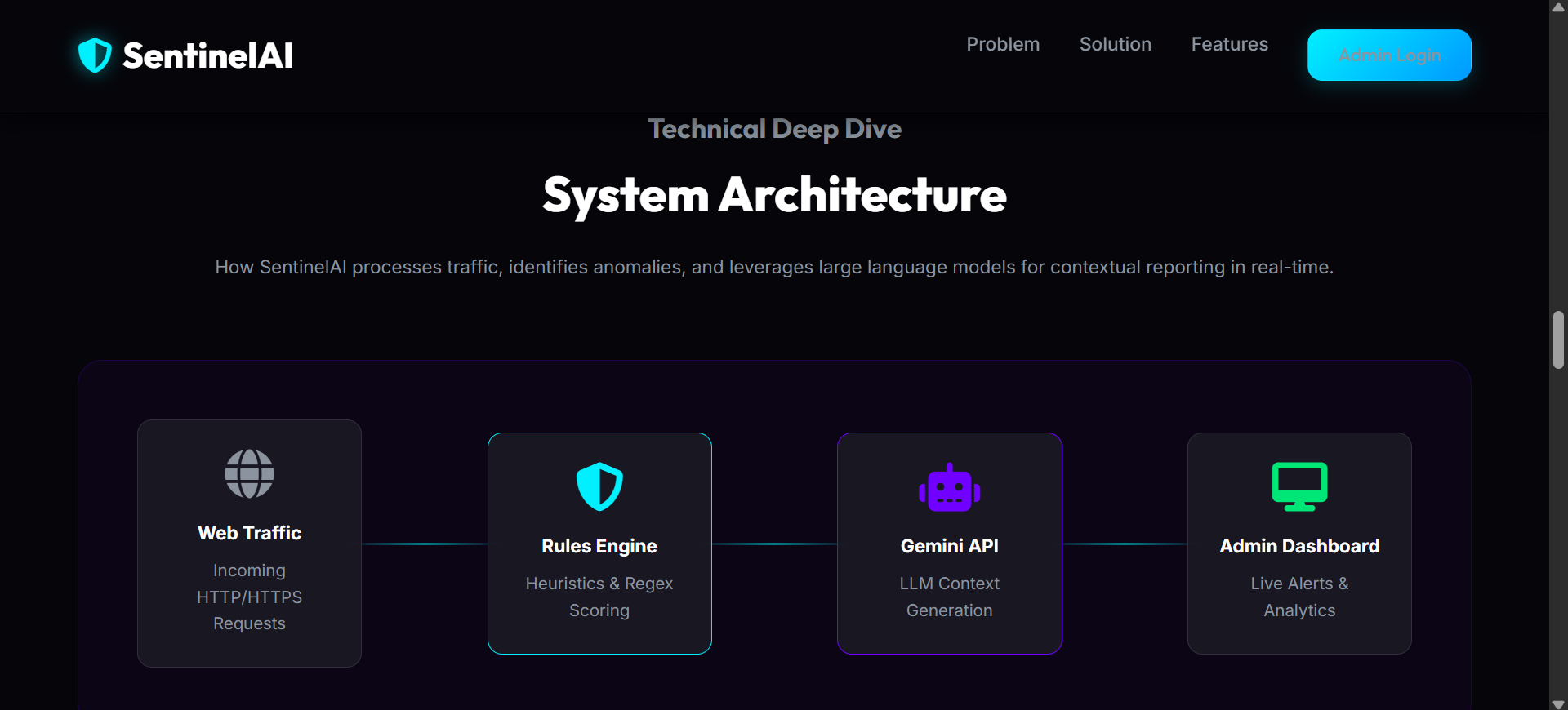
The backend was built with PHP, which processes incoming events, runs the threat detection logic and stores data in a MySQL database.
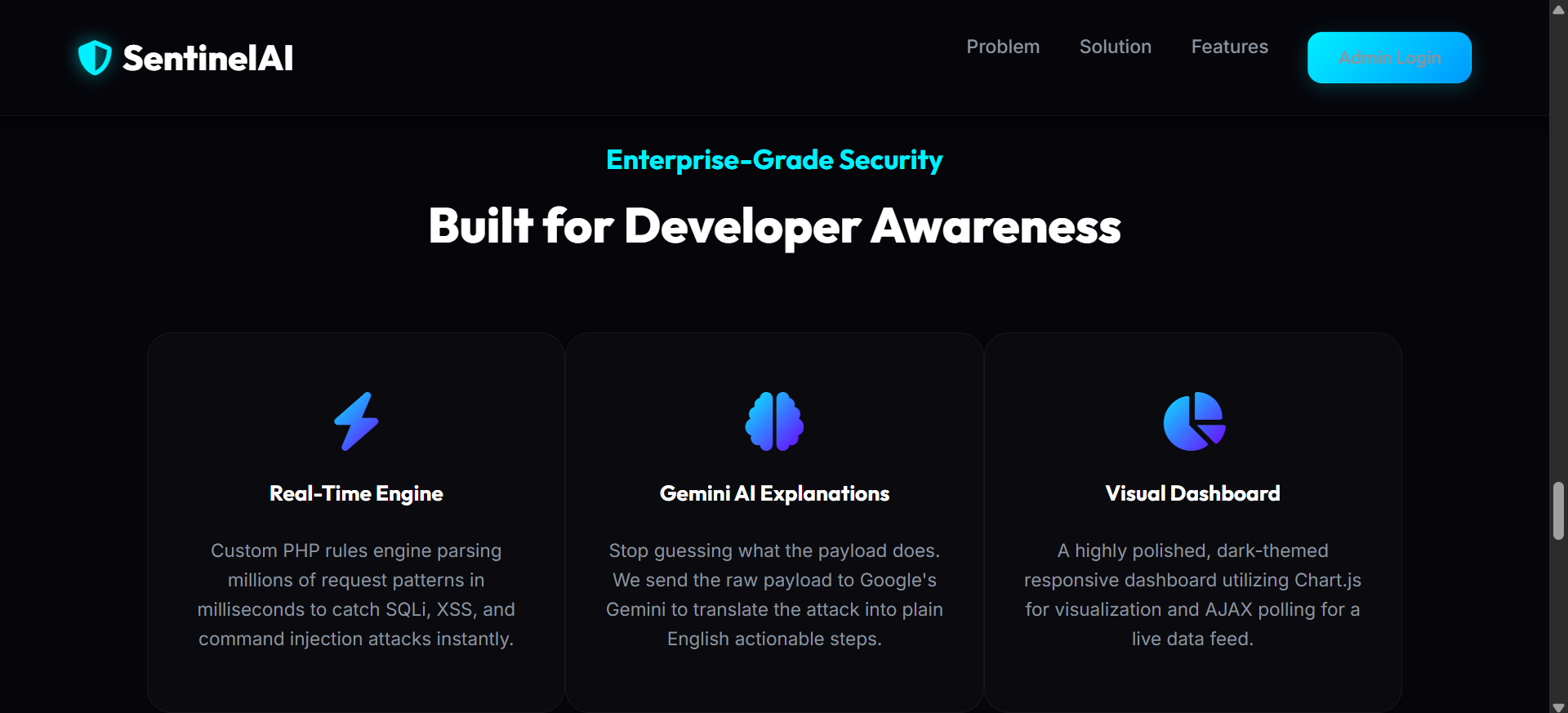
A rule-based detection engine identifies suspicious patterns such as SQL injection payloads, malicious scripts and repeated login attempts.
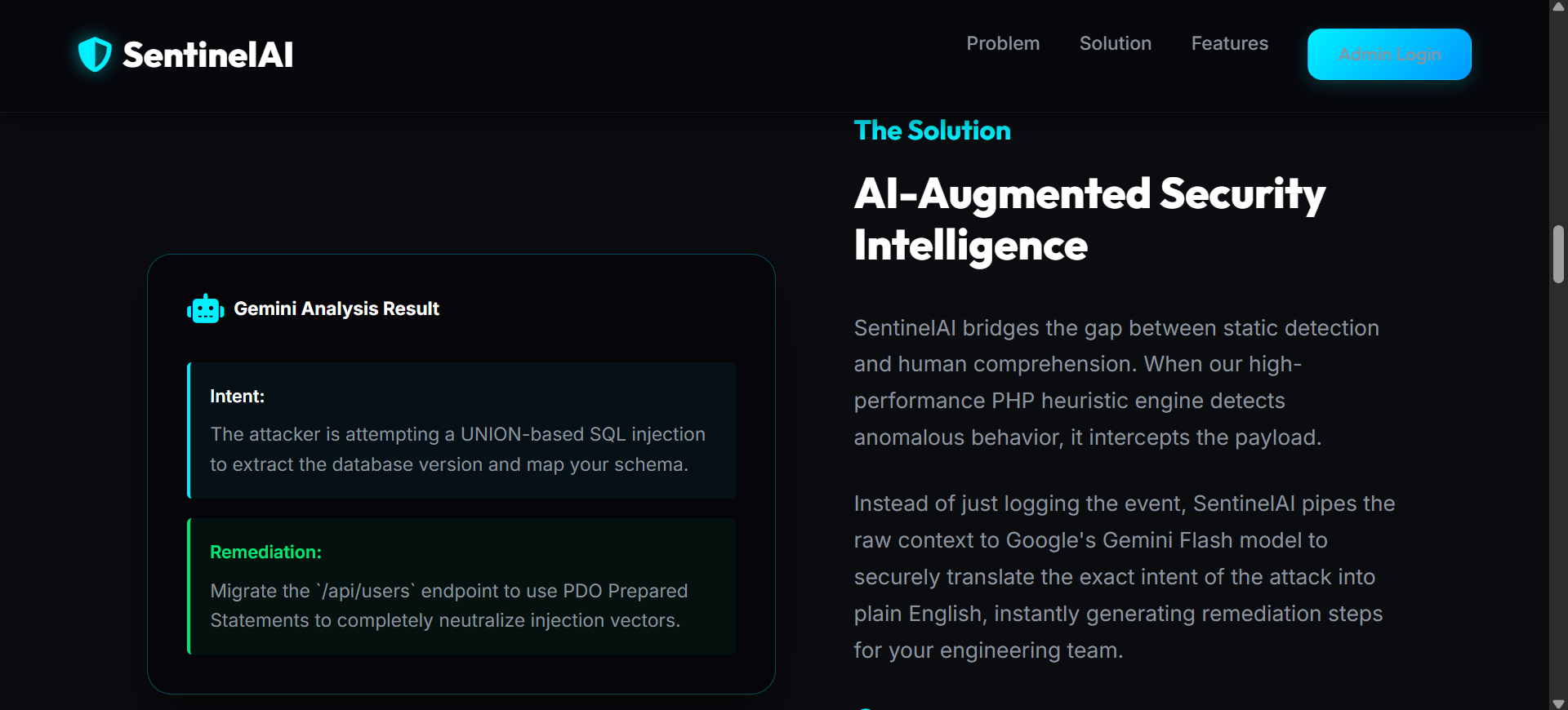
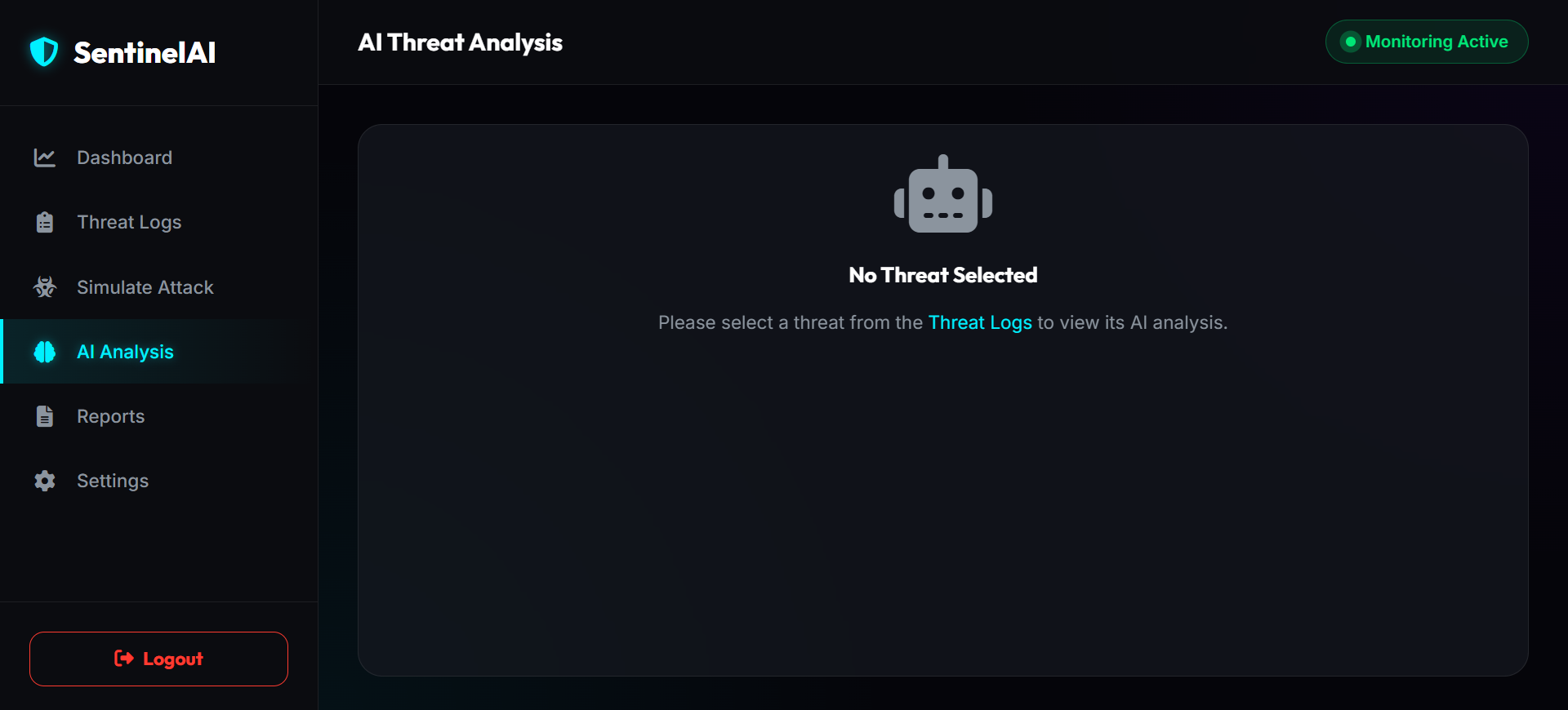
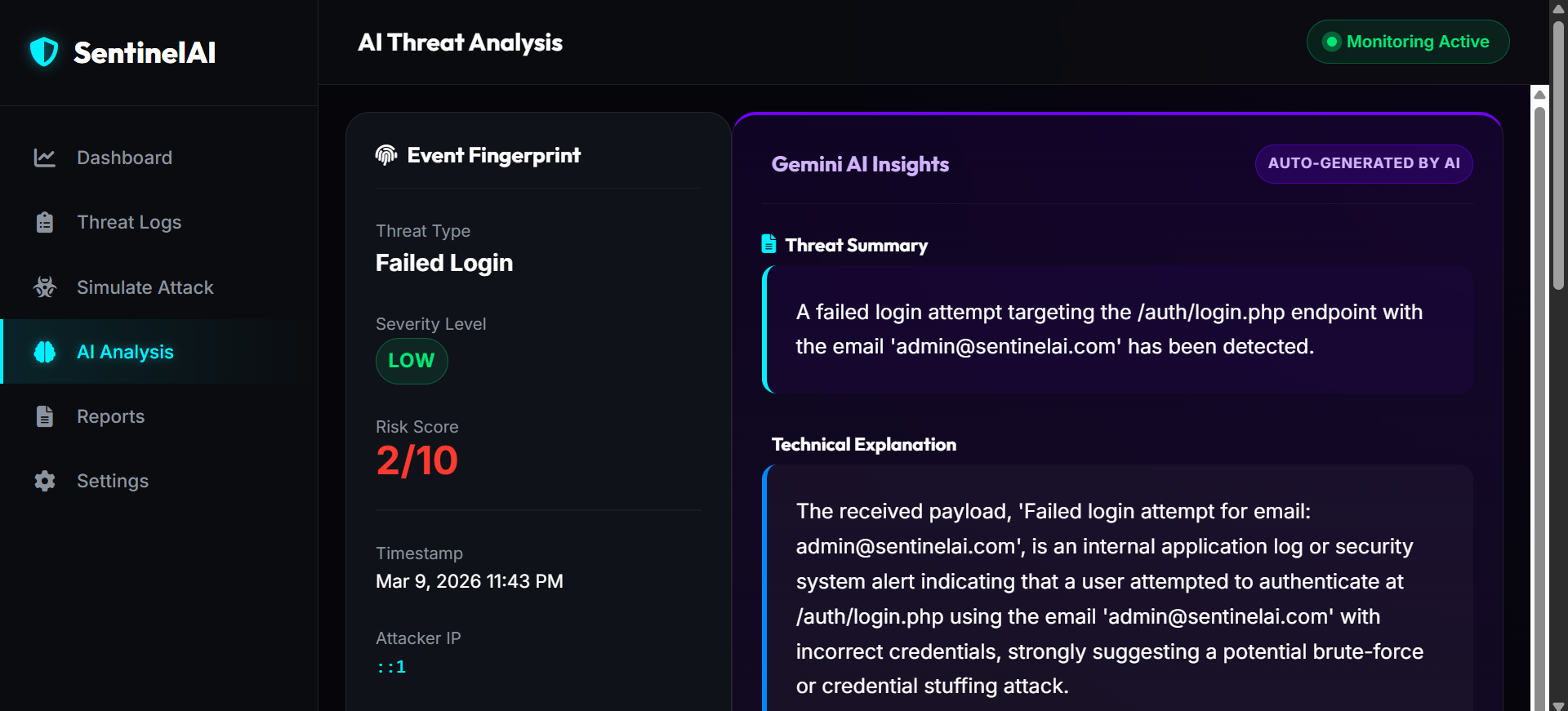
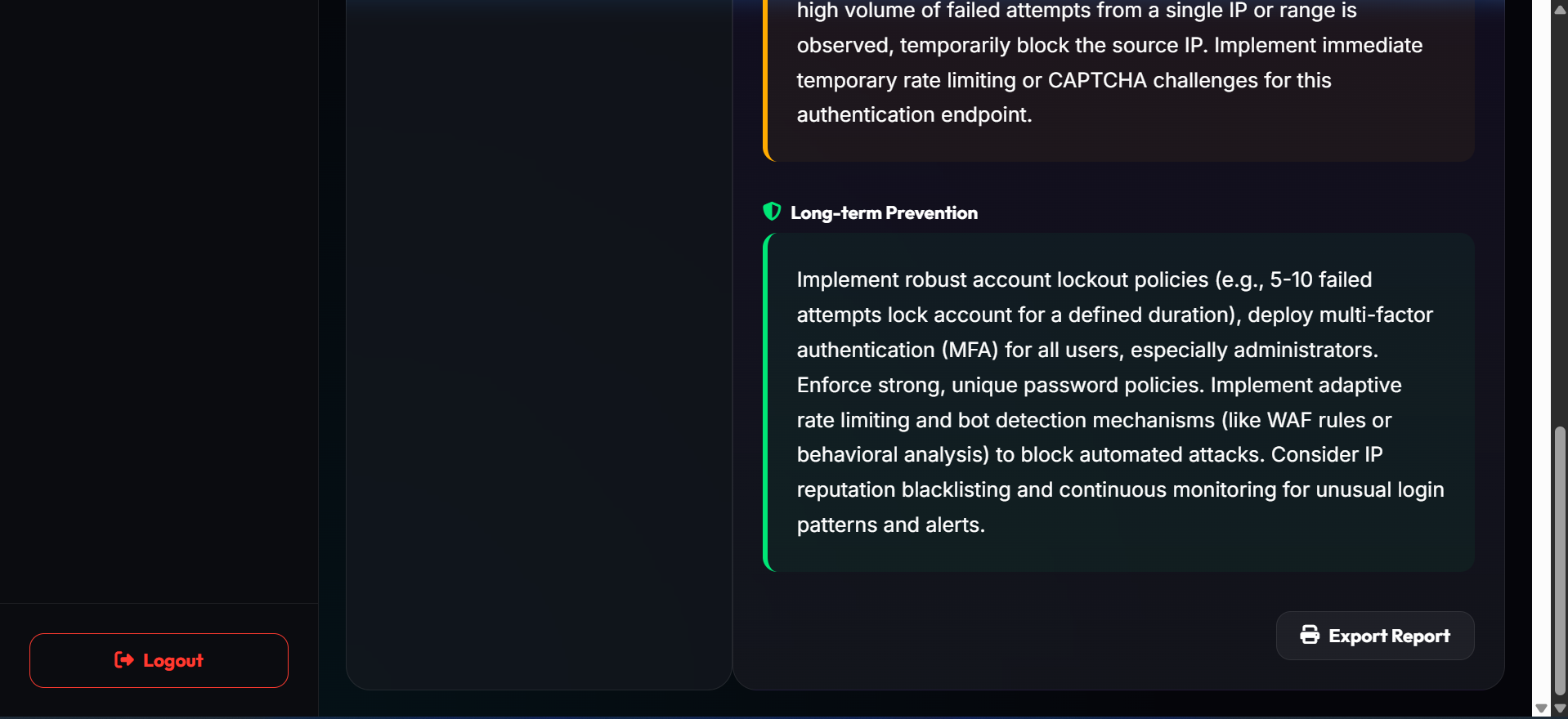
To enhance threat analysis, the system integrates Gemini AI, which analyzes detected attacks and generates explanations, risk assessments and security recommendations for developers.
Charts and analytics were implemented using Chart.js to visualize attack patterns and security metrics in real time.
Challenges I ran into
One of the main challenges was designing a reliable threat detection logic that could recognize different types of attacks without generating too many false positives.
Another challenge was creating a system that could translate complex security threats into simple explanations that developers can easily understand.
Integrating AI analysis with security event logs also required careful structuring of the data so that the AI model could produce meaningful insights and recommendations.
Finally, building a dashboard that clearly visualizes attack data while keeping the interface clean and responsive required thoughtful UI design.
Accomplishments that I'm proud of
One of the biggest accomplishments was building a complete cybersecurity monitoring prototype within a short hackathon timeframe.
SentinelAI demonstrates how AI can transform raw security logs into actionable insights that developers can actually understand and use.
I’m also proud of the attack simulation feature, which allows the system to demonstrate real-time threat detection during a live demo, making it easier to show how the system works.
Most importantly, the project highlights how AI can help bridge the gap between software development and cybersecurity awareness.
What I learned
Building SentinelAI deepened my understanding of web application security and common attack vectors.
I learned more about how attackers exploit vulnerabilities such as SQL injection and cross-site scripting and how detection systems can identify suspicious patterns.
I also learned how AI can be used not only for automation, but also for interpreting technical data and providing human-readable explanations.
Finally, this project reinforced the importance of designing systems that combine technical depth with clear user experience.
What's next for SentinelAI
Future improvements could expand SentinelAI into a more advanced security platform.
Possible next steps include: Real-time monitoring using WebSockets Machine learning models for anomaly detection Automatic IP blocking and firewall integration Integration with cloud security tools and SIEM platforms Advanced threat intelligence feeds Email or SMS alerts for critical threats
The long-term vision is to evolve SentinelAI into a lightweight AI-powered security assistant that helps developers proactively secure their applications.


Log in or sign up for Devpost to join the conversation.