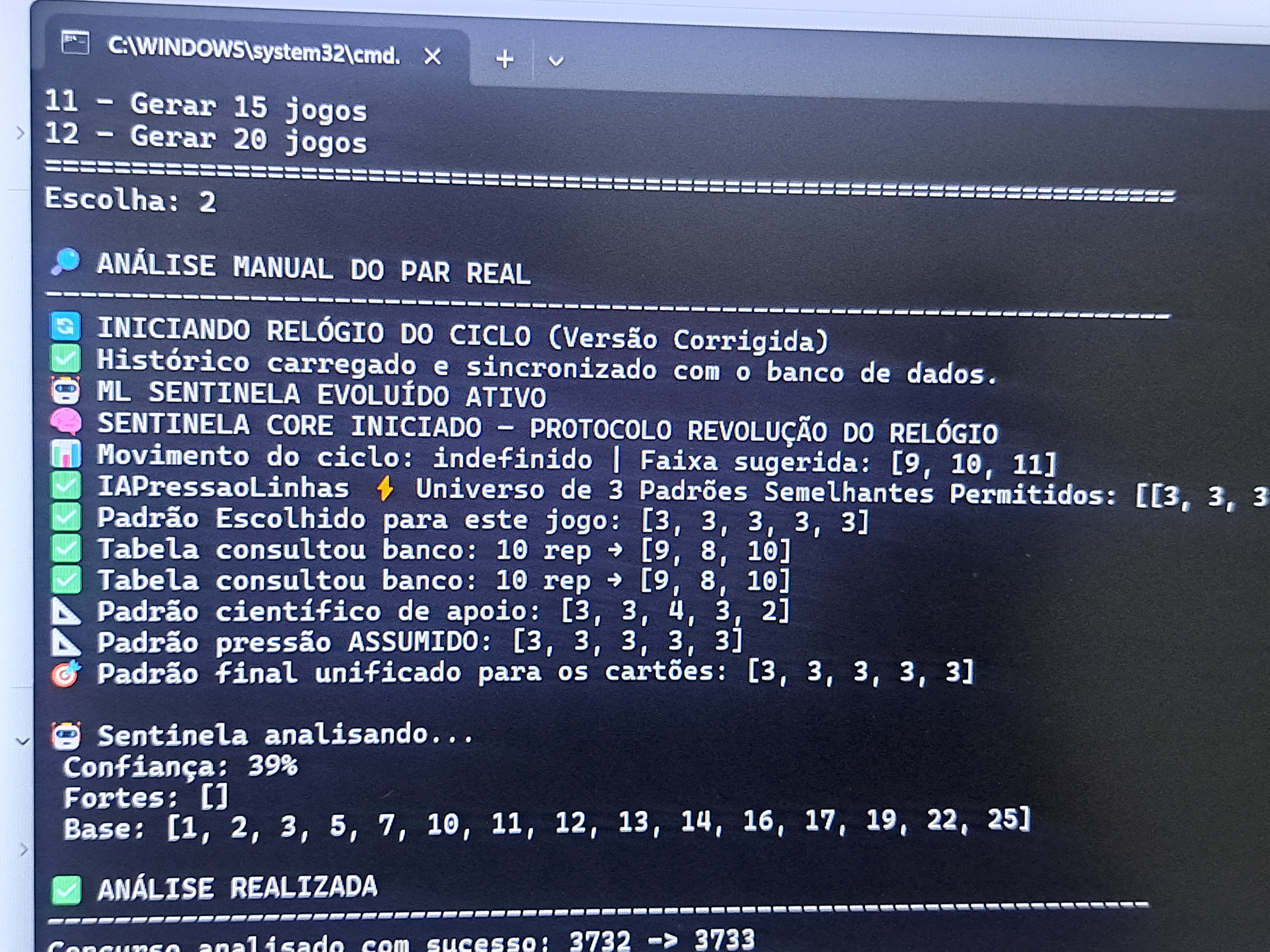
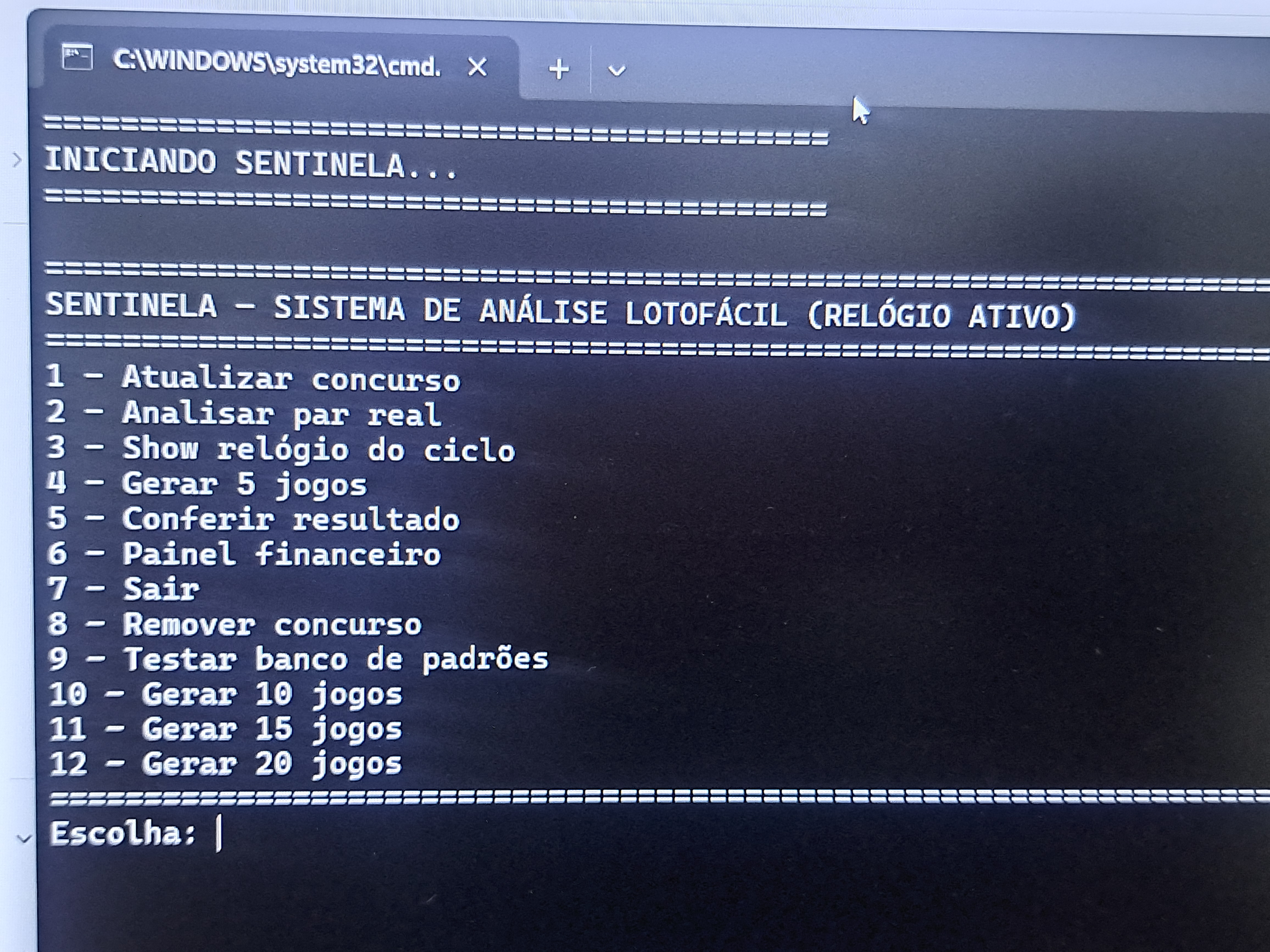
Sentinela
"Sentinela sees patterns where humans see only numbers."
Inspiration
Sentinela was inspired by a simple question: What if artificial intelligence could analyze historical data the way an experienced analyst does, while also discovering patterns that humans often overlook?
The project was created to combine multiple specialized AI agents that work together to analyze historical databases, identify patterns, cycles, structural behavior, and trends before generating intelligent recommendations.
What it does
Sentinela is a multi-agent AI platform that analyzes historical data instead of relying on randomness.
Specialized AI agents perform different analyses, including historical patterns, cycles, structural behavior, repetitions, trends, and statistical balance. Their results are coordinated by a central intelligence that produces the final analysis.
How we built it
The project was developed in Python using a modular architecture, SQLite database, and multiple specialized AI modules coordinated by a central engine.
Challenges
The biggest challenge was designing an architecture where several AI agents could analyze the same historical database from different perspectives and combine their results into a coherent decision.
What's next
Future versions will include a richer interface, autonomous workflow automation, improved learning capabilities, and additional AI agents.

Log in or sign up for Devpost to join the conversation.