-
-
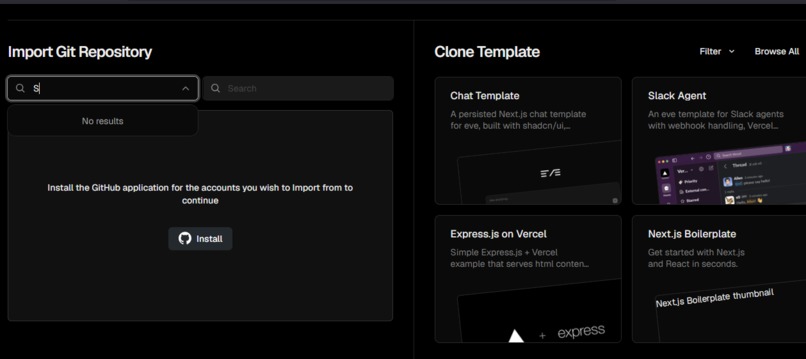
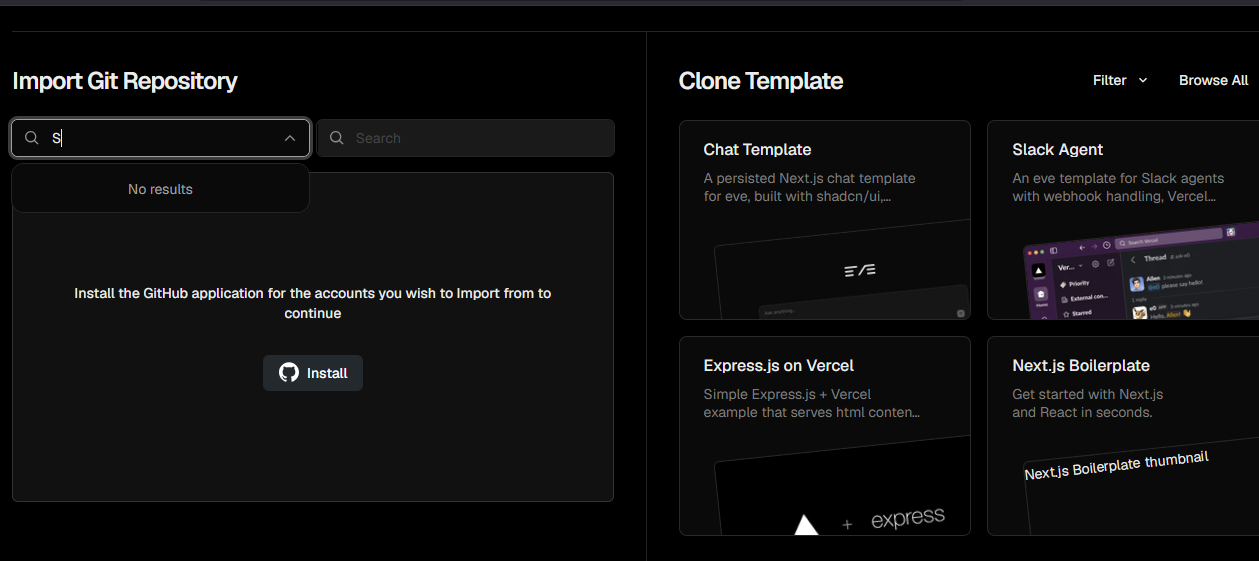
Vercel app , what i made use of to host
-
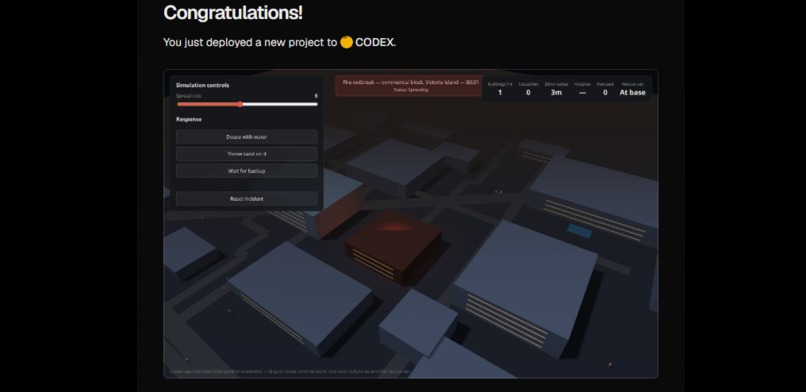
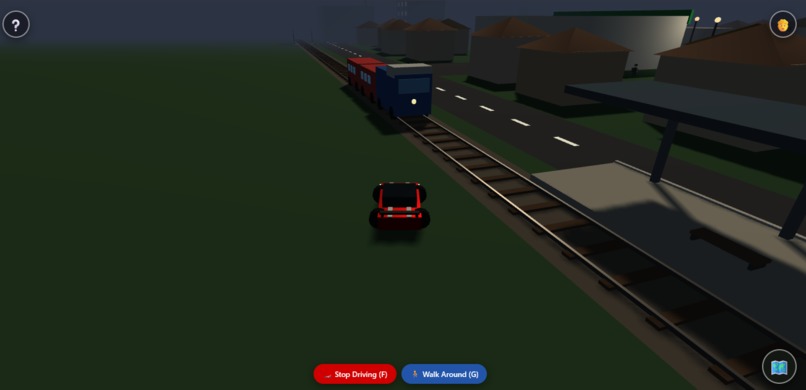
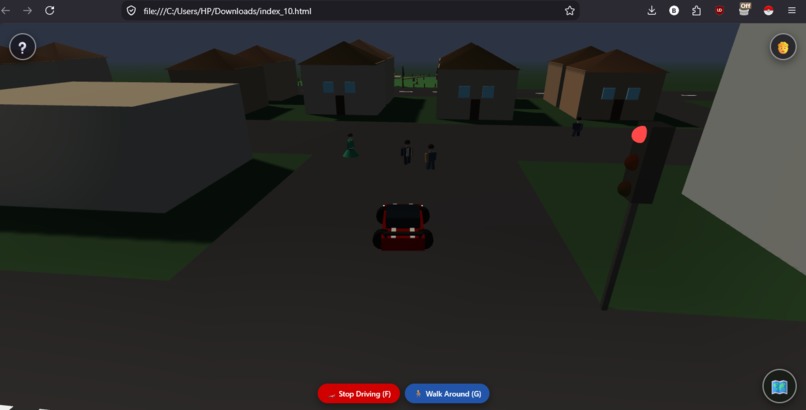
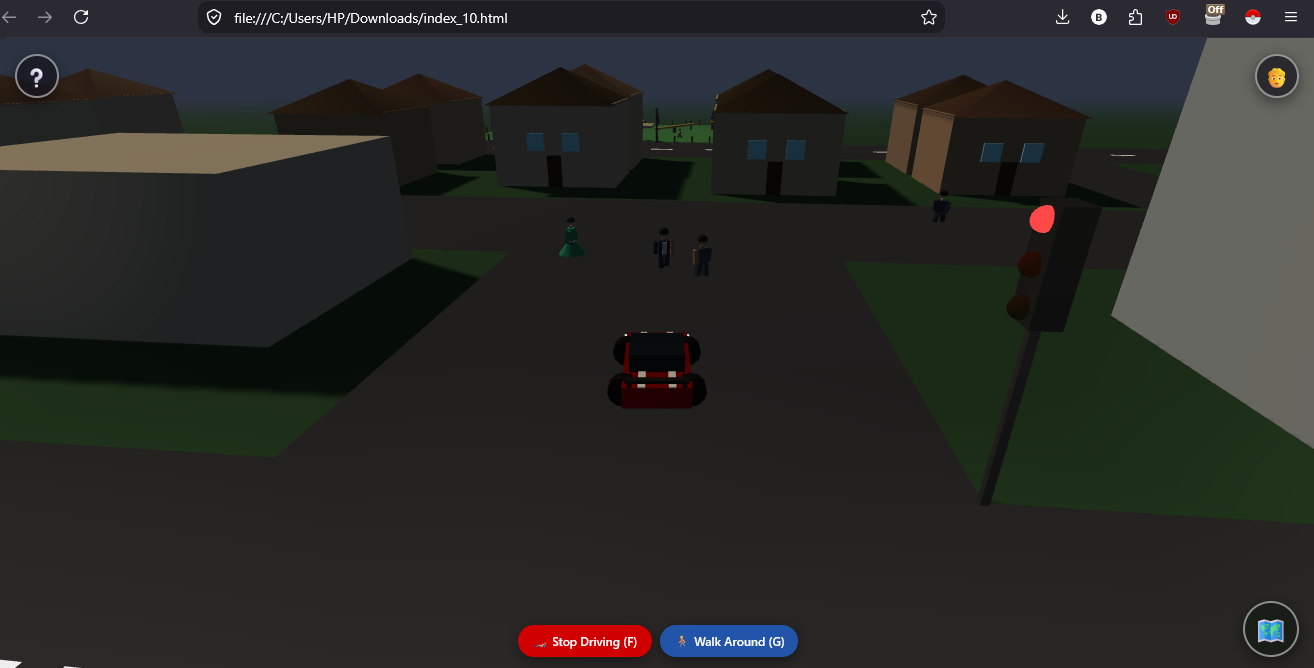
The view of Sentinel
-
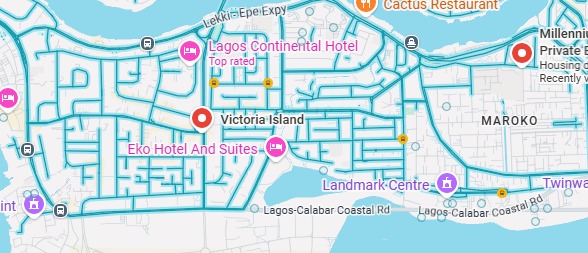
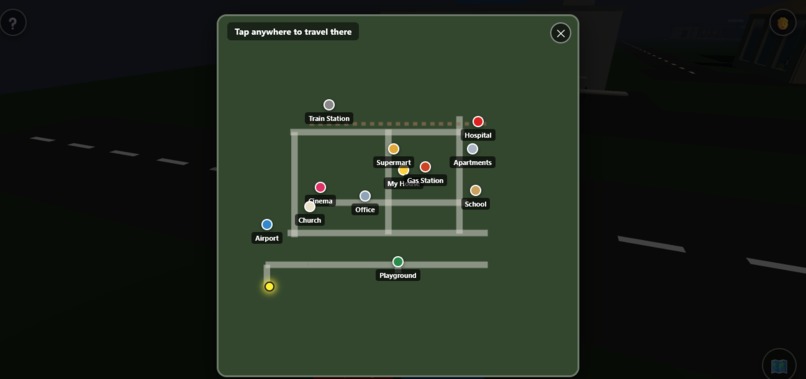
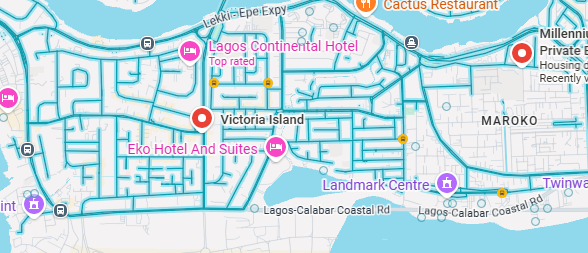
Checking maps to get an almost realistic road feel
-
-
-
-
-
-
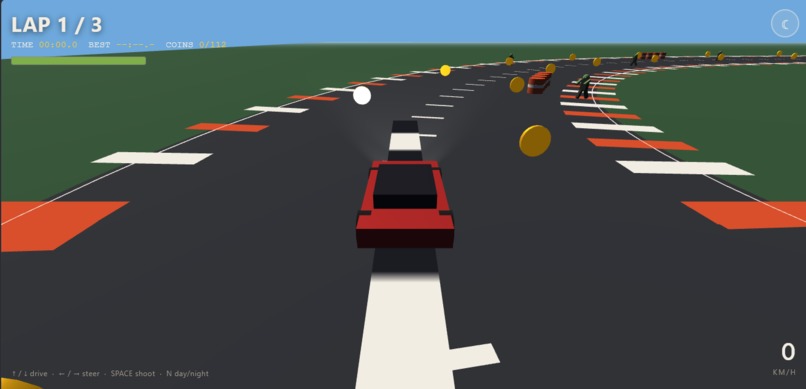
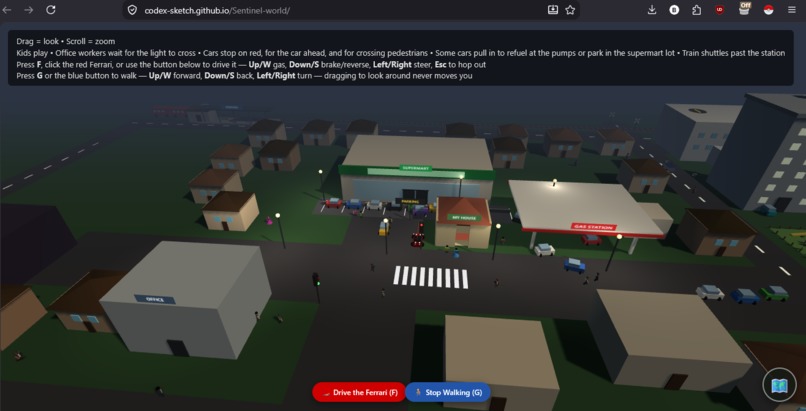
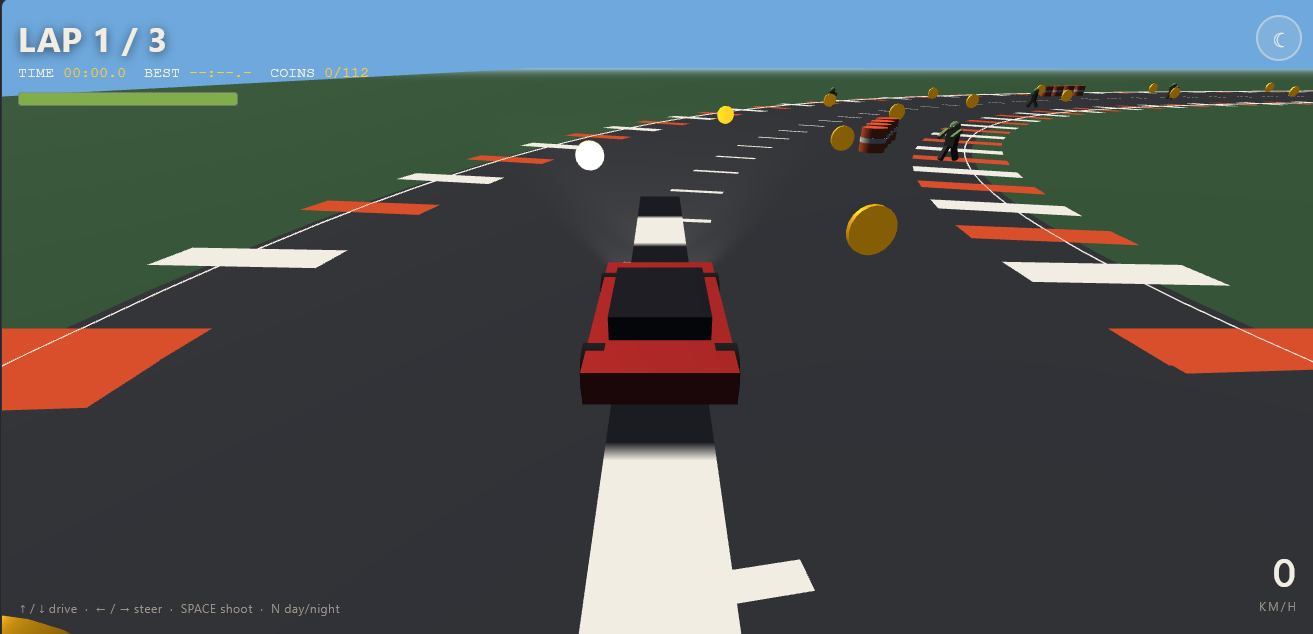
sentinel race game , i made this but didnt have the time to put it in the world
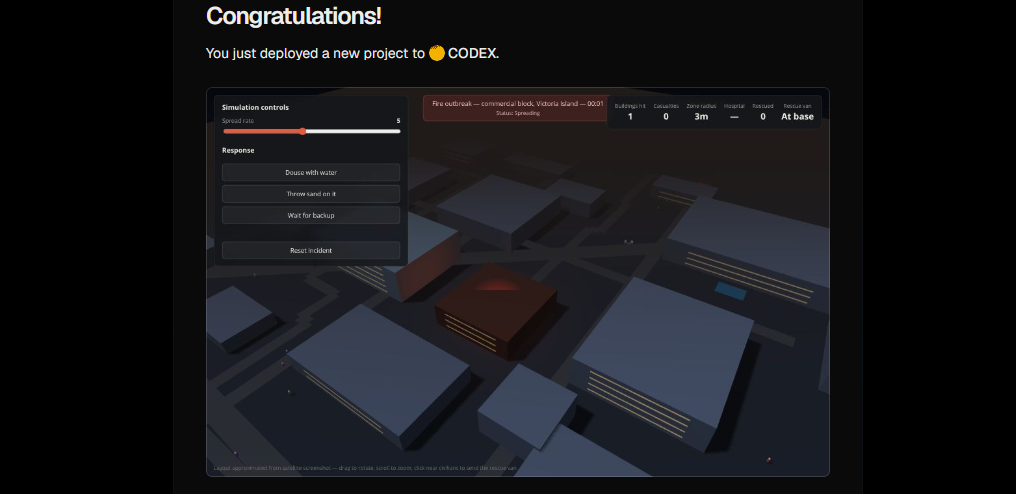
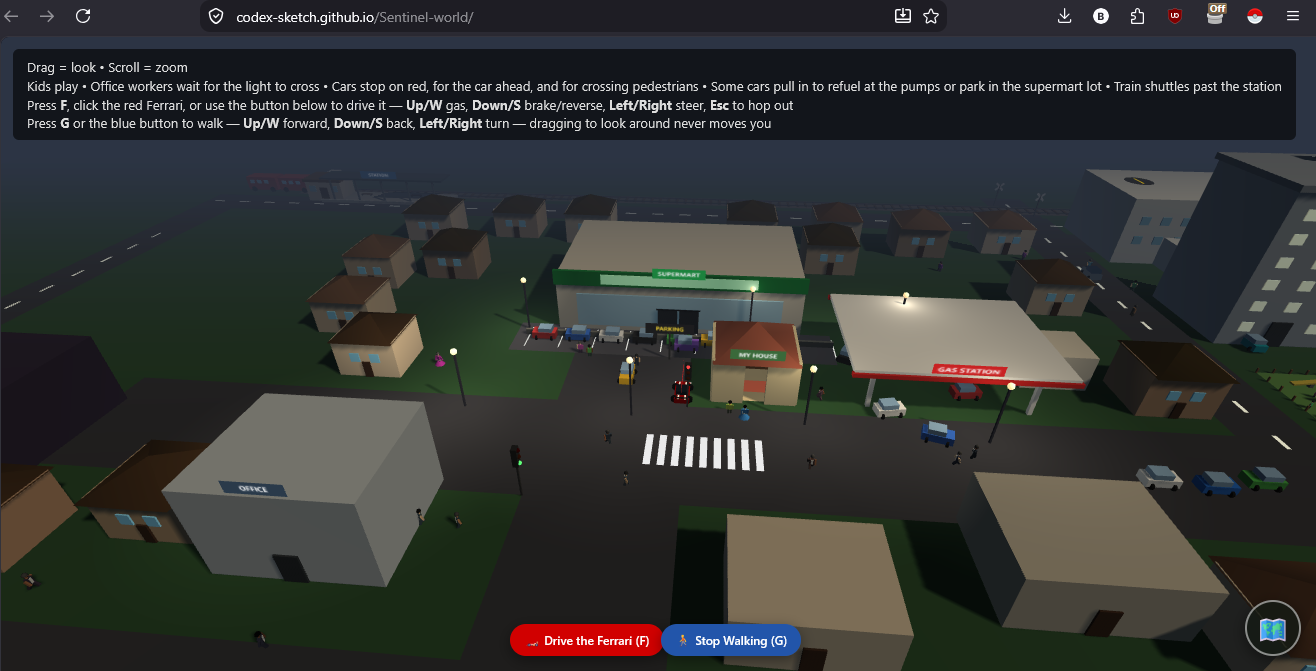
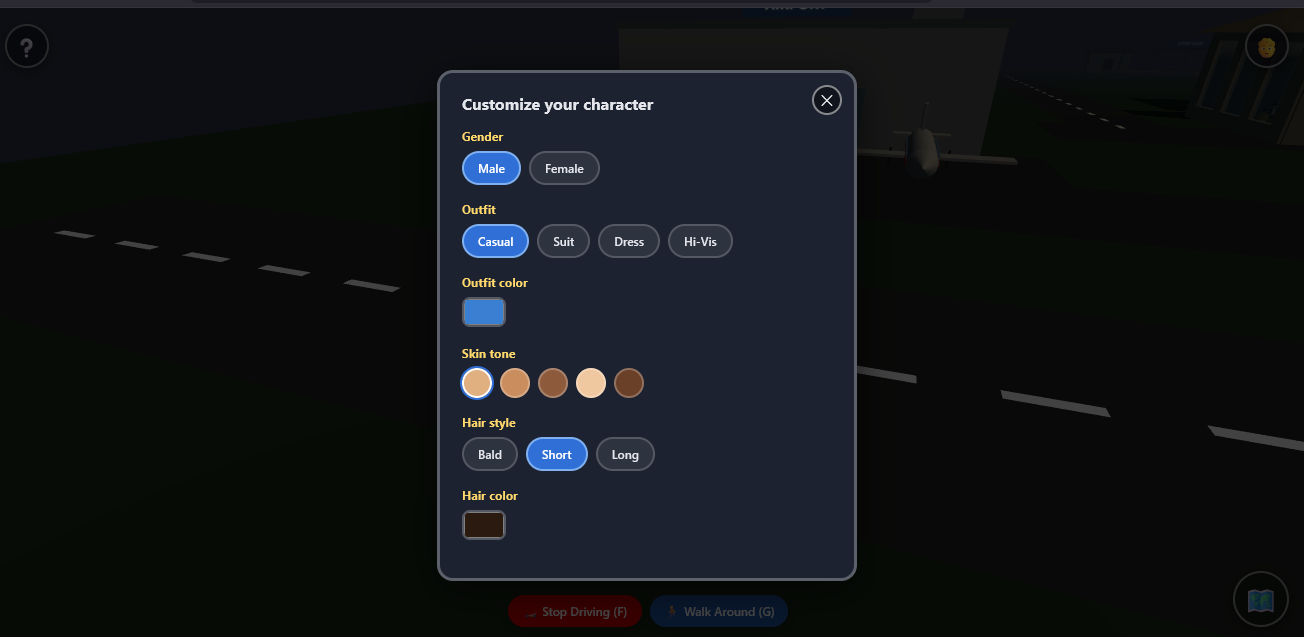
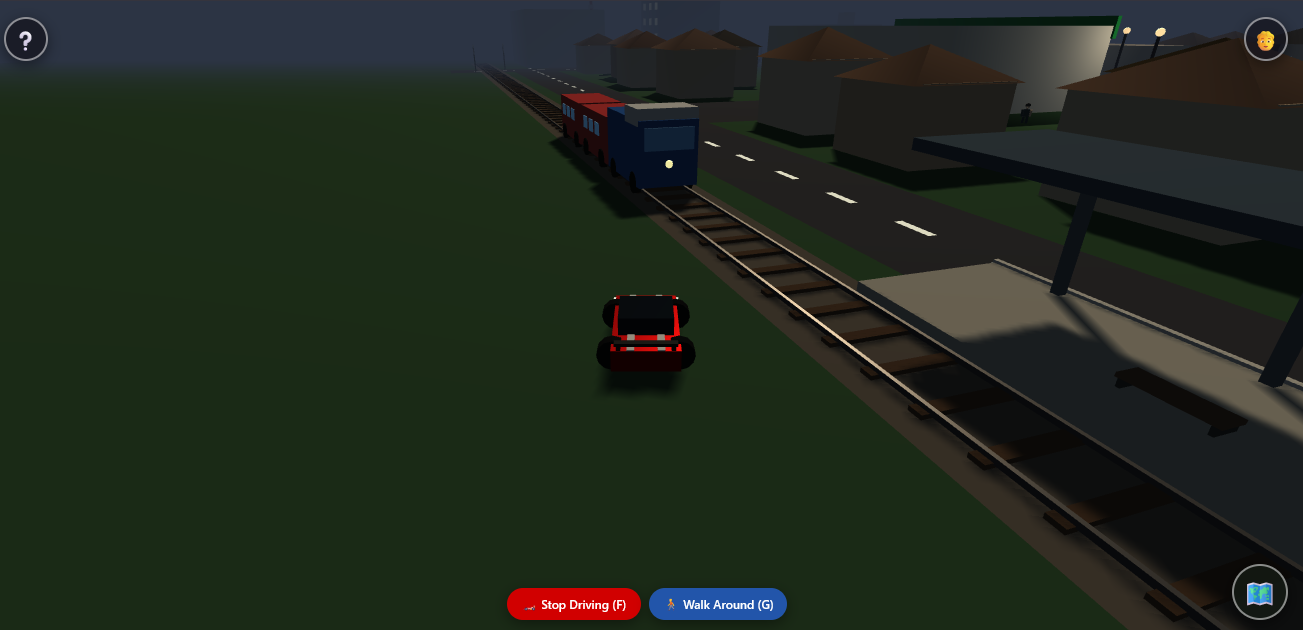
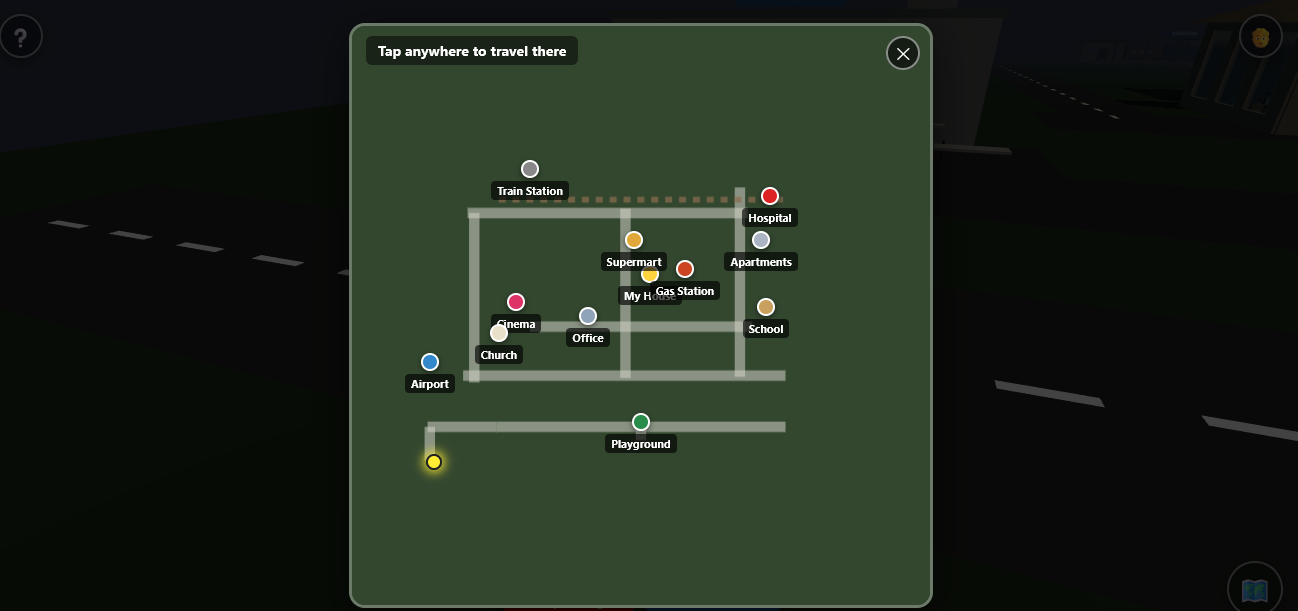
Emergency Response Digital Twin-Sentinel
Inspiration
The idea for this project came from thinking about how emergency responders often have to make critical decisions with limited visual information. Whether it's a fire or another urban emergency, knowing what is happening, where it is happening, and the fastest way to respond can make a significant difference.
I wanted to explore how a 3D digital twin could help visualize emergency situations in real time, making it easier to understand the environment and coordinate a response. Although the long-term vision includes multiple disaster scenarios such as floods and hazardous incidents, I chose to focus on fire emergencies for this prototype because they are among the most common urban emergencies and allowed me to build a polished proof of concept within the hackathon timeframe.
What it does
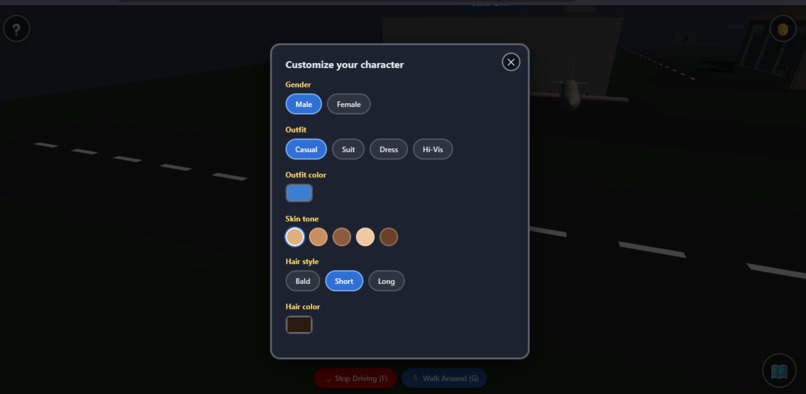
Emergency Response Digital Twin recreates a section of an urban environment in 3D and simulates a fire emergency.
Users can:
- View a realistic 3D representation of the environment.
- Detect a fire incident.
- Dispatch emergency response vehicles.
- Watch responders travel through the city.
- Observe water being deployed to extinguish the fire.
- Monitor the emergency from a central command-style interface.
The project demonstrates how digital twins can be used for emergency planning, training, and situational awareness.
How I built it
The project combines modern web technologies with 3D graphics to create an interactive simulation.
Some of the technologies used include:
- React
- Three.js / React Three Fiber
- JavaScript
- 3D models and particle effects
- Modern UI components for the command dashboard
The environment was designed using real-world references to create a believable urban district while keeping performance suitable for the web.
Challenges I ran into
The biggest challenge was time.
I joined the hackathon later than planned, so I had to make difficult decisions about scope. Rather than attempting several incomplete disaster simulations, I focused on delivering one polished emergency scenario.
Other challenges included:
- Creating a believable urban layout.
- Balancing visual quality with browser performance.
- Synchronizing vehicle movement, fire effects, and water animations.
- Designing an interface that was simple enough for first-time users while still feeling like an emergency operations center. -Getting an osm file for my loaction -Predicting and arranging the variable[people,cars]
These constraints forced me to prioritize the user experience over adding more features.
What I learned
This project taught me that building interactive simulations is about much more than graphics.
I learned how important it is to:
- Design around the user's experience.
- Reduce project scope when working under tight deadlines.
- Optimize 3D scenes for web performance.
- Combine visualization with meaningful interaction instead of creating a static model.
Most importantly, I learned that a focused, polished feature is often more impactful than many unfinished ones.
What's next
This prototype represents the first module of a larger Emergency Response Digital Twin platform-Sentinel.
Future versions will include:
- Flood simulation
- Hazardous material incidents
- Earthquake response
- AI-assisted emergency recommendations
- Dynamic weather conditions
- Multi-agency coordination
- Real-time GIS and sensor integration
The long-term goal is to create a platform that can support emergency planning, responder training, and smarter decision-making for cities.


Log in or sign up for Devpost to join the conversation.